Gardening in Montana: What the Season Actually Allows
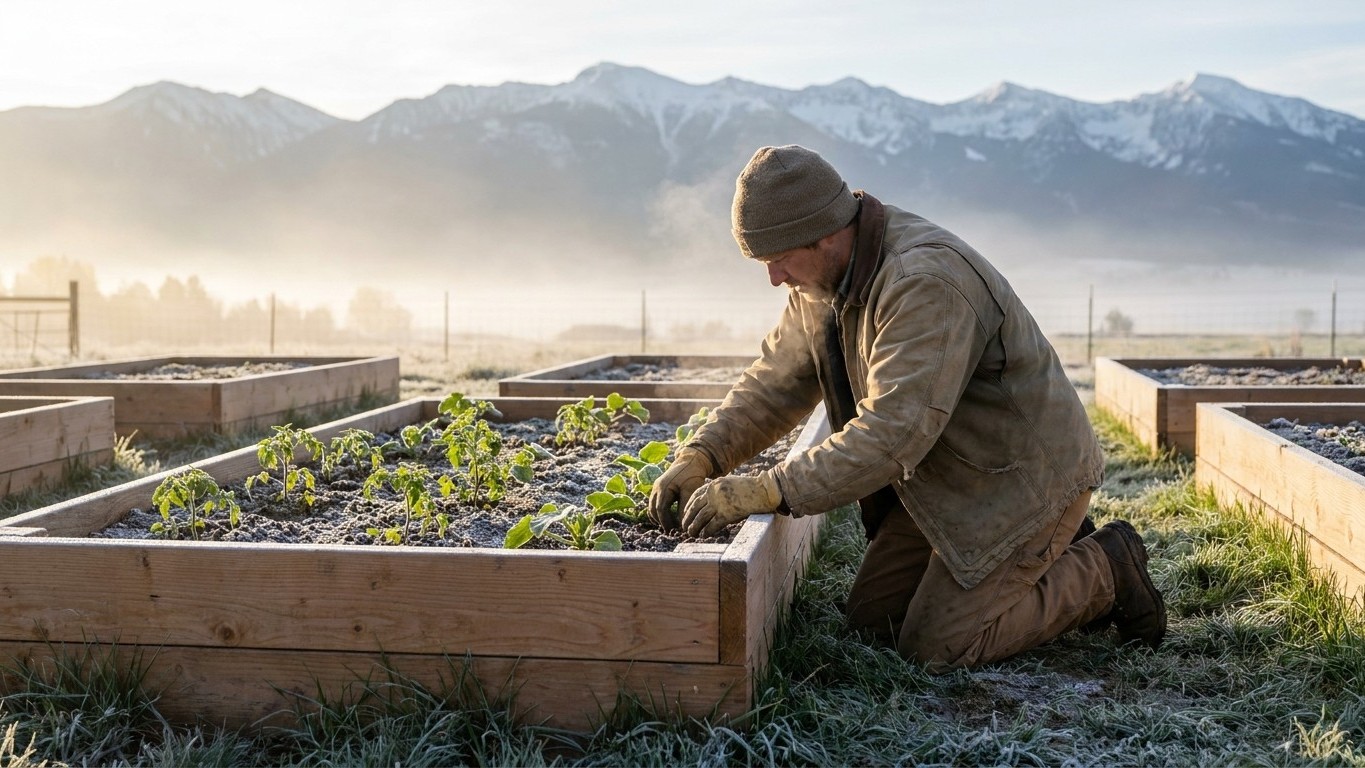
Montana gardeners work with a frost-free window that runs roughly from early May to early October, in a state that spans hardiness zones 3a to 6a.
Home & garden, state by state
Everything we have worked out for Montana: what to plant and when, which varieties finish in time, the pests that actually turn up here, and the jobs that pay off month by month. We also cover the rest of the property, from lawns and soil to home care and energy, because a garden rarely stops at the vegetable bed.
The numbers first, because everything else follows from them. Measured at the weather station in Billings, the last spring freeze runs April 29 to May 10 and the first fall freeze runs October 1 to October 14, USDA zones 3a-6a, 2,855 growing degree days in the year.
Garlic does well: 30.4 weeks below 40 °F, comfortably past the six it needs to form a proper head.
Elsewhere on the property in Montana: the pests that turn up here.
Figures from NOAA's 1991-2020 climate normals. A state is not one climate: elevation, a large lake or the coast can move these dates by two weeks either way, so check your own county with the extension service before you spend money.
Montana gardeners work with a frost-free window that runs roughly from early May to early October, in a state that spans hardiness zones 3a to 6a.
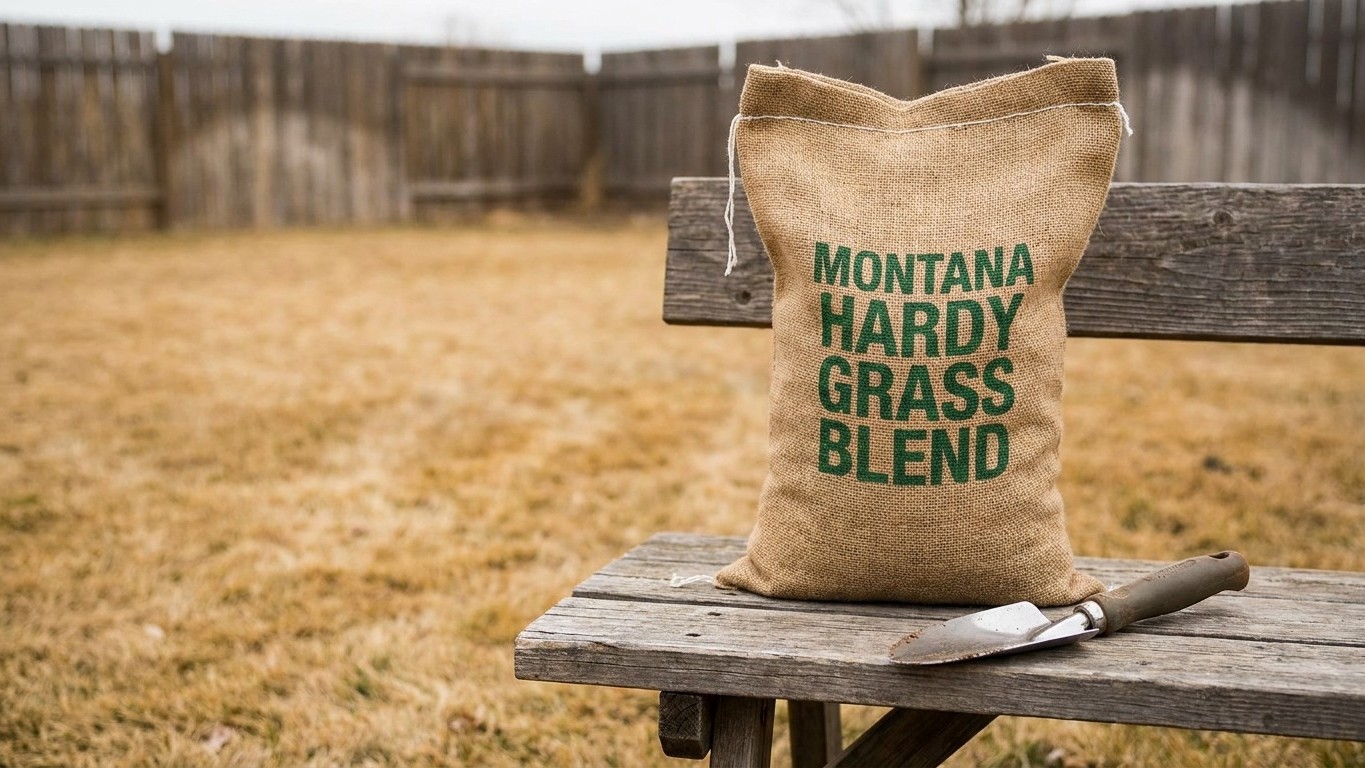
Montana’s mix of cool-season and warm-season options means no single grass wins statewide, so this breaks down what each choice trades off, season by season.
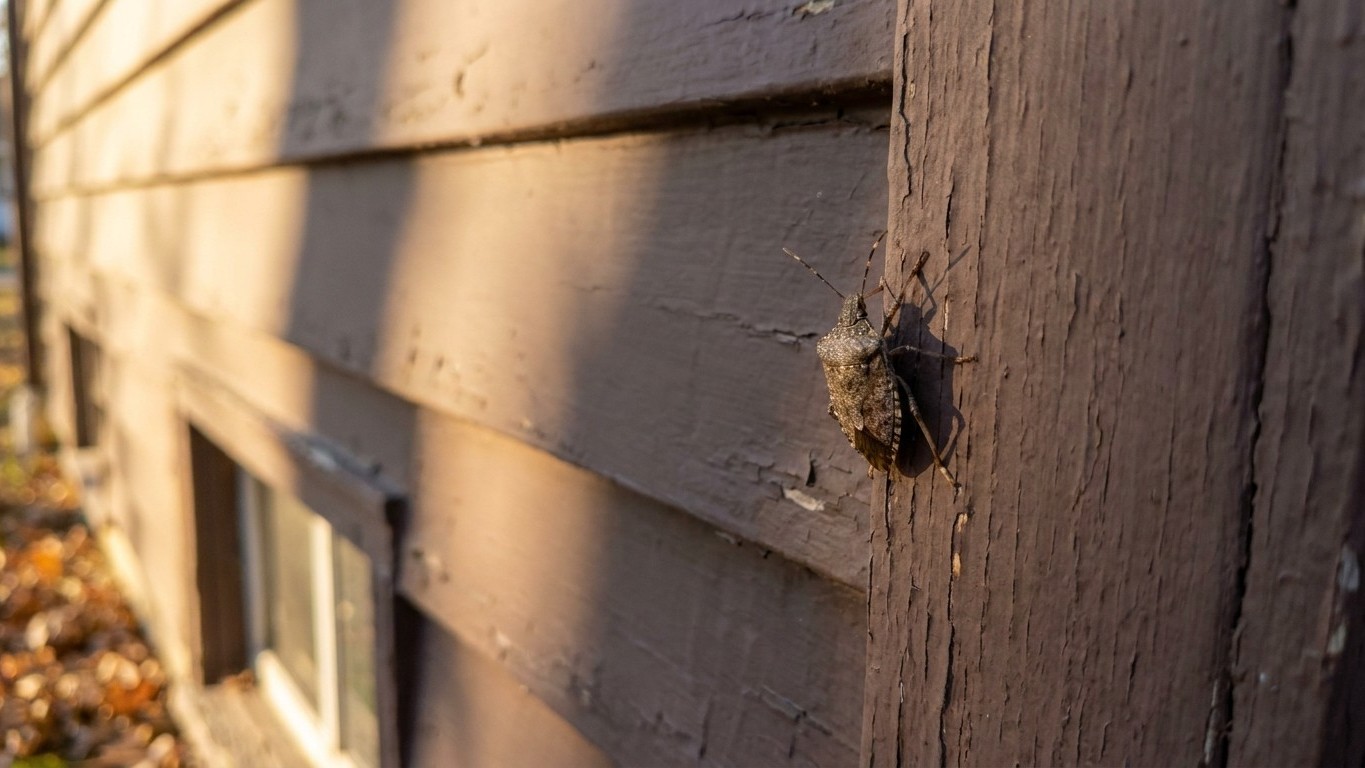
Brown marmorated stink bugs have been confirmed in Montana, but the state is nowhere near the infestation levels seen in Pennsylvania, Virginia, or Ohio.
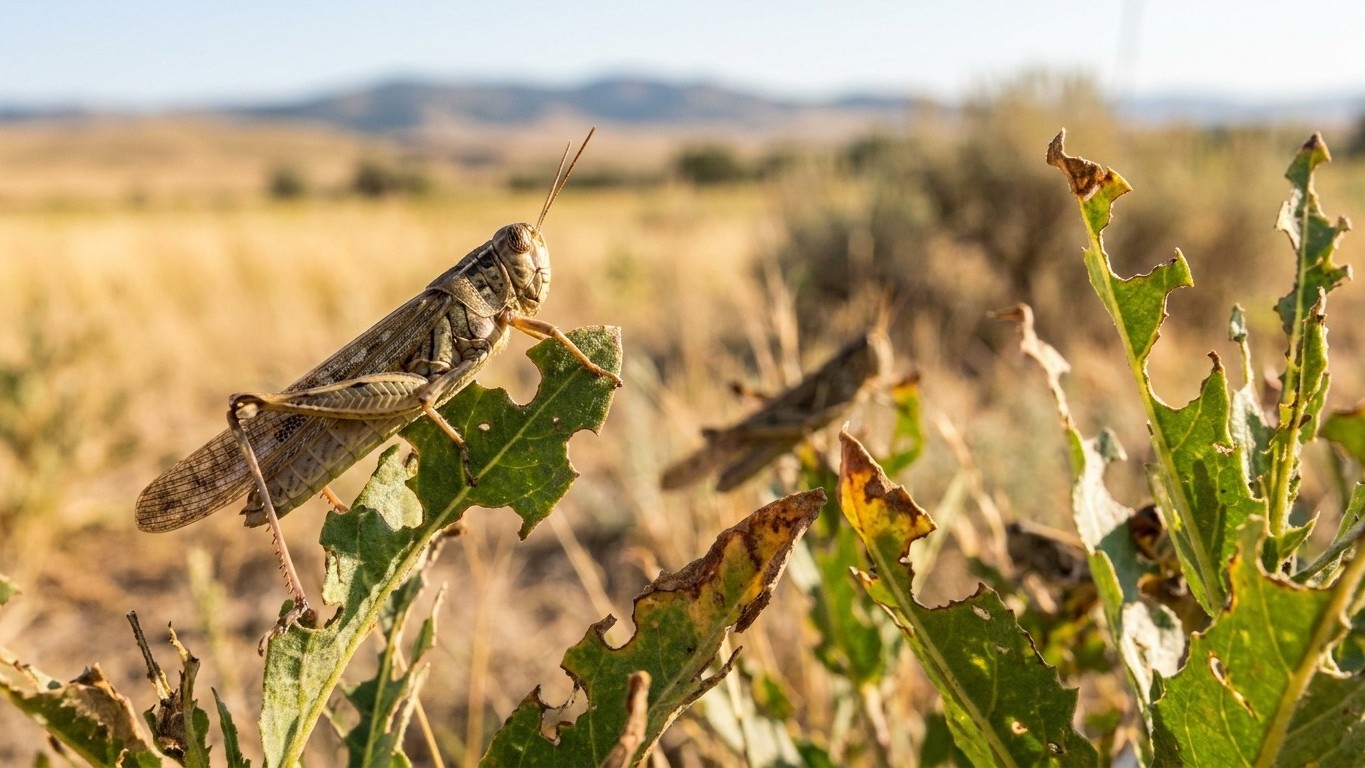
Grasshoppers become a real problem across Montana from late June through August, when nymphs finish molting into winged adults and start moving through…
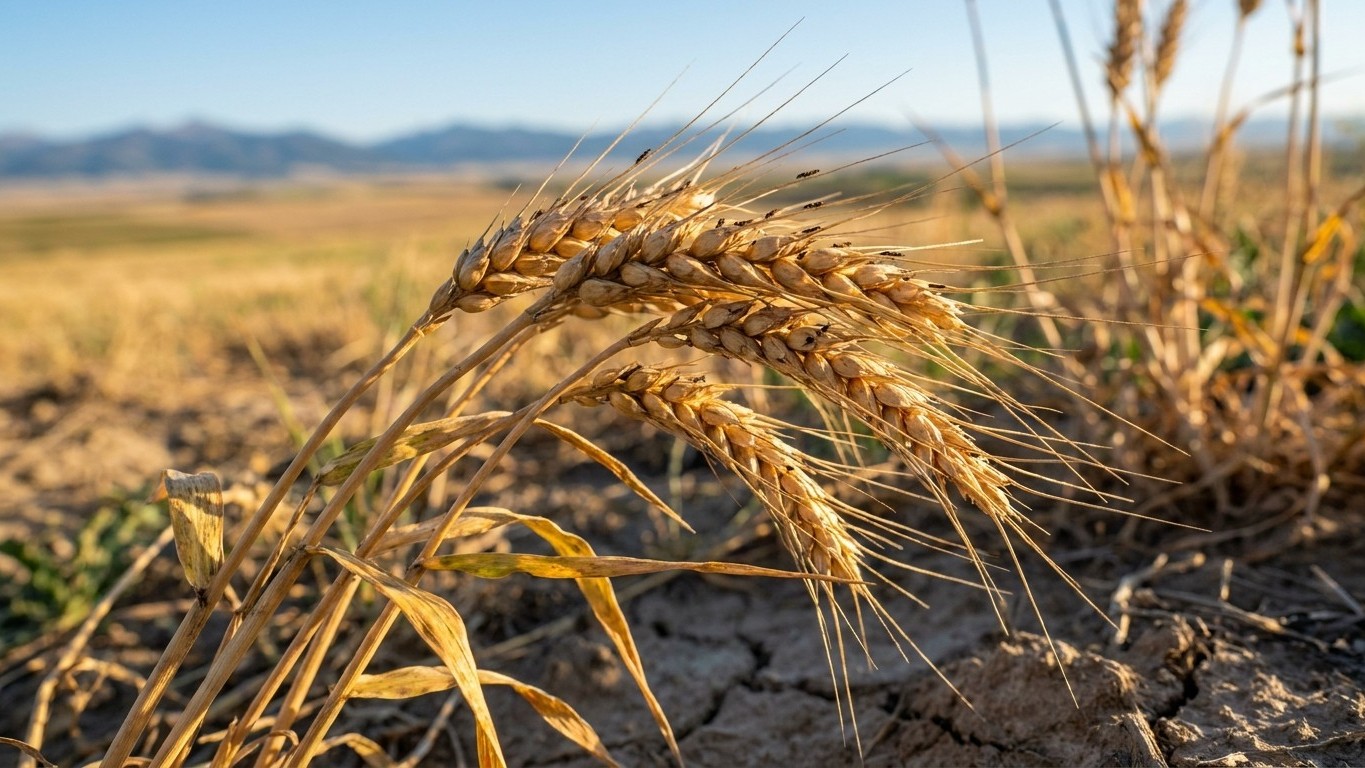
Thrips activity in Montana peaks from late June through early August, right when wheat heads out and garden vegetables hit peak growth under the state’s…
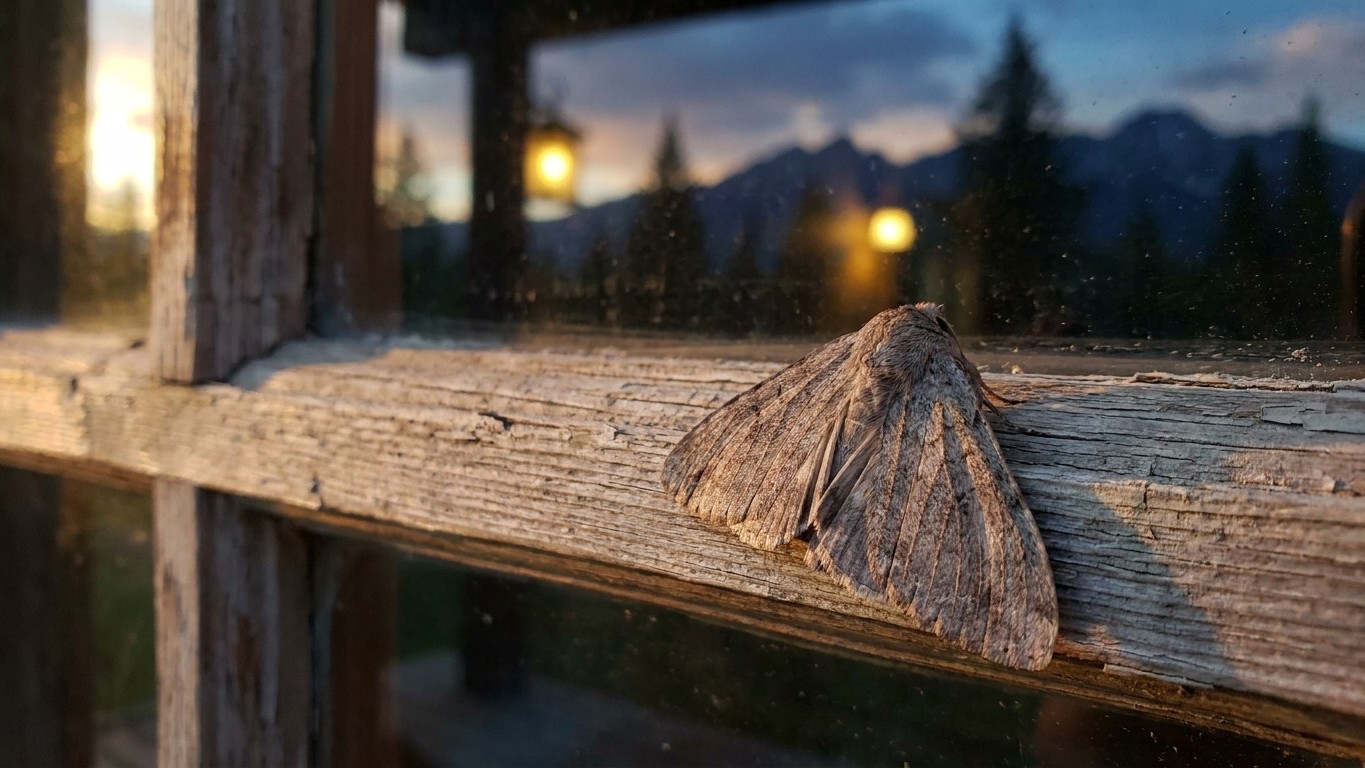
Miller moths show up in Montana twice a year, once in late May through June as they migrate from the plains toward the mountains, and again in September…
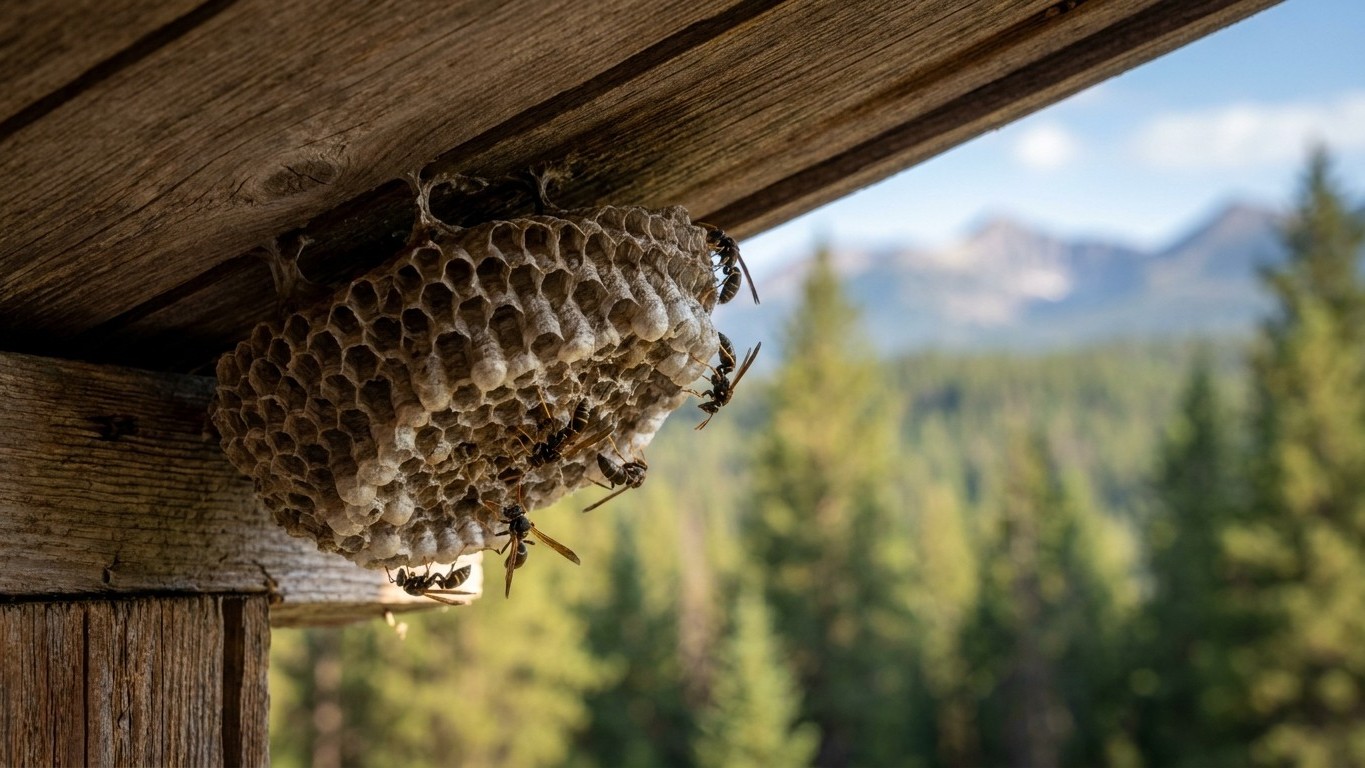
Social wasps become active across Montana as soon as daytime temperatures hold steady above 50°F, which typically means late April in the lower valleys…
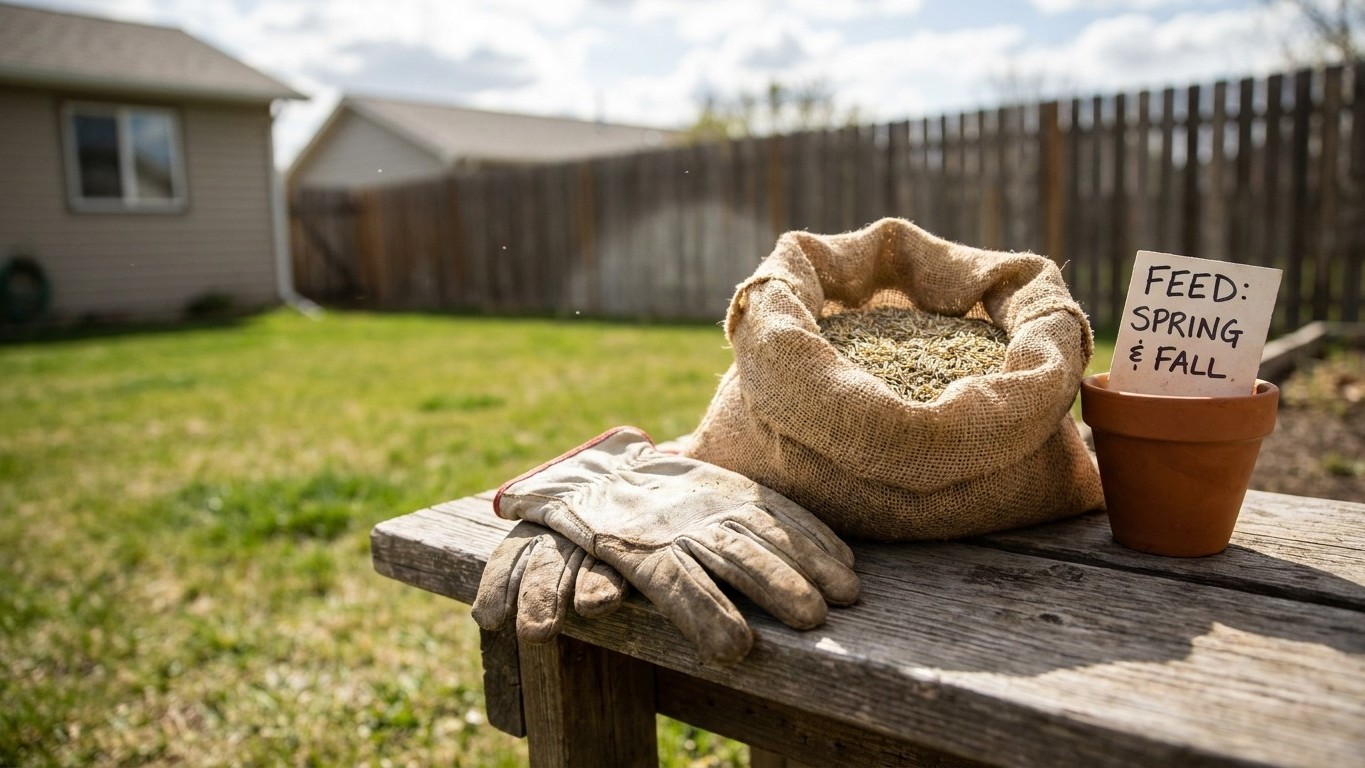
Montana sits in a lawn-grass transition zone: cool-season grasses struggle in summer heat, warm-season grasses stay brown for half the year, and Billings climate data settles which trade-off to choose.
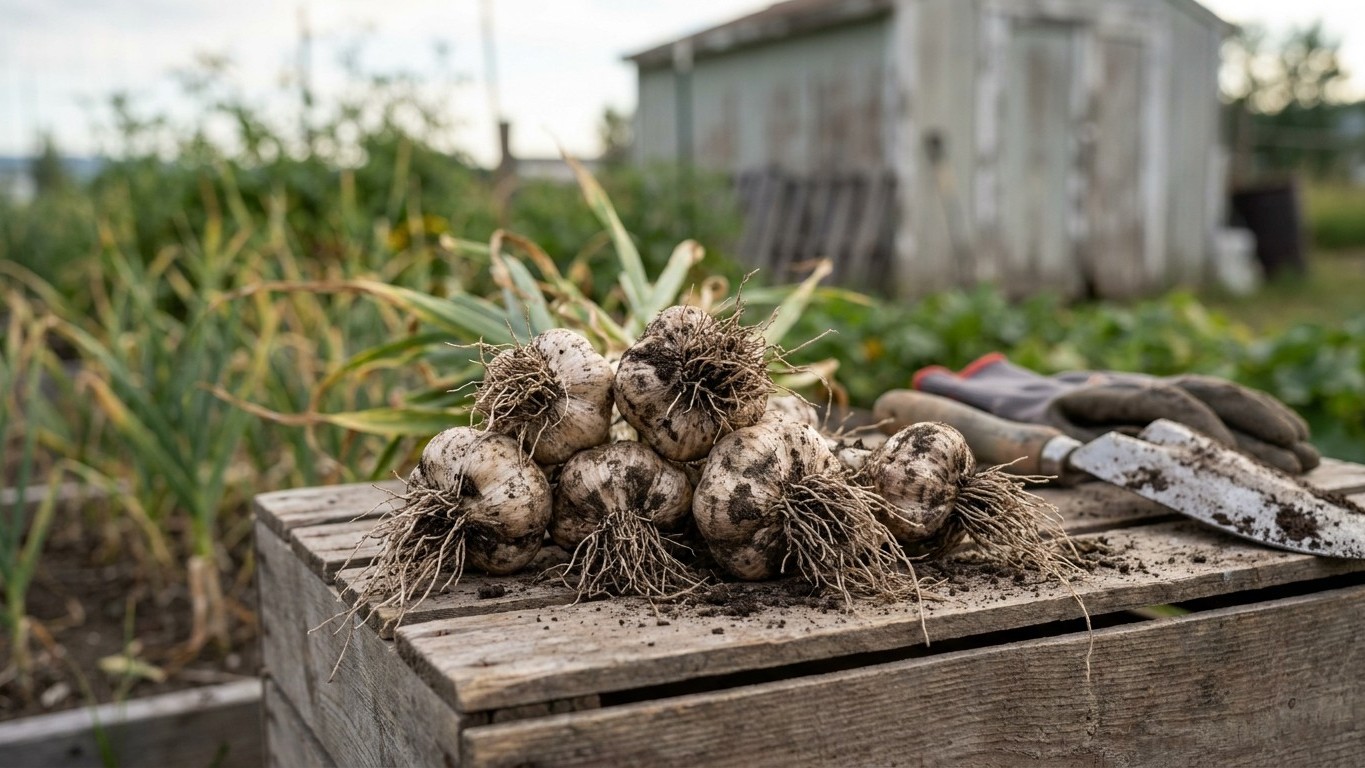
NOAA’s Billings frost normals set Montana’s fall garlic planting window at early September to late September, weeks before the first freeze.
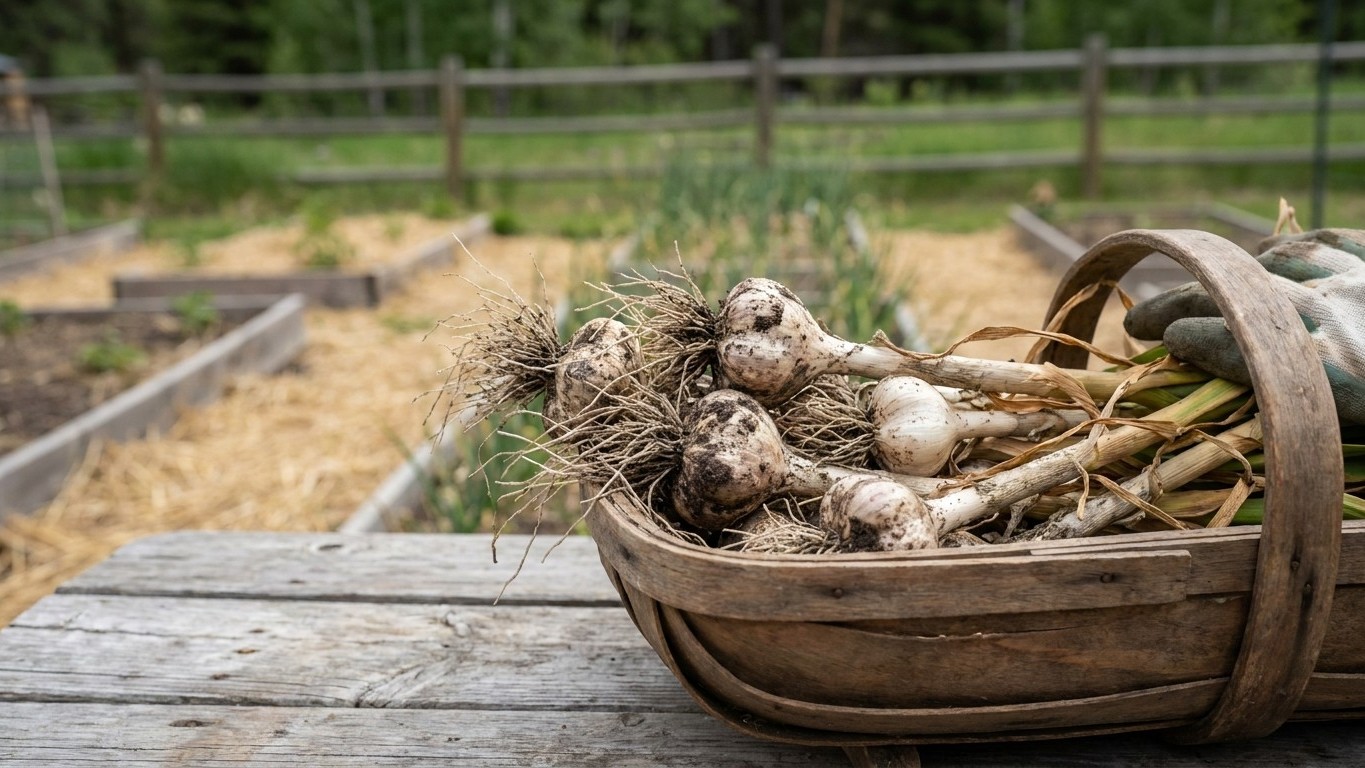
Montana growers can choose from fourteen named hardneck and softneck garlic varieties, all planted in September ahead of the region’s first fall frost.