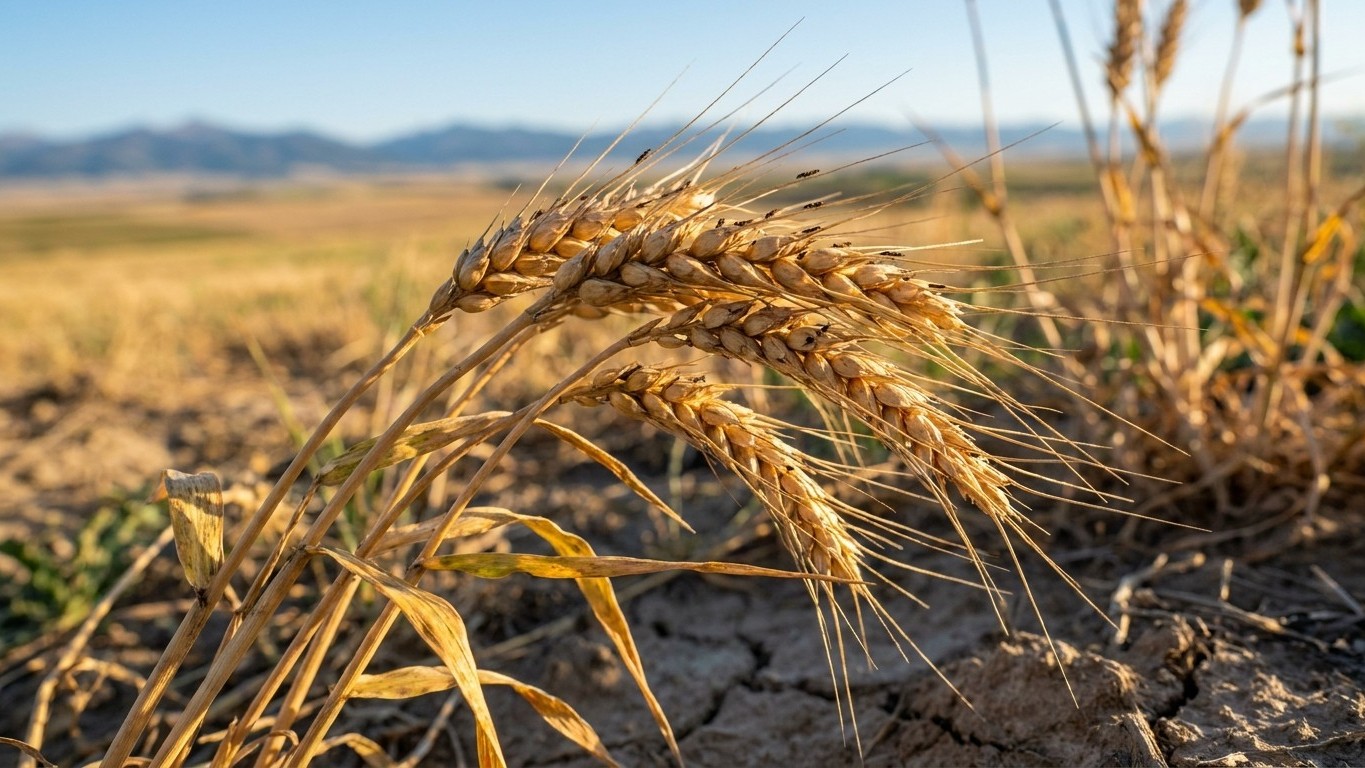

Thrips activity in Montana peaks from late June through early August, right when wheat heads out and garden vegetables hit peak growth under the state’s dry summer heat. The insects favor exactly the conditions Montana delivers every year: low humidity, intense sun, and plants stressed by irrigation gaps or drought. Stopping them means combining early monitoring with cultural changes that make your plants less appealing in the first place, since chemical sprays alone rarely solve a thrips problem once populations explode.
Montana’s Thrips Season: Timing Matters More Than People Think

Thrips don’t show up on a fixed calendar date. They respond to temperature and plant growth stage. In Montana’s eastern plains, where spring wheat dominates the landscape from Great Falls to Miles City, thrips populations typically build as wheat approaches the heading stage, usually mid-June into July. That timing lines up with when grain heads are most vulnerable to feeding damage that shows up as blasted or discolored kernels.
In home gardens across the Gallatin Valley, Flathead Valley, and Yellowstone County, a second wave hits ornamental flowers and vegetables in July and August. Onions, garlic, and roses are frequent targets. Western flower thrips, one of the most common species statewide, thrive when daytime temperatures sit in the 80s with low humidity, a combination Montana summers deliver reliably east of the Continental Divide.
West of the divide, in places like the Bitterroot Valley, higher humidity and slightly cooler summer nights slow thrips reproduction somewhat, but greenhouse growers there still deal with year-round infestations since indoor conditions bypass outdoor climate limits entirely.
Why Drought Stress Makes Infestations Worse
Plants under water stress produce chemical signals that actually attract thrips looking for an easy meal. A wheat field or garden bed that’s gone a week or two without adequate moisture becomes a magnet during a dry Montana July. This is one reason irrigation districts in the Yellowstone and Missouri River basins report thrips complaints spiking in years with below-average snowpack runoff, since less water available for irrigation means more stressed plants statewide.
Which Thrips Species Actually Cause Trouble in Montana
Not every thrips species matters equally to Montana growers. Three stand out based on the damage they cause and how often they’re reported.
- Wheat thrips feed inside developing grain heads, causing kernel discoloration and yield loss in dryland wheat operations across the eastern two-thirds of the state.
- Onion thrips target alliums and a wide range of vegetables, leaving silvery streaks on leaves that eventually turn brown and papery.
- Western flower thrips attack ornamentals, greenhouse crops, and fruit like raspberries, and they’re also known to spread tomato spotted wilt virus, a disease that can devastate a vegetable garden in a single season.
Telling these apart without a microscope is tough. What matters more for control purposes is the damage pattern and the crop involved rather than a precise species ID.
Spotting Thrips Damage Before It Spreads
Thrips are barely visible to the naked eye, often under a sixteenth of an inch long, so most Montana gardeners notice the damage before they spot the insect. The telltale signs include silvery or bronze stippling on leaf surfaces, tiny black fecal specks scattered across foliage, and distorted or streaked petals on flowers like roses and gladiolus, both popular in Montana perennial beds.
On wheat, damage looks different. Infested heads develop a bleached or discolored appearance at the tip, and kernels inside can be shrunken or malformed. Grain elevators in agricultural counties sometimes dock loads for thrips-related quality issues, which is why timing scouting to the heading stage matters for commercial growers, not just home gardeners.
A simple test works for garden plants: tap a suspect flower or leaf cluster over a white sheet of paper. Thrips will fall off and appear as tiny moving specks, usually pale yellow to dark brown depending on the species and life stage.
What Actually Stops Thrips in Montana Conditions
Control that works in Montana’s dry climate looks different from advice written for humid states. Here’s what holds up.
Cultural Controls Come First
Consistent irrigation is the single biggest lever homeowners and small-scale growers have. Drip irrigation or soaker hoses that keep soil moisture steady, rather than letting beds dry out between waterings, reduces the plant stress signals that draw thrips in. Avoiding heavy nitrogen fertilization also helps, since excess nitrogen pushes soft, sappy new growth that thrips prefer for feeding.
Removing plant debris and weeds around garden beds each fall matters too. Many thrips species overwinter in plant litter or soil, and Montana’s cold winters don’t necessarily kill them off if they’re tucked under enough insulating debris. A clean fall cleanup in October, before ground freeze, cuts down the population that emerges the following spring.
Monitoring Tools That Work
Blue or yellow sticky traps placed at plant height give an early warning system. Checking traps weekly starting in late May, before damage appears, lets gardeners catch a buildup before it becomes a full infestation. Commercial wheat growers rely on similar scouting, walking field edges and checking developing heads starting around the third week of June in most eastern Montana counties.
Biological and Direct Controls
Predatory insects like minute pirate bugs and lacewings feed on thrips naturally, and gardeners who avoid broad-spectrum insecticides give these predators a chance to establish. For active infestations, insecticidal soap or horticultural oil applied directly to affected foliage knocks down populations without wiping out beneficial insects the way harsher chemicals do.
Reflective mulch, the kind used in commercial vegetable production, disrupts thrips’ ability to locate host plants visually. Some Montana market gardeners have adopted silver plastic mulch under onions and peppers for this reason, reporting fewer thrips landings compared to bare soil or dark mulch.
For serious infestations, particularly in greenhouse settings where thrips reproduce year-round regardless of outdoor temperature, targeted insecticides labeled specifically for thrips may be necessary. Rotating between different chemical classes prevents resistance buildup, a real concern since thrips reproduce quickly and can develop resistance within a few generations if the same product gets used repeatedly.
Indoor Plants and Greenhouses: A Different Set of Rules
Montana’s short outdoor growing season pushes a lot of plant activity indoors, whether that’s seed starting in March or overwintering tender perennials in a sunroom. Indoor thrips don’t care about Montana’s winter temperatures outside, and infestations can persist year-round on houseplants once established.
Isolating new plants for two weeks before introducing them to an existing collection catches hitchhiking thrips before they spread. Yellow sticky cards placed near windowsills or grow lights work indoors just as well as they do in garden beds, and they’re often the first sign of trouble since indoor infestations can go unnoticed until leaf damage is already extensive.
When to Bring in Professional Help
Home gardens and small ornamental beds usually respond to the combination of irrigation management, sticky traps, and insecticidal soap within two to three weeks. Commercial wheat and canola operations facing significant thrips pressure often work with county extension agents to time insecticide applications precisely, since spraying too early or too late wastes money and does little to protect yield.
Persistent greenhouse infestations, or garden problems that keep returning season after season despite consistent cultural controls, usually signal an overwintering population nearby, whether that’s in a neighboring untreated garden, plant debris, or a greenhouse structure that never fully clears out between growing cycles. In those cases, a licensed pest control service familiar with Montana’s specific thrips pressure points can identify the source rather than just treating symptoms repeatedly.