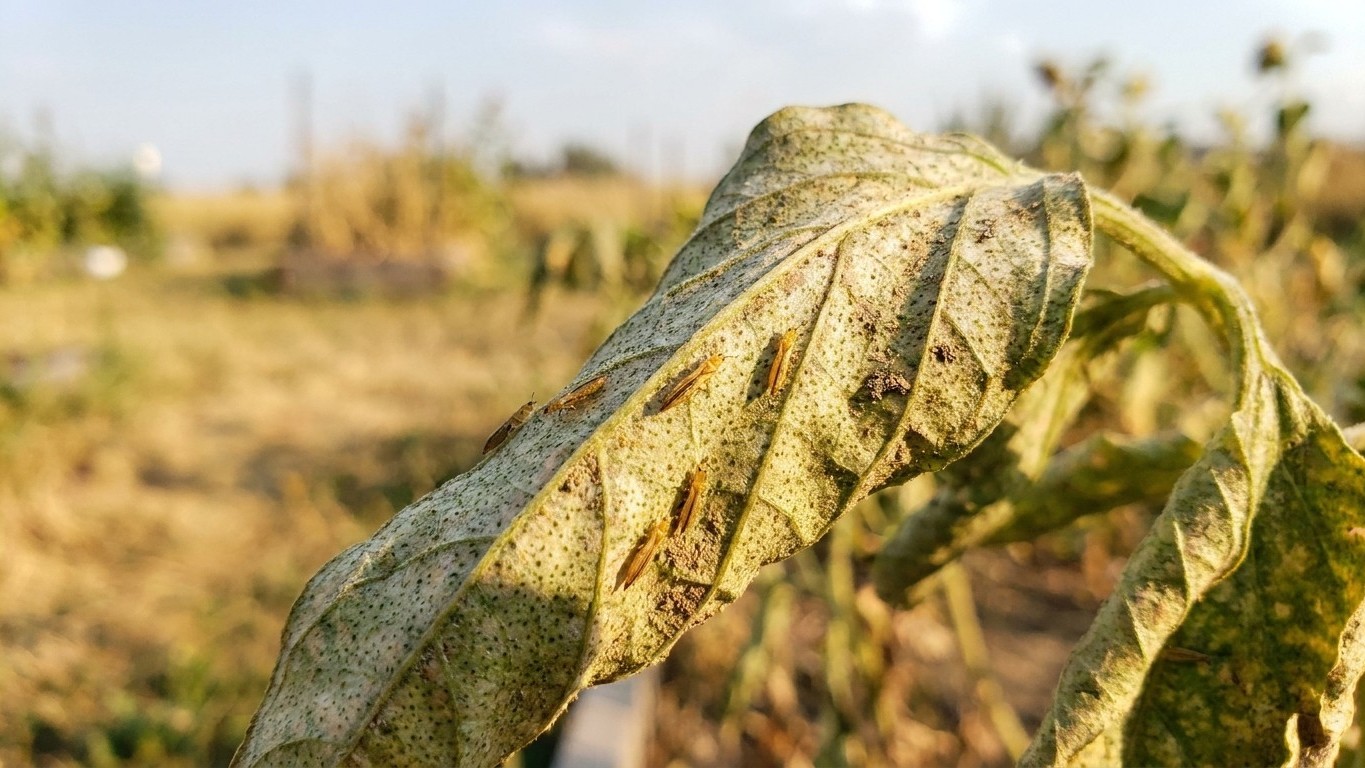

Thrips show up in Alberta gardens and fields as soon as the weather turns consistently warm, usually mid-May through June, and they stick around until the first hard frost knocks them back in late September or early October. Indoors, in greenhouses and on houseplants, they never really leave. The species you’re dealing with, when it arrives, and how long it sticks around all depend on where you are in the province and what you’re growing.
When Thrips Are Active in Alberta

Outdoor thrips populations in Alberta follow the province’s short but intense growing season. Adults become active once daytime temperatures hold steady above roughly 60°F, which typically happens in southern Alberta (Lethbridge, Taber, Medicine Hat) a few weeks earlier than in the Edmonton or Peace Country regions. Populations build through July and peak during hot, dry stretches in August, when a single female can produce several generations in a matter of weeks.
That heat-and-drought connection matters more here than in wetter climates. Alberta’s chinook winds and low humidity summers create exactly the stressed, dry-leaf conditions thrips favor. Plants under water stress produce softer, more attractive tissue for thrips to feed on, and dry air lets populations explode faster than natural predators can keep up.
Outdoor season timing
Onion and garlic growers in the Taber area, one of the province’s major commercial onion-growing regions, watch closely for onion thrips (Thrips tabaci) starting in late June. Home gardeners with roses, gladiolus, and other ornamentals usually notice damage a bit later, in July and August, once flower buds open and thrips move into the blooms to feed.
The season ends abruptly. A hard frost, the kind that hits central Alberta by late September in most years, kills off active adults outdoors. What survives does so as pupae tucked into soil or leaf litter, waiting out the winter in a dormant state until soil temperatures warm again the following spring.
Greenhouse and indoor exceptions
Alberta’s greenhouse vegetable and ornamental sector, concentrated around Medicine Hat and Redcliff, deals with a different calendar entirely. Western flower thrips (Frankliniella occidentalis) thrive in heated, humidity-controlled greenhouses year-round, regardless of what’s happening outside. This is also why houseplant owners sometimes spot thrips damage in the dead of a Calgary winter, long after outdoor populations have frozen out.
What Draws Thrips to Alberta Yards and Gardens
Thrips don’t show up randomly. They’re pulled in by specific conditions, and most of them are things homeowners create without realizing it.
- Drought-stressed plants with soft, thin foliage are easier to pierce and feed on than well-watered, thick-leaved growth.
- Over-fertilized lawns and beds, especially with high-nitrogen products, push out tender new growth that thrips prefer over mature tissue.
- Weedy borders and untended fence lines act as a staging ground, since thrips breed on grasses and broadleaf weeds before moving into gardens.
- Light-colored or reflective surfaces near plantings, oddly enough, can attract adult thrips searching for host plants, since many species are drawn to bright, high-contrast visual cues.
Onions, garlic, roses, gladiolus, peonies, and certain vegetables like beans and cucumbers are the plants Alberta gardeners report the most damage on. Commercial growers in the province also track thrips closely on canola during flowering, though flea beetles and cabbage seedpod weevil remain bigger economic threats to that crop.
Signs of a Thrips Infestation
Thrips are tiny, often under a sixteenth of an inch long, and most homeowners never actually see the insect. What they notice is the damage left behind.
Leaves develop a silvery, papery sheen where thrips have scraped the surface to feed on plant sap underneath. Flip a damaged leaf over and you’ll often find tiny black specks, which are thrips fecal deposits, scattered across the underside. On flowers, especially light-colored roses, petals show streaking or brown discoloration and buds may fail to open properly or drop early. New growth can look twisted or stunted, since thrips feeding disrupts normal cell development in expanding tissue.
A simple way to confirm thrips rather than another pest: hold a sheet of white paper under a suspect leaf or bloom and give the plant a firm tap. Thrips are fast movers but clumsy fliers, and several will usually drop onto the paper where you can see their narrow, elongated bodies moving around.
What Actually Stops Thrips in Alberta Conditions
Control works best when it targets the specific weak points in a thrips life cycle rather than relying on a single method.
Monitoring and cultural controls
Blue sticky traps placed near vulnerable plants are more effective than yellow ones for catching adult thrips, since research on thrips behavior has consistently shown a stronger attraction to blue wavelengths. Traps won’t eliminate a population, but they give an early warning before damage becomes severe, which matters in Alberta’s compressed growing season where you don’t have much time to react.
Keeping plants consistently watered during Alberta’s dry summer stretches removes the drought stress that makes tissue attractive in the first place. Clearing weedy grasses along fence lines and garden borders before they flower cuts off a major breeding source. Avoiding heavy nitrogen fertilizer, particularly on roses and vegetables during peak thrips season in July and August, keeps growth firmer and less appealing.
Biological and least-toxic options
Predatory mites, particularly Neoseiulus cucumeris, are used commercially in Alberta greenhouse operations to keep western flower thrips populations in check, and the same predatory mites are available to home gardeners through some garden centers and mail-order biological control suppliers. They feed on thrips larvae and work best when released before populations get out of hand.
Insecticidal soap sprays, applied directly to affected foliage and undersides of leaves, disrupt thrips without the broader toxicity of conventional insecticides. Spinosad-based products, derived from a naturally occurring soil bacterium, offer another lower-toxicity option that’s shown effectiveness against thrips in university extension trials, though repeat applications every five to seven days during an active infestation are usually necessary since thrips reproduce quickly.
Removing and disposing of heavily infested plant material, rather than composting it, prevents pupae in the soil around damaged plants from completing their life cycle nearby.
Preventing Thrips From Coming Back
Fall cleanup matters more in Alberta than in milder climates, precisely because the harsh winter does part of the work for you if you help it along. Clearing spent plant debris, particularly around onions, garlic, and roses, before the ground freezes removes overwintering sites that would otherwise give thrips a head start the following spring. Tilling garden soil in late fall exposes overwintering pupae to freezing temperatures and predators, reducing the population that survives to emerge in May.
For greenhouse growers and anyone overwintering plants indoors, isolating new plant purchases for a week or two before placing them near existing plants catches hitchhiking thrips before they spread. This single step is one of the most overlooked prevention measures, since a lot of indoor infestations trace back to a single infested nursery plant brought home without inspection.
Rotating susceptible crops like onions and garlic to a different bed each year, rather than planting in the same soil annually, also breaks up the local buildup that commercial growers in southern Alberta have identified as a major factor in year-over-year thrips pressure.