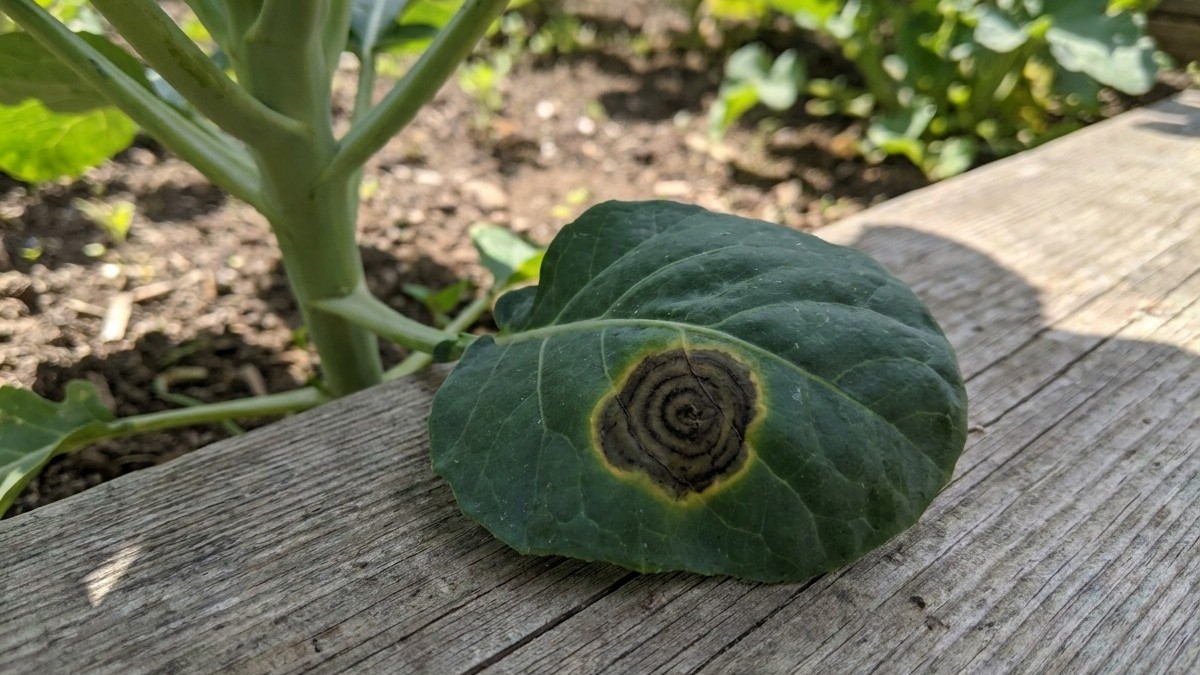

Cut a pumpkin when the rind is hard enough to resist a thumbnail, the color is deep and even, and the stem has dried and turned woody. On the calendar, that is 45 to 55 days after the flower opened, and always before a freeze. Kept whole in a cool, dark spot, it can last three to six months. Nevada’s wide range of climates changes the timing, because the first frost arrives in December in the Las Vegas valley and much earlier in the north and at elevation.
When pumpkins are ready in Nevada
A pumpkin is ready when its rind is too hard for a thumbnail to dent and the color has gone deep and even across the whole fruit. By the calendar, that is 45 to 55 days after flowering, so a flower that opens too late gives a green fruit.
That clock starts when the flower opens, not when the seed goes in. Utah State University Extension, in its guide to pumpkins in the garden, gives the same 45 to 55 days after flowering. Many gardeners count from seeding and end up cutting weeks too early or waiting for a color that was never coming. Write down the date a flower opens on a fruit you plan to keep, and the harvest window is easy to find.
How do you find the last useful flowering date?
Count backward from your first fall freeze. A flower that opens too late gives a fruit that is still green when cold arrives, and a green pumpkin does not make good storage stock. The difficulty in Nevada is that the first freeze depends heavily on where you live.
The Las Vegas airport is the mild extreme. NOAA’s NCEI 1991-2020 climate normals put its first fall 32 F freeze between December 8 and December 23 (the 30 to 70 percent probability band), and its last spring freeze between January 7 and February 1. That is a desert city holding onto heat. Reno, Carson City and every high-elevation town freeze months earlier in fall and months later in spring, and in those places the safe flowering window can close in the middle of summer. Your county extension office can give you the frost dates for your own address.
Why is 65 F soil not the same as the last frost date?
Utah State says to sow pumpkins when the soil reaches 65 F. Soil lags the air by weeks, so a frost-free week in spring does not mean the ground has warmed enough. Seeds sown into cold ground sit, and a late start eats into the flowering window described above. For a closer look at whether a late planting can finish in time, see Will Pumpkins Ripen Before Frost in Nevada?. Planting basics are in Growing Pumpkins in Nevada.
Should you cut pumpkins before frost?
Yes. Utah State’s advice is to harvest with the stem attached, before frost. Leave the stem on the fruit when you cut the vine. A ripe pumpkin left out through a freeze is a pumpkin you will not be able to store, because a frozen fruit does not recover.
Keeping them, and for how long
The University of Illinois Extension, in its guide to choosing a pumpkin, says a whole pumpkin keeps for three to six months in a cool, dark location between 45-50 F. That is the best case, with a sound fruit that was cut on time and stored in that range. It is not a promise for every pumpkin on your porch.
How long does a whole pumpkin keep?
Treat three months as a reasonable hope and six as the ceiling. A pumpkin with a scar, a soft spot or a missing stem starts the clock behind. One that spent a warm week in a sunny spot loses time too. The duration shrinks quickly when any single condition slips, and the first sign is usually a soft area on the rind. Check the fruit every week or two and use the ones that show soft spots first.
Utah State Extension adds only a floor: keep pumpkins where they will not freeze. It does not give a keeping time of its own, so the temperature range above comes from Illinois. If your storage spot is a little warmer than 50 F, expect the pumpkin to age faster than the top of the range. If it is colder, the real risk is the freezing point.
What should a pumpkin never be stored near?
Illinois Extension says to keep pumpkins away from ripening fruit and vegetables such as apples, potatoes and tomatoes. Ripening fruit gives off a gas that ages the pumpkin, and most people have never heard of it. That makes the porch next to the apple crate, or the pantry shelf beside a bowl of tomatoes, the worst place to leave one.
One more limit: 45-50 F and three to six months describe a whole, uncut pumpkin. Once the rind is cut, the flesh is exposed and those numbers no longer apply. A carved pumpkin is a short-term decoration, and a cut one in the kitchen needs a different plan.
Where in the house that actually is
The target of 45-50 F, dark and dry of frost, is cooler than most living space and warmer than a fridge. A domestic refrigerator runs colder than that range, and a pumpkin held at that temperature is stored against its needs. A heated room is too warm, and a pumpkin on a kitchen counter or a shelf over a heating vent will age quickly.
Which room comes closest in a Nevada house?
An unheated spare room, a closet on an interior wall away from vents, or a cool pantry usually comes nearest. Many Nevada homes have no basement, so the usual cool, dark cellar is not an option. The garage is tempting and often wrong. In the Las Vegas valley it can run hot through the warm months and cold on winter nights. In the northern and high-elevation parts of the state it can drop below freezing, and a freeze ruins the fruit. A garage works only if it stays within the range, and you only know that by measuring.
How do you check with a thermometer?
Place a thermometer where the pumpkin will sit and read it over several days. A min/max model is better, since it records the overnight low and the afternoon high that you would otherwise miss. Put the thermometer there for a week before you move the pumpkins in, because a spot that reads 48 F at noon can hit freezing at 5 a.m. or climb past 60 F by late afternoon. If the readings stay between 45 and 50 F, you have your storage place. If they swing wide, look for another corner.
Before storing, go over each fruit and set aside any with a scarred, chewed or soft rind. Insect damage is a common cause, and What Eats Pumpkin in Nevada, and When explains who is likely to blame. Keep the pumpkins off bare concrete if you can, set them apart so they do not touch, and keep them well away from the fruit bowl.
Common questions
Can I cut a pumpkin while it is still green?
A green pumpkin with a soft rind is not ripe, and the 45 to 55 days after flowering have not run out. If frost is coming, cut with the stem attached anyway, since a frozen fruit is lost. A fruit that is mostly colored and has a hard rind is far more likely to store.
Is 65 F soil the same as my last frost date?
No. 65 F is the soil temperature Utah State Extension gives for sowing, and the soil warms weeks after the air does. Check the soil, not the frost calendar.
How long will a pumpkin last in storage?
Under the best conditions, three to six months in a cool, dark location between 45-50 F, according to the University of Illinois Extension. That is a maximum. A bruised fruit, a missing stem or a warm room will shorten it.
Where do I find my local frost dates?
Call or visit your county extension office. Las Vegas, Reno, Carson City and the high country have very different first-freeze dates, and the local office can give you the one that applies to your garden.