Elm leaf beetle in Nevada: When It Shows Up and What Stops It
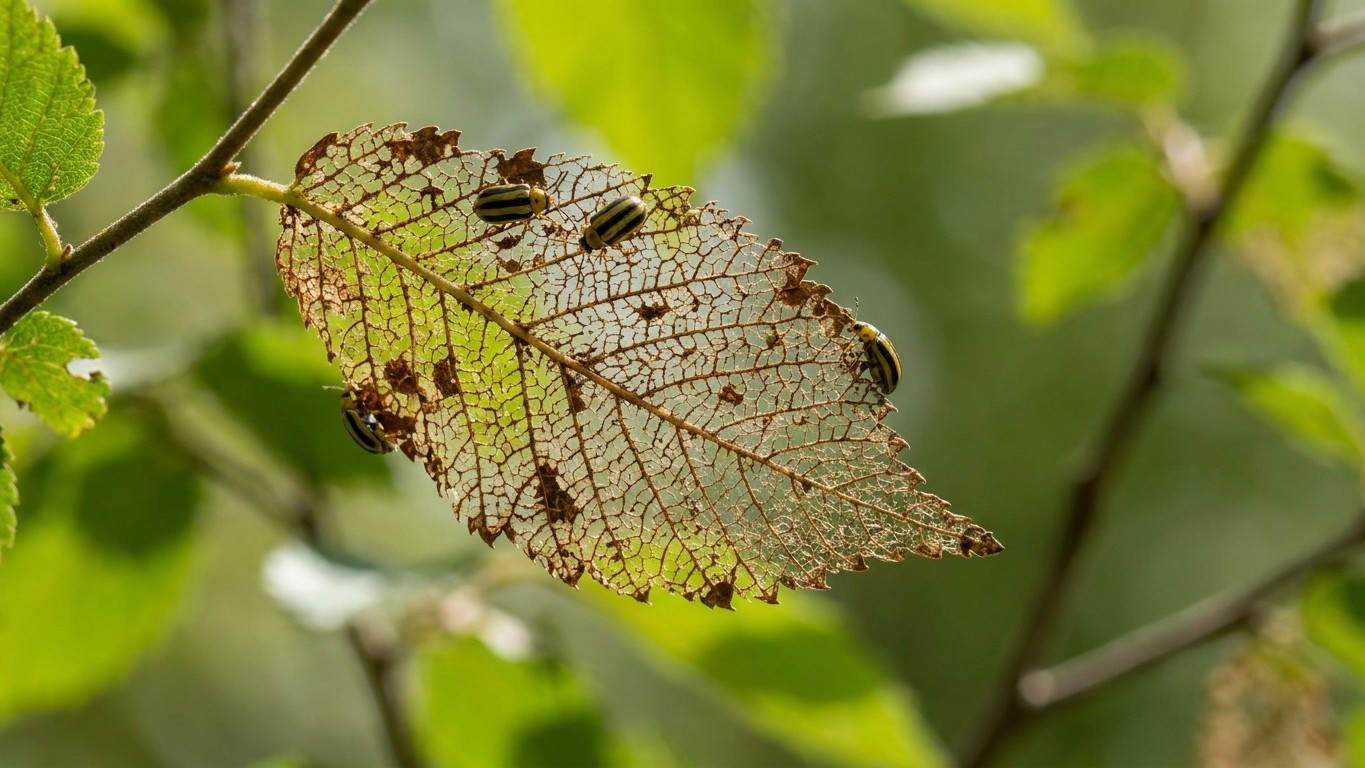
Elm leaf beetle shows up in Nevada each spring, right as elm trees leaf out and daytime temperatures start holding in the 60s.
Home & garden, state by state
Everything we have worked out for Nevada: what to plant and when, which varieties finish in time, the pests that actually turn up here, and the jobs that pay off month by month. We also cover the rest of the property, from lawns and soil to home care and energy, because a garden rarely stops at the vegetable bed.
The numbers first, because everything else follows from them. Measured at the weather station in Las Vegas, the last spring freeze runs January 7 to February 1 and the first fall freeze runs December 8 to December 23, USDA zones 4a-10a, 6,694 growing degree days in the year.
Heat, not frost, is what shortens the season here: above 86 °F tomato pollen goes sterile, so growers run a spring crop and an autumn one rather than a single long season. Garlic does well: 8.7 weeks below 40 °F, comfortably past the six it needs to form a proper head.
Elsewhere on the property in Nevada: the pests that turn up here.
Figures from NOAA's 1991-2020 climate normals. A state is not one climate: elevation, a large lake or the coast can move these dates by two weeks either way, so check your own county with the extension service before you spend money.
Elm leaf beetle shows up in Nevada each spring, right as elm trees leaf out and daytime temperatures start holding in the 60s.
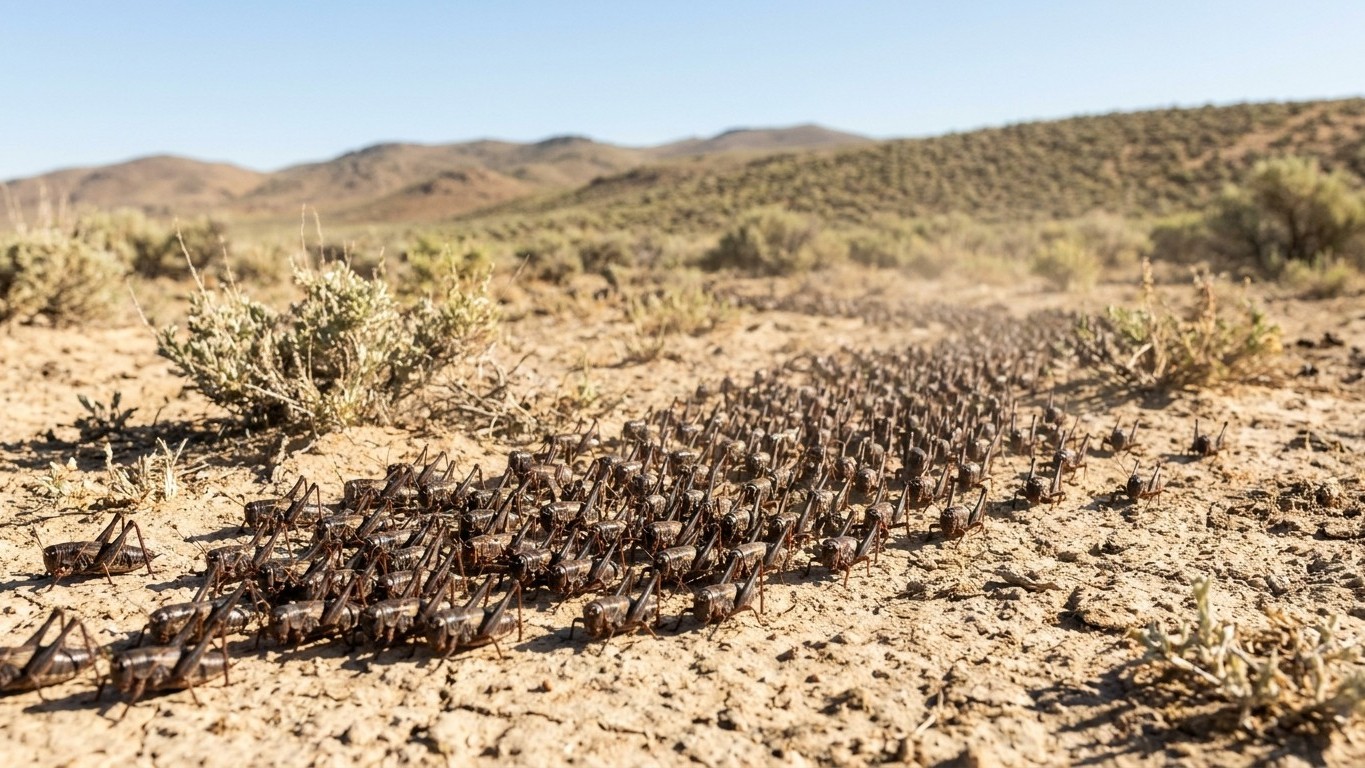
Mormon crickets show up in Nevada as flightless nymphs each spring, then move as large, mixed-age bands across rangeland, foothills and neighboring yards…
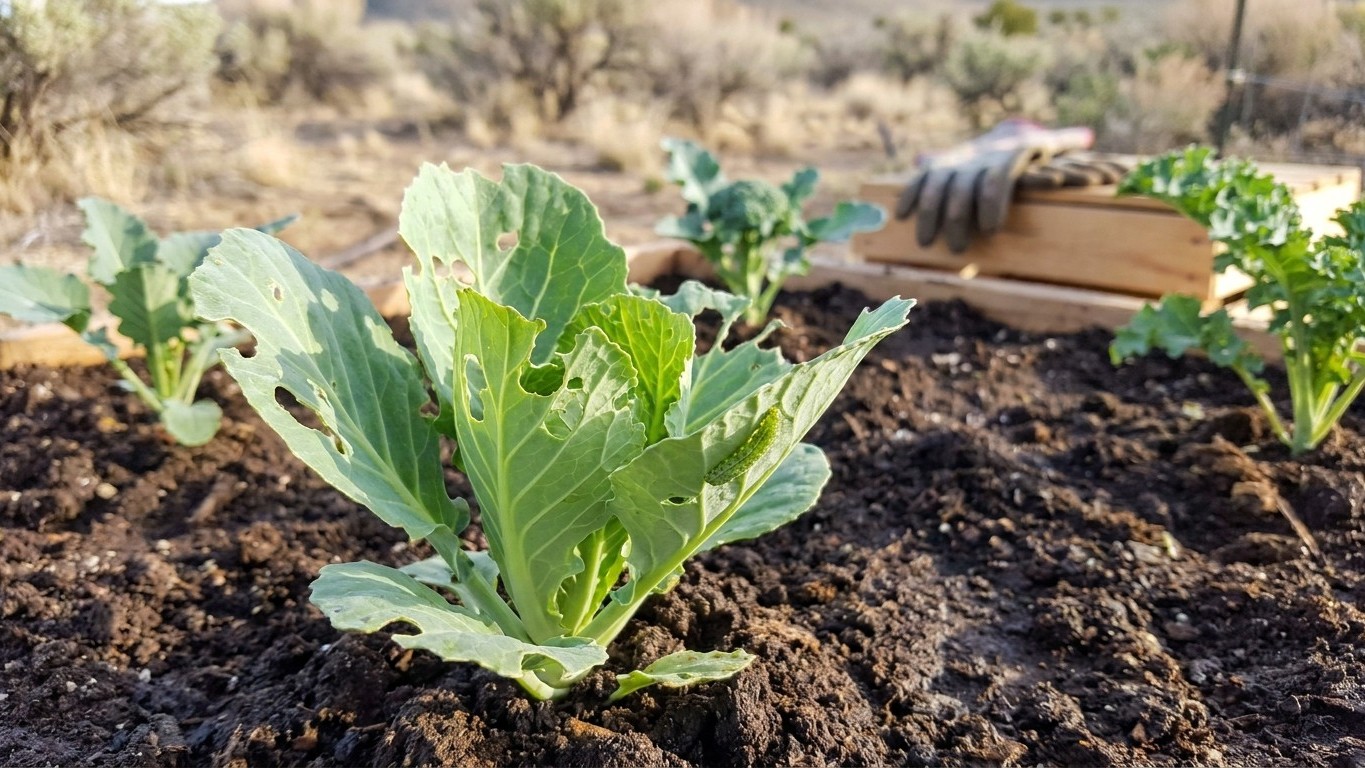
Cabbage moth larvae show up in Nevada gardens once soil and air warm enough for eggs to hatch, typically as brassicas get established in spring, with…
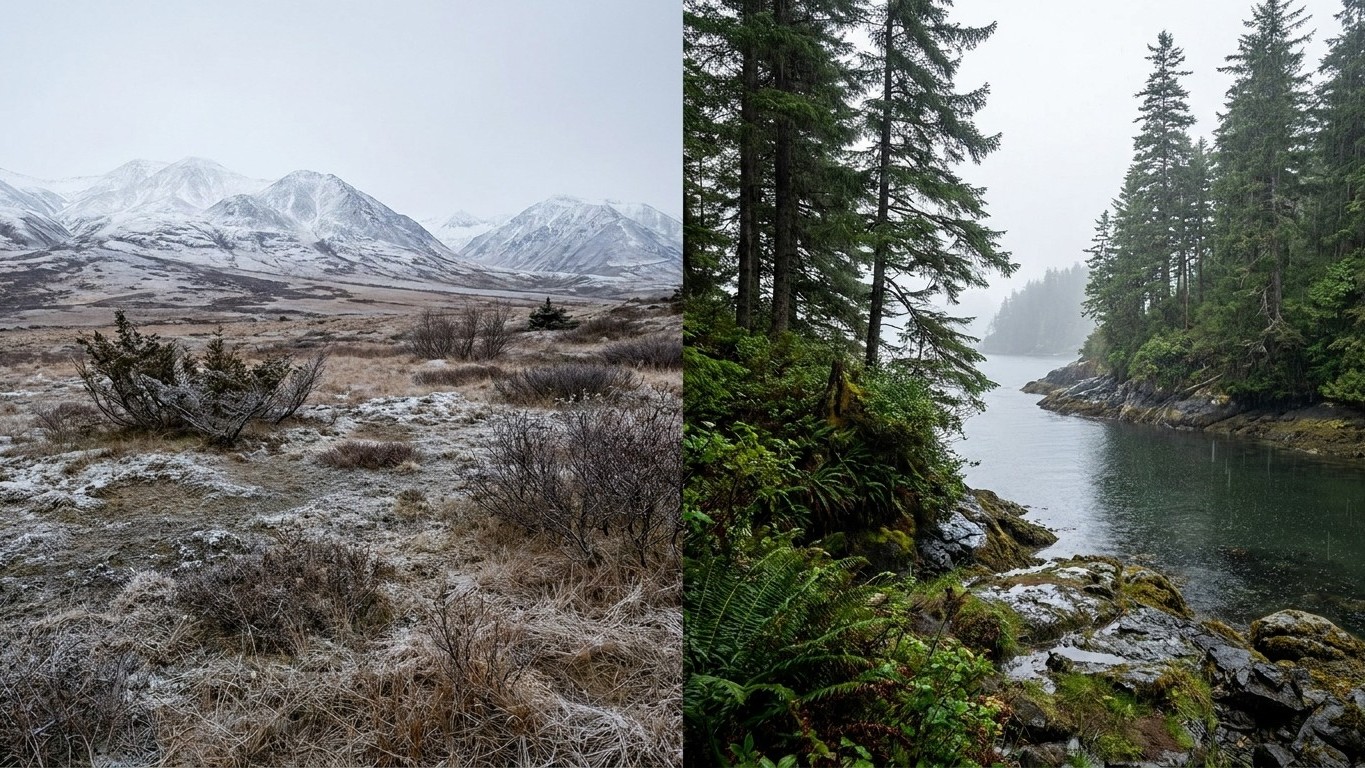
Nevada’s USDA hardiness range runs from 4a to 10a, one of the widest spans in the country.
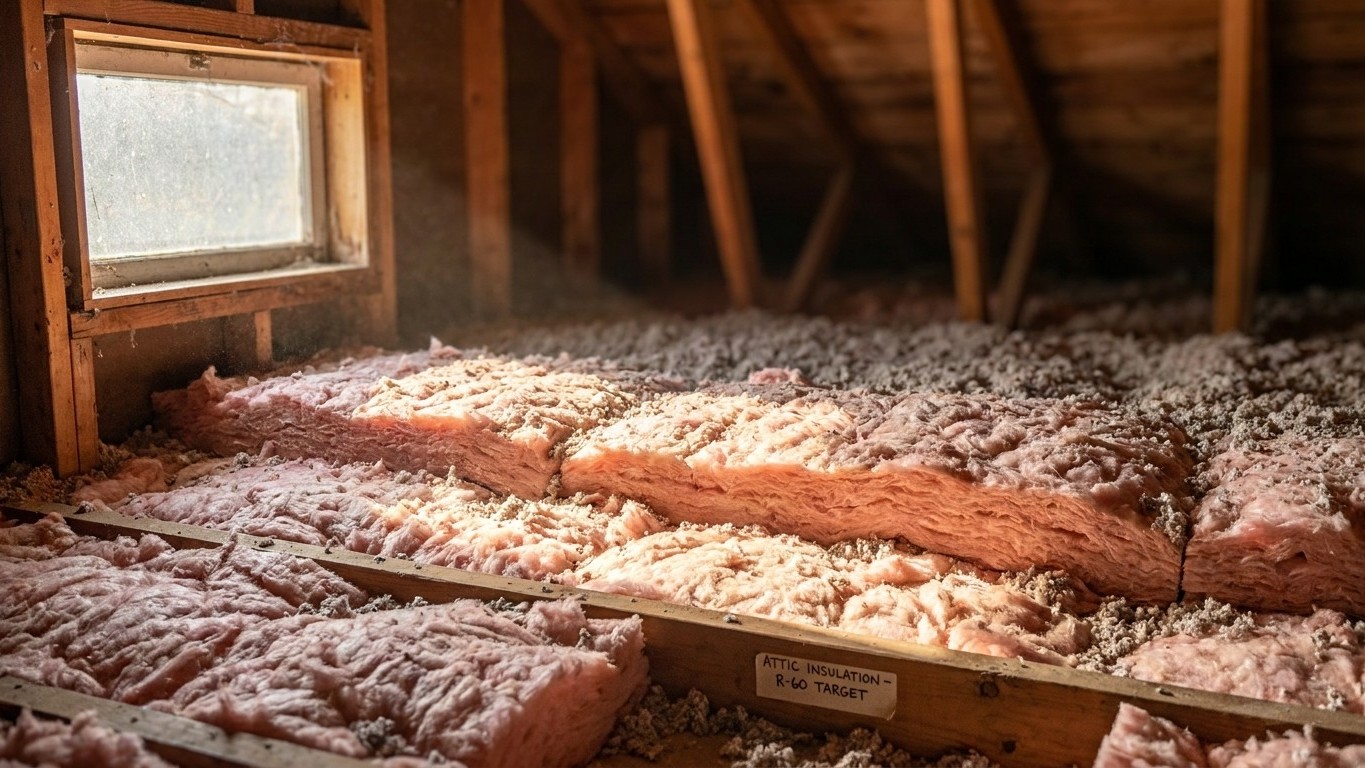
Nevada’s insulation needs depend on which of three climate zones a county falls into, not a single statewide figure.
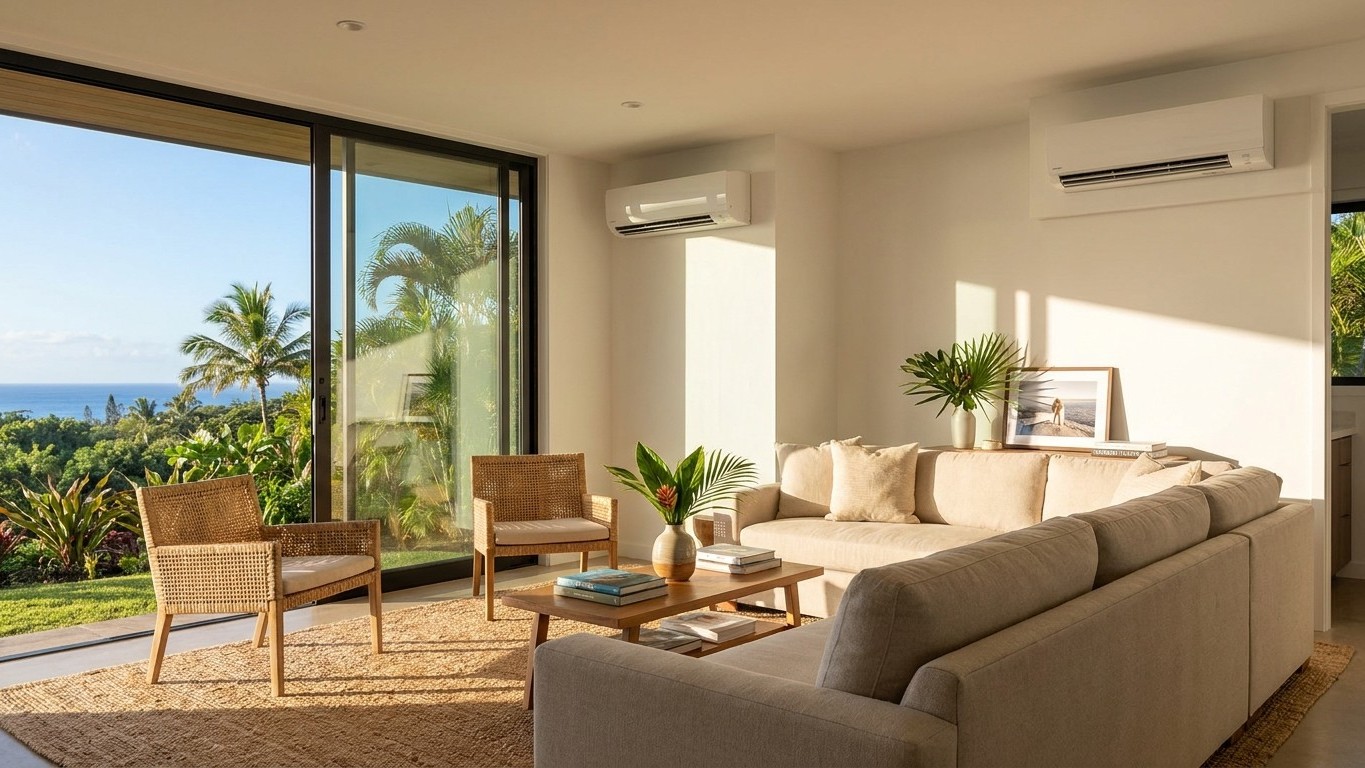
The quietest stretch of the year in Nevada is April, when combined heating and cooling demand runs about 191 degree days statewide.
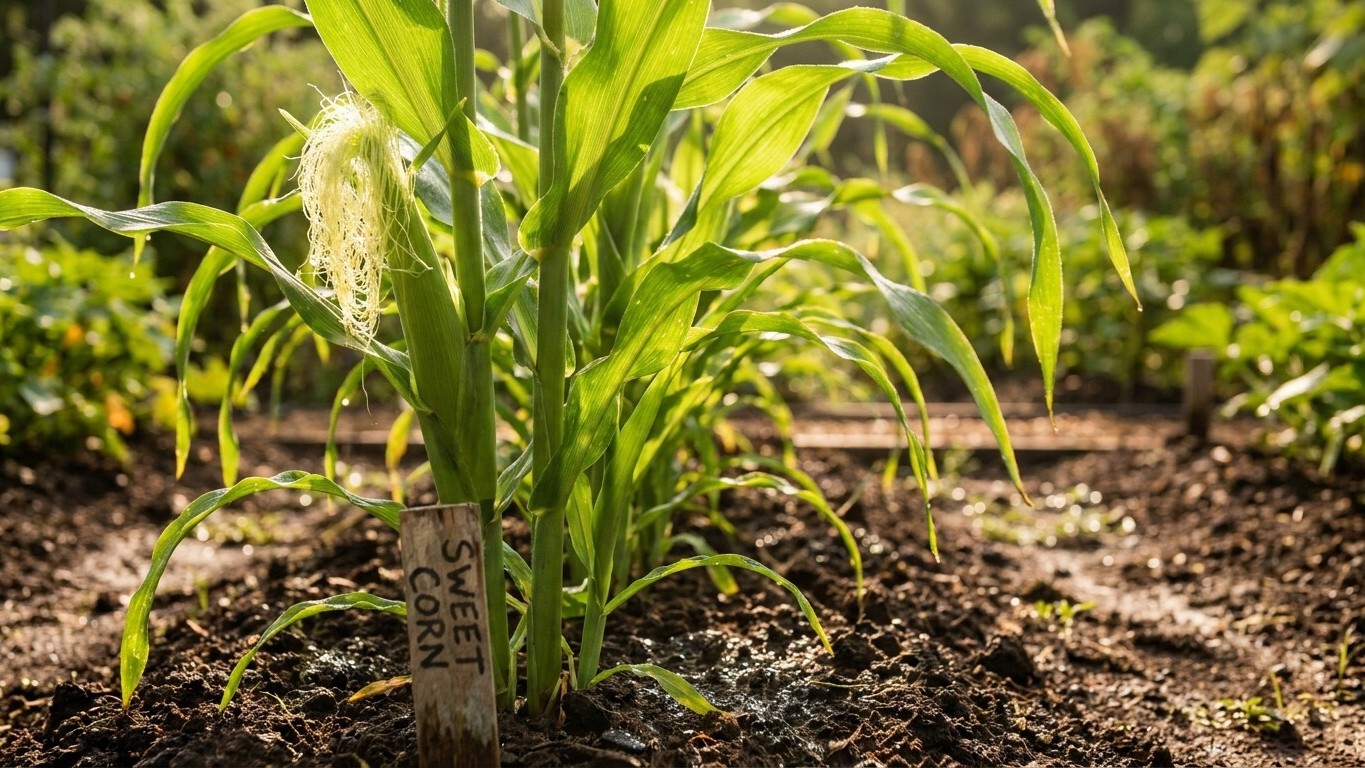
Yes, sweet corn can ripen in parts of Nevada, but the answer depends heavily on where in the state you garden.
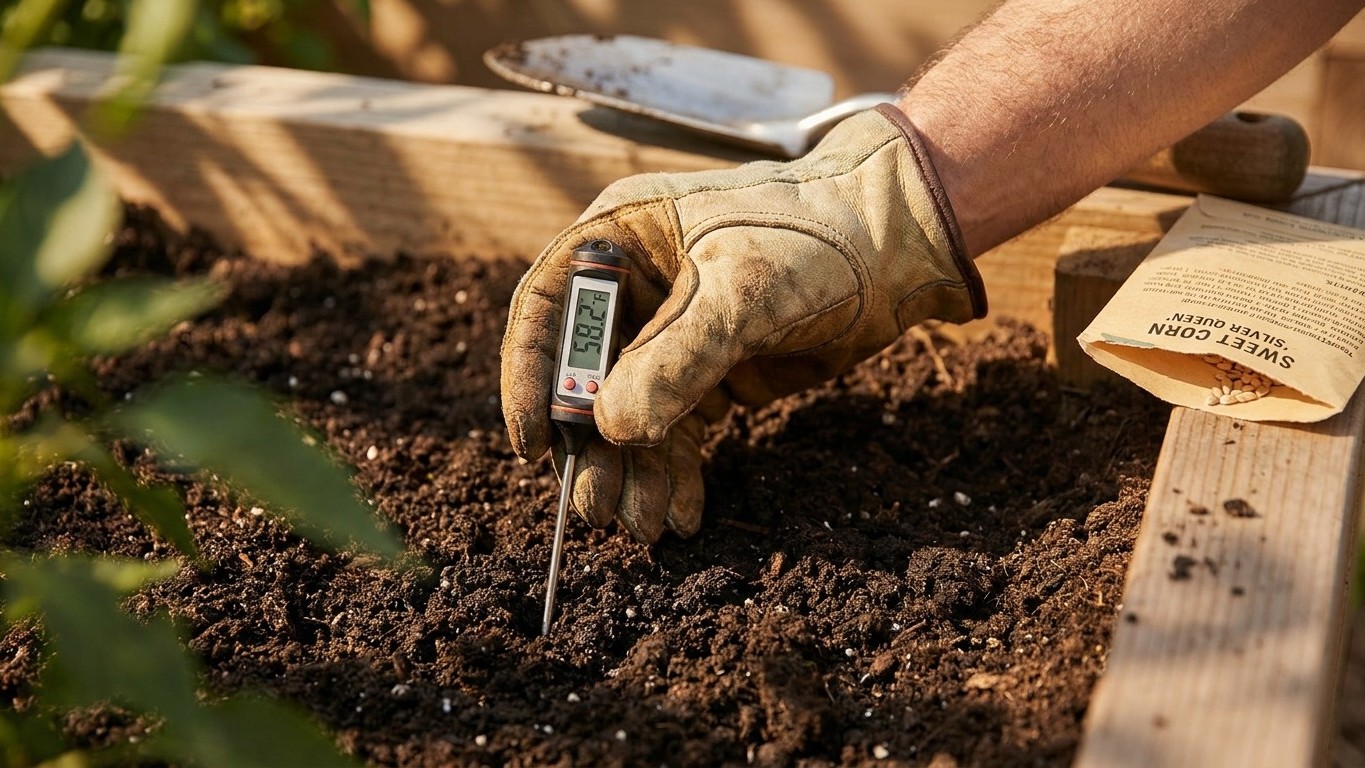
Sweet corn in Nevada waits on soil temperature, not the calendar. Seed needs soil holding at 60°F before it will germinate reliably, and that day lands…
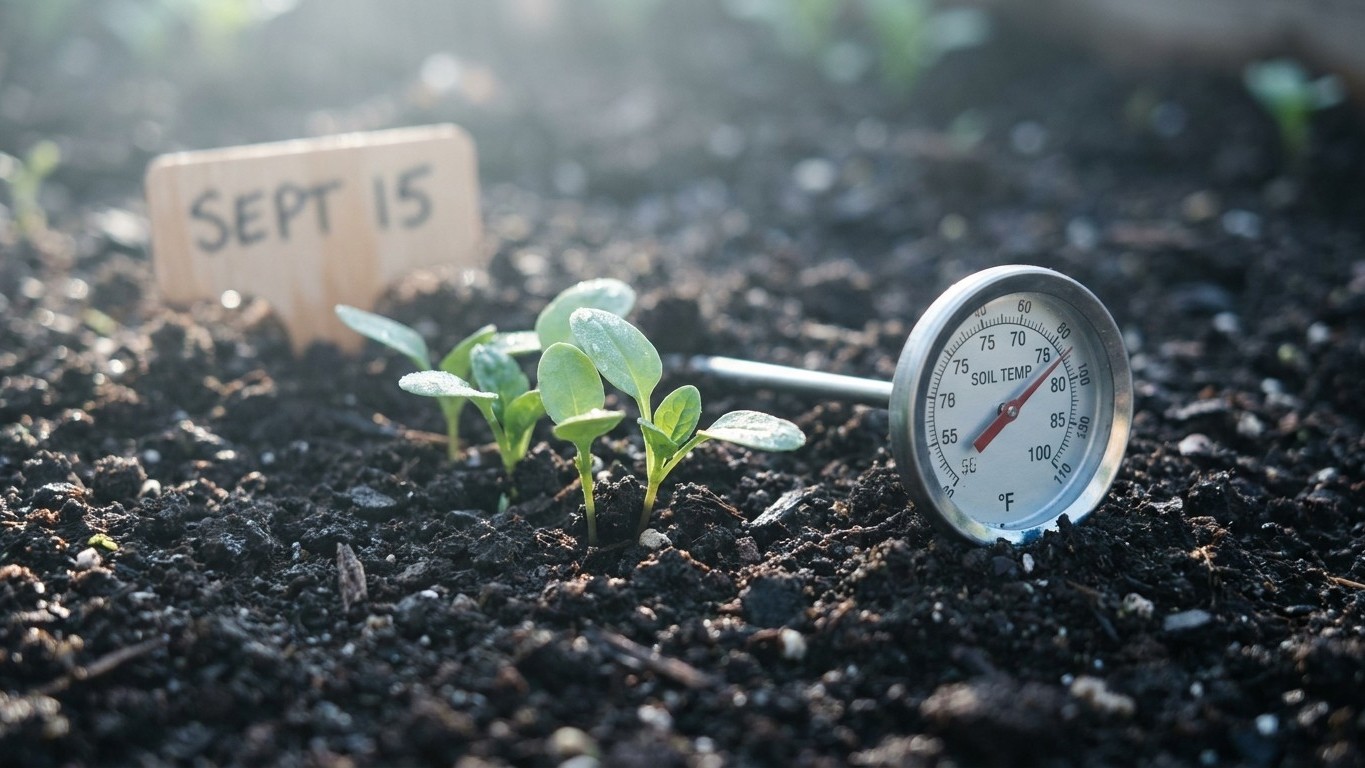
Spinach in Nevada goes in the ground twice a year, and both windows are short.
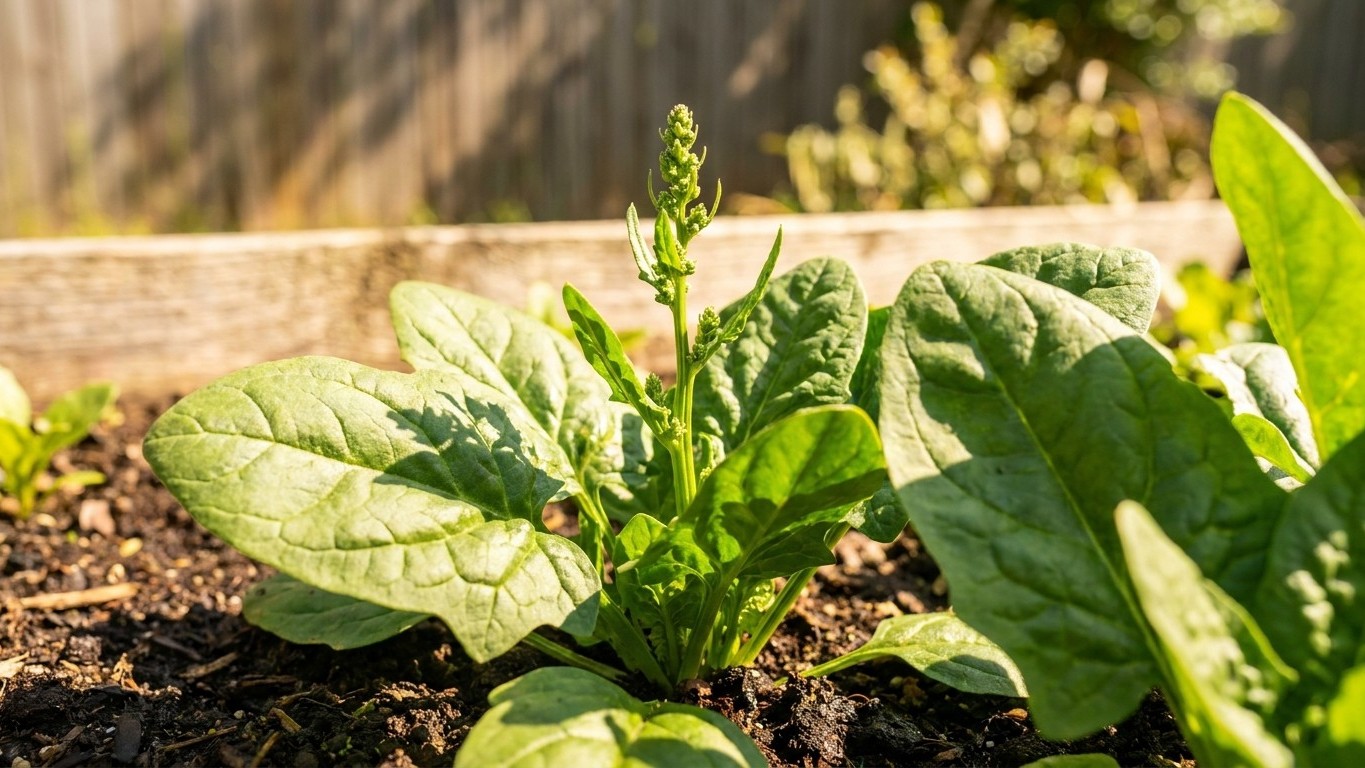
In most of Nevada, yes: spinach bolts early, and it isn’t really about how hot your particular yard gets.