What Eats Parsnip in Nevada, and When
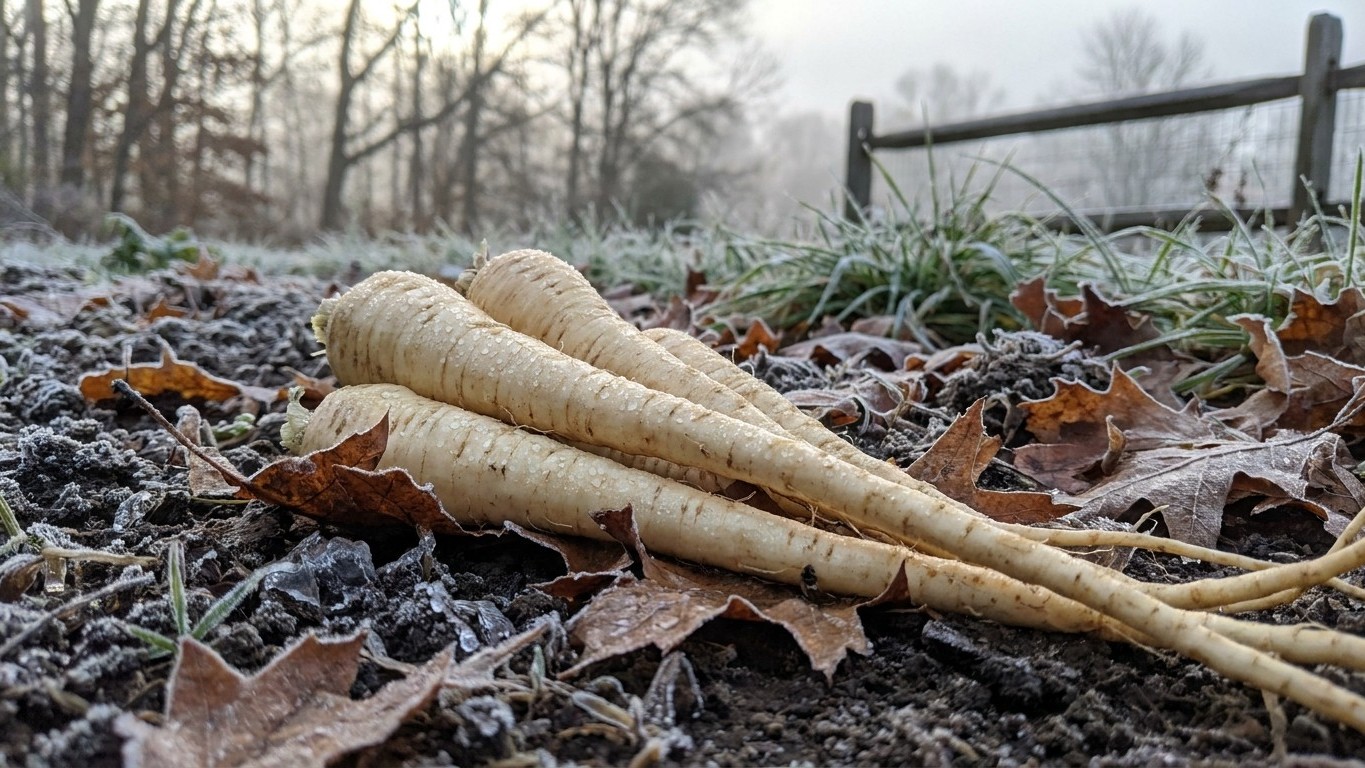
University of Nevada, Reno Extension documents four insects that actually turn up on parsnip foliage across the state: aphids, earwigs, Mormon crickets…
Home & garden, state by state
Everything we have worked out for Nevada: what to plant and when, which varieties finish in time, the pests that actually turn up here, and the jobs that pay off month by month. We also cover the rest of the property, from lawns and soil to home care and energy, because a garden rarely stops at the vegetable bed.
The numbers first, because everything else follows from them. Measured at the weather station in Las Vegas, the last spring freeze runs January 7 to February 1 and the first fall freeze runs December 8 to December 23, USDA zones 4a-10a, 6,694 growing degree days in the year.
Heat, not frost, is what shortens the season here: above 86 °F tomato pollen goes sterile, so growers run a spring crop and an autumn one rather than a single long season. Garlic does well: 8.7 weeks below 40 °F, comfortably past the six it needs to form a proper head.
Elsewhere on the property in Nevada: the pests that turn up here.
Figures from NOAA's 1991-2020 climate normals. A state is not one climate: elevation, a large lake or the coast can move these dates by two weeks either way, so check your own county with the extension service before you spend money.
University of Nevada, Reno Extension documents four insects that actually turn up on parsnip foliage across the state: aphids, earwigs, Mormon crickets…
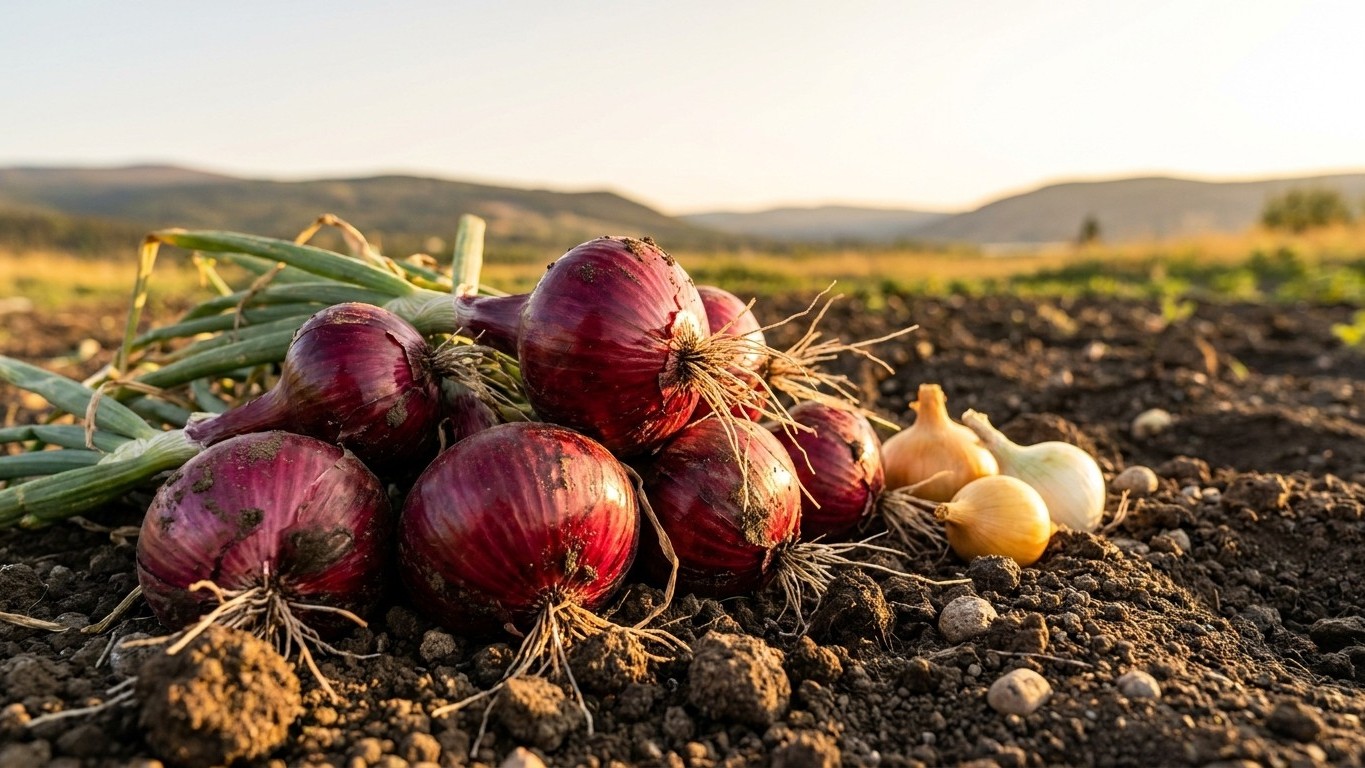
Three things actually chew on onion in Nevada gardens: aphids, earwigs, and Mormon crickets.
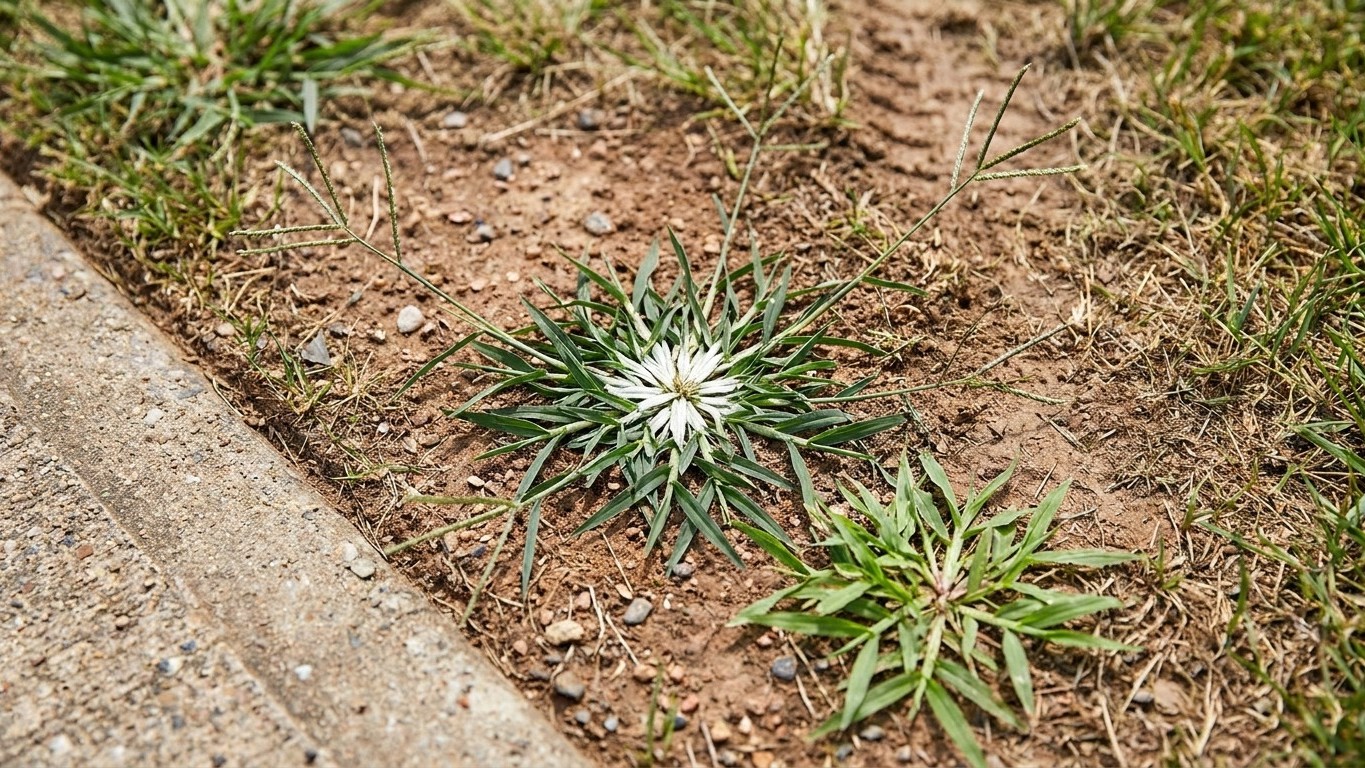
Nevada does not have one overseeding date. The low desert around Las Vegas can sow warm-season grass through most of the warm months, while Reno, Carson…
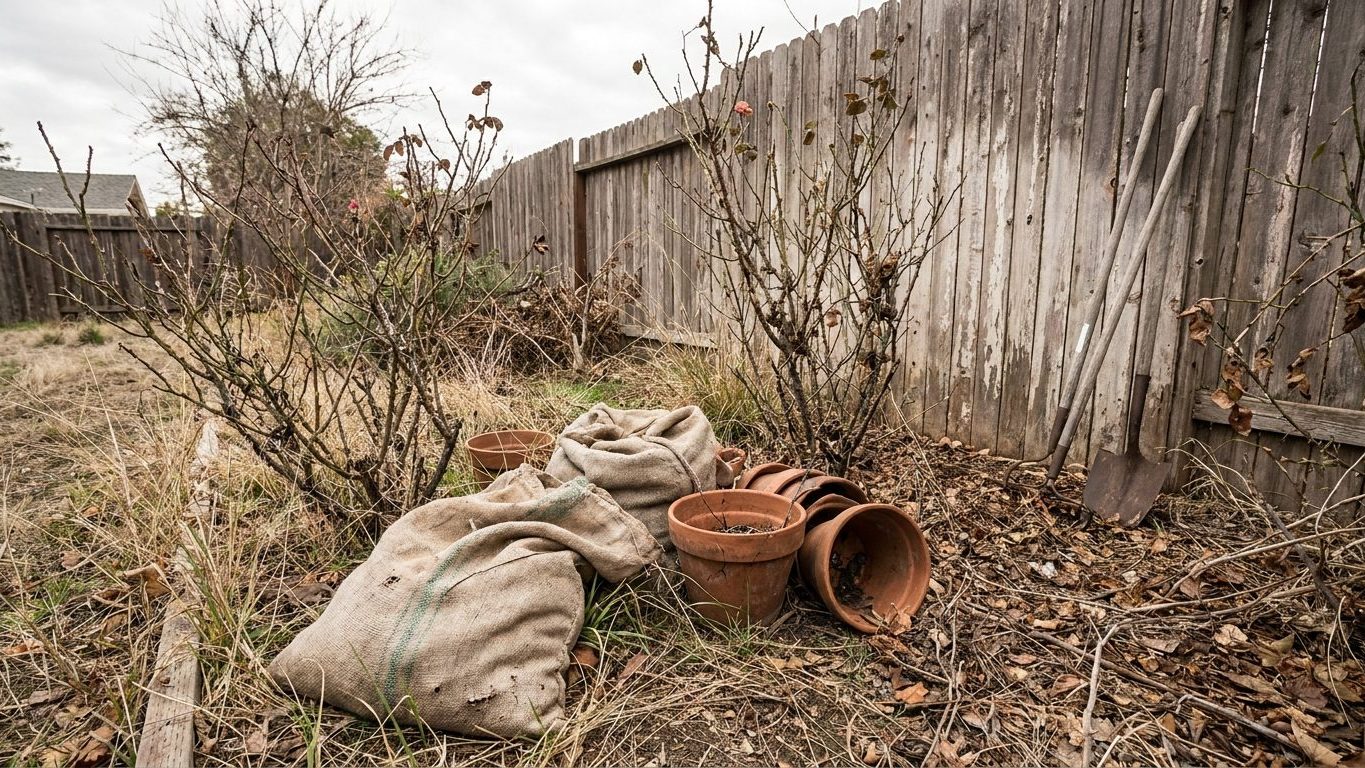
Nevada does not have one frost date. The only 1991-2020 NOAA station data available for this page comes from Las Vegas airport, where the last spring…
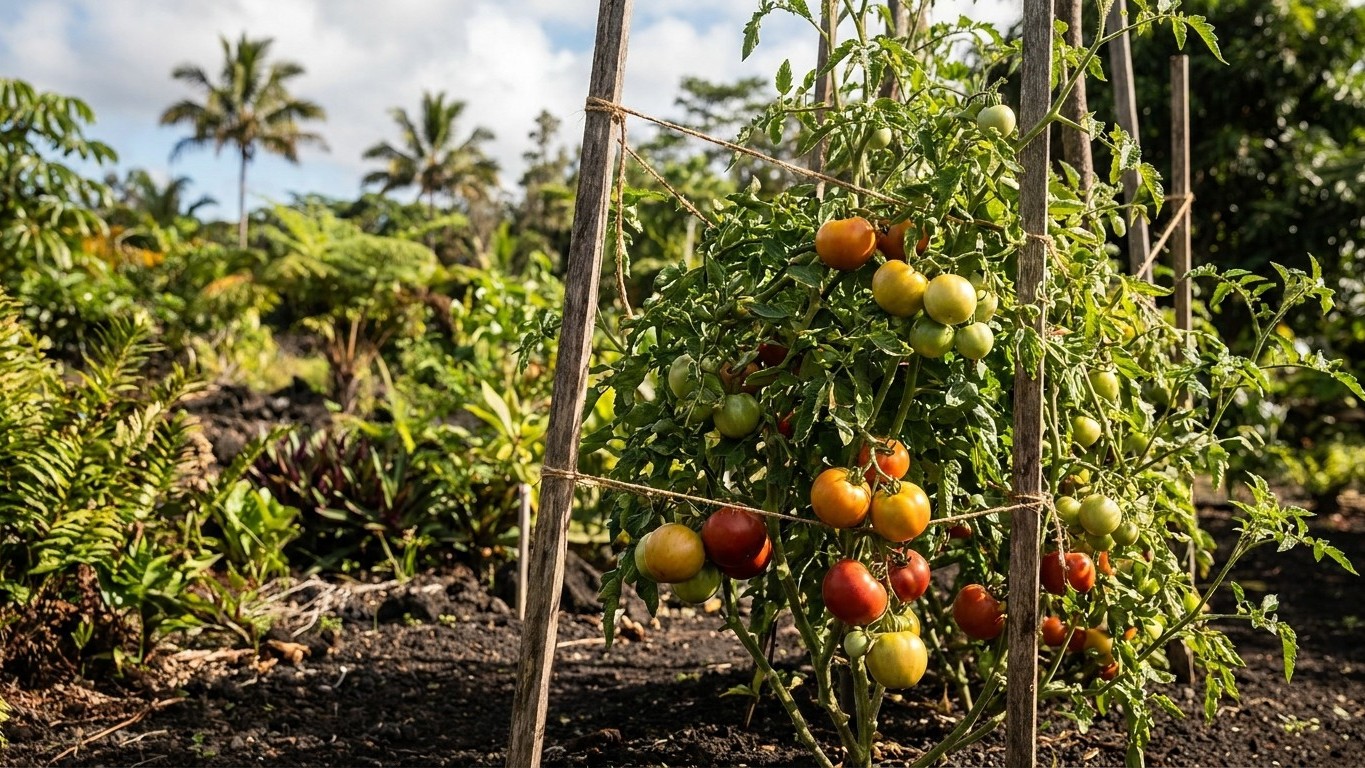
The short answer: pick before the first freeze, not before some fixed date. In low desert cities like Las Vegas, that can mean harvesting into late fall.
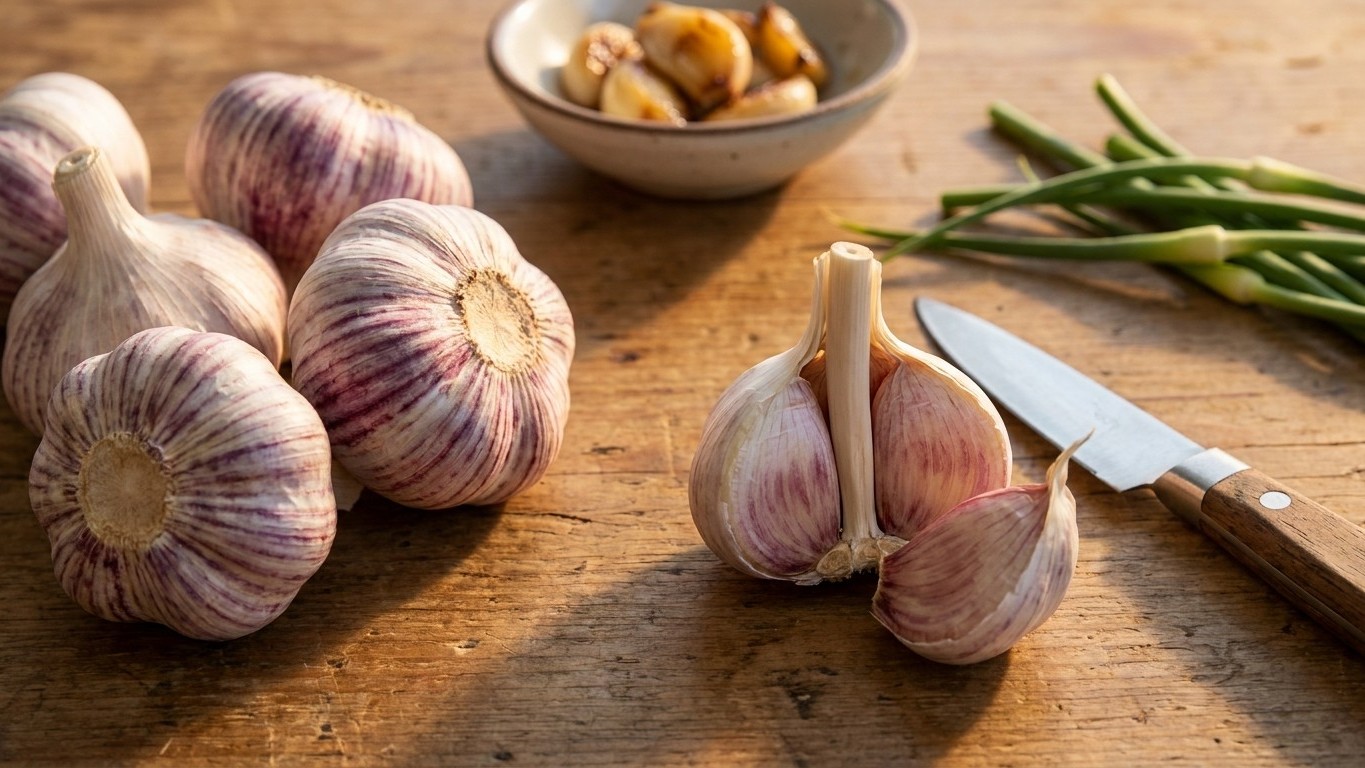
Garlic in Nevada gets lifted the summer after it’s planted, not on a fixed calendar date, and it’s the leaves, not the month, that tell you it’s time.
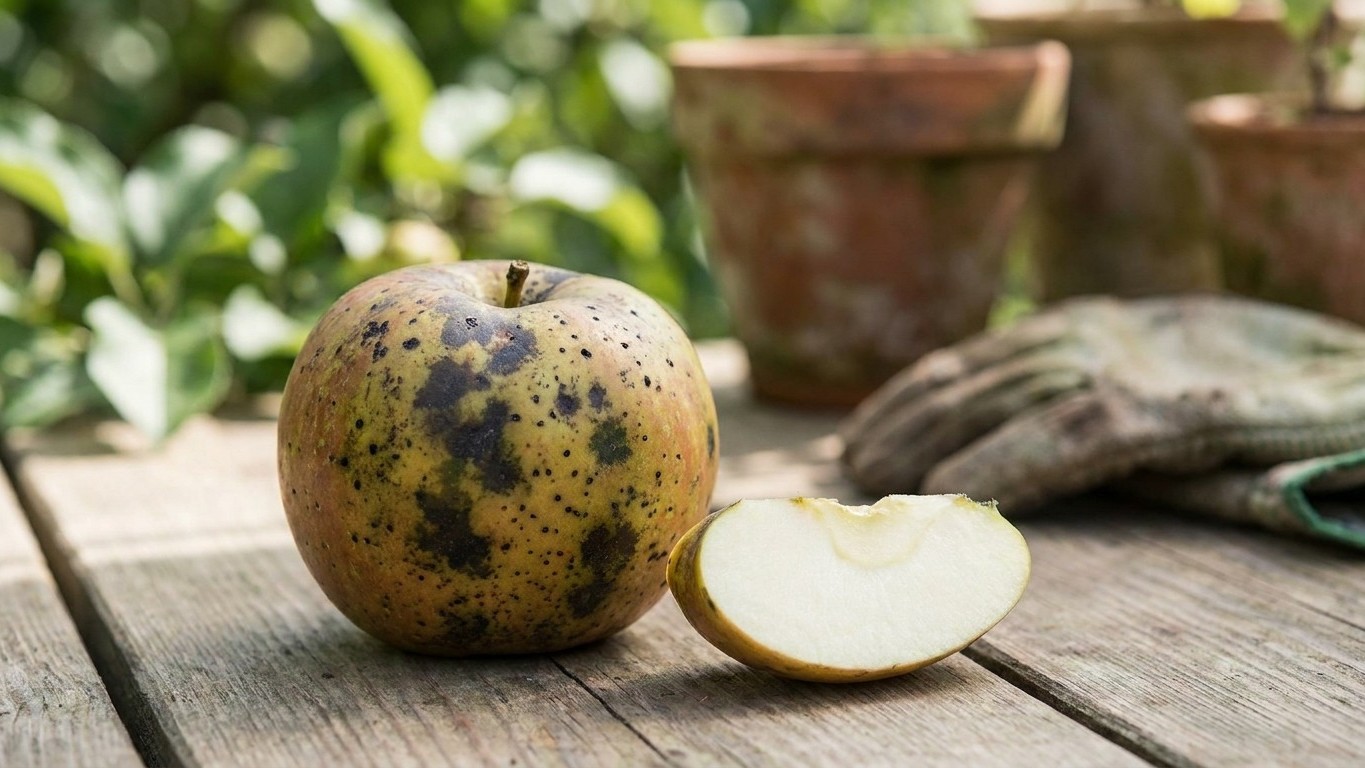
In Nevada, apple harvest timing follows the fruit’s own signals, not a date on the calendar: firm flesh, seeds gone brown, and easy separation from the…
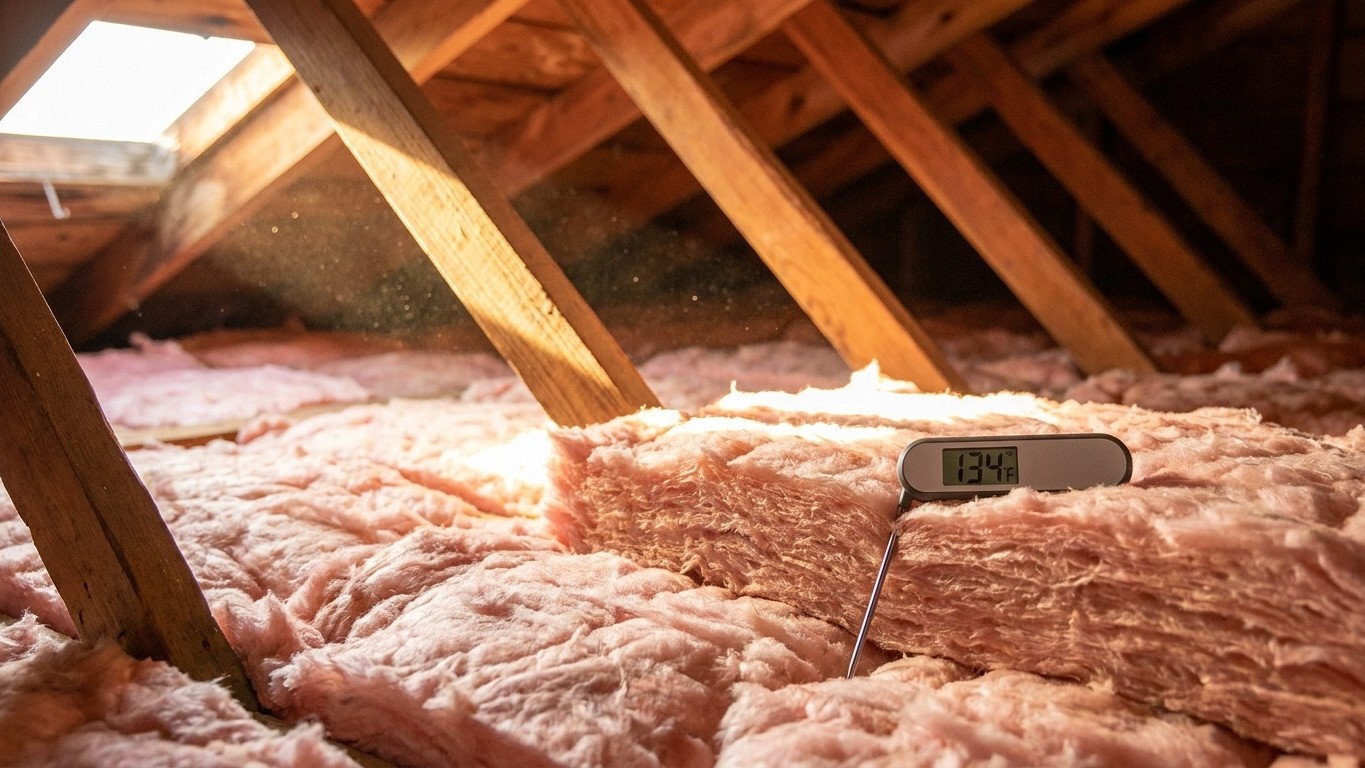
Yes, insulation earns its keep in Nevada, and it earns it mostly on the cooling side of the ledger.
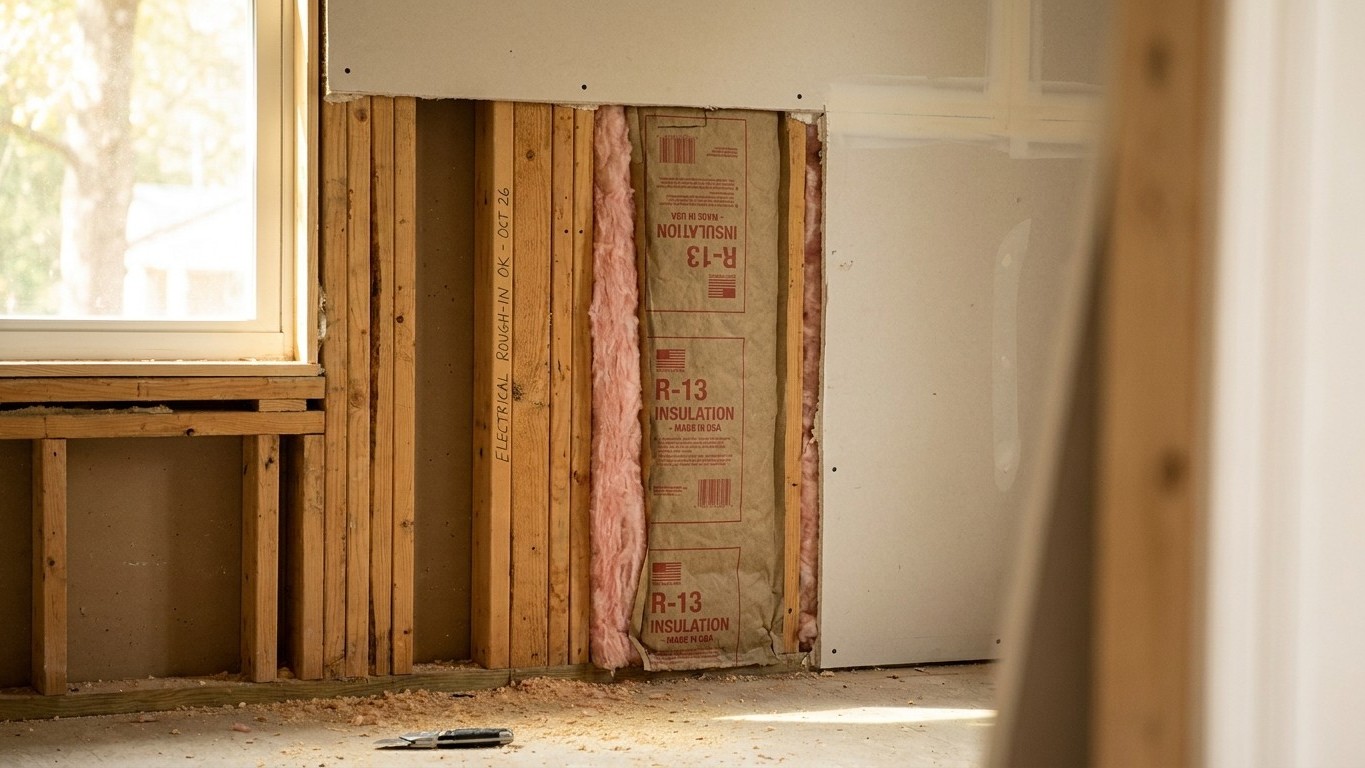
The 2021 International Residential Code answers this directly at R702.7: a vapor retarder is required on the interior side of frame walls, at a class set…
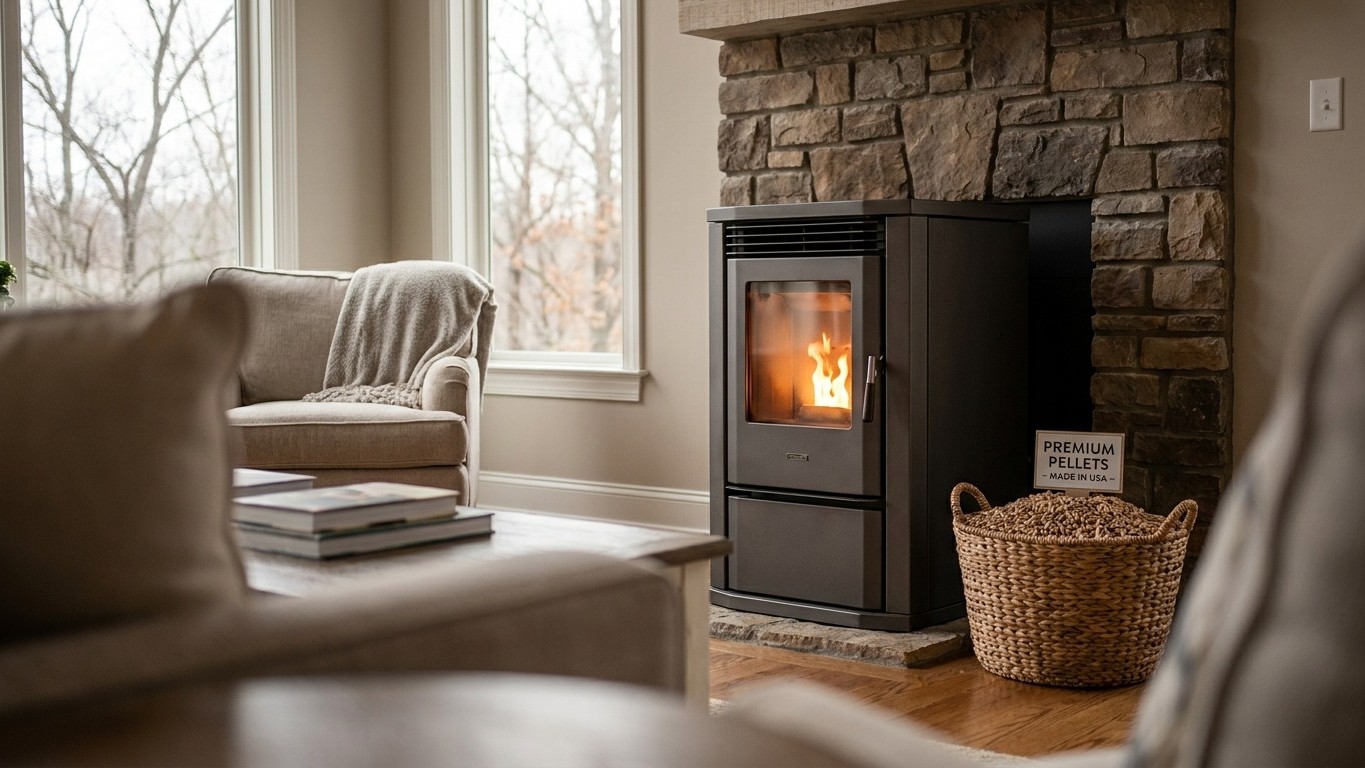
Nevada’s heating season runs about five months, but the reference station in Las Vegas logs only around 1,836 heating degree days a year.