Will Nevada Soil Hold an Asparagus Bed for Fifteen Years?
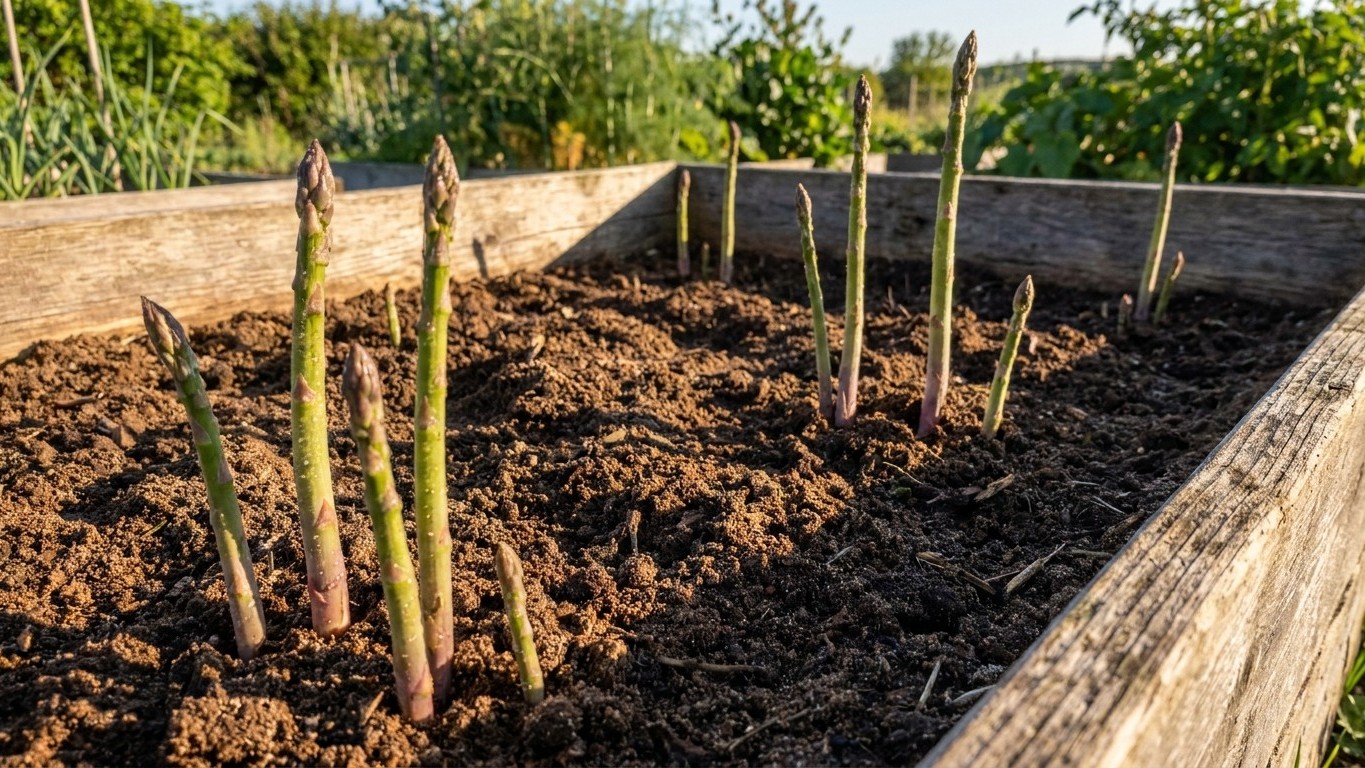
Nevada’s official state soil, the Orovada series, drains well by nature: it’s sandy, alkaline, and built to shed water rather than hold it.
Home & garden, state by state
Everything we have worked out for Nevada: what to plant and when, which varieties finish in time, the pests that actually turn up here, and the jobs that pay off month by month. We also cover the rest of the property, from lawns and soil to home care and energy, because a garden rarely stops at the vegetable bed.
The numbers first, because everything else follows from them. Measured at the weather station in Las Vegas, the last spring freeze runs January 7 to February 1 and the first fall freeze runs December 8 to December 23, USDA zones 4a-10a, 6,694 growing degree days in the year.
Heat, not frost, is what shortens the season here: above 86 °F tomato pollen goes sterile, so growers run a spring crop and an autumn one rather than a single long season. Garlic does well: 8.7 weeks below 40 °F, comfortably past the six it needs to form a proper head.
Elsewhere on the property in Nevada: the pests that turn up here.
Figures from NOAA's 1991-2020 climate normals. A state is not one climate: elevation, a large lake or the coast can move these dates by two weeks either way, so check your own county with the extension service before you spend money.
Nevada’s official state soil, the Orovada series, drains well by nature: it’s sandy, alkaline, and built to shed water rather than hold it.
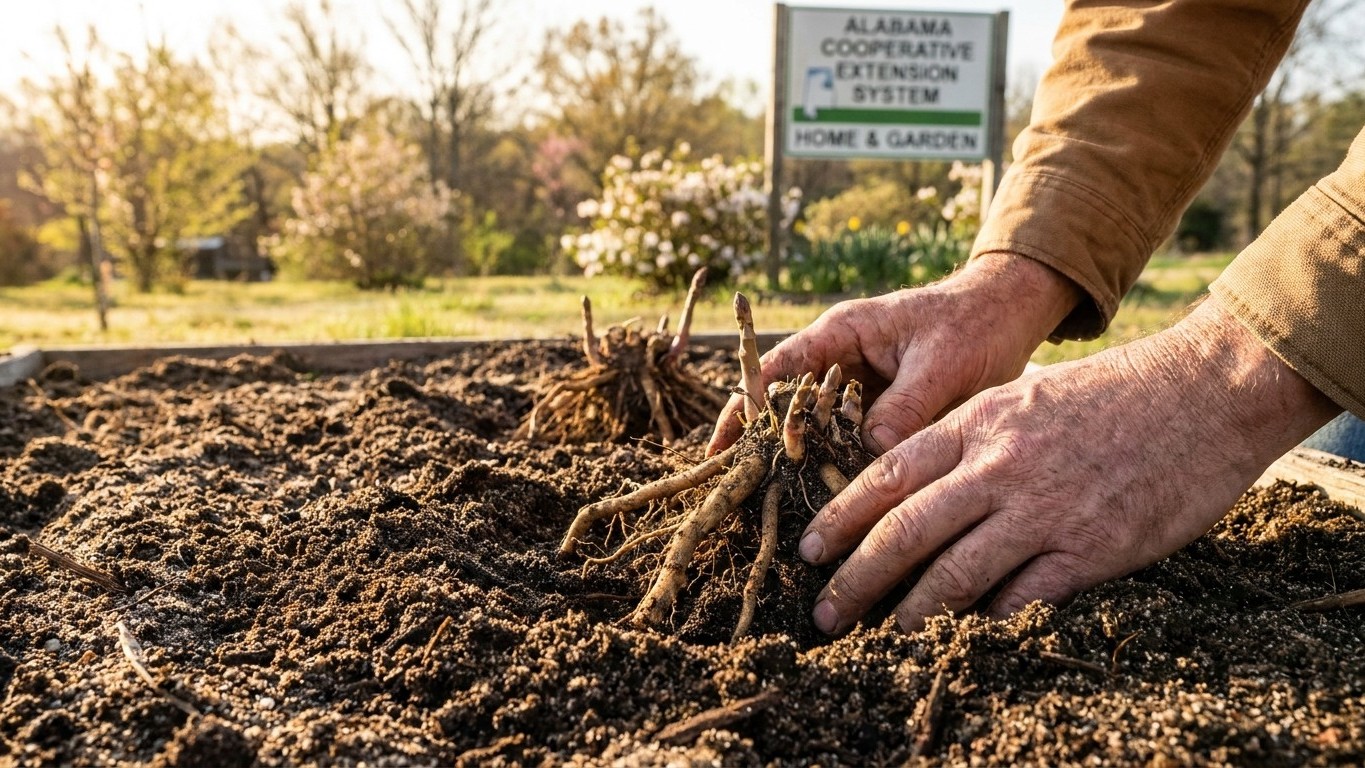
The honest answer is “early spring,” but Nevada is a state where that phrase can mean February in one county and May sixty miles away.
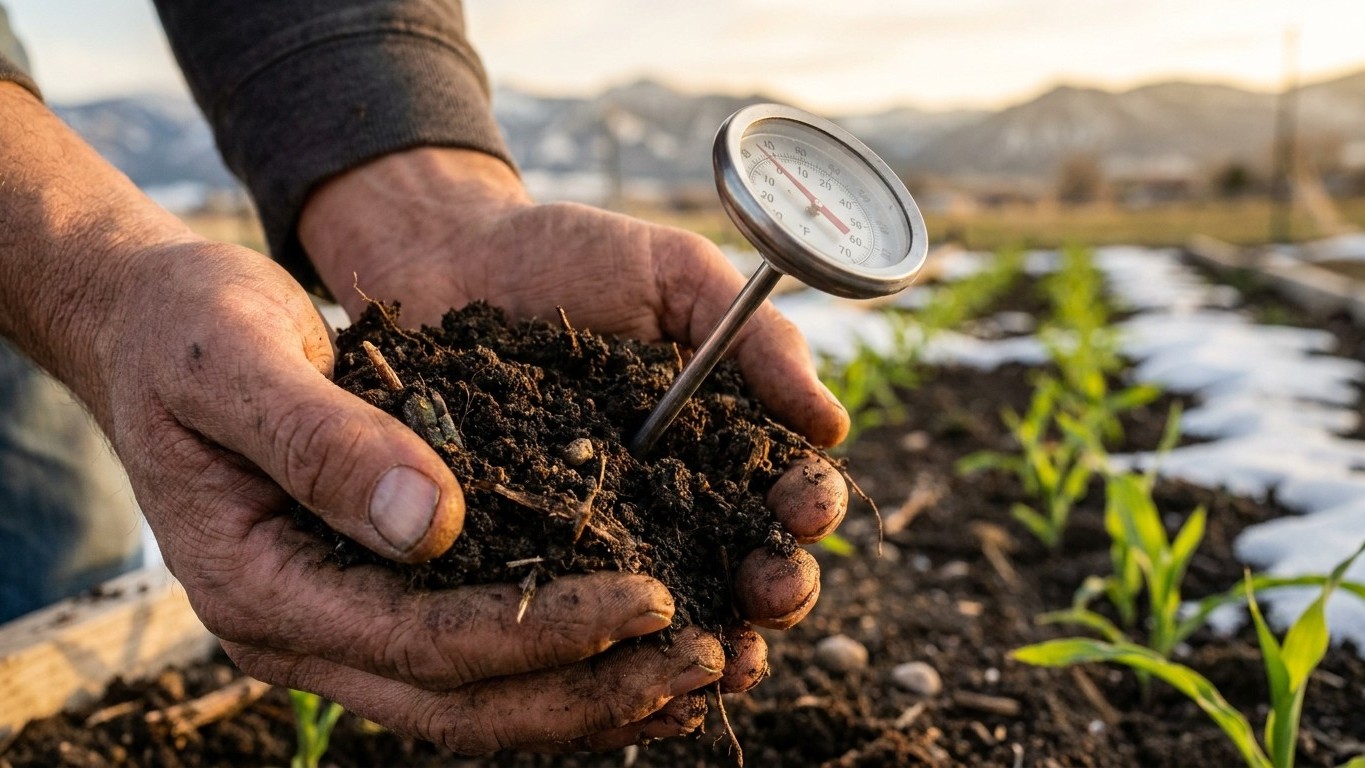
Yes, in the low desert valleys around Las Vegas. Much less certainly everywhere else.
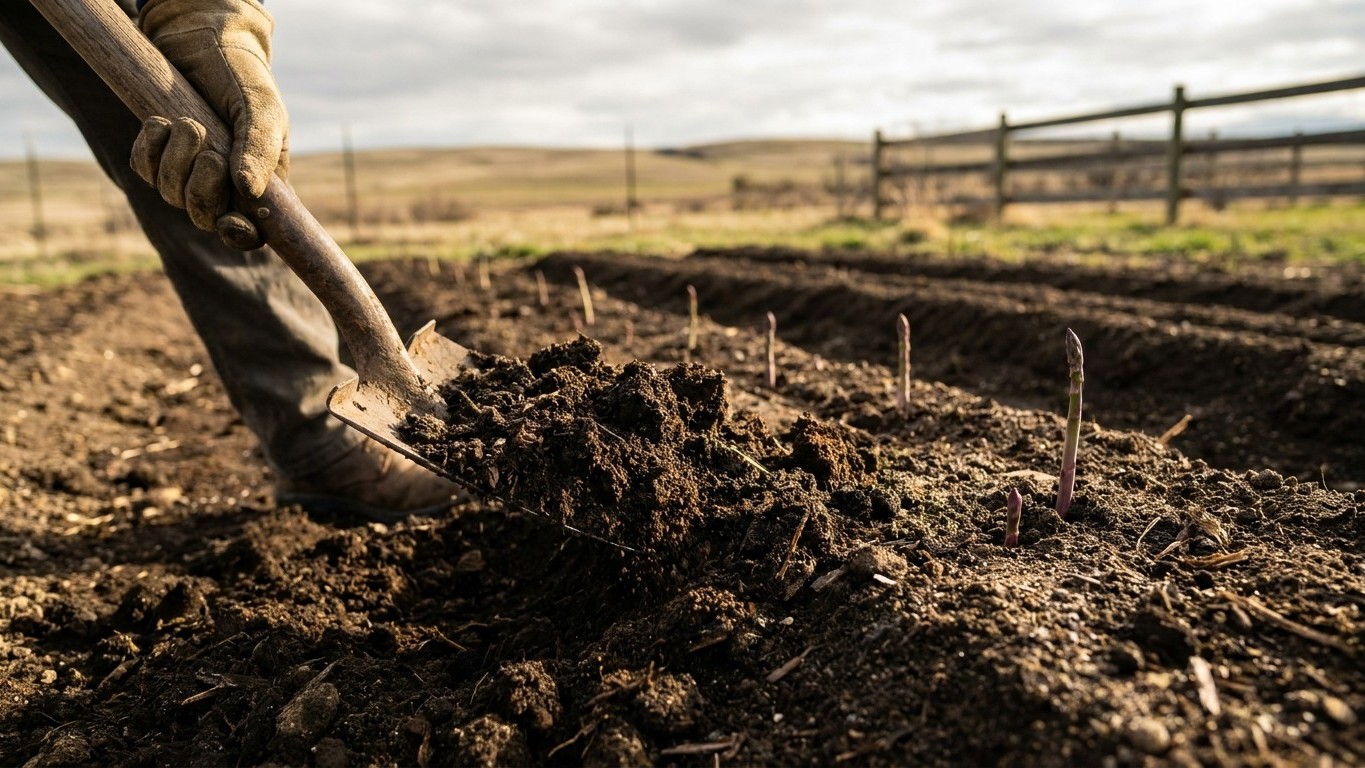
A fifteen-year commitment to one patch of ground sounds like a big ask anywhere, and Nevada adds a wrinkle most other states don’t: a soil profile that’s…
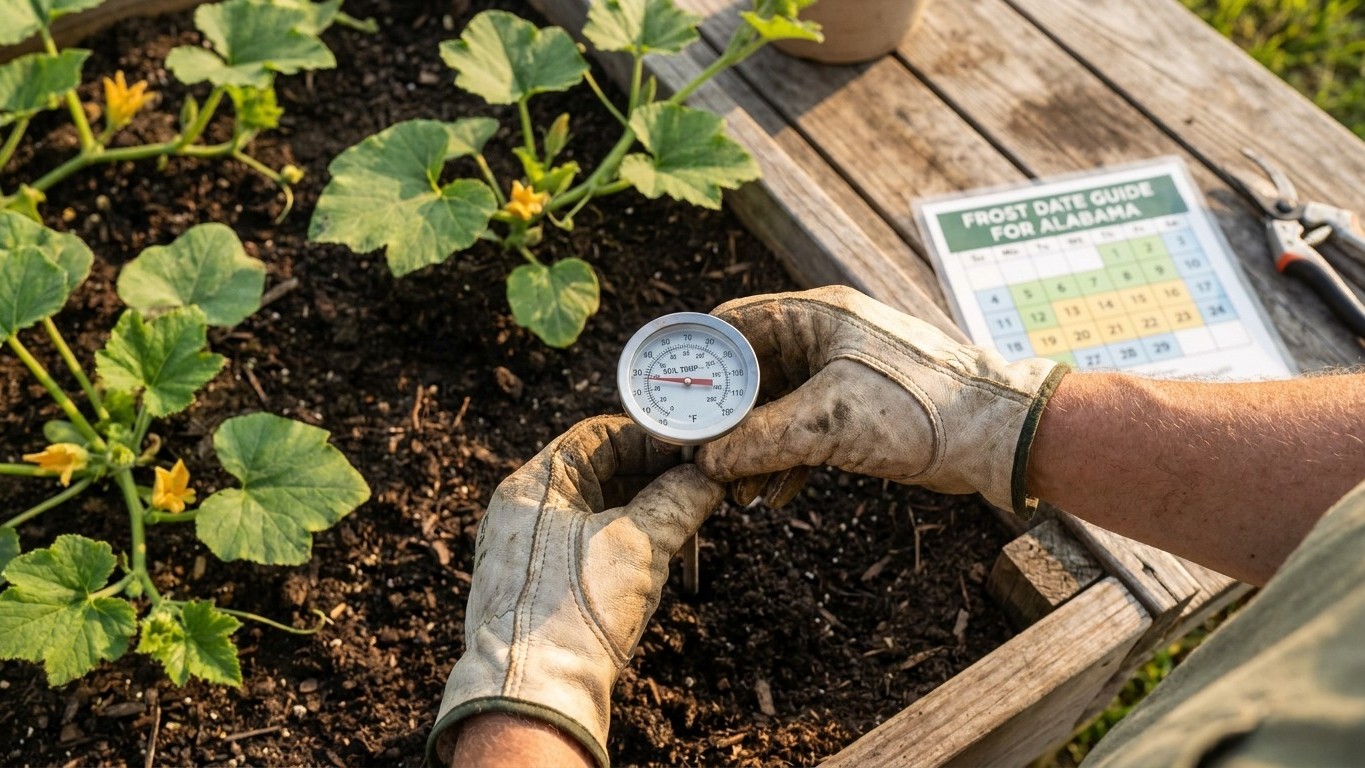
Nevada doesn’t have one pumpkin sowing date. It has several, depending on whether you’re gardening in a low desert valley or up near 6,000 feet outside…
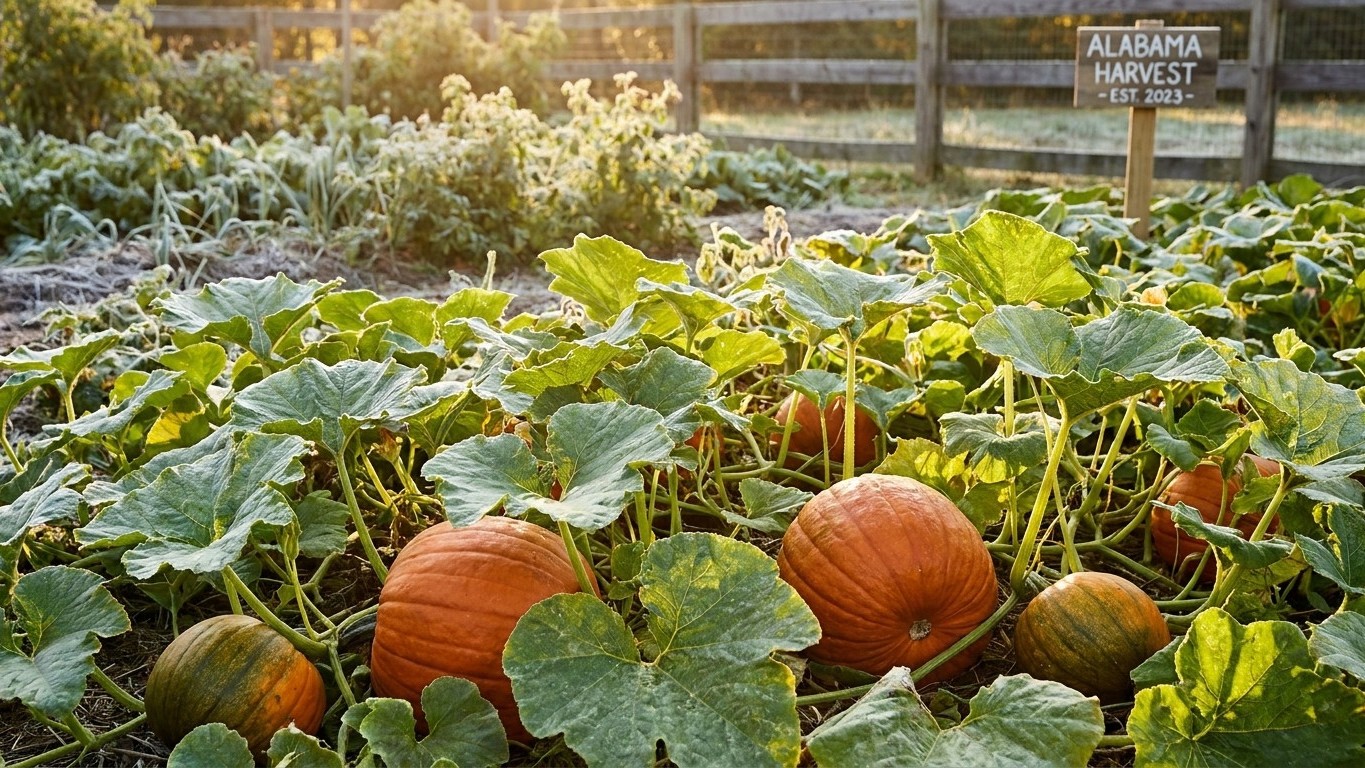
Nevada doesn’t have one answer to this question, it has two. In the low desert around Las Vegas, the first fall frost can hold off until Dec. 8 to Dec.
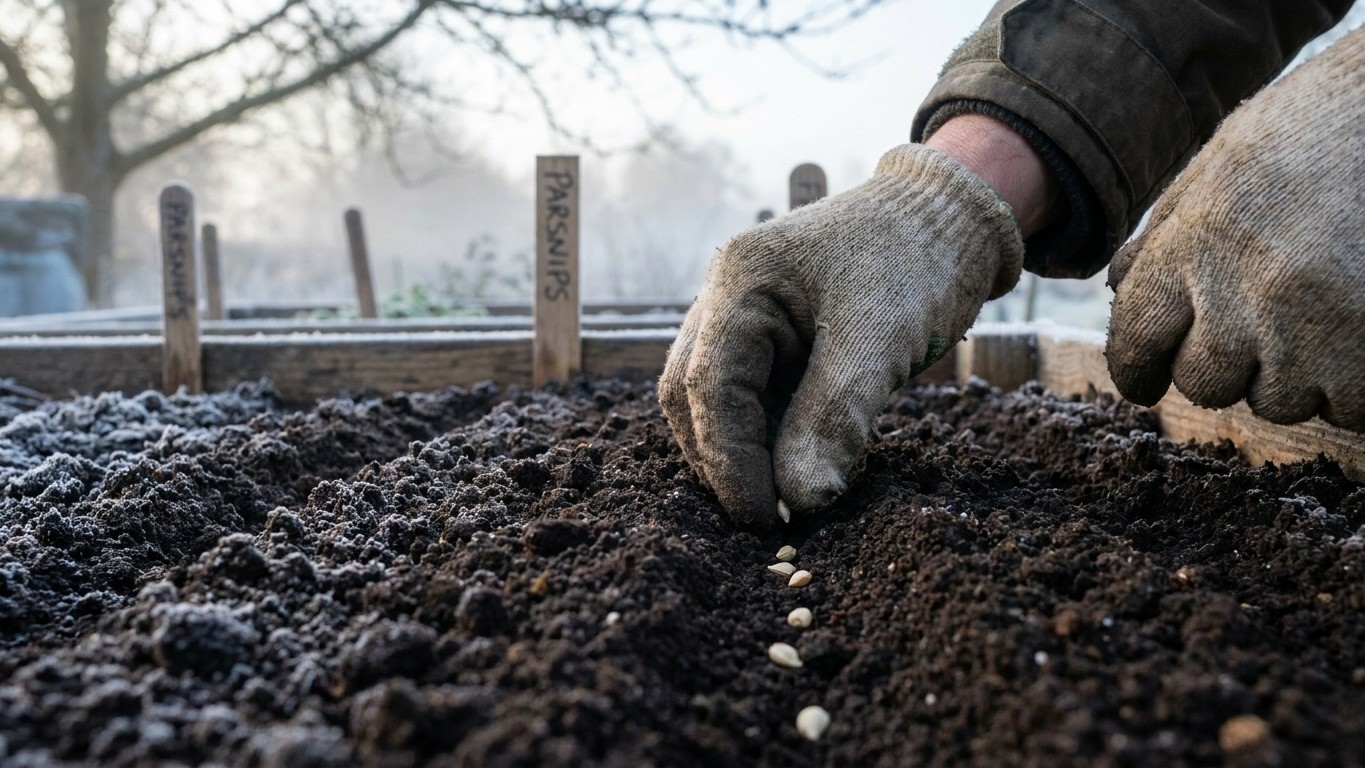
Nevada’s answer depends entirely on where you garden. In the low desert around Las Vegas, sow in fall or late winter for a mild-season crop that grows…
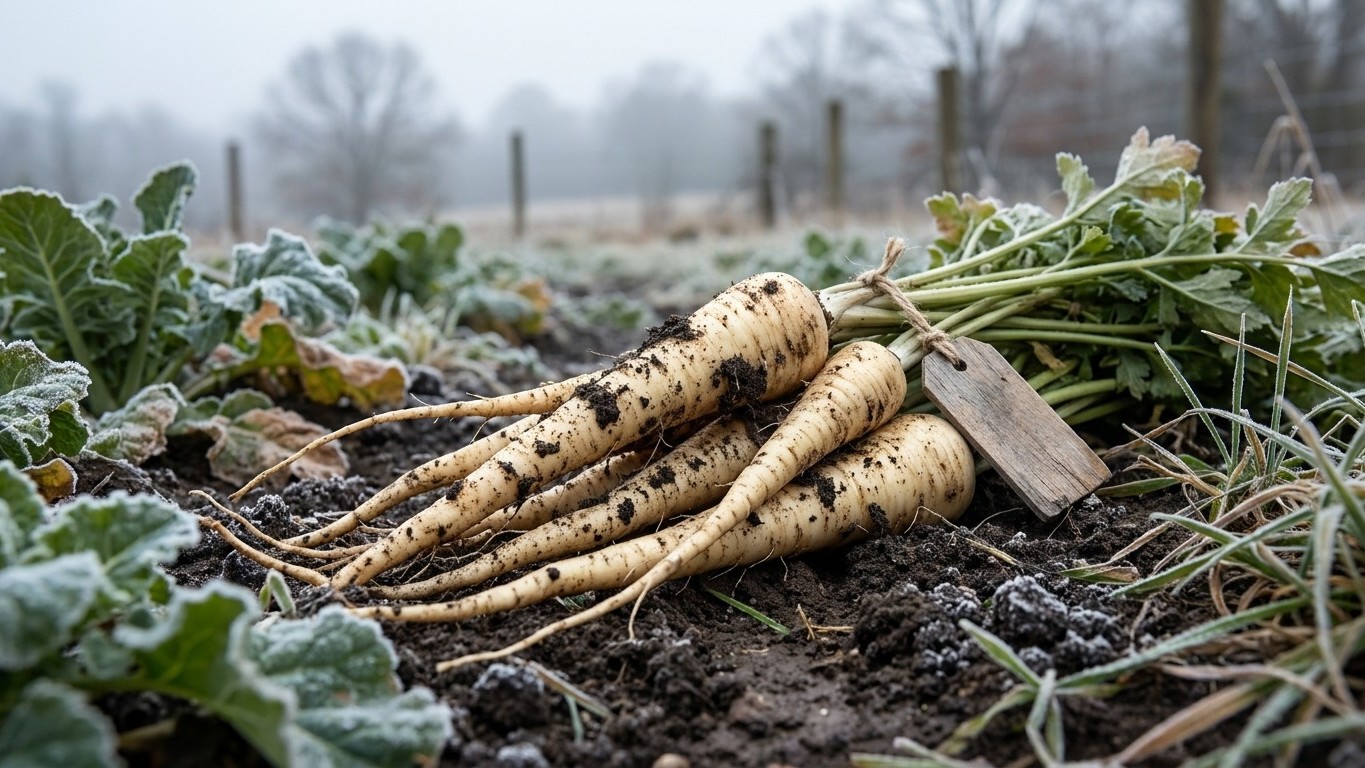
Nevada splits into two very different growing worlds for parsnips. Down in the low desert around Las Vegas, NOAA’s 1991-2020 climate normals put the…
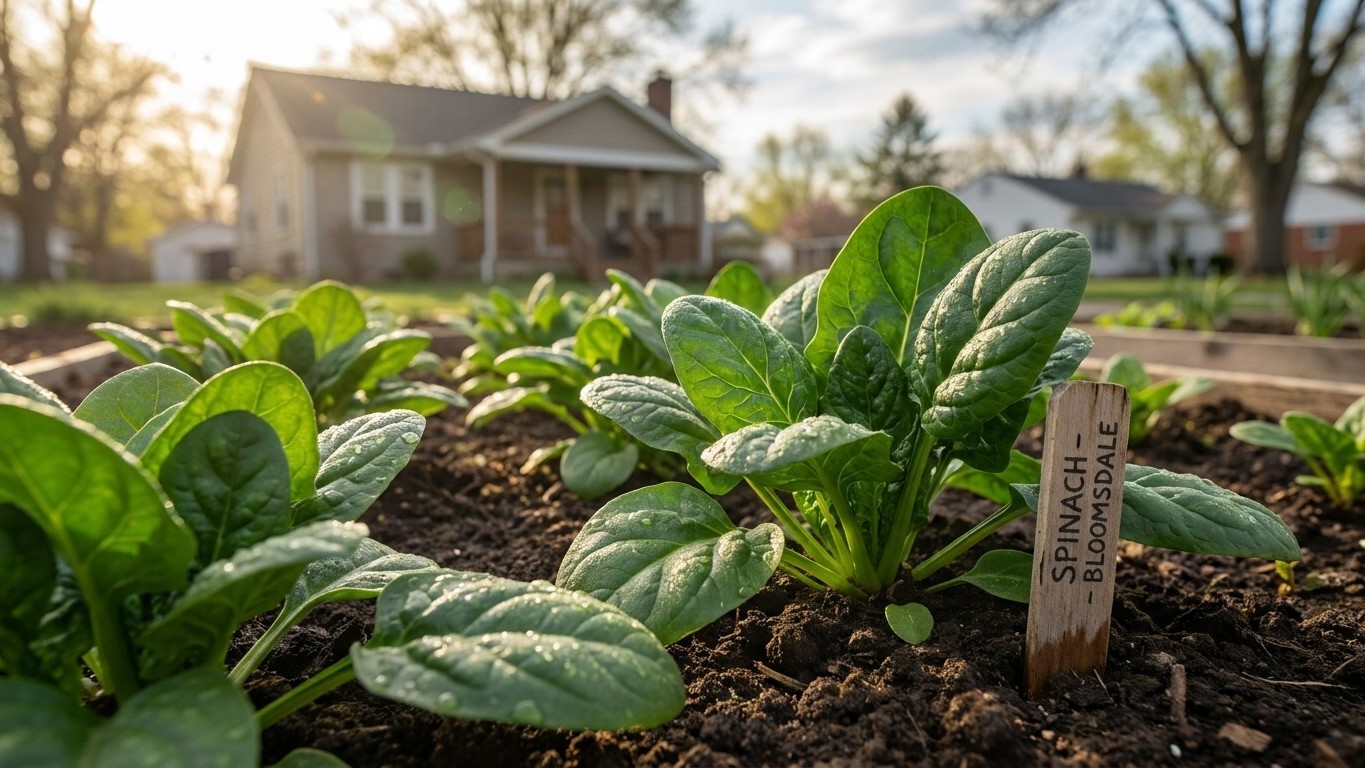
Spinach in Nevada bolts fast because the state’s long summer daylight, not just its heat, tells the plant to flower.
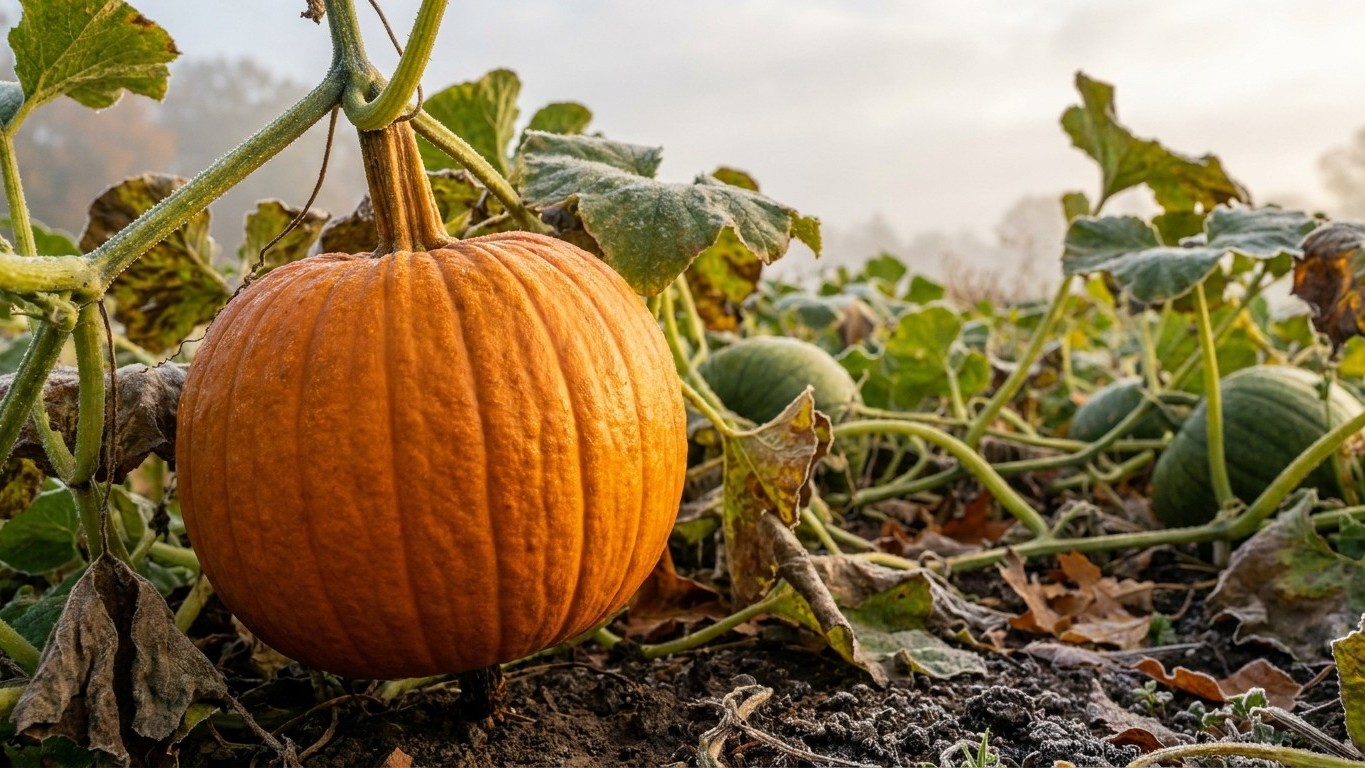
Yes, in parts of Nevada a pumpkin planted this year can ripen before frost, but the margin is thin and it depends entirely on elevation.