Forcing Spring Bulbs Indoors in Nevada
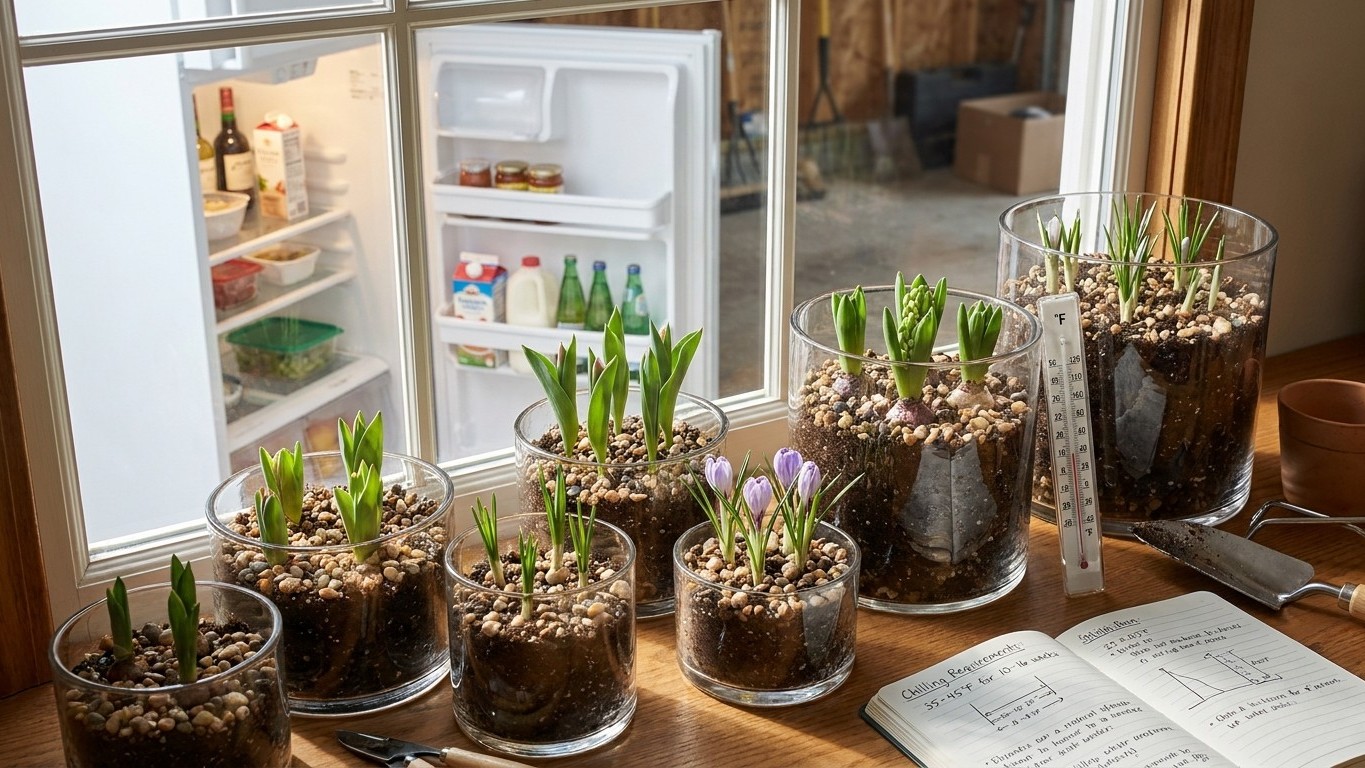
Forcing spring bulbs indoors works throughout Nevada, and around Las Vegas it’s often the only way to get tulips, hyacinths, or crocus to bloom at all.
Home & garden, state by state
Everything we have worked out for Nevada: what to plant and when, which varieties finish in time, the pests that actually turn up here, and the jobs that pay off month by month. We also cover the rest of the property, from lawns and soil to home care and energy, because a garden rarely stops at the vegetable bed.
The numbers first, because everything else follows from them. Measured at the weather station in Las Vegas, the last spring freeze runs January 7 to February 1 and the first fall freeze runs December 8 to December 23, USDA zones 4a-10a, 6,694 growing degree days in the year.
Heat, not frost, is what shortens the season here: above 86 °F tomato pollen goes sterile, so growers run a spring crop and an autumn one rather than a single long season. Garlic does well: 8.7 weeks below 40 °F, comfortably past the six it needs to form a proper head.
Elsewhere on the property in Nevada: the pests that turn up here.
Figures from NOAA's 1991-2020 climate normals. A state is not one climate: elevation, a large lake or the coast can move these dates by two weeks either way, so check your own county with the extension service before you spend money.
Forcing spring bulbs indoors works throughout Nevada, and around Las Vegas it’s often the only way to get tulips, hyacinths, or crocus to bloom at all.
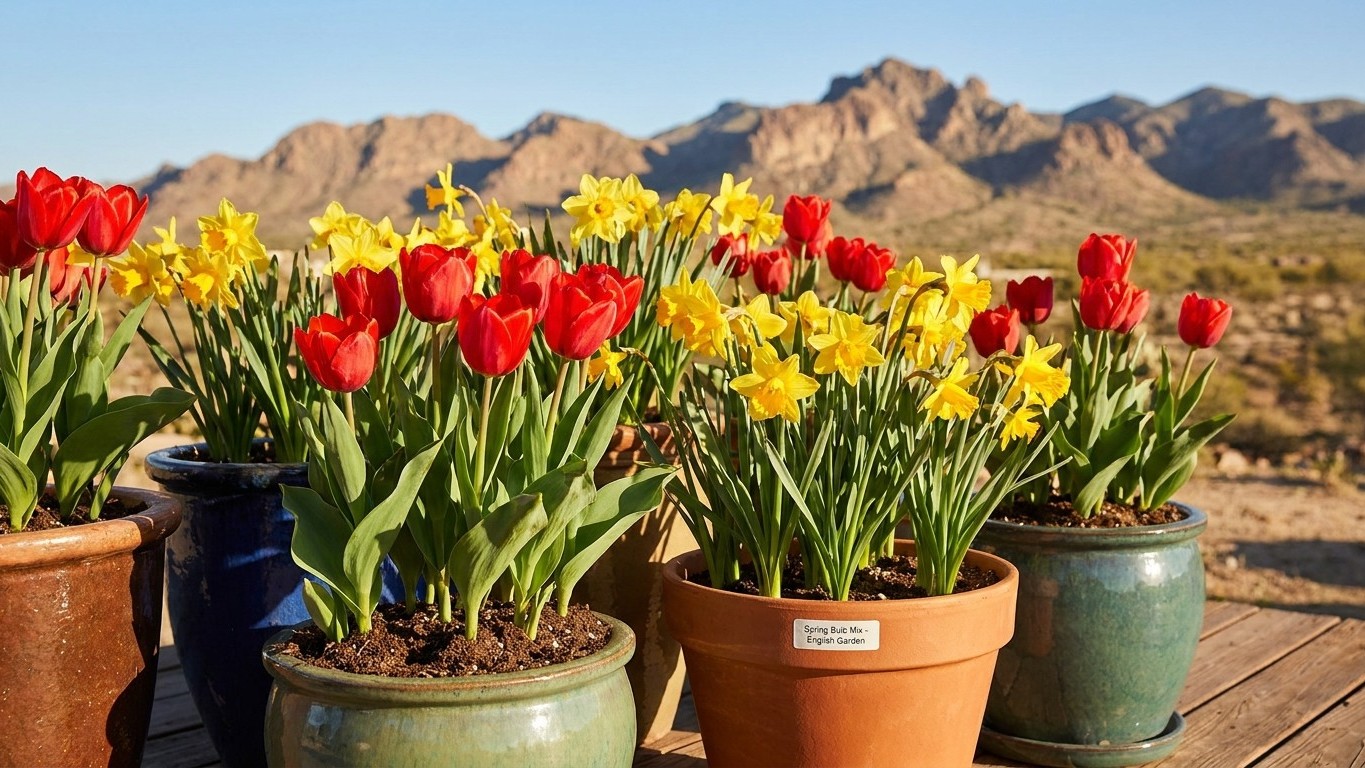
Forcing is the answer for most of Nevada’s low-elevation gardens, where winter doesn’t hold the twelve to fourteen weeks of sustained cold a tulip or…
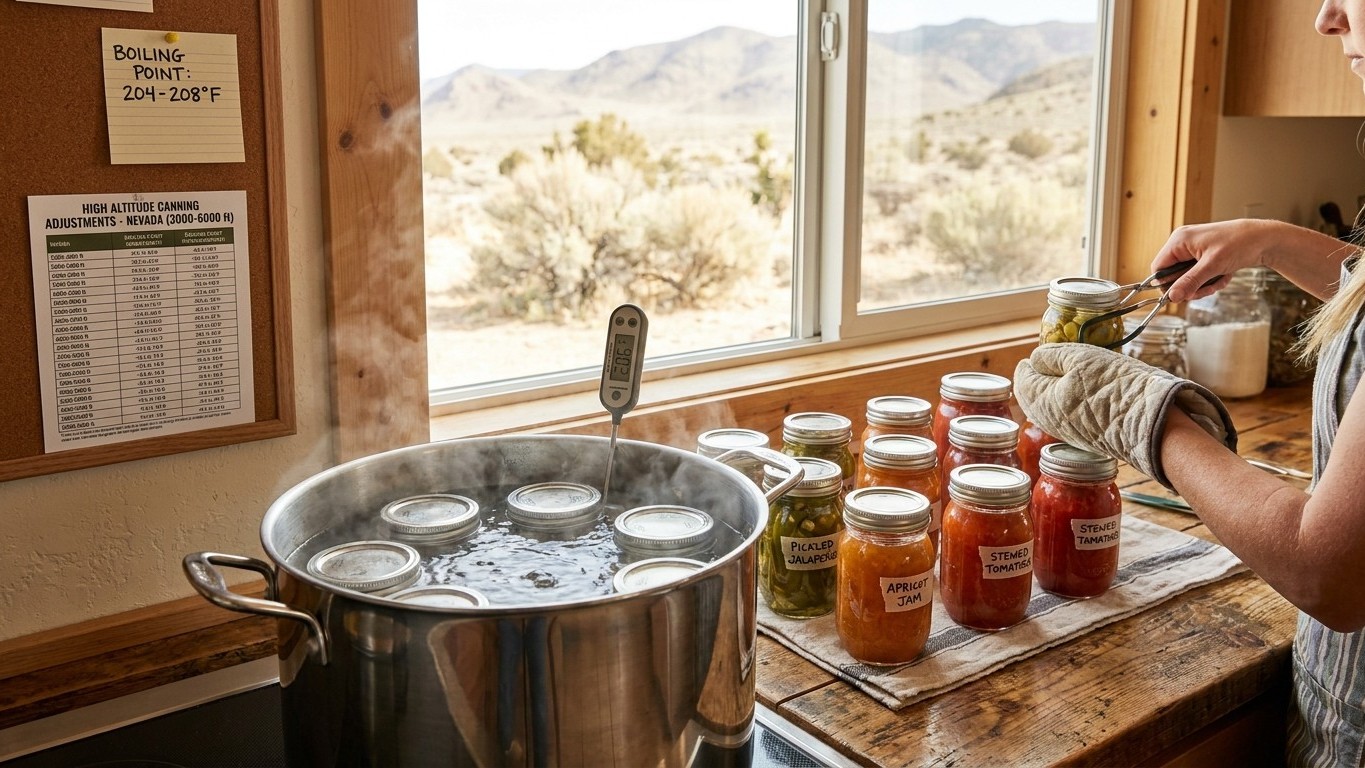
Las Vegas sits at 2,001 feet, where water boils between 204 and 208 degrees Fahrenheit instead of the 212 you’d get at sea level.
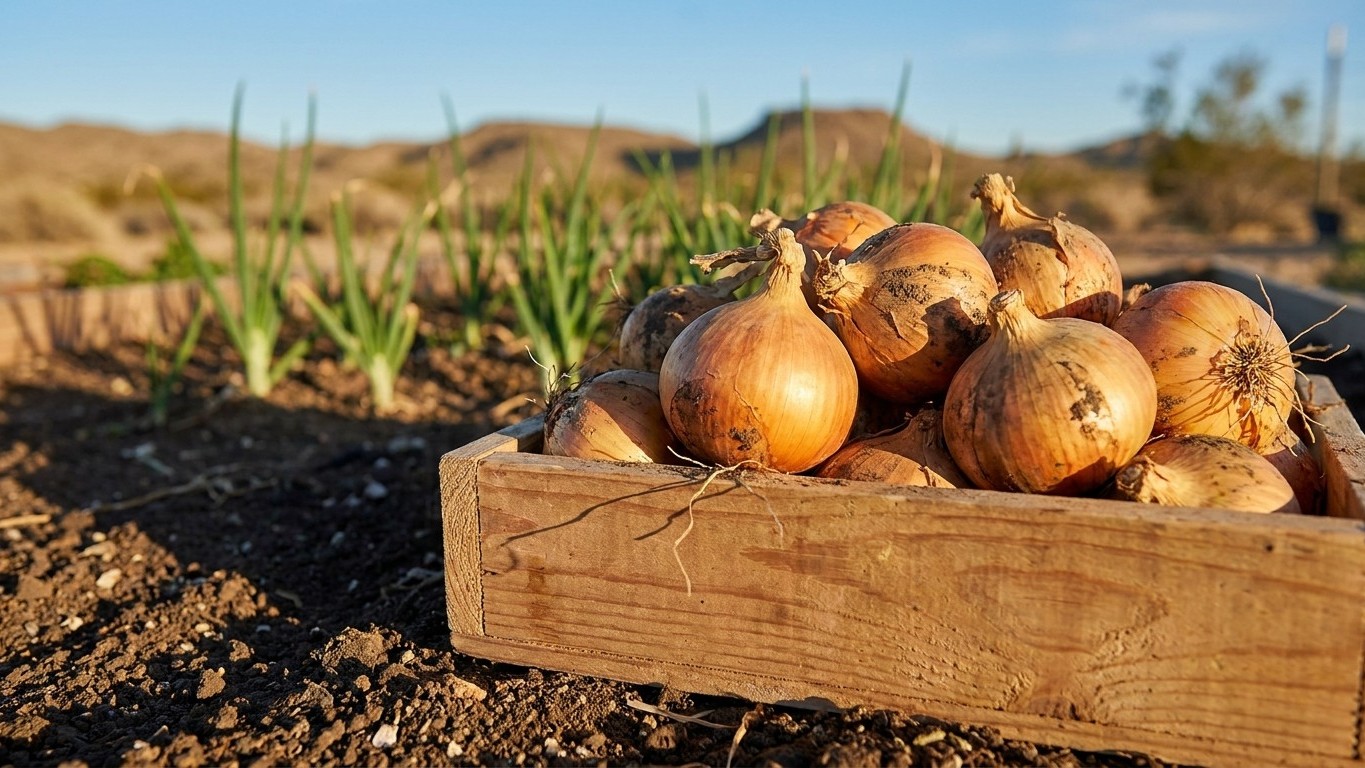
In the low desert around Las Vegas, onions go in the ground in autumn, not spring.
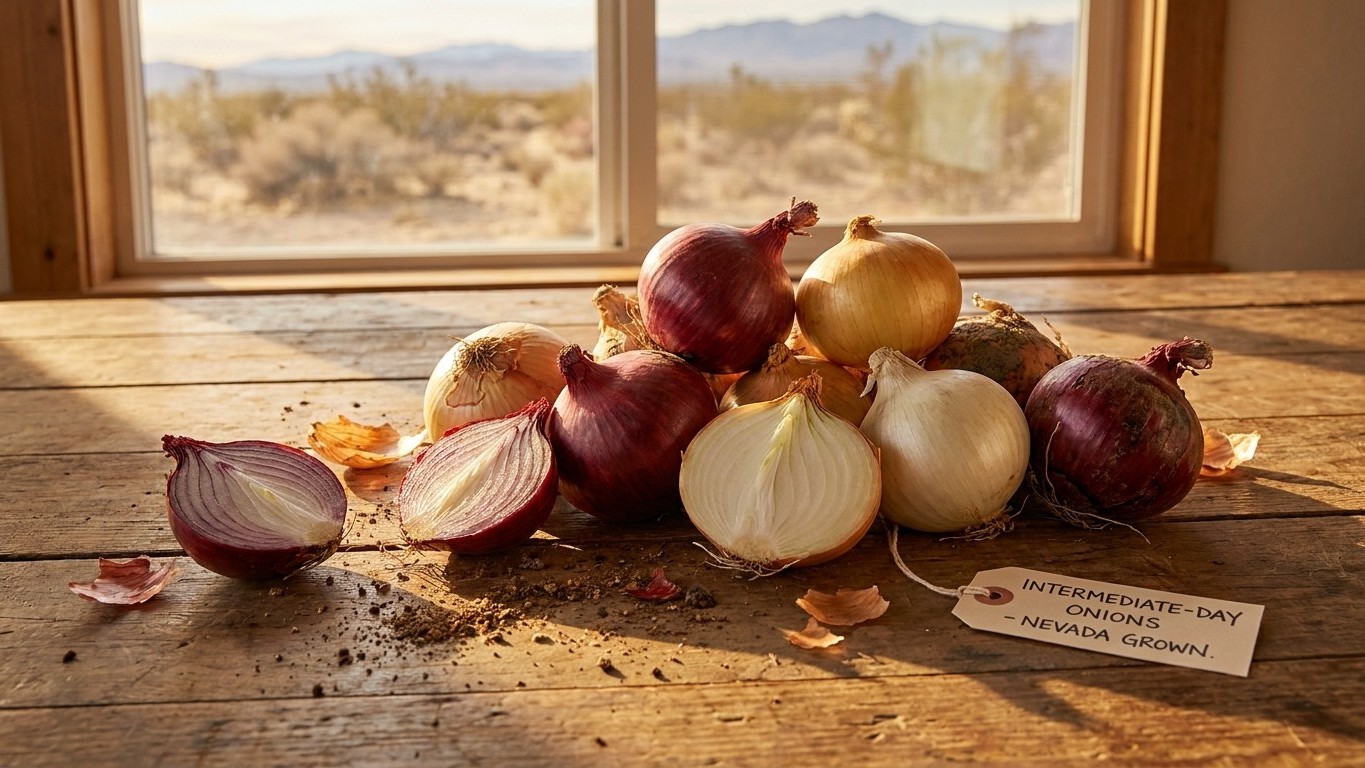
Nevada’s reference station sits at 36.07 degrees north, in Las Vegas, where the longest day of the year delivers 14 hours and 27 minutes of daylight.
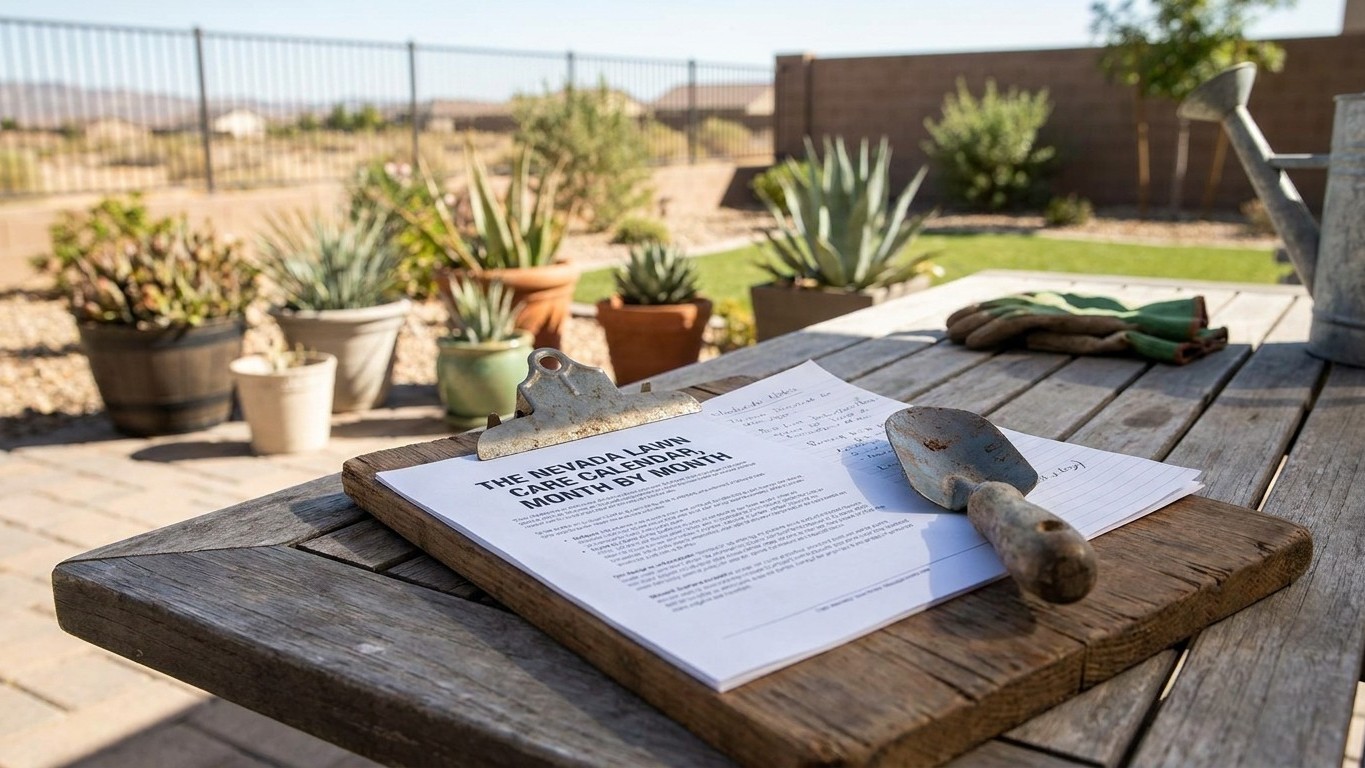
A month-by-month Nevada lawn calendar covering warm-season mowing, feeding and frost timing, and where the state’s elevation changes everything.
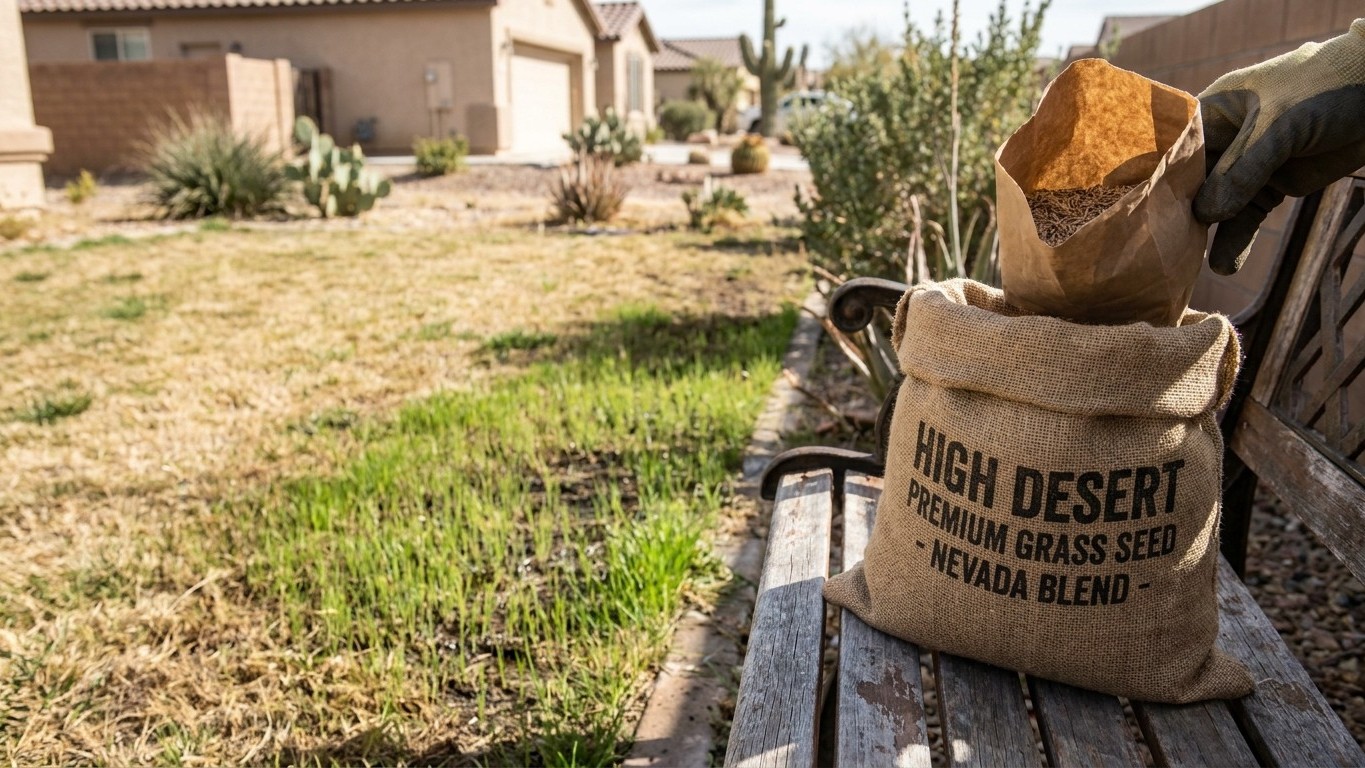
See which warm-season grasses suit Nevada’s low desert, why cool-season seed fails there, and how elevation changes the picture across the state.
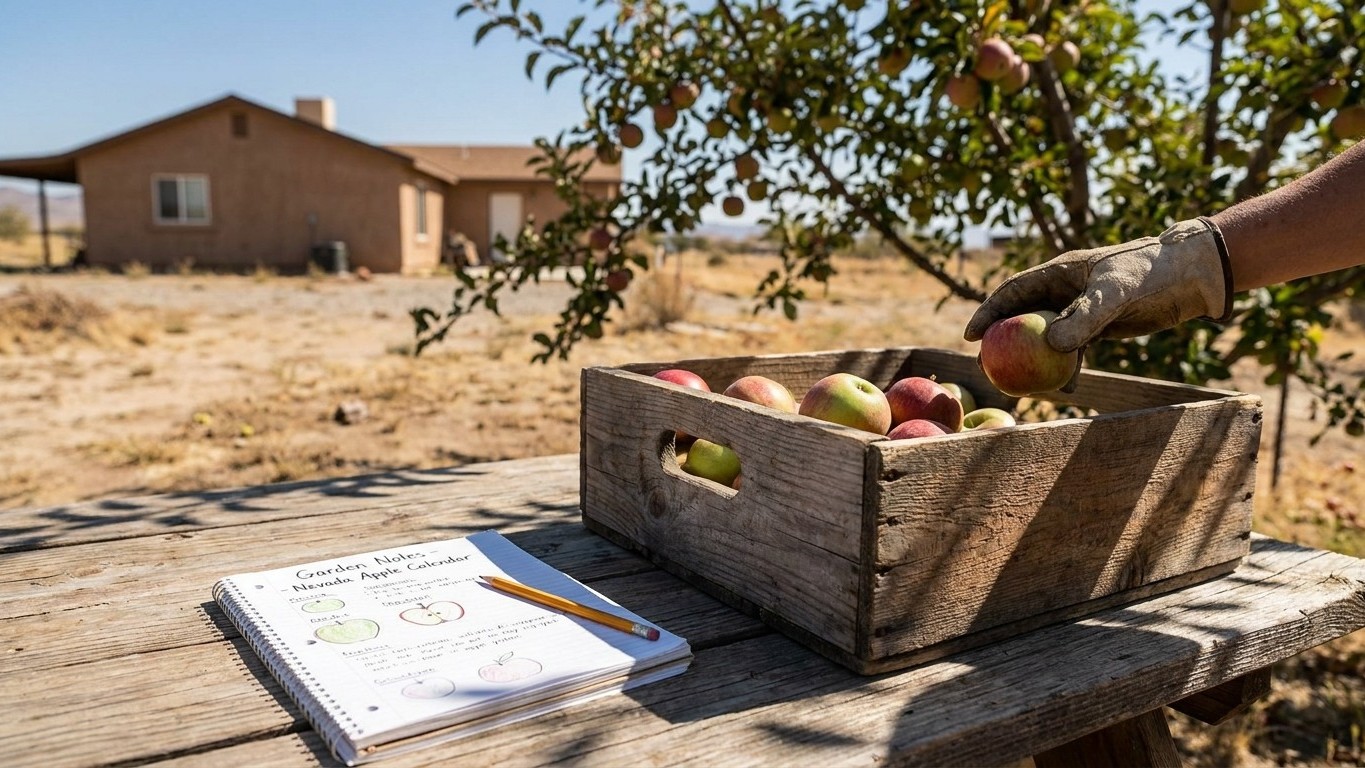
A stage-by-stage guide to reading apple bud development in Nevada, from Las Vegas’s mild valley floor to the colder high-desert basins around Reno and Carson City.
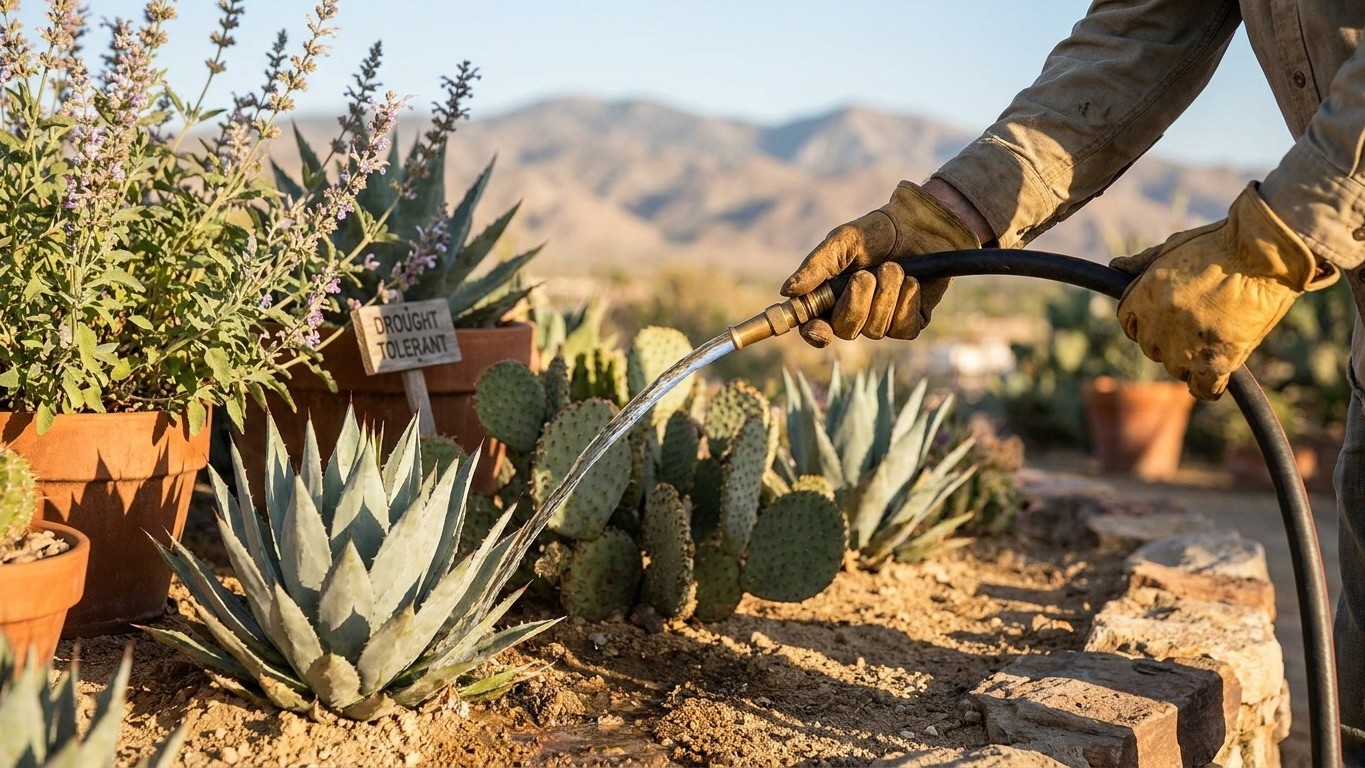
Nevada gardeners water more, and more carefully, than almost anyone else in the country.
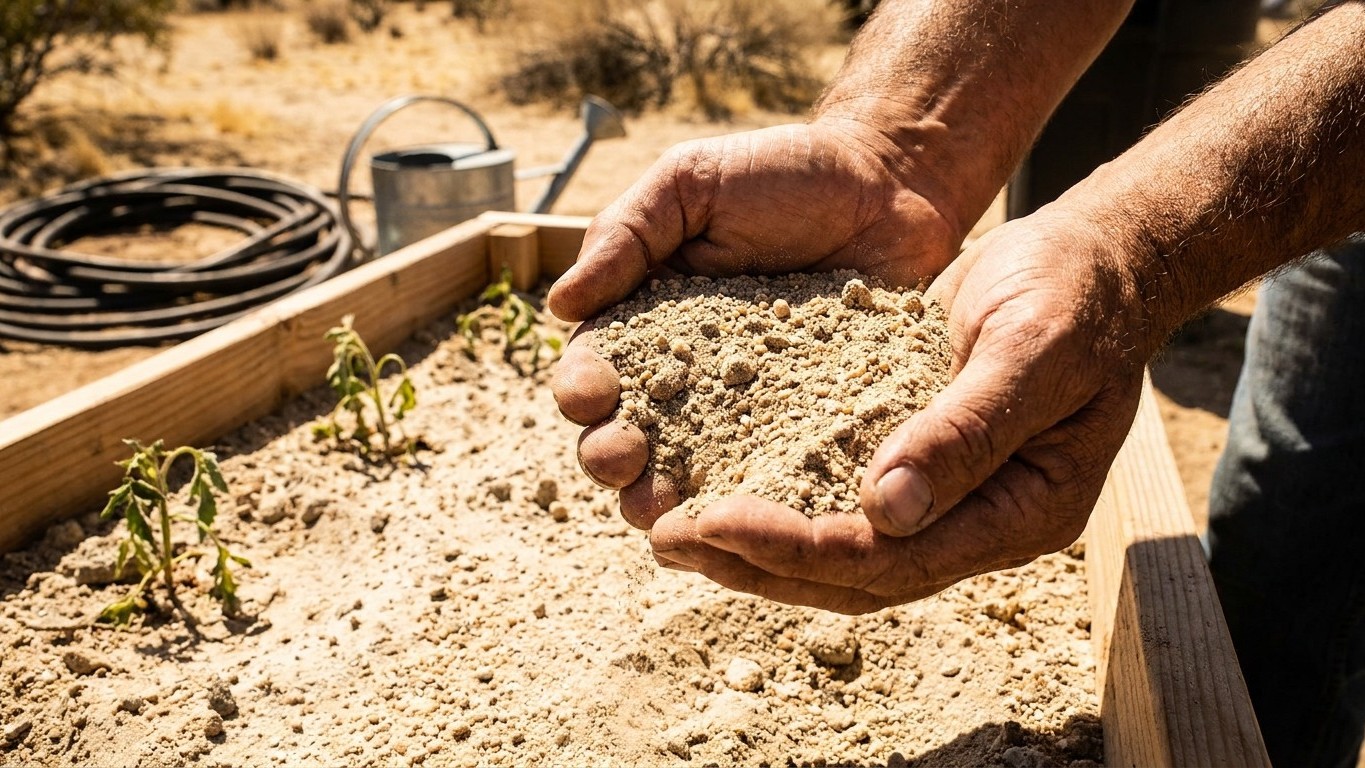
Nevada’s official state soil is the Orovada series, a dry-climate Aridisol that runs alkaline, sandy, and low in organic matter.