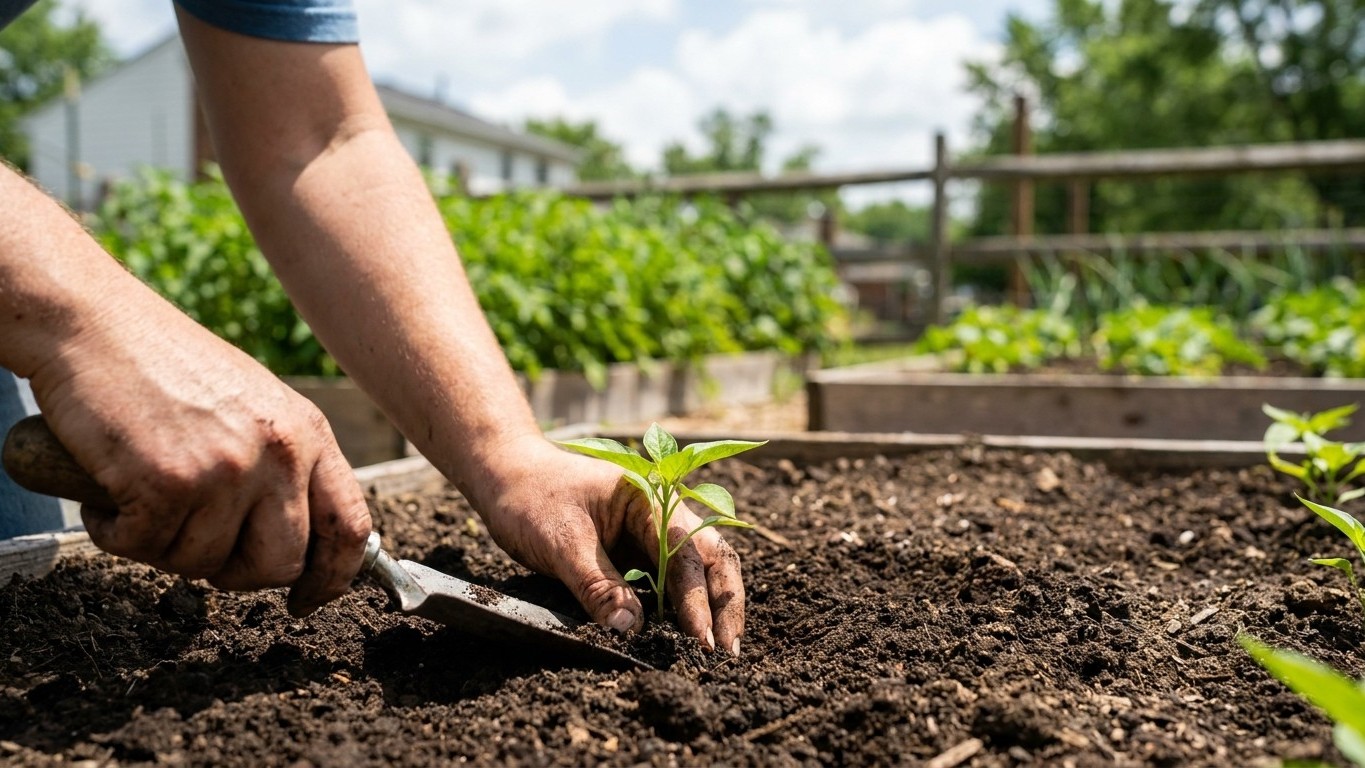

July in New Brunswick is deep summer gardening: the frost windows are long closed, so the work shifts to succession sowing, keeping warm-season crops fed and watered, and starting the transplants that will carry the garden into fall. With the mean last spring frost on May 23 and the mean first fall frost on October 2, the province is sitting in the middle of its growing season, and the calendar now rewards timing, not risk-taking.
What goes in the ground in July

By July the frost math has already been settled for months. The mean last spring frost at the Moncton station falls on May 23, and that date is a midpoint, not a guarantee, meaning in roughly half of all years frost lingered later than that. Either way, July sits comfortably past it across almost every part of the province. The question this month is not whether the soil is warm enough. It almost always is. The question is whether there is still enough growing season left before the mean first fall frost on October 2 for a given crop to finish.
Quick crops still have plenty of room. Bush beans, summer squash, cucumbers, and zucchini sown in the first half of July have roughly thirteen to fourteen weeks before that average frost date, which is enough for most varieties bred for short seasons. Succession sowings of lettuce, radish, beets, carrots, and bunching onions can go in every couple of weeks through the month, since these crops mature in under two months. Peas planted now, aimed at a fall harvest, do well in the cooler nights that arrive in September.
Transplanting tomatoes, peppers, or winter squash starts this late is a gamble. It is not that the soil resists them, it is that they will run out of daylight and warmth before setting a real crop. If a gardener still has seedlings on hand, they are better used as a backup for gaps in the bed than as a first planting.
Garlic is not a July crop for planting, it is a July crop for harvest timing, and the actual bulb-splitting and bed prep for next year’s garlic still waits until fall. What July does welcome is the second wave of fast greens and the last window for direct-sown warm-season crops that mature quickly.
What to start under cover
The arithmetic for July starts runs backward from October 2, the mean first fall frost. Fall brassicas such as broccoli and cabbage typically need eight to ten weeks from transplant to harvest, plus another two to three weeks as seedlings before they go in the ground. Counting back from early October, that puts the ideal indoor sowing window in the first half of July, with transplanting out in mid to late August.
Fall lettuce and spinach are trickier because they germinate poorly in warm soil. Starting them under cover, in trays kept somewhere shaded and cool rather than on a sunny windowsill, avoids the heat-induced dormancy that stalls germination outdoors in midsummer. Once they have a set of true leaves, they transplant out into the garden as the worst of the summer heat eases.
The two ways this goes wrong are familiar to anyone who has gardened through a full season. Starting fall brassicas too early, back in June, leaves them sitting rootbound and leggy in small pots through the hottest weeks, stressed before they even reach the ground. Starting them too late, past mid-July, means they will still be small heads when the nights turn cold, and they simply will not have time to bulk up before growth slows for the year. There is a real, narrow window here, and it sits inside July itself rather than at either end of it.
What is ready to pick
July is when the garden starts paying back the spring’s work. Peas sown in April and May are usually finishing up, and the pods should be picked promptly once plump, since leaving them too long toughens the crop and signals the plant to stop producing. Early lettuce, radish, and the first thinnings of carrots and beets come out steadily through the month.
Garlic planted the previous fall is one of the bigger July jobs on the harvest side. It is ready when the lower third to half of the leaves have browned and died back, not when the whole plant looks spent. Pulling too late risks the bulbs splitting their wrappers in the ground, which shortens how well they store.
Strawberries and the earliest raspberry canes are usually producing by now, and zucchini and cucumbers, if they went in early, start their steady overproduction phase. New potatoes, dug gently from the edge of a hill without disturbing the whole plant, are a July treat many gardeners skip simply because they don’t realize the plant can spare a few tubers before the main harvest later in the season. Herbs, basil especially, are best picked regularly through July, since frequent harvesting is what keeps the plant productive rather than bolting to flower.
The jobs that matter this month
Water and mulch first
July heat and uneven rainfall make watering rhythm the single job that costs the most if it slips. A steady deep soak, aiming for roughly an inch of water a week between rain and irrigation, does more for root development than frequent shallow watering. Mulch laid down now, whether straw, shredded leaves, or grass clippings, holds that moisture in and keeps soil temperatures from spiking around shallow-rooted crops like lettuce and beans.
Staking, succession, and scouting
Tomatoes, peas, and pole beans that have not been staked or trellised yet need it now, before the plants sprawl and tangle to the point where staking damages roots and stems. Succession sowing, dropping in a new short row of beans, beets, or lettuce every couple of weeks, is what keeps the harvest from arriving all at once and then stopping cold in August.
Pest pressure peaks in July. Colorado potato beetle larvae, squash vine borer, and Japanese beetles are all active, and a quick walk through the beds every few days to check the undersides of leaves catches infestations while hand-picking or targeted treatment still works. Side-dressing heavy feeders like squash, corn, and tomatoes with compost or a balanced feed supports the fruiting push that is about to happen, and hilling soil up around potato stems protects developing tubers from sun exposure that turns them green.
What not to do in July
The classic July mistake is treating warm weather as permission to transplant crops that no longer have time to mature, tomatoes and peppers set out this late are chasing a frost date that arrives, on average, October 2, and in years when frost comes earlier than that mean, they will not finish at all. Better to accept that this window closed weeks ago and focus energy on crops that still have time.
Overwatering during a stretch of rain, then underwatering the moment it stops, stresses plants more than a consistent, slightly drier rhythm would. Tomatoes especially respond to that inconsistency with blossom end rot and split fruit.
Feeding high-nitrogen fertilizer to tomatoes, peppers, or squash once they are flowering and setting fruit pushes leafy growth at the expense of the crop itself, exactly the wrong trade at this point in the season. A soil test or a simple compost side-dress is the safer route once flowering has started.
Letting garlic sit in the ground past the point where its leaves have browned is another common slip, the bulbs keep losing storage quality the longer they wait. And starting fall brassica transplants directly in full afternoon sun without any shade cloth or cover often kills germination outright before the seedlings even get a chance.
Checking this against your own county
A province-wide date is a starting point, not an instruction. Elevation, proximity to the Bay of Fundy, and the difference between the milder Saint John River valley and the colder uplands of the north can shift these frost windows by two or three weeks in either direction. A garden in Restigouche County is working with a noticeably shorter season than one near the south shore.
For a planting calendar built around local conditions, the federal agriculture department’s site is a reliable starting reference, and it is worth cross-checking against any guidance specific to a county’s extension office or local growers’ network before locking in a July sowing plan.
Common questions
Is it too late to plant tomatoes in New Brunswick in July?
Transplanting tomatoes this late is risky. With the mean first fall frost falling October 2, tomatoes set out in July have little margin to ripen a real crop before the season ends, and in years when frost arrives earlier than average, they may not finish at all.
What vegetables can still be direct-sown in July in New Brunswick?
Bush beans, summer squash, cucumbers, and zucchini sown early in the month usually have enough time before the average fall frost. Quick crops like lettuce, radish, beets, carrots, and peas for a fall harvest can be sown in succession right through July.
When should fall broccoli and cabbage be started for a New Brunswick garden?
Counting back from the mean first fall frost of October 2, most fall brassicas need to be started indoors in the first half of July and transplanted out by mid to late August to have enough time to mature.
How do I know when garlic is ready to harvest in July?
Garlic is ready when the lower third to half of its leaves have browned and died back. Pulling it too early sacrifices size, and leaving it too long risks the bulbs splitting their wrappers, which shortens how long they will store.