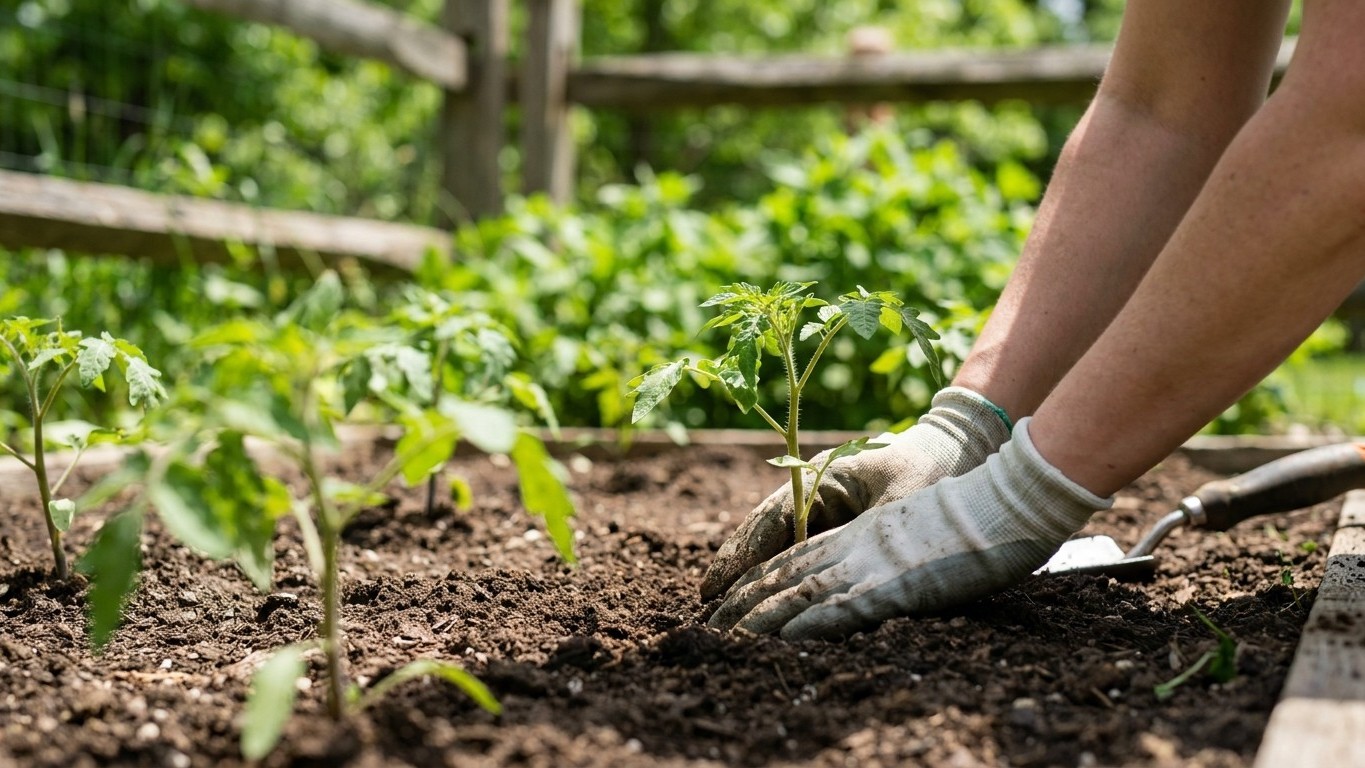

June in New Mexico sits comfortably past the frost window, so this is peak planting time for warm-season crops. Beans, squash, melons, corn, and the state’s signature chile peppers can all go into the ground now, alongside transplants of tomatoes and eggplant that were hardened off earlier in spring. Cool-season crops planted in March or April are winding down fast as daytime heat climbs.
What goes in the ground in June

The reference frost data for this state puts the last spring freeze between March 31 and April 12, which means June arrives with soil already warm enough for the crops that sulk or rot in cold ground. That’s the real decision point here, not the calendar page. Soil temperature, not air temperature, tells beans and squash seeds whether to germinate or sit and rot.
Direct sow bush beans, pole beans, summer squash, winter squash, cucumbers, melons, and sweet corn straight into garden beds. These seeds want soil in the 65 to 70 degree range at planting depth, which most of the state has reached well before June even starts. Okra, a crop that shrugs off heat that wilts other vegetables, also goes in now as seed.
Transplants are the other half of the picture. Tomatoes, peppers (including the chile varieties New Mexico is famous for), and eggplant should already be hardened off by early June if they weren’t set out in May. Set them in the ground in early morning or evening rather than midday, and water them in well. At higher elevations, gardens in places like Santa Fe or Taos may lag a week or two behind lower desert valleys around Las Cruces or Roswell, so a plant that’s already fruiting in the south might just be settling roots in the north.
There’s still a window for direct-sown okra, black-eyed peas, and sweet potato slips where soil has warmed enough. Basil, sown directly or set as small transplants, does well once nighttime lows stay reliably above 50 degrees. Skip anything from the cool-season list now: lettuce, spinach, and peas sown in June will bolt or fail before they produce anything worth eating, no matter how carefully the seed is tended.
What to start under cover
June looks like harvest and growth from the outside, but it’s also the month to start thinking about the fall garden, and that means seed trays now. Count backward from the first fall frost, which the same reference data places between October 29 and November 9. Broccoli, cabbage, and cauliflower transplants need roughly six to eight weeks of growing time before they go into the ground, and they need to go out while soil is still warm enough to establish roots but early enough to mature before frost. Started indoors under cover in June, those seedlings are ready to transplant in late July or early August.
The two ways this goes wrong are familiar to anyone who’s tried it. Start too early, sitting in small trays through the peak of summer heat, and the seedlings turn leggy and stressed, often bolting before they’re ever transplanted. Start too late, and the plants never bulk up before frost cuts the season short. A shaded cold frame or a spot under 30 percent shade cloth keeps June-started seedlings from cooking on the back porch while they wait their turn in the garden.
Second successions of bush beans and summer squash can also be started in small pots now, timed to replace the first planting as it fades in the heat of midsummer. This keeps the harvest window open longer than a single planting ever could, and it hedges against squash vine borer or bean beetle damage taking out the first round.
What is ready to pick
Spring’s cool-season crops are finishing their run. Lettuce, spinach, and arugula sown back in March or April are bolting as daytime temperatures climb, so harvest whatever’s left before the leaves turn bitter. Radishes and early beets sown at the same time should be pulled now too; left in warming soil, radishes turn woody and split.
Garlic planted the previous fall is approaching harvest. The telltale sign is the lower leaves turning brown while four or five green leaves remain up top. Garlic scapes, the curling flower stalks on hardneck varieties, should already be cut and used; leaving them on diverts energy from the bulb. Peas sown early are producing their last pods before heat shuts them down for the season.
Strawberries planted in prior seasons hit their peak in June across most of the state, and early-season herbs like cilantro are bolting to seed just as quickly as the lettuce. That bolted cilantro isn’t wasted: the seed is coriander, and letting a few plants go to seed each year keeps a free supply on hand. Onions started from sets earlier in the season may be ready if the tops have begun to yellow and fall over on their own; pulling them before that happens shortens their storage life.
The jobs that matter this month
Mulch is the single job that pays back the most in June. A three to four inch layer of straw, wood chips, or shredded leaves around warm-season crops holds soil moisture and keeps root zones from overheating in a state where summer sun is relentless and afternoon humidity is often in the single digits. Skipping mulch now means fighting a losing battle against evaporation for the rest of the season.
Watering rhythm matters more than watering volume. Deep, infrequent watering that soaks down six to eight inches trains roots to grow deep, while frequent shallow watering keeps roots near the surface where they’re more vulnerable to heat stress. Drip irrigation or soaker hoses laid under the mulch waste far less water than overhead sprinklers, an important consideration in a state where water restrictions are common in summer.
Staking and caging need to happen before plants sprawl, not after. Tomato cages set in June, once plants are a foot or two tall, are far easier to install than trying to wrestle a heavy, fruit-laden plant into a cage in July. Pole beans and cucumbers on trellises should get their vertical supports now too, before the vines tangle across the ground.
Succession sowing of beans, squash, and corn keeps a continuous harvest coming rather than one overwhelming glut followed by nothing. Pest scouting is worth a few minutes every few days: squash bugs lay clusters of copper-colored eggs on the undersides of leaves, and catching them early with a hand-crush routine beats spraying later. Aphids cluster on new growth and are easy to knock off with a strong blast of water before they multiply into a real problem.
What not to do in June
The classic mistake this month is judging soil readiness by how warm the air feels rather than checking the ground itself. A warm afternoon can mask soil that’s still cool a few inches down, especially in shaded beds or heavier clay soils common in parts of the Rio Grande valley. Seeds sown into that cooler soil either rot or germinate weeks late, well behind seeds sown into properly warmed ground.
Overfeeding nitrogen on tomatoes and peppers once they’ve started flowering is another frequent misstep. A plant pushed with high-nitrogen fertilizer at this stage puts energy into lush green leaves instead of fruit, leaving a gardener with a jungle of foliage and little to show for it at harvest. A balanced fertilizer, or one lower in nitrogen relative to phosphorus and potassium, supports fruiting better once flowering begins.
Uncovering season-extension tunnels or shade structures too soon after a mild stretch is a habit that backfires when a late dry heat wave or an unexpected wind event follows. And letting new transplants sit in full afternoon sun without any temporary shade for their first few days, rather than easing them in during morning and evening hours, sets them back further than waiting an extra day to plant would have. Skipping mulch to “save it for later” is also a mistake with real cost: unmulched soil in June can lose moisture fast enough to stress even established plants within a single hot week.
Checking this against your own county
A statewide month is a starting point, not an instruction, and nowhere is that truer than in New Mexico. Elevation swings from below 3,000 feet near Carlsbad to over 7,000 feet around Santa Fe and higher still in mountain towns, and that difference alone can shift planting windows by several weeks in either direction. The frost dates cited here come from one reference weather station, and gardens at elevation or in low-lying cold pockets typically see frost linger later in spring and arrive earlier in fall than that station records.
The USDA Plant Hardiness Zone Map places the state across zones 4b to 9a, a range wide enough to cover both desert valley gardens and high mountain plots. For local frost data, planting calendars, and county-specific guidance, the New Mexico State University Cooperative Extension Service is the resource built for exactly this kind of variation.
Common questions
Is it too late to plant tomatoes in New Mexico in June?
No. Transplants set out in early June still have a full season ahead of them before the first fall frost, which the reference data places between October 29 and November 9. Later plantings may need a bit more attention to shade and watering as they establish during peak heat.
Can I still direct sow squash and beans this month?
Yes. Soil is well past the last spring frost window of March 31 to April 12 by June, and both crops germinate quickly in warm soil. This is one of the best windows of the season for direct-sown beans and squash.
Why is my spring lettuce turning bitter in June?
That’s bolting, triggered by rising temperatures and longer daylight. Once a cool-season crop like lettuce sends up a flower stalk, the leaves turn bitter fast. Harvest what’s left promptly and replace the bed with a warm-season crop or hold it for a fall planting.
Do I need to water more in June than earlier in spring?
Almost certainly, given the heat and low humidity typical across the state by this point. Deep, infrequent watering paired with a thick mulch layer conserves far more moisture than frequent shallow watering, and it’s worth checking soil moisture by hand rather than guessing from the surface.