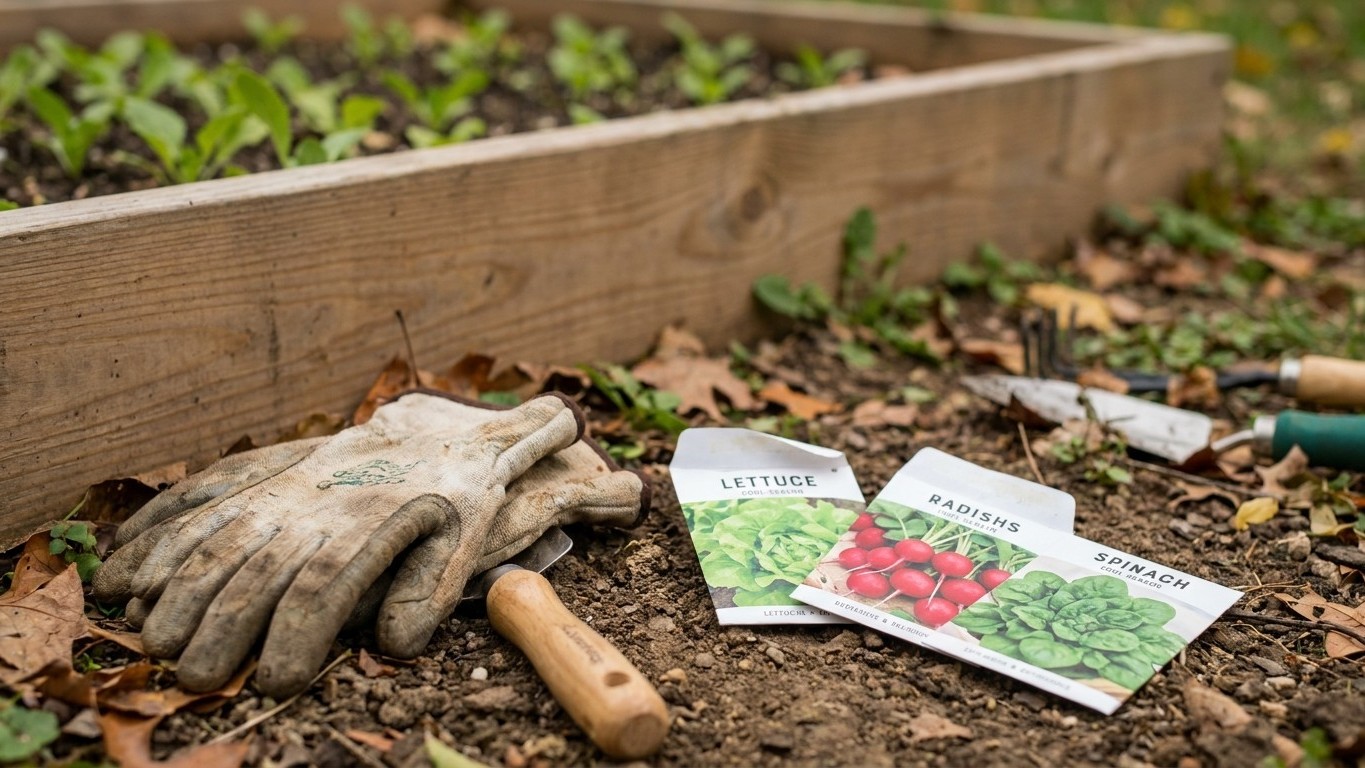

September in Newfoundland and Labrador sits in that stretch between summer’s last crops and the first real frost, which averages October 17 at St. John’s. That gives most of the province four to six working weeks outdoors. The month favors fast, cold-hardy greens and root crops already in the ground, harvest and storage work, and prepping beds for garlic that goes in later in fall.
What goes in the ground in September

The decision this month is not the calendar, it’s soil temperature and how many weeks of growing are actually left before that October frost arrives. With a mean first fall frost of October 17, and remembering that date is a midpoint, not a guarantee, you’re working with roughly 40 to 50 days on a good year and considerably less on a bad one. That window rules out anything that needs a long run to maturity and rewards anything that’s quick and cold-tolerant.
Direct-sow candidates for early September include radishes, arugula, mustard greens, mache (corn salad), and spinach, all of which can size up for a harvest in 25 to 40 days and shrug off light frost once established. Baby-leaf lettuce sown thickly for cut-and-come-again salad greens is another safe bet, since you’re harvesting young rather than waiting for a full head. Turnip greens sown now will often outlast several frosts if given a cold frame or row cover.
Alliums are a different story. Garlic and shallots are best planted later in fall, closer to the ground cooling down for good, so September is more about prepping that bed than planting the cloves themselves. Peas are a gamble at this point: a standard shelling pea needs 60 or more days, which pushes harvest past the frost window in most of the province, so unless you’re growing a fast snap variety and covering it, skip a fall pea crop and bank that bed for garlic instead.
Anything that needs warm soil, tomatoes, squash, beans, corn, is off the table entirely. Soil temperatures are already sliding the wrong direction for germination, and even a mild September afternoon won’t change what’s happening six inches down.
What to start under cover
Working backward from that October 17 mean frost date is the only arithmetic that matters here. If a crop needs 30 days to reach a pickable size, the latest safe sowing under open sky is roughly the first week of September. Add a cold frame or a low tunnel, which typically buys a couple of extra weeks of protected growing time, and you can push that sowing date into mid-to-late September for the hardiest greens: spinach, mache, and claytonia (miner’s lettuce) all take well to this treatment.
Cold frames and unheated greenhouses are where the real action is this month. Sowing hardy lettuce, spinach, and mache under cover now sets up a crop that either finishes in late fall or overwinters to resume growth early. Starting flats of biennial flowers or perennials indoors for planting out the following spring is another reasonable use of a sunny windowsill this month, since they need the head start and won’t be exposed to frost risk now.
The two ways this goes wrong are predictable. Sow too early under cover and you get leggy, rootbound seedlings sitting in cramped trays with nowhere to go, because the ground outside is already cooling and there’s no rush to transplant. Sow too late and the crop simply runs out of daylight and warmth before it can size up, even under protection. Splitting the difference, small successive sowings every one to two weeks through the month, spreads the risk better than one large batch.
What is ready to pick
September is a genuine harvest month across the province. Potatoes come out once the tops have yellowed and died back, a sign the tubers have finished sizing and the skins have started to set. Root vegetables like carrots, beets, and turnip (locally, swede) benefit from staying in the ground through a light frost or two, since cold nudges them to convert starch to sugar and improves flavor noticeably.
Cabbage, brassicas started earlier in the season, and any peas that made it through summer are also coming off now. Herbs like parsley and chives are still productive and worth cutting hard before growth slows for good.
This is also the month for partridgeberries (lingonberries), a wild harvest tradition across much of Newfoundland and Labrador, with barrens and bogs producing through September into October. Blueberries from earlier plantings may still be trickling in depending on variety and location.
For anything already in storage from earlier crops, this is a good point to check bins for the first signs of trouble: soft spots on potatoes, sprouting onions, or squash with a bruised patch that’s starting to weep. Pull those out now, since one turning squash or onion in a bin will speed up the rest.
The jobs that matter this month
Getting crops out of the ground before a hard frost, not just a light one, is the single most time-sensitive job in September. Potatoes, squash, and any remaining tender crops need to come in while the weather is still cooperating, because a hard freeze that catches them in the field can cost the whole harvest in one night.
Once potatoes and root vegetables are dug, curing matters. Potatoes want a few days in a dark, cool, well-ventilated spot to toughen their skins before long storage; squash wants a similar cure in a warm, dry spot before it goes into cool storage. Skipping this step is a common way to lose a winter’s worth of food to rot within weeks.
Bed prep for garlic is worth starting now even though planting itself waits until later in fall. Working compost into the bed, clearing out old crop debris, and letting the soil settle gives garlic cloves a clean start when the time comes. This is also the point to order garlic and any other fall-planted stock, since good varieties sell out well before the ideal planting window arrives.
Perennial beds benefit from a September cutback: spent stems removed, obvious disease debris cleared away and disposed of (not composted), and any dividing of overcrowded clumps done while the soil is still workable and warm enough for roots to settle. Tools that have had a hard summer are due for a clean and a sharpen before they sit idle. And any row cover or cold frame material should be checked and repaired now, before the first real cold snap makes you glad you did.
What not to do in September
The most common mistake is trusting a warm afternoon over the calendar of what’s actually possible. A mild stretch in early September doesn’t mean the frost risk has gone away, it means the average is still weeks off and the variation around that average runs both directions. Treat every warm day as borrowed time, not a green light to plant something tender.
Uncovering cold frames or removing row covers during a mild spell is another way gardeners get caught out. Once a crop has been hardened off under cover for a few weeks, exposing it fully during what feels like a break in the weather leaves it unprotected exactly when a cold night follows, which it often does this time of year.
Feeding nitrogen heavily right now works against the season rather than with it. Nitrogen pushes soft, leafy growth that has no time to toughen up before frost, making plants more vulnerable rather than more productive. If anything needs feeding this month, a balanced or lower-nitrogen approach suits the slowing season better.
Leaving root crops in the ground indefinitely, hoping for one more sweetening frost, is also a gamble that can backfire. A light frost improves flavor; a hard freeze can damage the crop in the ground, especially in poorly drained soil that holds cold longer.
Checking this against your own county
These dates and this zone come from a single reference point, the ST JOHN’S A weather station, and Newfoundland and Labrador is not one climate. Coastal areas, interior valleys, elevation, and especially the difference between the island and Labrador can shift a frost window by weeks in either direction. A garden on the Avalon Peninsula and one in central or western Labrador are not working from the same calendar, even though both sit under the same provincial label.
Before betting a planting on any date in this article, check it against your own conditions and against the provincial extension resources built for exactly this purpose: the Newfoundland and Labrador Department of Fisheries, Forestry and Agriculture.
Common questions
Is it too late to plant vegetables in September in Newfoundland and Labrador?
Not for the right crops. Fast hardy greens like spinach, arugula, mache, and radishes can still be direct-sown early in the month and reach harvest before the mean frost date of October 17. Anything needing 60 or more days, or any warm-season crop, is too late.
When should garlic actually go into the ground?
Garlic is best planted later in fall, closer to when the soil is cooling for the season, rather than in September. This month is the right time to prepare the bed with compost and clear old debris so it’s ready when planting time comes.
Does a light frost ruin root vegetables like carrots and turnips?
No, a light frost generally improves their flavor by prompting the plant to convert starch to sugar. A hard freeze is the real risk, particularly in heavy or poorly drained soil where cold lingers longer around the roots.
What’s the safest use of a cold frame this month?
Sowing hardy greens like spinach, mache, or claytonia under cover in September can extend the harvest window by a couple of weeks past the open-ground frost date. Avoid uncovering the frame during mild spells, since that exposes hardened-off plants right when cold weather often returns.
Gardeners who plant by the Moon can check the September 2027 moon planting calendar, a tradition rather than a proven method.