Lily leaf beetle in Nova Scotia: When It Shows Up and What Stops It
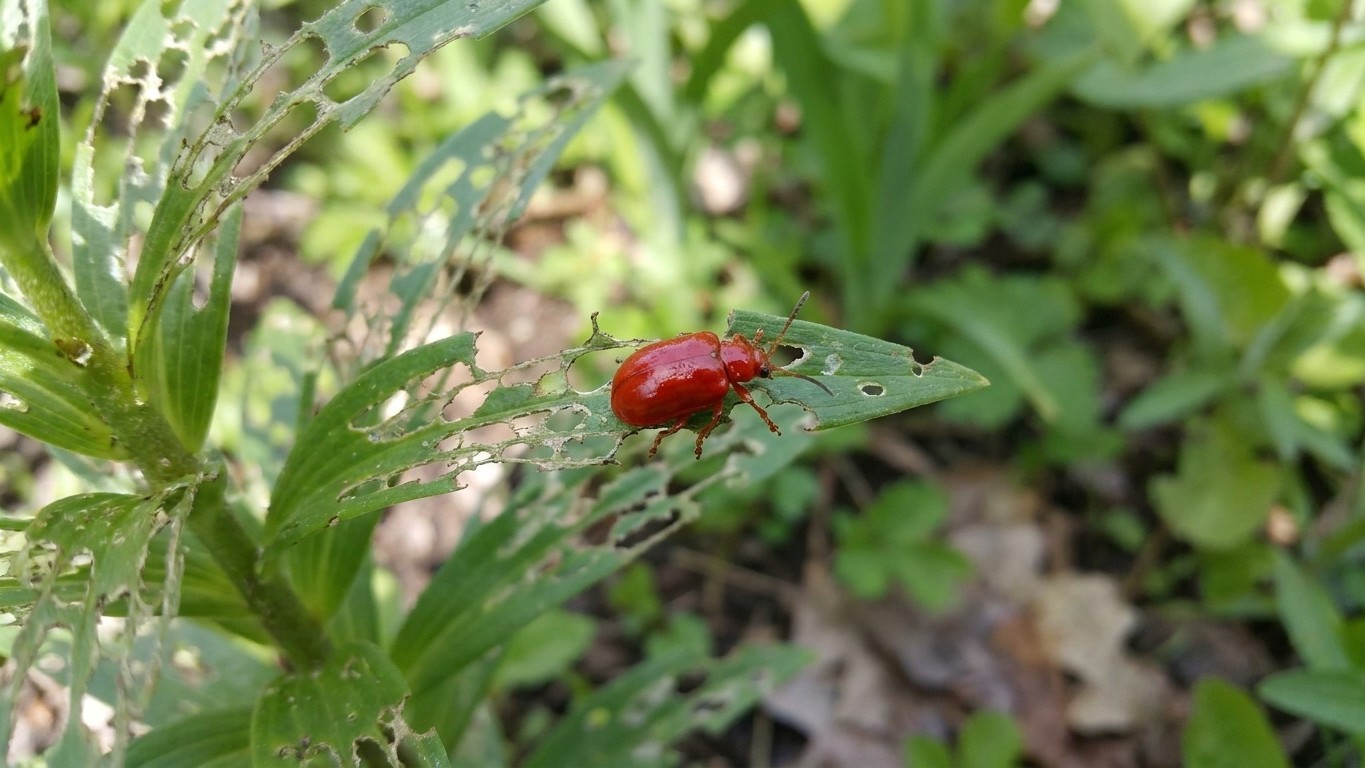
Adult lily leaf beetles wake up in Nova Scotia gardens right around the same time daffodils finish blooming, typically mid to late April when soil…
Home & garden, state by state
Everything we have worked out for Nova Scotia: what to plant and when, which varieties finish in time, the pests that actually turn up here, and the jobs that pay off month by month. We also cover the rest of the property, from lawns and soil to home care and energy, because a garden rarely stops at the vegetable bed.
The numbers first, because everything else follows from them. Measured at the weather station in Halifax, the last spring freeze falls around May 7 and the first fall freeze falls around October 18, 1,659 growing degree days in the year.
That is enough for early varieties, tight for anything late. Garlic does well: 30.4 weeks below 40 °F, comfortably past the six it needs to form a proper head.
Elsewhere on the property in Nova Scotia: the pests that turn up here.
Figures from Environment and Climate Change Canada. A state is not one climate: elevation, a large lake or the coast can move these dates by two weeks either way, so check your own county with the extension service before you spend money.
Adult lily leaf beetles wake up in Nova Scotia gardens right around the same time daffodils finish blooming, typically mid to late April when soil…
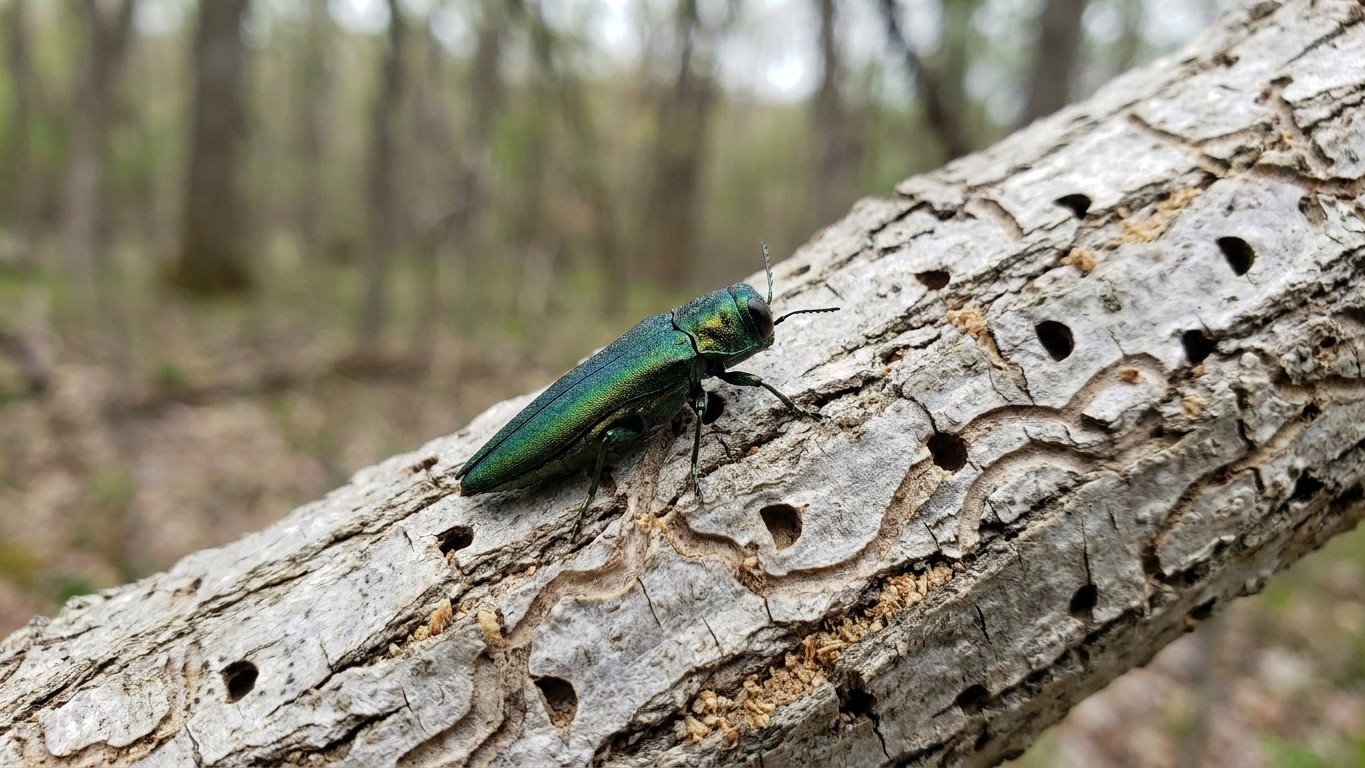
Emerald ash borer arrived in Nova Scotia in 2018, when the Canadian Food Inspection Agency confirmed an infestation in the Bedford area of Halifax.
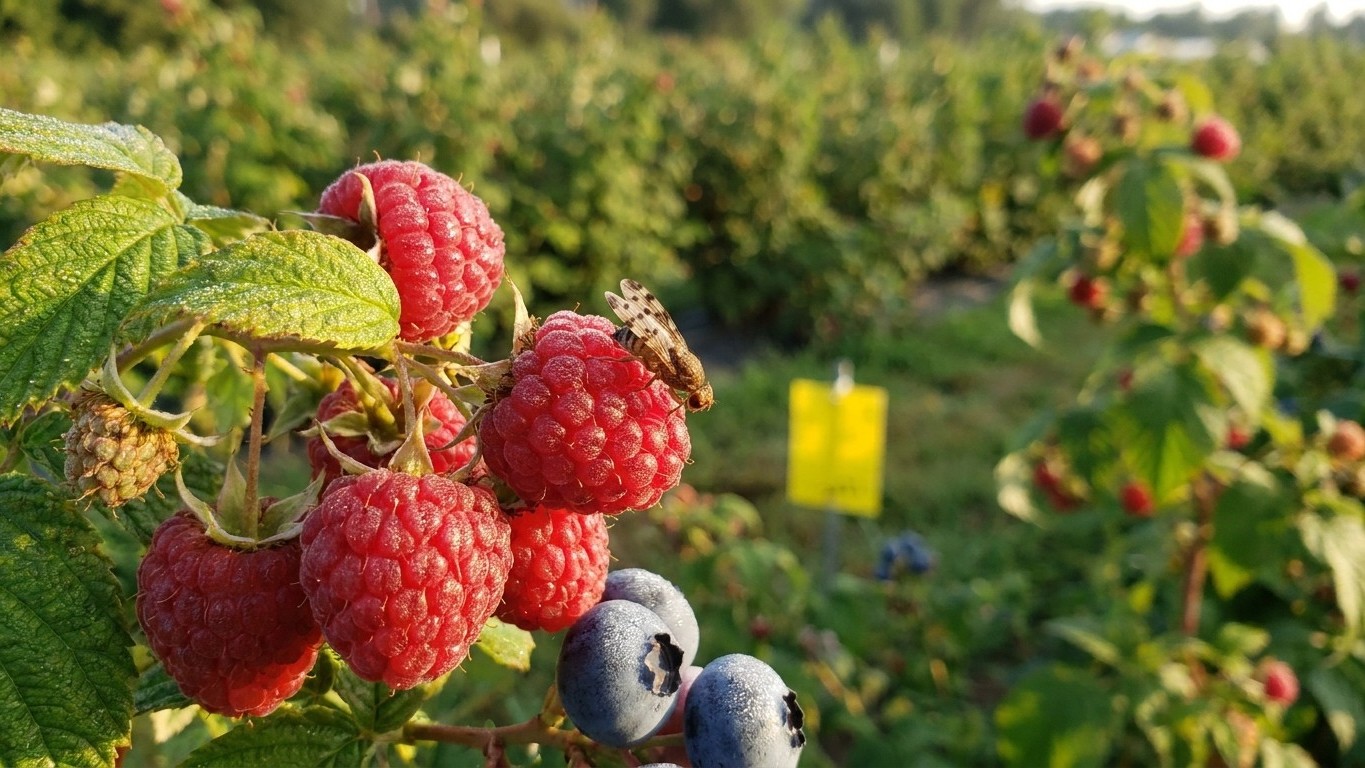
Spotted wing drosophila (SWD) has been active in Nova Scotia since the early 2010s, and growers now treat it as a standing seasonal risk rather than an…
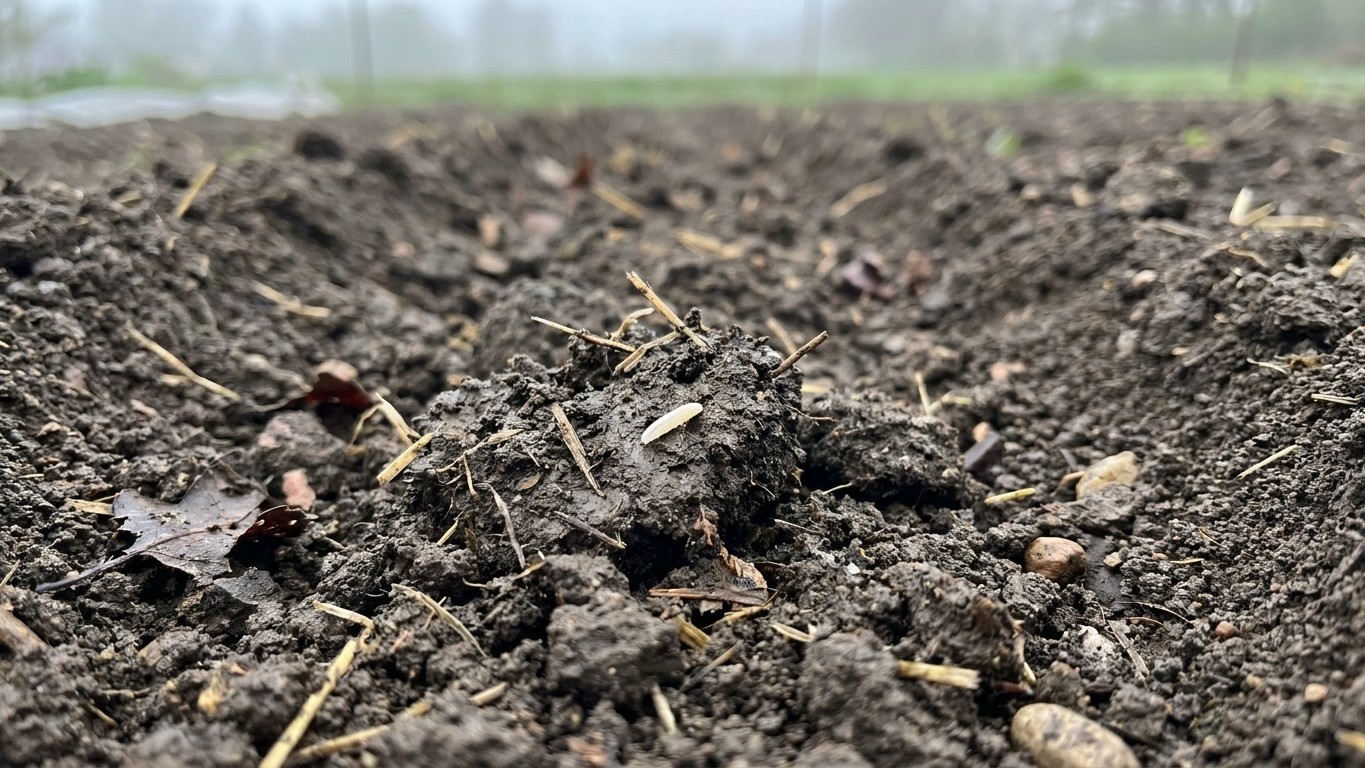
The seedcorn maggot doesn’t wait for warm weather in Nova Scotia. It shows up right when the ground first turns workable, usually from mid-April through…
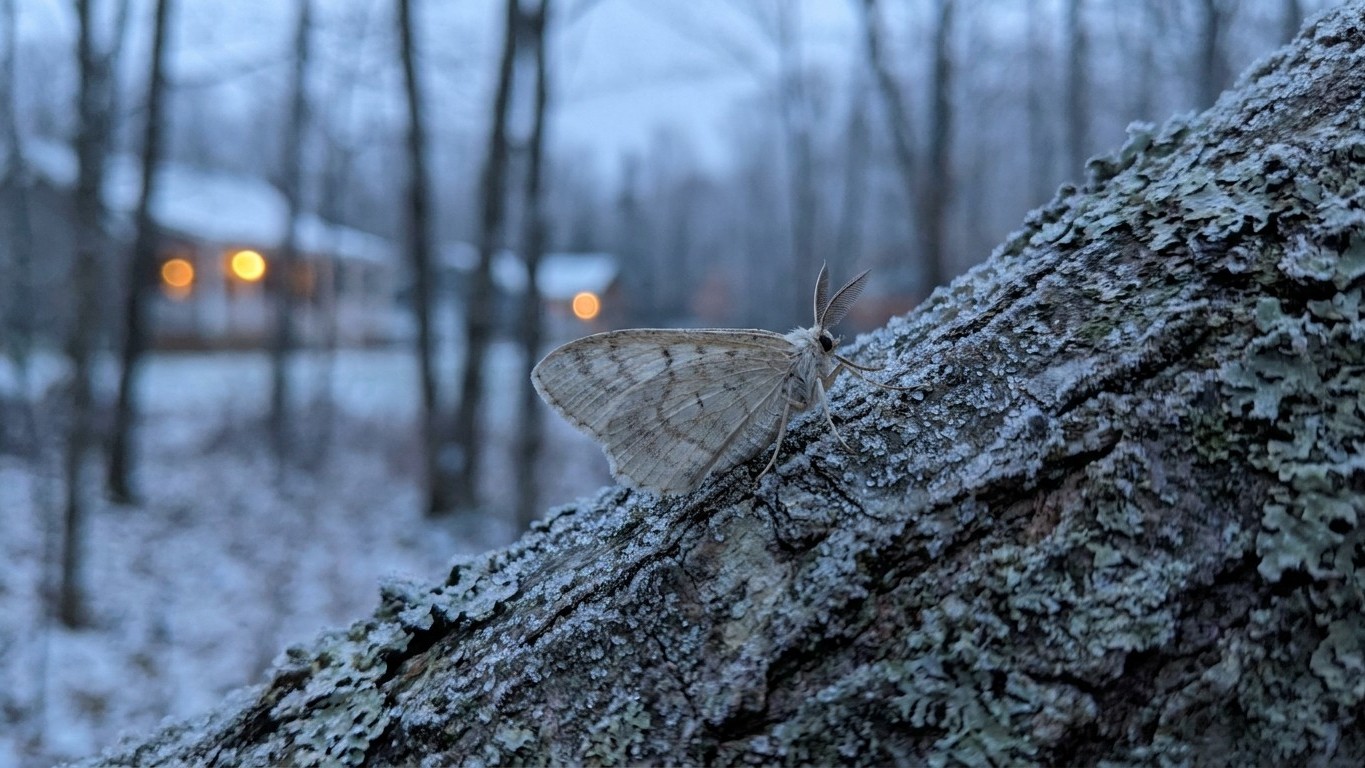
Winter moth activity in Nova Scotia follows a predictable two-stage calendar: adult moths fly and mate from late November through December, while their…
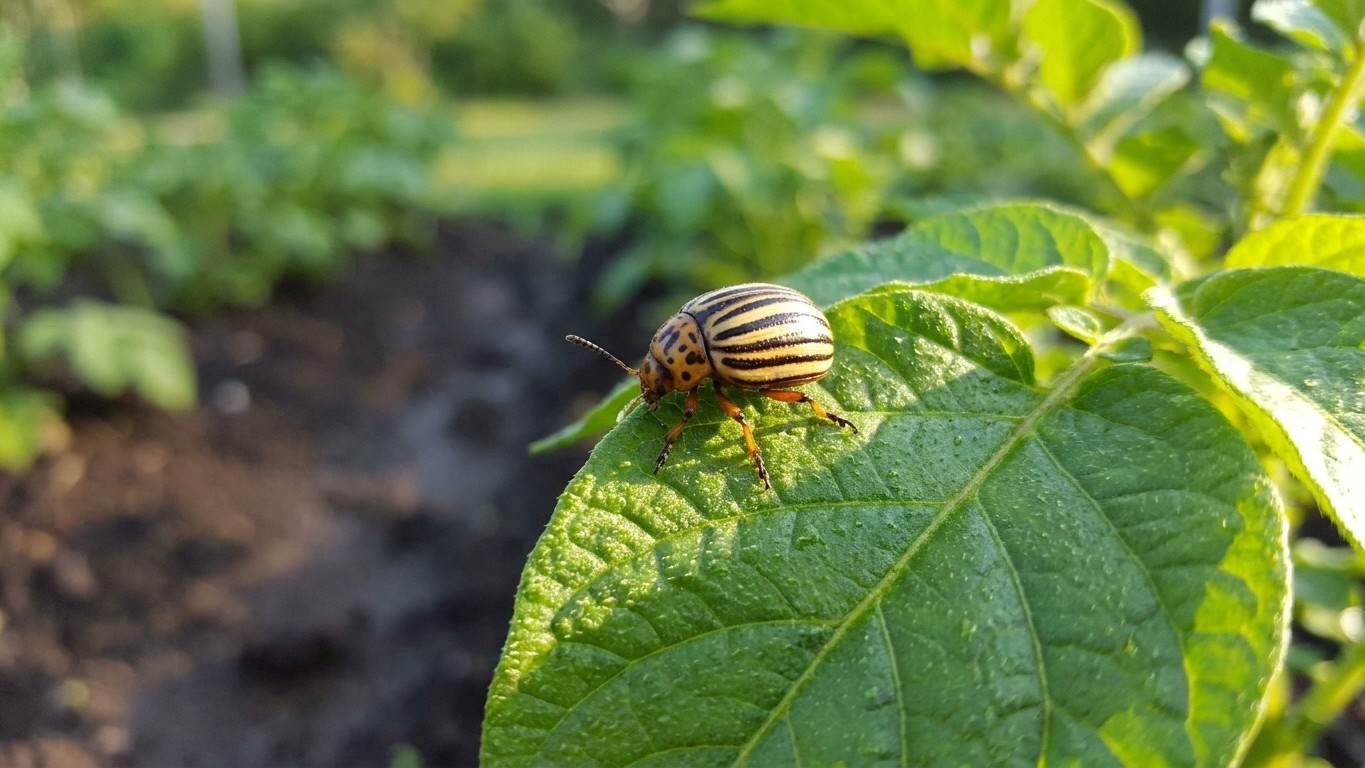
Colorado potato beetles typically appear in Nova Scotia gardens and fields from late May through mid-June, once soil temperatures climb past roughly 50°F.
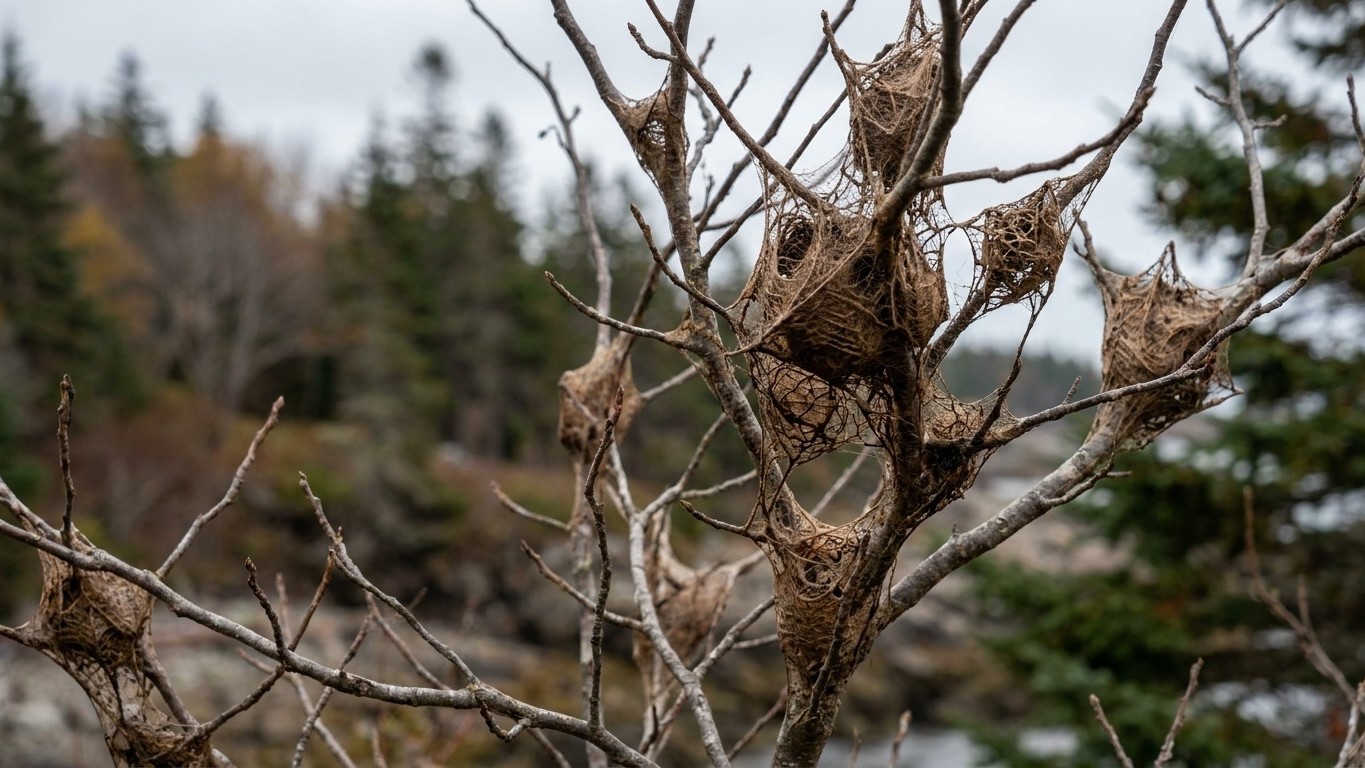
Browntail moth caterpillars have been active in southwestern Nova Scotia for years, with the heaviest concentrations in Shelburne County and pockets of…
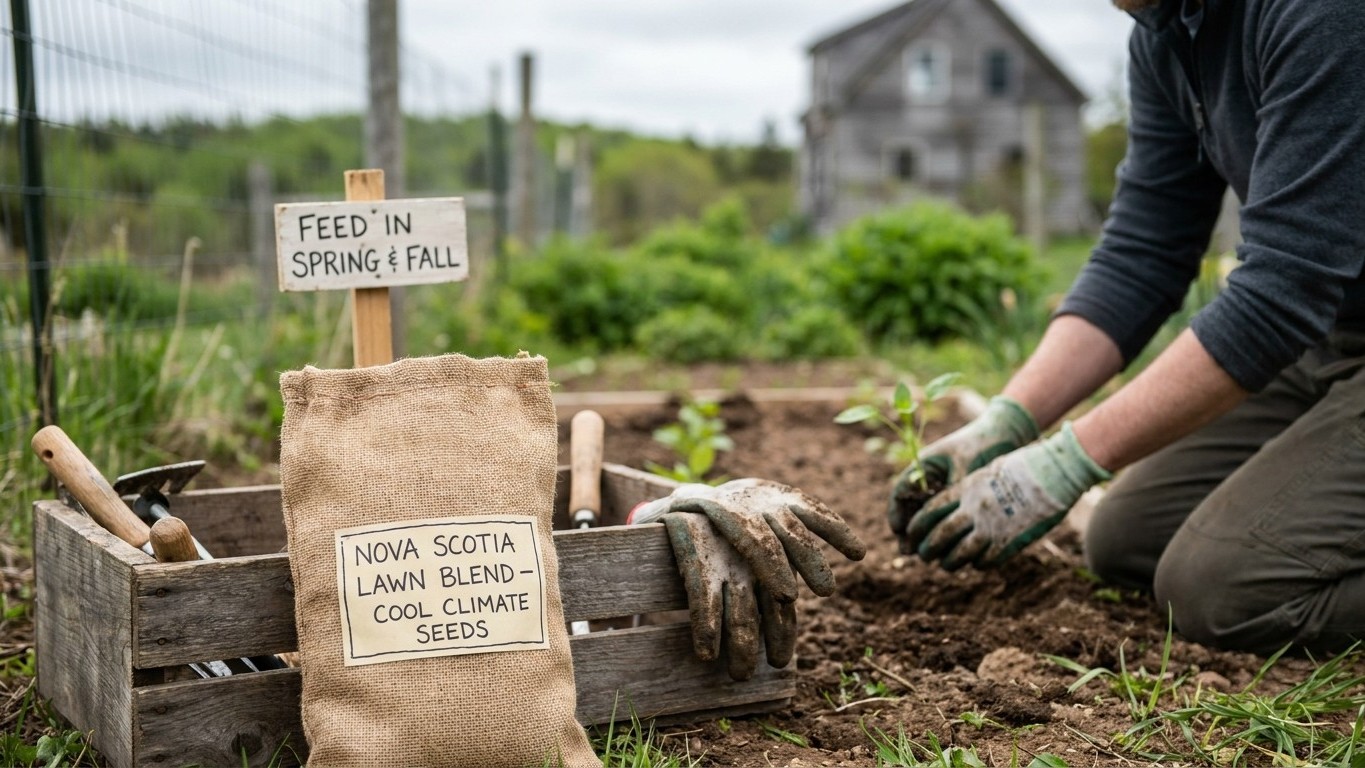
Halifax’s ECCC climate normals rule out warm-season turf, so Nova Scotia lawns rely on cool-season species fed in fall, not summer.
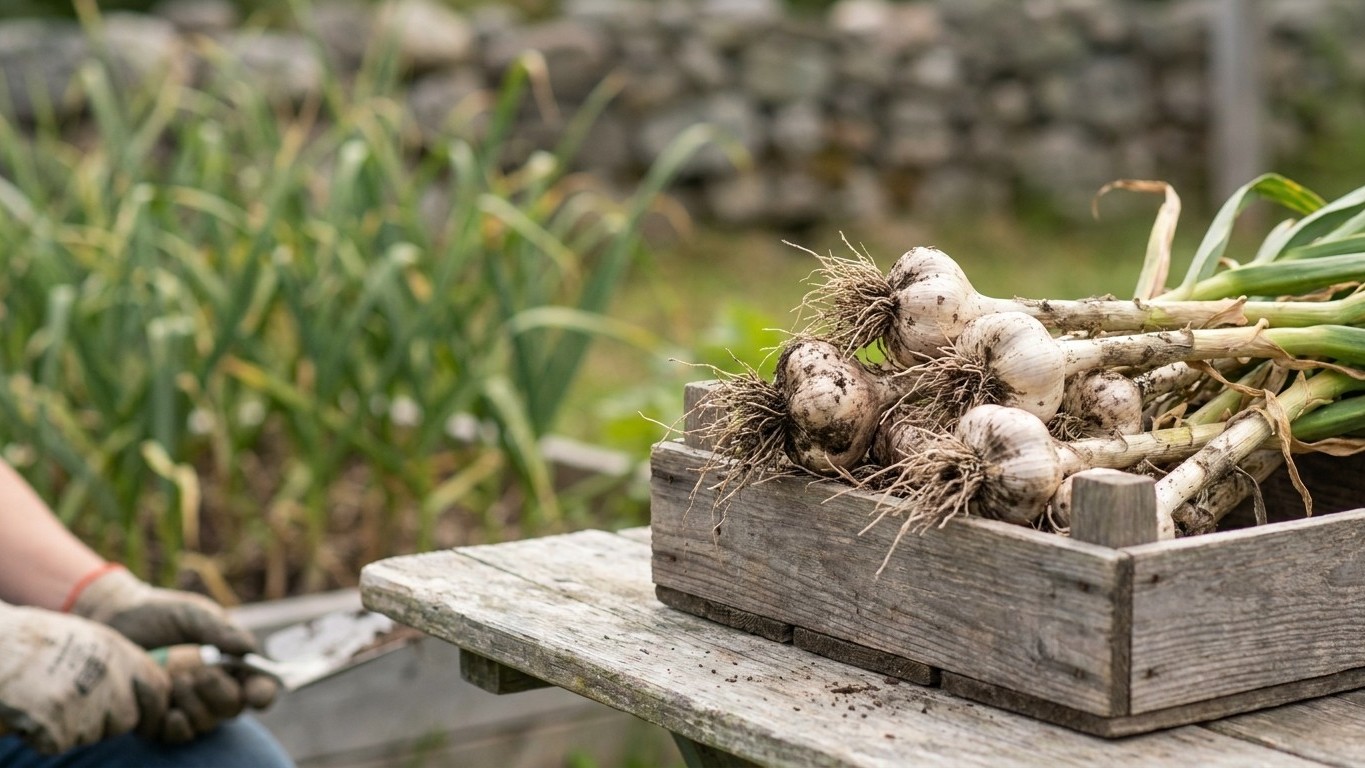
Nova Scotia’s winters give garlic six to eight weeks of cold well past what it needs, so hardneck and softneck varieties both perform well here.
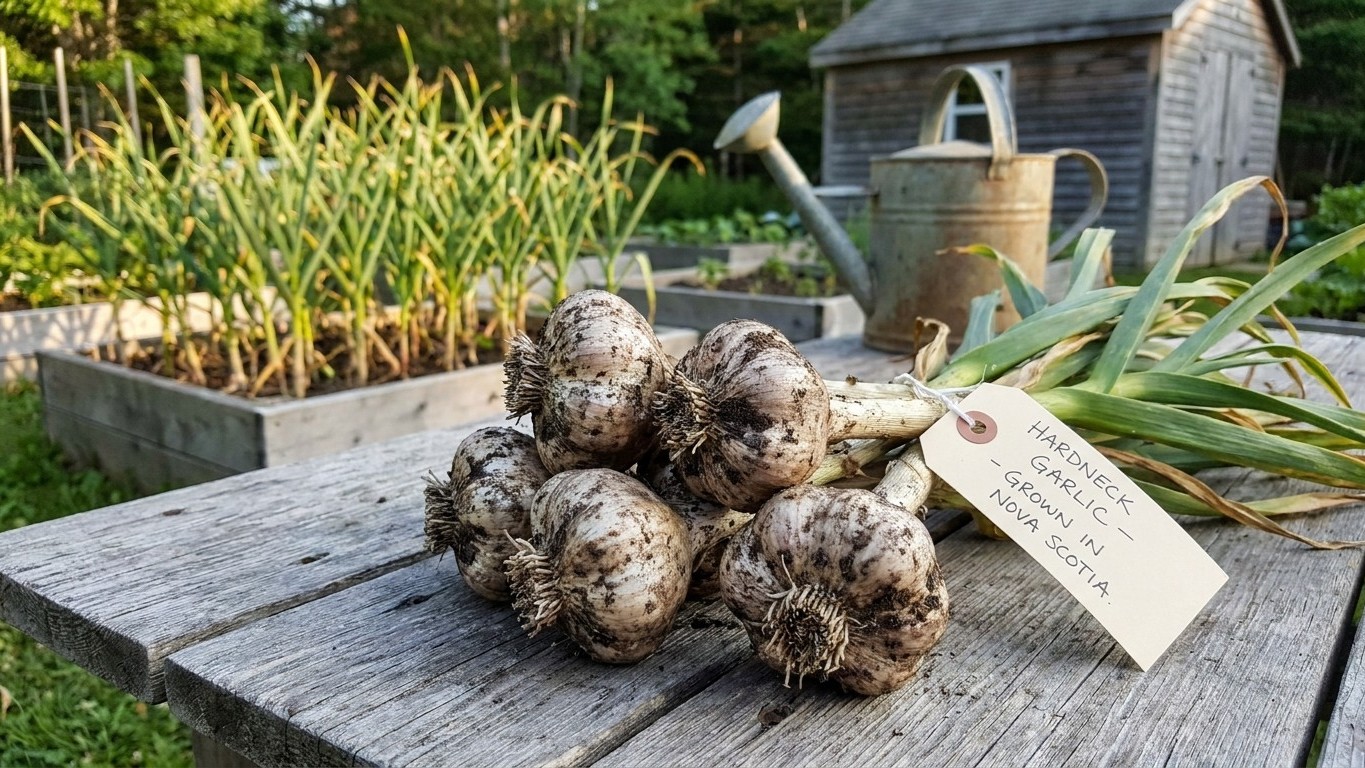
Nova Scotia gardeners can count back from Halifax’s average October frost date to find the right week in late September to plant garlic cloves.