When to Carve a Pumpkin in Nova Scotia
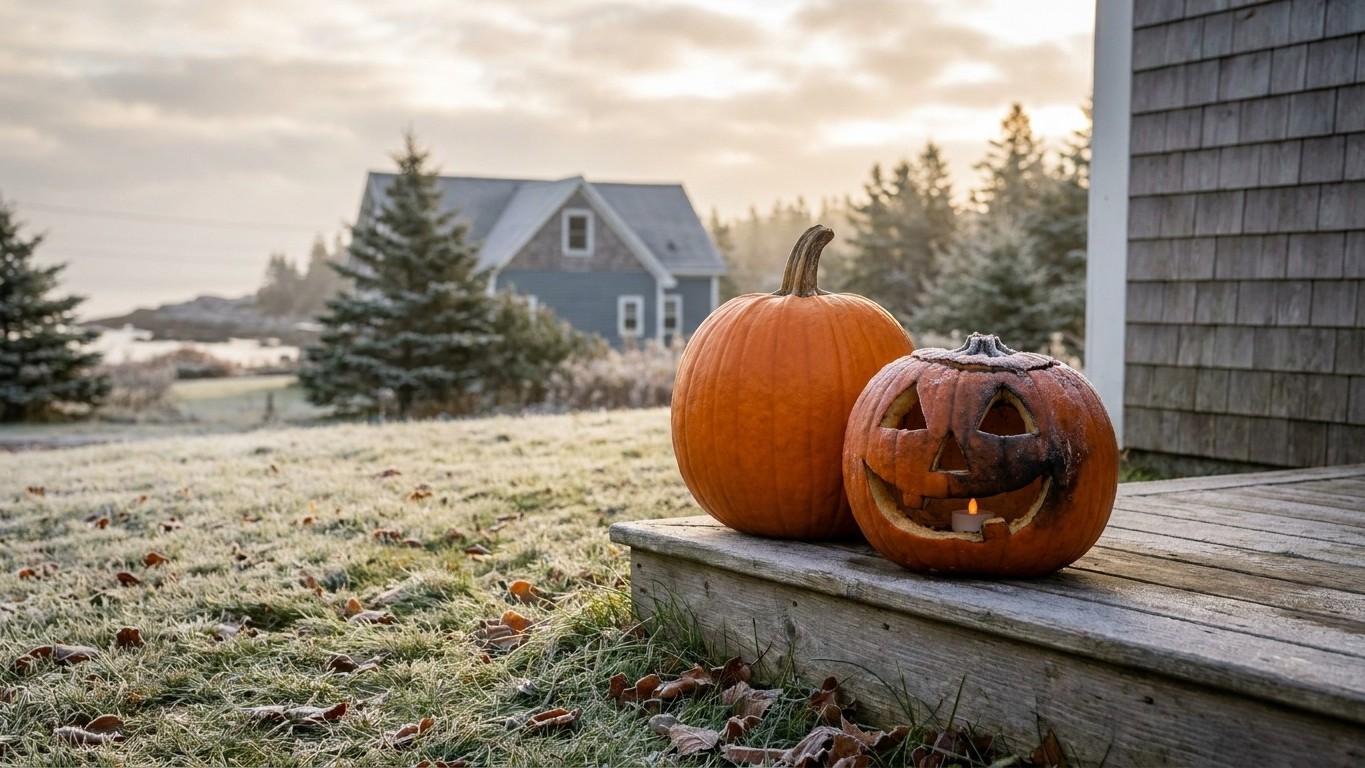
Around Halifax, the mean first fall frost lands close to October 18, roughly thirteen days before Halloween.
Home & garden, state by state
Everything we have worked out for Nova Scotia: what to plant and when, which varieties finish in time, the pests that actually turn up here, and the jobs that pay off month by month. We also cover the rest of the property, from lawns and soil to home care and energy, because a garden rarely stops at the vegetable bed.
The numbers first, because everything else follows from them. Measured at the weather station in Halifax, the last spring freeze falls around May 7 and the first fall freeze falls around October 18, 1,659 growing degree days in the year.
That is enough for early varieties, tight for anything late. Garlic does well: 30.4 weeks below 40 °F, comfortably past the six it needs to form a proper head.
Elsewhere on the property in Nova Scotia: the pests that turn up here.
Figures from Environment and Climate Change Canada. A state is not one climate: elevation, a large lake or the coast can move these dates by two weeks either way, so check your own county with the extension service before you spend money.
Around Halifax, the mean first fall frost lands close to October 18, roughly thirteen days before Halloween.
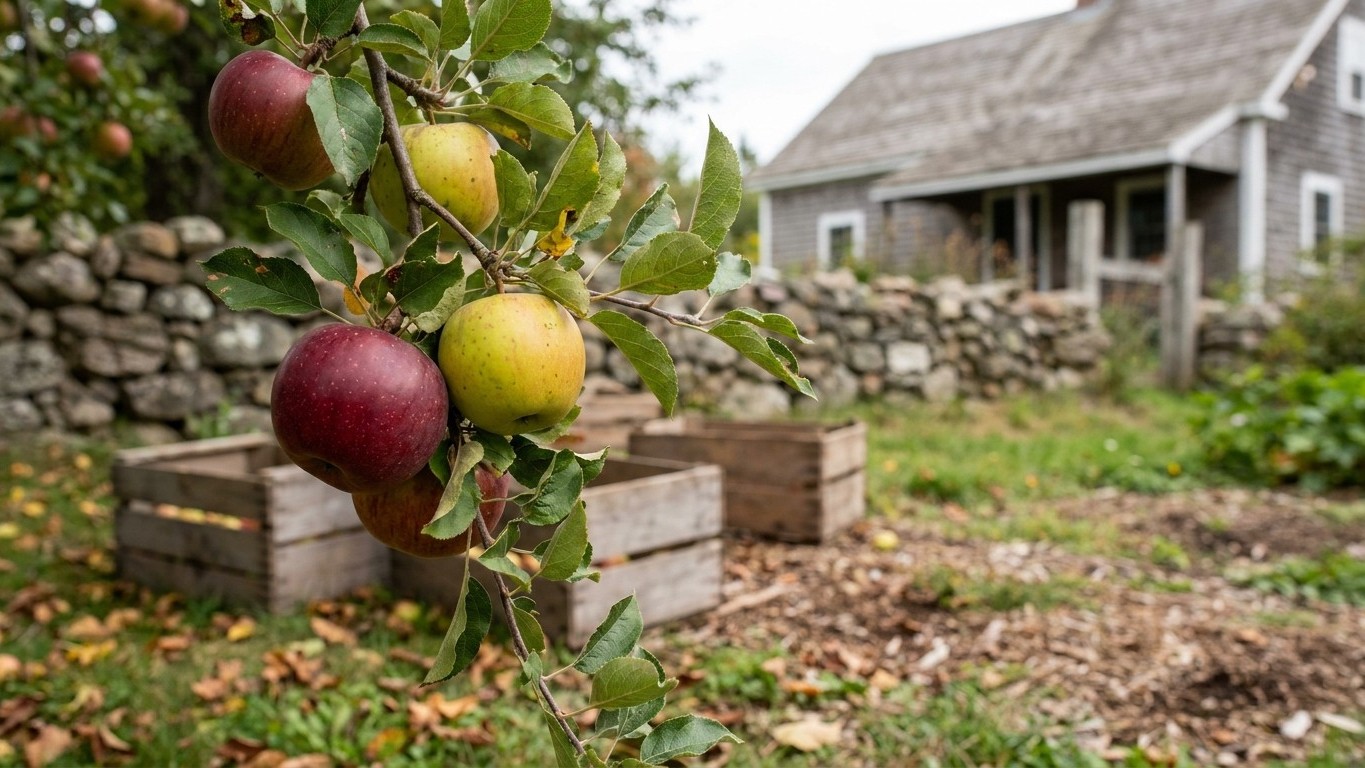
A practical look at which apple varieties survive Nova Scotia’s winters, how to pair pollinators, and why the province’s mean last frost date matters for bloom timing.
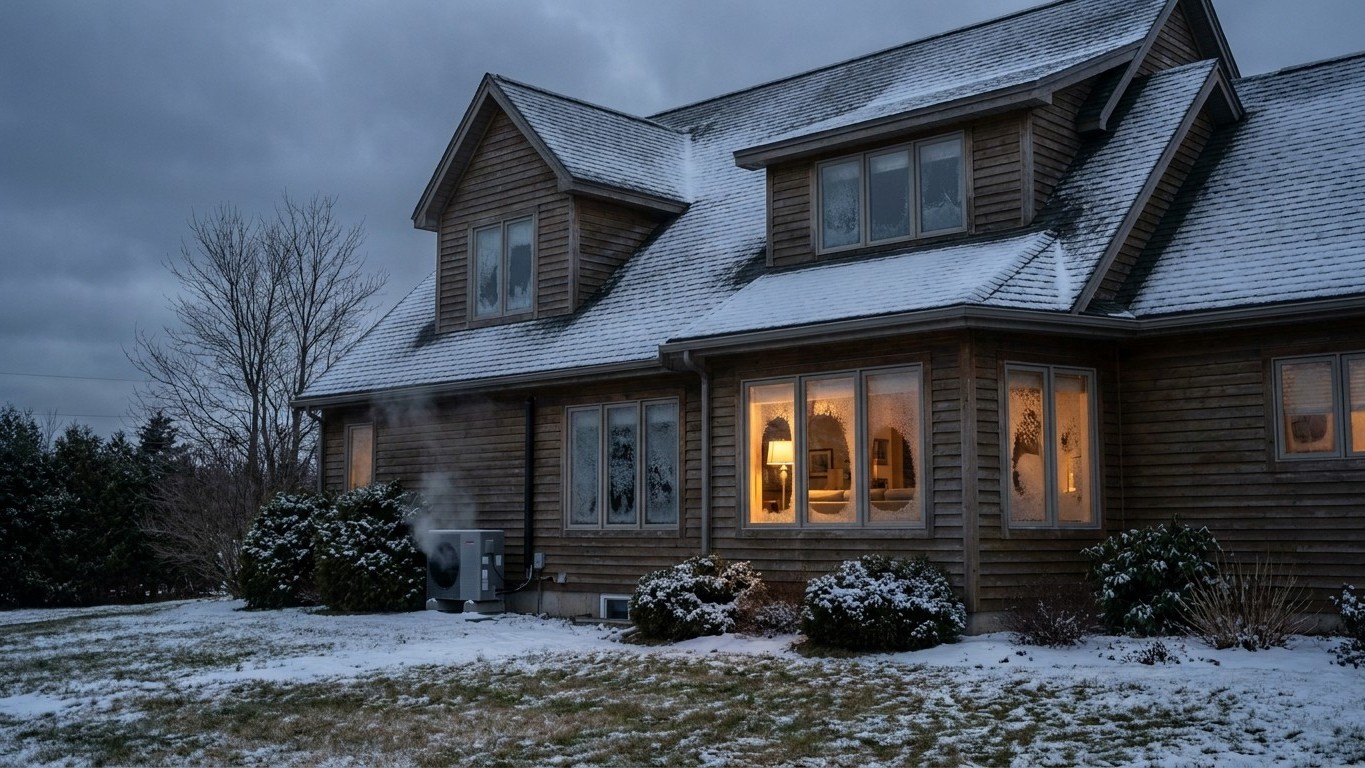
Nova Scotia winters hover close to the freezing line more than they plunge far below it, but the season is long.
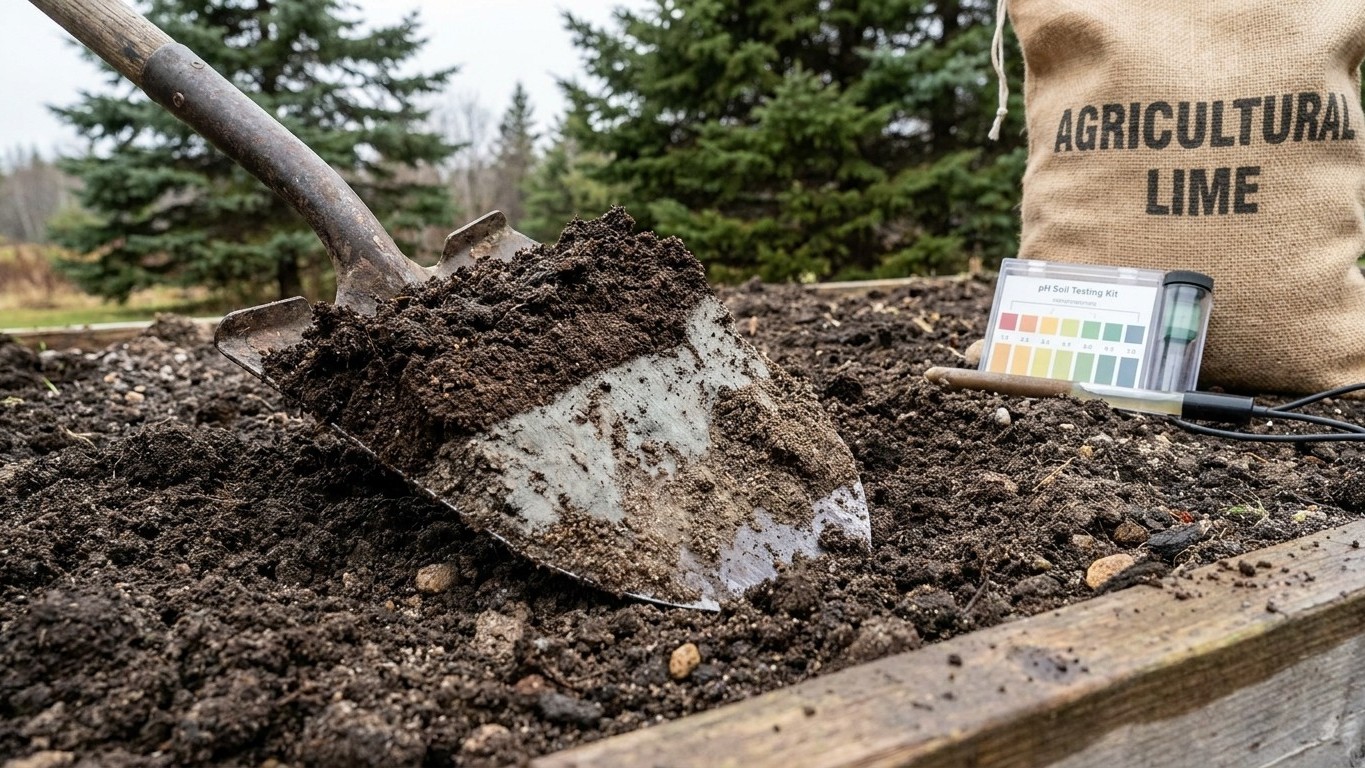
Nova Scotia’s ground is mostly Podzol: acid, leached, formed under centuries of spruce and fir.
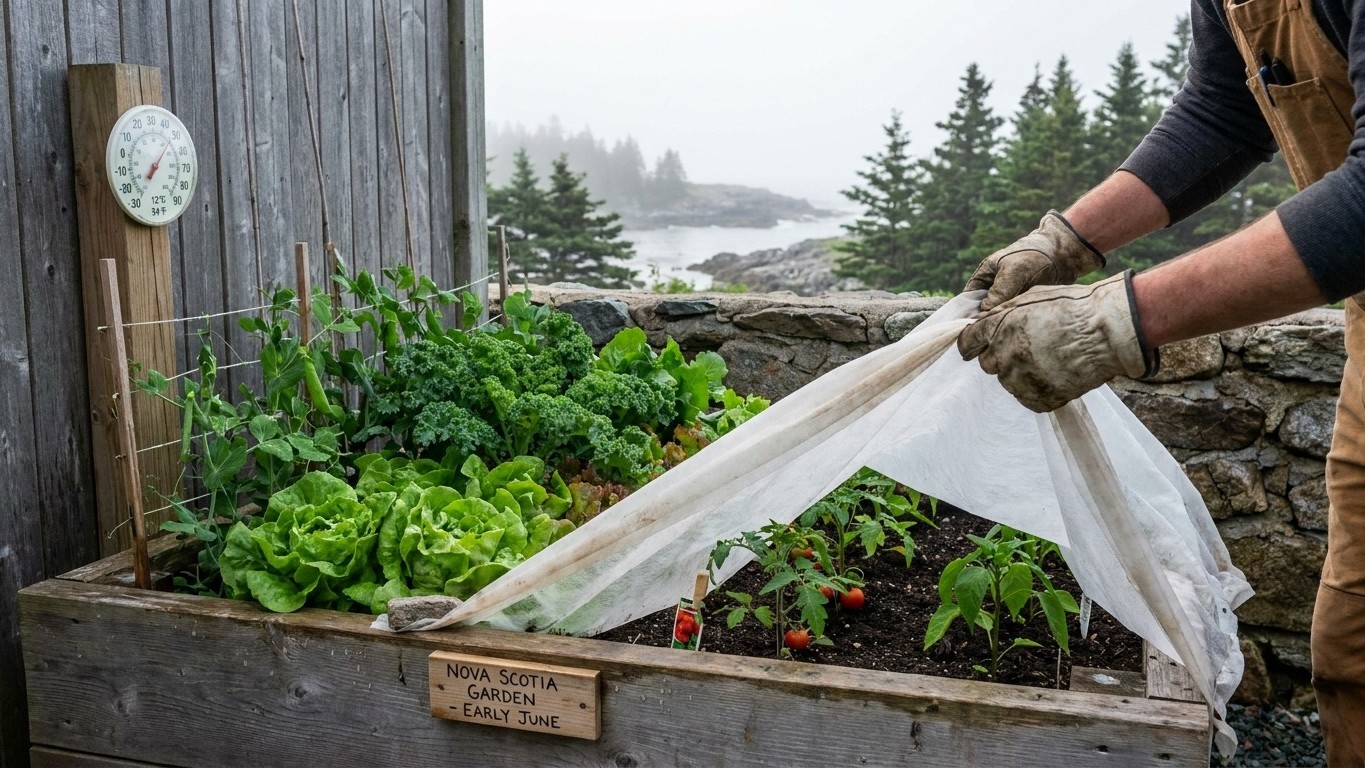
Nova Scotia gardeners work with a frost-free window of roughly five months, cool summers that rarely stress plants with real heat, and winters mild…
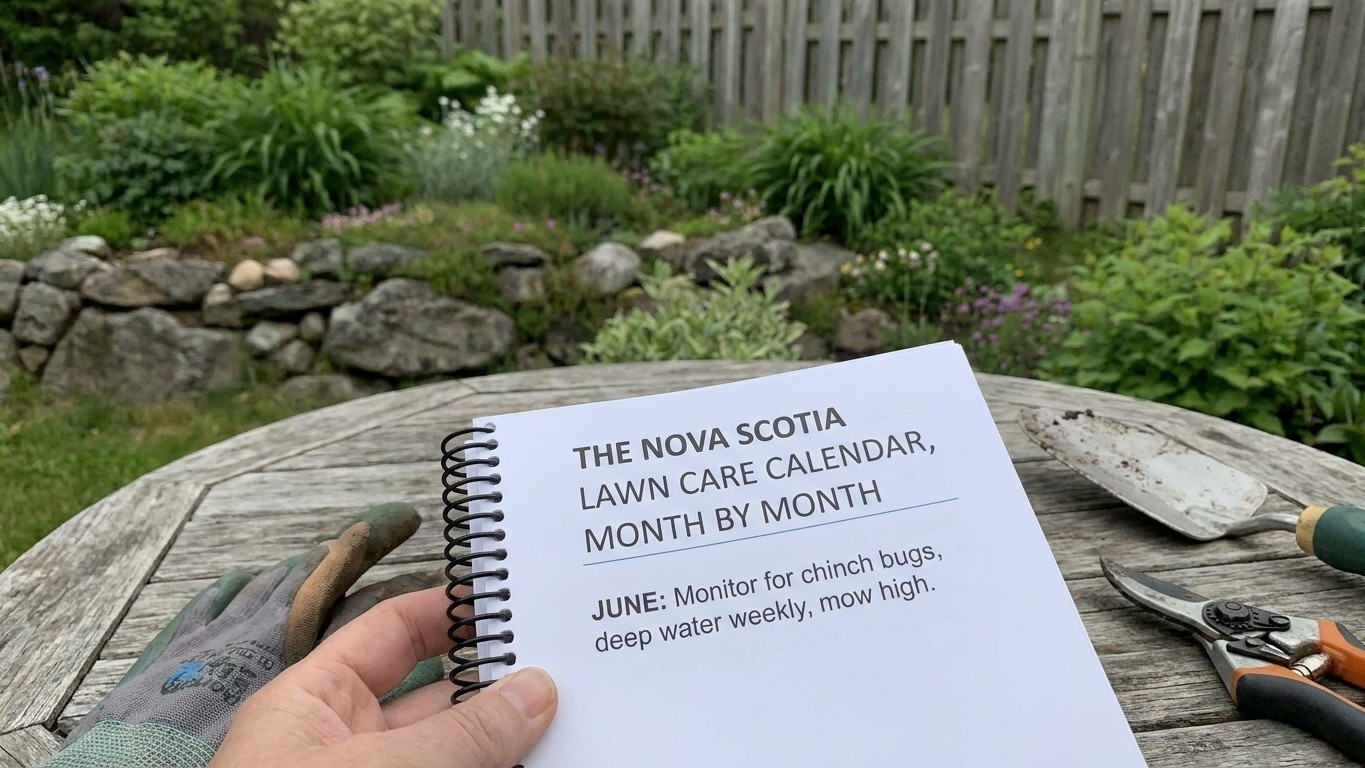
A month-by-month guide to feeding, mowing and seeding Nova Scotia lawns, built around Halifax’s average first fall frost and Clemson’s tall fescue maintenance calendar.
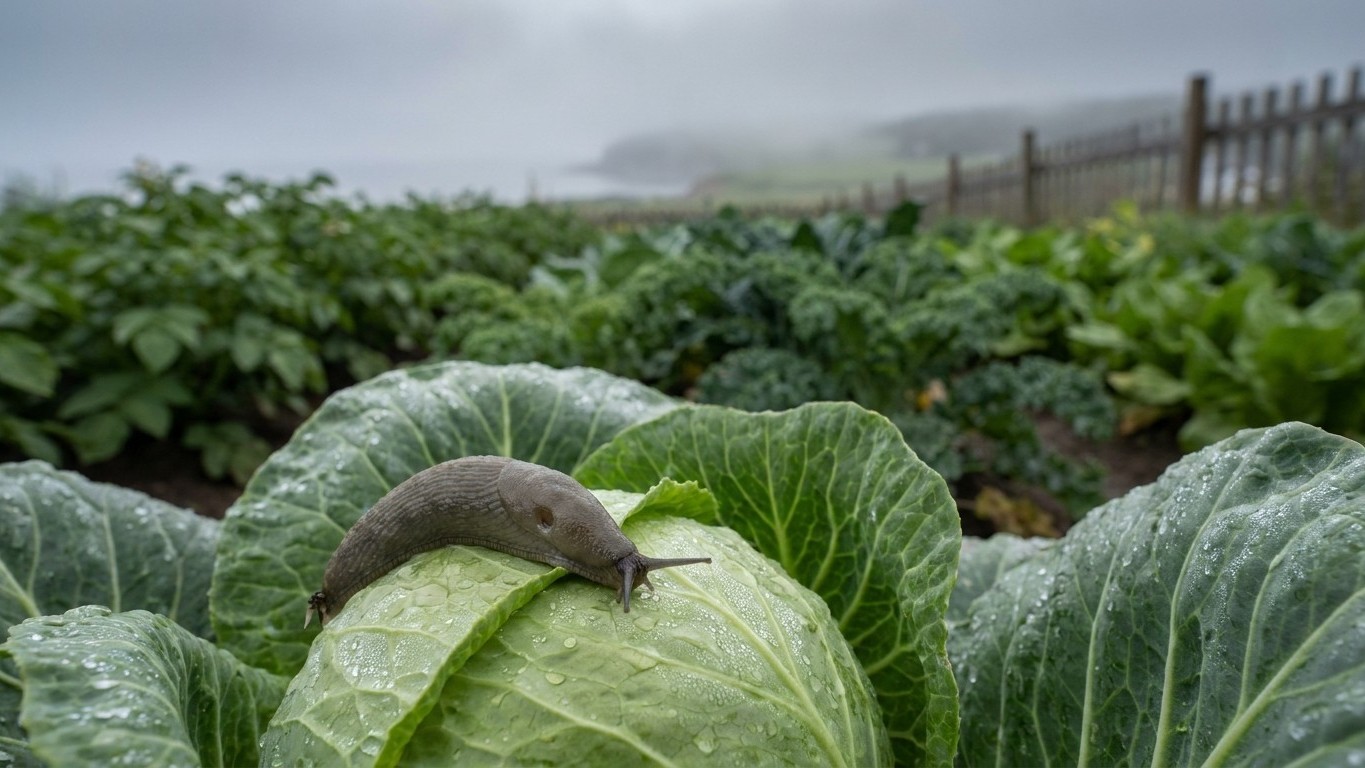
Slugs top the list for most Nova Scotia gardeners, followed closely by lily leaf beetles, Colorado potato beetles, and cabbage maggots.
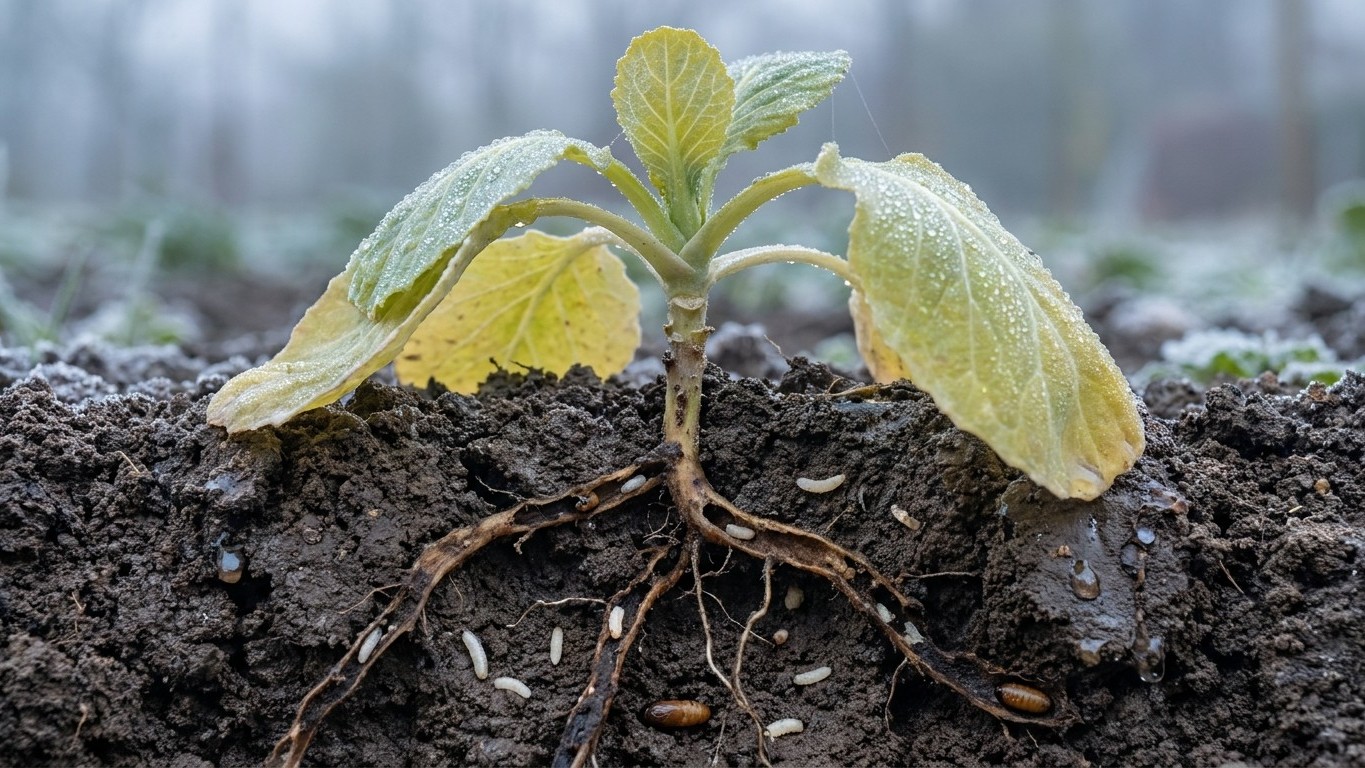
Cabbage maggot flies start laying eggs in Nova Scotia soil as soon as it warms past roughly 50°F at the surface, which typically lands in the last two…
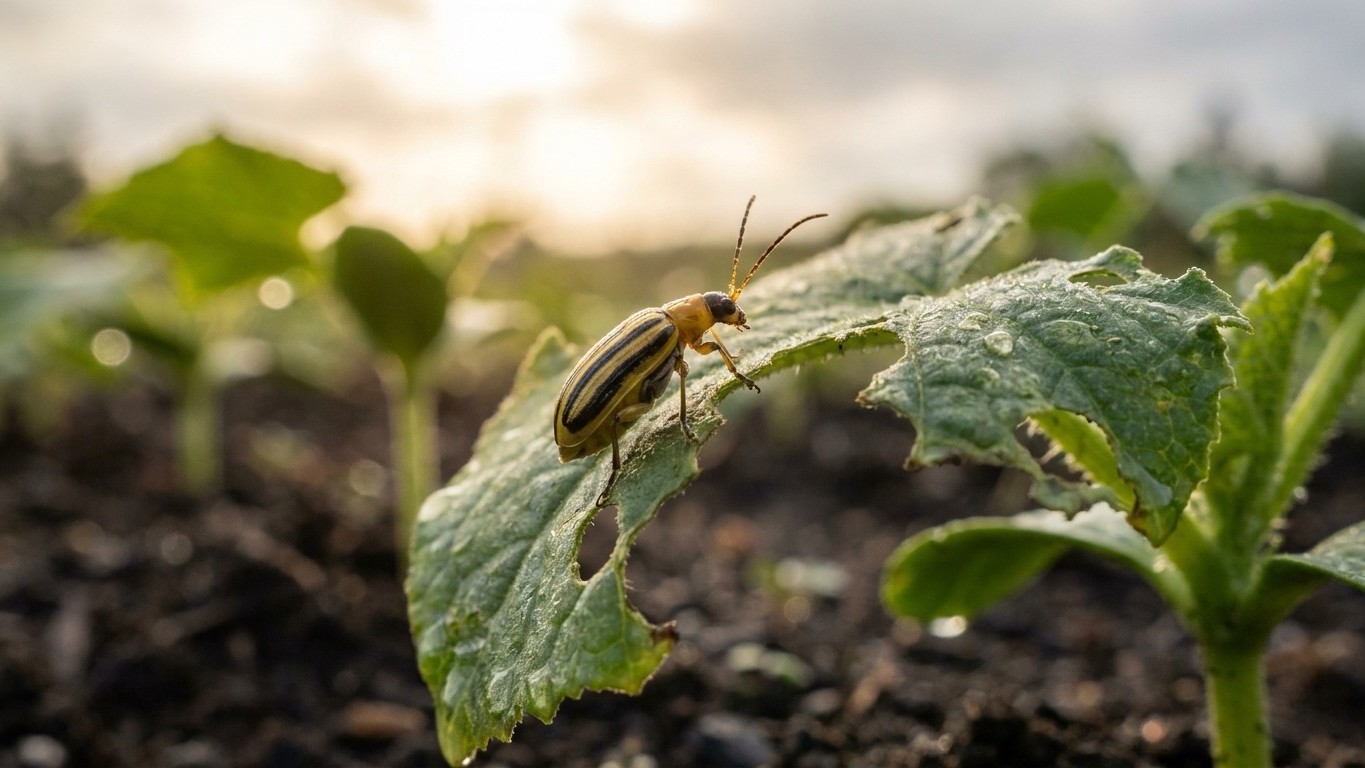
Striped cucumber beetles show up in Nova Scotia gardens right around the time cucurbit seedlings go into the ground, typically the first two weeks of…
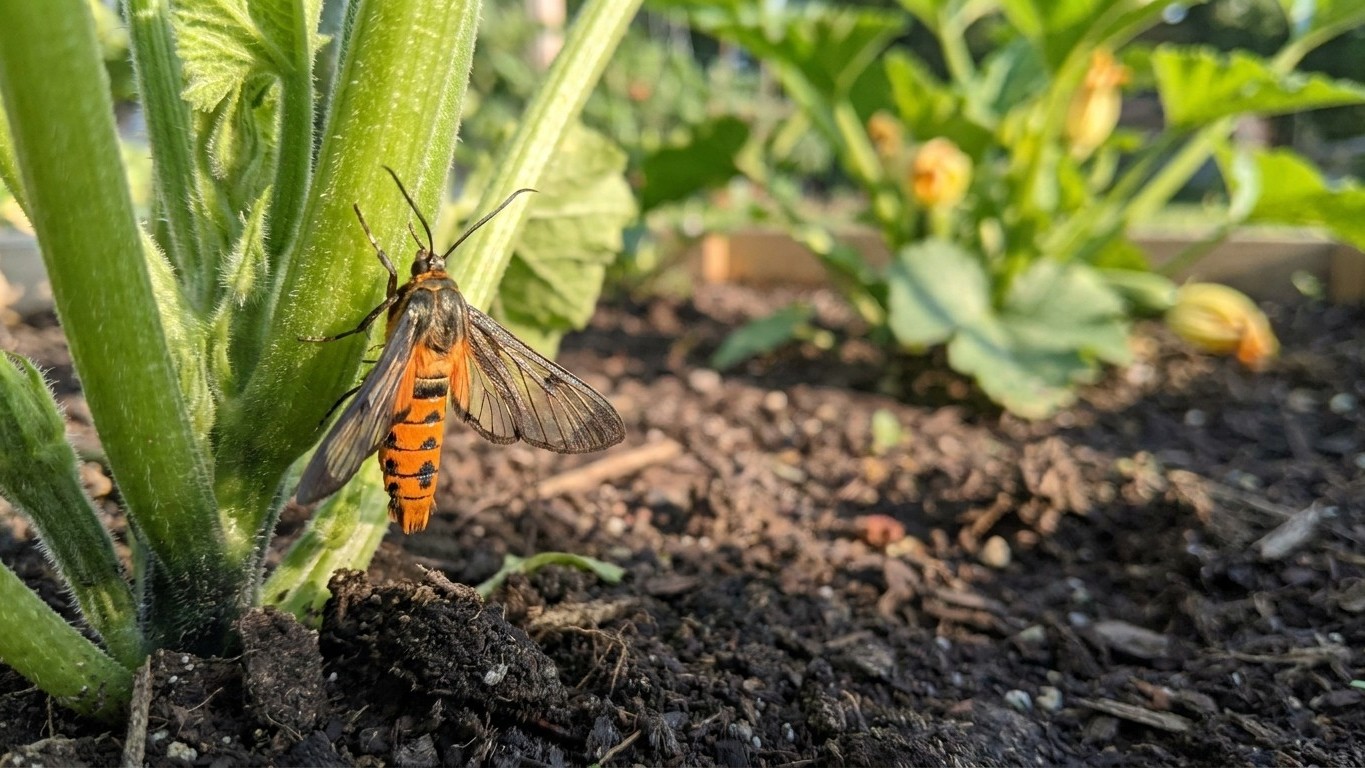
If your zucchini plants wilted overnight this summer, the culprit is more likely a stem borne fungus, a bacterial wilt spread by cucumber beetles, or…