What to Plant in Ohio in January
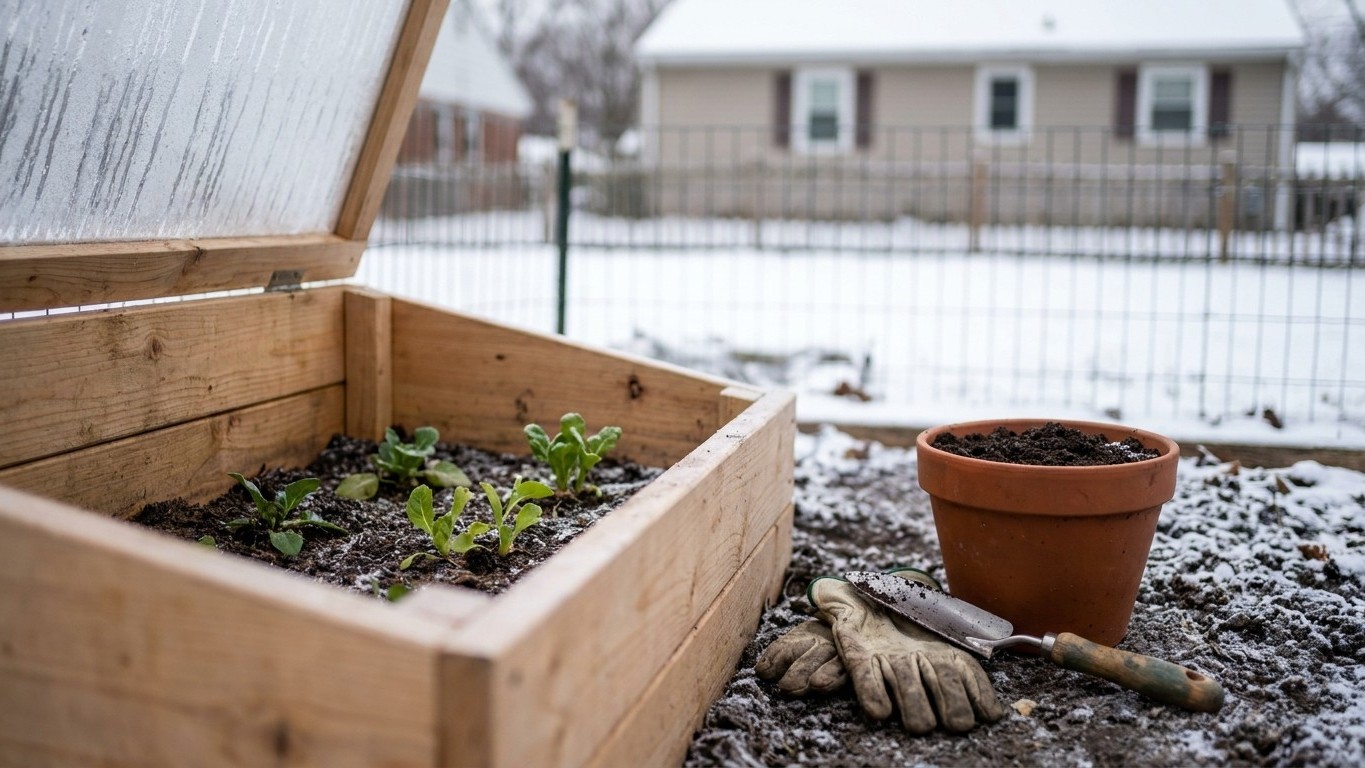
A month-by-month look at what actually goes into Ohio gardens in January, from garlic and bare-root stock to seed starting for onions and leeks.
Home & garden, state by state
Everything we have worked out for Ohio: what to plant and when, which varieties finish in time, the pests that actually turn up here, and the jobs that pay off month by month. We also cover the rest of the property, from lawns and soil to home care and energy, because a garden rarely stops at the vegetable bed.
The numbers first, because everything else follows from them. Measured at the weather station in Columbus, the last spring freeze runs May 5 to May 15 and the first fall freeze runs October 5 to October 15, USDA zones 5b-6b, 3,783 growing degree days in the year.
Garlic does well: 21.8 weeks below 40 °F, comfortably past the six it needs to form a proper head.
Elsewhere on the property in Ohio: lawn care, soil and amendments, watering, flowers and borders and the pests that turn up here.
Figures from NOAA's 1991-2020 climate normals. A state is not one climate: elevation, a large lake or the coast can move these dates by two weeks either way, so check your own county with the extension service before you spend money.
A month-by-month look at what actually goes into Ohio gardens in January, from garlic and bare-root stock to seed starting for onions and leeks.
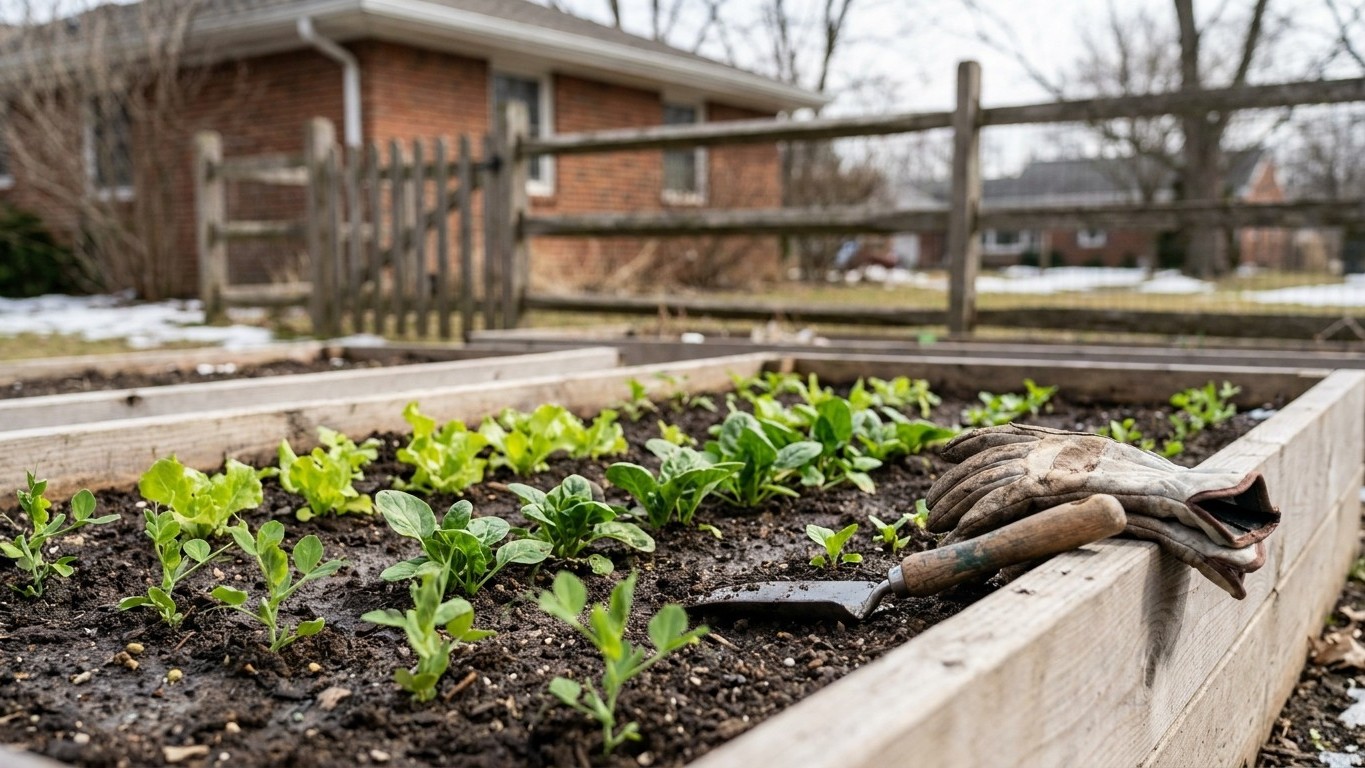
Ohio’s March planting window sits weeks before the last frost, so most work is prep, cold frames, and seed starting rather than outdoor sowing.
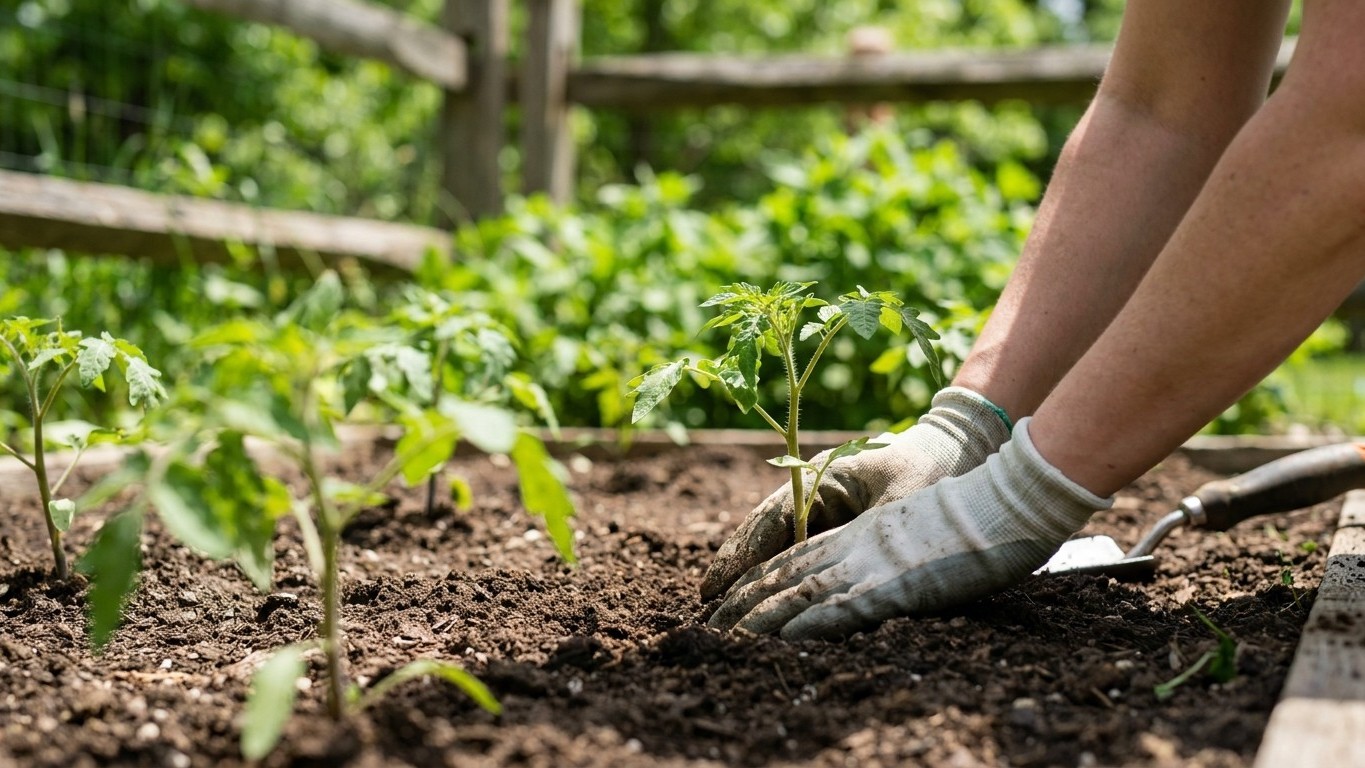
A month-by-month look at what to plant, start, harvest and skip in Ohio gardens during June, based on OSU Extension frost data.
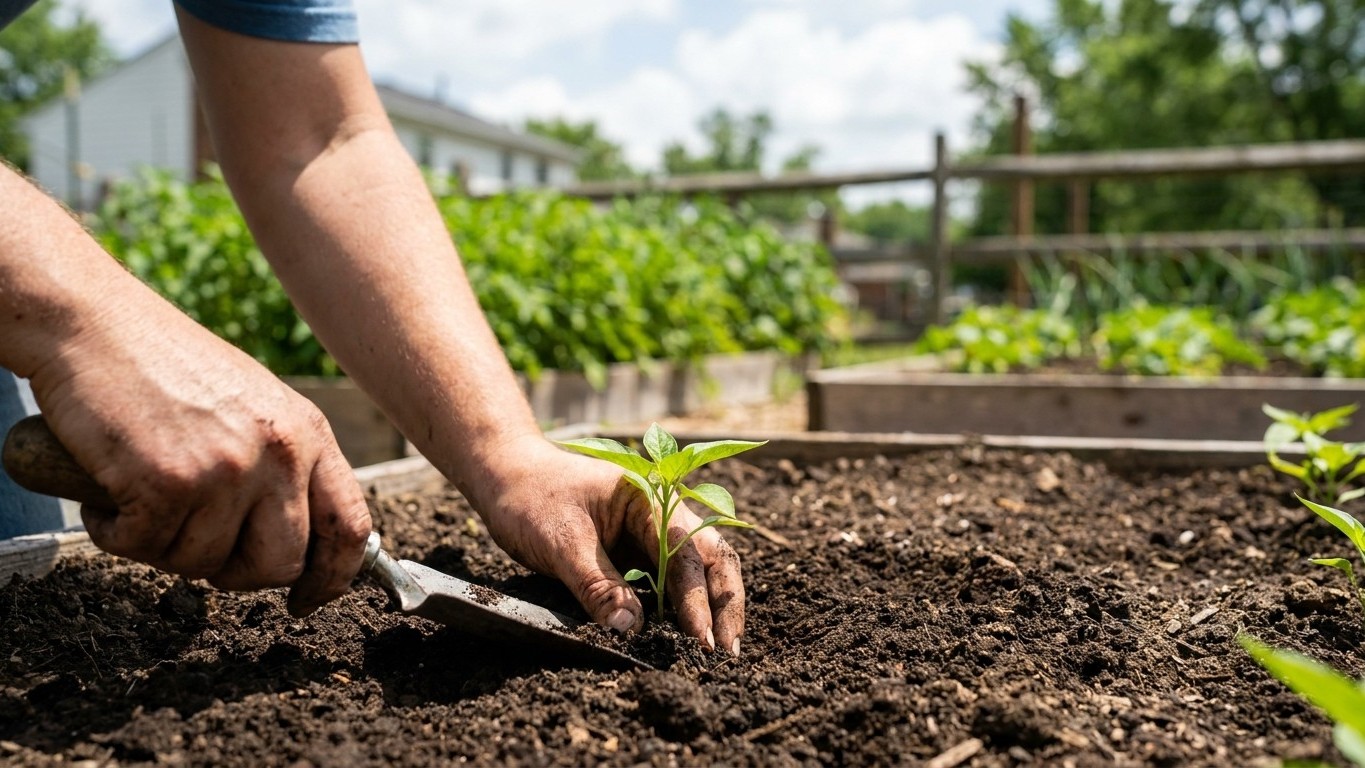
Explains what to direct-sow, transplant and start indoors in Ohio in July, using OSU Extension’s frost windows to time fall crops correctly.
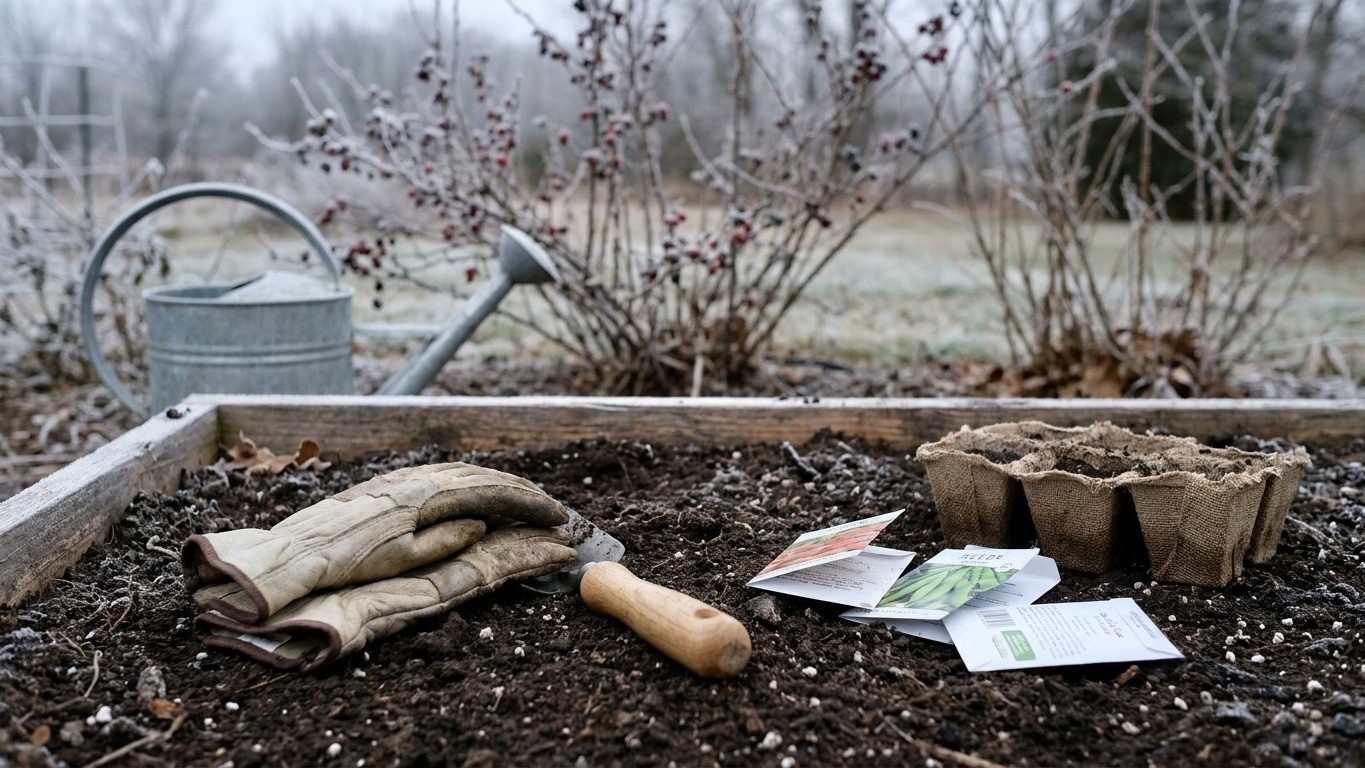
February planting in Ohio means indoor onion and leek starts, dormant pruning, and seed orders, not open-ground sowing.
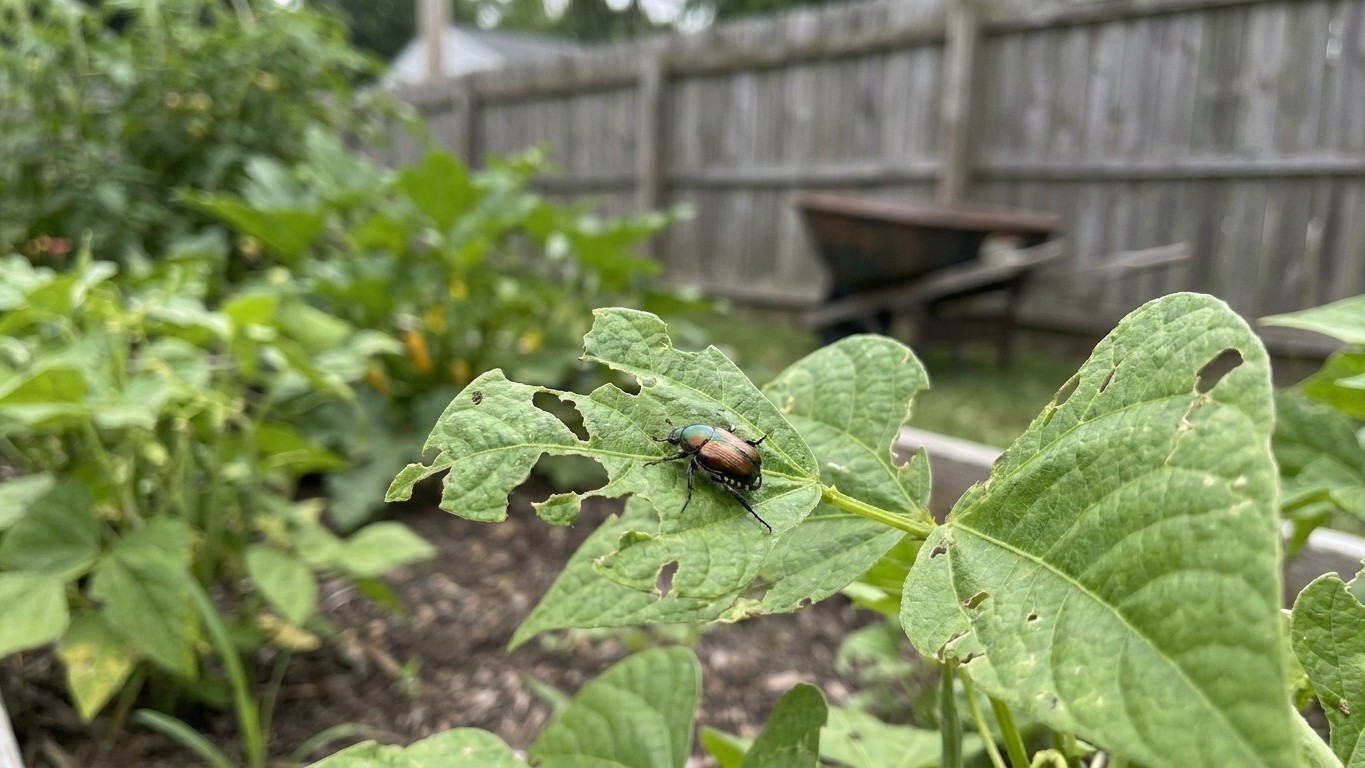
OSU Extension’s list of ten common Ohio garden pests, how to recognize their damage, and when each one is active this season.
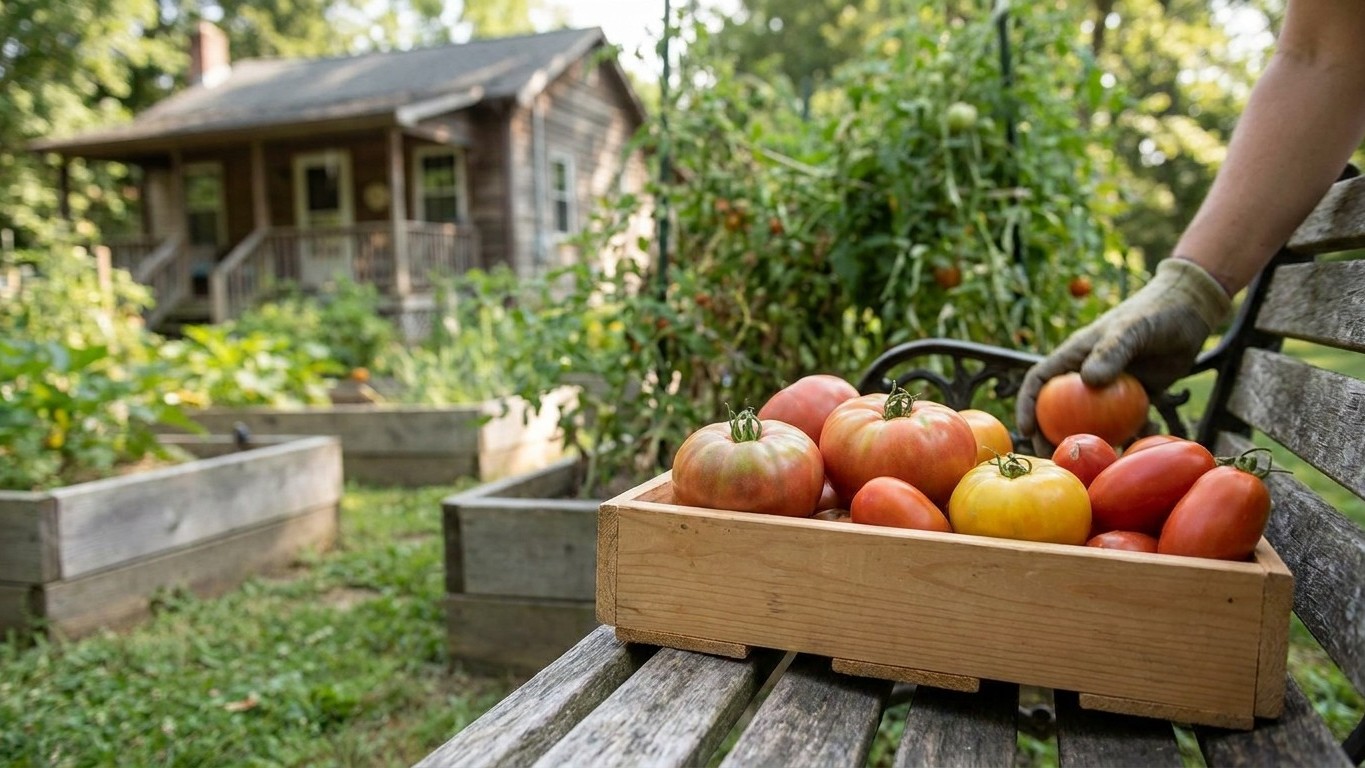
Ten named tomato varieties compared by days to maturity and their margin before Ohio’s first fall frost, from quick cherries to slow-ripening paste types.
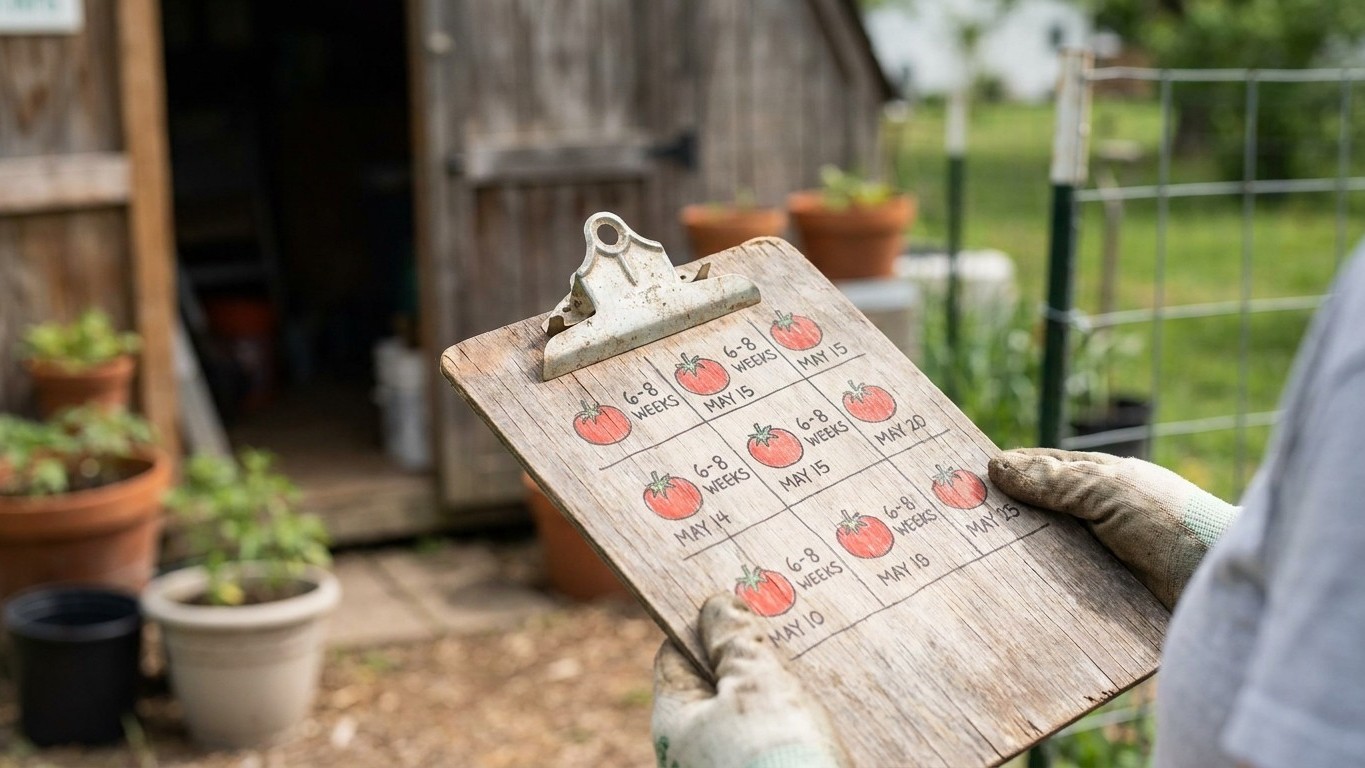
Ohio’s tomato planting window runs off OSU Extension’s Columbus frost dates. Here’s how to count backward and check your own cultivar against it.
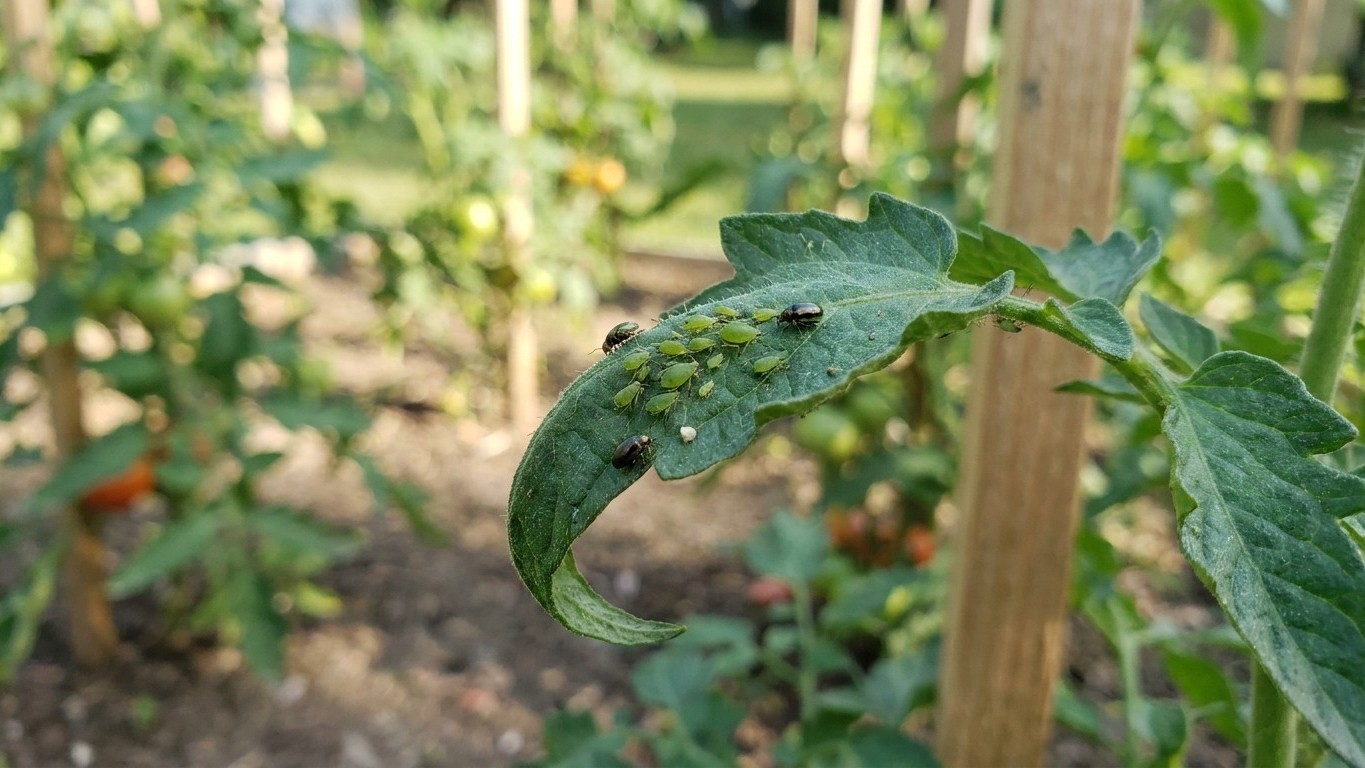
This guide names the seven insects that actually damage tomato plants in Ohio, when each one appears, and what treatment works for it.
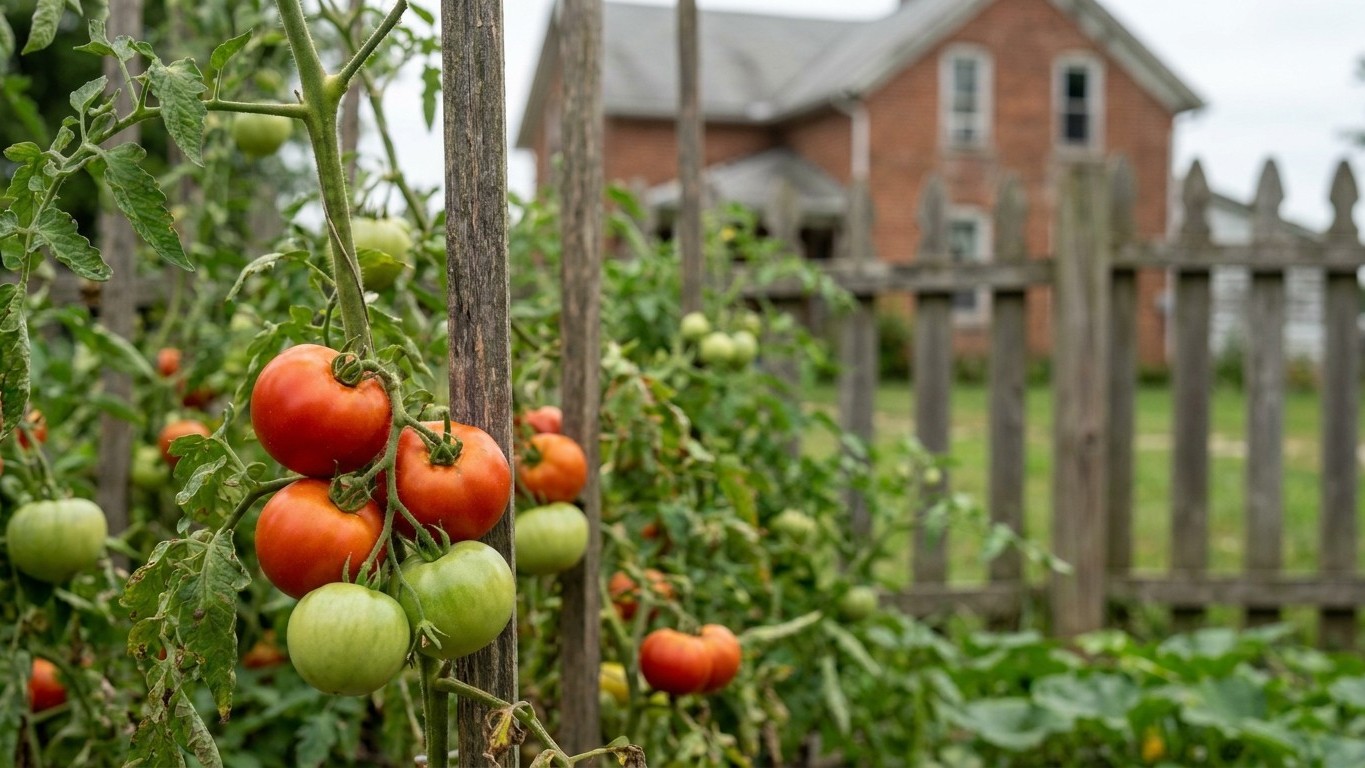
Ohio’s tomato transplant window runs May 5 to May 15 near Columbus, per OSU Extension, and the right variety depends on how much season is left after that.