Ohio Planting Calendar: When to Sow and Plant, Frost Dates Included
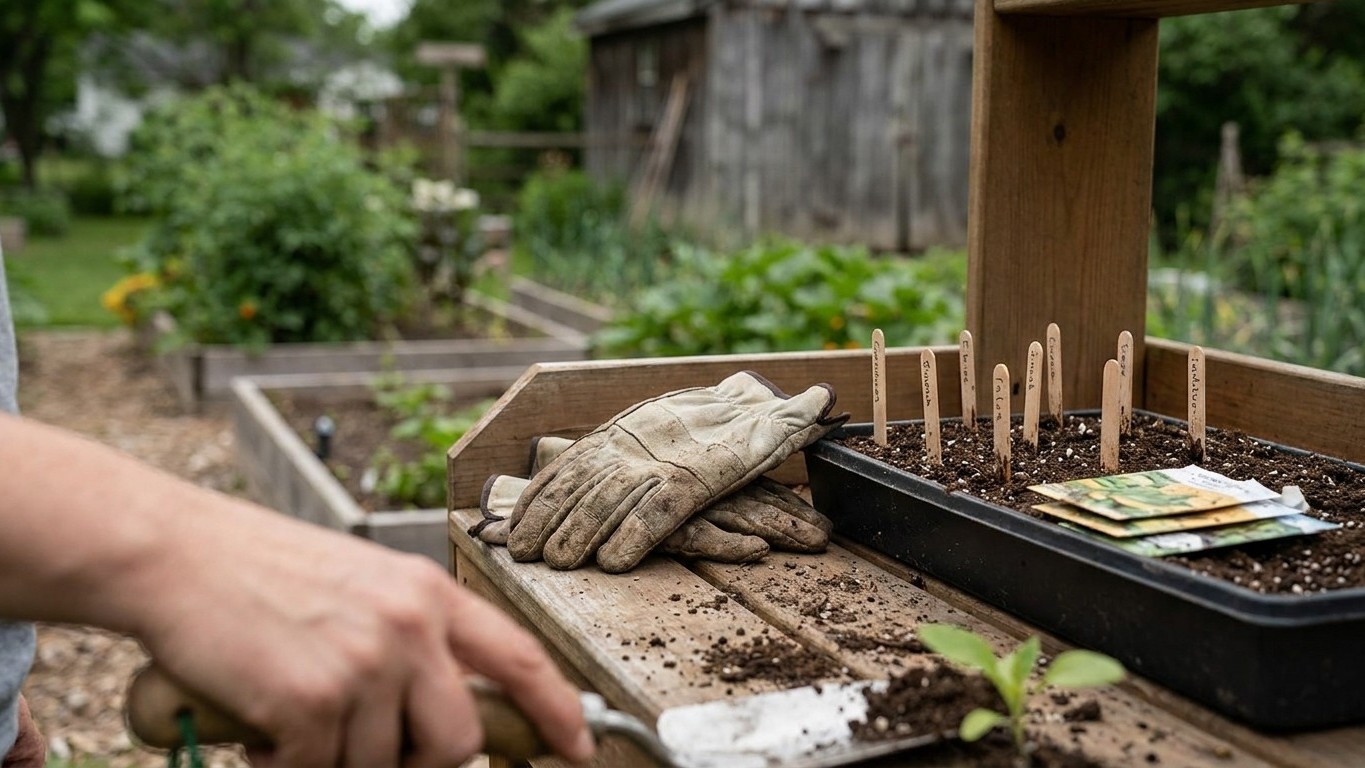
A month-by-month look at Ohio planting dates built around Columbus’s May 5-15 frost window, with adjustments for the rest of the state.
Home & garden, state by state
Everything we have worked out for Ohio: what to plant and when, which varieties finish in time, the pests that actually turn up here, and the jobs that pay off month by month. We also cover the rest of the property, from lawns and soil to home care and energy, because a garden rarely stops at the vegetable bed.
The numbers first, because everything else follows from them. Measured at the weather station in Columbus, the last spring freeze runs May 5 to May 15 and the first fall freeze runs October 5 to October 15, USDA zones 5b-6b, 3,783 growing degree days in the year.
Garlic does well: 21.8 weeks below 40 °F, comfortably past the six it needs to form a proper head.
Elsewhere on the property in Ohio: lawn care, soil and amendments, watering, flowers and borders and the pests that turn up here.
Figures from NOAA's 1991-2020 climate normals. A state is not one climate: elevation, a large lake or the coast can move these dates by two weeks either way, so check your own county with the extension service before you spend money.
A month-by-month look at Ohio planting dates built around Columbus’s May 5-15 frost window, with adjustments for the rest of the state.
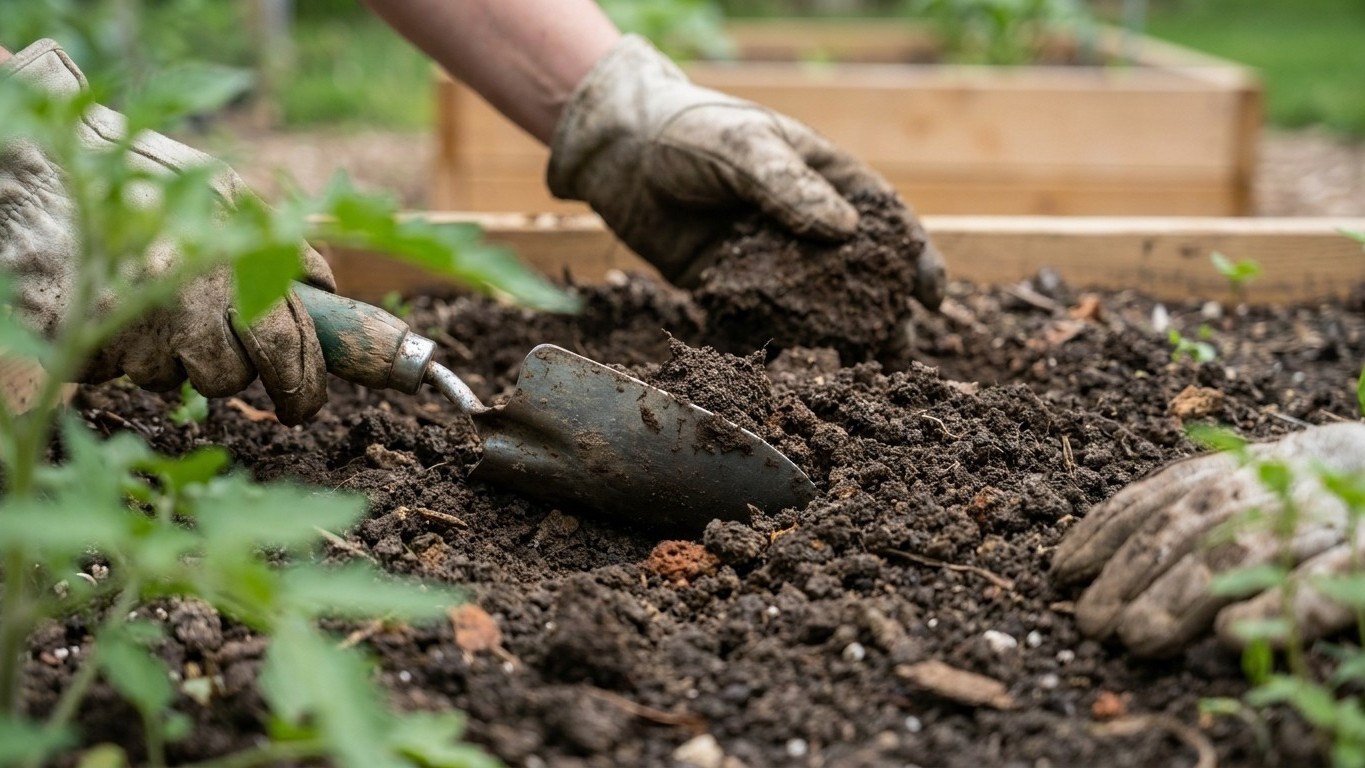
Ohio’s soil varies from heavy clay to sandy ground, and testing before amending saves money and shows exactly what your garden needs.
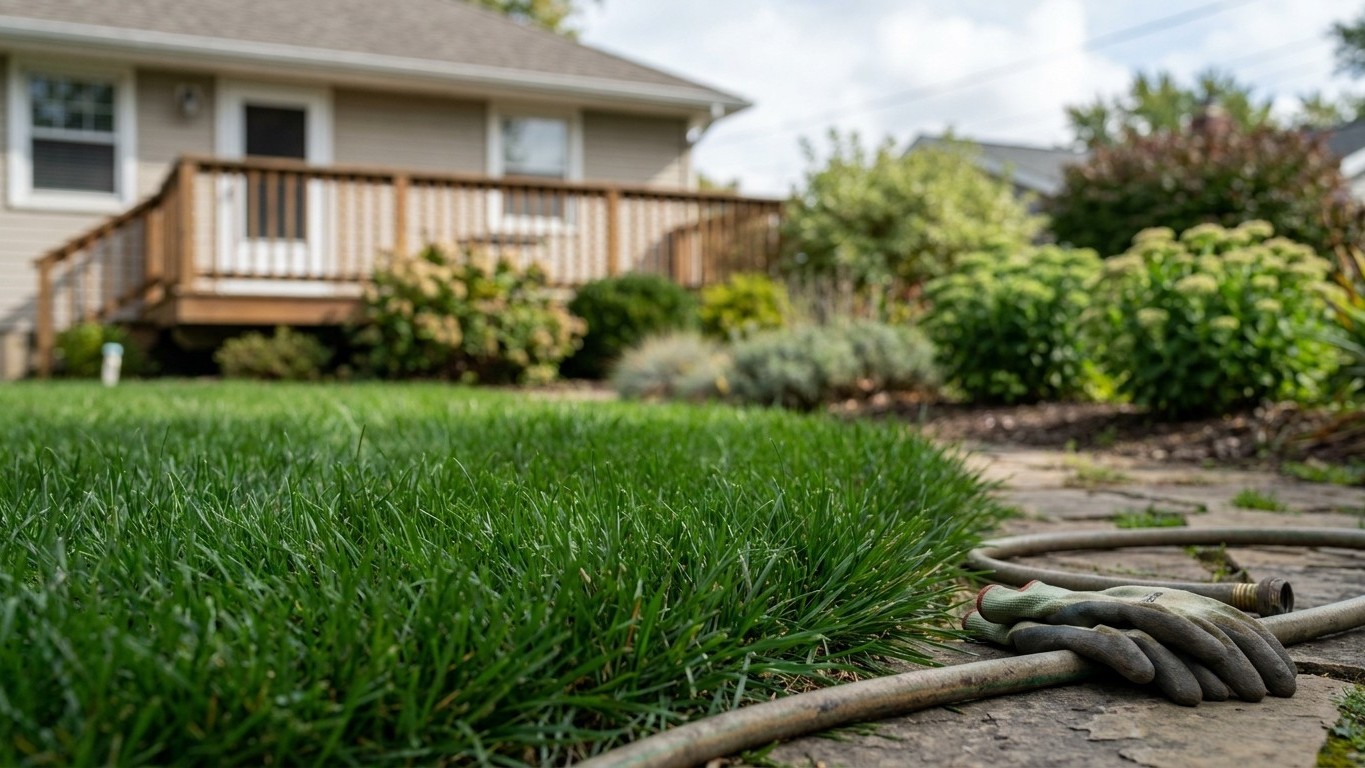
Ohio’s climate calls for cool-season grass like Kentucky bluegrass and tall fescue, established in fall and mowed tall to resist weeds and drought.
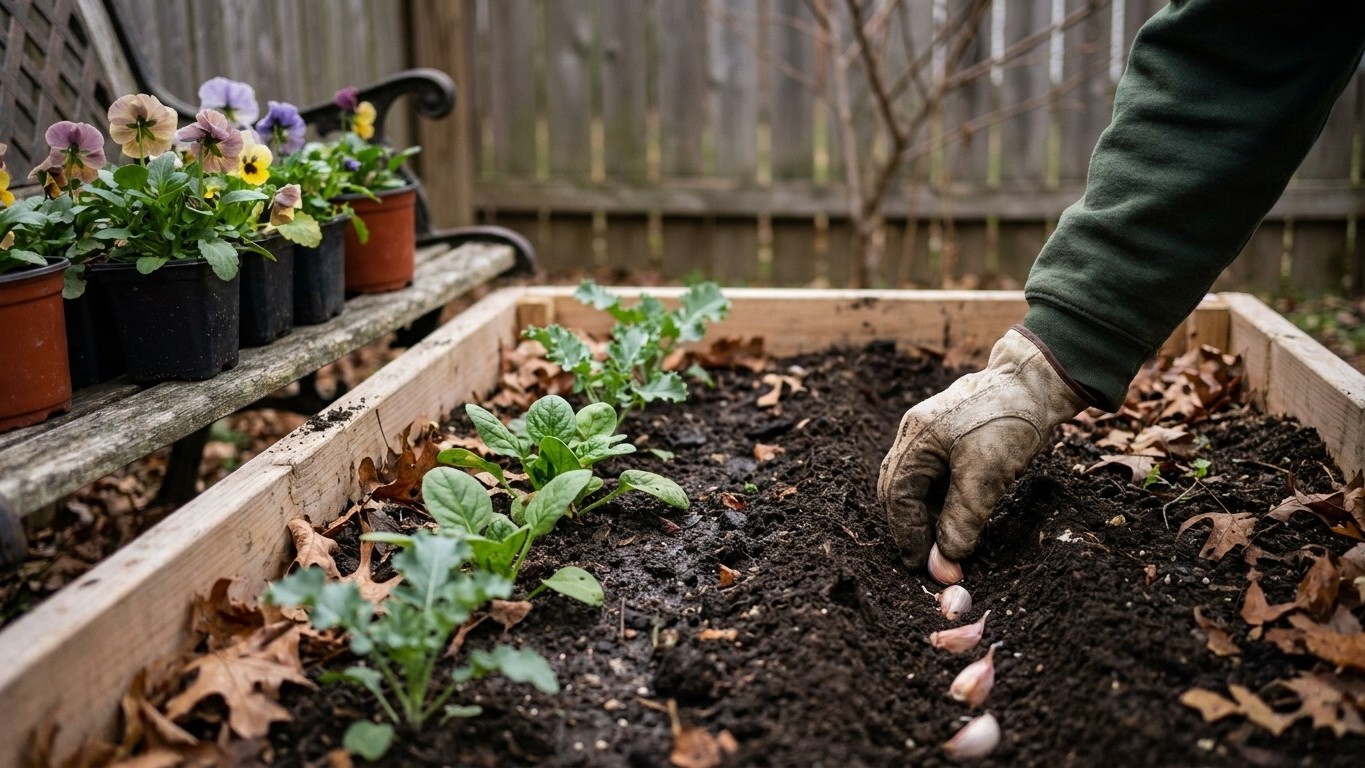
Garlic, shallots and cold-frame greens are the only safe October plantings in Ohio, while OSU Extension’s fall frost window closes out everything tender.
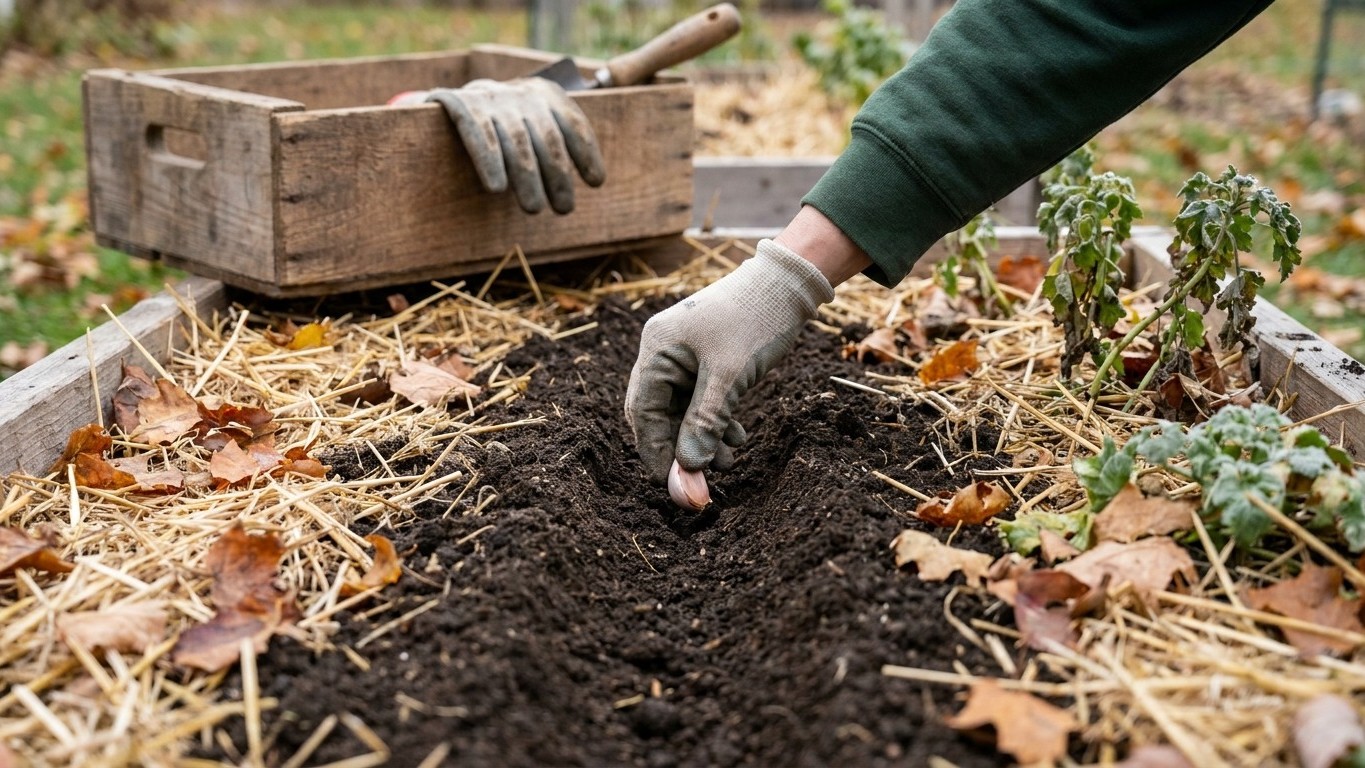
A month-by-month look at what Ohio gardeners can still plant, harvest, and prepare once the fall frost window has passed.
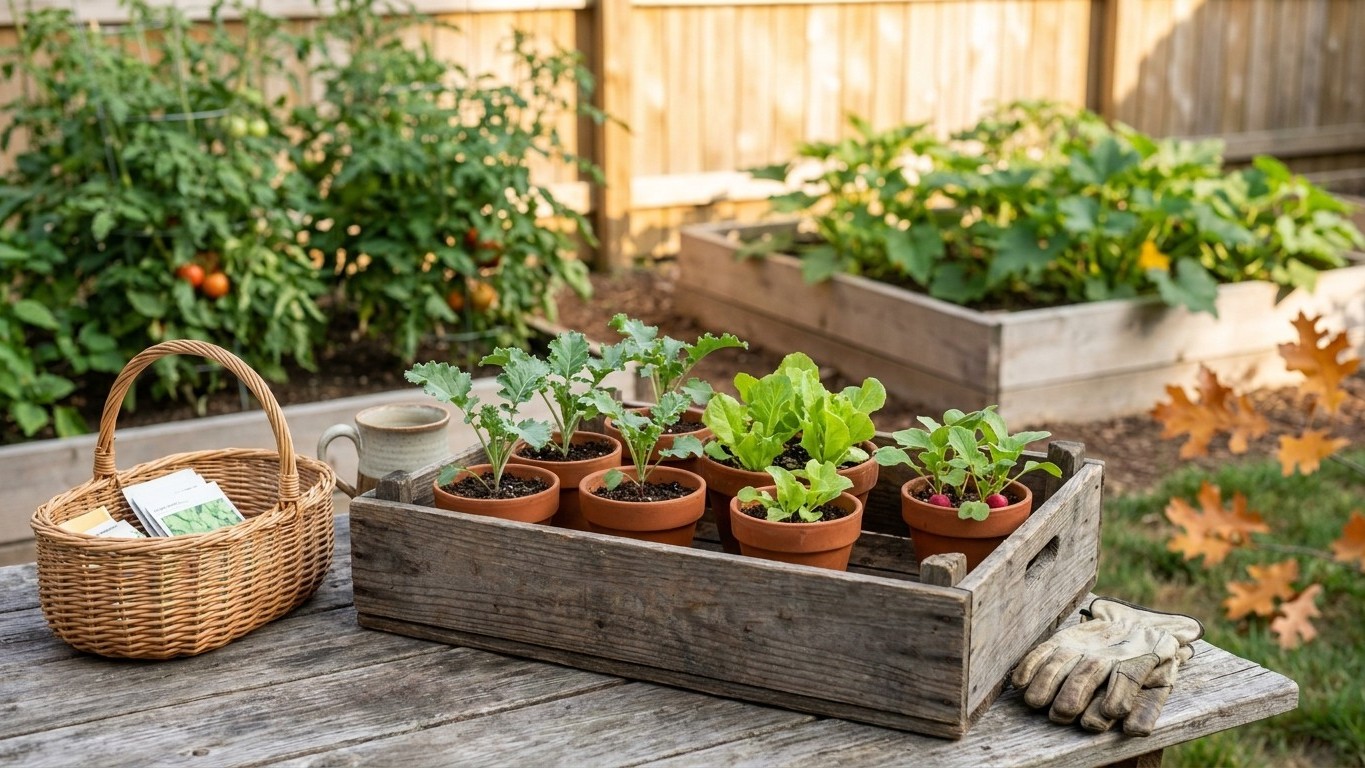
Ohio State University Extension’s Columbus figures set the frost window that determines which crops still have time to mature if planted in August.
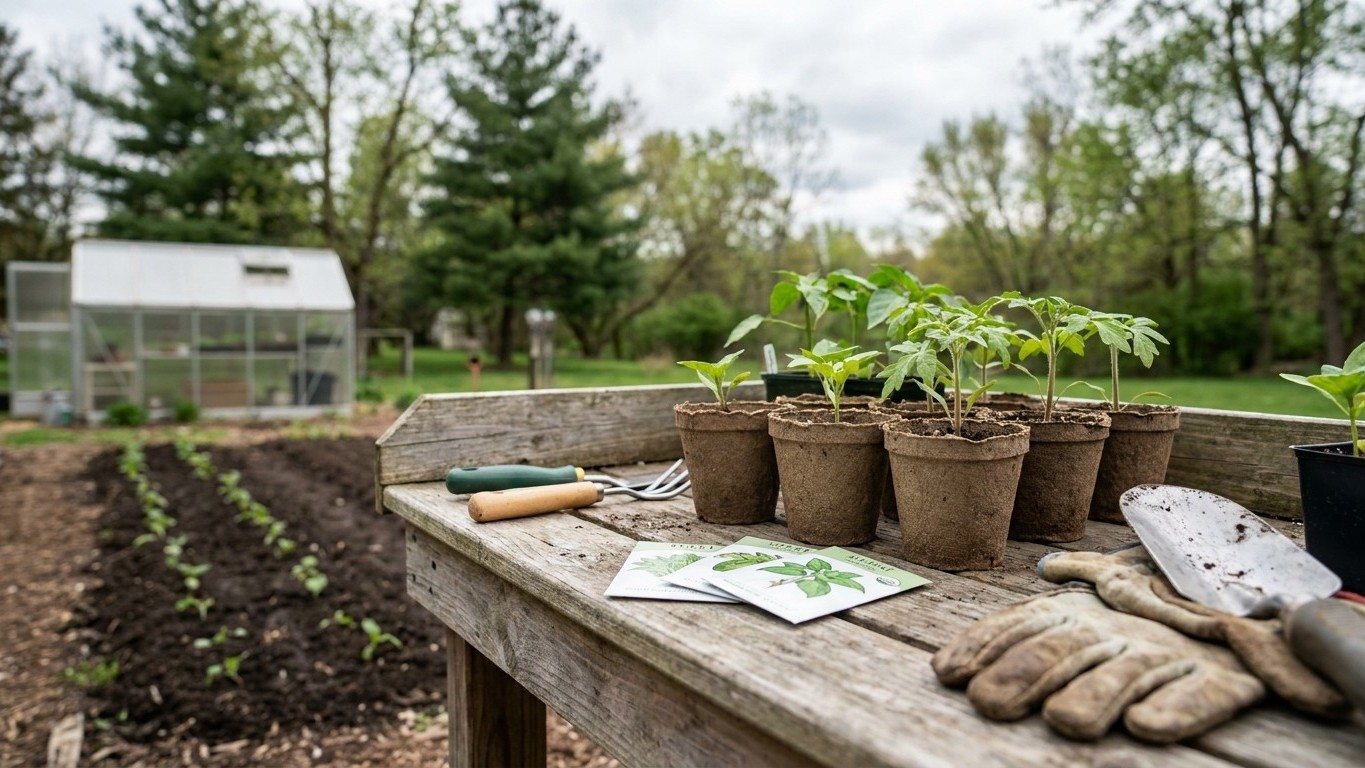
Ohio’s April garden sits before the last frost, so cold-hardy crops go in now while tomatoes and peppers wait for warmer soil in May.
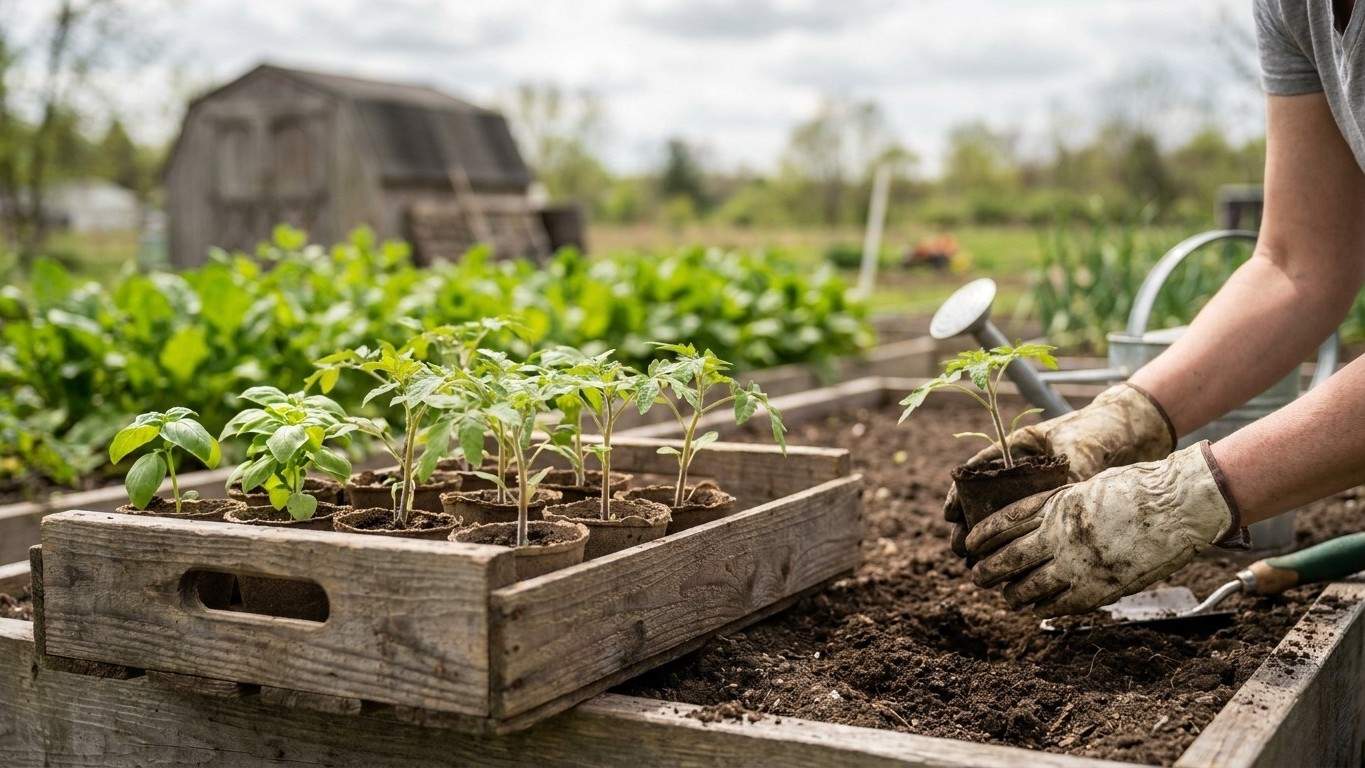
May in Ohio splits into a frost-risk half and a safe-to-plant half, and this page sorts hardy crops, warm-season transplants, and the jobs that can’t wait.
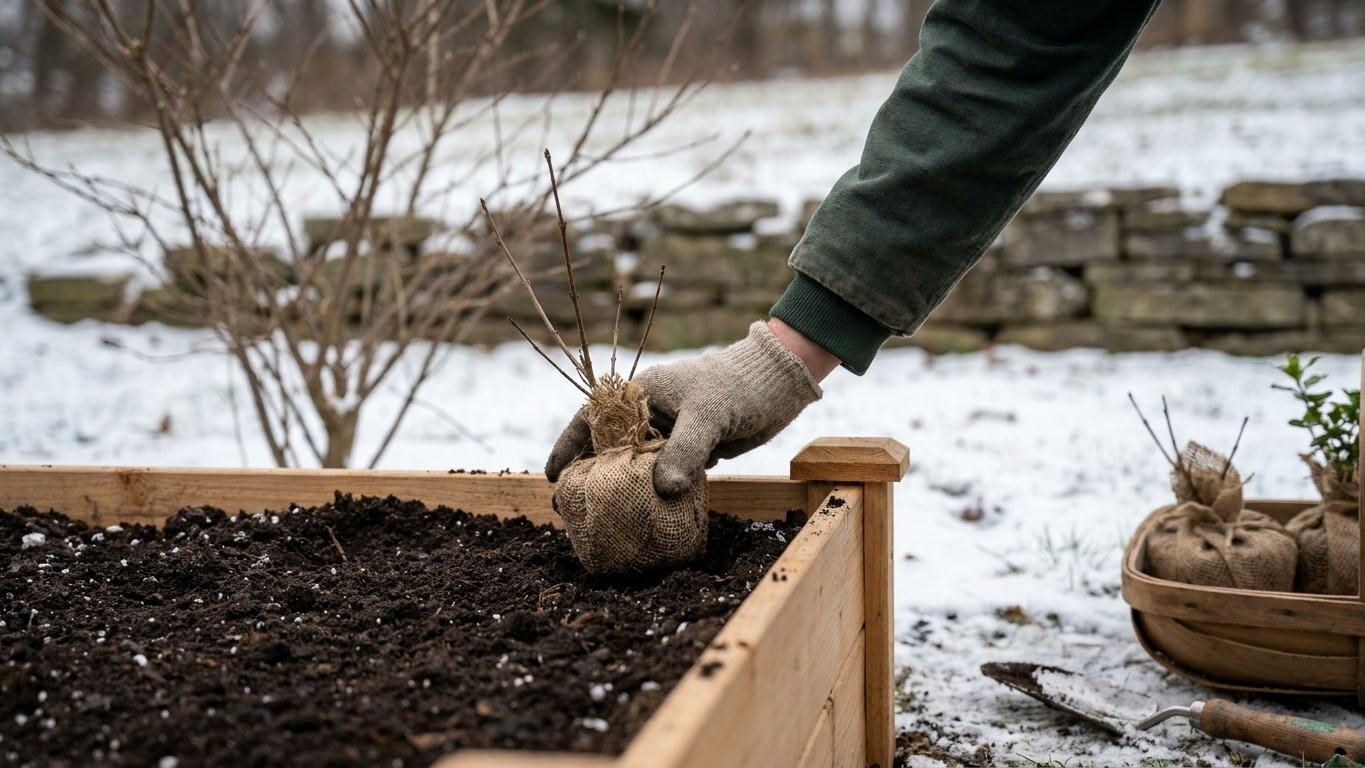
December in Ohio means dormant plantings and cold frames, not new sowing. Here’s what OSU Extension’s frost data says is still possible.
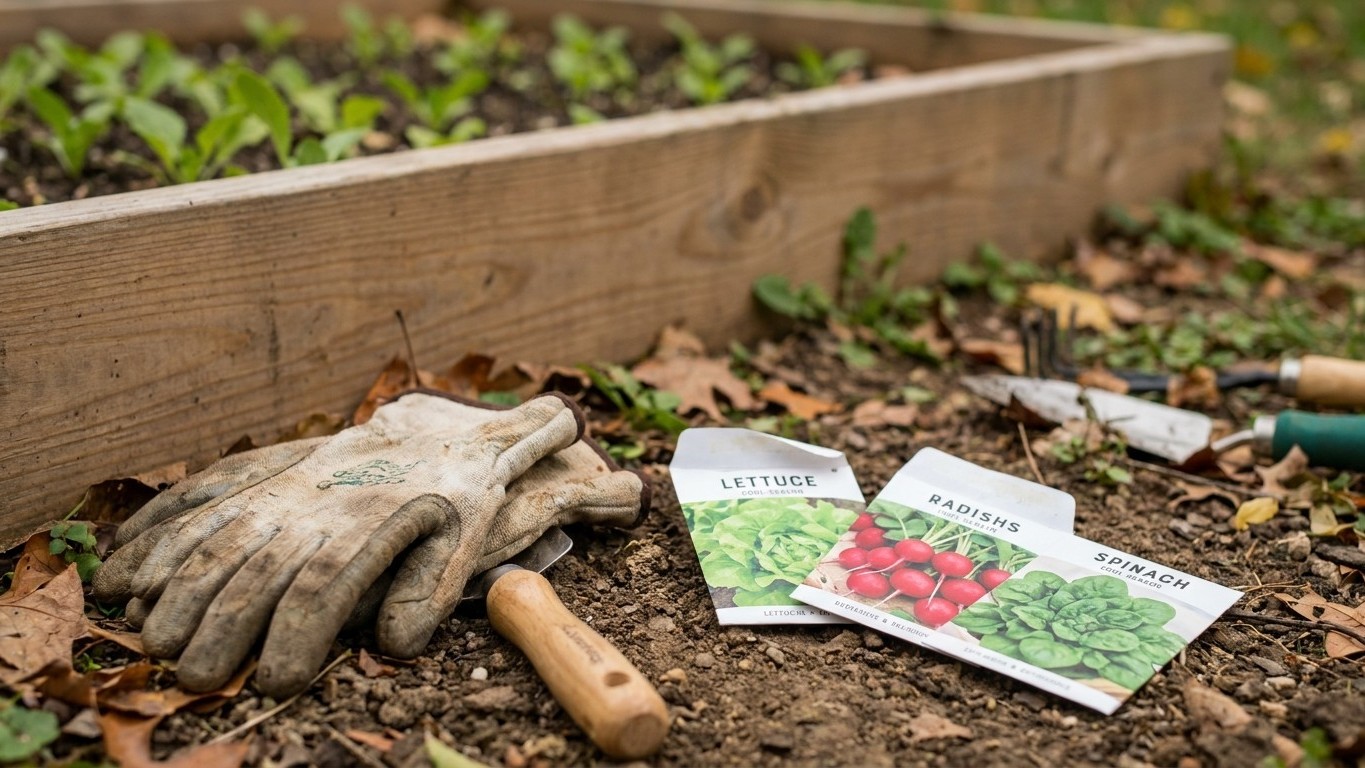
September in Ohio means quick fall greens, garlic bed prep, and harvesting the last of the tomatoes before the first fall frost window arrives.