Why Peppers Fail to Set Fruit in Ohio
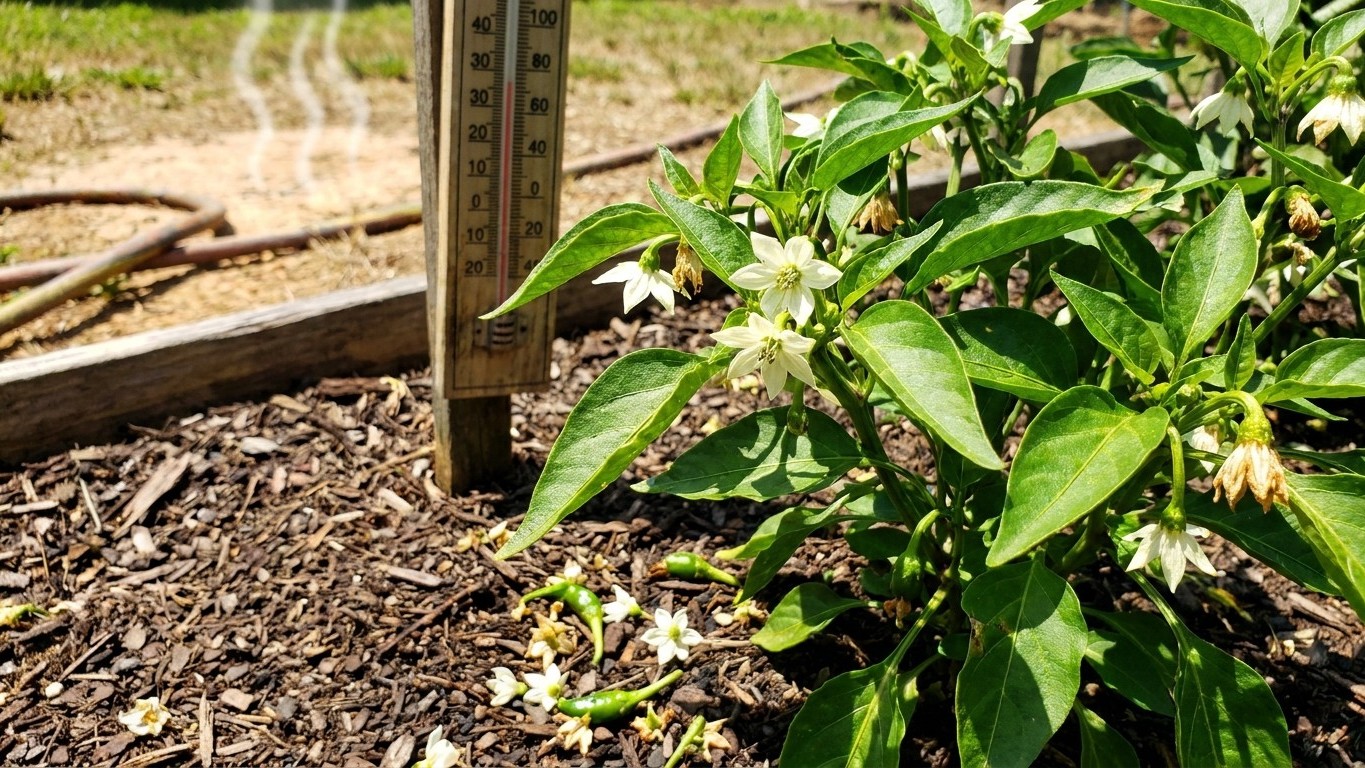
Pepper plants in Ohio drop their blossoms or simply refuse to set fruit for one main reason: temperature swings, not soil or fertilizer.
Home & garden, state by state
Everything we have worked out for Ohio: what to plant and when, which varieties finish in time, the pests that actually turn up here, and the jobs that pay off month by month. We also cover the rest of the property, from lawns and soil to home care and energy, because a garden rarely stops at the vegetable bed.
The numbers first, because everything else follows from them. Measured at the weather station in Columbus, the last spring freeze runs May 5 to May 15 and the first fall freeze runs October 5 to October 15, USDA zones 5b-6b, 3,783 growing degree days in the year.
Garlic does well: 21.8 weeks below 40 °F, comfortably past the six it needs to form a proper head.
Elsewhere on the property in Ohio: lawn care, soil and amendments, watering, flowers and borders and the pests that turn up here.
Figures from NOAA's 1991-2020 climate normals. A state is not one climate: elevation, a large lake or the coast can move these dates by two weeks either way, so check your own county with the extension service before you spend money.
Pepper plants in Ohio drop their blossoms or simply refuse to set fruit for one main reason: temperature swings, not soil or fertilizer.
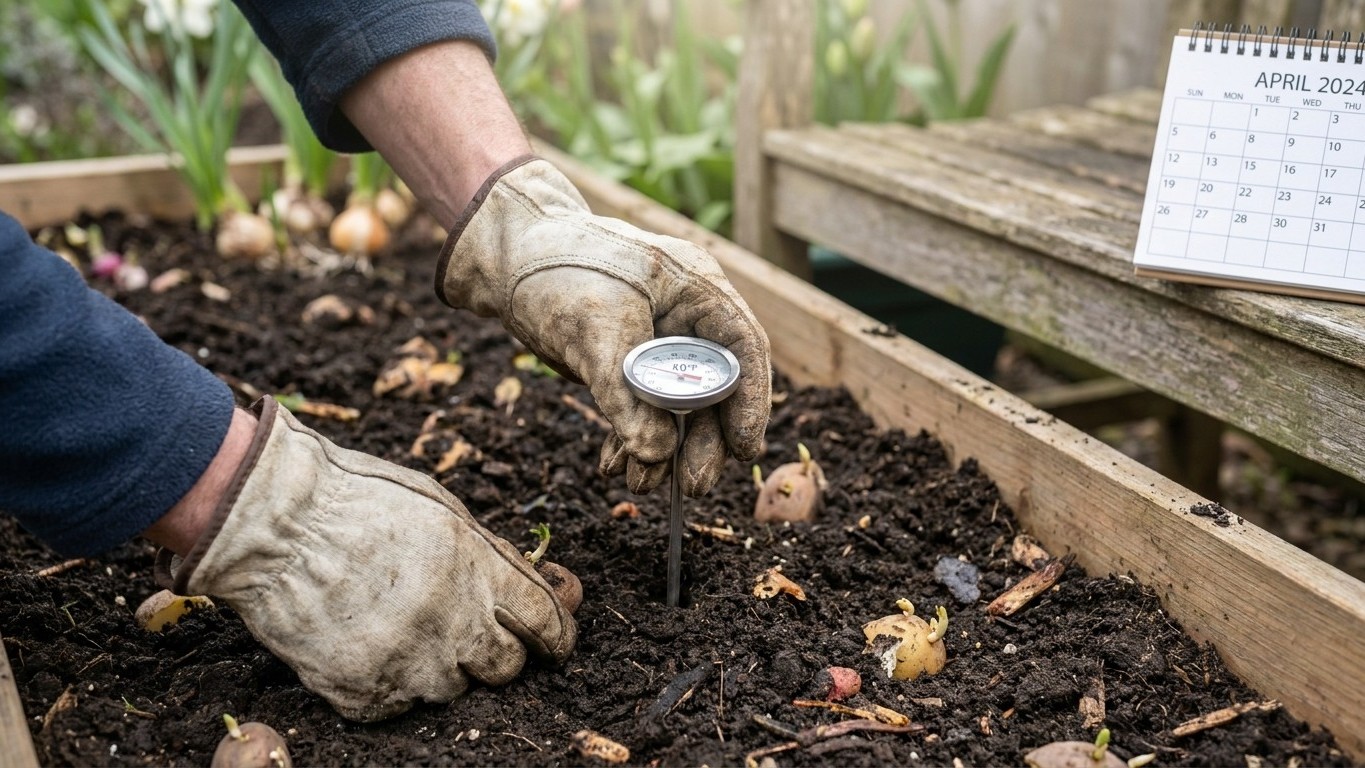
For most of Ohio sitting in USDA zone 6a, the math comes down to two figures: a last spring frost window of May 5 to May 15, published by Ohio State…
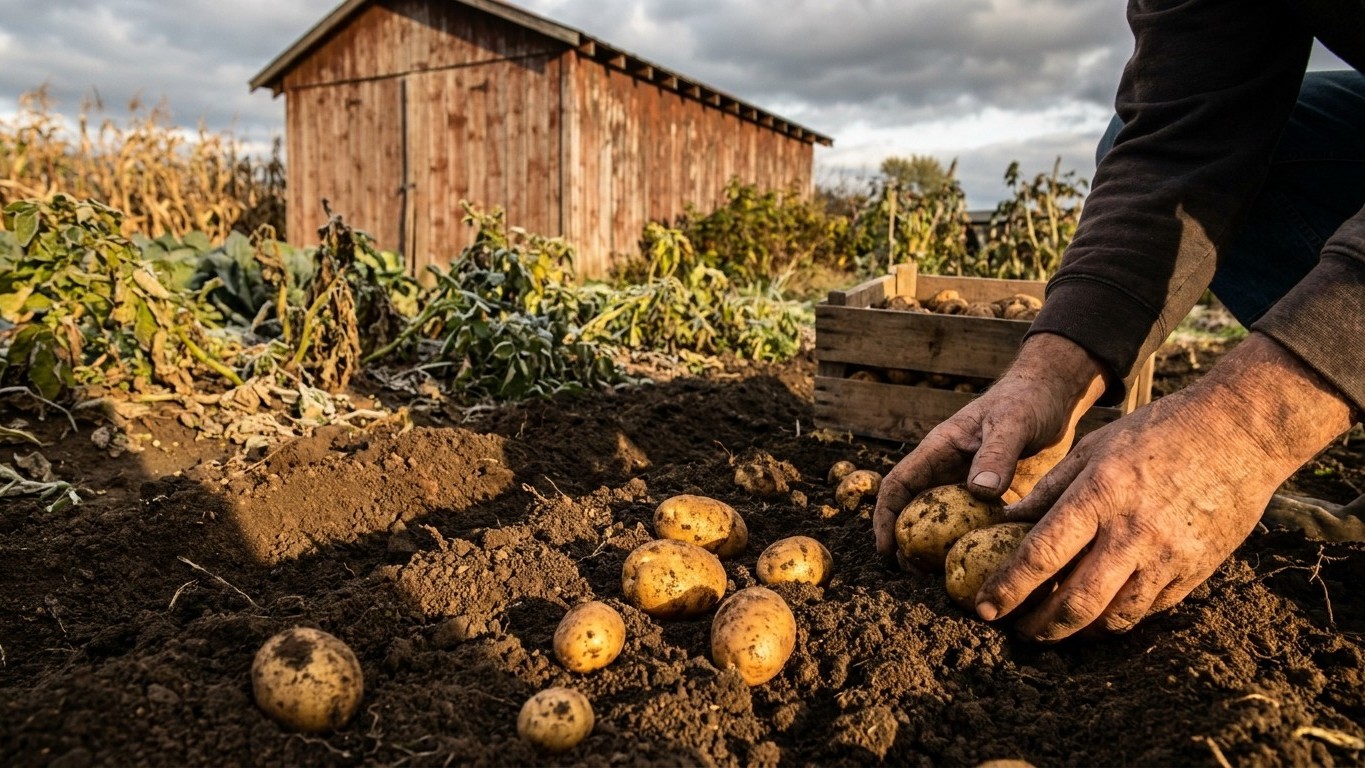
In central Ohio, potatoes typically need to come out of the ground before the first fall frost hits between October 5 and October 15, in the state’s zone…
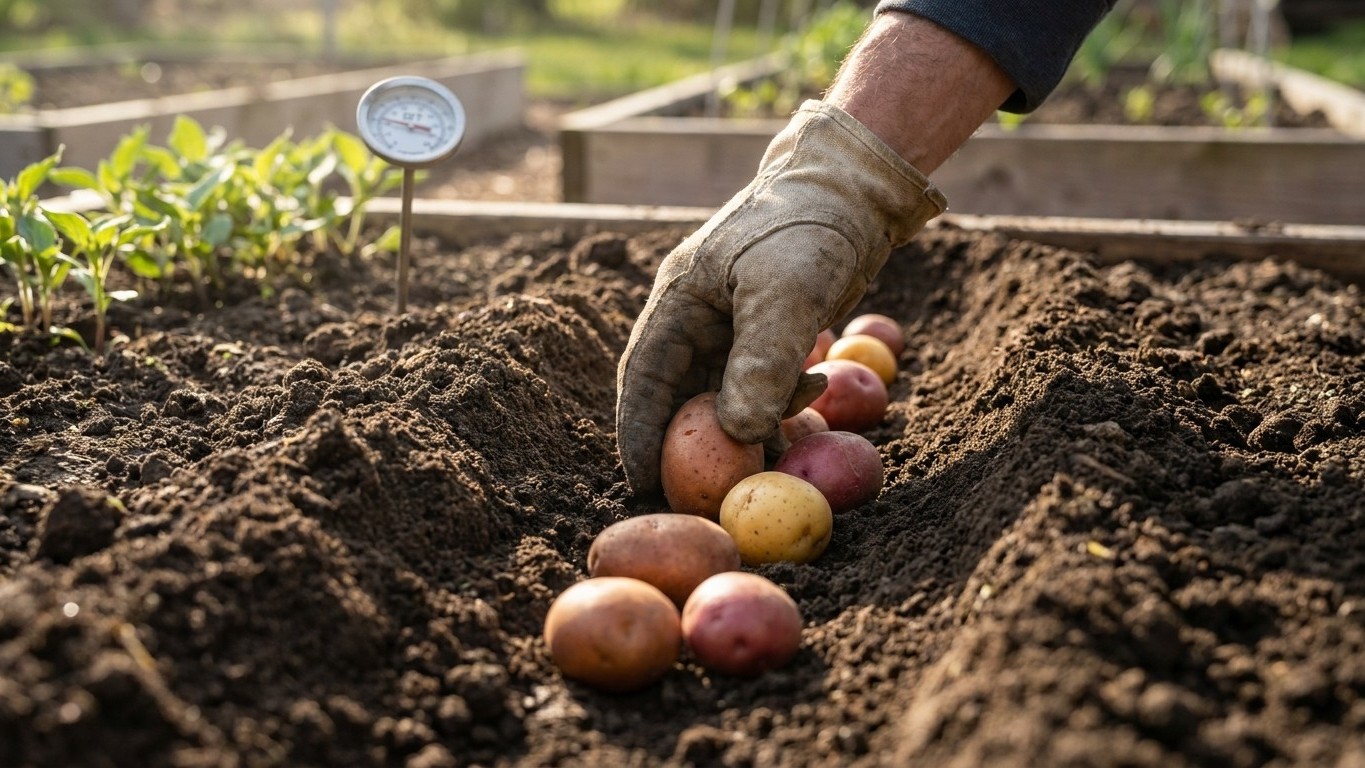
Early to mid-season varieties are the safer bet for most of Ohio, because they finish sizing before soil temperatures climb past the 90°F ceiling that…
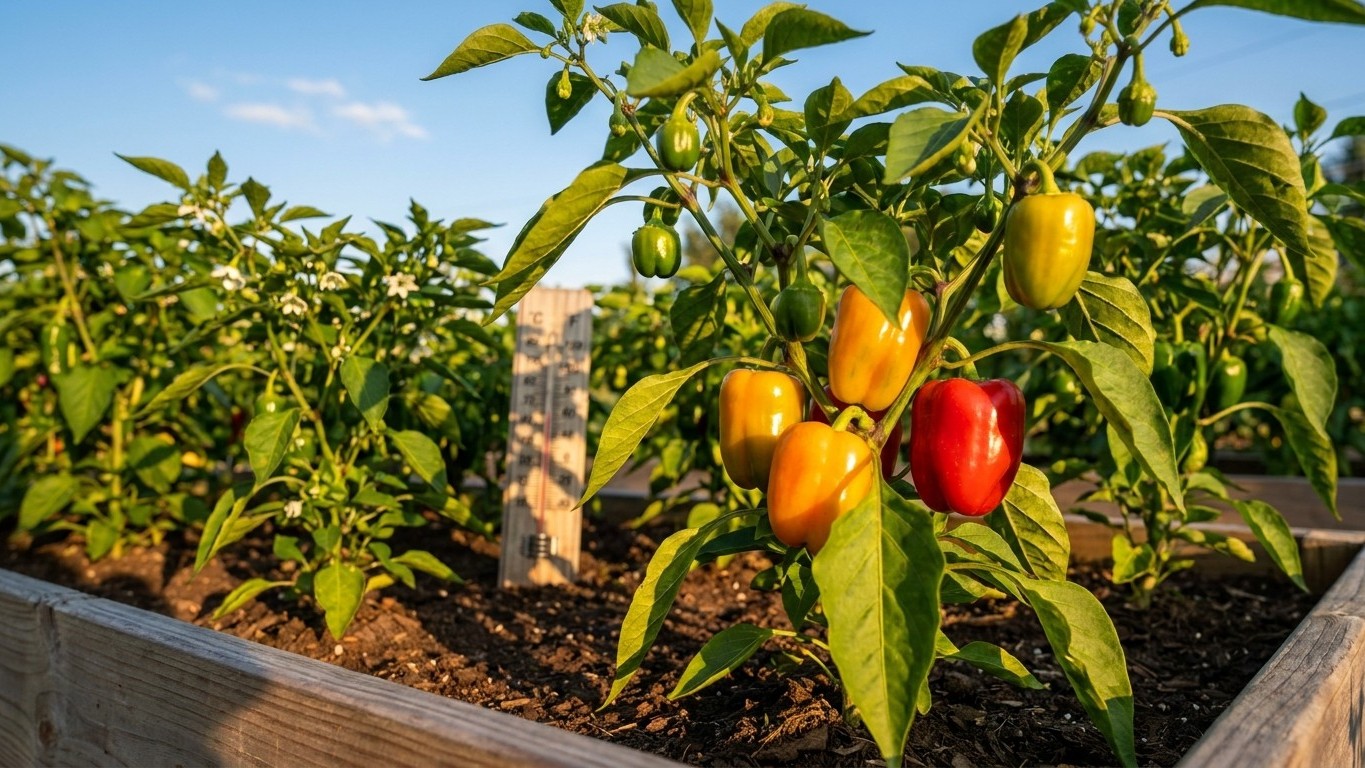
Ohio growers get a fairly forgiving heat load compared to the Deep South, but pepper fruit set is a two-sided problem here, not a one-sided one.
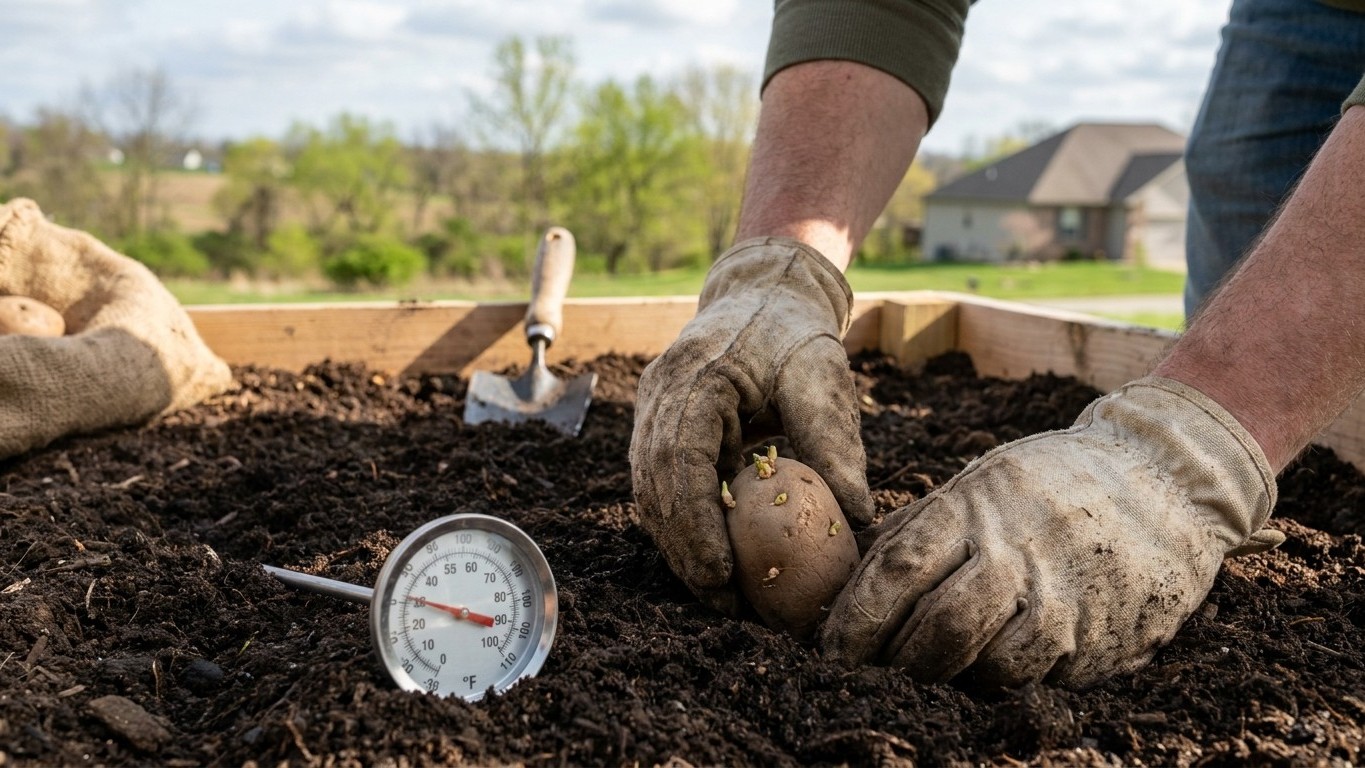
Ohio gardeners can count on a full potato season most years: Columbus averages just 15.3 days a year at 90 F or hotter, well under the threshold that…
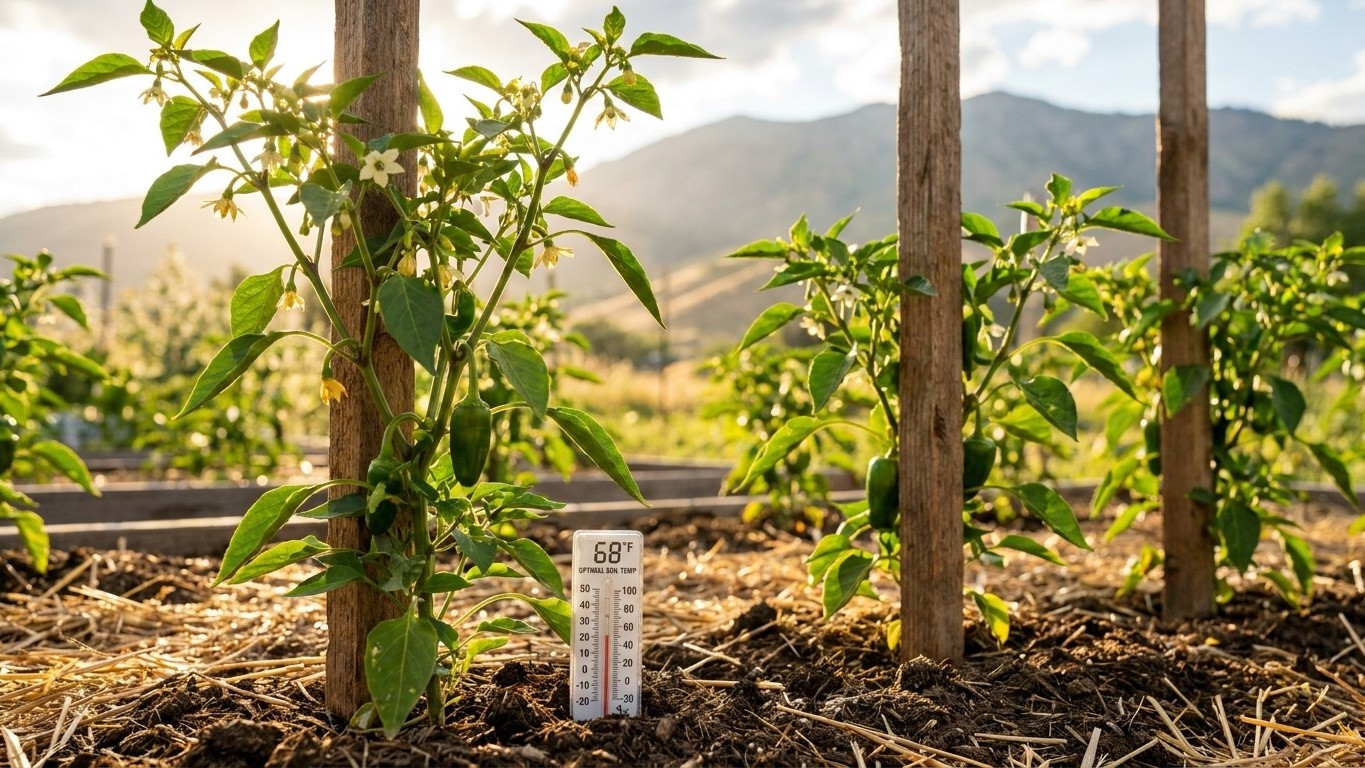
Ohio peppers ripen within a real but narrow window: soil warm enough to transplant by mid-May in zone 6a, then a summer that hits 90 F on roughly 15 days…
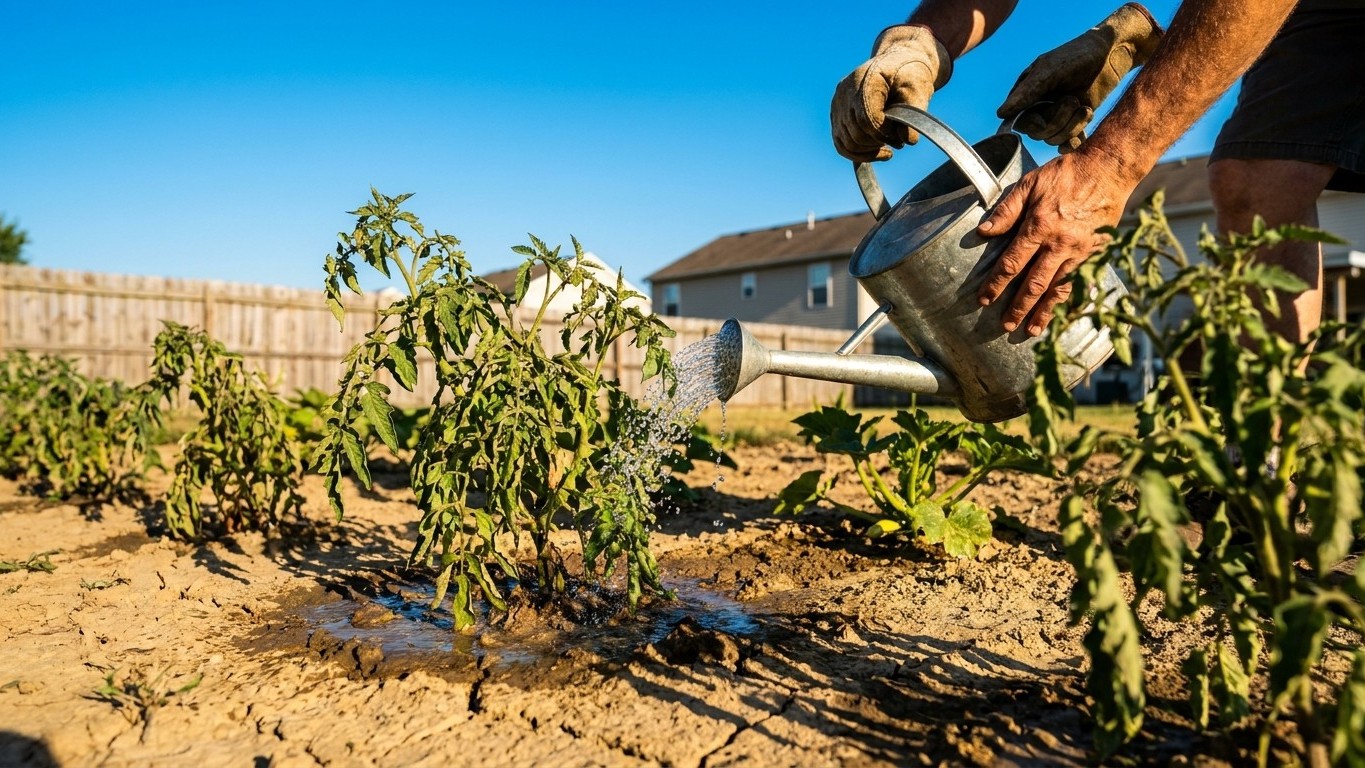
Watering during a dry Ohio summer means giving a full inch of water a week, delivered slowly at the base of the plant rather than sprinkled daily overhead.
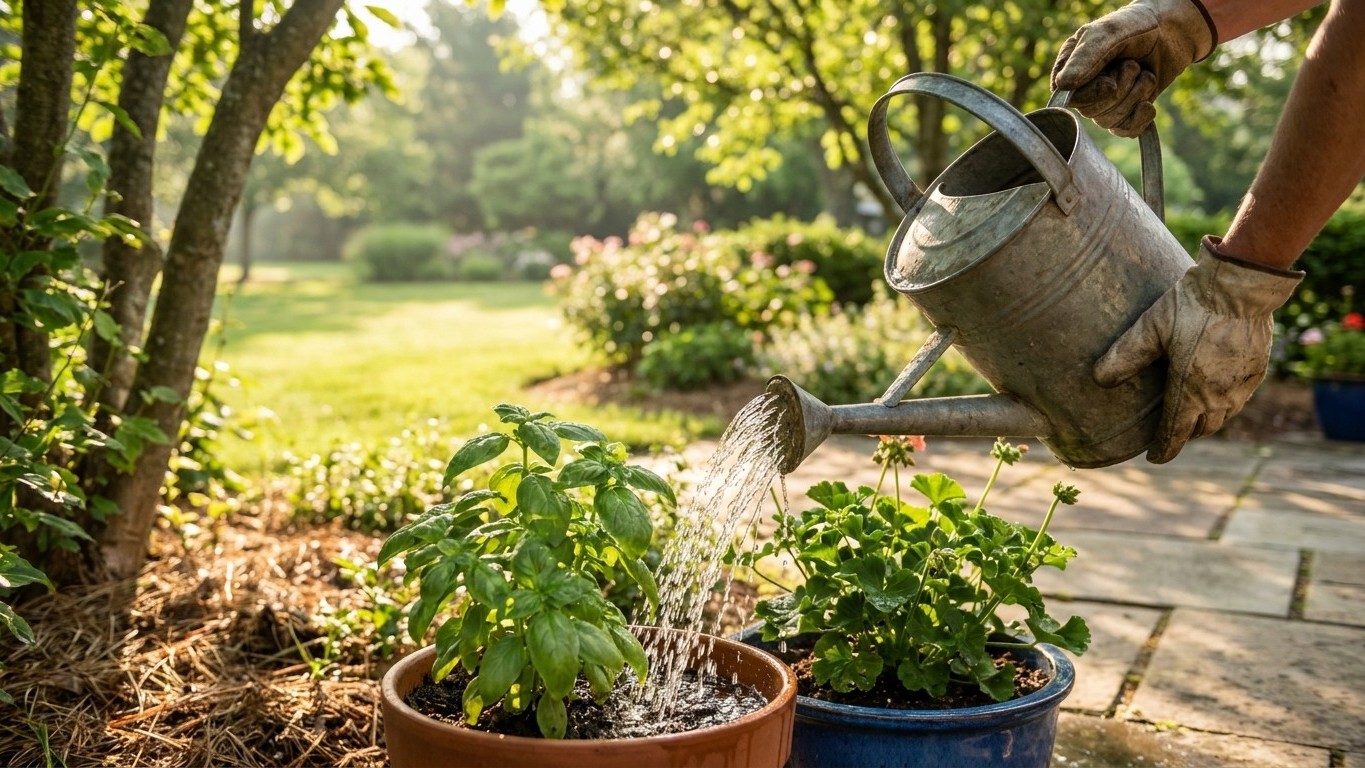
Ohio gardens get about an inch of rain a week during peak summer growth, but that average hides real swings: some weeks deliver almost nothing, others…
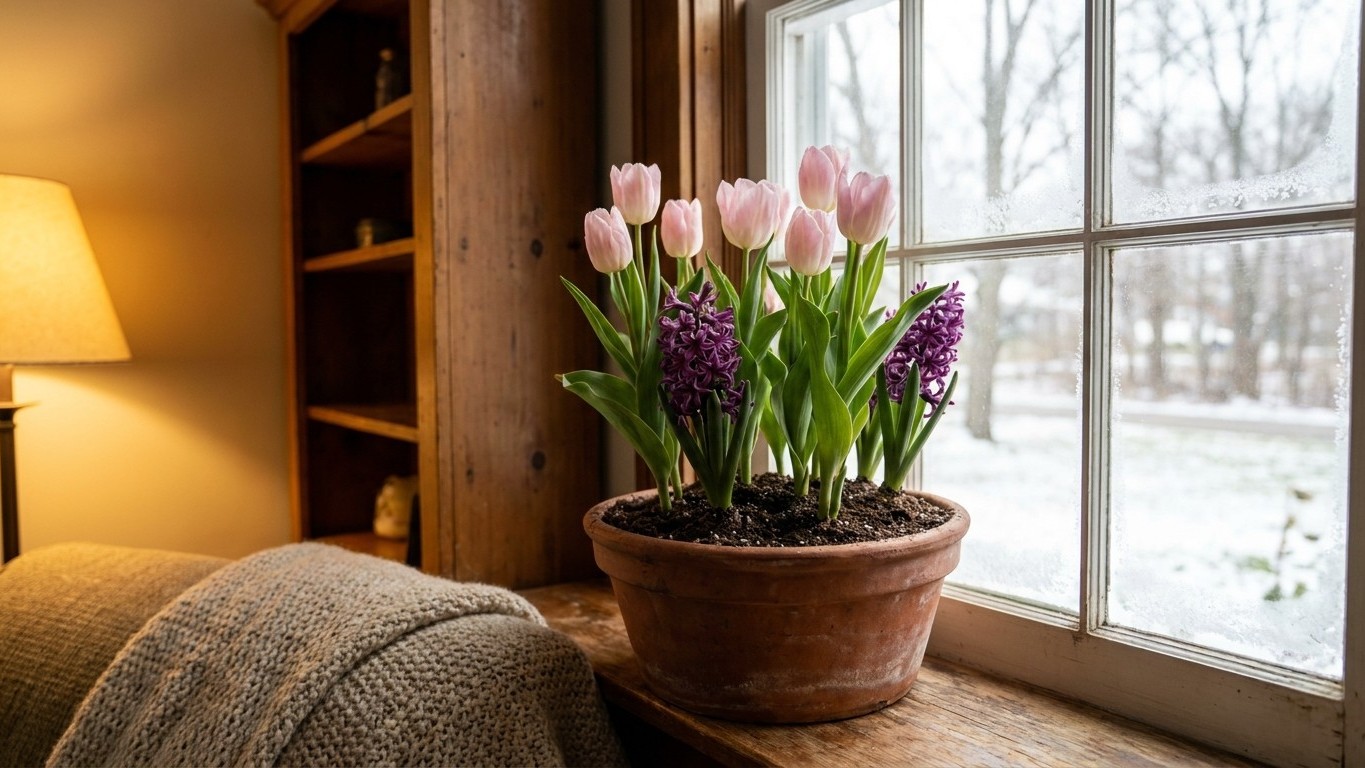
Ohio’s winters are cold enough that forcing bulbs has nothing to do with a shortage of outdoor chill.