Why Peppers Fail to Set Fruit in Oklahoma
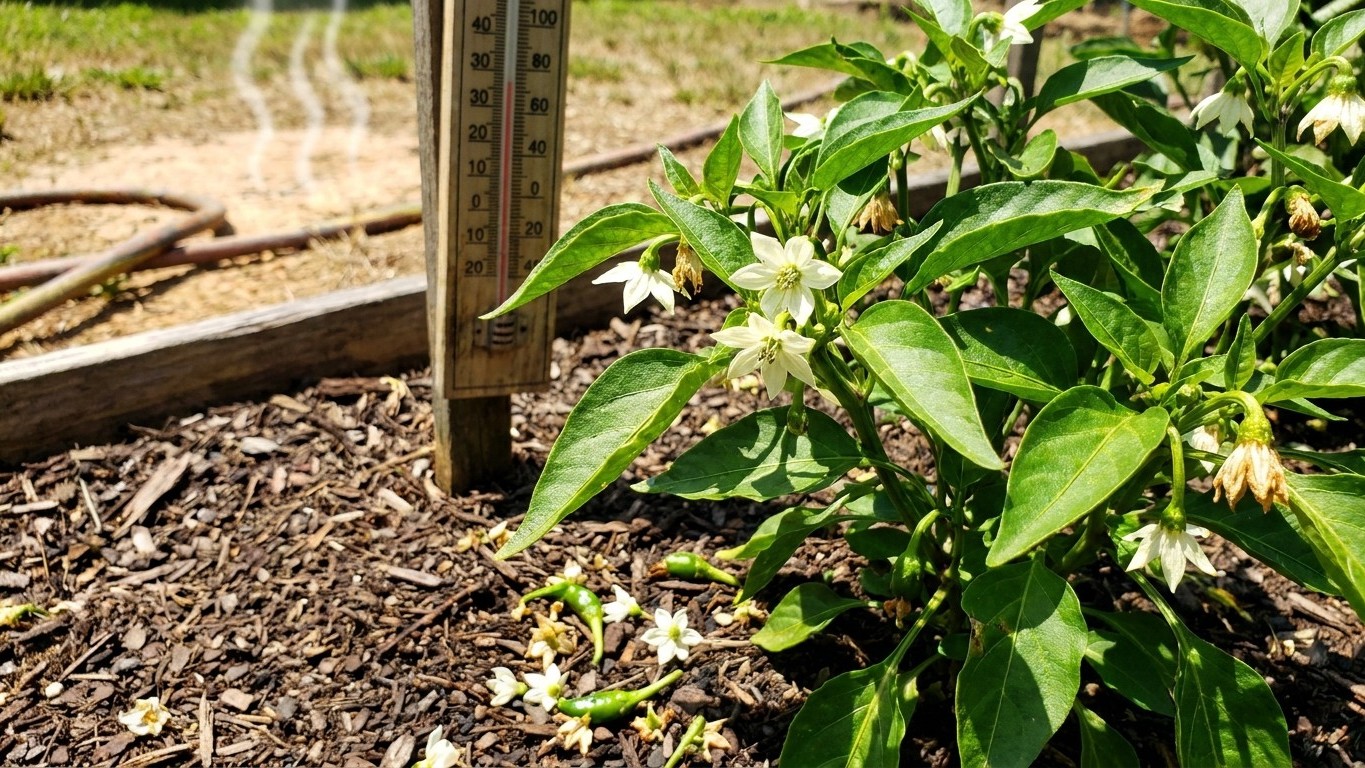
Peppers stop setting fruit in Oklahoma for one of two reasons: heat that scrambles pollen viability on the days that hit or cross 90 F, or nights that…
Home & garden, state by state
Everything we have worked out for Oklahoma: what to plant and when, which varieties finish in time, the pests that actually turn up here, and the jobs that pay off month by month. We also cover the rest of the property, from lawns and soil to home care and energy, because a garden rarely stops at the vegetable bed.
The numbers first, because everything else follows from them. Measured at the weather station in Oklahoma City, the last spring freeze runs March 28 to April 10 and the first fall freeze runs October 29 to November 8, USDA zones 6a-8a, 5,375 growing degree days in the year.
Garlic does well: 13 weeks below 40 °F, comfortably past the six it needs to form a proper head.
Elsewhere on the property in Oklahoma: the pests that turn up here.
Figures from NOAA's 1991-2020 climate normals. A state is not one climate: elevation, a large lake or the coast can move these dates by two weeks either way, so check your own county with the extension service before you spend money.
Peppers stop setting fruit in Oklahoma for one of two reasons: heat that scrambles pollen viability on the days that hit or cross 90 F, or nights that…
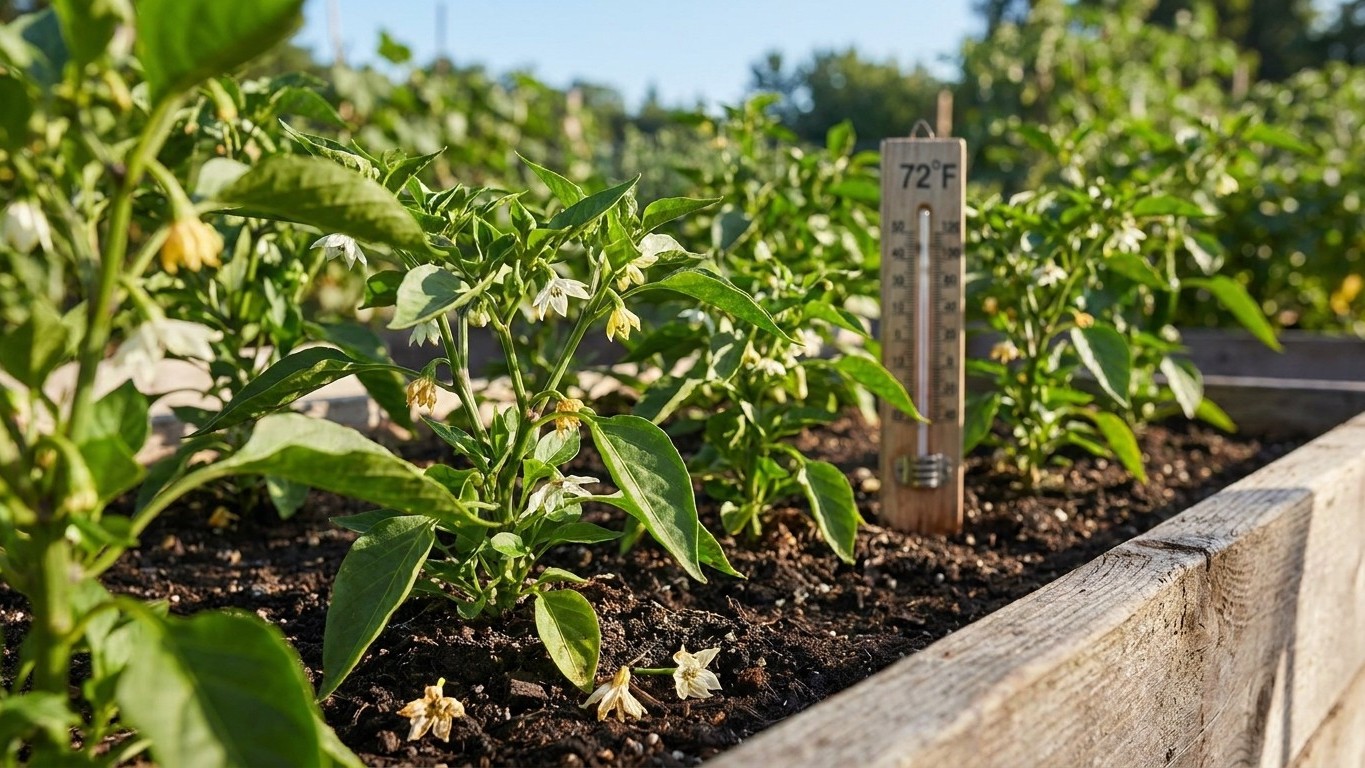
Start pepper seed indoors about 8 to 10 weeks before you plan to transplant, which lines up with mid-to-late January into early February for most of…
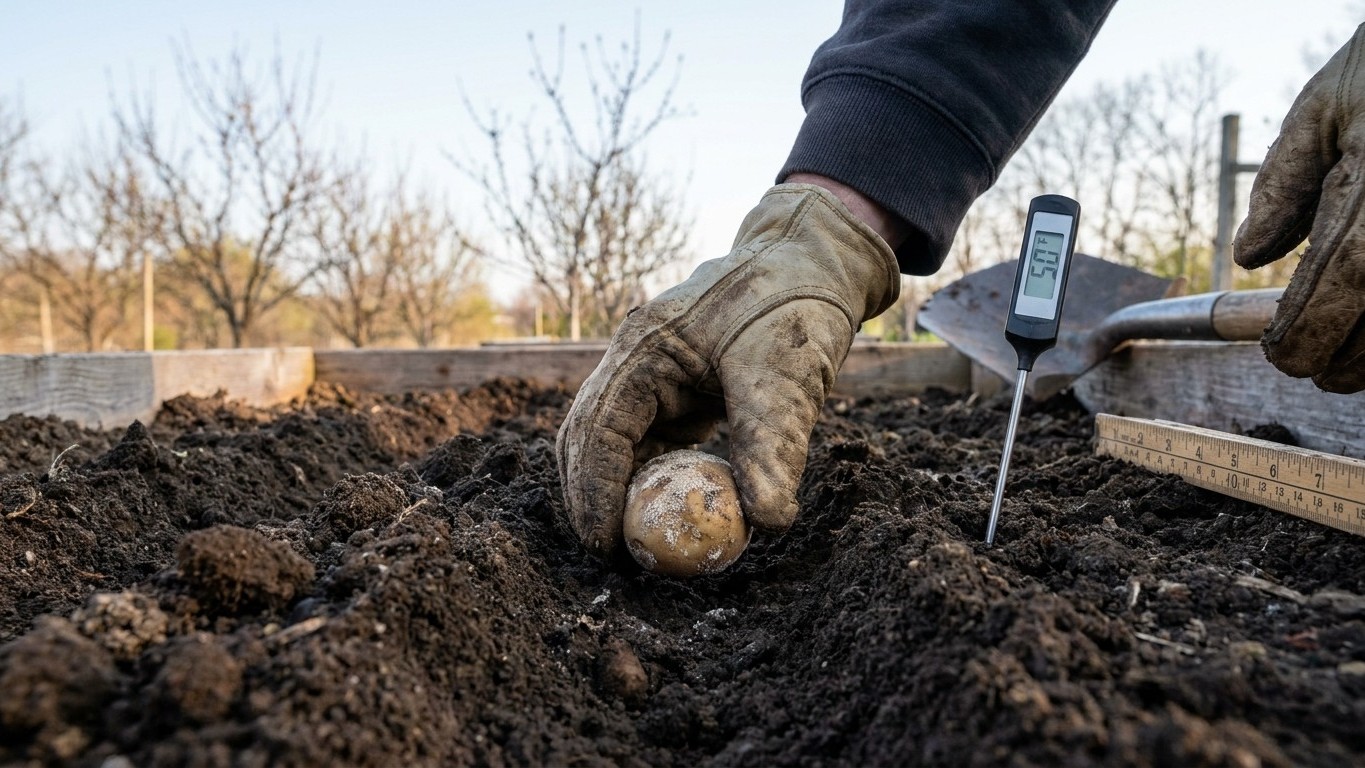
For the Oklahoma City area, the planting window runs roughly from March 7 to March 27, counting 14 to 21 days back from the last spring frost date of…
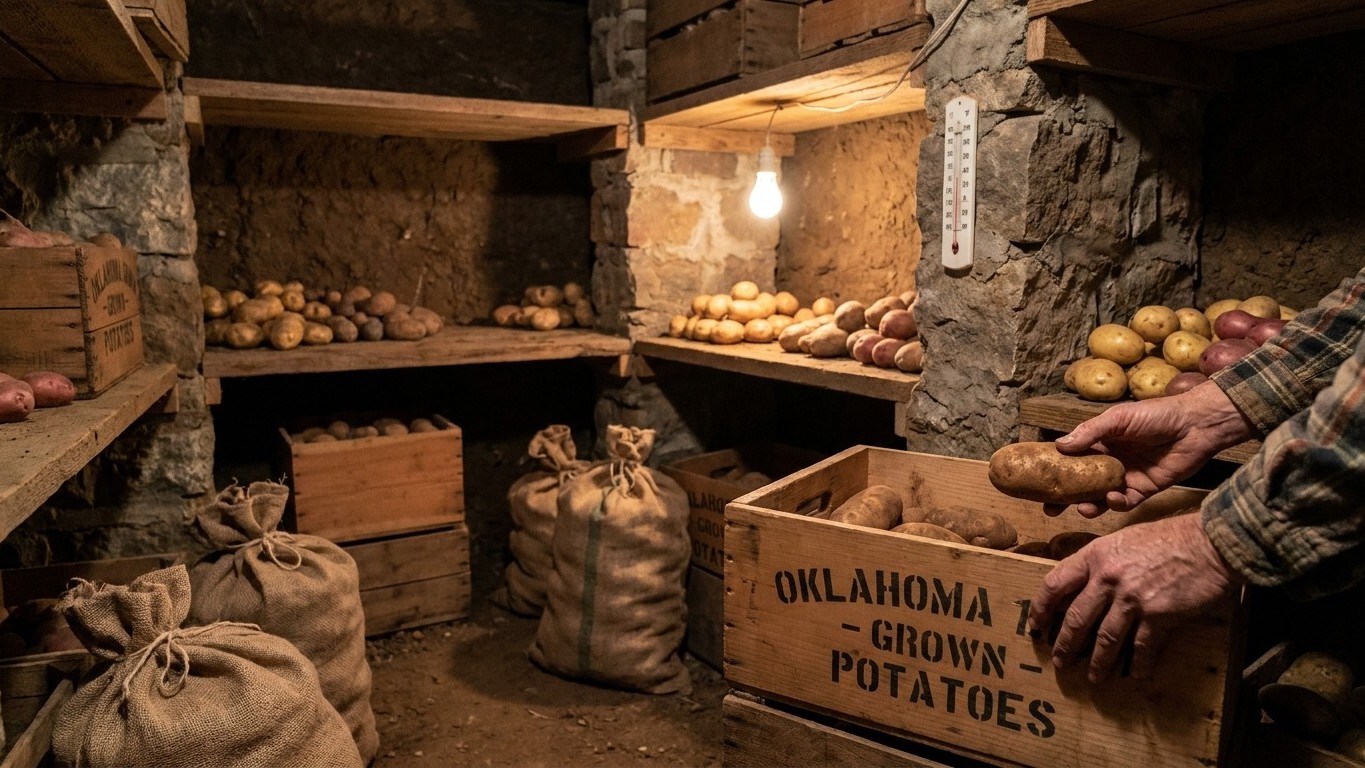
Dig potatoes before the ground freezes, cure them at 55-60°F for two to three weeks, then move them somewhere that holds 40-45°F all winter.
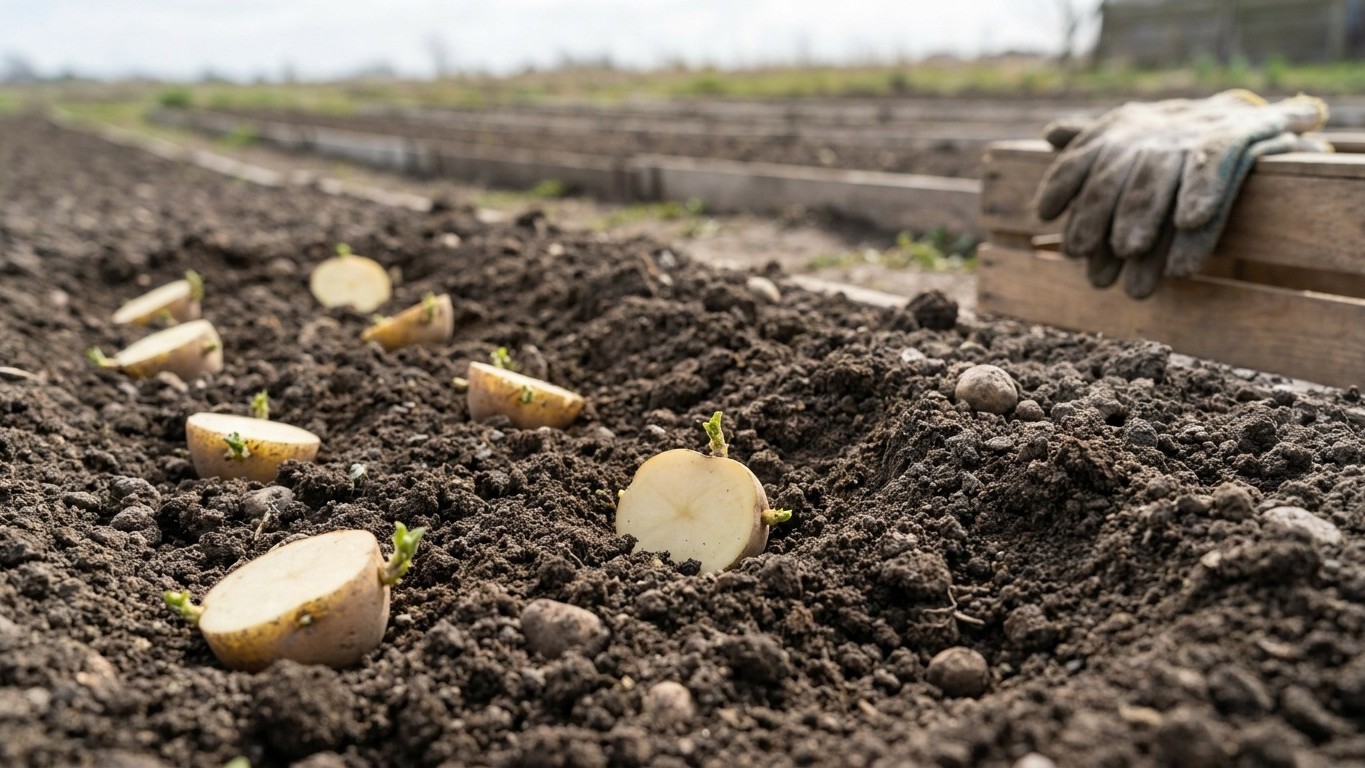
Early- and mid-season potato varieties, planted as a spring crop rather than nursed through summer, are what work across most of Oklahoma.
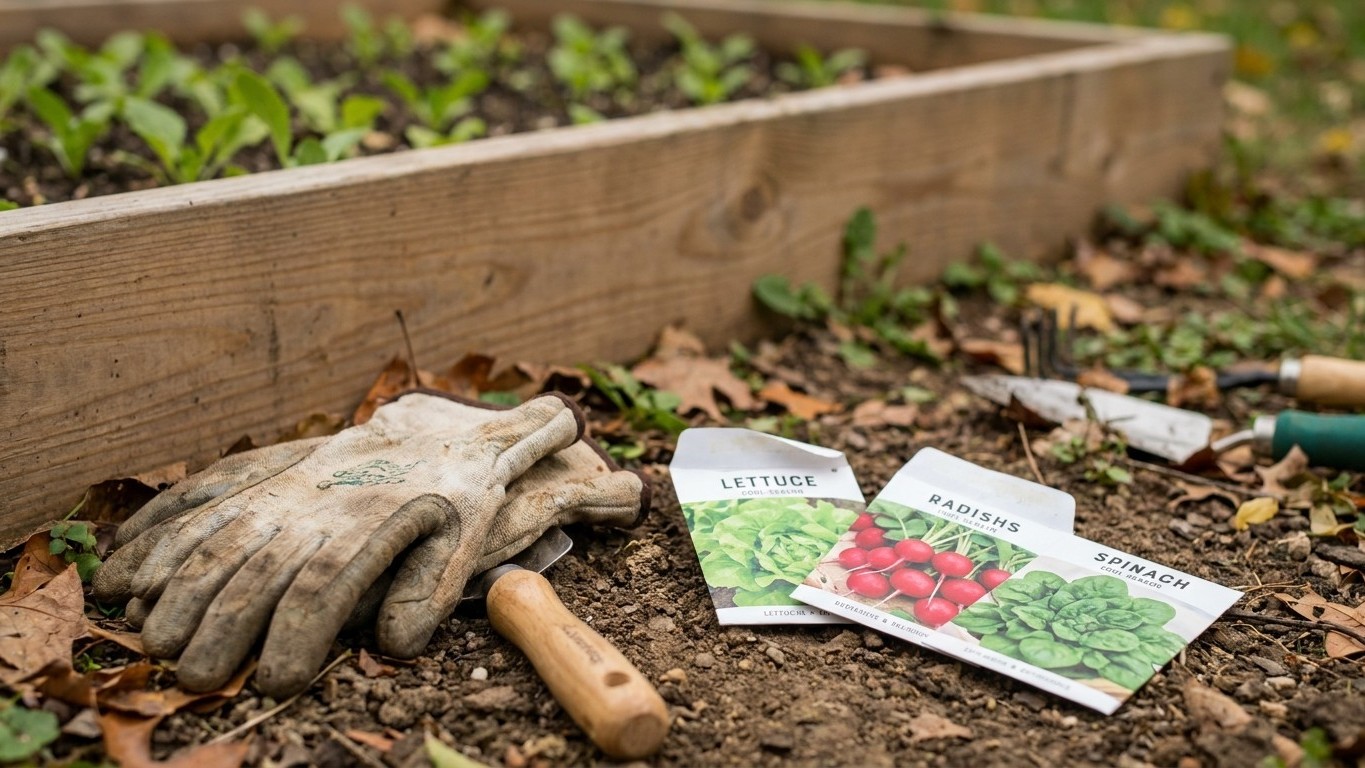
September is Oklahoma’s second planting season. With soil still warm from summer and the first fall frost not expected until October 29 to November 8…
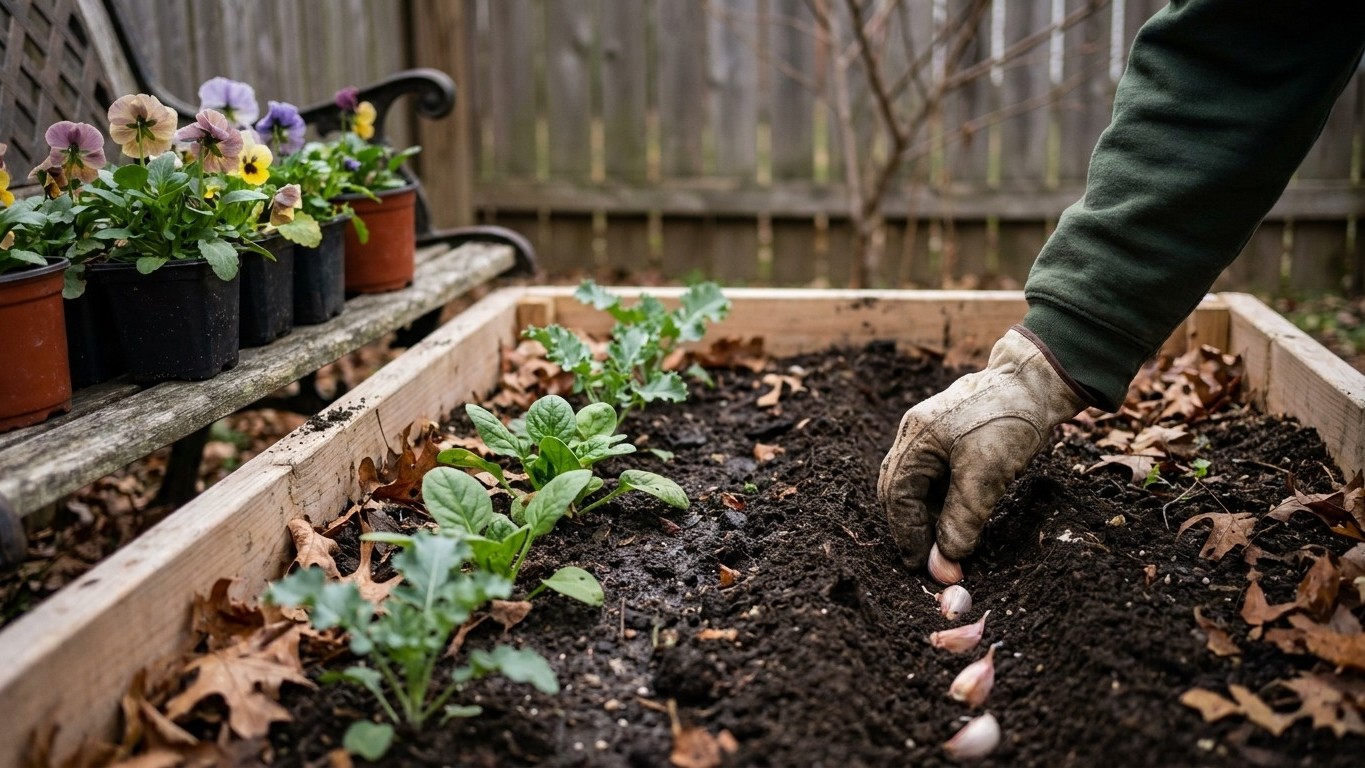
October is a planting month in Oklahoma, not a shutdown month. Garlic, shallots, and cool-season greens still go in the ground across most of the state…
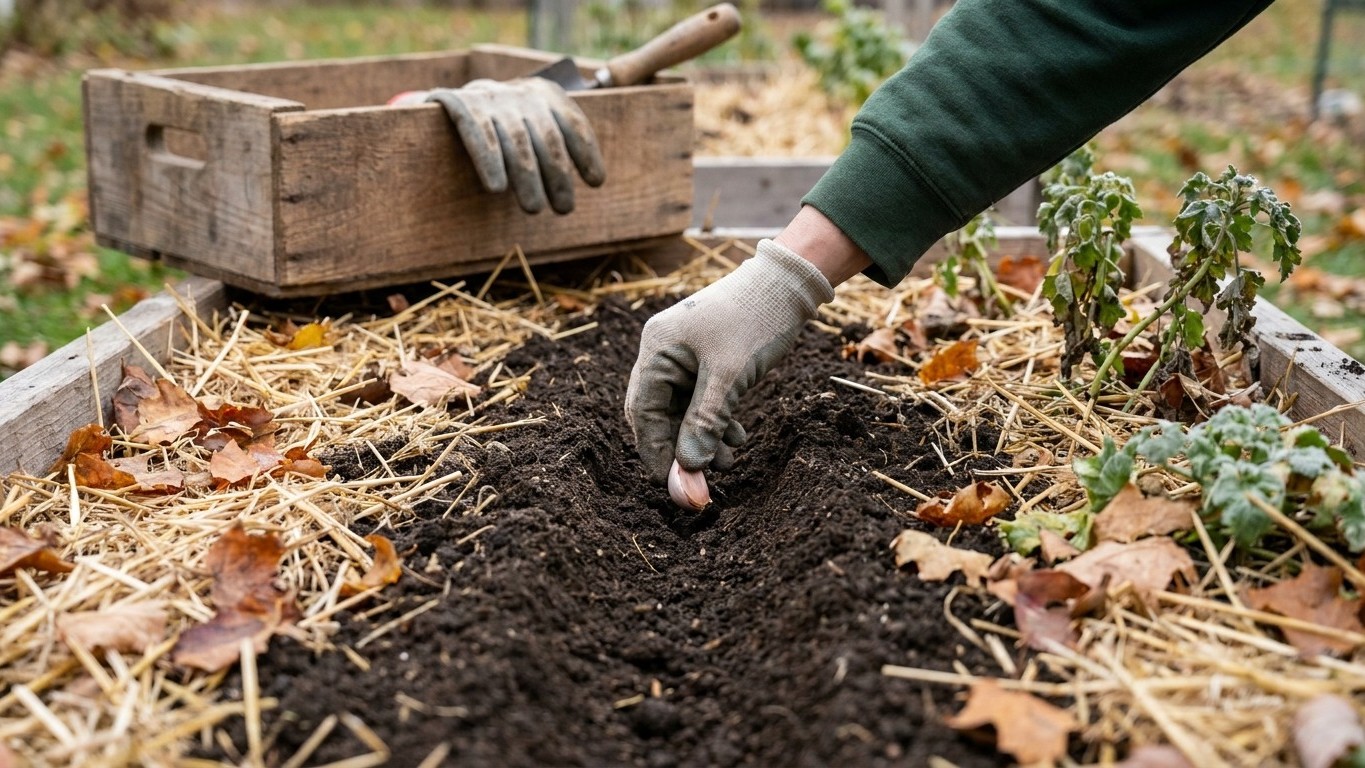
By November, Oklahoma’s open ground is mostly closed to new plantings, but not entirely.
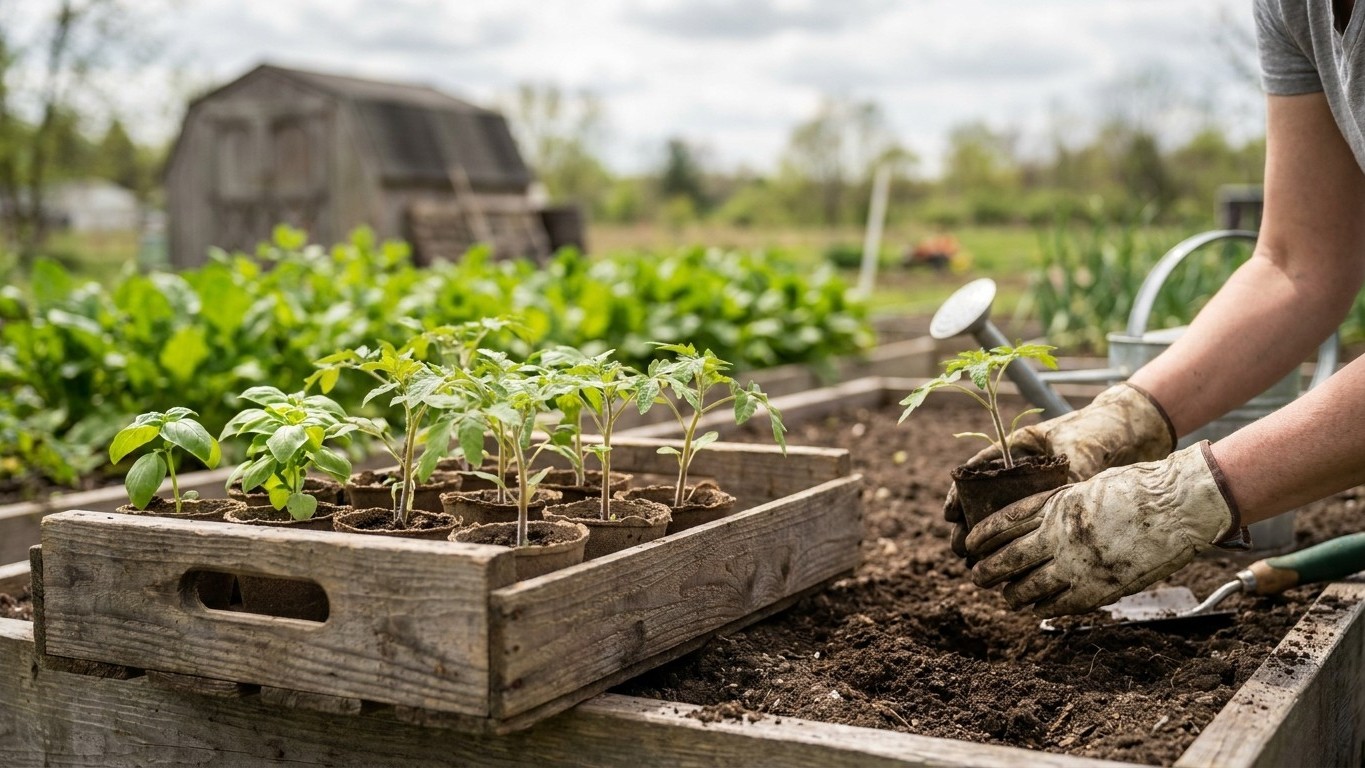
By May, Oklahoma’s spring frost risk has cleared at most reporting stations, so the state moves fully into warm-season planting: tomato and pepper…
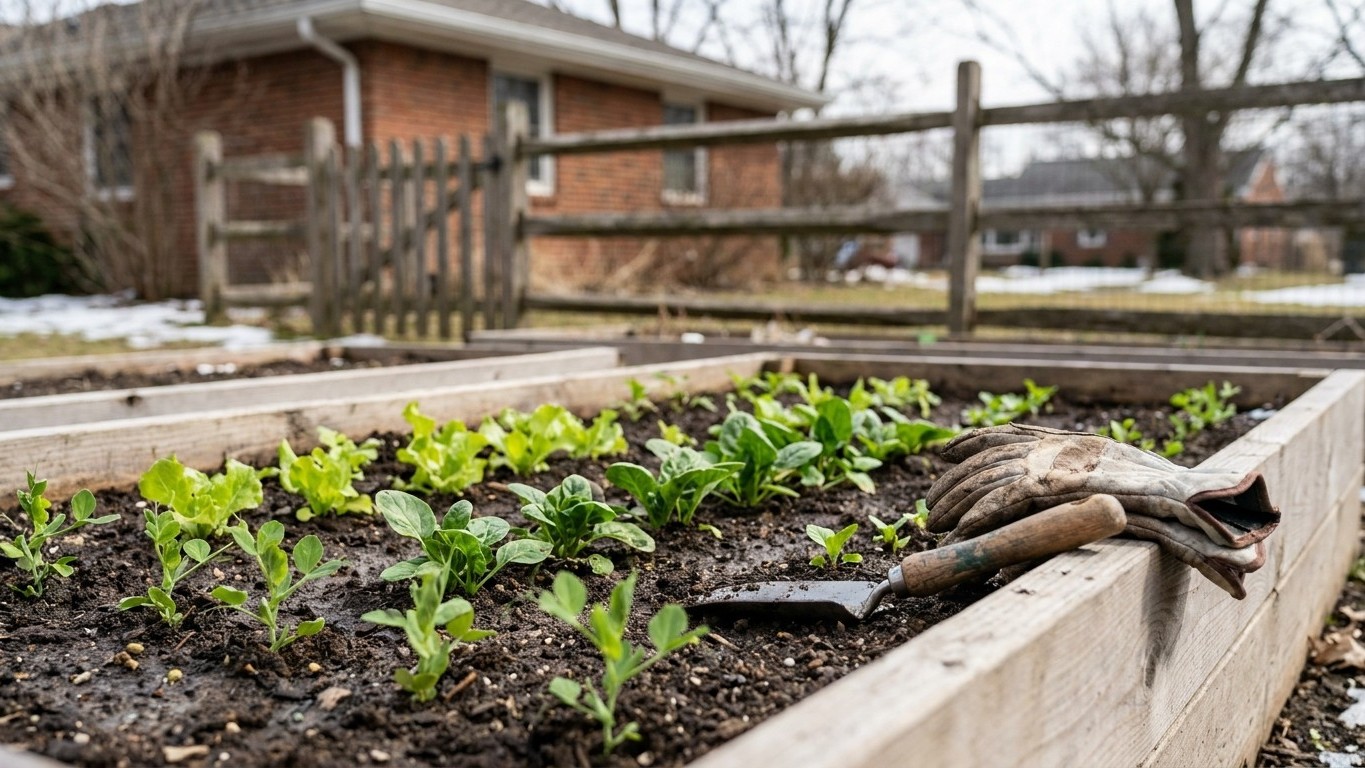
March in Oklahoma sits right on the edge of the frost line, so the answer depends on which week you mean.