Forcing Spring Bulbs Indoors in Ontario
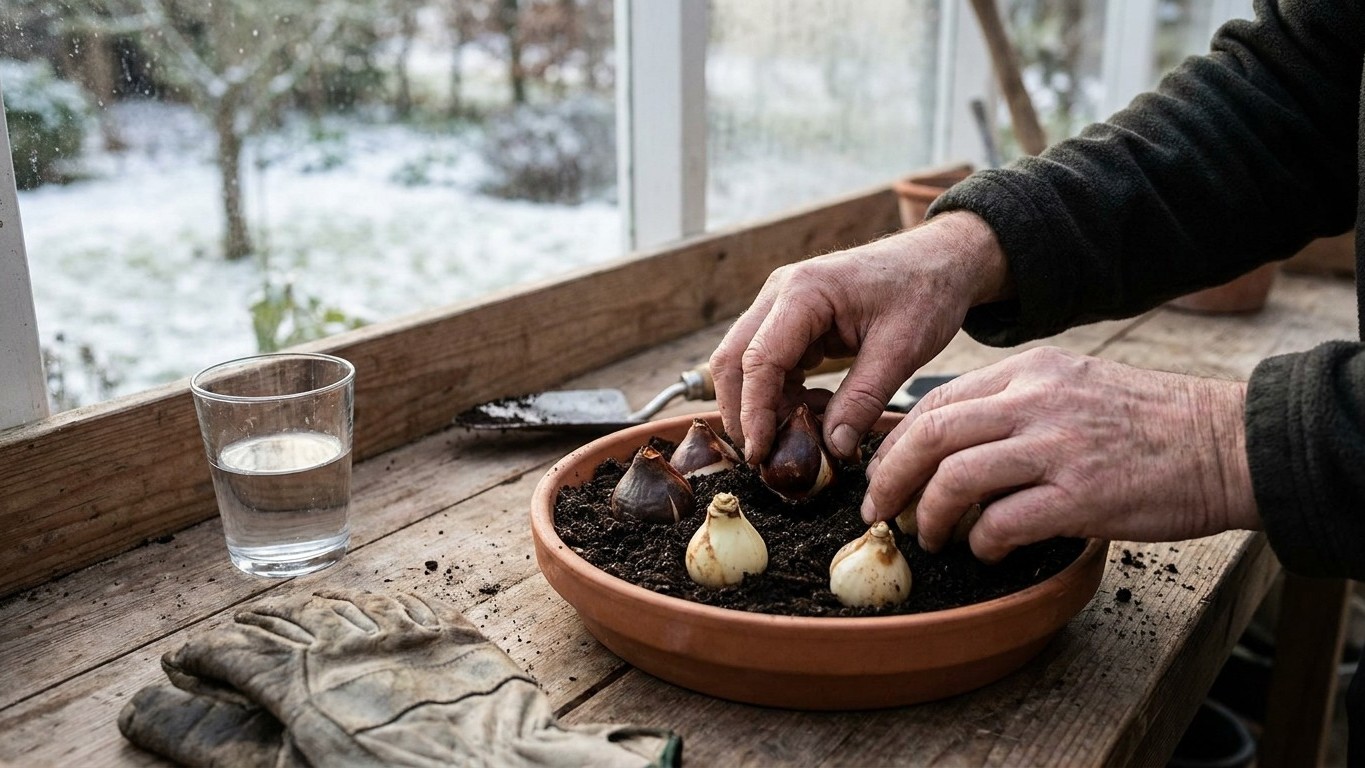
In Ontario, the mean daily minimum for the coldest month sits at 13.6°F, measured at the Toronto reference station.
Home & garden, state by state
Everything we have worked out for Ontario: what to plant and when, which varieties finish in time, the pests that actually turn up here, and the jobs that pay off month by month. We also cover the rest of the property, from lawns and soil to home care and energy, because a garden rarely stops at the vegetable bed.
The numbers first, because everything else follows from them. Measured at the weather station in Toronto, the last spring freeze falls around April 30 and the first fall freeze falls around October 16, 2,297 growing degree days in the year.
That is enough for early varieties, tight for anything late. Garlic does well: 30.4 weeks below 40 °F, comfortably past the six it needs to form a proper head.
Elsewhere on the property in Ontario: the pests that turn up here.
Figures from Environment and Climate Change Canada. A state is not one climate: elevation, a large lake or the coast can move these dates by two weeks either way, so check your own county with the extension service before you spend money.
In Ontario, the mean daily minimum for the coldest month sits at 13.6°F, measured at the Toronto reference station.
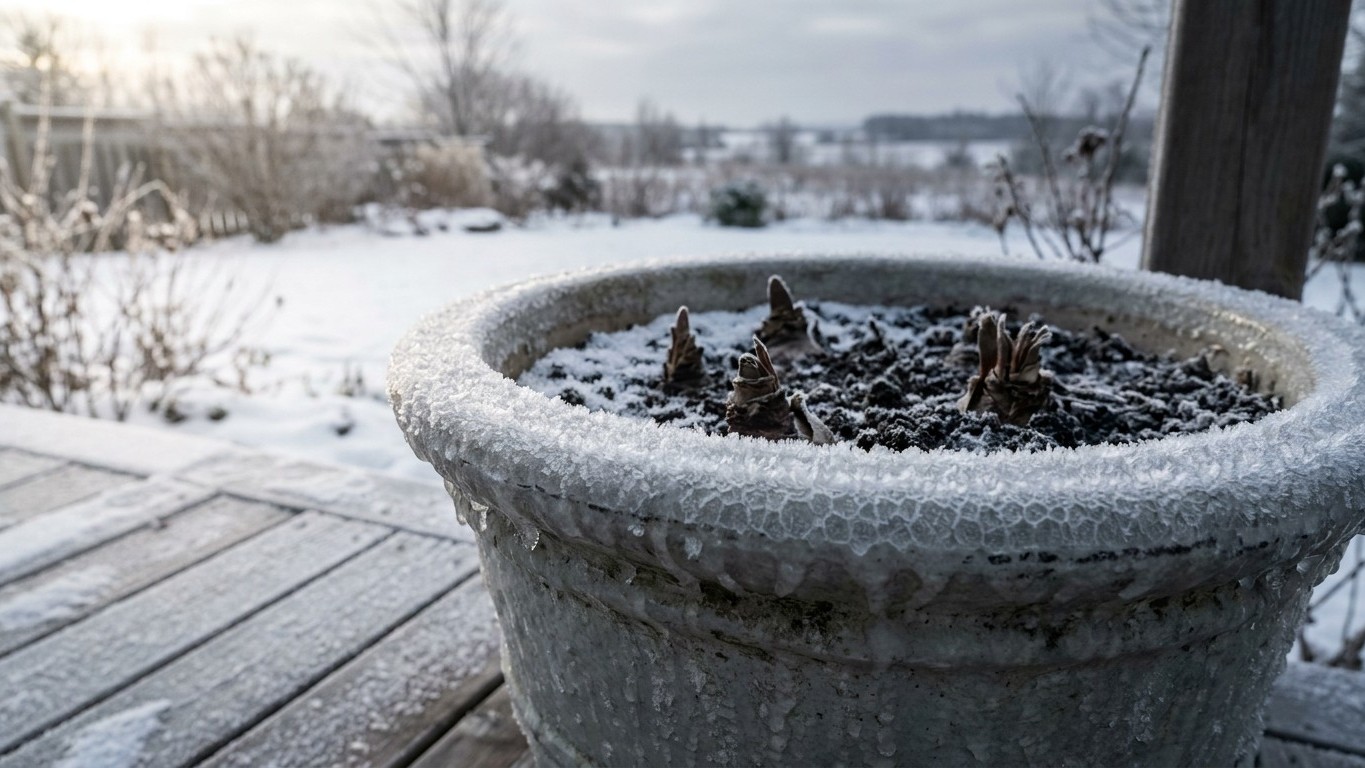
In containers, Ontario’s winter cold isn’t the problem, it’s already deeper and longer than most spring bulbs need.
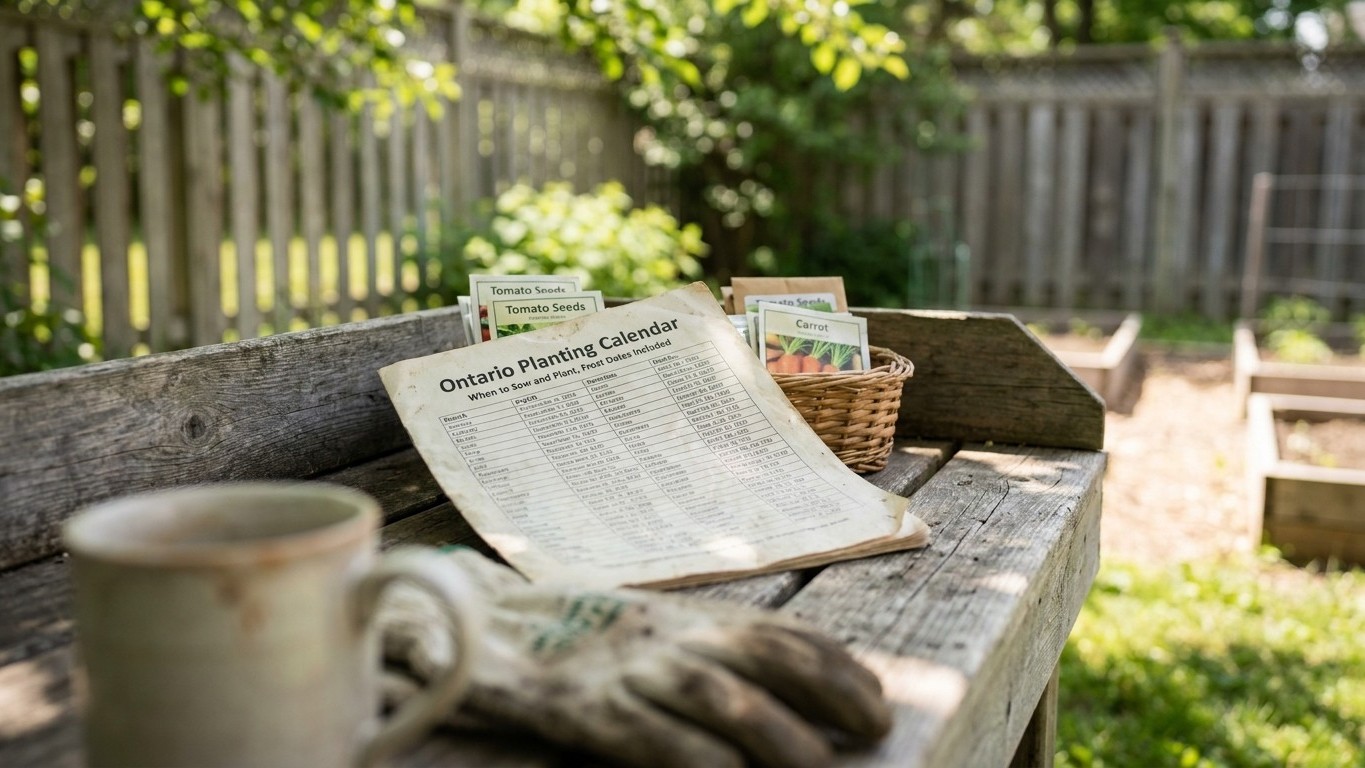
Ontario’s growing season runs from an average April 30 last frost to an October 16 first fall frost, per Environment Canada’s Toronto Pearson normals, with regional variation.
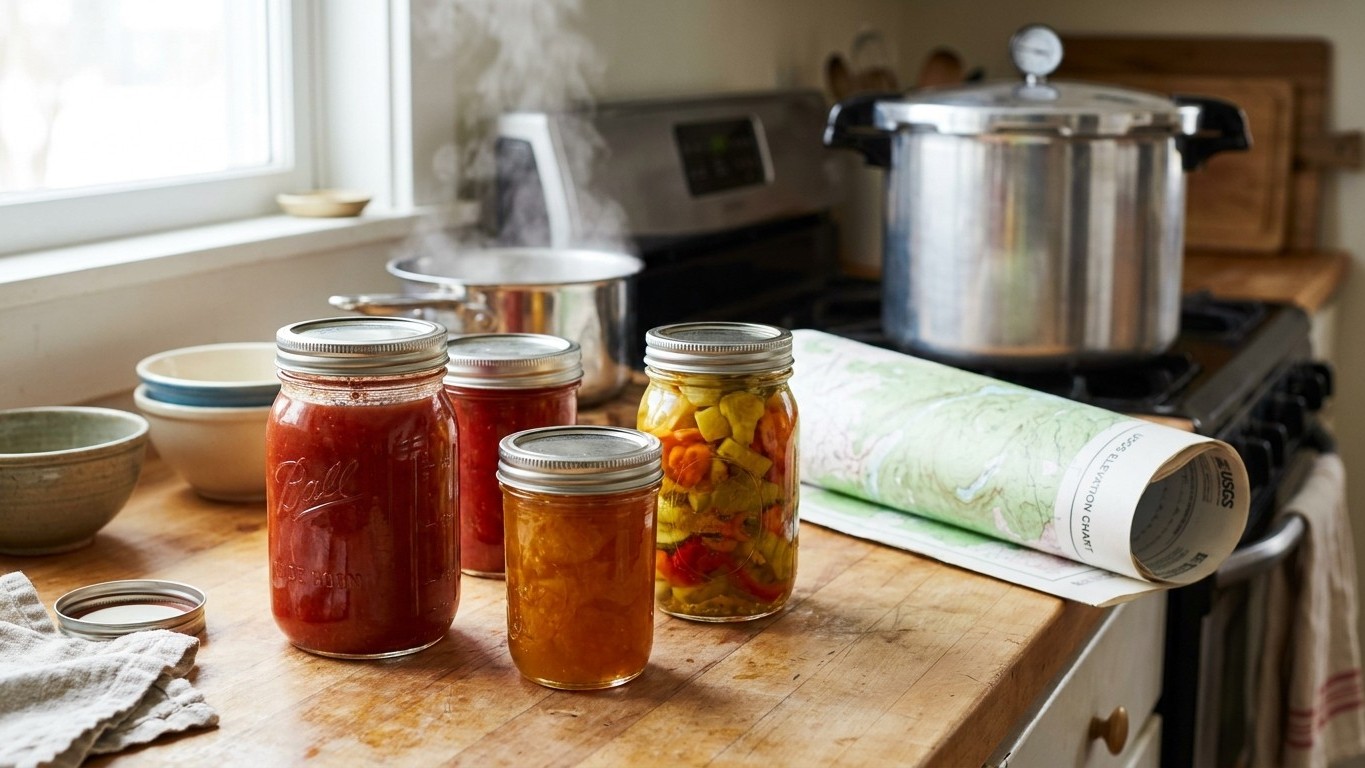
At 528 feet above sea level, Toronto (the reference city Open-Meteo/GeoNames uses for this region) sits well inside the 0-2,000 foot band where water…
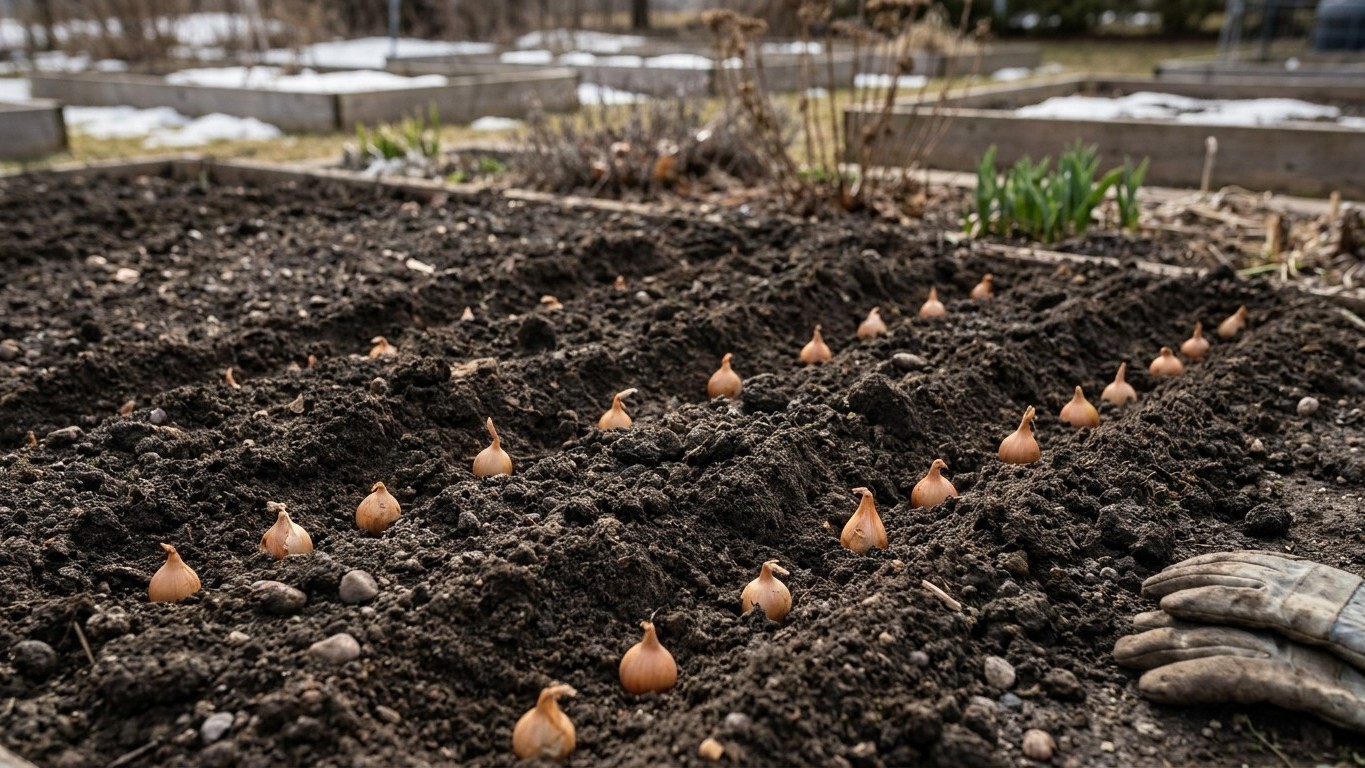
Plant onions in Ontario in early spring, not fall, and time it by day length rather than the calendar.
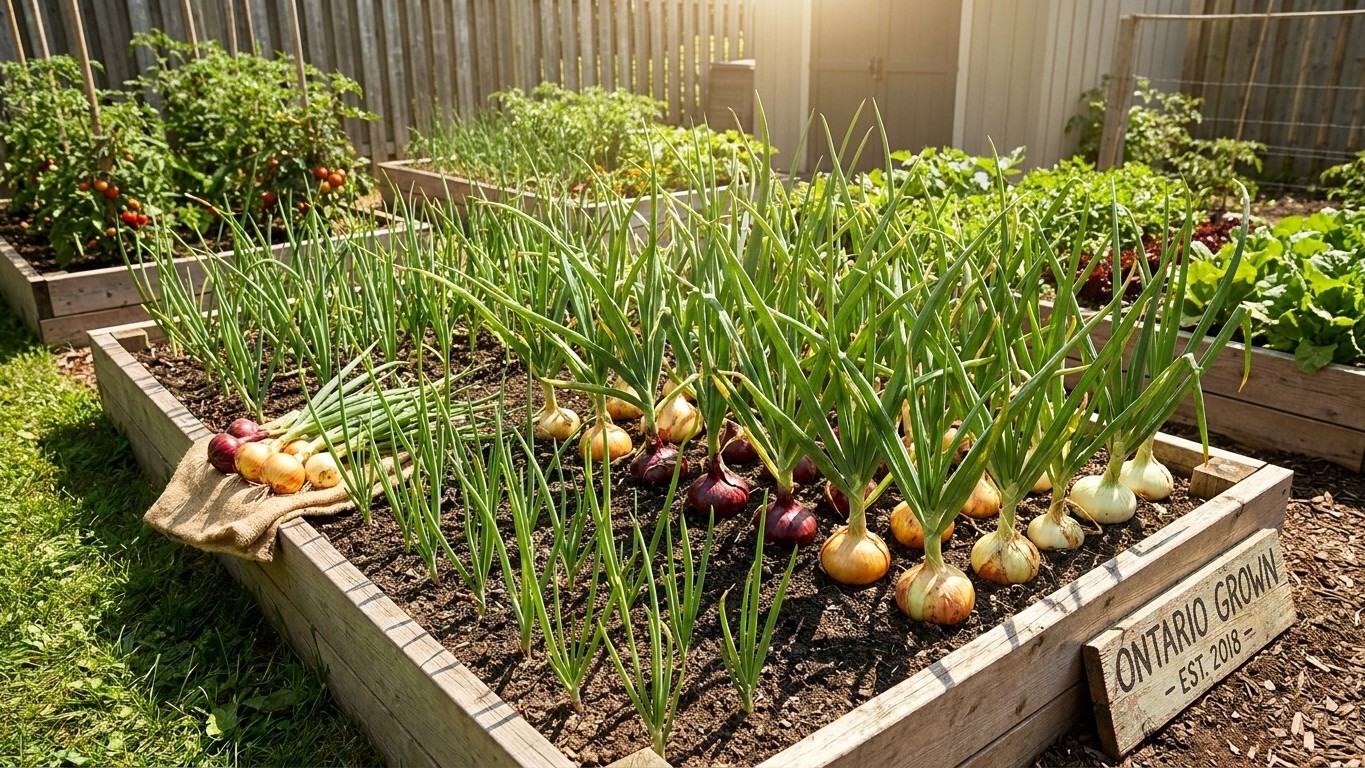
Onions grown in Ontario need to be long-day or intermediate-day varieties, full stop.
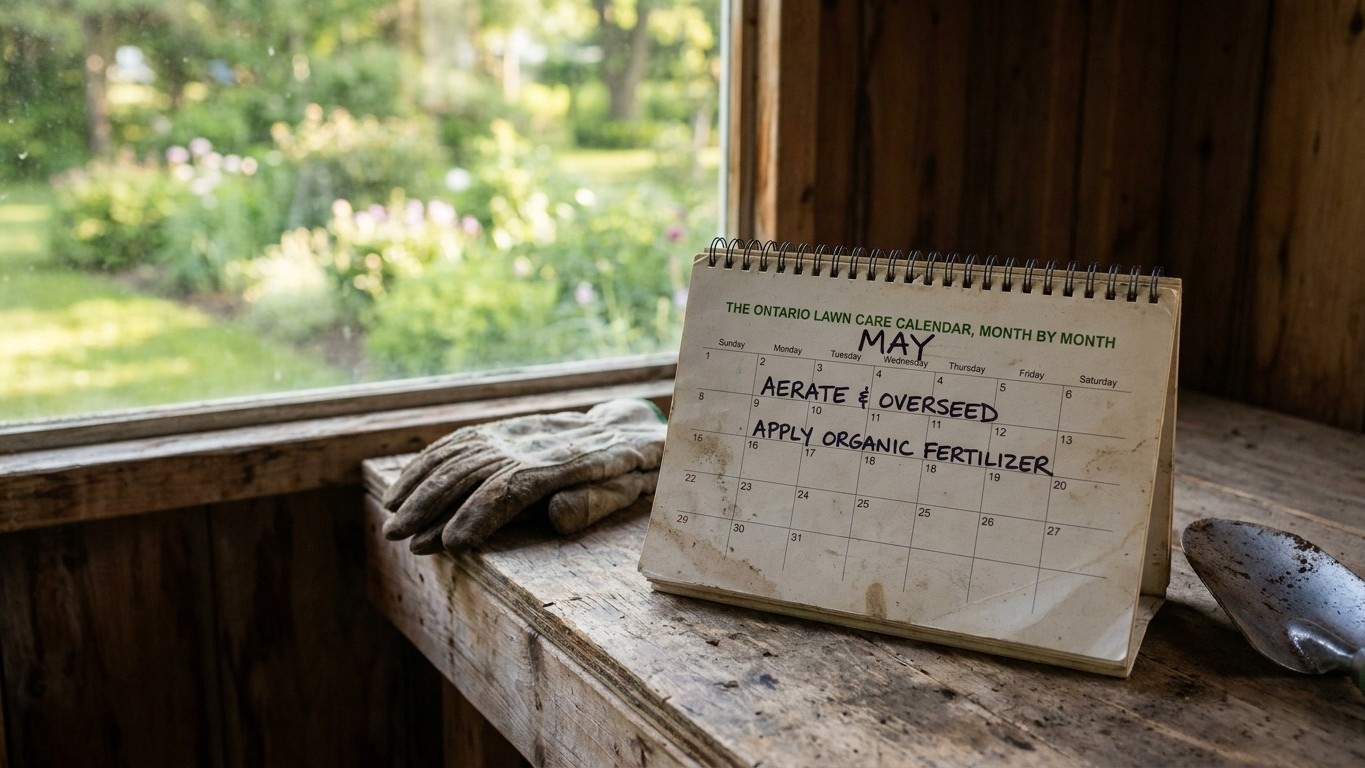
A month-by-month guide to mowing height, nitrogen timing, aeration and overseeding for Ontario’s cool-season lawns, built around Toronto’s average frost date.
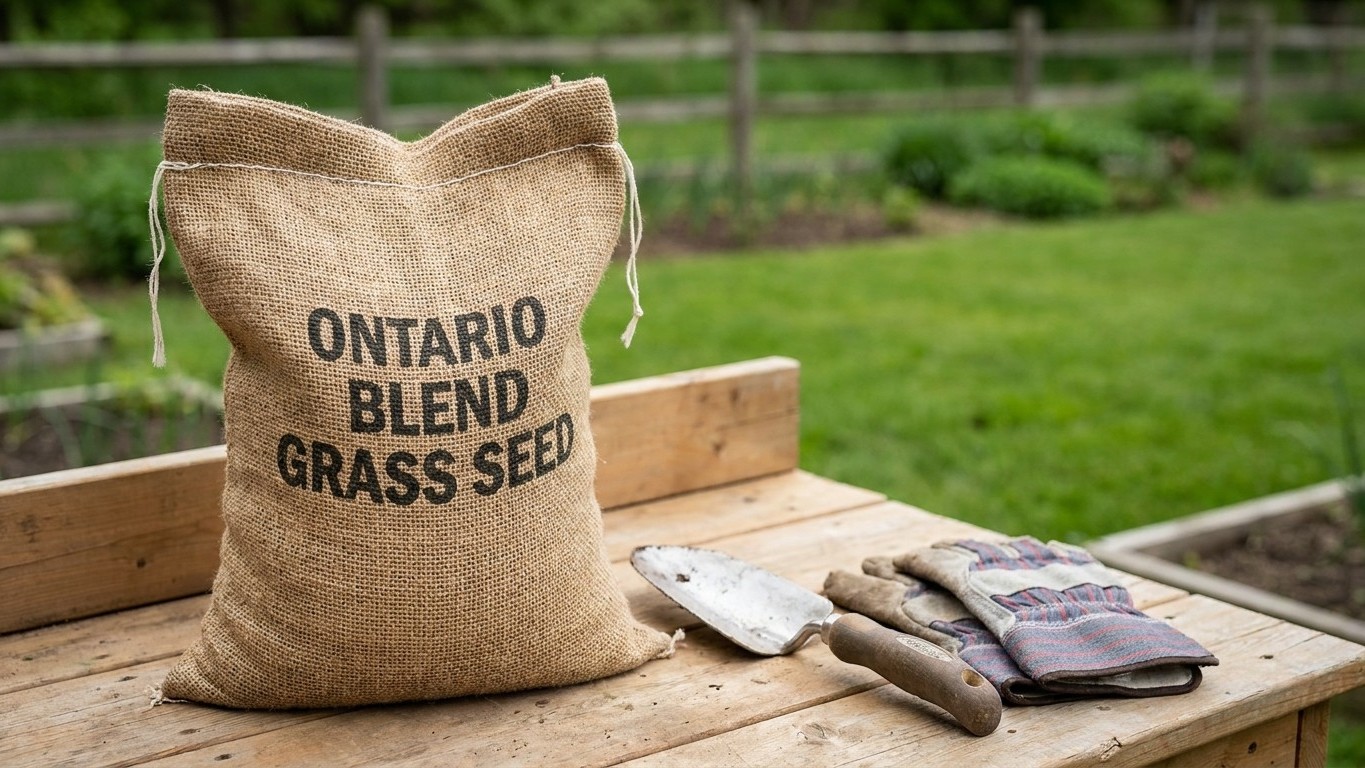
Explains why Ontario lawns need cool-season grass species, ranks Kentucky bluegrass, ryegrass and fescues by trade-off, and gives the fall seeding window before frost.
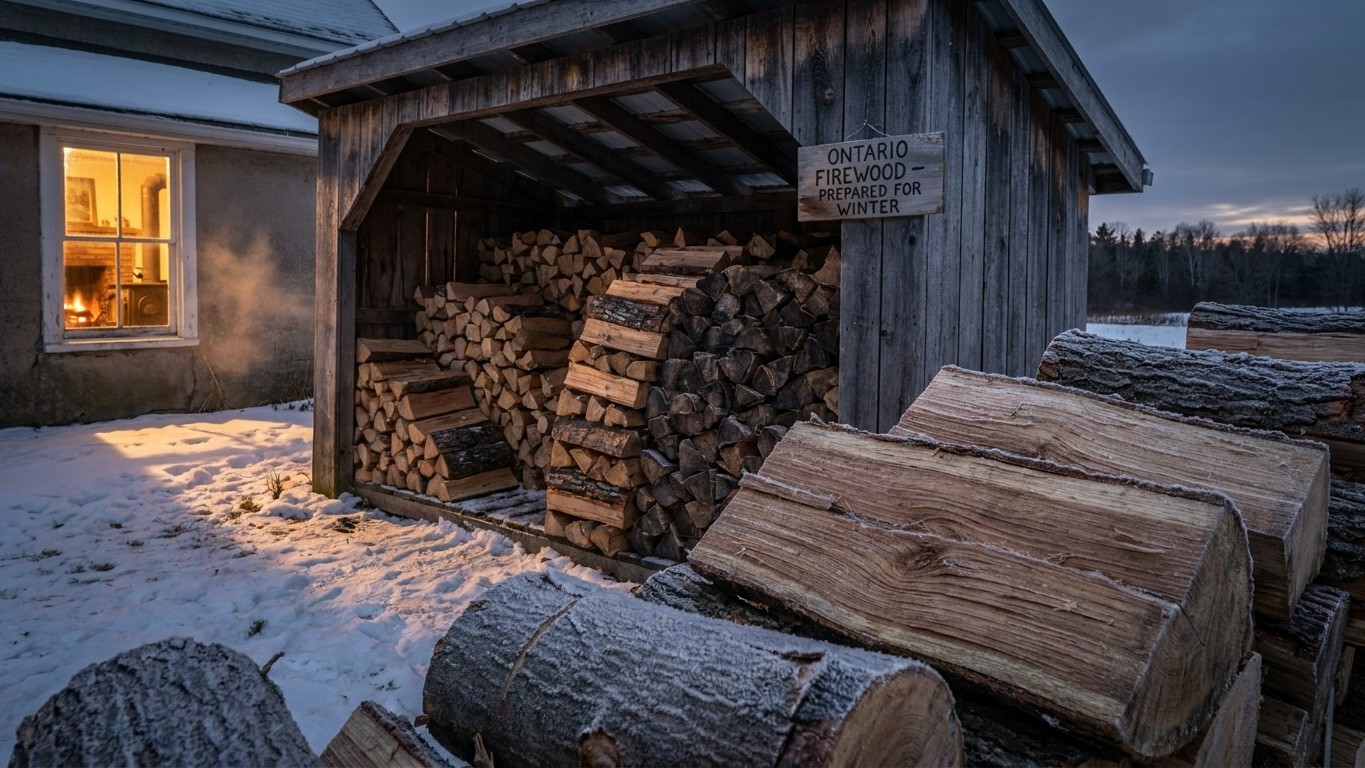
Toronto’s coldest month averages a nightly low of 13.6°F, according to Environment and Climate Change Canada’s 1981-2010 climate normals.
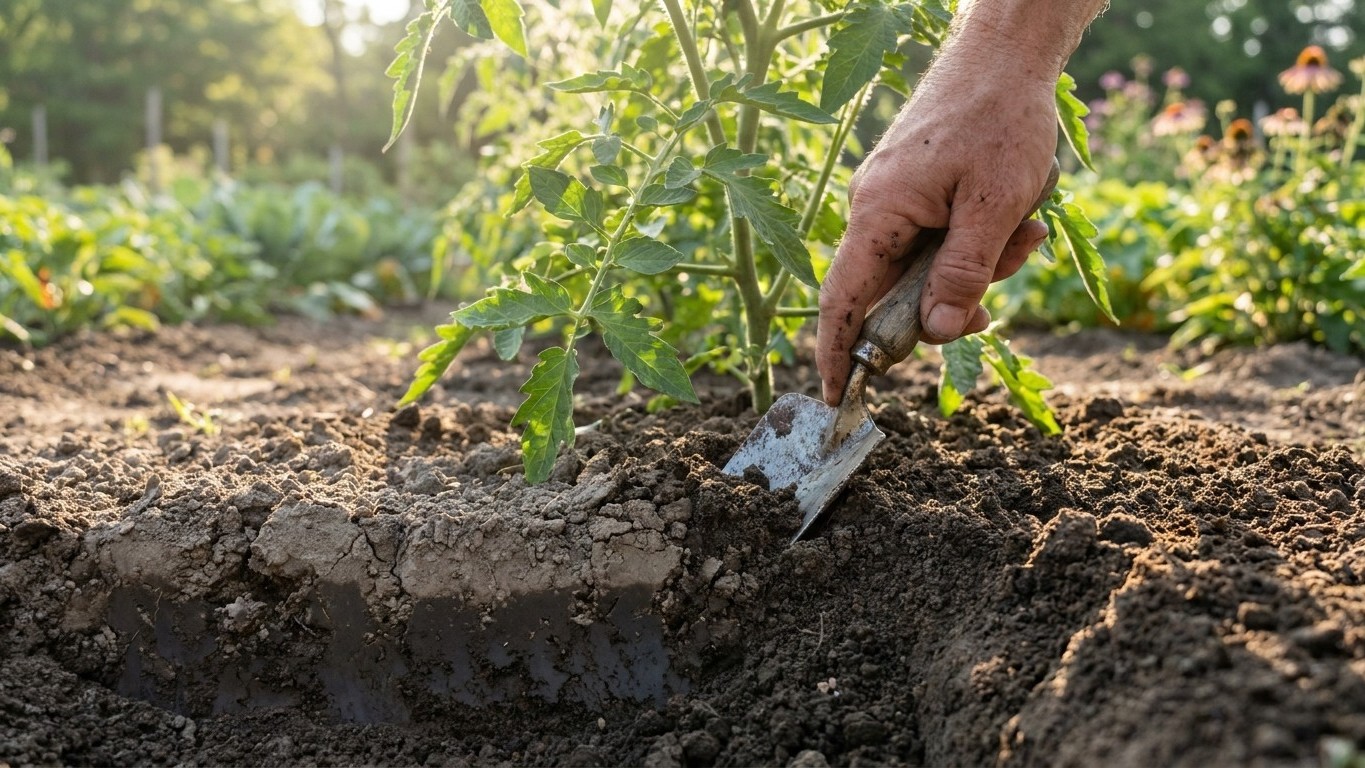
Ontario’s climate rarely pushes gardens into true heat stress, so the real skill is matching water to soil type and to what’s actually dry at root depth…