What to Plant in Ontario in January
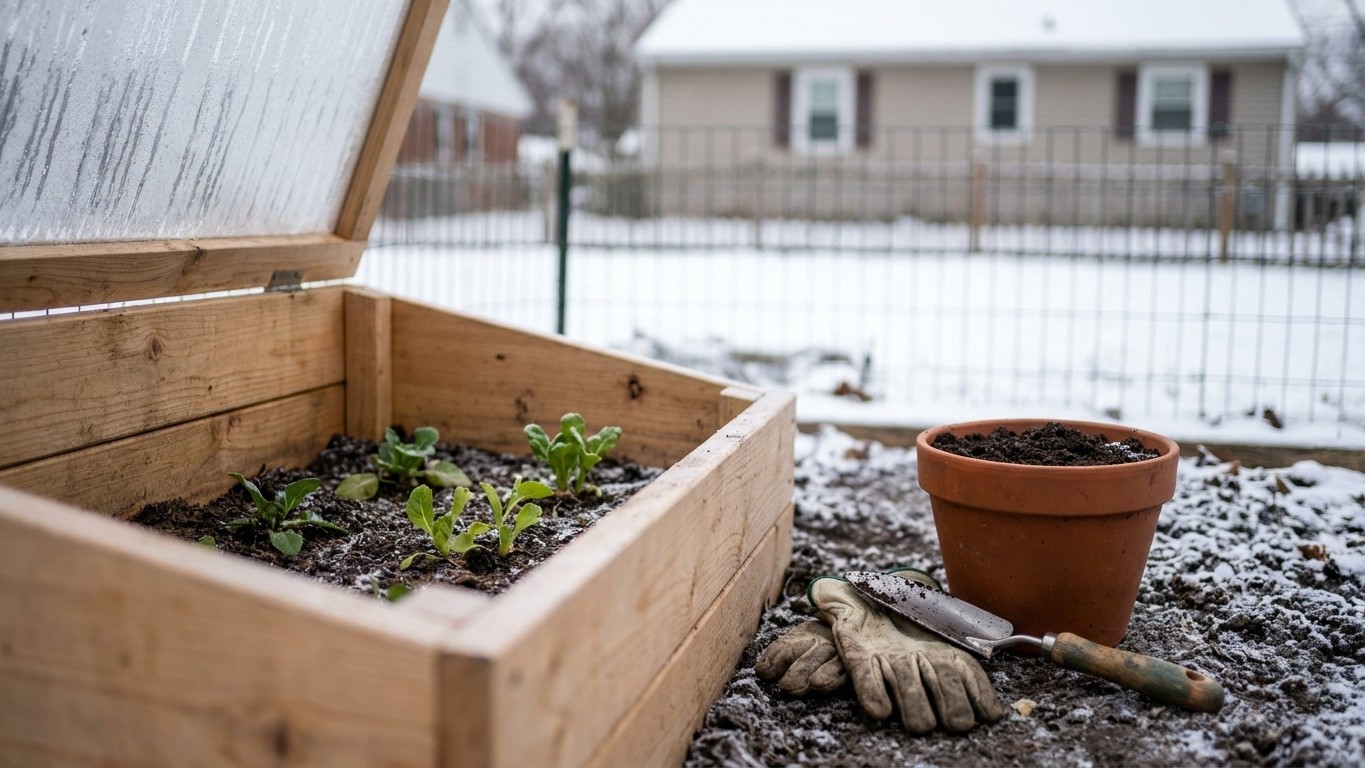
January in Ontario means frozen ground, short daylight, and a growing season that is still three to four months away.
Home & garden, state by state
Everything we have worked out for Ontario: what to plant and when, which varieties finish in time, the pests that actually turn up here, and the jobs that pay off month by month. We also cover the rest of the property, from lawns and soil to home care and energy, because a garden rarely stops at the vegetable bed.
The numbers first, because everything else follows from them. Measured at the weather station in Toronto, the last spring freeze falls around April 30 and the first fall freeze falls around October 16, 2,297 growing degree days in the year.
That is enough for early varieties, tight for anything late. Garlic does well: 30.4 weeks below 40 °F, comfortably past the six it needs to form a proper head.
Elsewhere on the property in Ontario: the pests that turn up here.
Figures from Environment and Climate Change Canada. A state is not one climate: elevation, a large lake or the coast can move these dates by two weeks either way, so check your own county with the extension service before you spend money.
January in Ontario means frozen ground, short daylight, and a growing season that is still three to four months away.
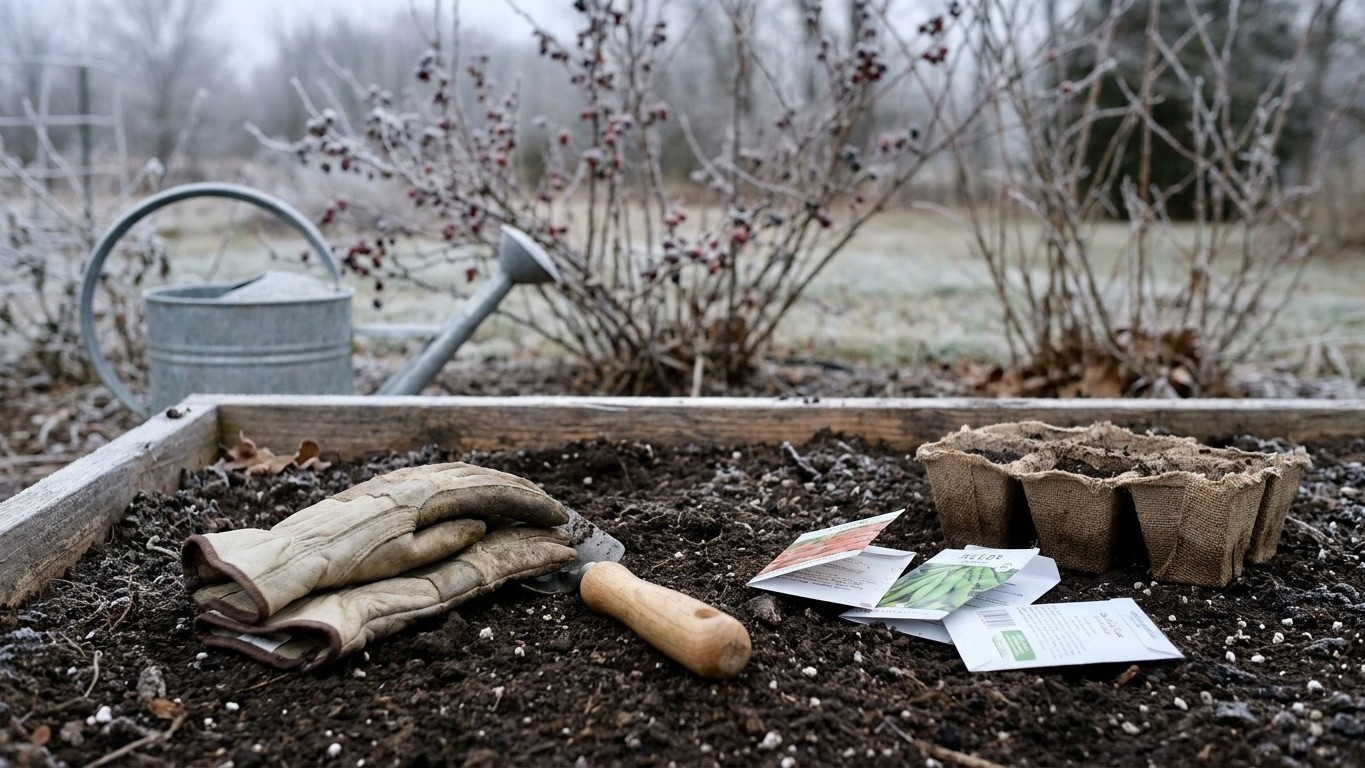
February in Ontario sits close to the coldest point of the year, roughly three months before the province’s average last frost.
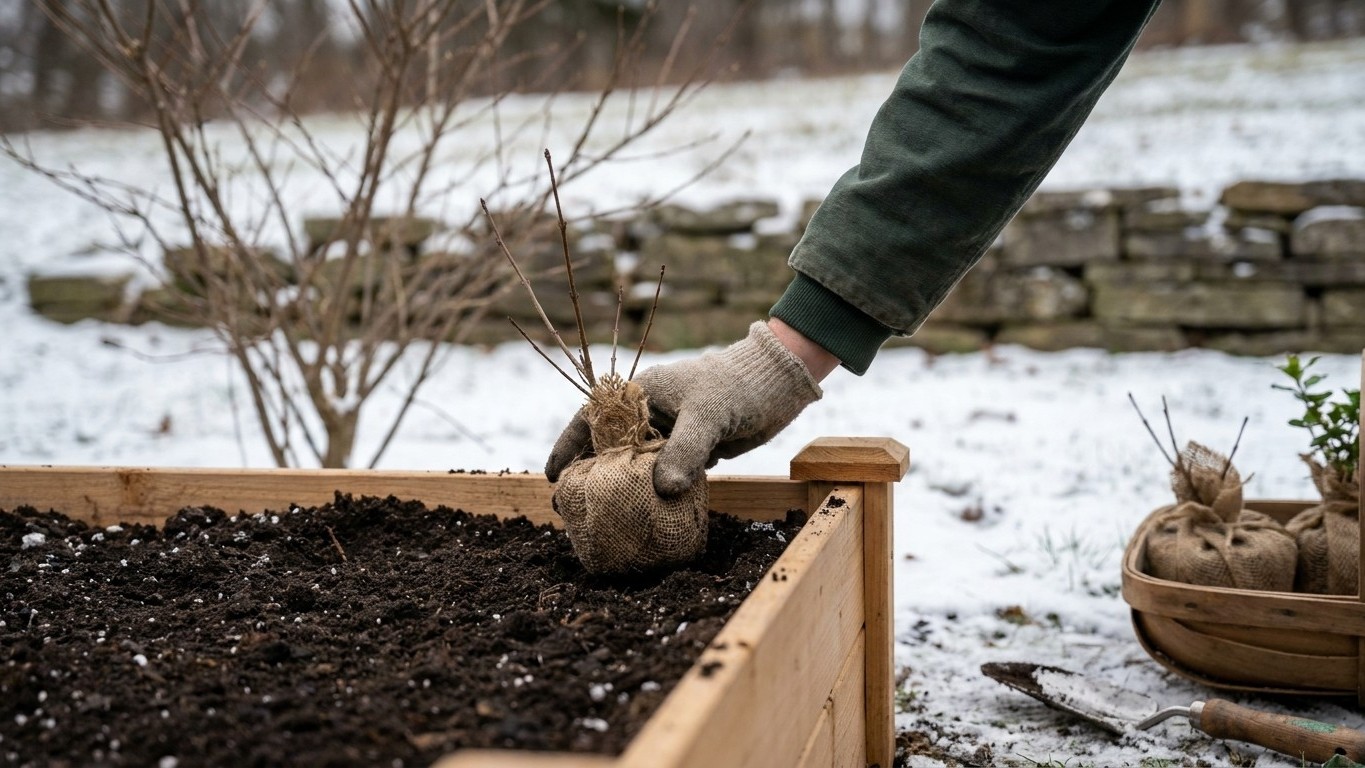
December in Ontario means the ground is closed for business almost everywhere in the province.
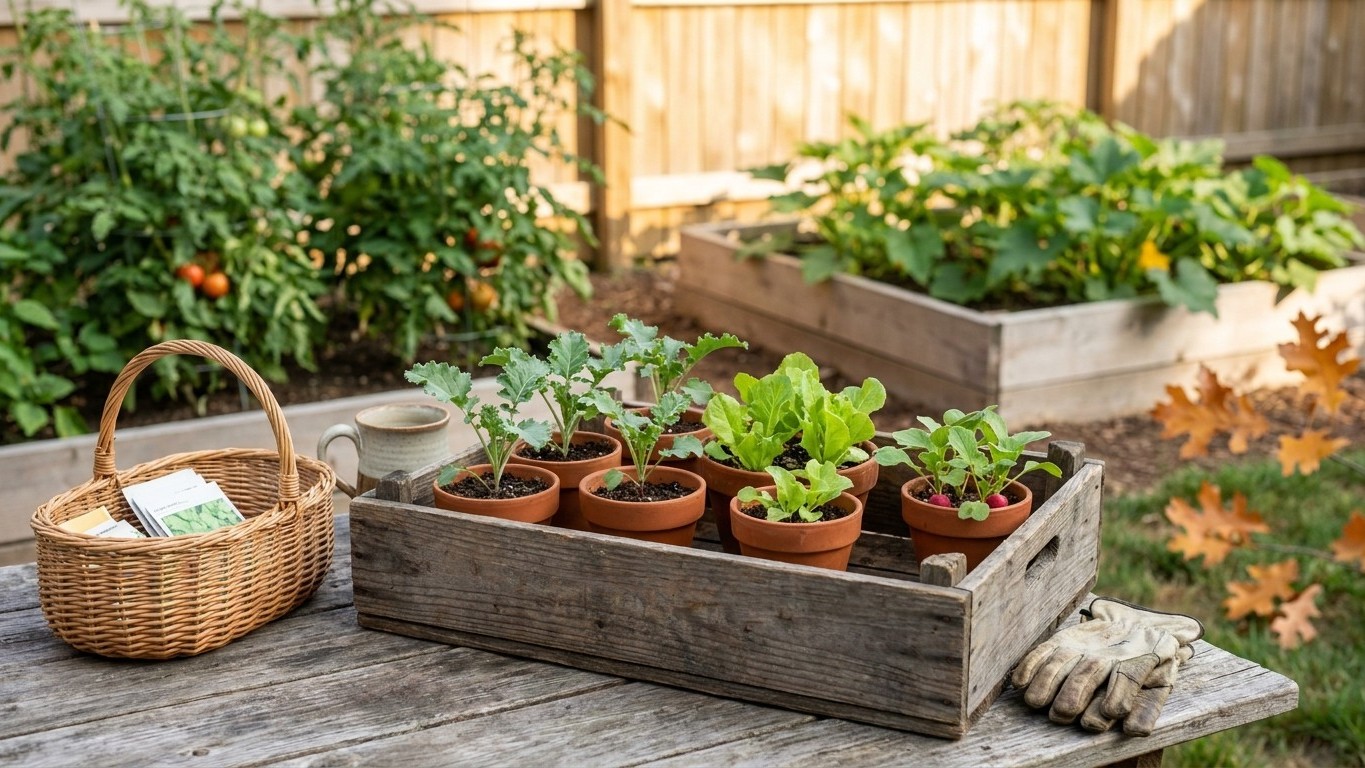
In Ontario, August sits deep in the growing season: roughly fourteen weeks after the mean last spring frost of April 30, and about ten weeks before the…
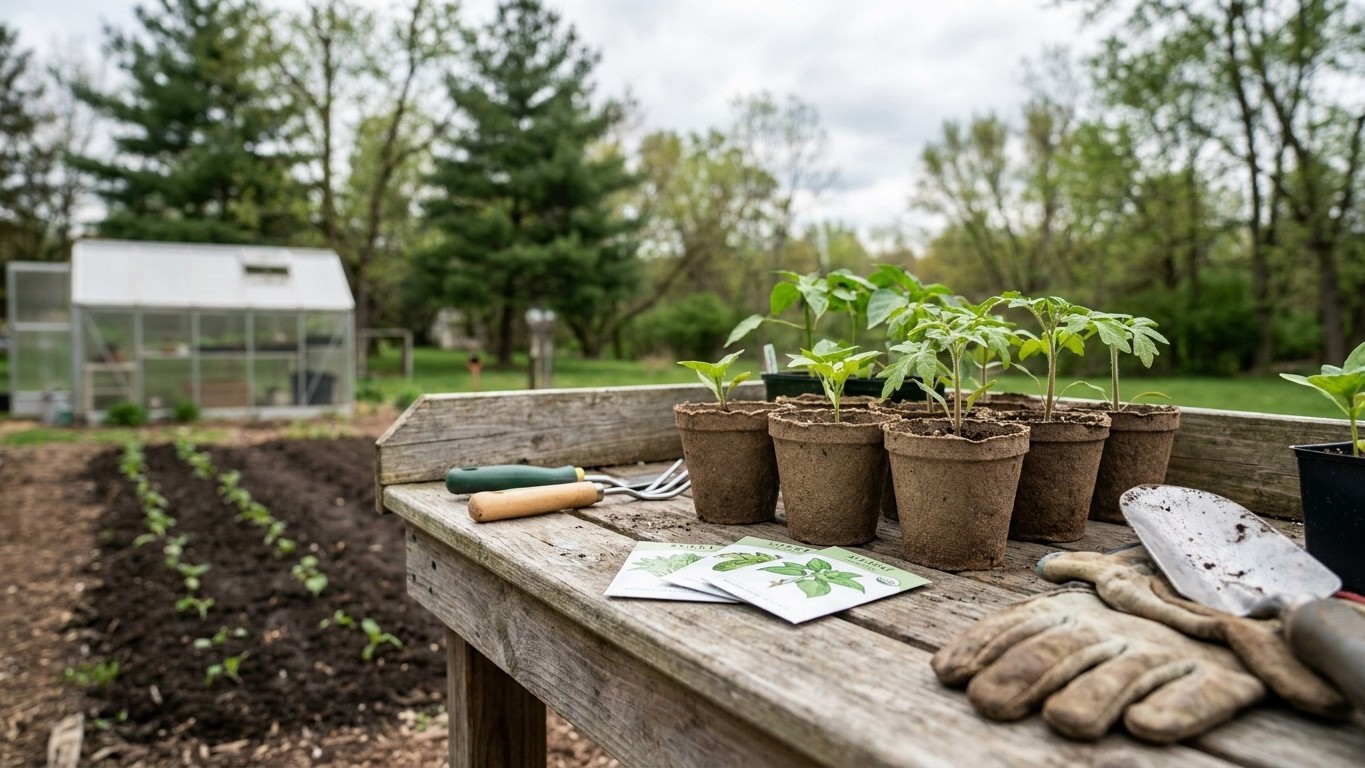
April in Ontario sits right on top of the average last frost date, so the ground rules are simple: cold-hardy crops like peas, spinach, lettuce, and…
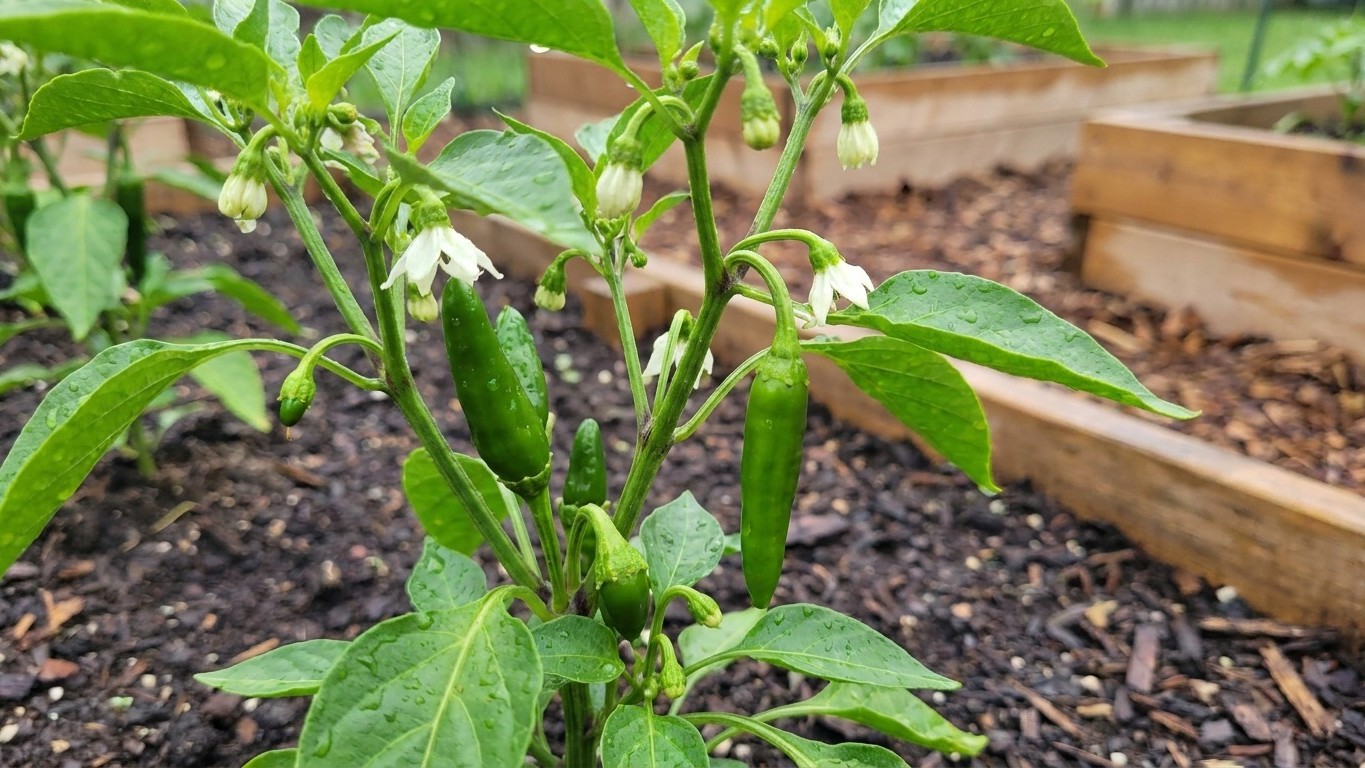
Ontario’s growing season delivers almost no days above 90°F, the heat threshold that shuts down pepper fruit set.
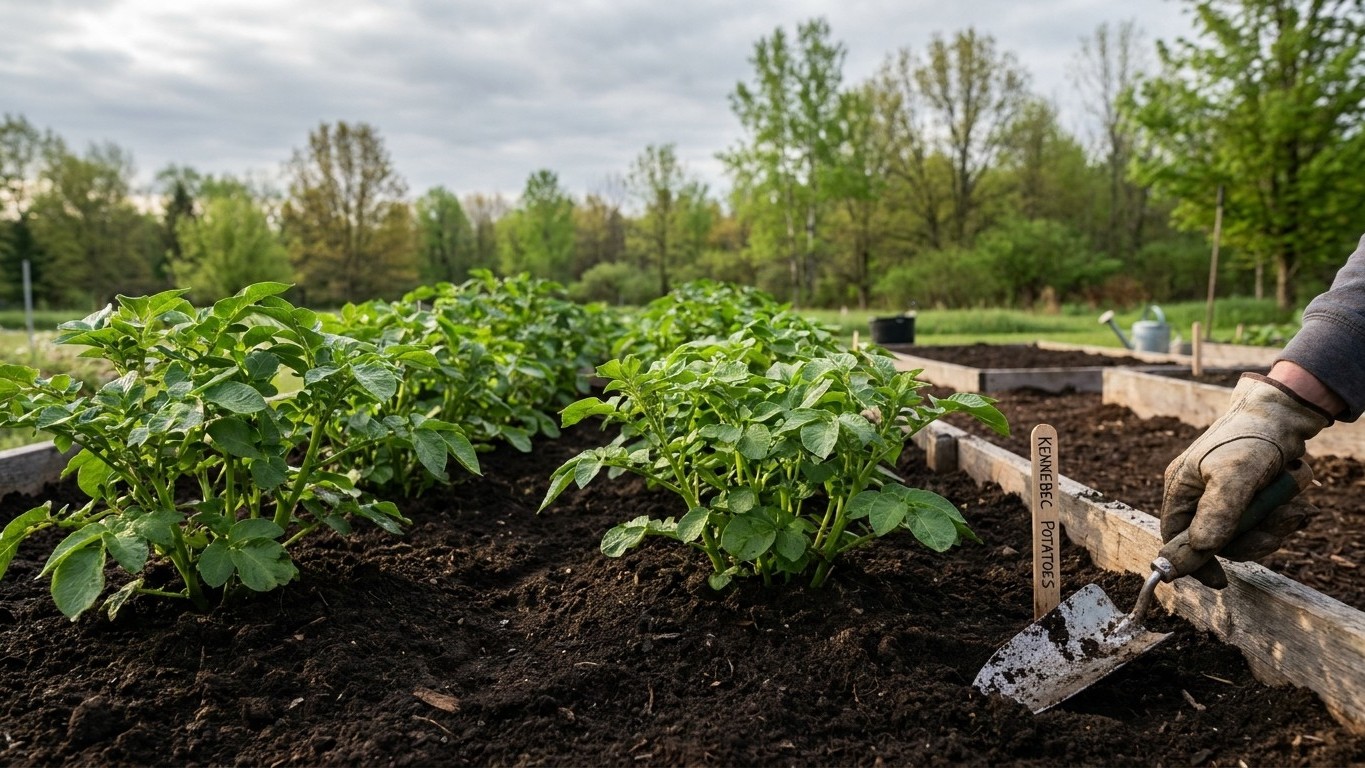
Ontario growers get a rare break: the Toronto reference station logs an average of 0.0 days a year at 90 F or above, according to Environment and Climate…
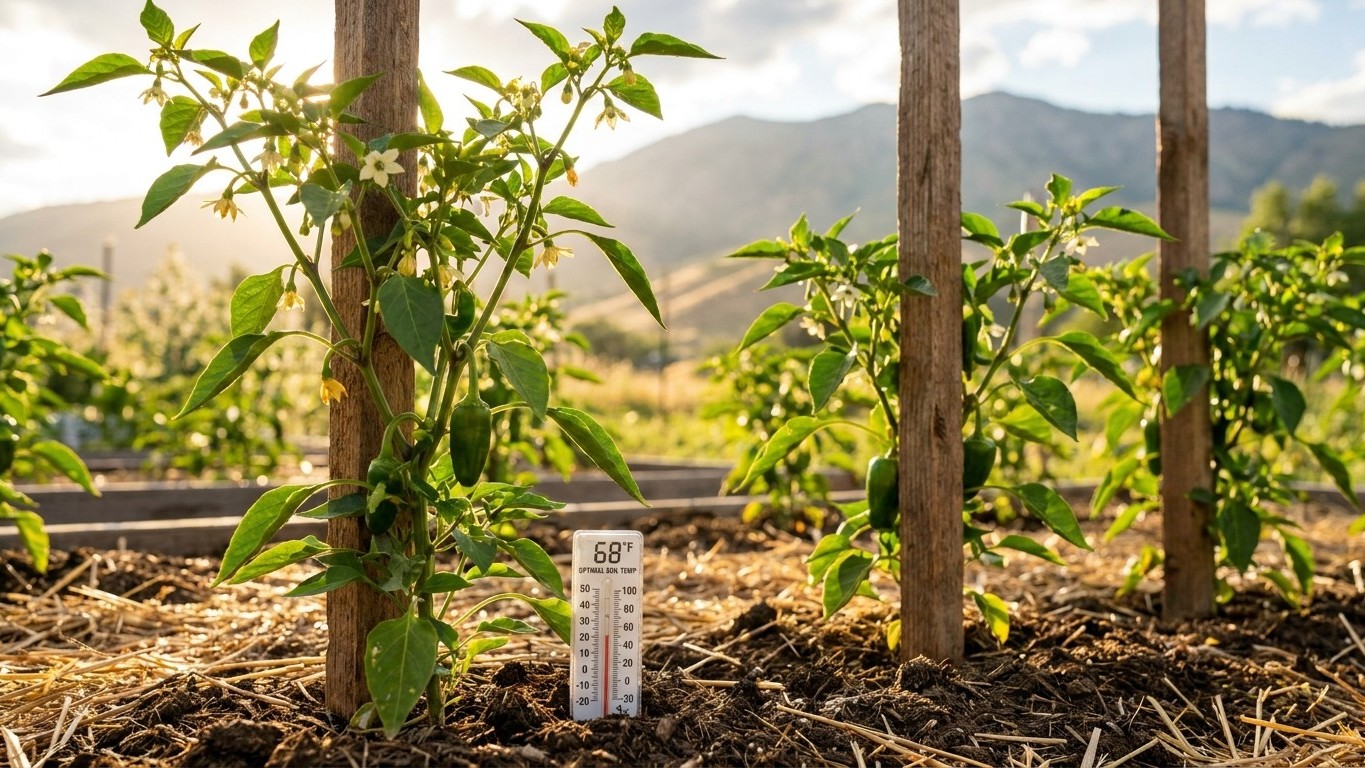
In Ontario, the Toronto reference station logs a mean of 0.0 days a year at or above 90°F, which means pepper plants here almost never face the…
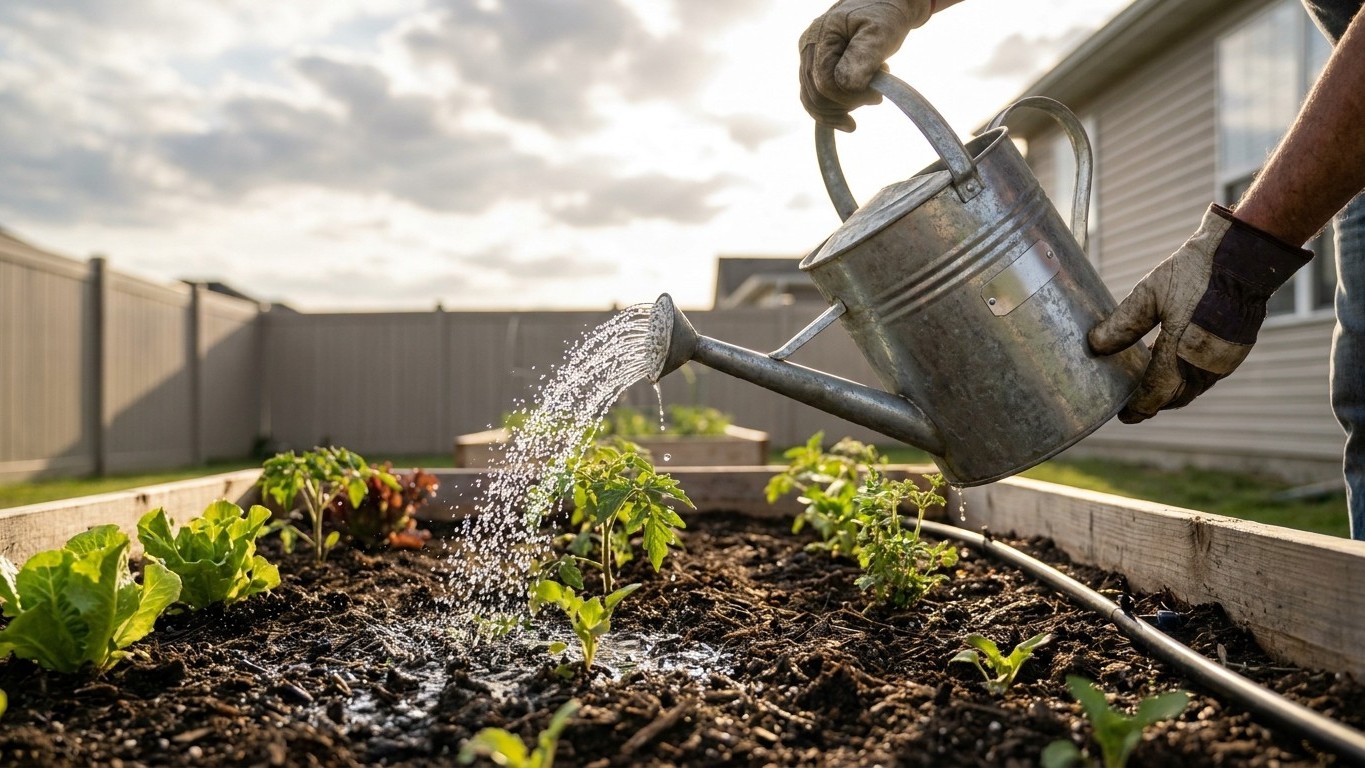
Ontario gardens get a decent hand from the sky most summers, but 2.81 inches of rain in June still won’t carry a bed through two dry, breezy weeks…
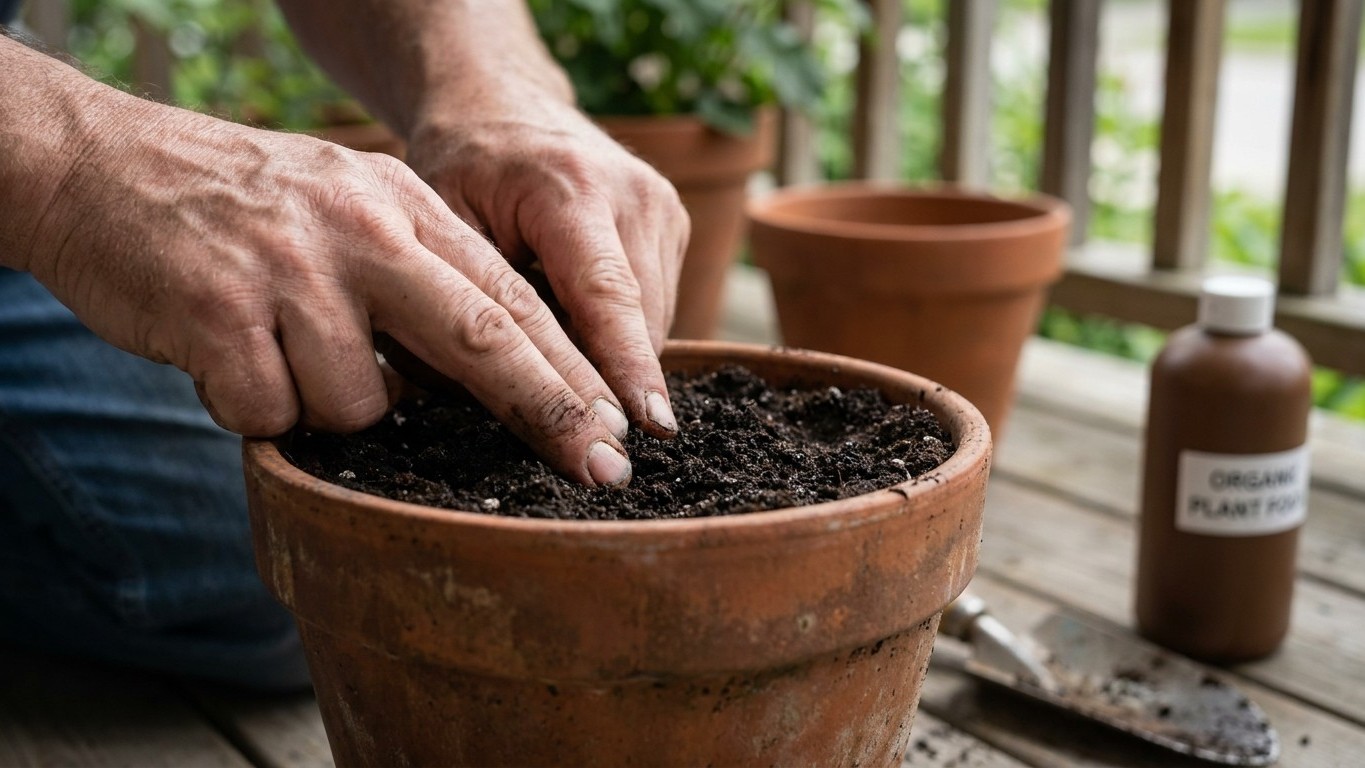
In Ontario, containers need watering far more often than garden beds, because potting mix holds only a fraction of the reserve that native ground soil…