Garden Pests in Rhode Island: What Shows Up, When, and How to Stop It
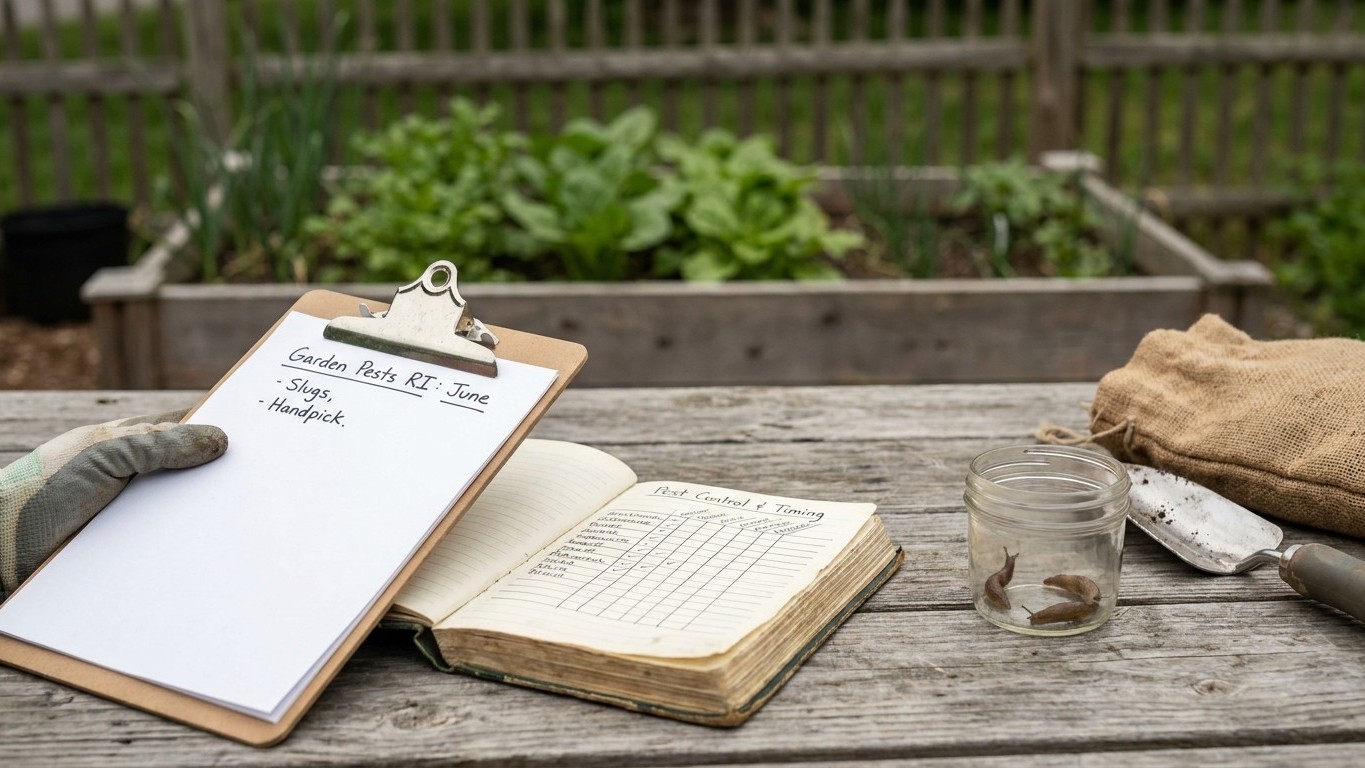
A season-by-season look at Rhode Island’s most common garden pests, with identification tips, damage signs, and control options from URI Extension.
Home & garden, state by state
Everything we have worked out for Rhode Island: what to plant and when, which varieties finish in time, the pests that actually turn up here, and the jobs that pay off month by month. We also cover the rest of the property, from lawns and soil to home care and energy, because a garden rarely stops at the vegetable bed.
The numbers first, because everything else follows from them. Measured at the weather station in Providence, the last spring freeze runs April 7 to April 17 and the first fall freeze runs October 24 to November 3, USDA zones 6a-7b, 3,229 growing degree days in the year.
Garlic does well: 26.1 weeks below 40 °F, comfortably past the six it needs to form a proper head.
Elsewhere on the property in Rhode Island: the pests that turn up here.
Figures from NOAA's 1991-2020 climate normals. A state is not one climate: elevation, a large lake or the coast can move these dates by two weeks either way, so check your own county with the extension service before you spend money.
A season-by-season look at Rhode Island’s most common garden pests, with identification tips, damage signs, and control options from URI Extension.
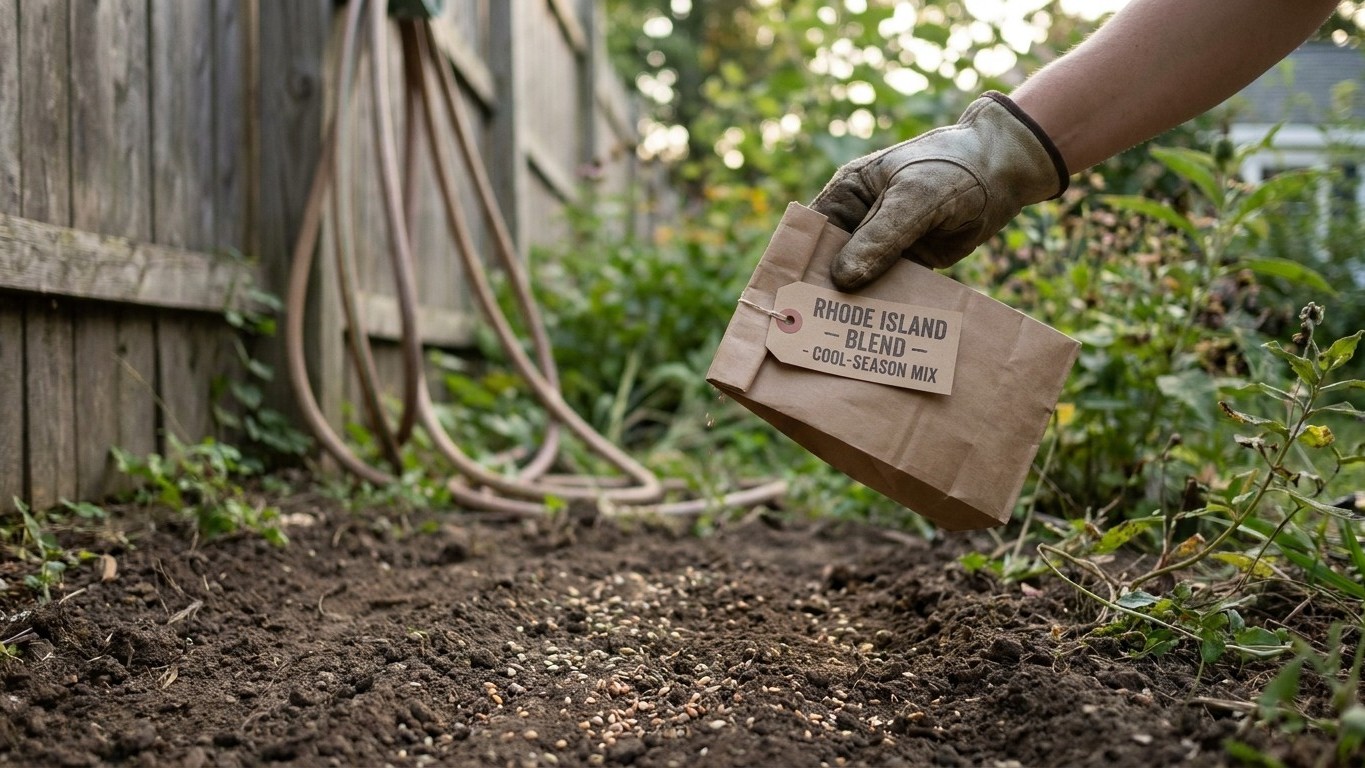
A county-by-county guide to picking cool-season grass seed in Rhode Island, with the fall seeding window measured from Providence’s frost data and species trade-offs explained.
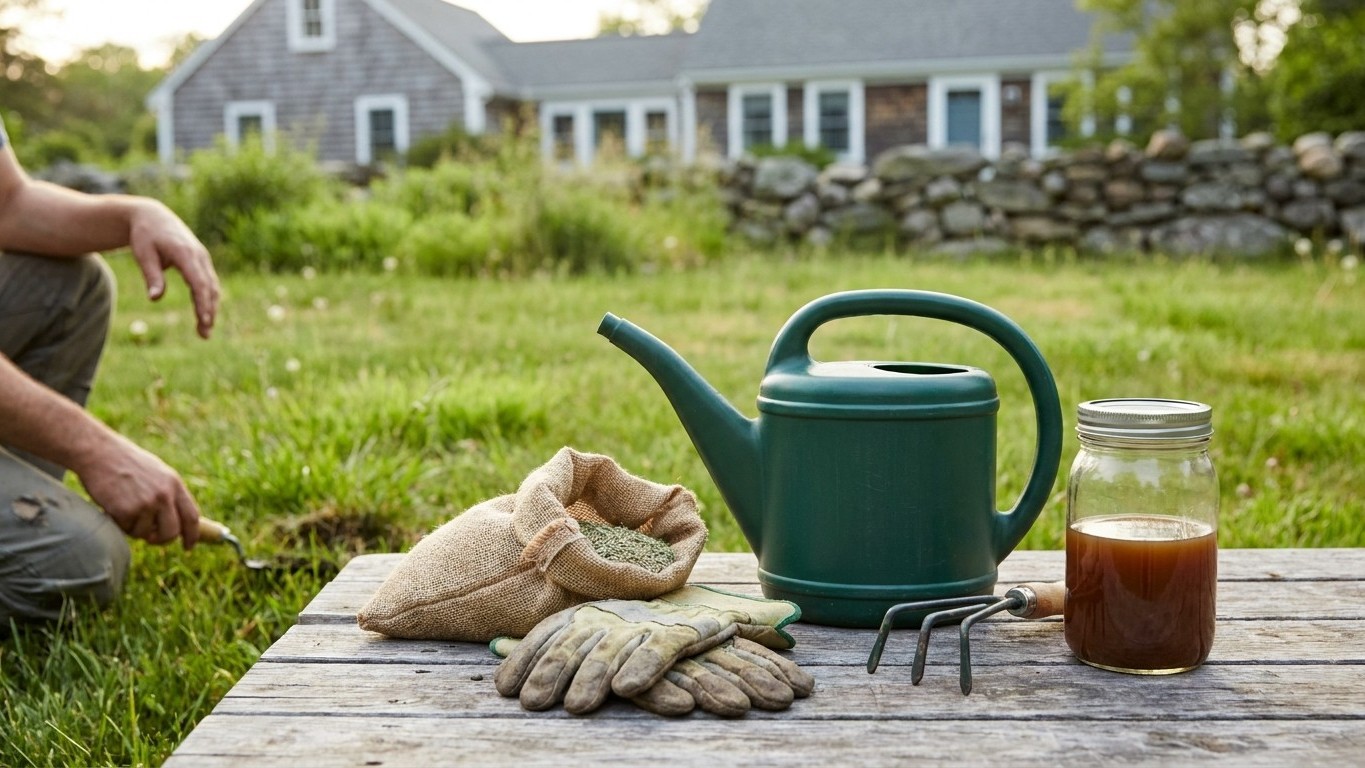
Rhode Island’s cool climate favors bluegrass, fescue and ryegrass, with a seeding window, feeding rates and mowing heights sized to fit it.
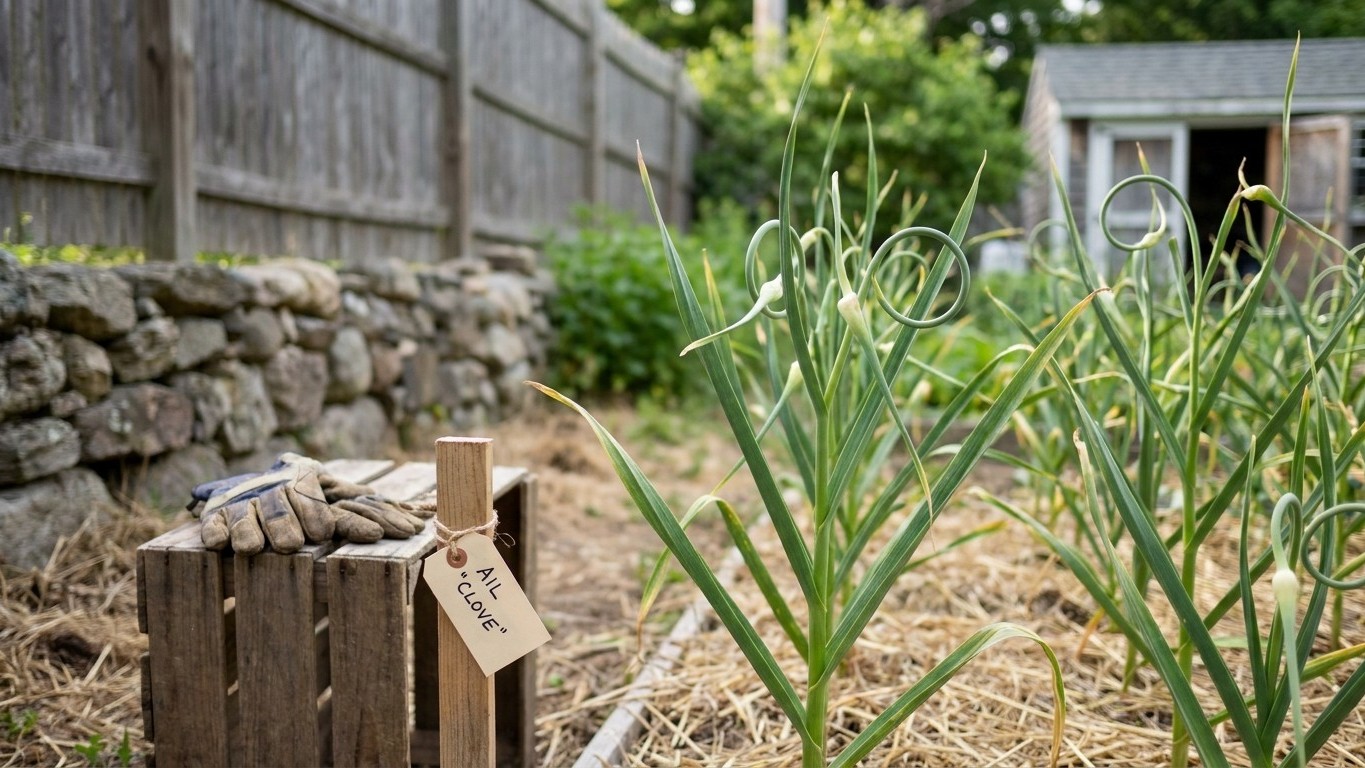
Rhode Island’s long cold winter comfortably meets garlic’s chilling requirement, letting gardeners choose from softneck and hardneck varieties based on storage life and flavor.
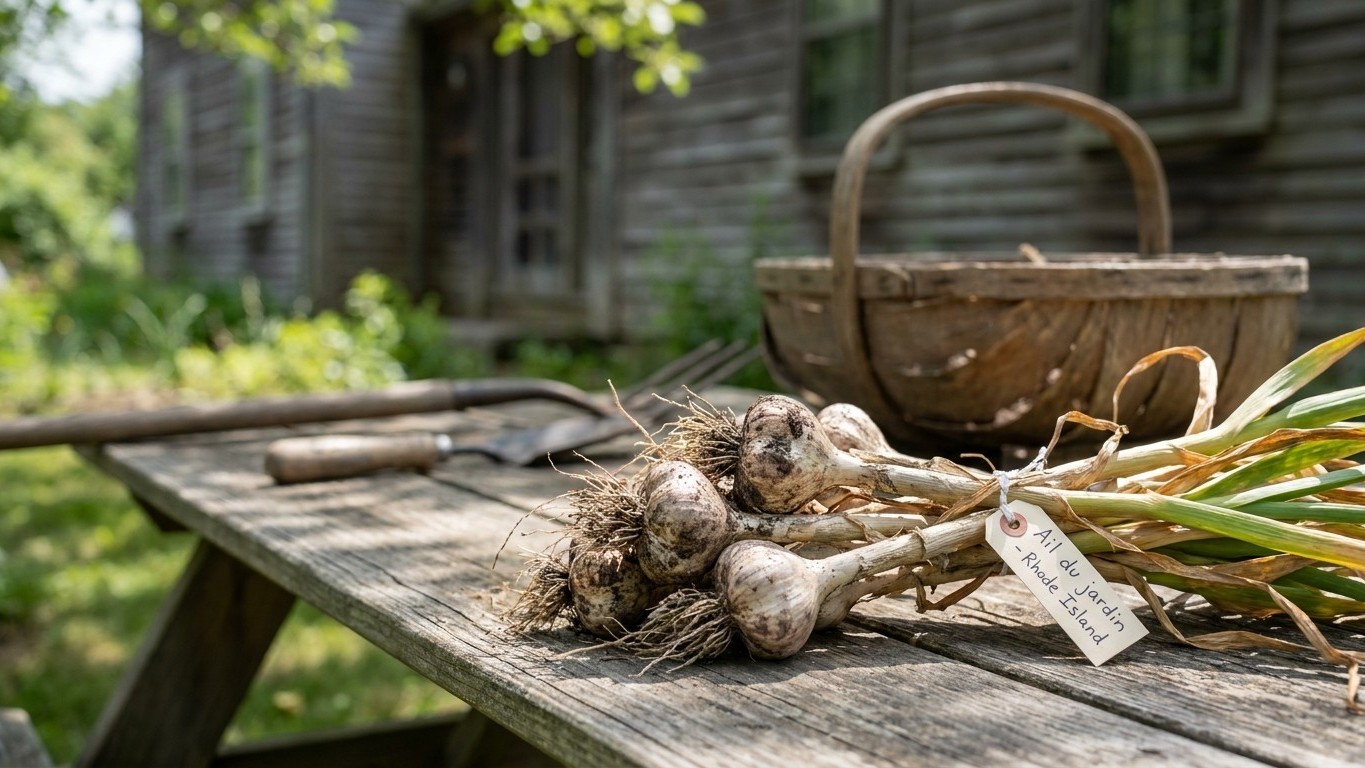
Rhode Island’s garlic planting window runs early October to mid October, calculated from Providence’s NOAA fall frost normals and a six to eight week rooting period.
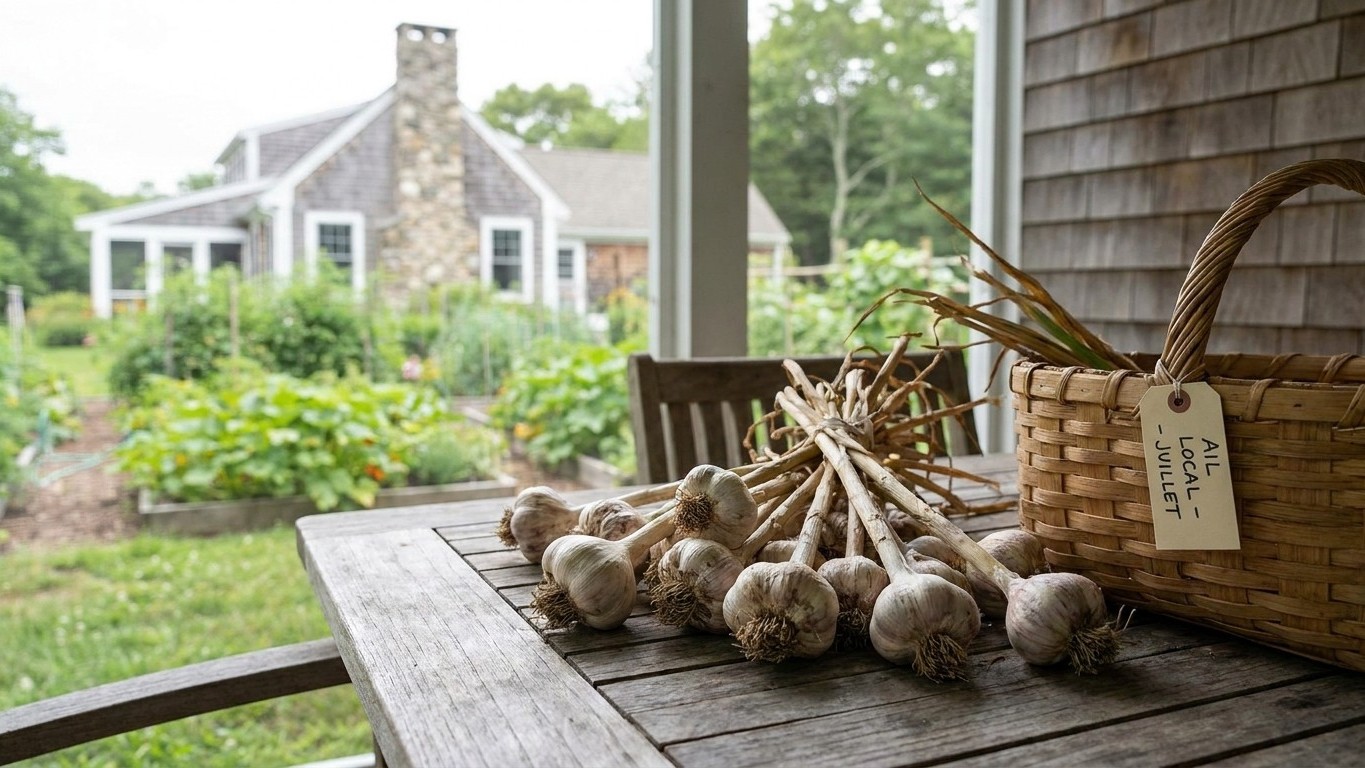
Rhode Island’s long winter cold comfortably exceeds what garlic needs to divide into cloves, and fall planting dates depend on the first frost.
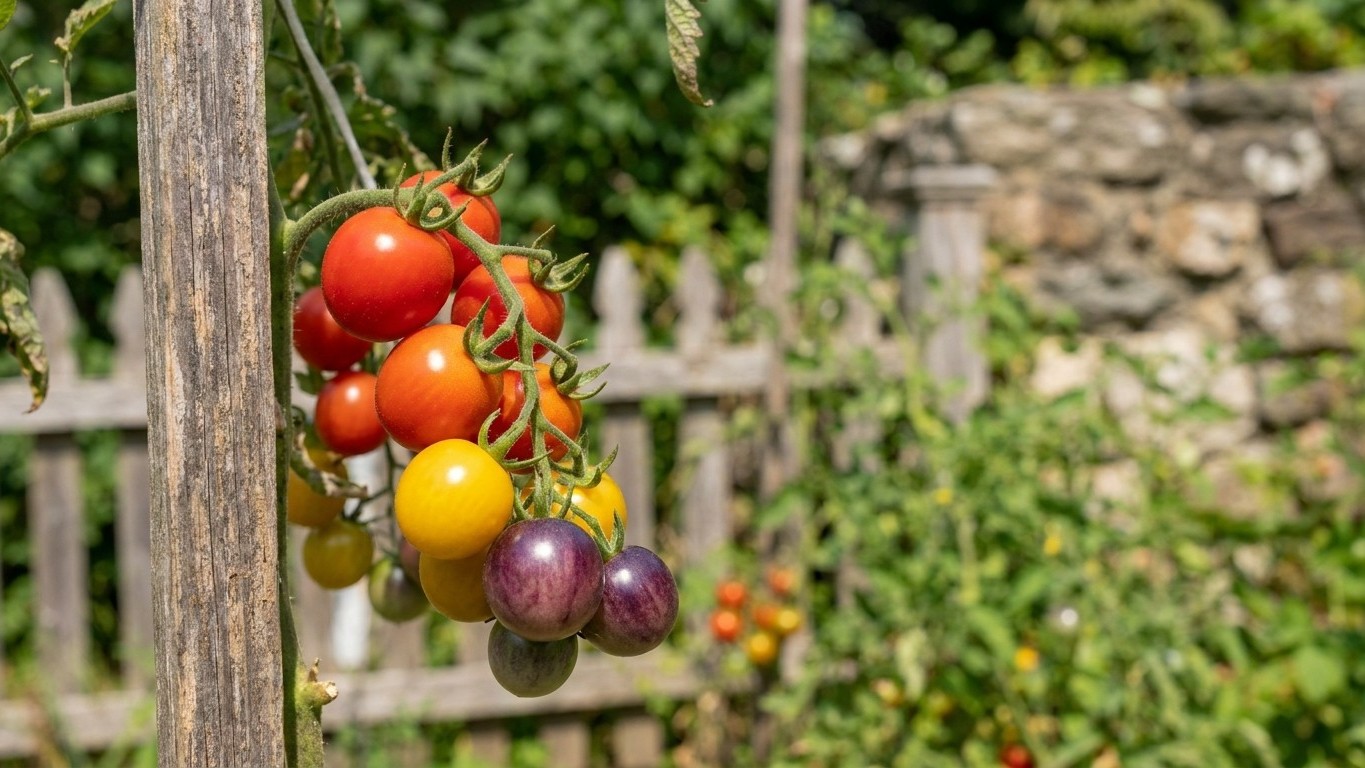
A rundown of tomato varieties, from 49-day salad tomatoes to 100-day heirlooms, matched against Rhode Island’s frost-free season.
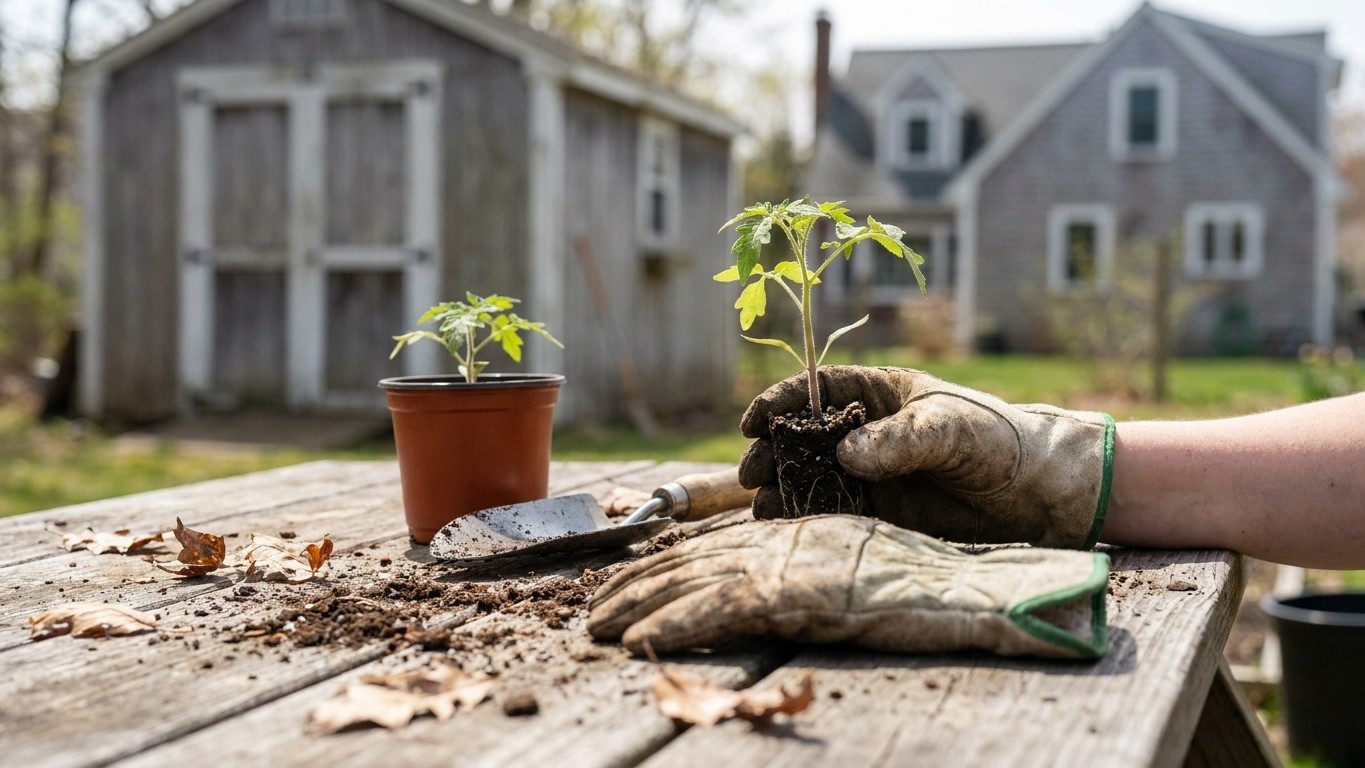
Rhode Island tomato dates hinge on Providence’s NOAA frost window; this guide shows the counting-back method so you can set your own.
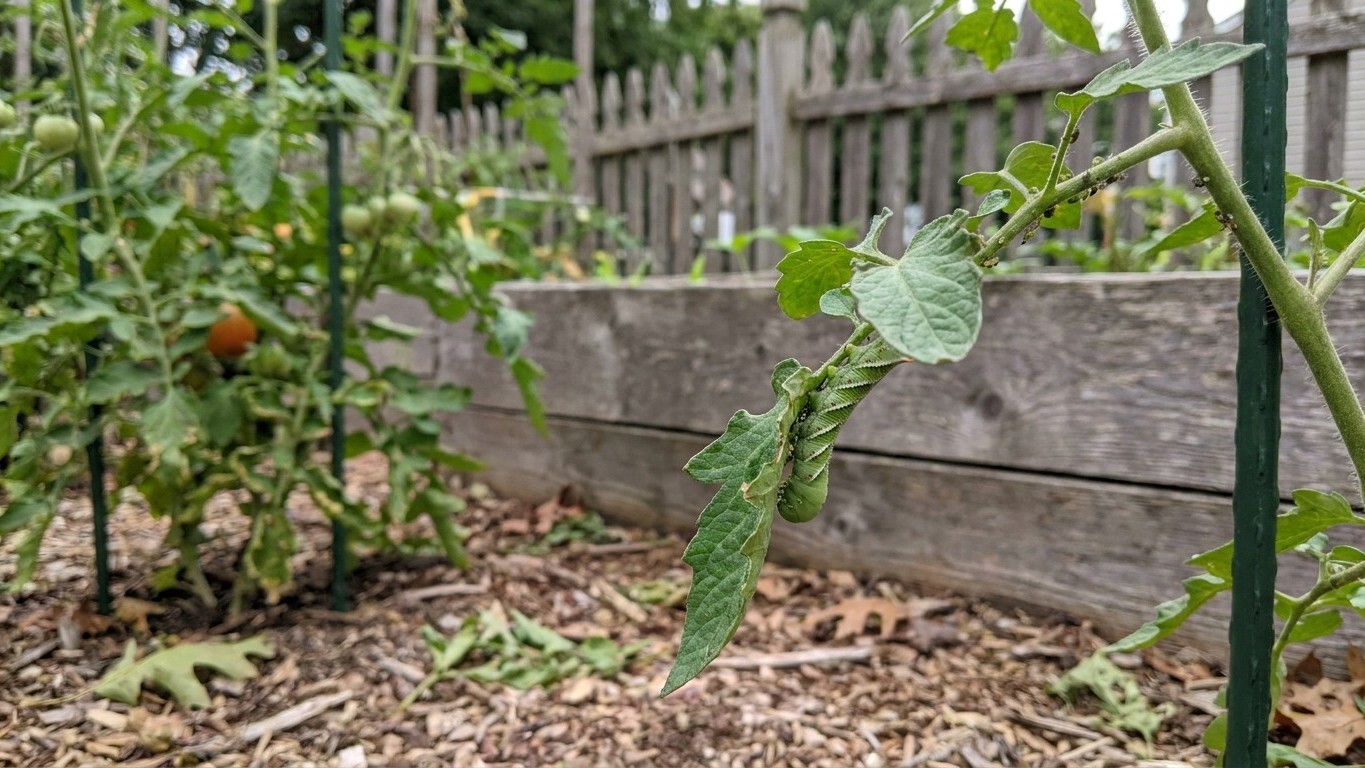
A season-by-season rundown of the tomato pests that actually turn up in Rhode Island gardens, how to identify each one, and what works.
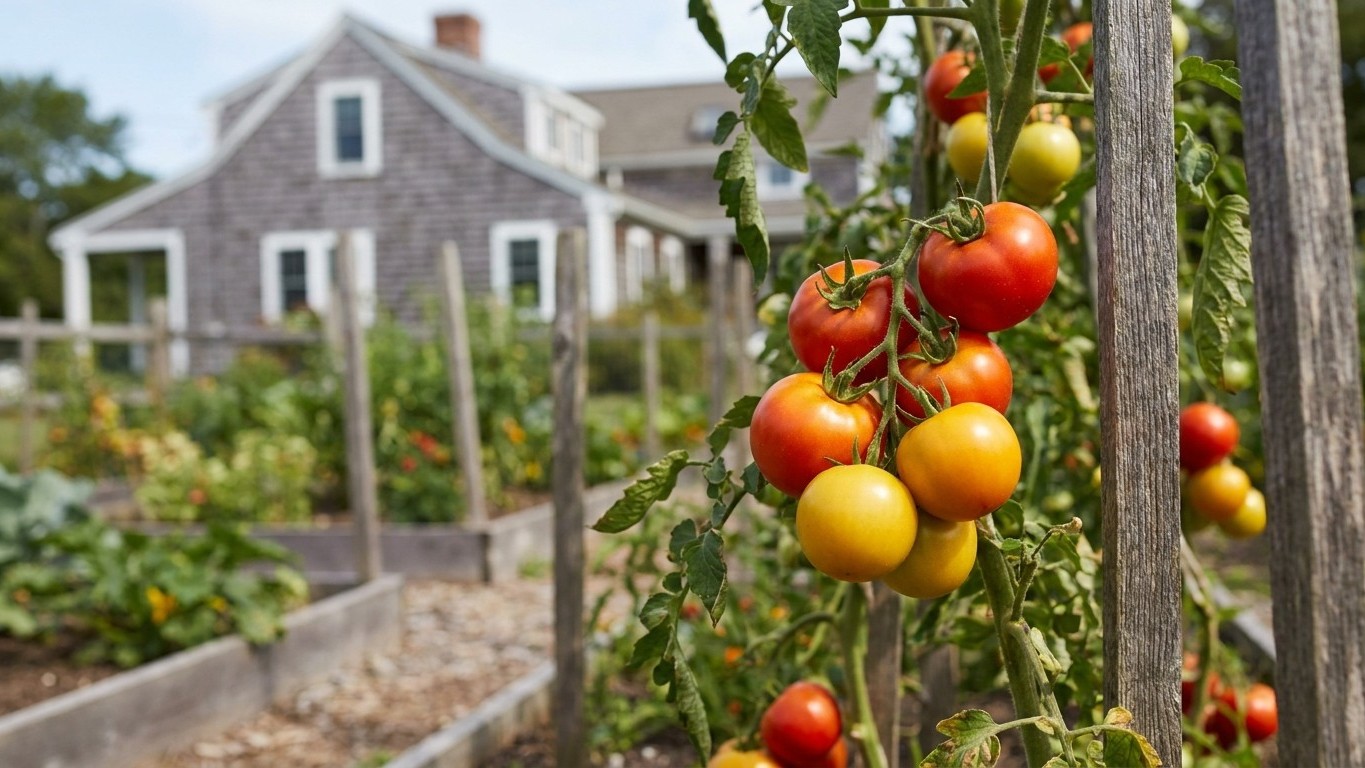
Rhode Island tomato planting starts from Providence’s April frost window, which sets the transplant dates, variety choices, soil prep and season-end timing that follow.