The Rhode Island Apple Calendar, Stage by Stage
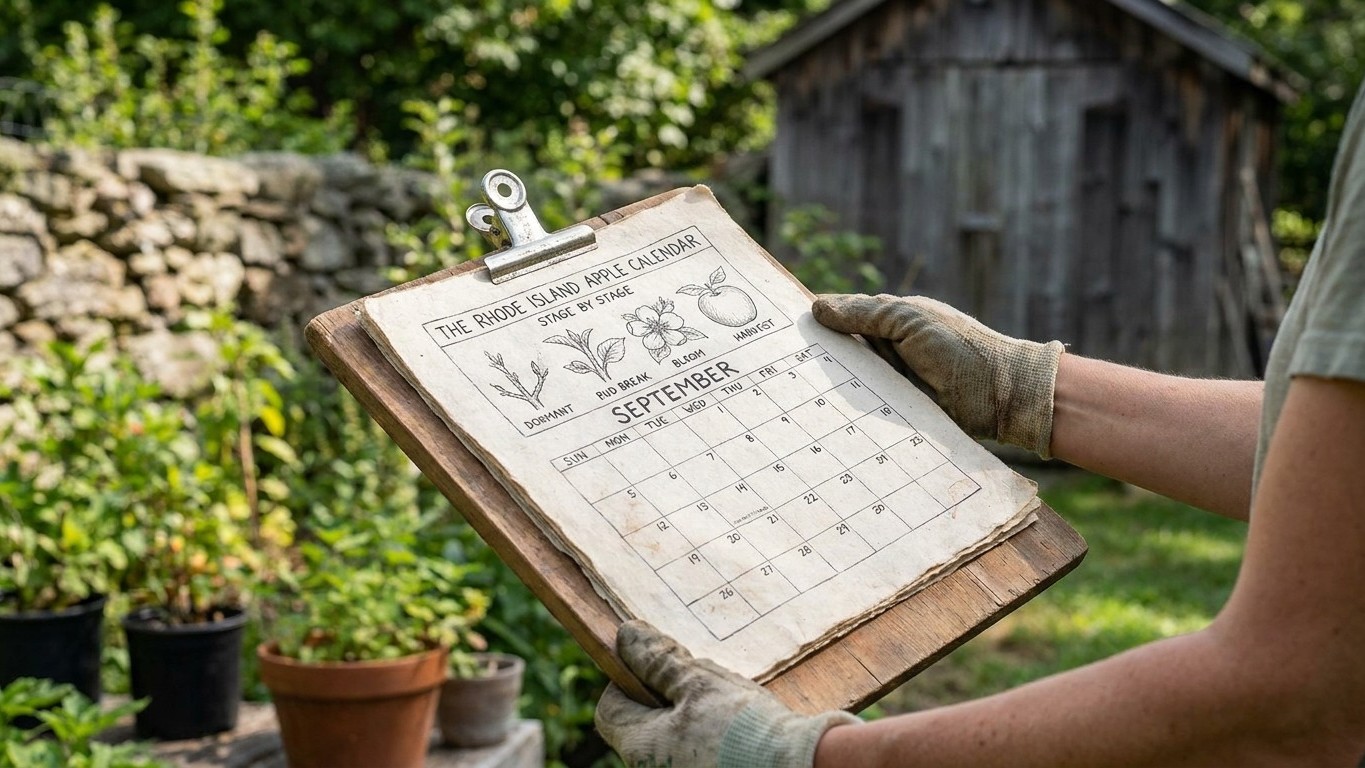
A stage-by-stage Rhode Island apple calendar anchored to NOAA’s Providence frost dates, with what changes by region and the mistakes that cost a crop.
Home & garden, state by state
Everything we have worked out for Rhode Island: what to plant and when, which varieties finish in time, the pests that actually turn up here, and the jobs that pay off month by month. We also cover the rest of the property, from lawns and soil to home care and energy, because a garden rarely stops at the vegetable bed.
The numbers first, because everything else follows from them. Measured at the weather station in Providence, the last spring freeze runs April 7 to April 17 and the first fall freeze runs October 24 to November 3, USDA zones 6a-7b, 3,229 growing degree days in the year.
Garlic does well: 26.1 weeks below 40 °F, comfortably past the six it needs to form a proper head.
Elsewhere on the property in Rhode Island: the pests that turn up here.
Figures from NOAA's 1991-2020 climate normals. A state is not one climate: elevation, a large lake or the coast can move these dates by two weeks either way, so check your own county with the extension service before you spend money.
A stage-by-stage Rhode Island apple calendar anchored to NOAA’s Providence frost dates, with what changes by region and the mistakes that cost a crop.
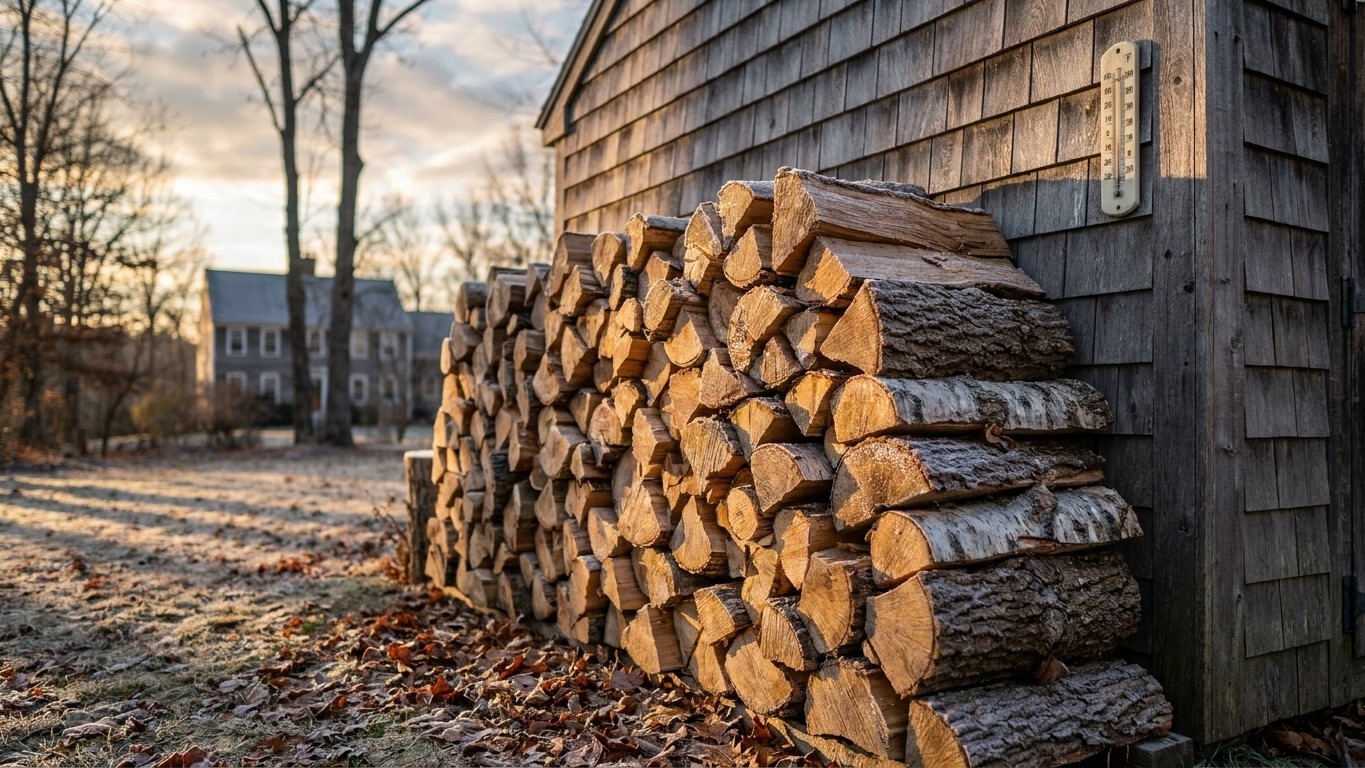
Providence’s coldest month averages a nightly low of 22.1°F, cold enough that heating with wood here is a real strategy, not just ambiance.
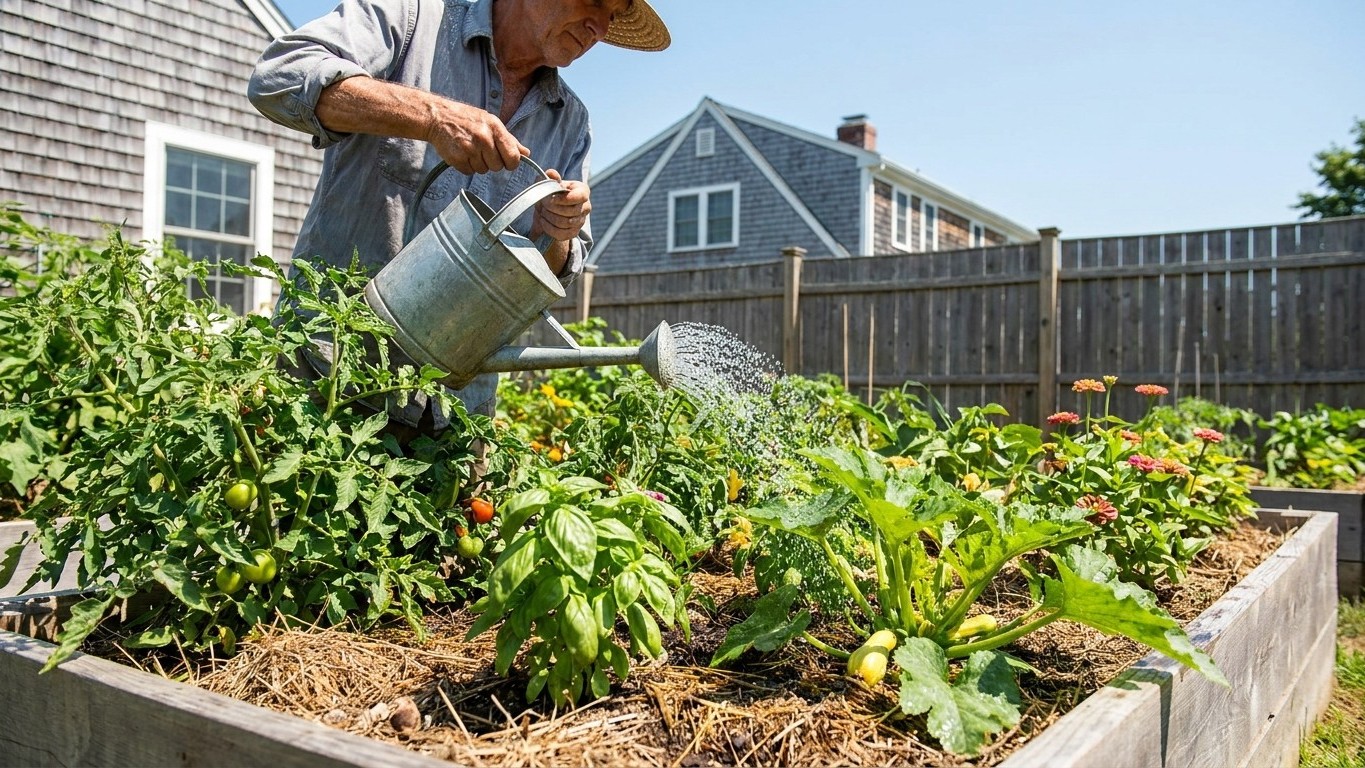
Rhode Island’s growing season runs roughly six and a half months, but the state also logs 9.4 days a year at 90F or hotter, hot enough to dry out a bed…
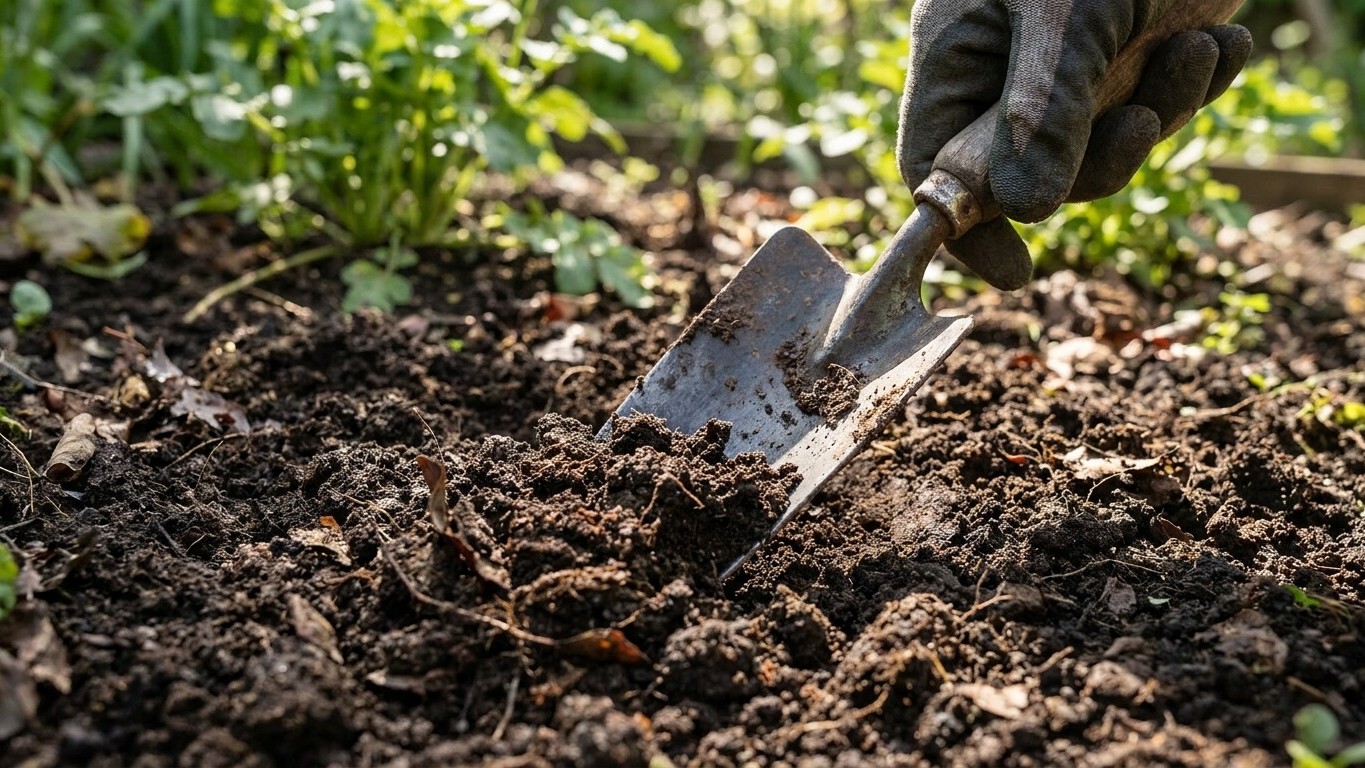
Push a trowel into a typical Rhode Island garden bed and the odds favor a silty, strongly acid loam called the Narragansett series, the soil USDA lists…
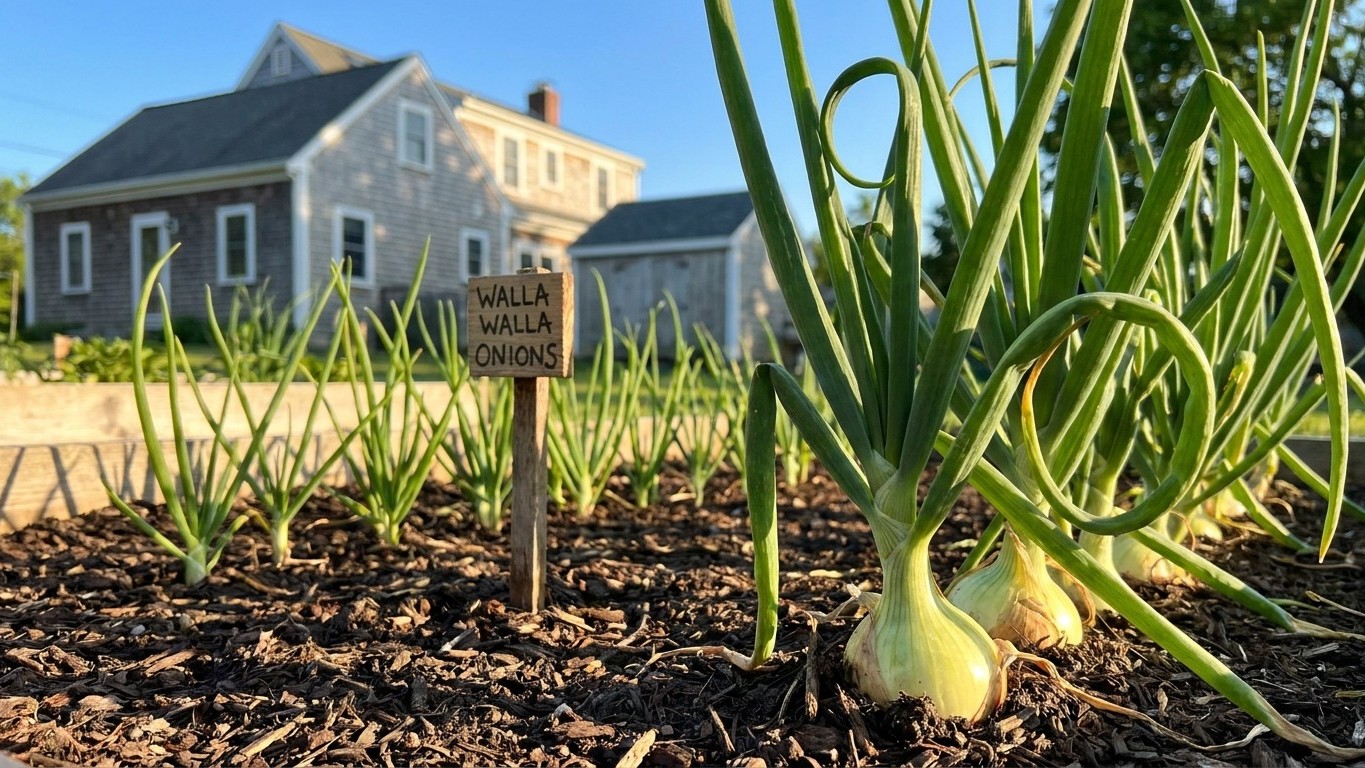
Rhode Island gardeners work with roughly 15 hours of daylight at the summer solstice, measured at the Providence station.
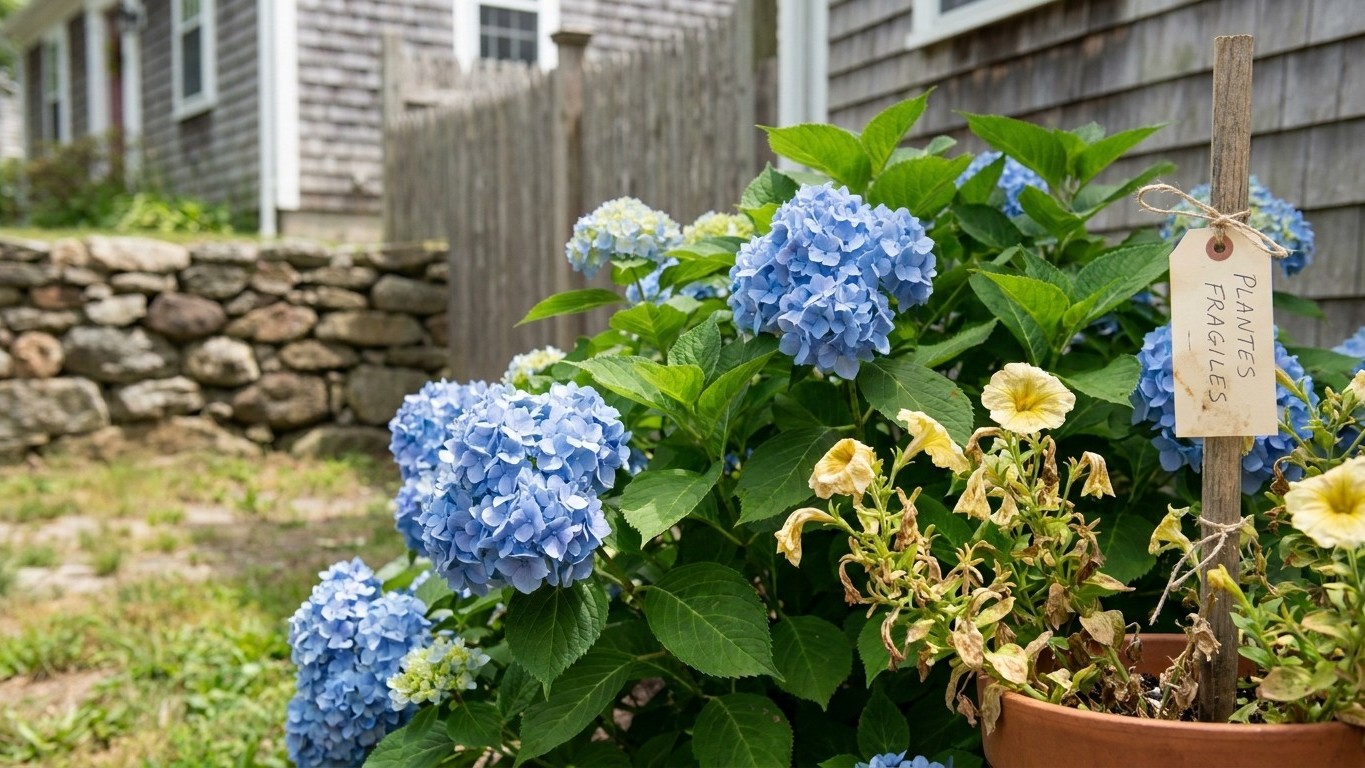
A rundown of which flowers survive Rhode Island’s cold winters and humid summers, including native perennials, reliable border plants, and species better left to warmer states.
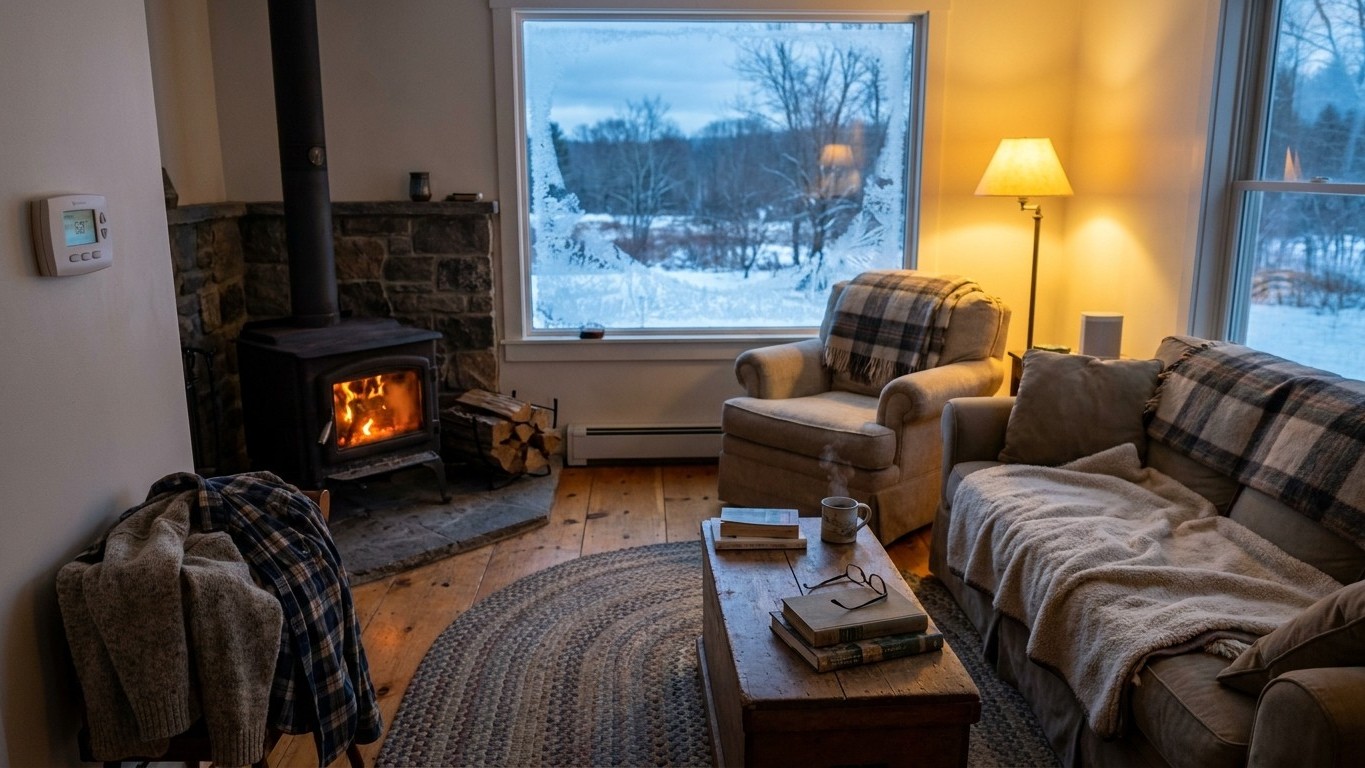
Rhode Island winters hover in a narrow, stubborn band: not brutal, but long enough to run a furnace or a woodstove for months on end.
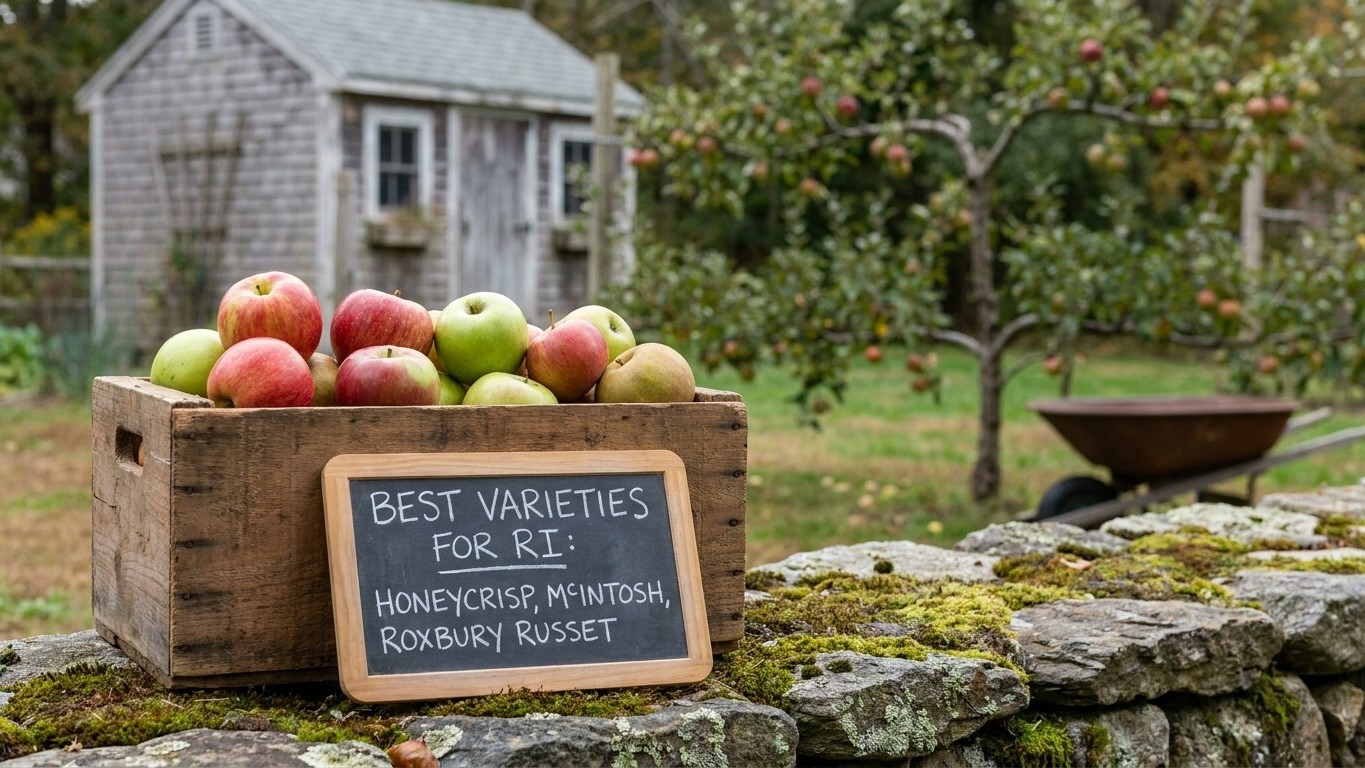
Rhode Island’s apple crop depends less on winter cold than on bloom timing against the region’s April frost window, per NOAA’s Providence-area normals.
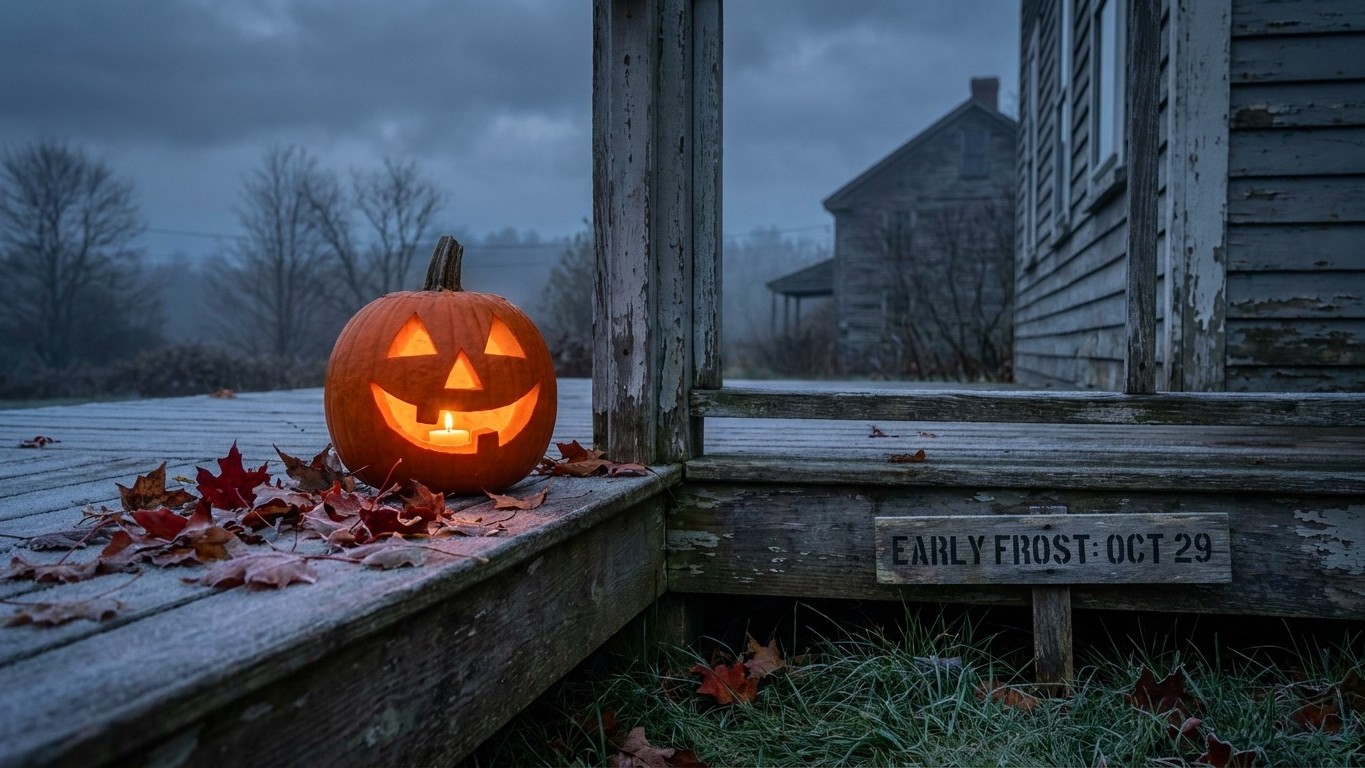
Providence’s mean first fall frost lands somewhere between October 24 and November 3, a stretch that straddles Halloween rather than falling safely…
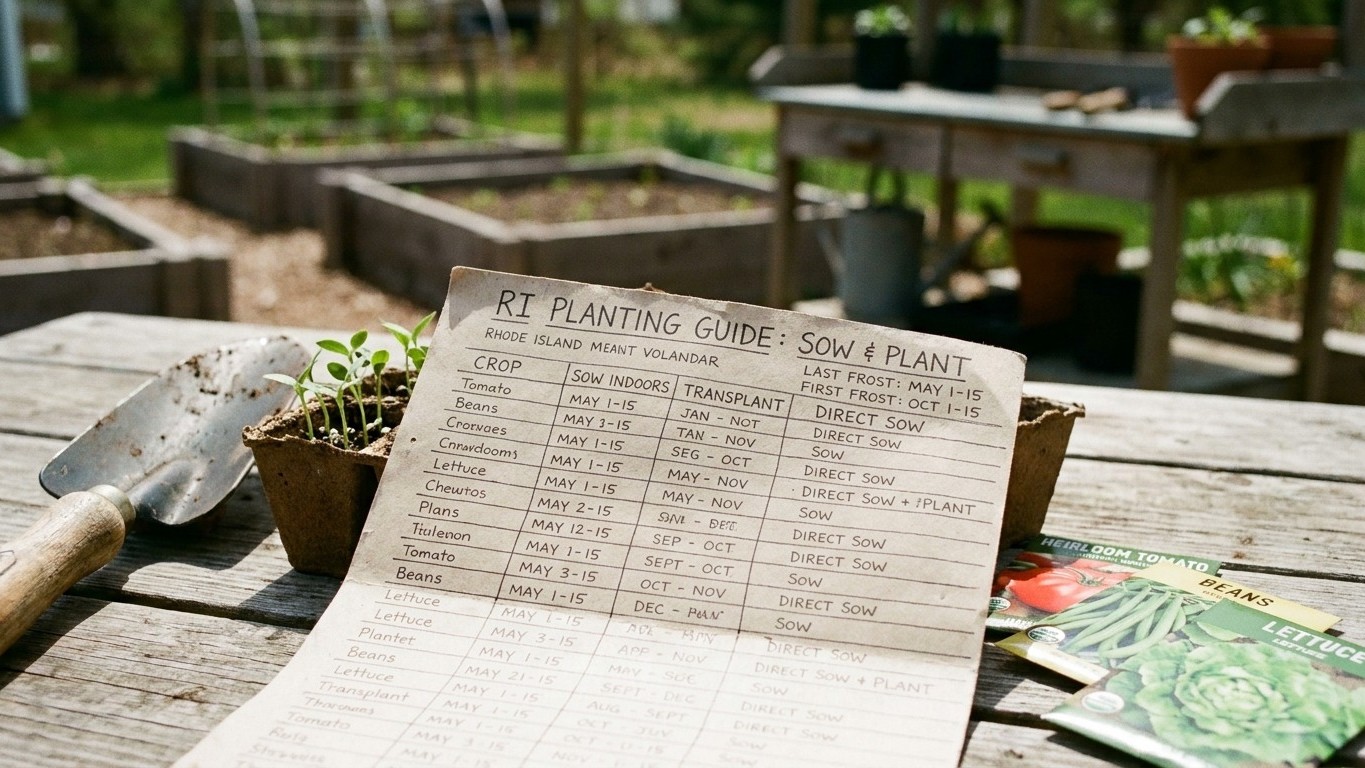
Rhode Island’s last and first frost dates in Providence, per NOAA, set a frost-free window of roughly six months for warm-season vegetables.