Tomato Pests in Saskatchewan: Which Ones Actually Show Up Here
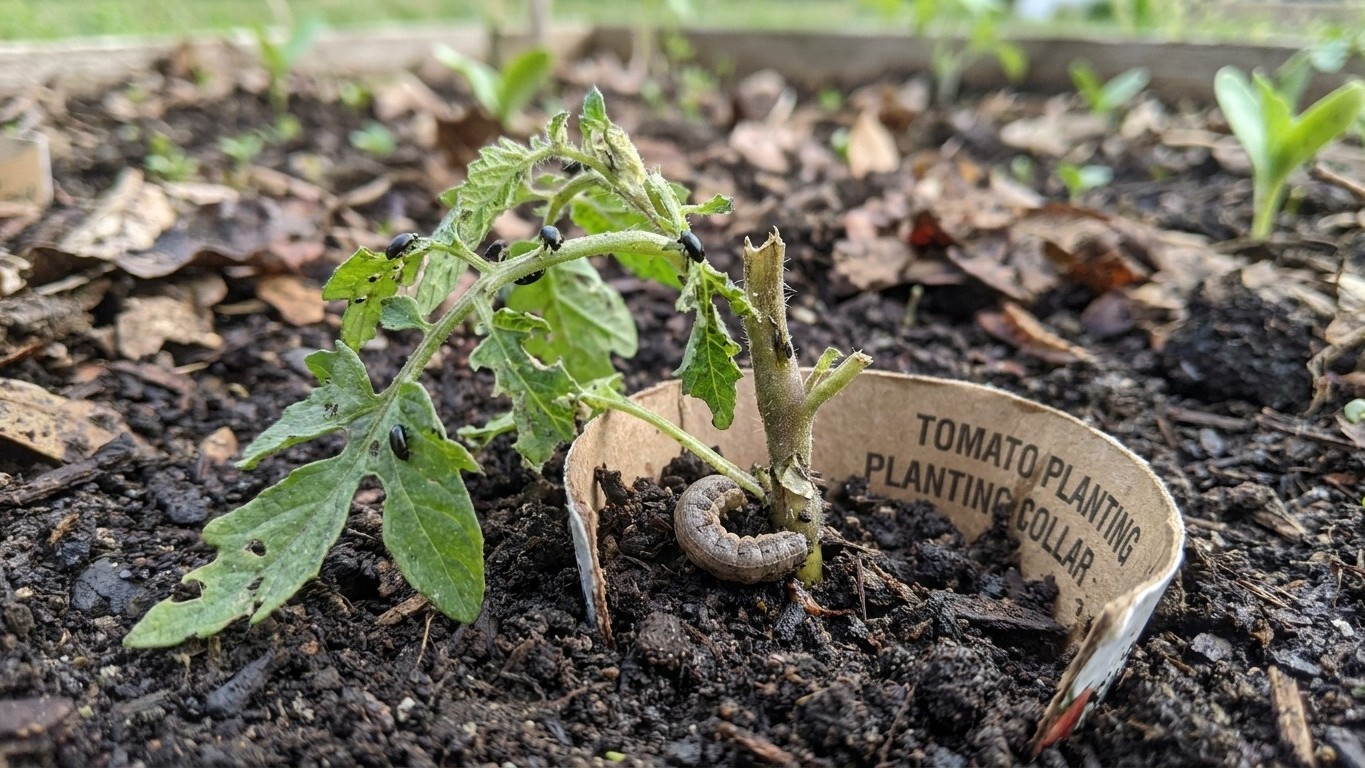
Saskatchewan’s short growing season keeps some tomato pests from ever becoming a real problem, but the ones that do show up here follow a fairly…
Home & garden, state by state
Everything we have worked out for Saskatchewan: what to plant and when, which varieties finish in time, the pests that actually turn up here, and the jobs that pay off month by month. We also cover the rest of the property, from lawns and soil to home care and energy, because a garden rarely stops at the vegetable bed.
The numbers first, because everything else follows from them. Measured at the weather station in Saskatoon, the last spring freeze falls around May 18 and the first fall freeze falls around September 18, 1,549 growing degree days in the year.
That is enough for early varieties, tight for anything late. Garlic does well: 34.8 weeks below 40 °F, comfortably past the six it needs to form a proper head.
Elsewhere on the property in Saskatchewan: the pests that turn up here.
Figures from Environment and Climate Change Canada. A state is not one climate: elevation, a large lake or the coast can move these dates by two weeks either way, so check your own county with the extension service before you spend money.
Saskatchewan’s short growing season keeps some tomato pests from ever becoming a real problem, but the ones that do show up here follow a fairly…
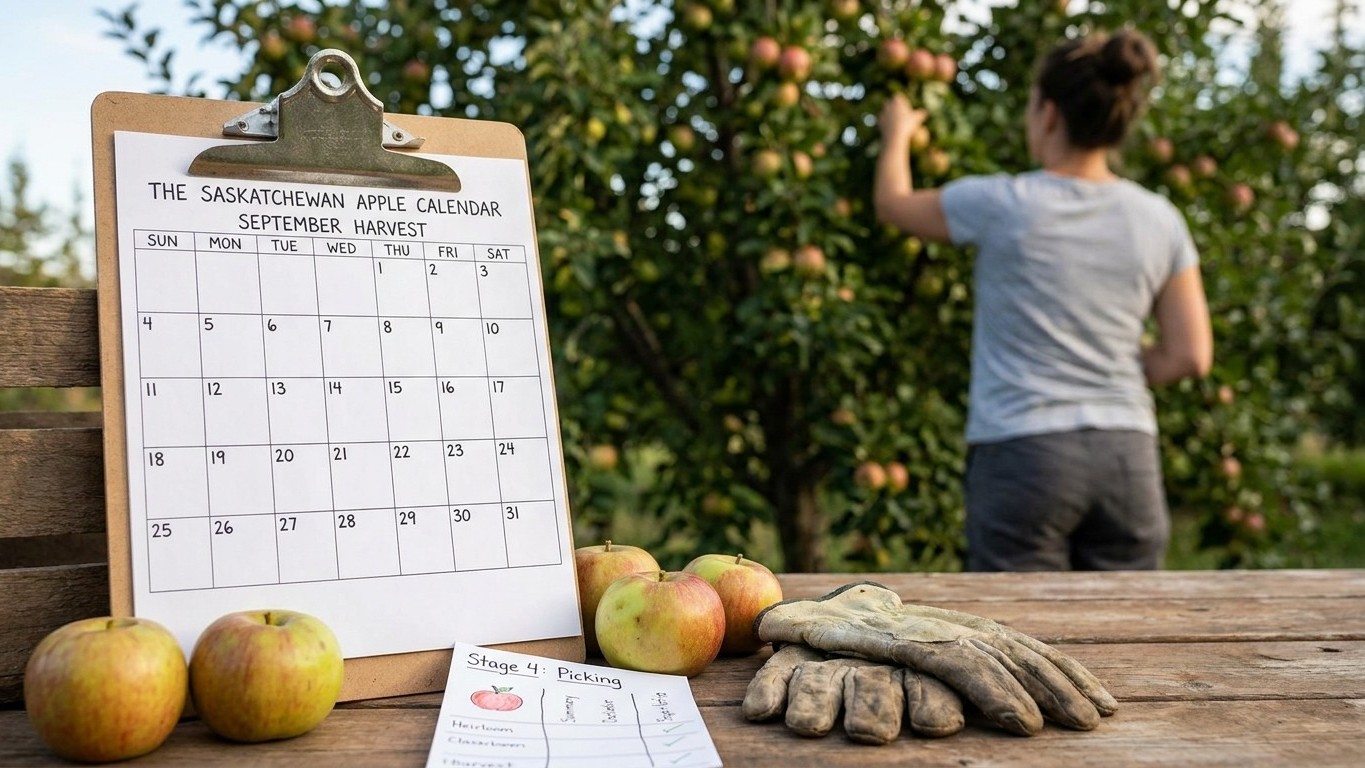
A stage-by-stage look at the Saskatchewan apple season, keyed to Saskatoon’s average frost dates from Environment and Climate Change Canada.
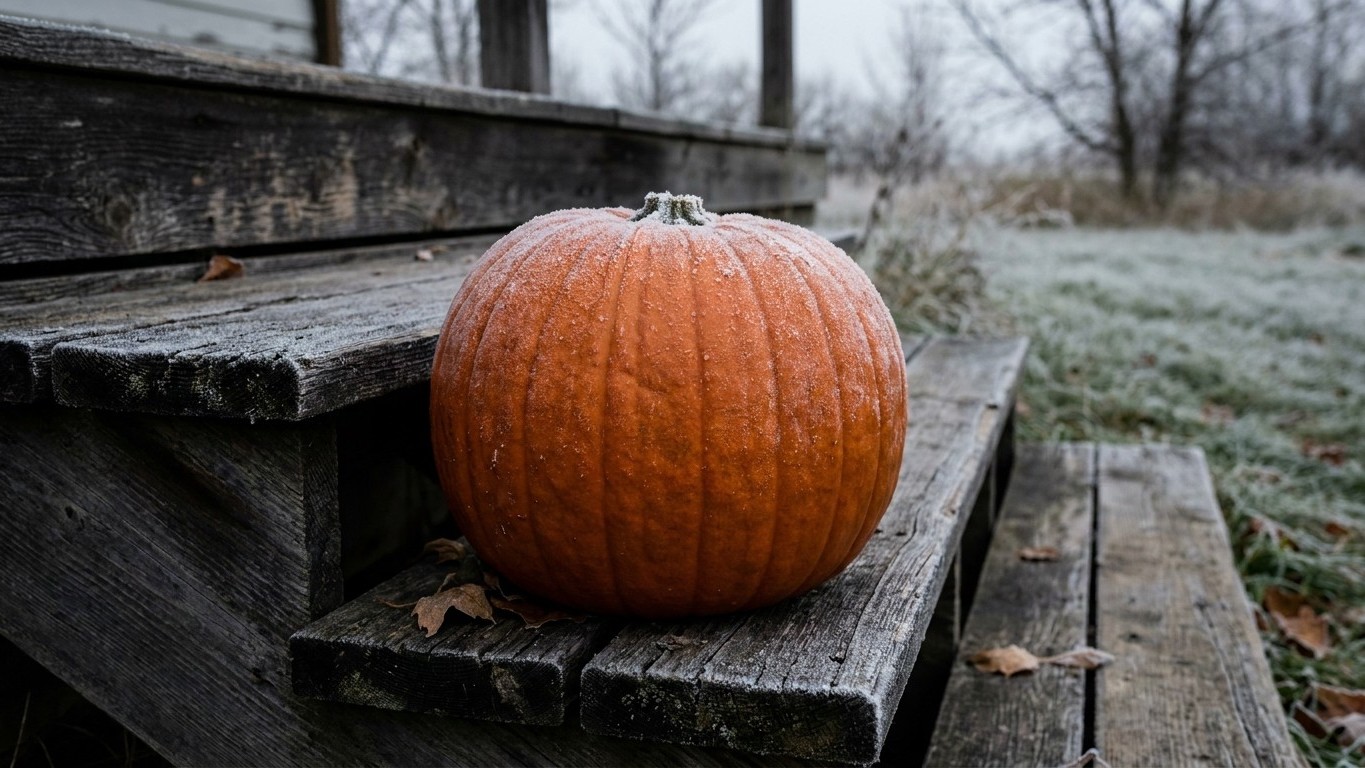
Saskatoon’s mean first fall frost lands around September 18, more than a month before Halloween.
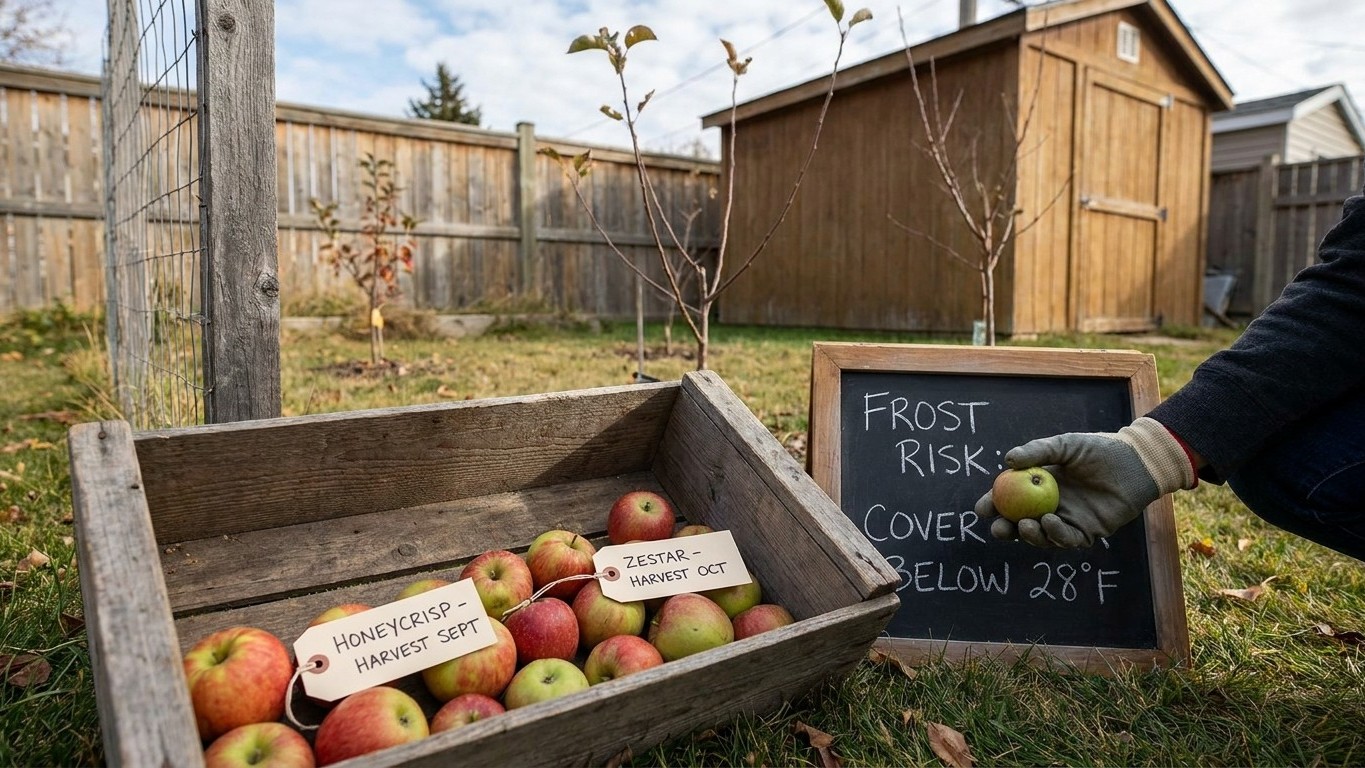
Saskatoon’s frost dates, cold-hardy cultivars like Norland and Goodland, and pollination pairing details for growing apples in Saskatchewan’s short season.
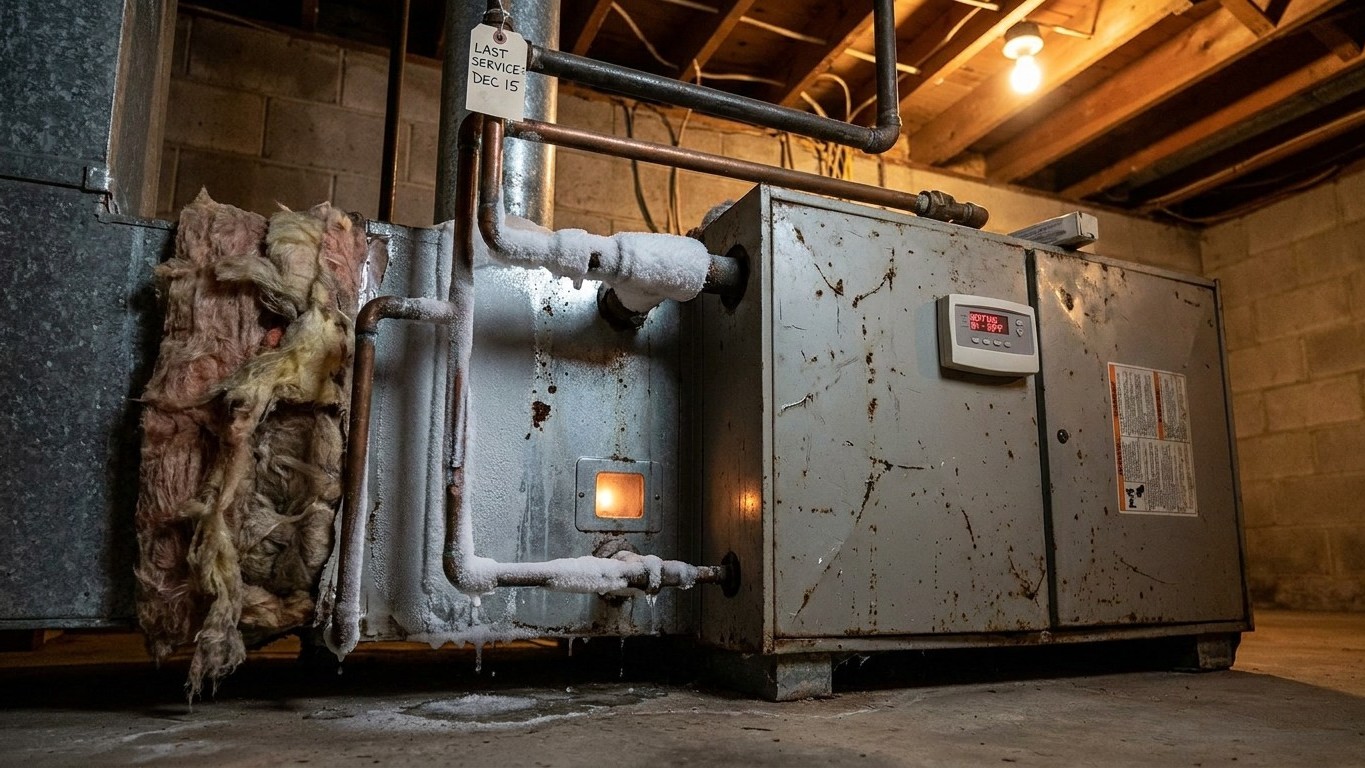
Saskatchewan winters ask a specific question of every furnace, wood stove, and heat pump in the province: not just how cold, but how long.
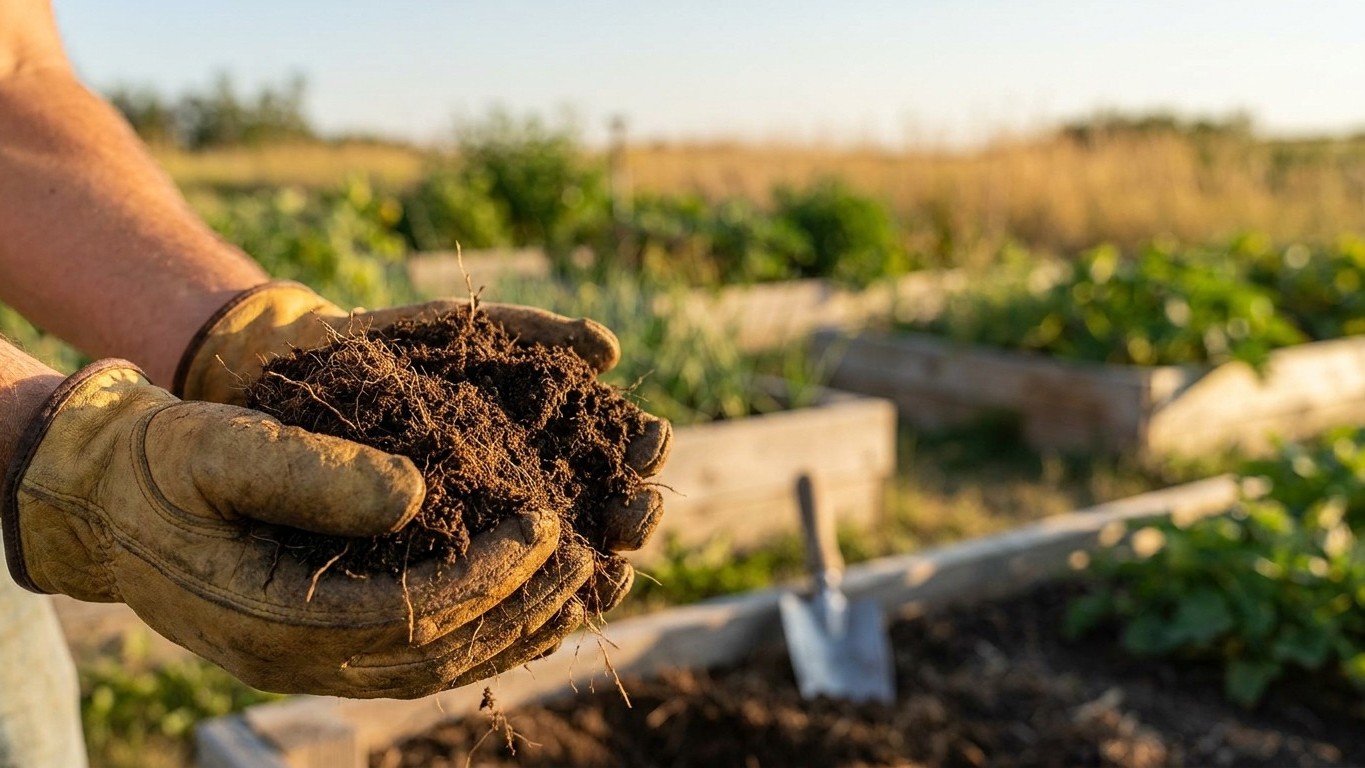
Most gardens in Saskatchewan sit on top of a Chernozem, the deep, dark grassland soil that built the prairie’s reputation for grain.
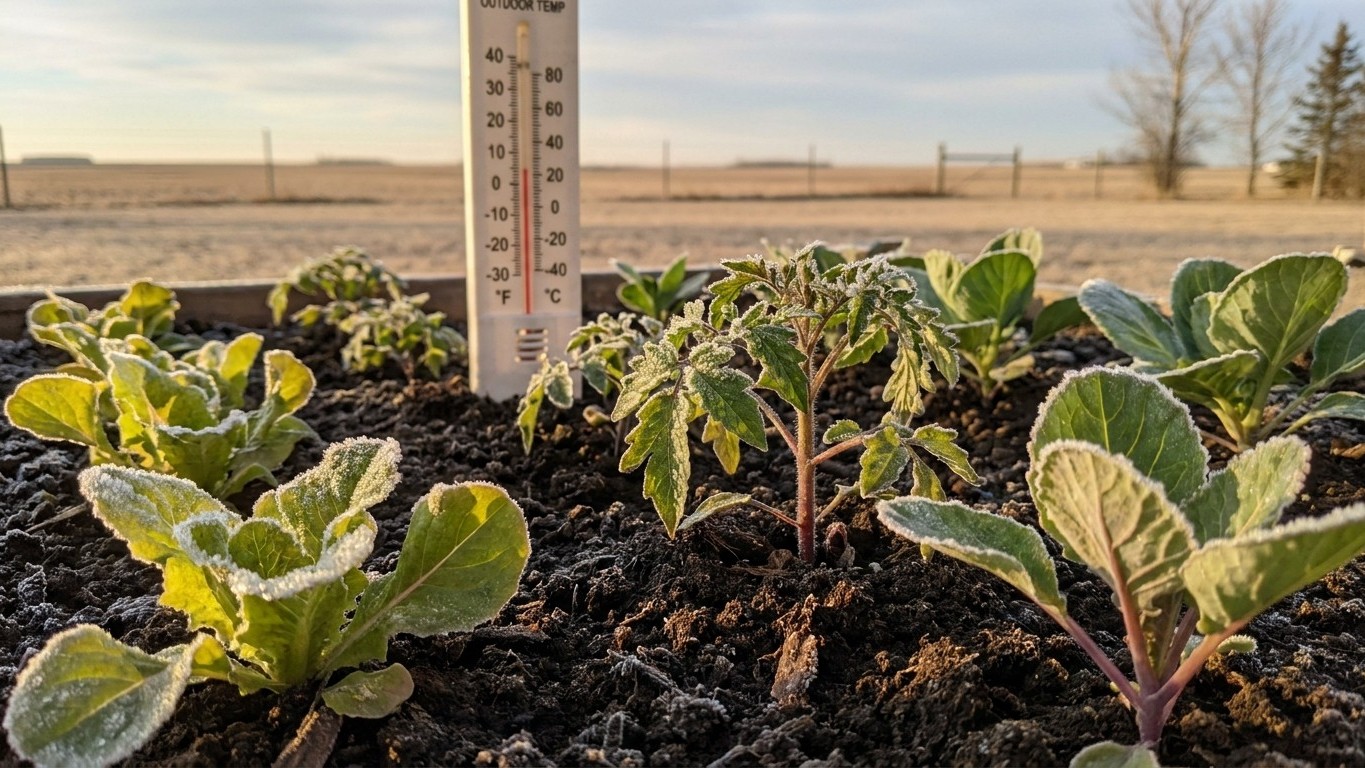
Saskatoon’s growing season runs about 123 days between an average last frost of May 18 and an average first frost of September 18, and that single…
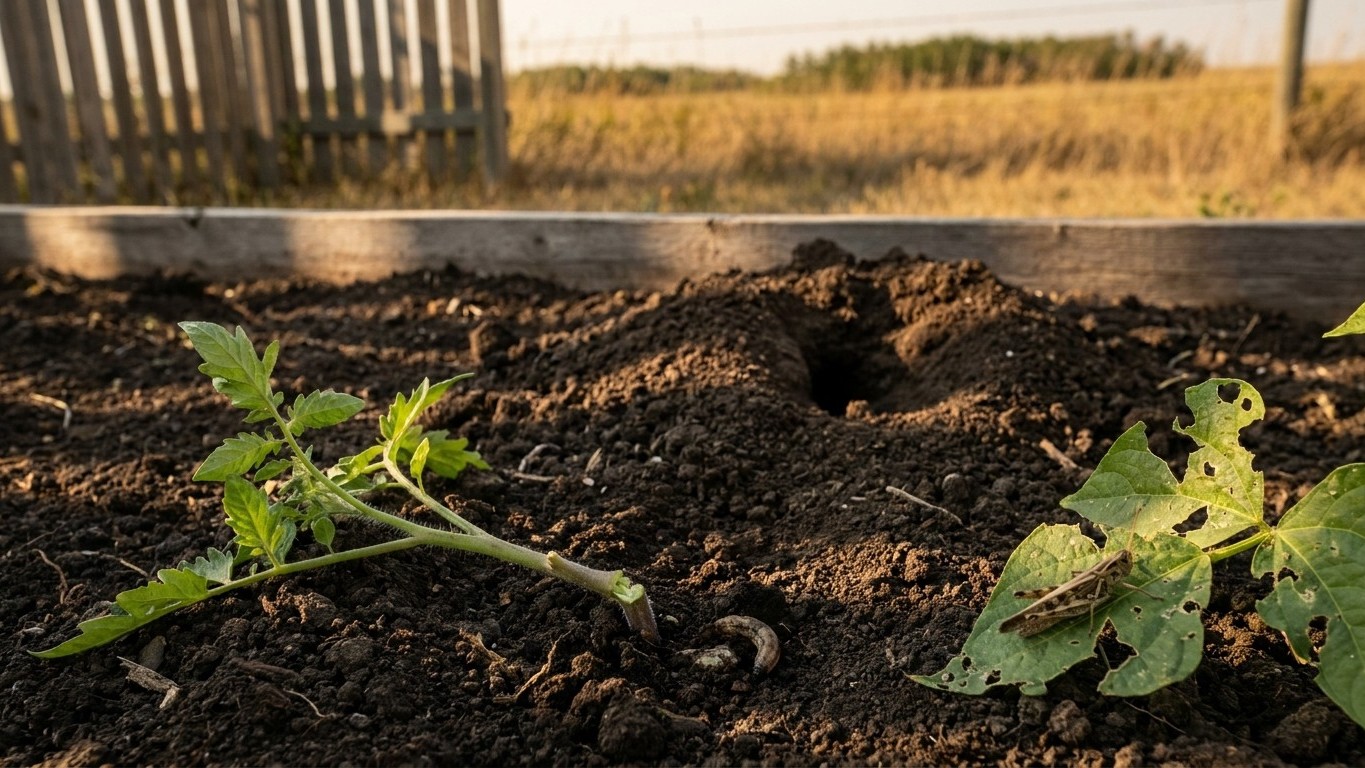
If you garden in Saskatchewan, three things shape what crawls, chews, or burrows into your beds: a short growing season, big temperature swings between…
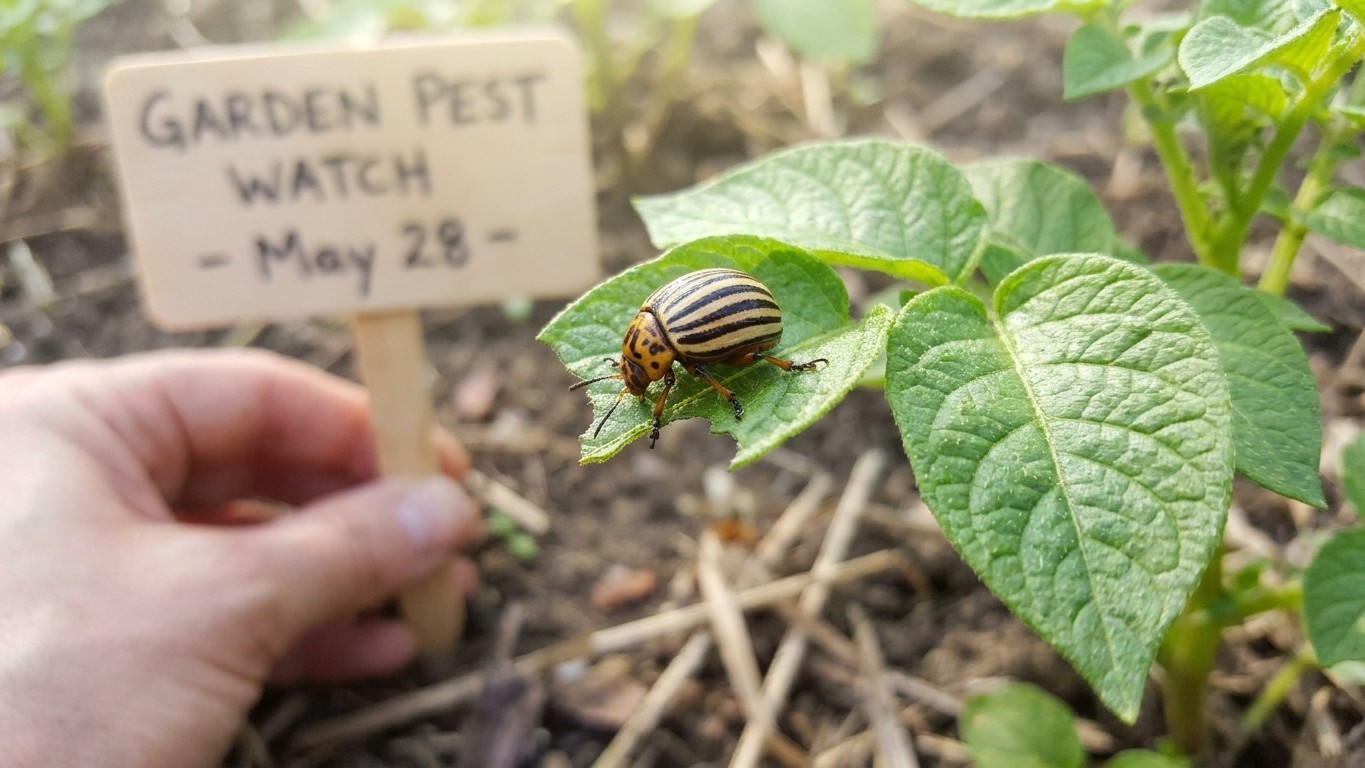
Colorado potato beetles typically emerge in Saskatchewan fields and gardens between mid-May and early June, once soil temperatures climb past 50°F.
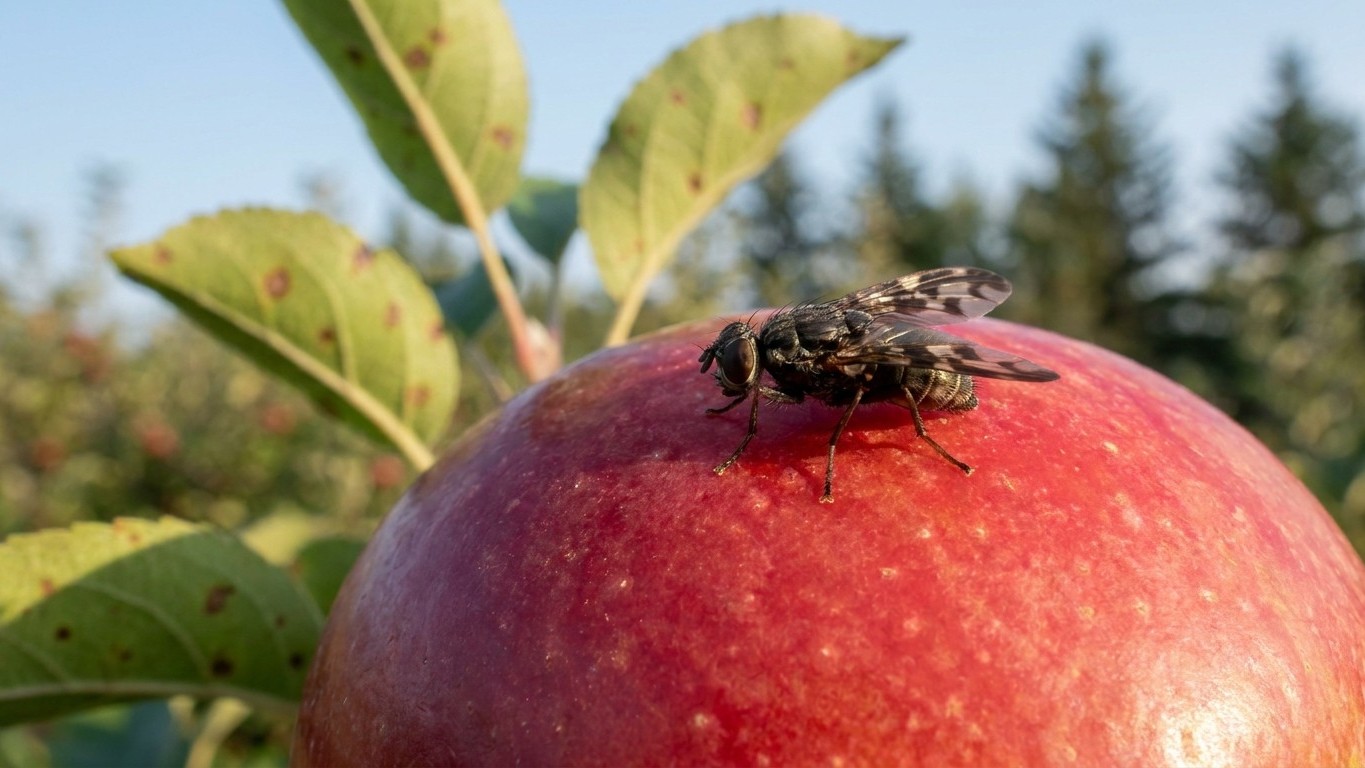
Saskatchewan sits outside the confirmed range of apple maggot (Rhagoletis pomonella).