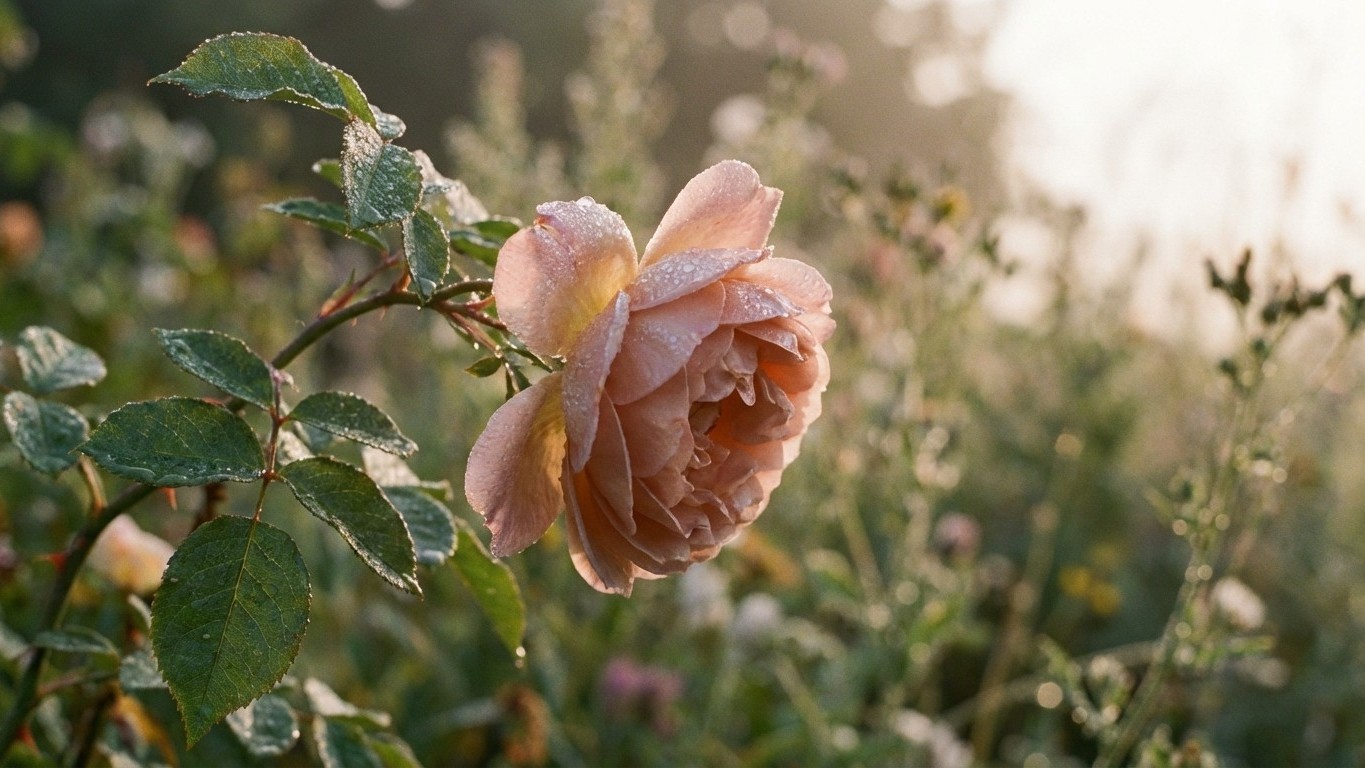

Most roses here get their main pruning in spring, once the buds on the canes start to swell and the winter dieback is easy to see. Roses that bloom only once, such as ramblers and old garden types, are the exception. They get cut right after the flowers fade, because their blooms form on last year’s canes. Mix the two schedules up and you either lose a season of bloom or expose tender new growth to a late freeze. Broader care is covered in our guide to growing roses in South Dakota.
The reference point is the weather station at the Sioux Falls airport. NOAA NCEI’s 1991–2020 Climate Normals put the median last 32 F freeze there around May 1, with about a 1-in-10 chance of a 32 F freeze after roughly May 14. Suburban and rural gardens can see their last spring frost later than an airport does, and higher ground later still. The USDA Plant Hardiness Zone Map, which rates zones by the average coldest night of the year, places the state anywhere from zone 3b to 5b. A Sioux Falls date therefore runs early for the colder parts of the state.
For a garden near Sioux Falls, the working window is mid-April to early May. The first cuts land ahead of the median last freeze, and the last ones come right around it. In those weeks the canes are still dormant, but the buds along them are swelling and turning from tight brown to red or green. That swelling is a better signal than the calendar. Swollen buds mark where live wood begins, while a dead cane stays shriveled, dull brown or black, and its buds never move.
If you mounded soil or mulch over the crowns last fall, pull it back in stages over the same weeks. Taking it all off in one afternoon exposes canes that were insulated through the winter to nights that can still drop below 32 F. Start at the outer edge of the mound and work in as the forecast settles.
Waiting until the leaves open is a mistake of its own. The plant will already have spent stored energy pushing growth on canes that will be cut off or are dead. Pruning too far ahead of the buds has its own price, covered below. Farther north or west, or on higher ground, let the swelling buds set the day instead of the dates above.
The date is not the same for every type of rose
The spring window above suits roses that flower on new wood, meaning stems that grow this season. Roses that flower on old wood, stems that grew last year or earlier, need a different calendar. A spring haircut removes flower buds that are already formed.
Ramblers and once-blooming old garden roses (the gallicas, albas, damasks and centifolias) bloom one time, usually in June, on canes from the previous season. In spring, take out only canes that are dead or broken. The real pruning comes right after they finish flowering, when you can cut out the oldest canes and shorten what remains. Finish by the end of July so the replacement canes harden before the first fall frost, which at Sioux Falls typically arrives in early October (median about October 6, with roughly a 1-in-10 chance of a 32 F freeze before September 23).
Hybrid teas, floribundas and repeat-blooming shrub roses, including the Knock Out type, flower on growth made this season, so the spring cut costs them nothing. Repeat-blooming climbers also belong here, with one nuance. Their blooms come on side shoots that grow each year from the permanent main canes. You keep the main canes and shorten the side shoots in the spring window. A climber that blooms only once in June is a rambler in practice and follows the old-wood schedule.
| Type of rose | Flowers on | Main pruning |
|---|---|---|
| Ramblers | Old wood | Right after flowering, June to July |
| Once-blooming old garden roses | Old wood | Right after flowering, June to July |
| Repeat-blooming climbers | Side shoots grown this season | Spring window, side shoots only |
| Hybrid teas and floribundas | New wood | Spring window |
| Knock Out and other repeat-blooming shrub roses | New wood | Spring window |
How far back to cut here
In a mild climate, height targets come first and the cuts follow. In a cold one, the order reverses. Winter kills canes back by different amounts from year to year and from rose to rose, so you remove the dead wood first and make the final cut below it. Whatever height you end up at is set by how far the damage went, and after a hard winter it can be well under the targets below.
Cut a cane and look at the center, called the pith. White or cream pith is alive. Brown or gray pith is dead, even when the bark outside still looks green. Keep cutting in short steps down the cane until the pith is clean. Make each cut just above an outward-facing bud, angled so that water runs off the bud. Use sharp bypass pruners and wipe the blades between plants if you have cut into diseased wood.
Once the dead wood is gone, these are the usual heights:
- Knock Out and similar landscape shrub roses: cut back hard, which also reshapes the plant.
- Hybrid teas, floribundas and grandifloras: cut back hard, leaving the strongest canes.
- Repeat-blooming climbers: leave the main canes and shorten the side shoots.
- Other hardy repeat-blooming shrub roses: remove the dead wood, then take some height off.
Sometimes winter kills every cane down to the soil mound. Cut to live wood even if that leaves very little cane. On a grafted rose, shoots that come up from below the graft union are rootstock, with a different leaf and flower than the rose you bought. Cut them out at their base. A rose growing on its own roots grows back true to its variety from any live bud.
What pruning too early costs in South Dakota
A pruning cut wakes up the buds just below it. If you cut during a mild spell in March or early April and a hard freeze follows, the new shoots that cut triggered are the first thing to die. At that stage they are soft and full of water.
The damage is easy to recognize. The new red or green shoots go limp, turn dark and translucent within a day or two, then shrivel to black. Leaf buds that were just opening turn brown at the tips. The cane below usually stays firm, and it can look as if nothing happened until the dead shoots dry out.
Leave the damaged shoots alone until the weather settles, because each new cut stimulates another flush that a second freeze can take. Once nights stay above freezing, cut the blackened growth back to the first healthy bud or to green pith. The plant has reserve buds lower on every cane and will push again, so you lose a little time and some early bloom, not the plant. When a freeze is forecast after buds have already broken, cover the shoots overnight with an overturned bucket or frost cloth, and uncover them in the morning.
Black or brown sunken patches on a cane that is otherwise green belong to a different problem. They point to disease rather than frost, and Rose Diseases in South Dakota: What the Climate Here Actually Brings explains how to tell the two apart.
Checking this against your own county
The dates above come from one airport station, and elevation and distance from water move the window across the state. The Black Hills and other high ground warm later, and sites near large bodies of water warm at a different pace than open prairie. If you garden outside Sioux Falls, check your own county extension office for your frost dates, then let your buds make the final call. South Dakota State University Extension has county offices that can give you the local last-frost range and the pruning timing that suits your own site.
Common questions
Can I prune roses in fall? Hard pruning waits until spring, because a fall cut can push growth that the first freeze kills. Limit fall work to removing broken canes and trimming very long stems that could snap under snow.
Should I prune the day the snow melts? No. Wait until the buds swell and the soil has thawed enough to remove winter mulch. Early cuts mean new growth ahead of the last freeze.
When do I prune a rose that blooms once in June? Right after the flowers fade. Cut out some of the oldest canes at the base and shorten the rest, and finish by the end of July.
What if my rose looks dead after winter? Scratch a cane with a thumbnail and check the pith after cutting. If every cane is brown inside, wait until the weather is well settled, then look for shoots at the base, and cut away everything above them.