Beet Soil in Tennessee: What the Root Will Meet
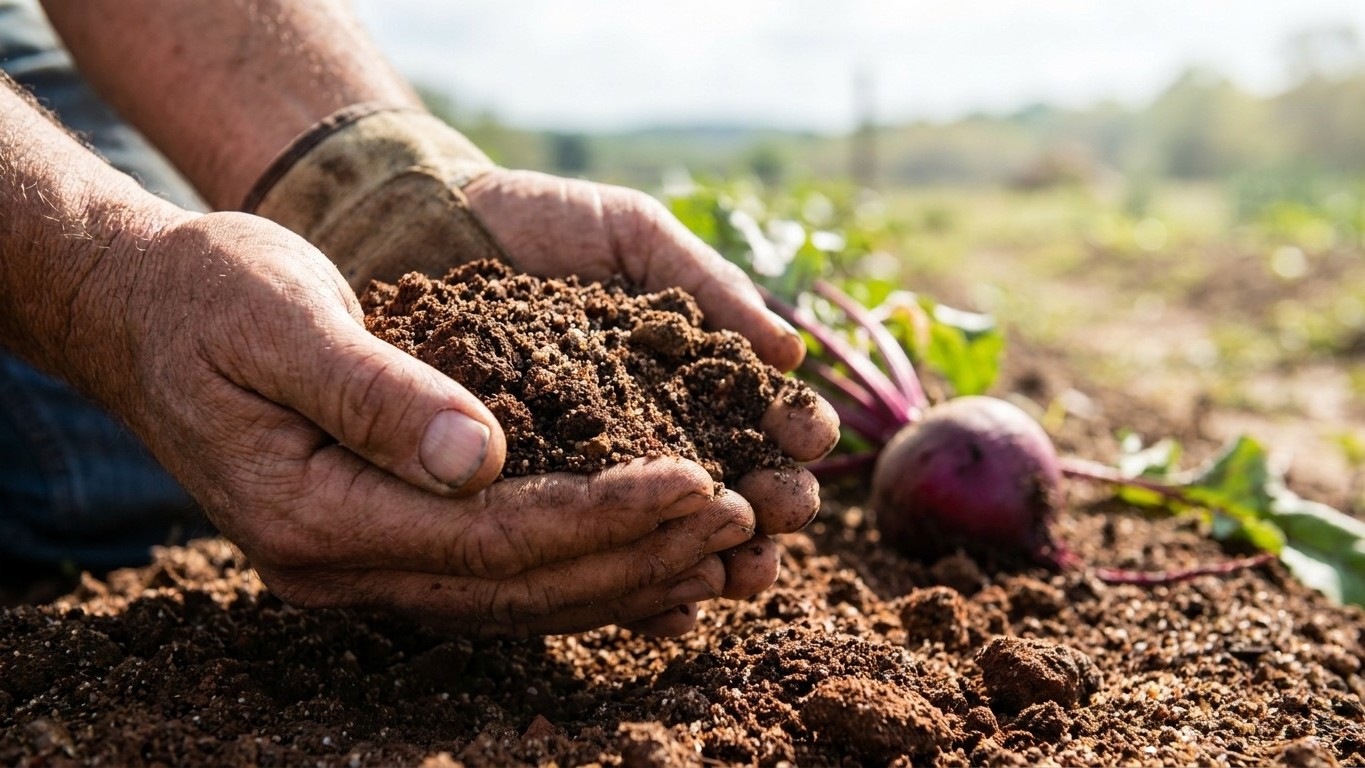
The Dickson series, Tennessee’s representative soil, runs 68 percent silt and only 11 percent sand at the surface, with acid pH around 5.0.
Home & garden, state by state
Everything we have worked out for Tennessee: what to plant and when, which varieties finish in time, the pests that actually turn up here, and the jobs that pay off month by month. We also cover the rest of the property, from lawns and soil to home care and energy, because a garden rarely stops at the vegetable bed.
The numbers first, because everything else follows from them. Measured at the weather station in Nashville, the last spring freeze runs March 31 to April 12 and the first fall freeze runs October 28 to November 8, USDA zones 5b-8a, 4,937 growing degree days in the year.
Garlic does well: 21.8 weeks below 40 °F, comfortably past the six it needs to form a proper head.
Elsewhere on the property in Tennessee: the pests that turn up here.
Figures from NOAA's 1991-2020 climate normals. A state is not one climate: elevation, a large lake or the coast can move these dates by two weeks either way, so check your own county with the extension service before you spend money.
The Dickson series, Tennessee’s representative soil, runs 68 percent silt and only 11 percent sand at the surface, with acid pH around 5.0.
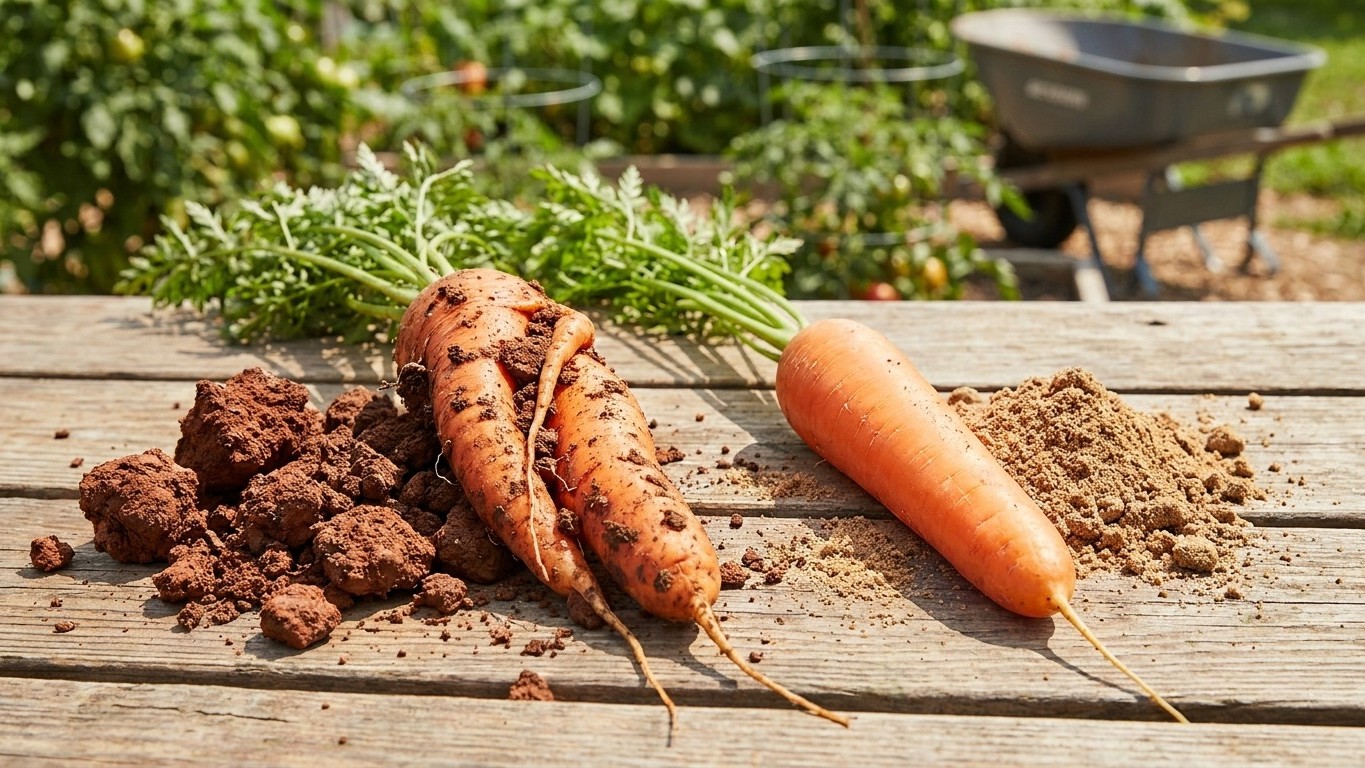
Tennessee’s benchmark soil carries just 11 percent sand against 68 percent silt and 20 percent clay, and that ratio alone tells you most of what you need…
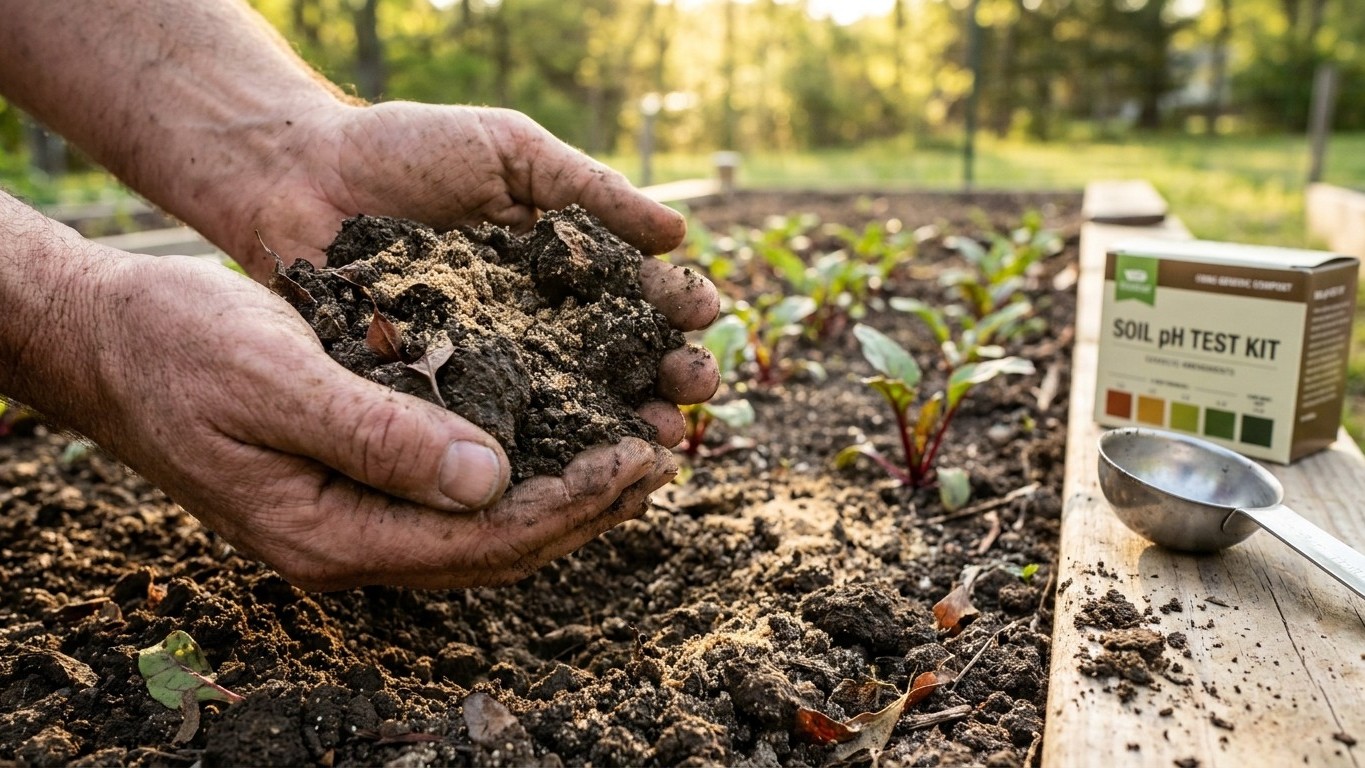
Tennessee’s benchmark soil runs acid and silty, not the loose, well-drained ground beets actually want, and the state’s spring swings enough to put…
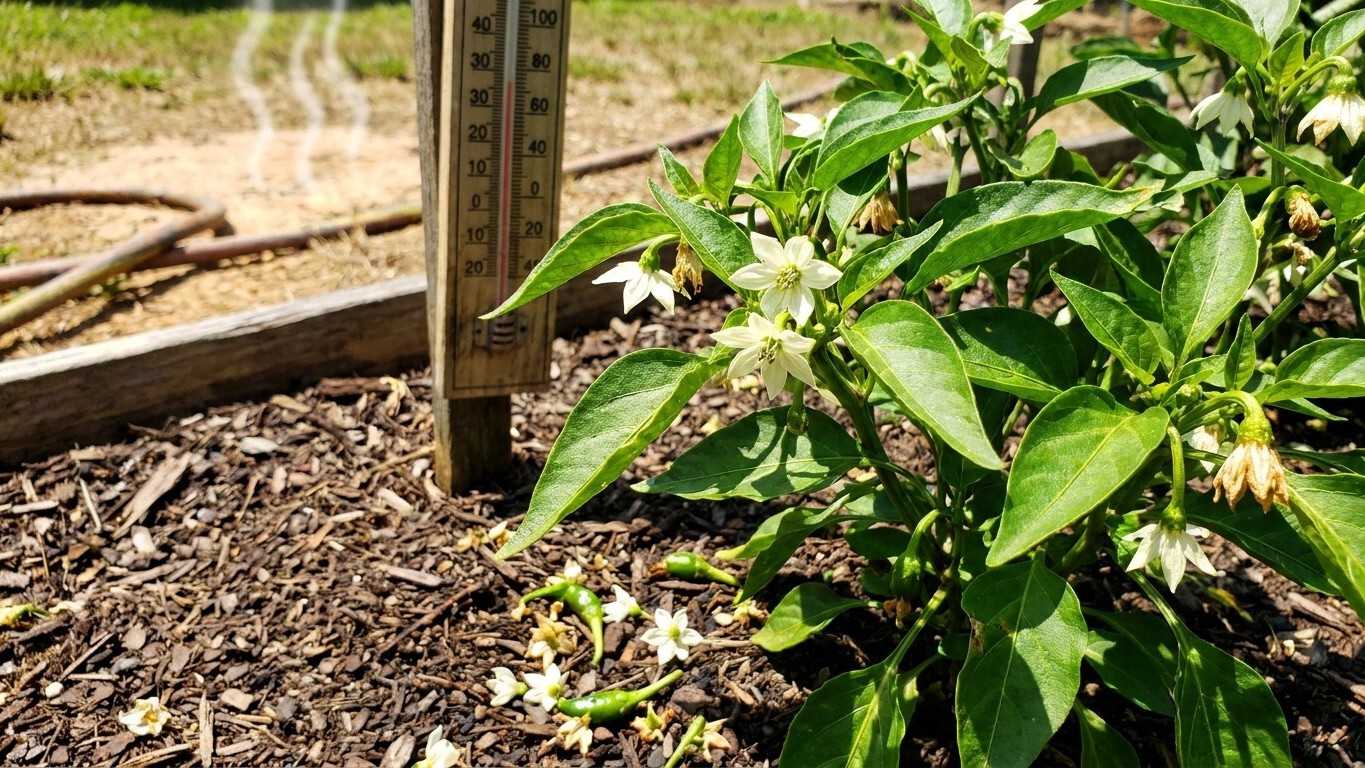
Middle Tennessee averages 40 days a year at 90 F or higher, and that heat alone can strip a pepper plant of its blossoms before a single pod forms.
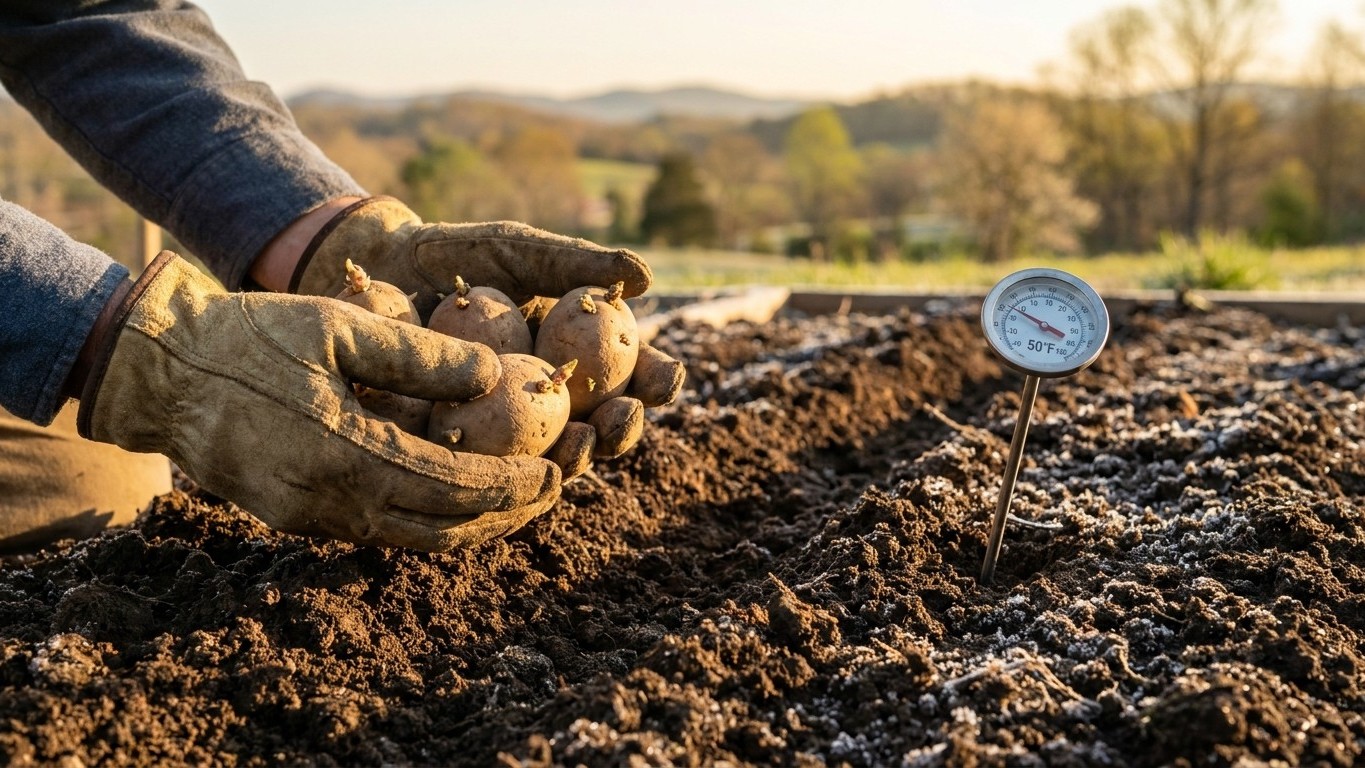
Plant potatoes in Tennessee when the soil hits 50°F, not on a fixed calendar date.
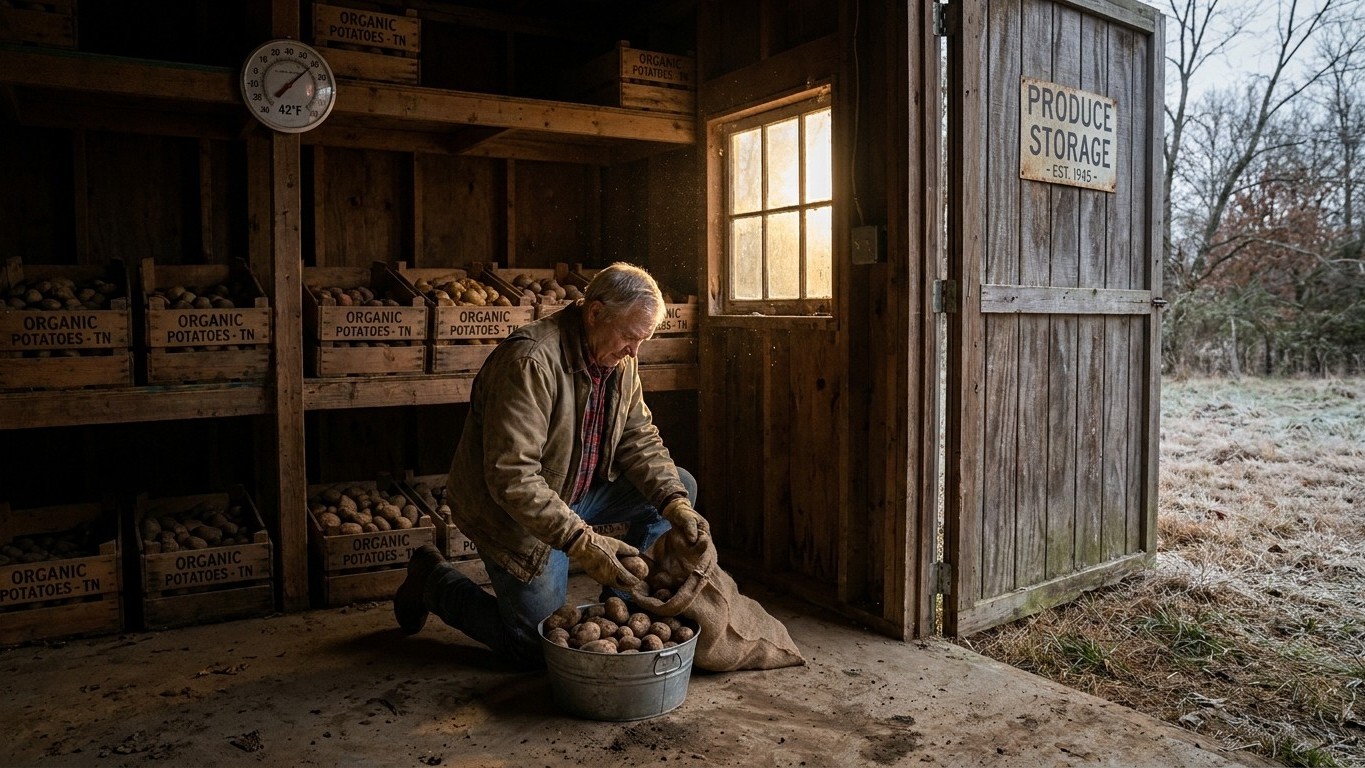
Potatoes need to be out of Tennessee ground before the first fall frost, and cured potatoes need a spot that stays near 40-45°F all winter to keep.
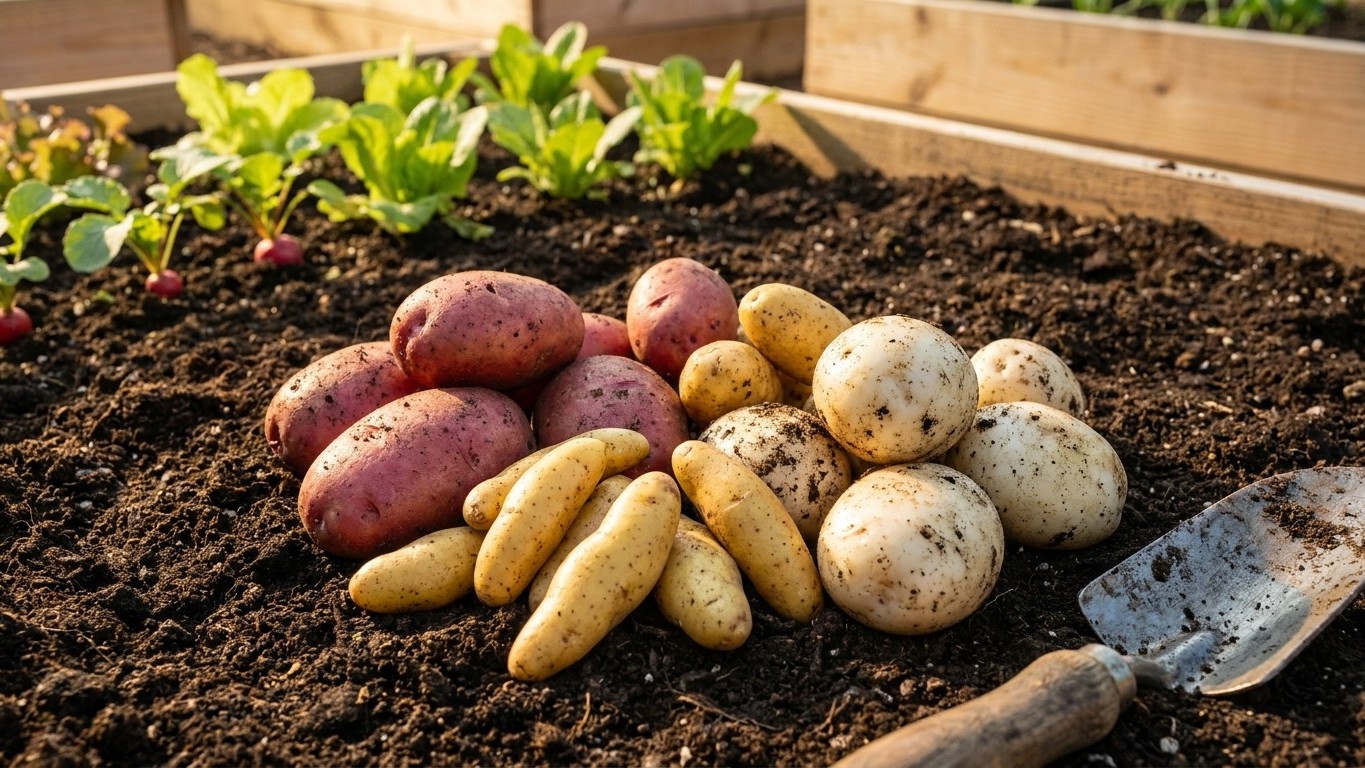
The short answer: early and mid-season potato varieties suit Tennessee best, because the state’s growing window is bracketed by a late frost and an early…
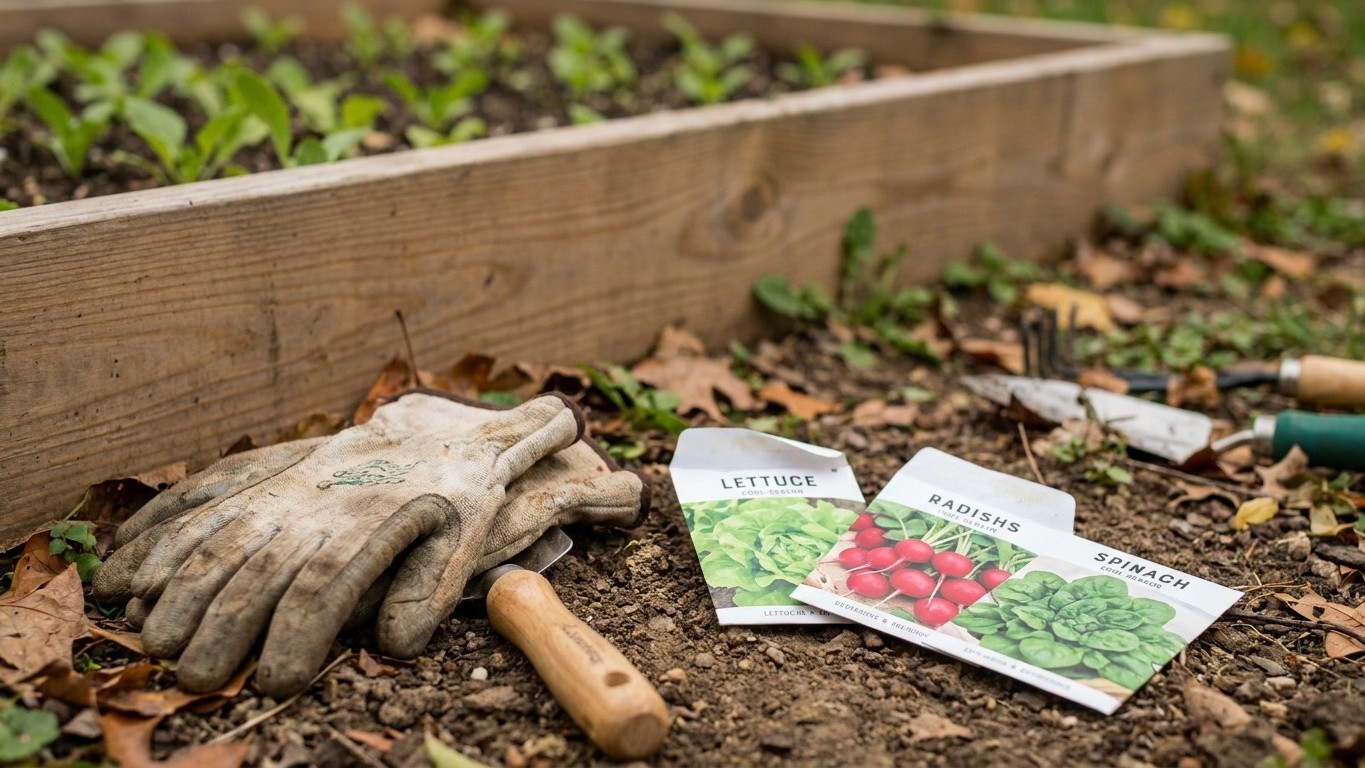
September in Tennessee sits roughly eight to ten weeks before the average first frost, which makes it fall-garden month rather than a dead zone.
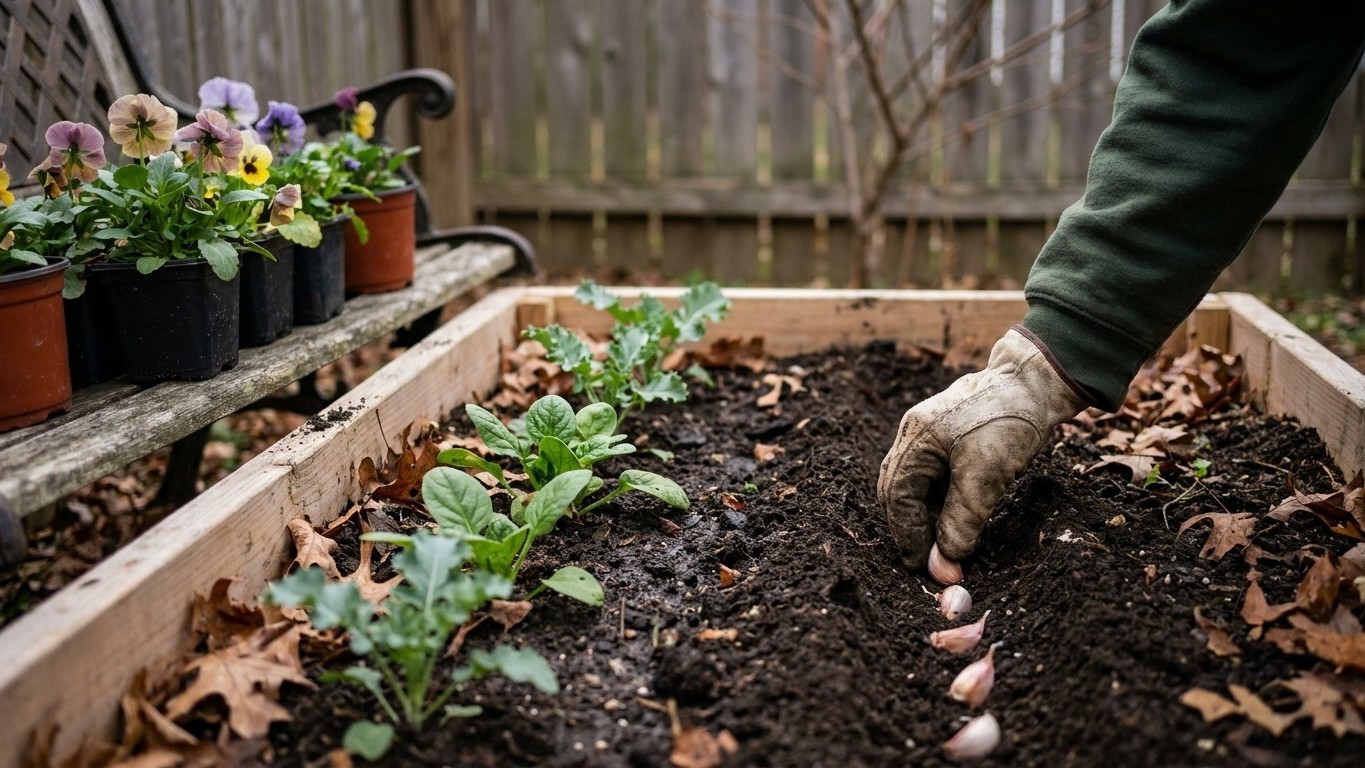
October in Tennessee splits into two very different gardening months. Early in the month, soil is still warm enough for quick-growing greens and root…
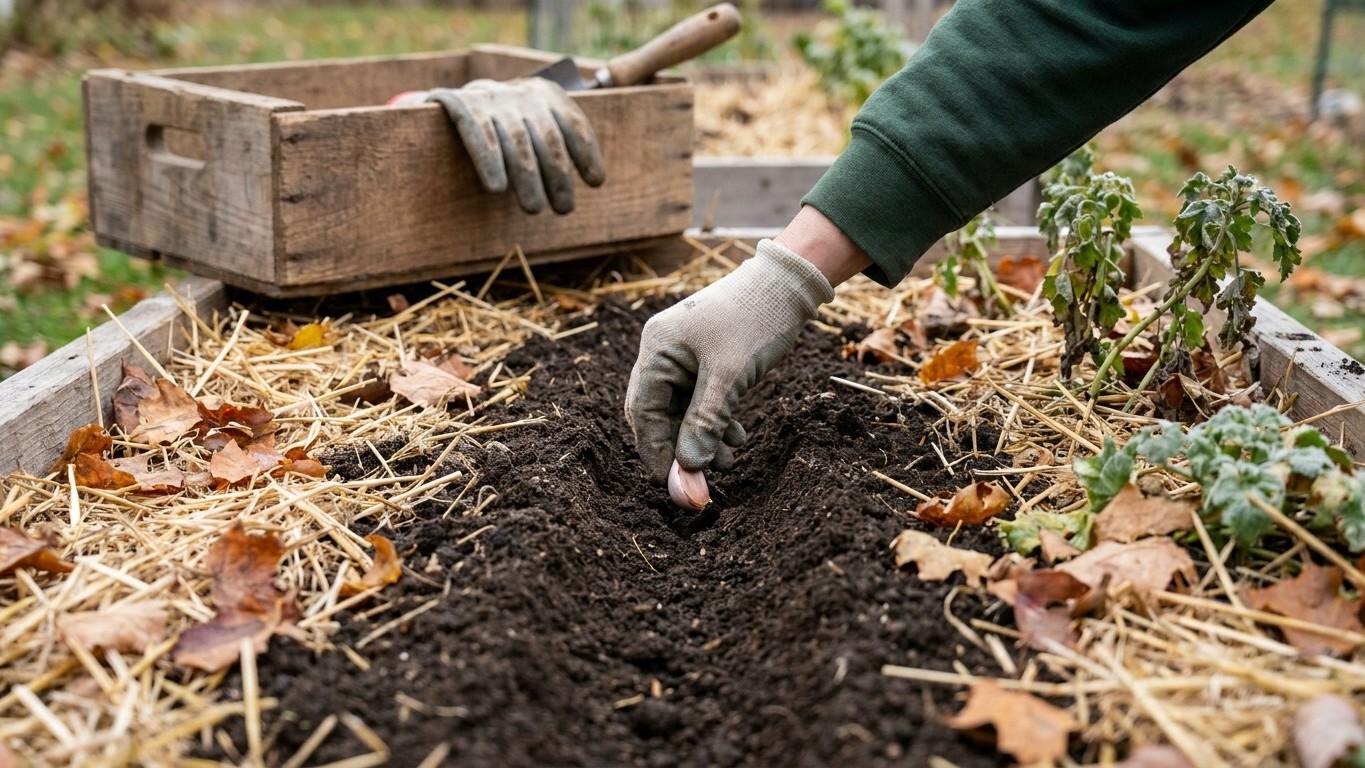
By November, the frost windows tracked by NOAA for Tennessee (October 28 to November 8) have already closed across most of the state.