When to Mulch Strawberries and Perennials for Winter in Washington
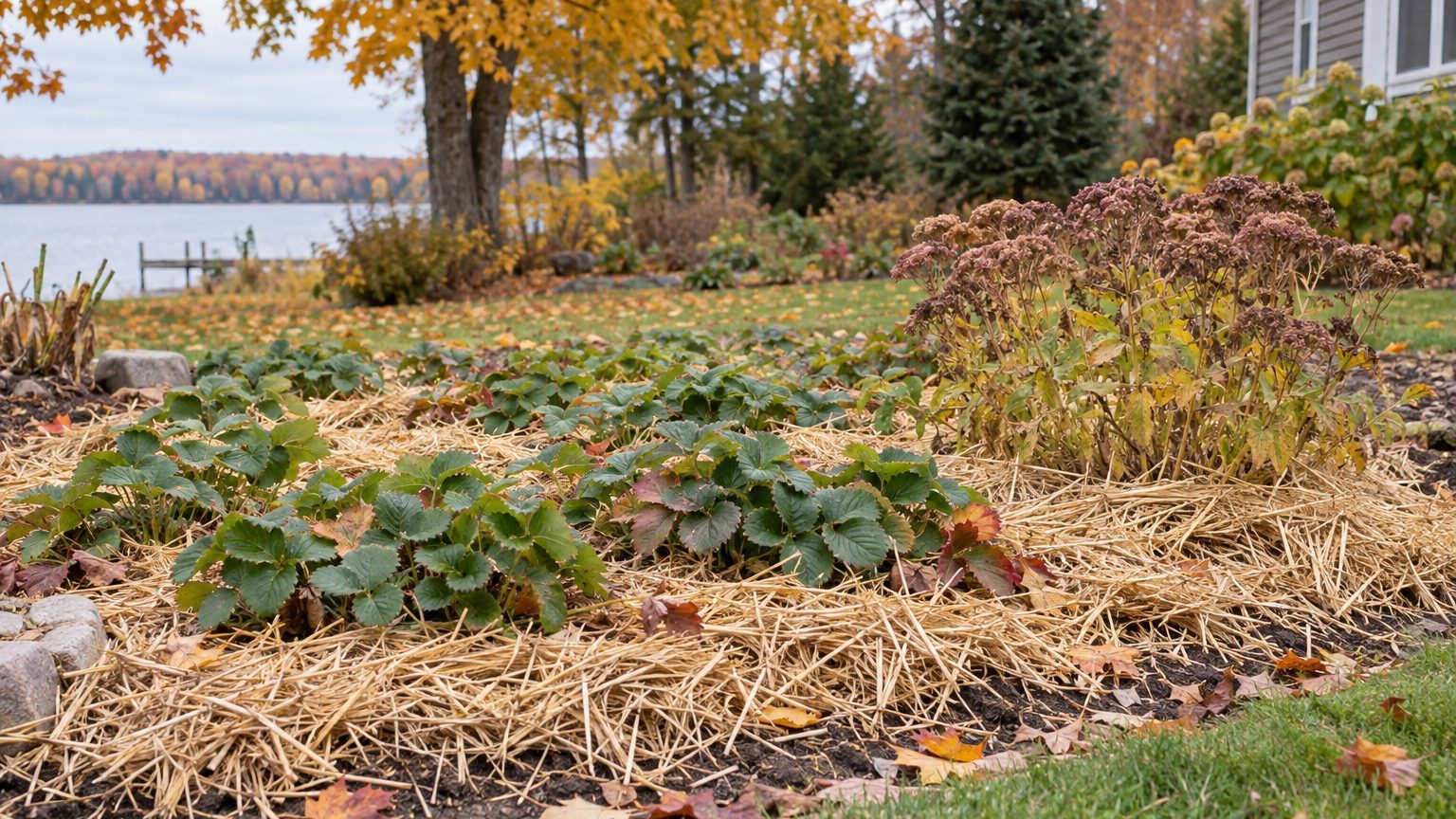
Winter mulch goes on after the ground starts to freeze. In Seattle, NOAA’s 1991-2020 Climate Normals put the first fall freeze between November 13 and…
Home & garden, state by state
Everything we have worked out for Washington: what to plant and when, which varieties finish in time, the pests that actually turn up here, and the jobs that pay off month by month. We also cover the rest of the property, from lawns and soil to home care and energy, because a garden rarely stops at the vegetable bed.
The numbers first, because everything else follows from them. Measured at the weather station in Seattle, the last spring freeze runs February 27 to March 18 and the first fall freeze runs November 13 to November 30, USDA zones 4a-9a, 2,353 growing degree days in the year.
That is enough for early varieties, tight for anything late. Garlic does well: 17.4 weeks below 40 °F, comfortably past the six it needs to form a proper head.
Elsewhere on the property in Washington: the pests that turn up here.
Figures from NOAA's 1991-2020 climate normals. A state is not one climate: elevation, a large lake or the coast can move these dates by two weeks either way, so check your own county with the extension service before you spend money.
Winter mulch goes on after the ground starts to freeze. In Seattle, NOAA’s 1991-2020 Climate Normals put the first fall freeze between November 13 and…
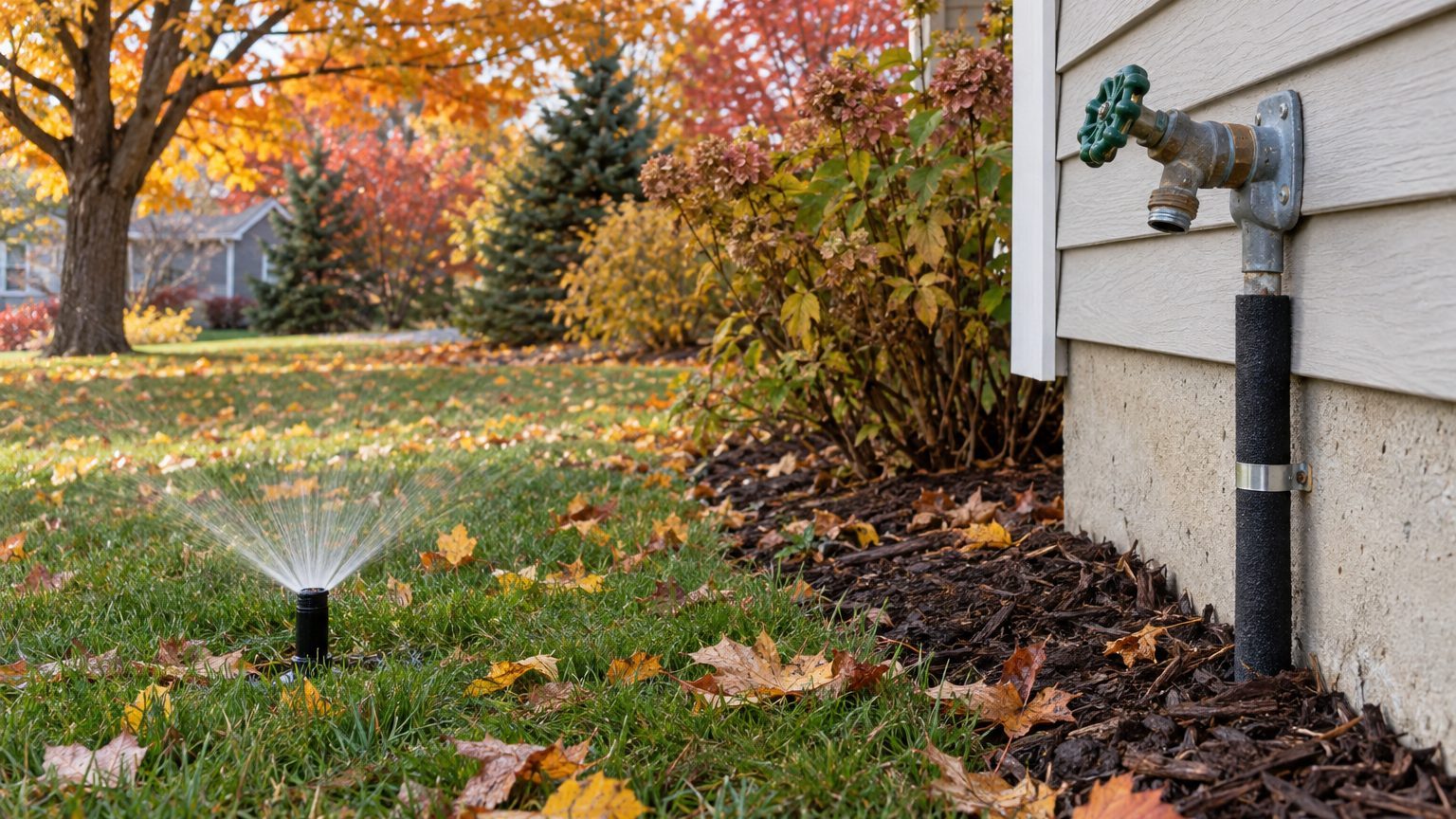
Washington has two different winters, and the right timing depends on which side of the Cascades your pipes sit.
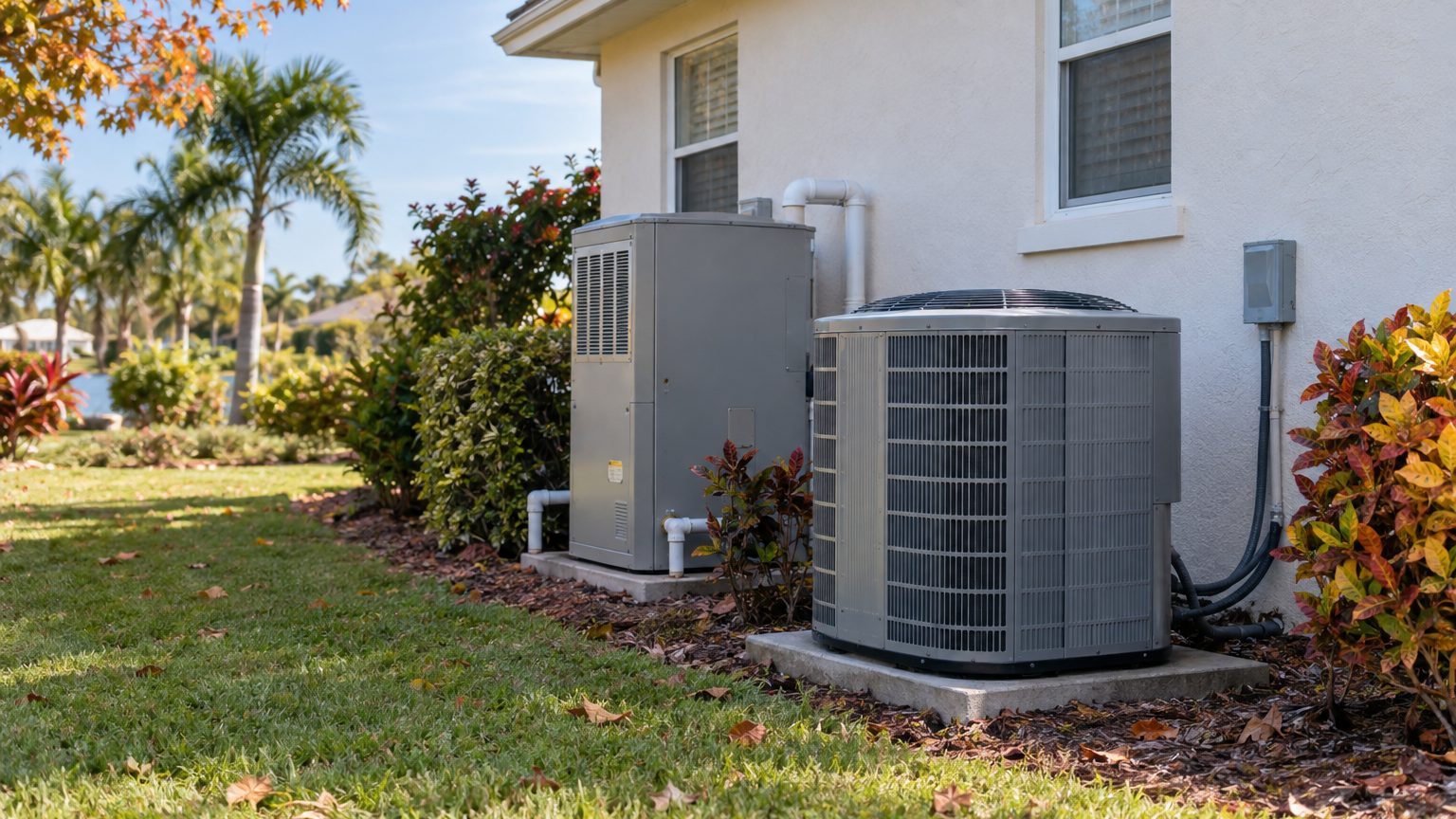
A natural gas furnace costs slightly less to run in Washington than a heat pump, but the gap is small: $0.26 per million Btu in the furnace’s favor.
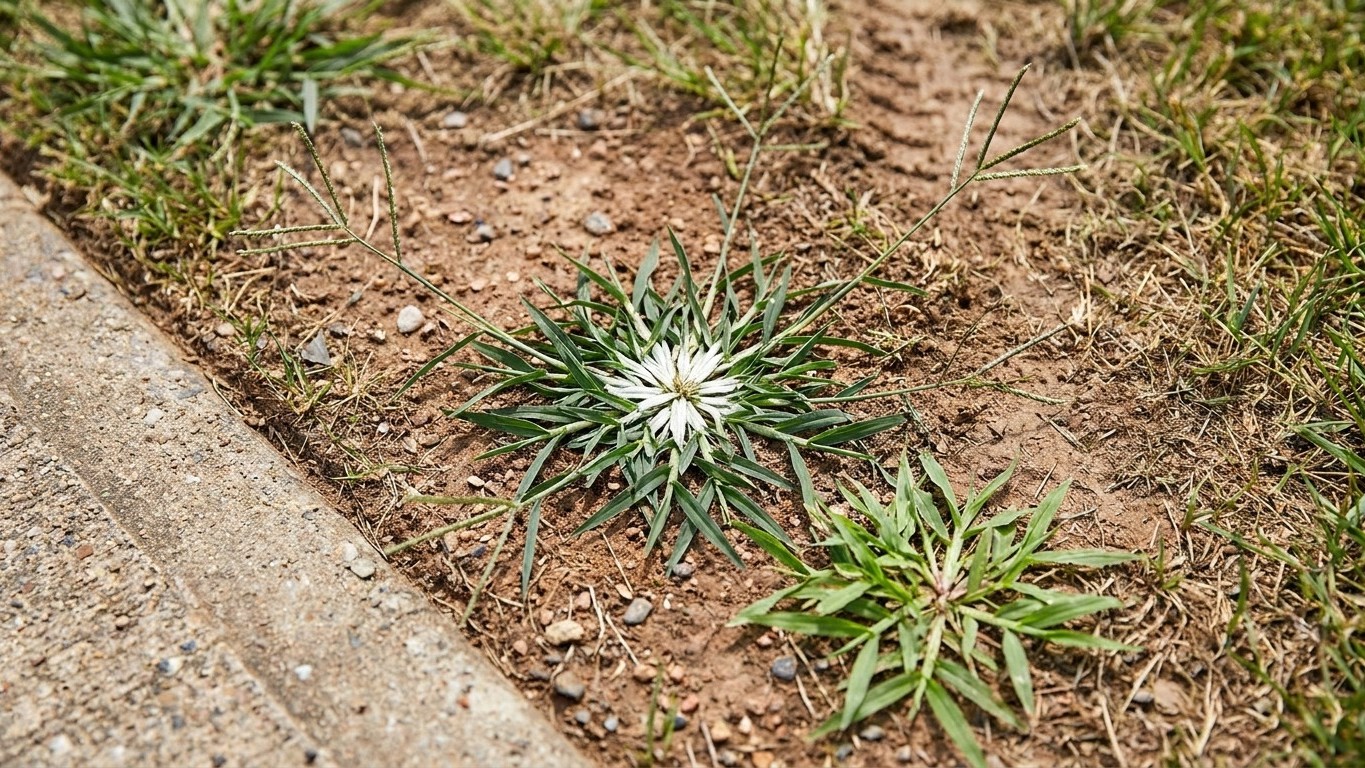
Washington lawns are mowed at the height that suits the grass, and the two grass families here sit far apart. Tall fescue wants 3 to 3.5 inches.
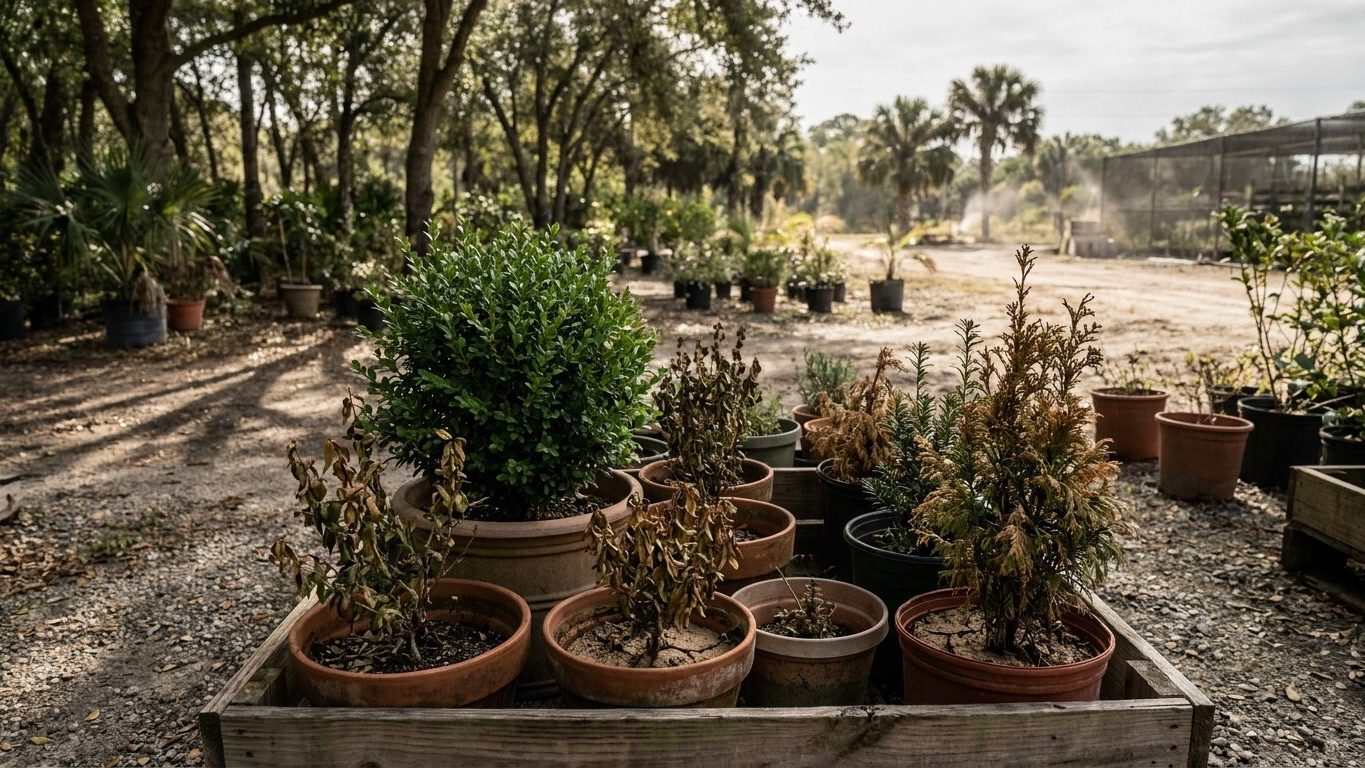
Of twelve common hedge plants, four survive every zone Washington has, from 4a to 9a on the USDA system: American hornbeam, inkberry holly, winterberry…
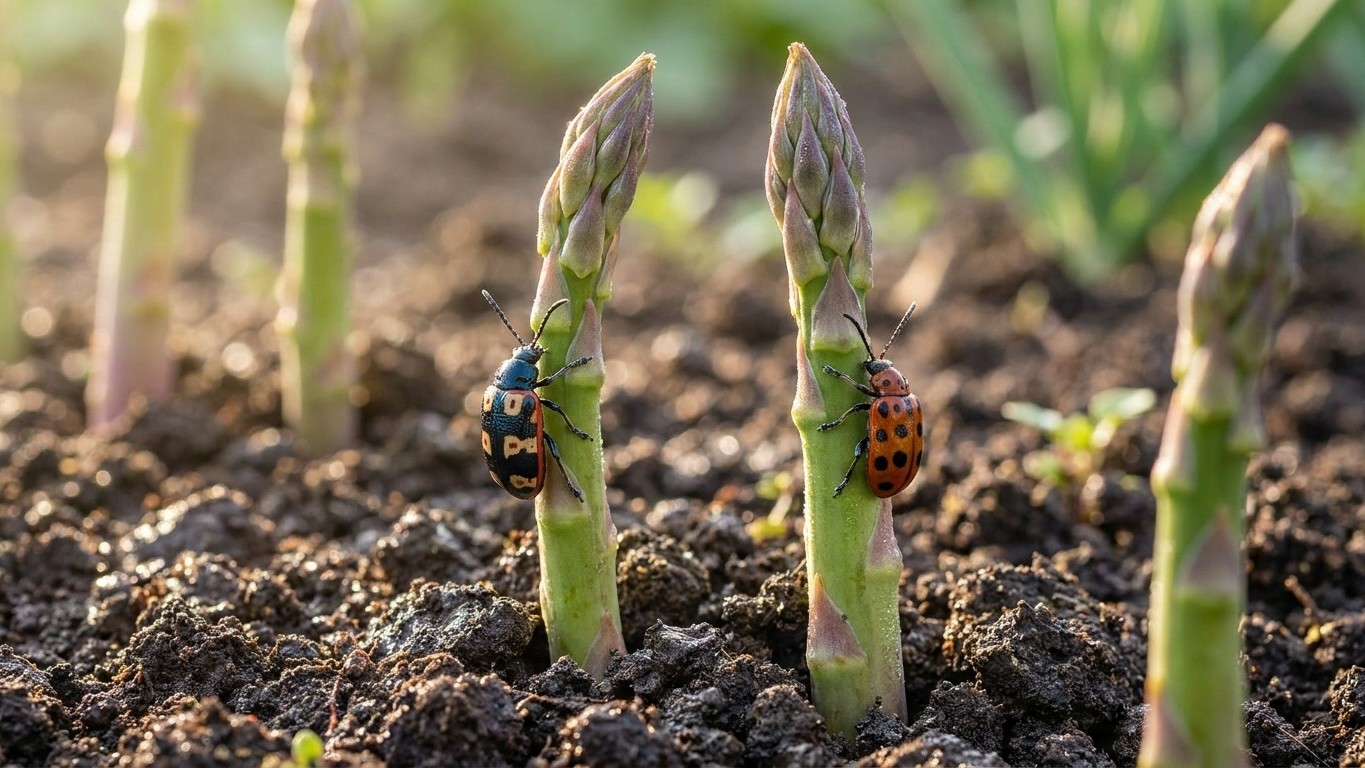
Most pest damage on Washington asparagus comes from chewing insects, plus a few feeders that work at the soil line.
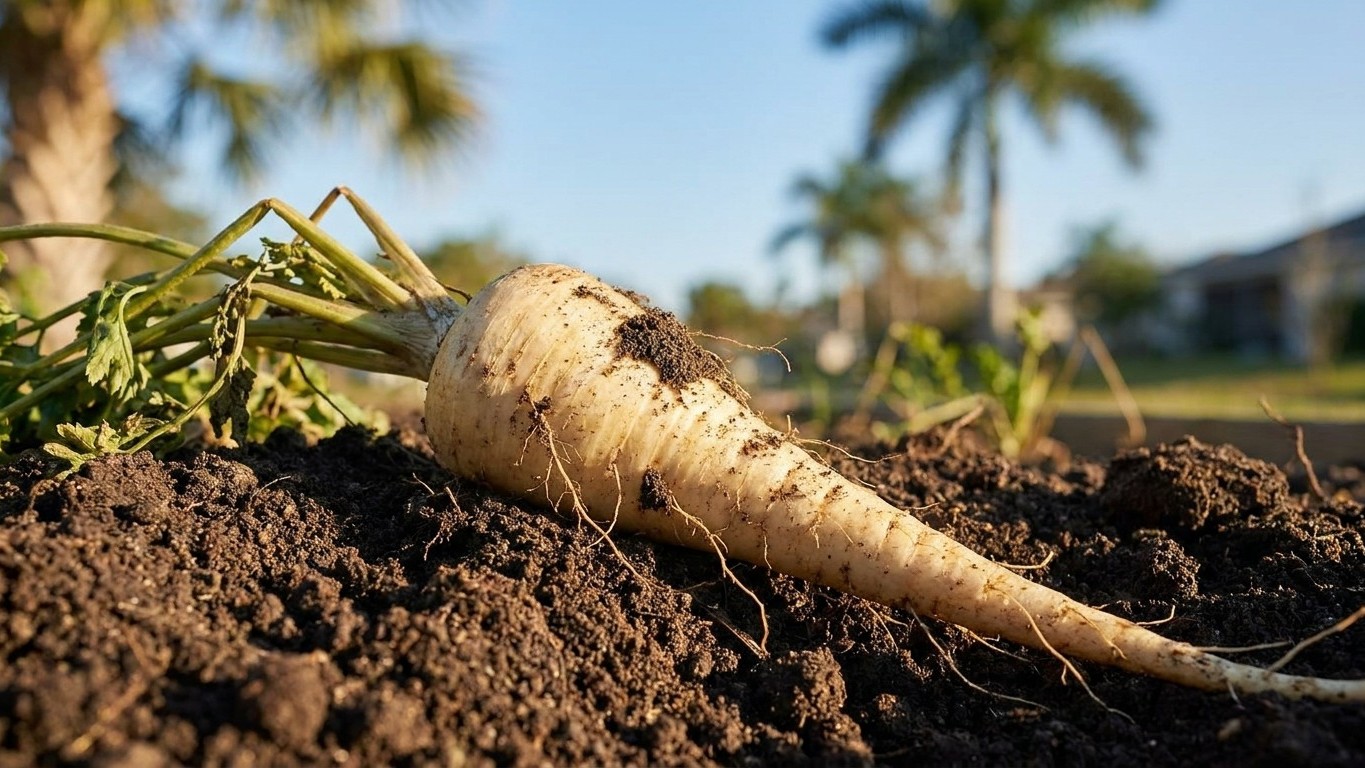
Lift parsnips in western Washington from late autumn through winter, once the first frosts have come, and finish before the roots send up new growth in…
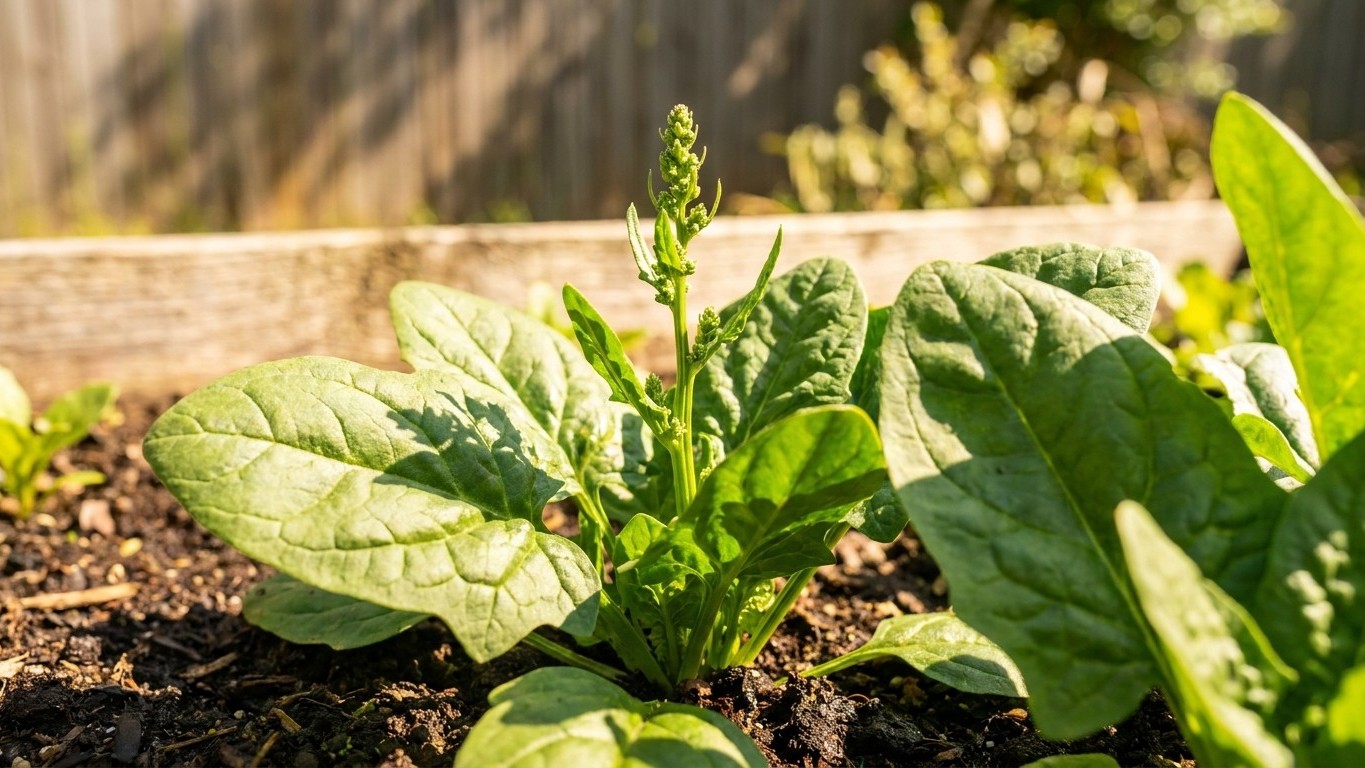
Cut spinach when the outer leaves are about as long as your hand and still tender, before a thick stalk starts to rise from the center.
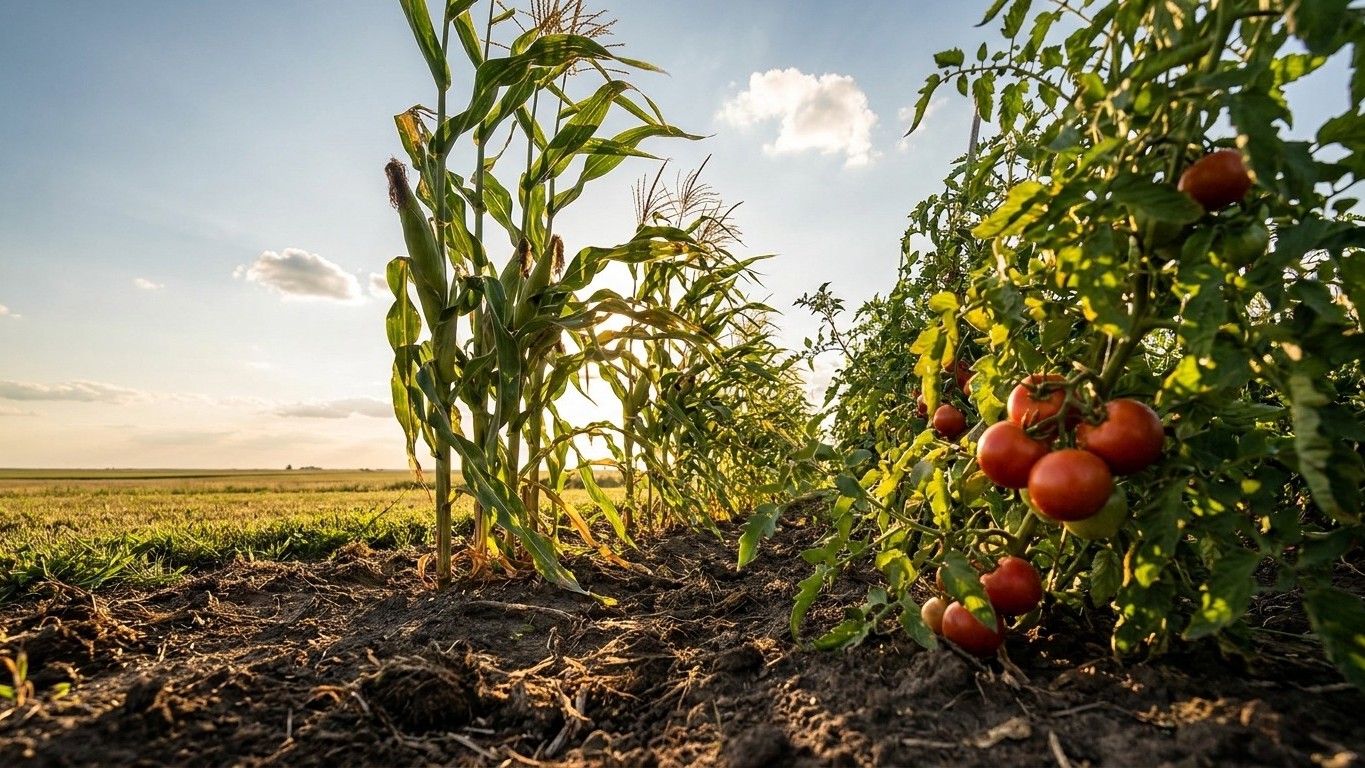
Sweet corn in western Washington is ready in late summer, but the exact week moves with planting day and how warm the season runs, so judge the ear…
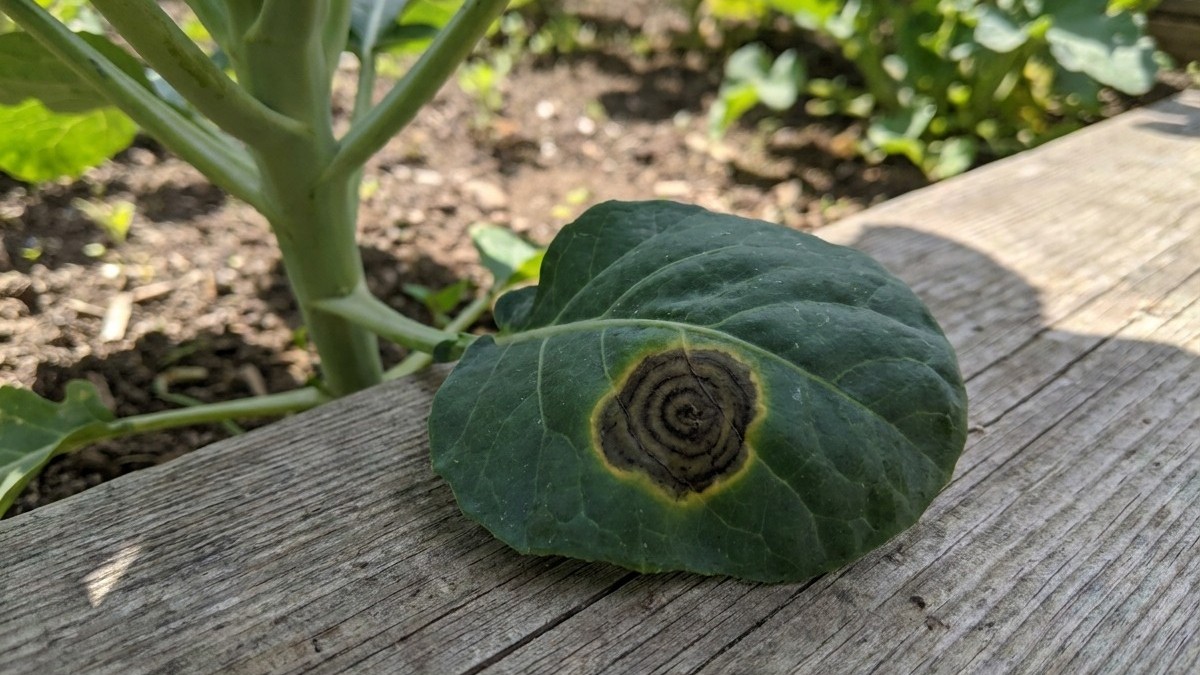
Cut a pumpkin when the rind is too hard to dent with a thumbnail, the color is even, and the stem has dried and turned woody.