Corn earworm in Washington: When It Shows Up and What Stops It
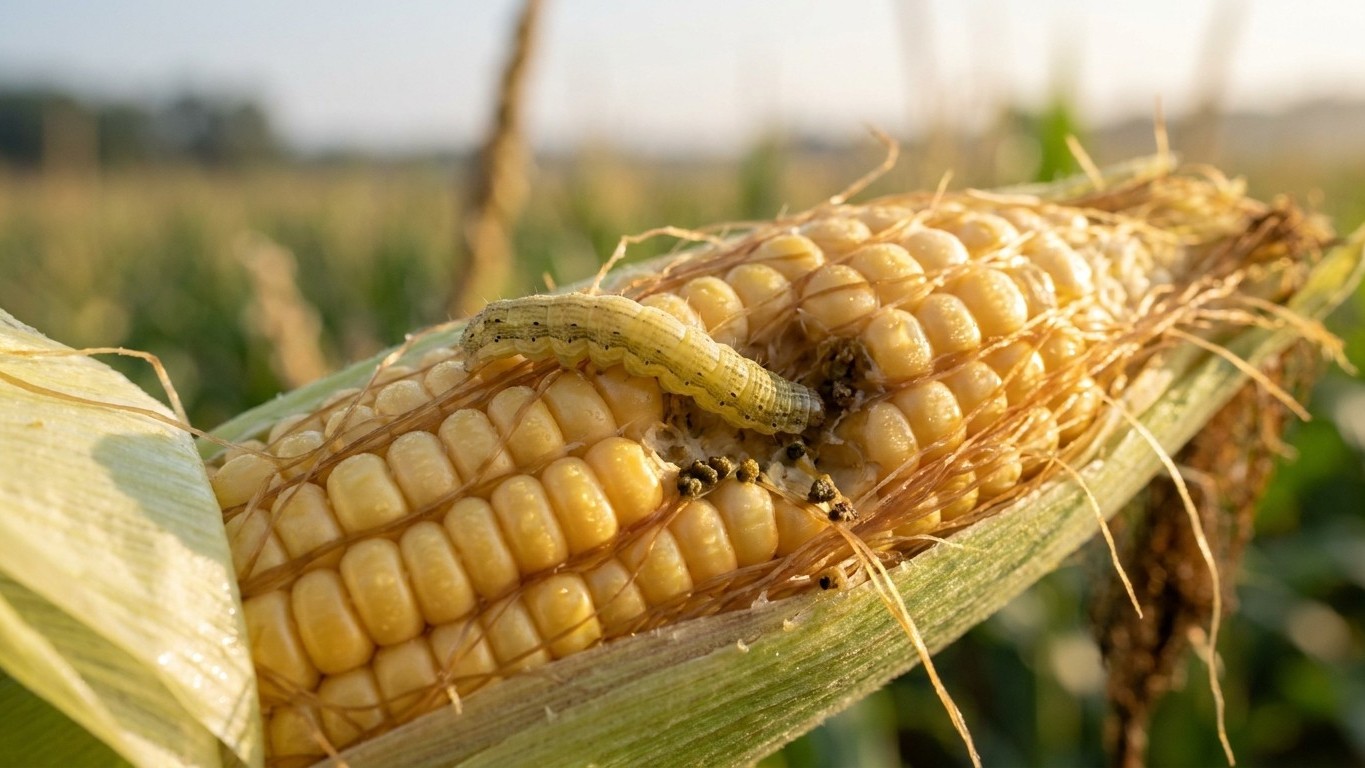
Corn earworm moths reach Washington gardens every summer, riding warm air north from milder regions before laying eggs once corn silks appear.
Home & garden, state by state
Everything we have worked out for Washington: what to plant and when, which varieties finish in time, the pests that actually turn up here, and the jobs that pay off month by month. We also cover the rest of the property, from lawns and soil to home care and energy, because a garden rarely stops at the vegetable bed.
The numbers first, because everything else follows from them. Measured at the weather station in Seattle, the last spring freeze runs February 27 to March 18 and the first fall freeze runs November 13 to November 30, USDA zones 4a-9a, 2,353 growing degree days in the year.
That is enough for early varieties, tight for anything late. Garlic does well: 17.4 weeks below 40 °F, comfortably past the six it needs to form a proper head.
Elsewhere on the property in Washington: the pests that turn up here.
Figures from NOAA's 1991-2020 climate normals. A state is not one climate: elevation, a large lake or the coast can move these dates by two weeks either way, so check your own county with the extension service before you spend money.
Corn earworm moths reach Washington gardens every summer, riding warm air north from milder regions before laying eggs once corn silks appear.
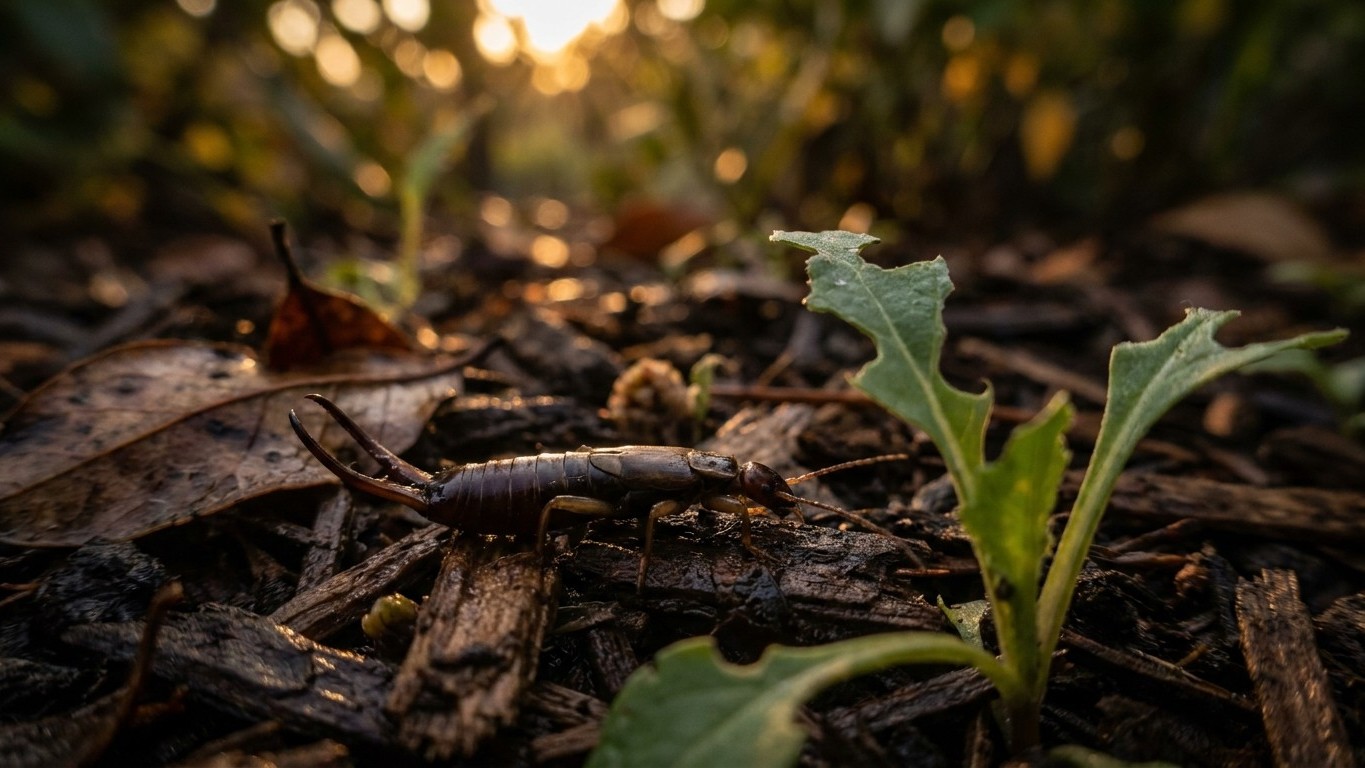
Earwigs show up across Washington as soon as spring soil holds steady warmth, usually active from April through the first hard fall cold snap.
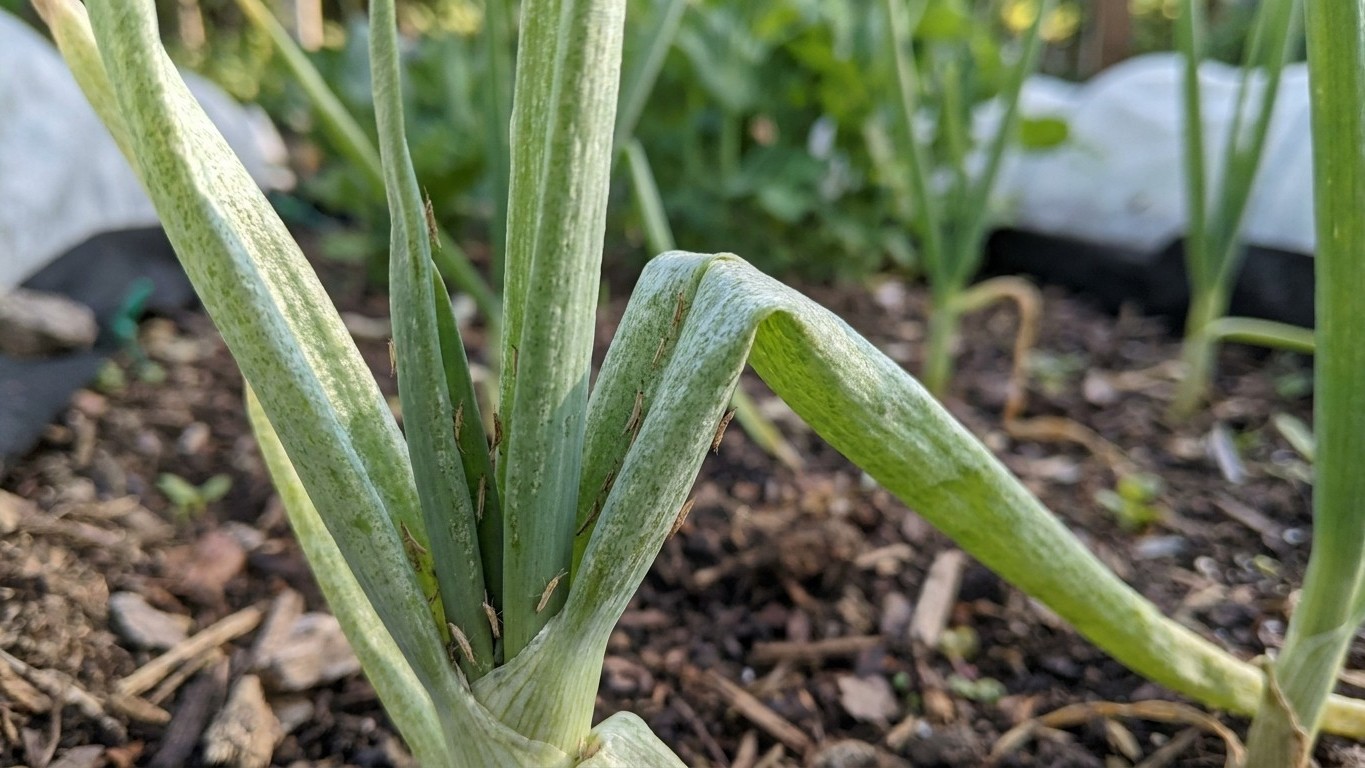
Onion thrips turn up in Washington gardens once the soil warms past the chilly, wet stretch that follows the last frost, then build through the hot, dry…
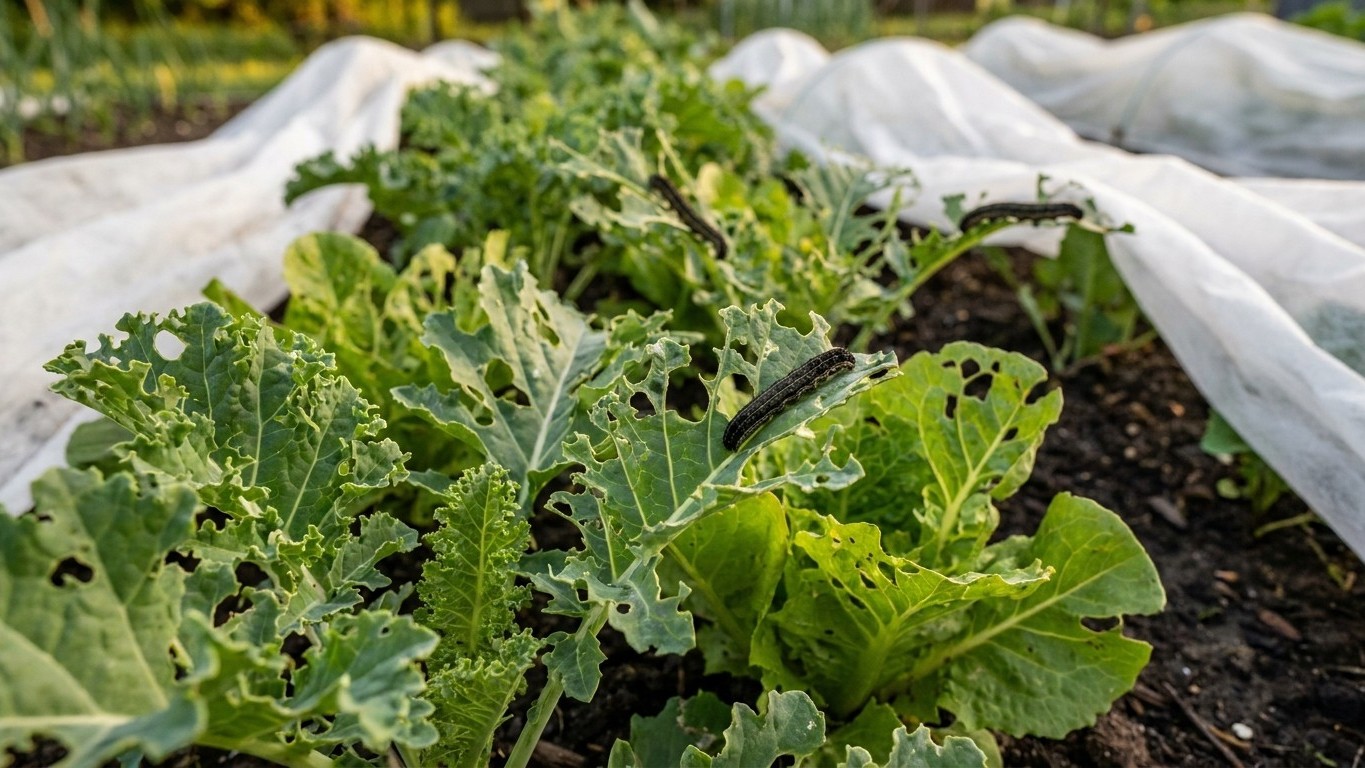
Armyworms show up in Washington later than in most of the country, arriving as migrating moths rather than overwintering locals, typically once summer…
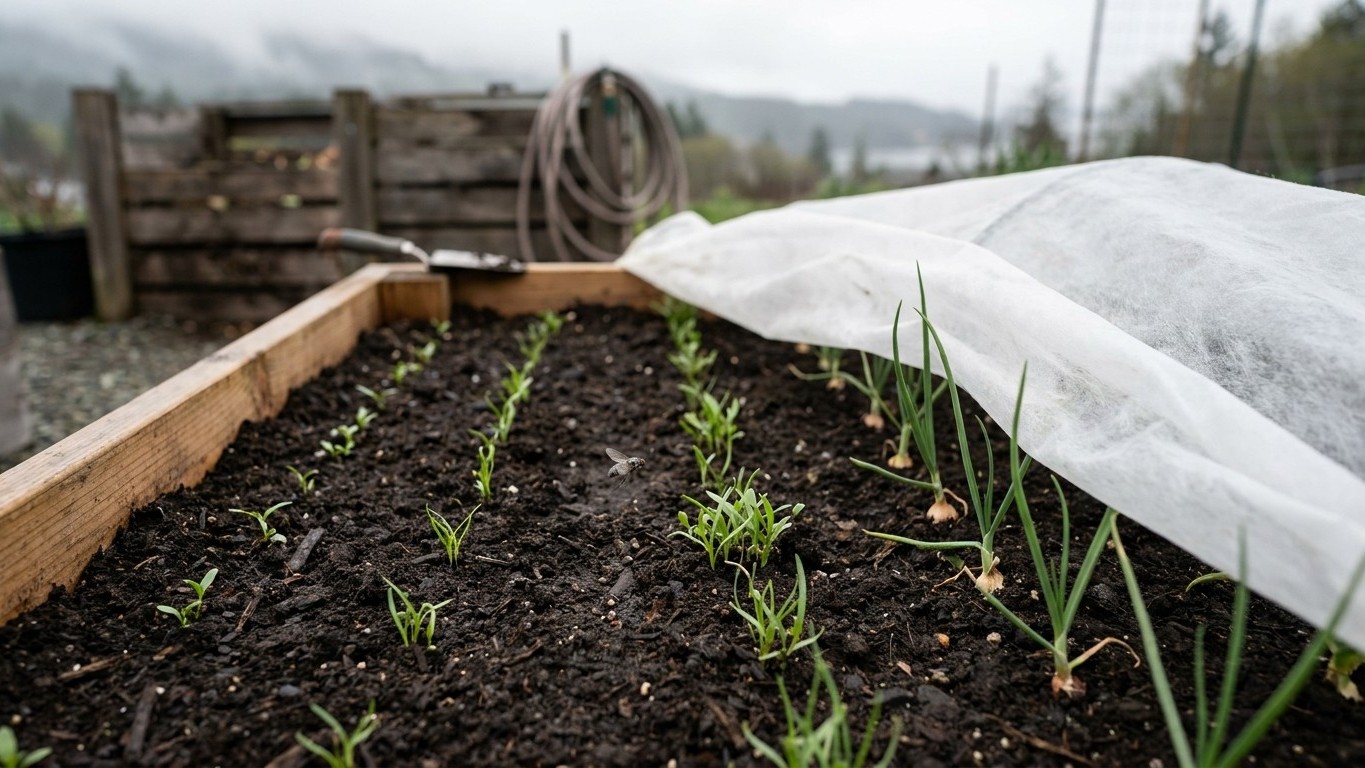
Onion maggot shows up in Washington gardens in spring, right after transplants or sets go into the ground, and again in a second wave during summer.

Washington’s hardiness range runs from 4a to 9a, one of the widest spreads on this site’s list of territories, and that spread is the whole story here.
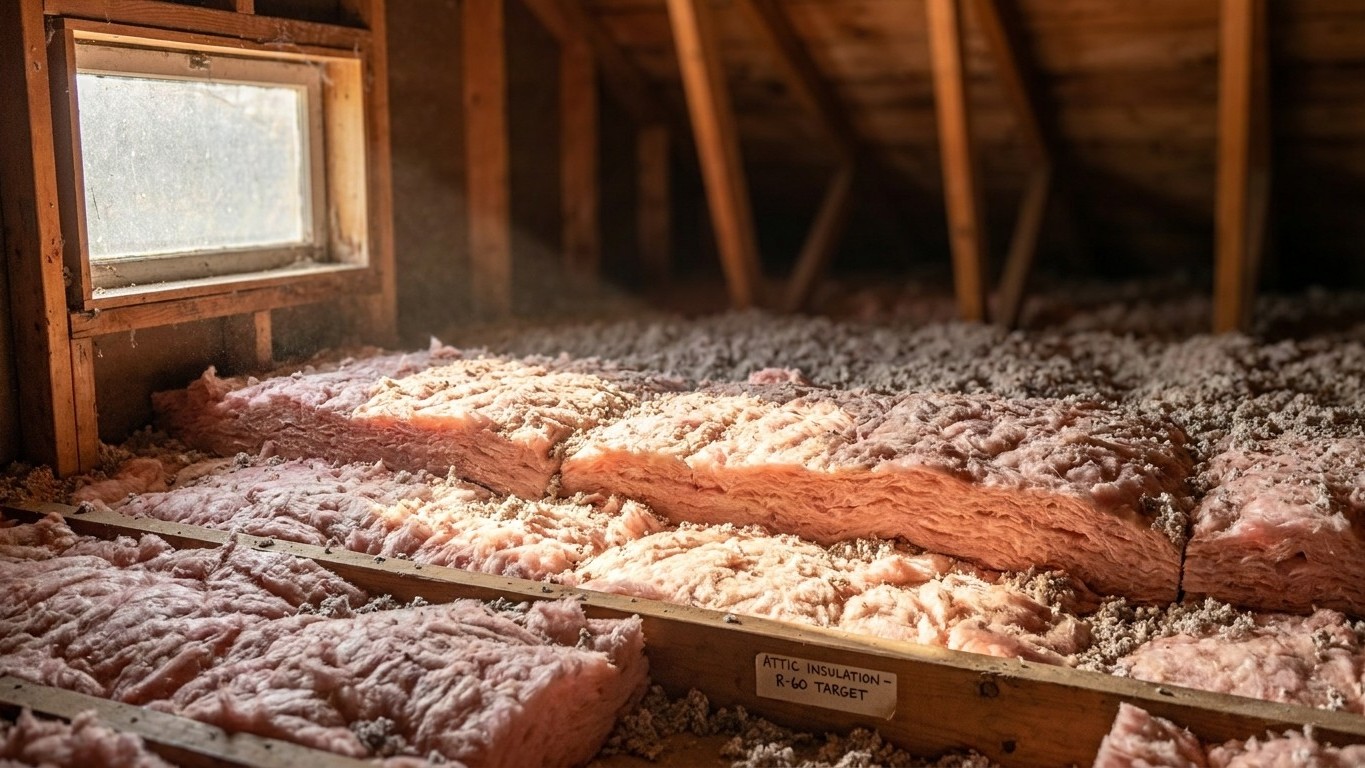
Washington spans four IECC climate zones across its 39 counties, so there’s no single R-value that fits every home in the state.

Turn off the heat around July, when Washington’s monthly temperatures climb back above the 65°F mark that NOAA uses to measure heating demand, and hold…
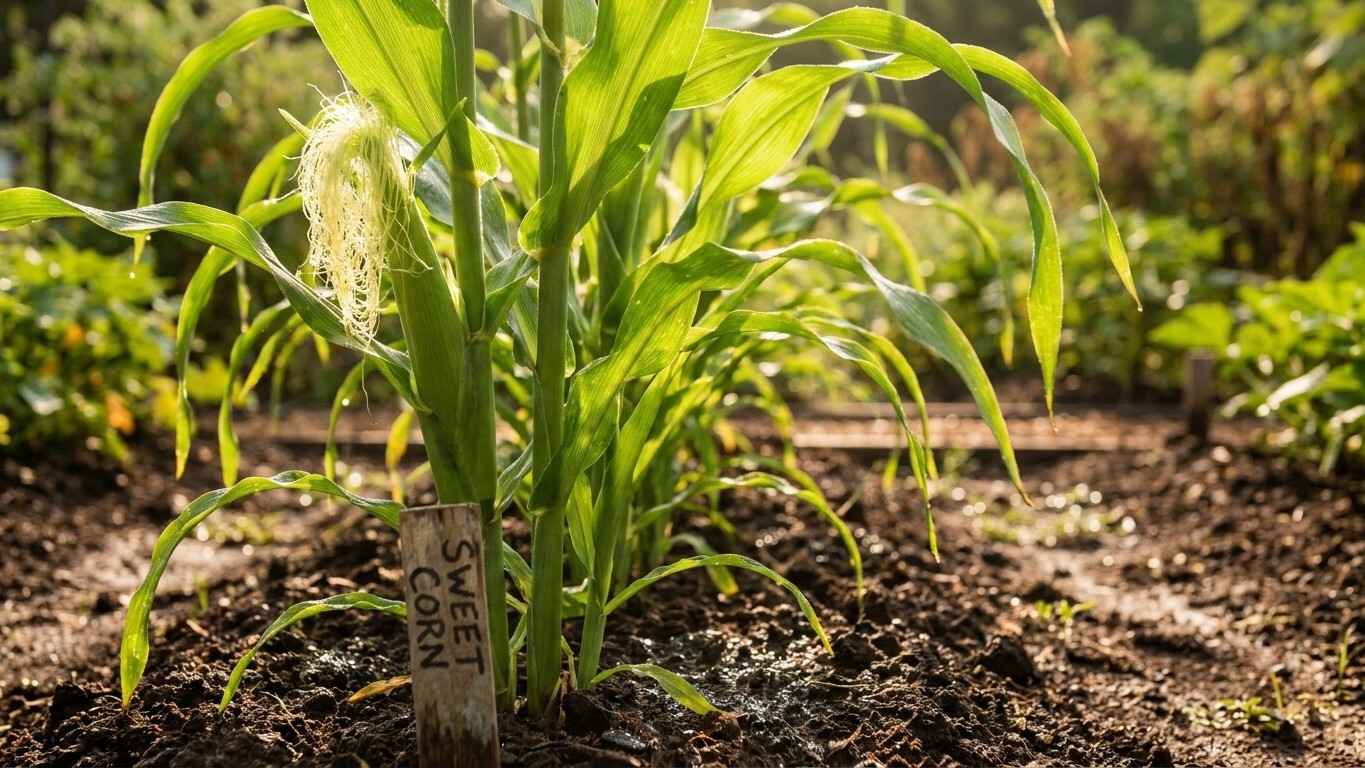
Yes, sweet corn ripens reliably in western Washington, but the calendar that matters is not the frost date most gardeners circle in April.
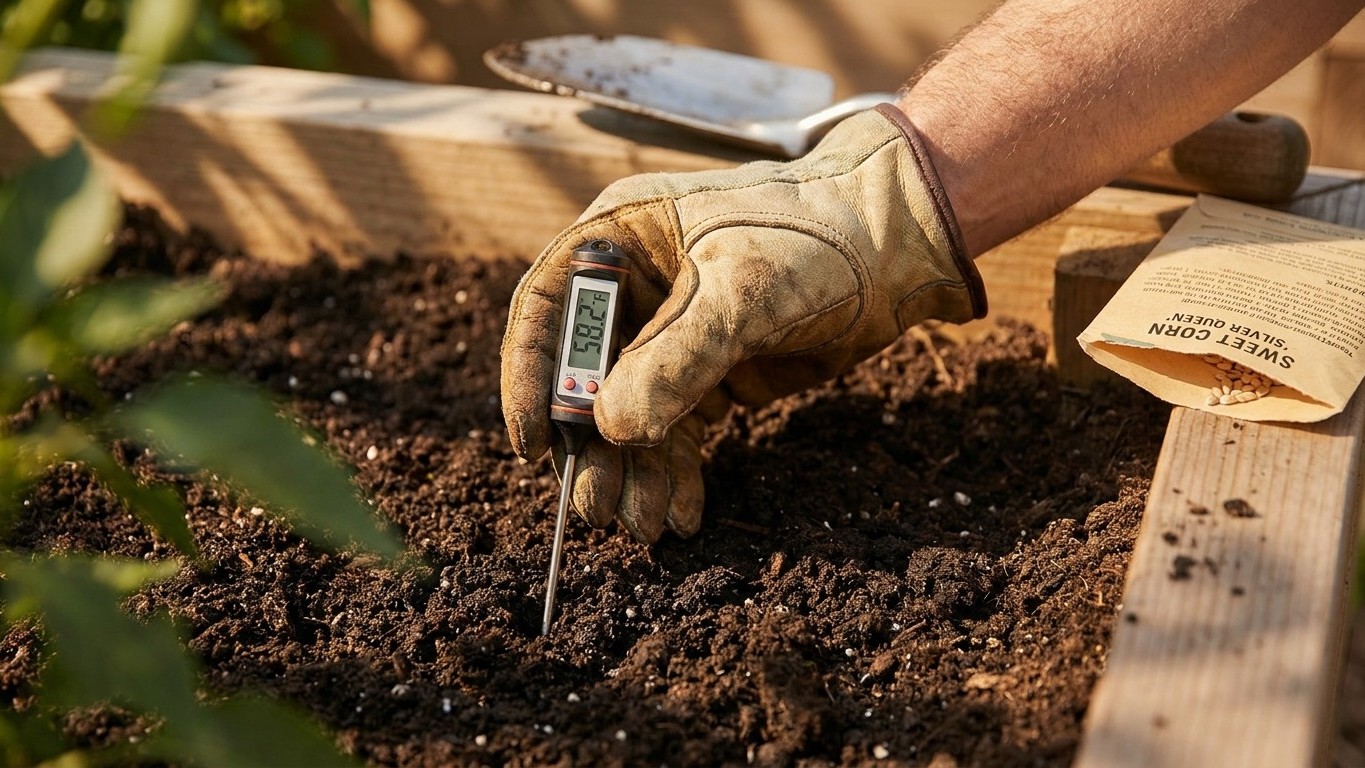
In western Washington, sweet corn goes in the ground once soil temperatures climb past 60°F, which lands well after the last frost, typically not until…