What to Plant in Washington in June
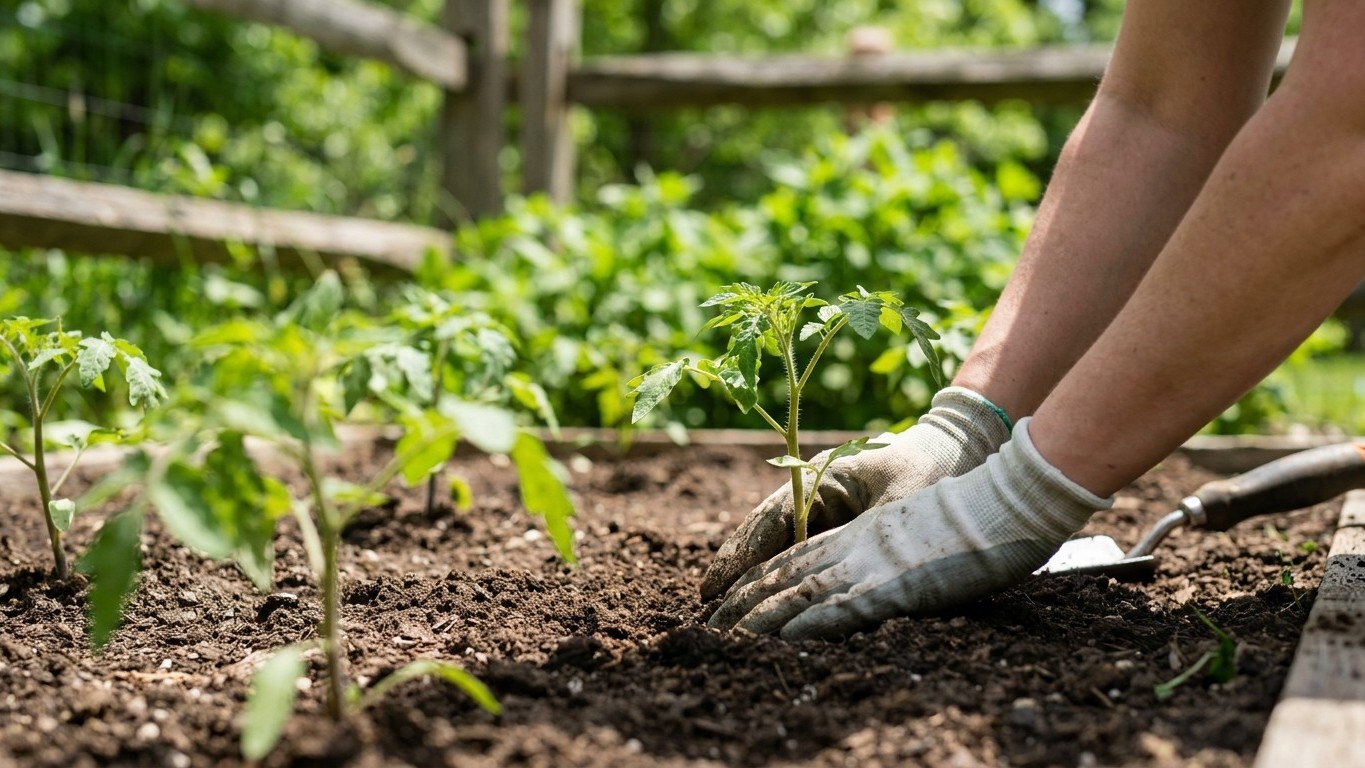
June is the month Washington gardens finally catch up to the calendar. On the west side of the Cascades, the frost window measured at the Seattle-Tacoma…
Home & garden, state by state
Everything we have worked out for Washington: what to plant and when, which varieties finish in time, the pests that actually turn up here, and the jobs that pay off month by month. We also cover the rest of the property, from lawns and soil to home care and energy, because a garden rarely stops at the vegetable bed.
The numbers first, because everything else follows from them. Measured at the weather station in Seattle, the last spring freeze runs February 27 to March 18 and the first fall freeze runs November 13 to November 30, USDA zones 4a-9a, 2,353 growing degree days in the year.
That is enough for early varieties, tight for anything late. Garlic does well: 17.4 weeks below 40 °F, comfortably past the six it needs to form a proper head.
Elsewhere on the property in Washington: the pests that turn up here.
Figures from NOAA's 1991-2020 climate normals. A state is not one climate: elevation, a large lake or the coast can move these dates by two weeks either way, so check your own county with the extension service before you spend money.
June is the month Washington gardens finally catch up to the calendar. On the west side of the Cascades, the frost window measured at the Seattle-Tacoma…
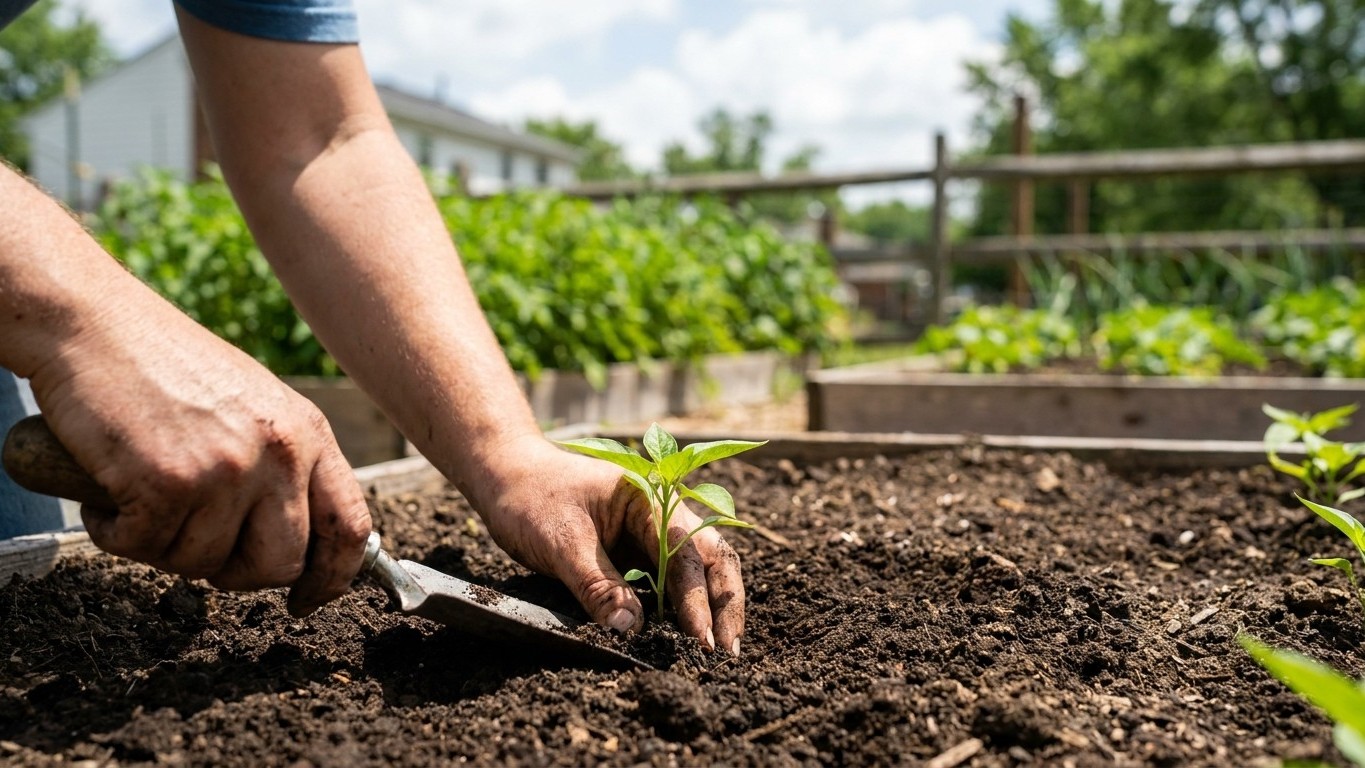
July puts Washington gardens in two very different growing worlds at once. West of the Cascades, cool nights and marine air still cap how much…
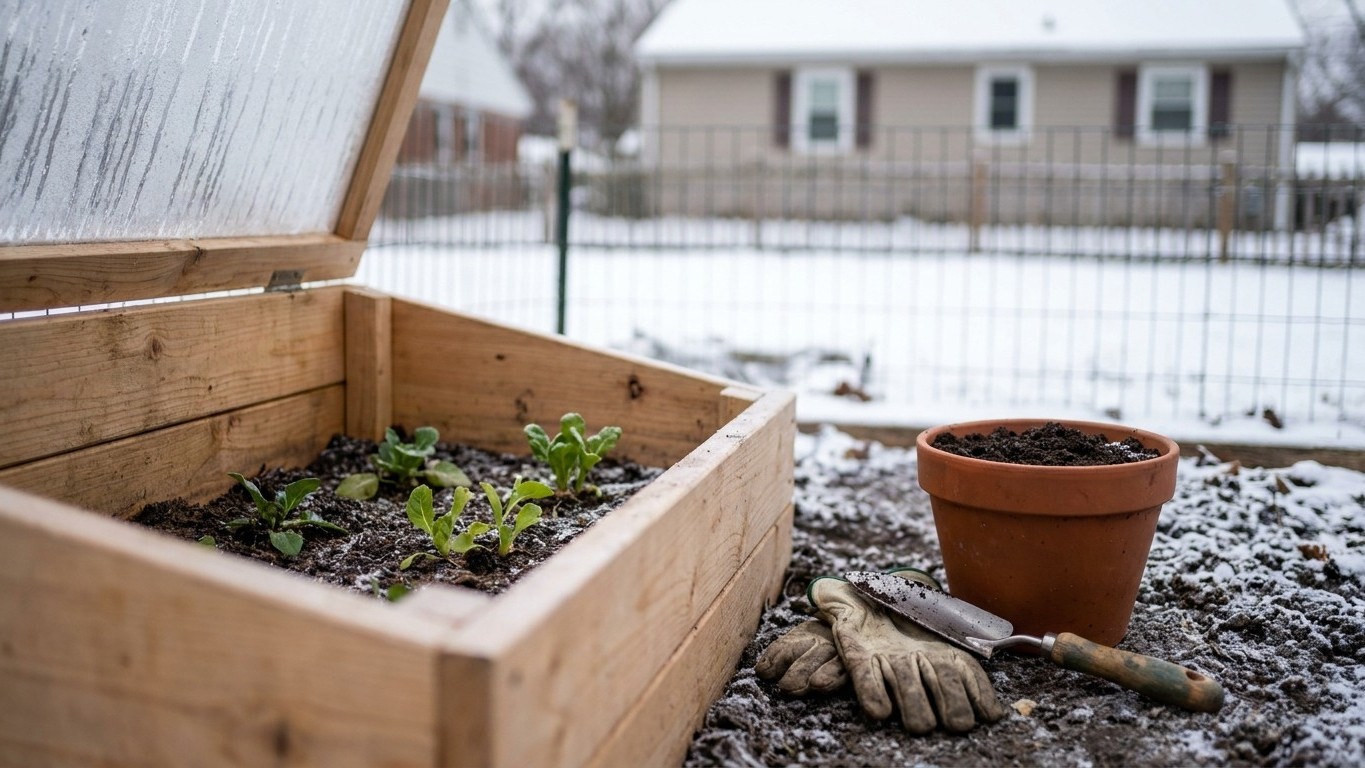
January in Washington means almost nothing goes into open ground west of the Cascades, and nothing at all east of them.
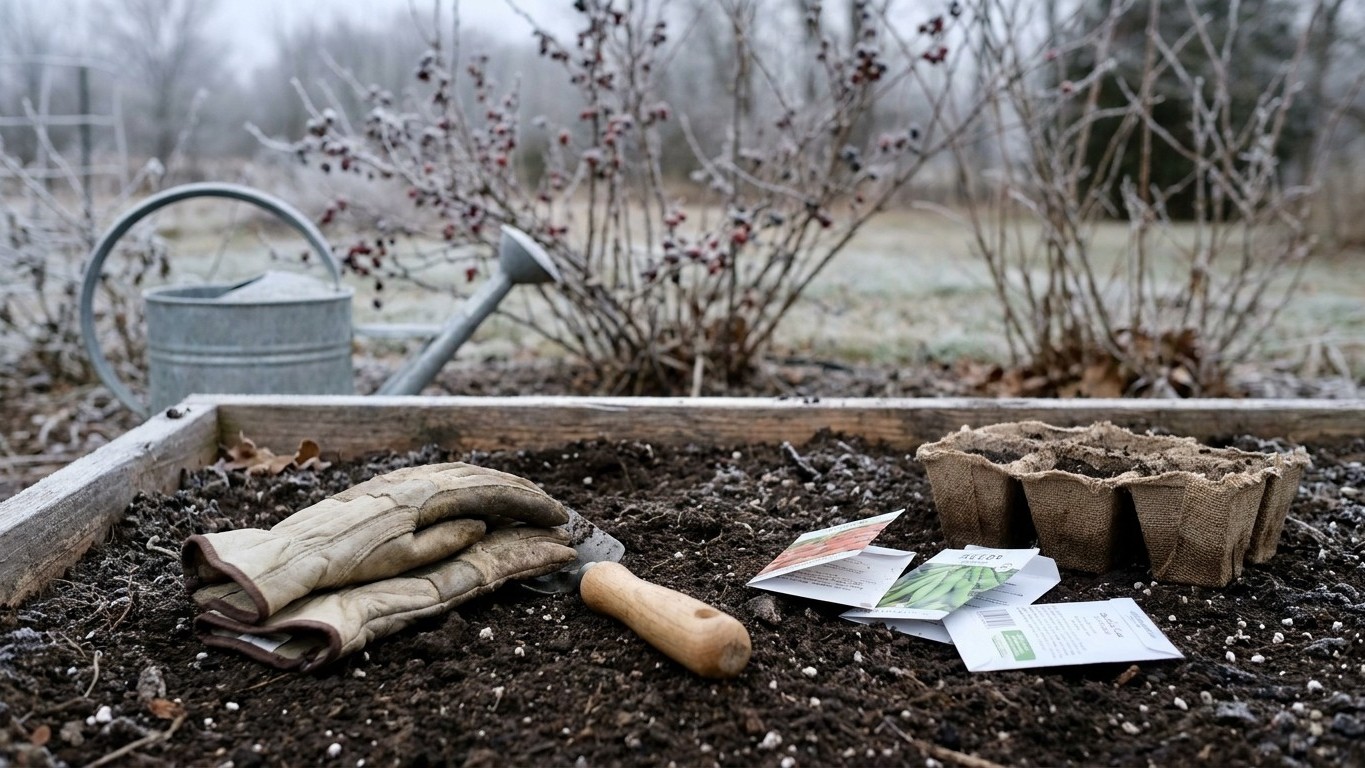
Very little goes into open ground anywhere in Washington this month, and that is not a failure of the calendar, it’s the frost window doing its job.
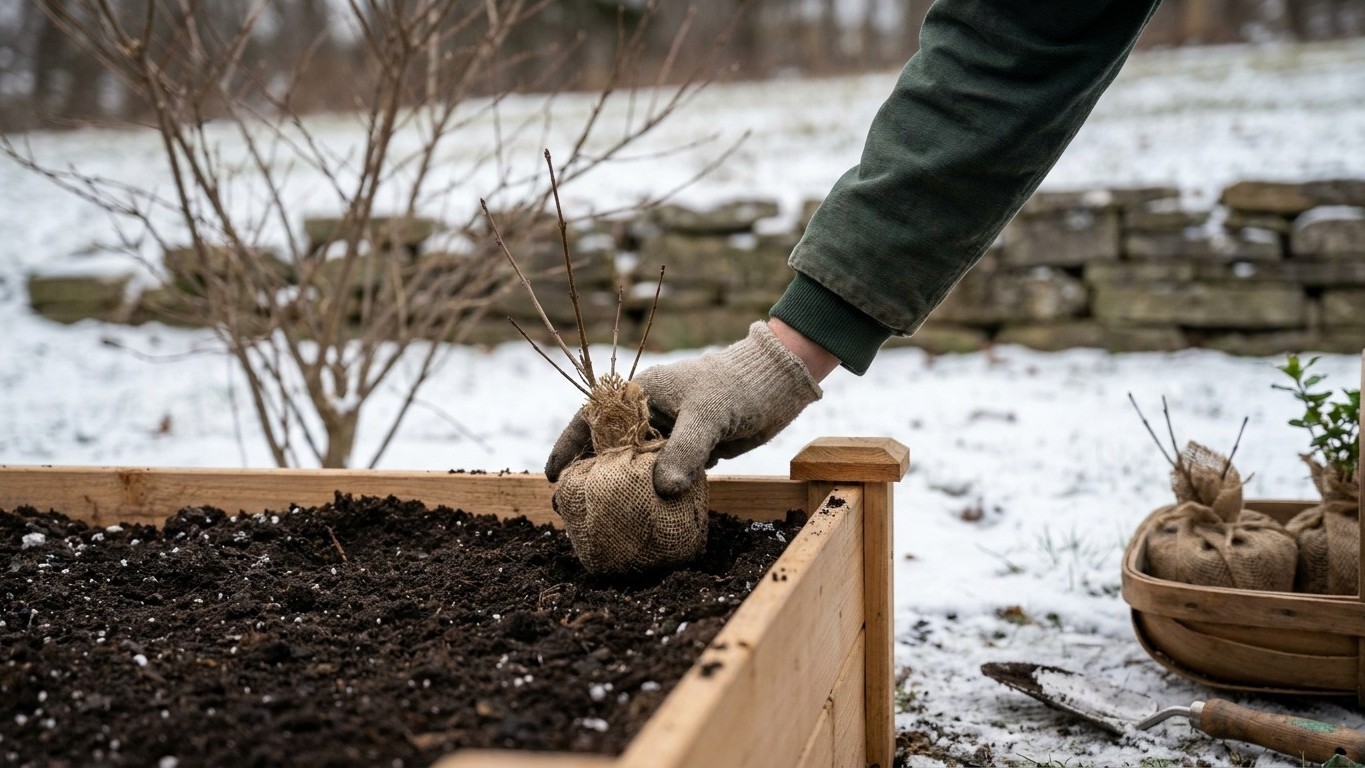
By December, the ground in most of Washington has already crossed into dormancy, first fall frost landed sometime between November 13 and November 30 in…
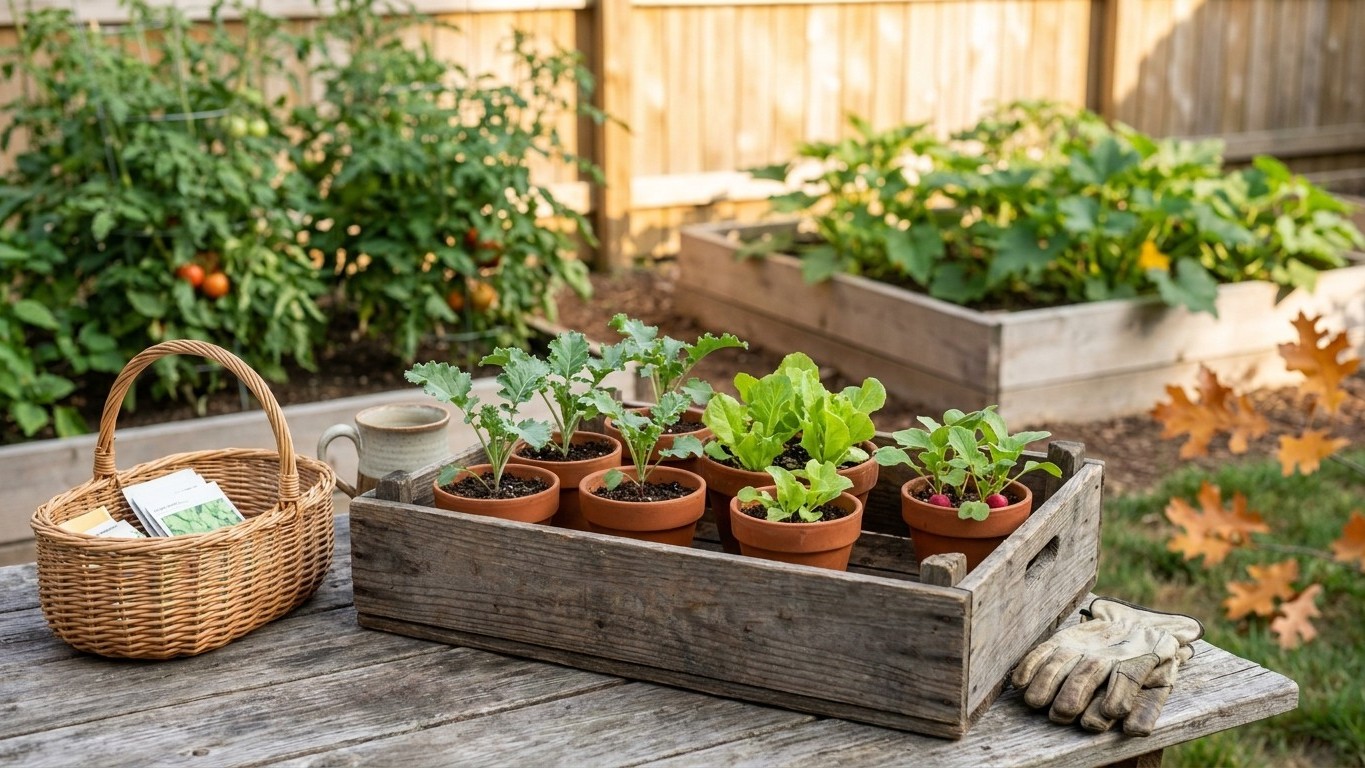
August in Washington’s mild, wet-winter zone means one thing above all: this is the last real window for sowing many fall crops directly outdoors, while…
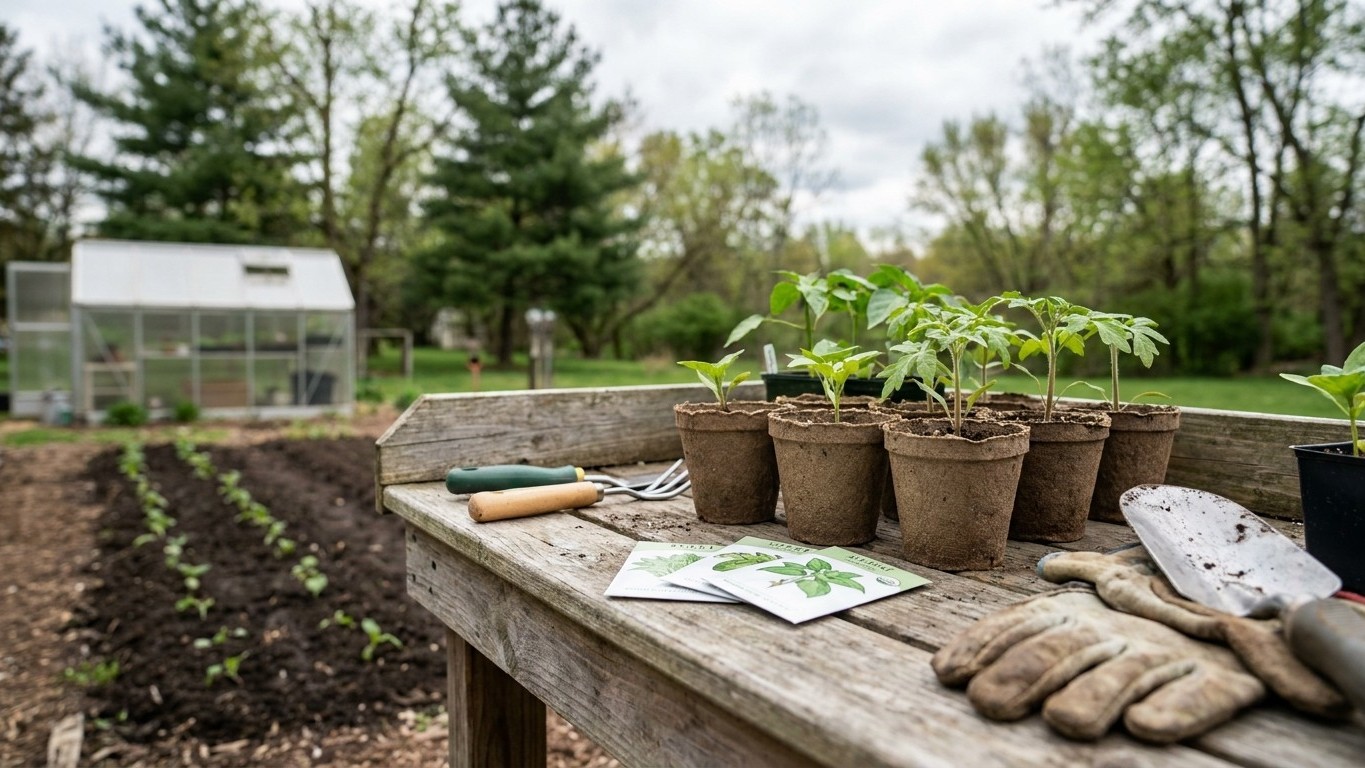
April is prime direct-sowing season in western Washington, since the region’s typical last frost window (February 27 to March 18) has usually closed by…
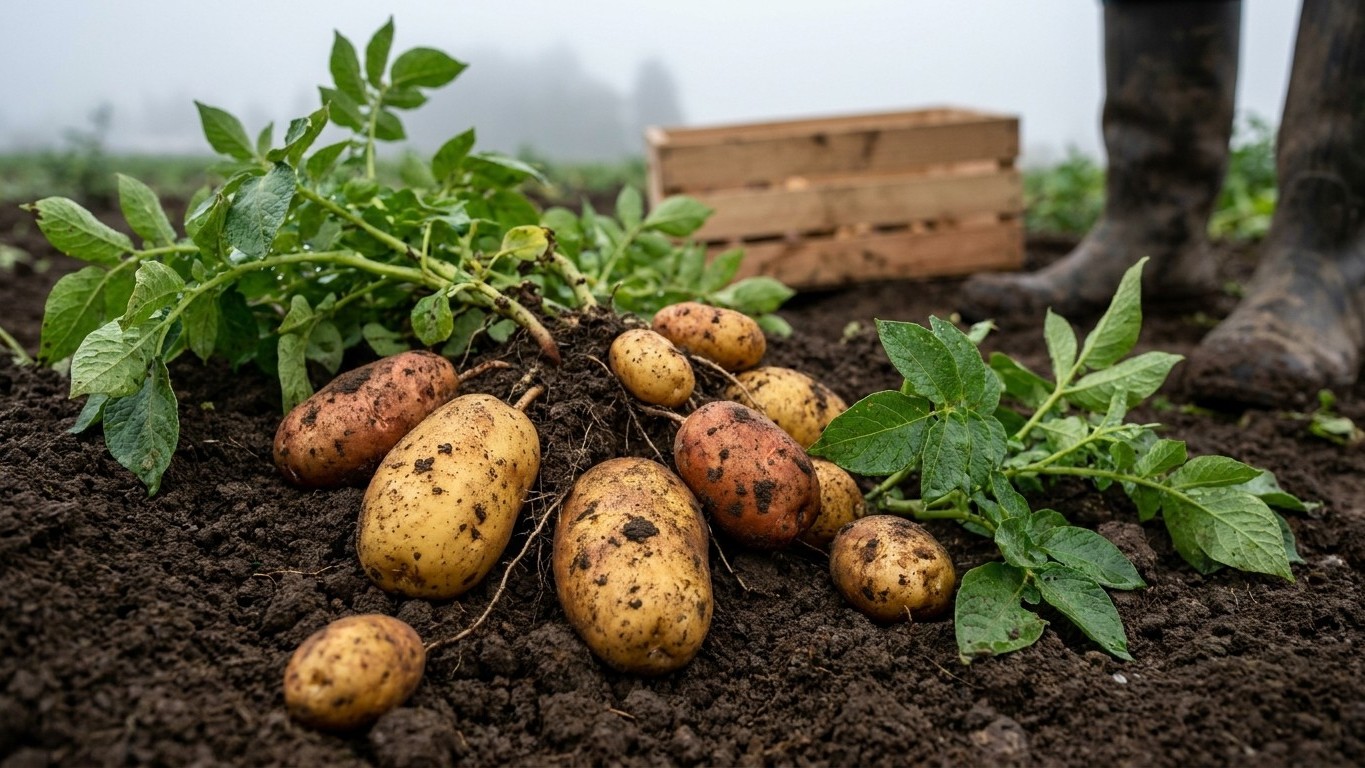
Washington’s potato season is decided by cold, wet spring soil, not summer heat.
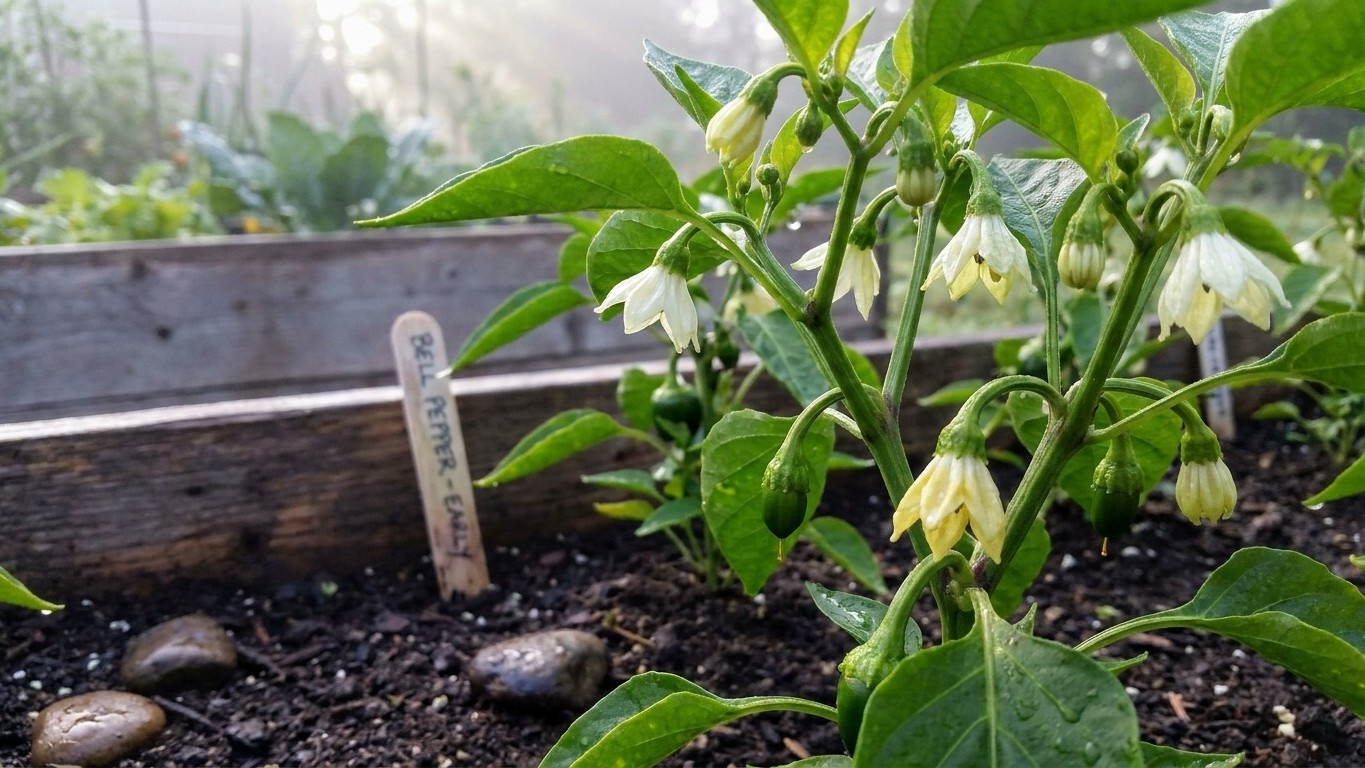
Western Washington rarely gets hot enough to stall pepper flowers on the heat end, but it also rarely stays warm enough at night in early summer to…
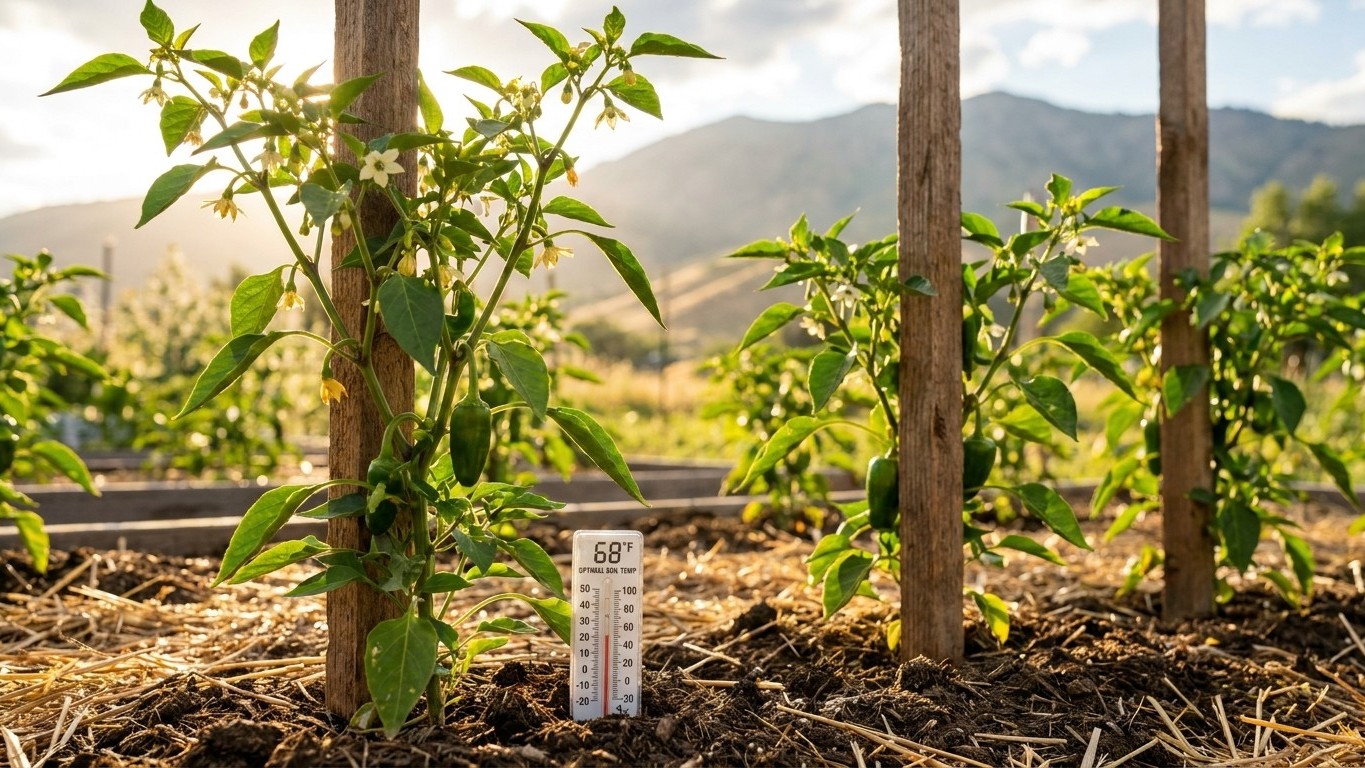
In western Washington, peppers rarely struggle with heat: the reference station near Seattle logs just 3 days a year at 90°F or hotter.