Firewood in Washington: Which Woods Your Winter Actually Needs
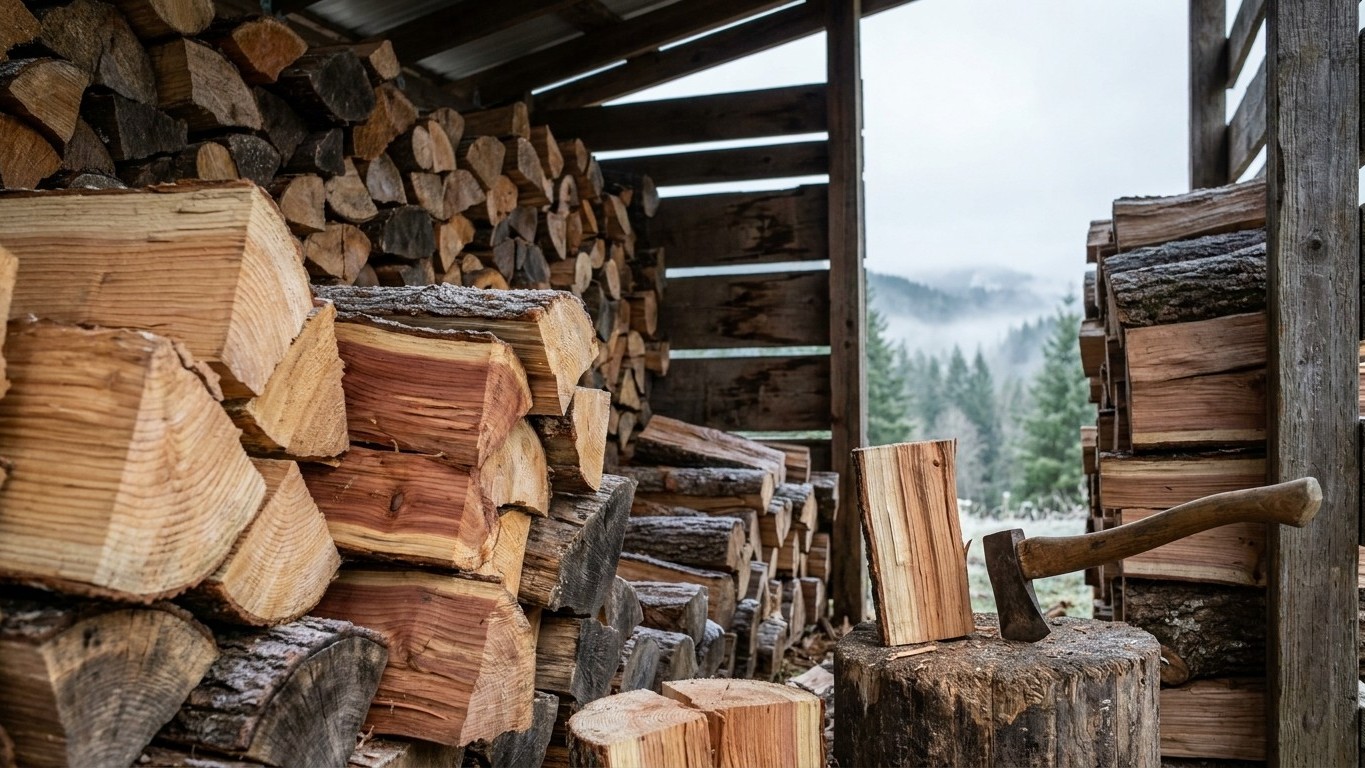
Washington’s winters don’t hit the extremes you’d find in Minnesota or Montana, but the mean low of 37.1°F at the coldest point in the season still means…
Home & garden, state by state
Everything we have worked out for Washington: what to plant and when, which varieties finish in time, the pests that actually turn up here, and the jobs that pay off month by month. We also cover the rest of the property, from lawns and soil to home care and energy, because a garden rarely stops at the vegetable bed.
The numbers first, because everything else follows from them. Measured at the weather station in Seattle, the last spring freeze runs February 27 to March 18 and the first fall freeze runs November 13 to November 30, USDA zones 4a-9a, 2,353 growing degree days in the year.
That is enough for early varieties, tight for anything late. Garlic does well: 17.4 weeks below 40 °F, comfortably past the six it needs to form a proper head.
Elsewhere on the property in Washington: the pests that turn up here.
Figures from NOAA's 1991-2020 climate normals. A state is not one climate: elevation, a large lake or the coast can move these dates by two weeks either way, so check your own county with the extension service before you spend money.
Washington’s winters don’t hit the extremes you’d find in Minnesota or Montana, but the mean low of 37.1°F at the coldest point in the season still means…
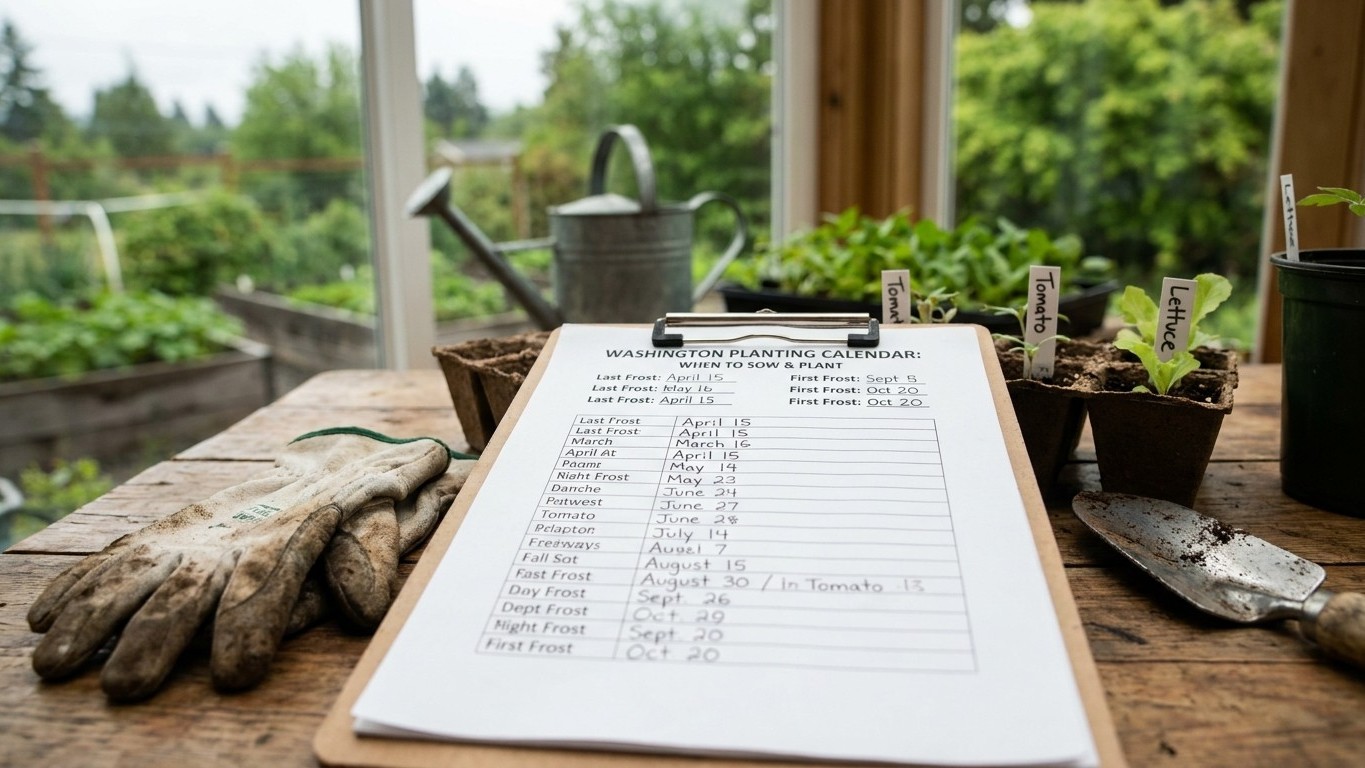
Washington’s frost dates vary dramatically by region, from Seattle’s mild maritime climate to eastern Washington’s high desert, so timing depends on where you garden.
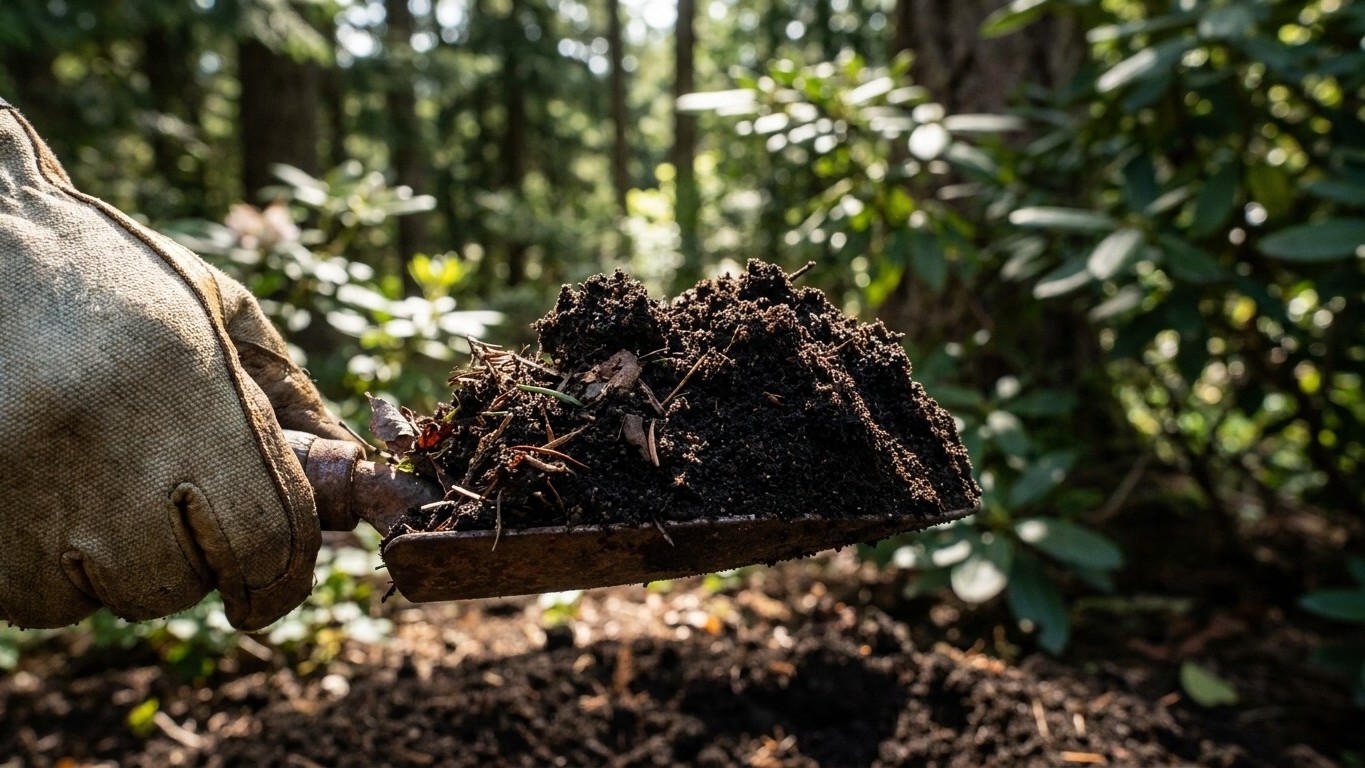
Dig a shovel into Washington ground west of the Cascades and you’re often standing on ash, not dirt in the ordinary sense.
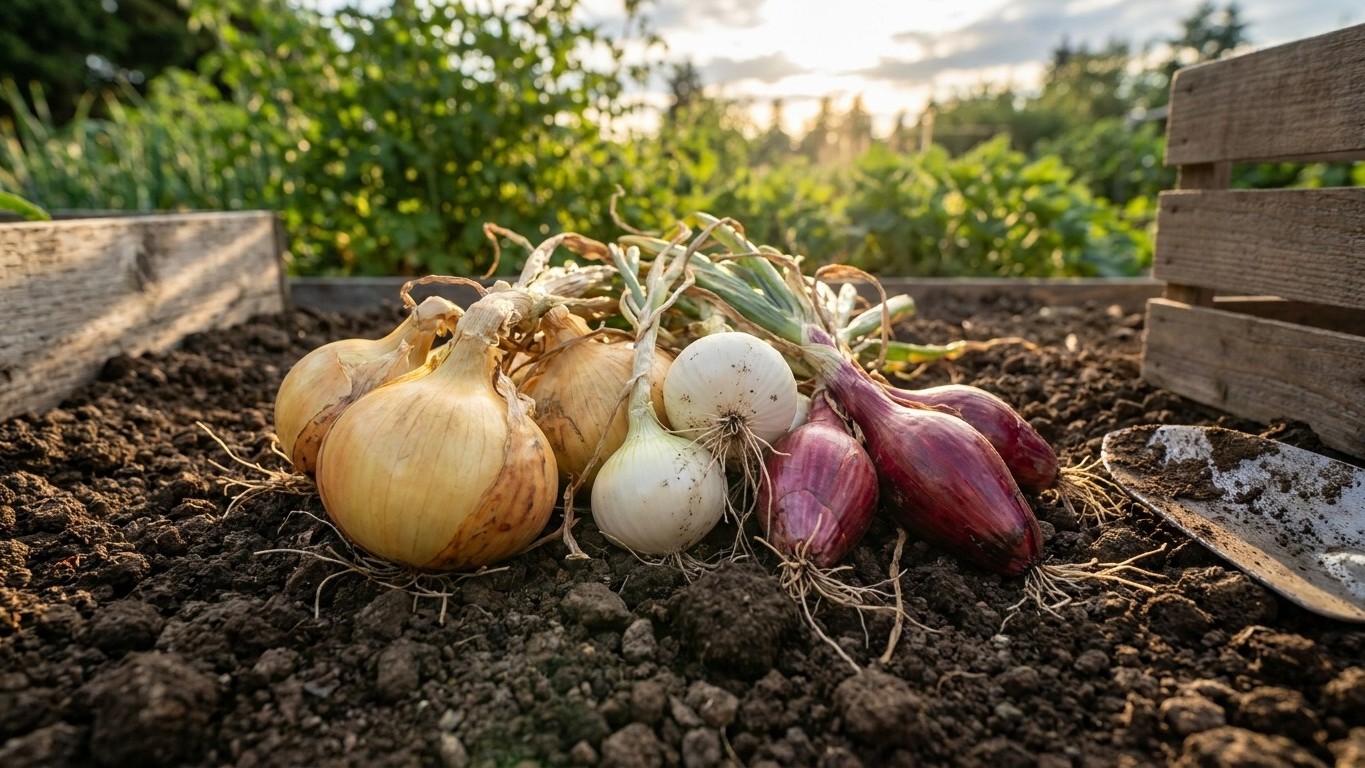
Western Washington’s growing season runs on long summer daylight, not heat, and that single fact decides which onion varieties will actually form a bulb…
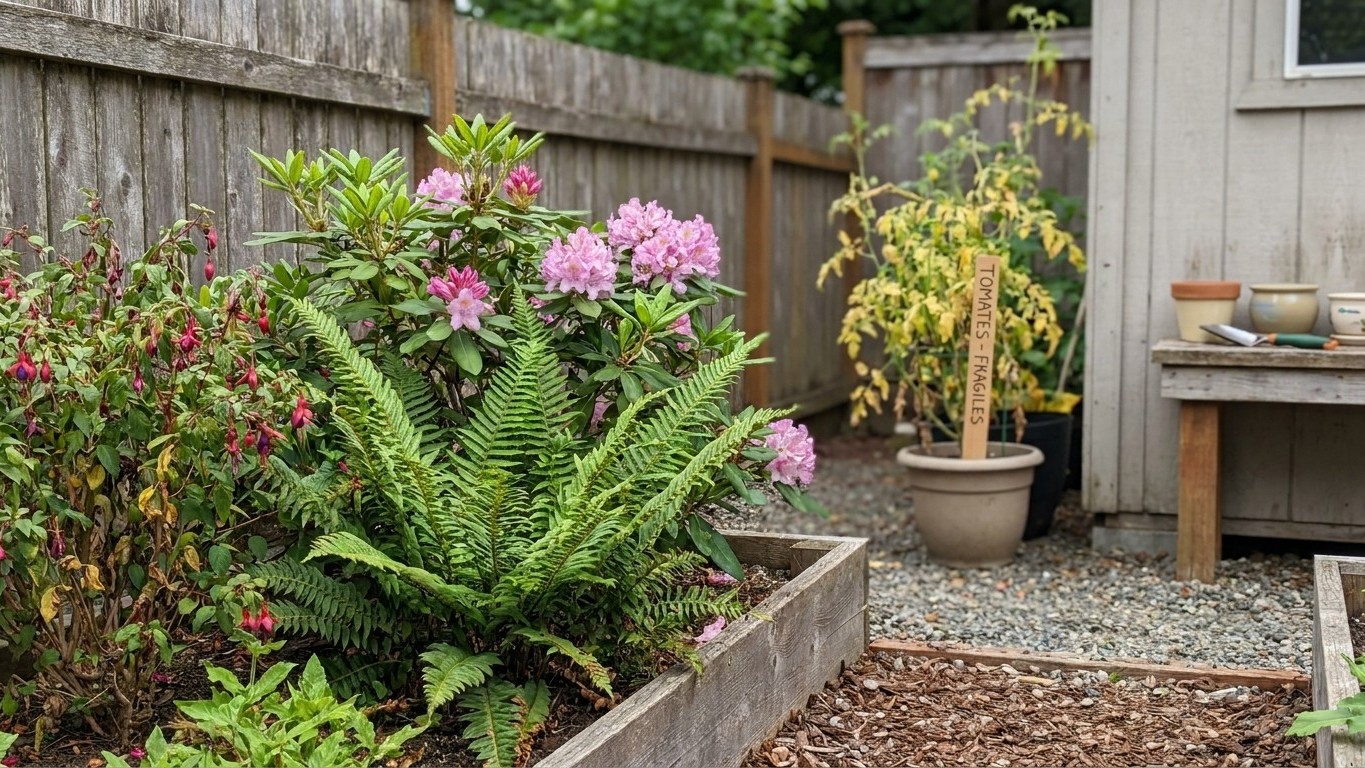
A county-by-county look at which flowers handle Washington’s mild wet winters and cool summers, and which ones need extra care or protection.
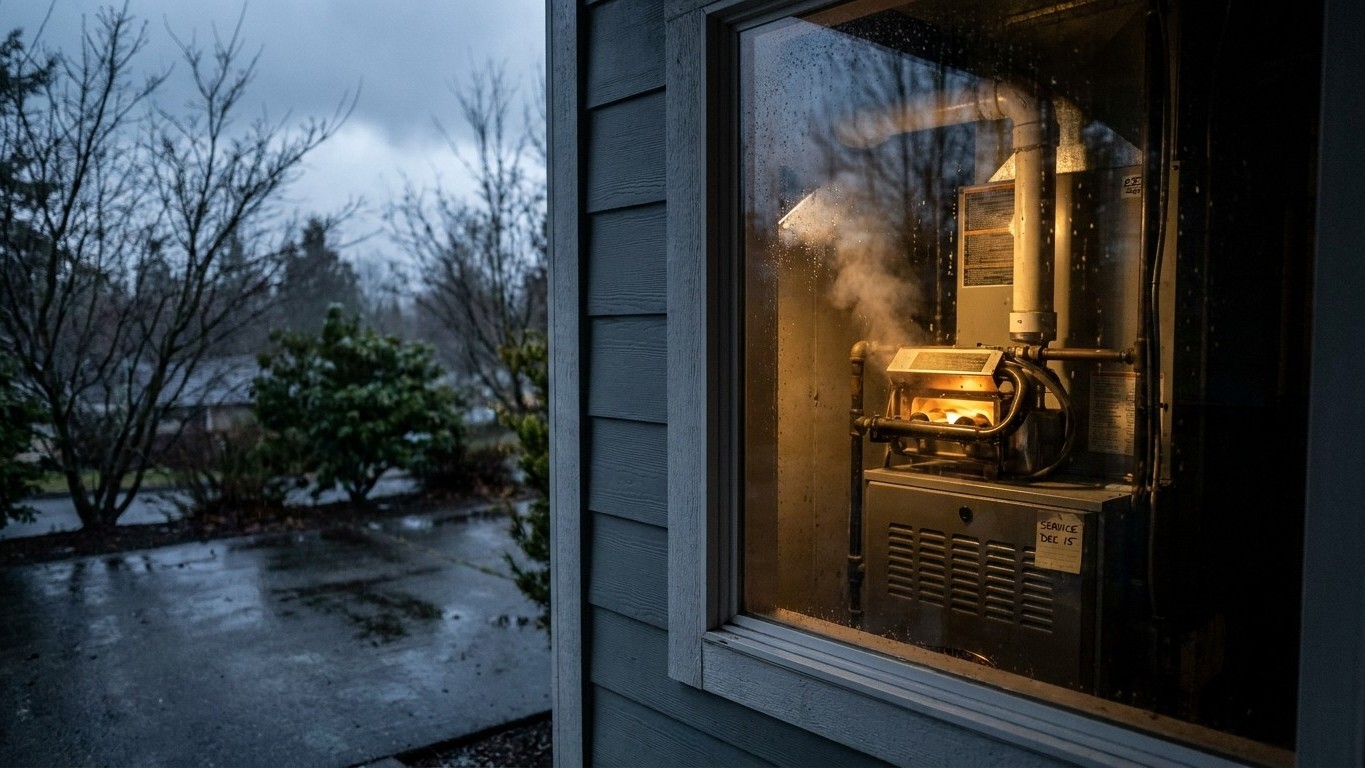
Seattle’s coldest month bottoms out at a mean minimum of 37.1°F, which sounds mild until you realize what that number actually demands from a furnace or…
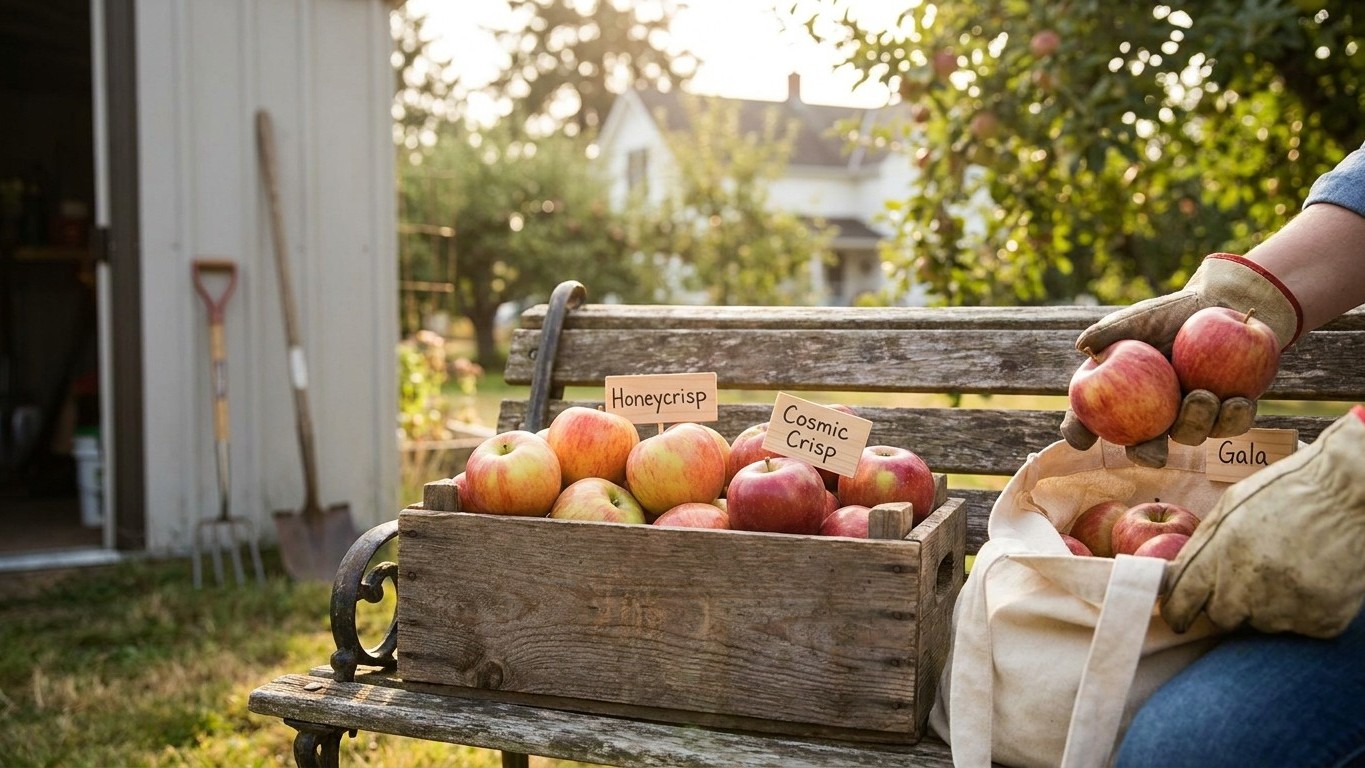
Washington has two very different apple climates, and this guide shows how to match hardiness, chill hours and bloom timing to your side of the Cascades.
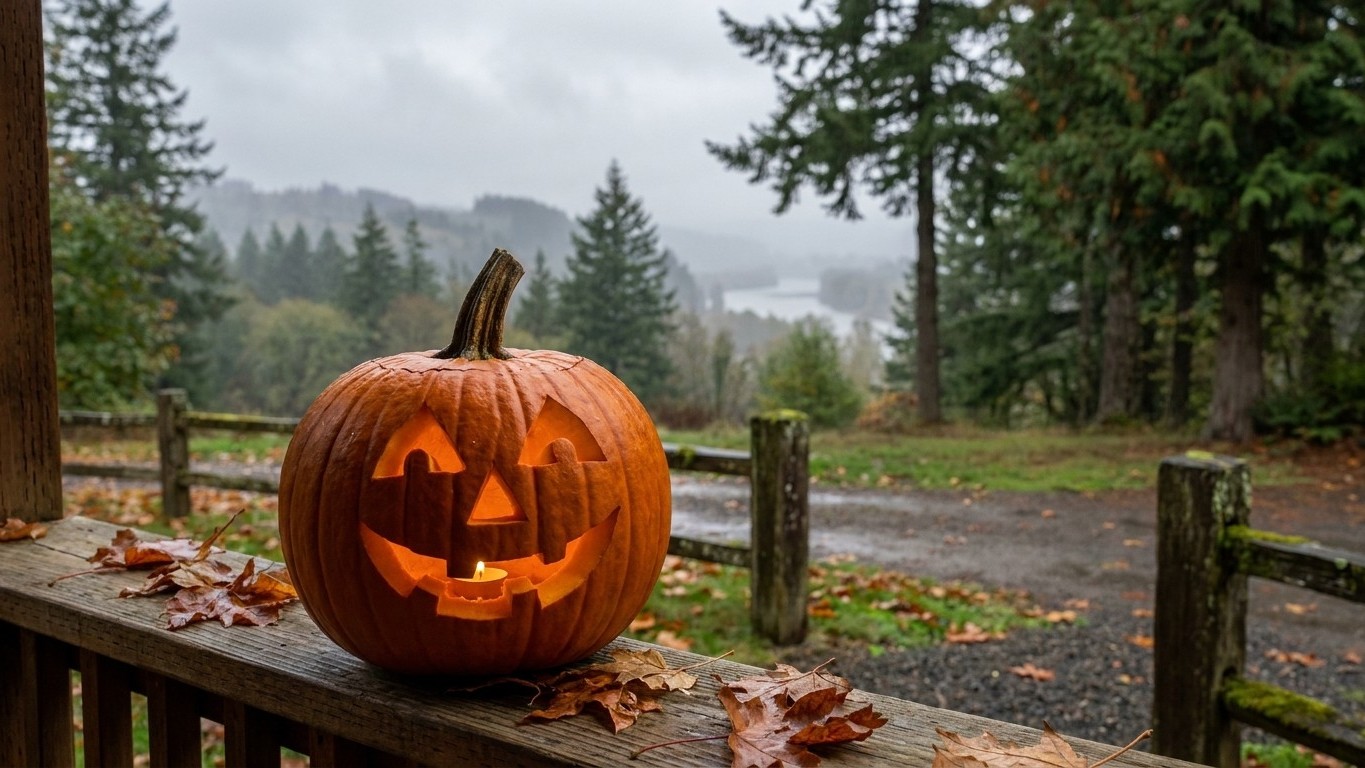
Western Washington’s mean first fall frost lands somewhere between November 13 and November 30, based on the region’s long-term climate data.
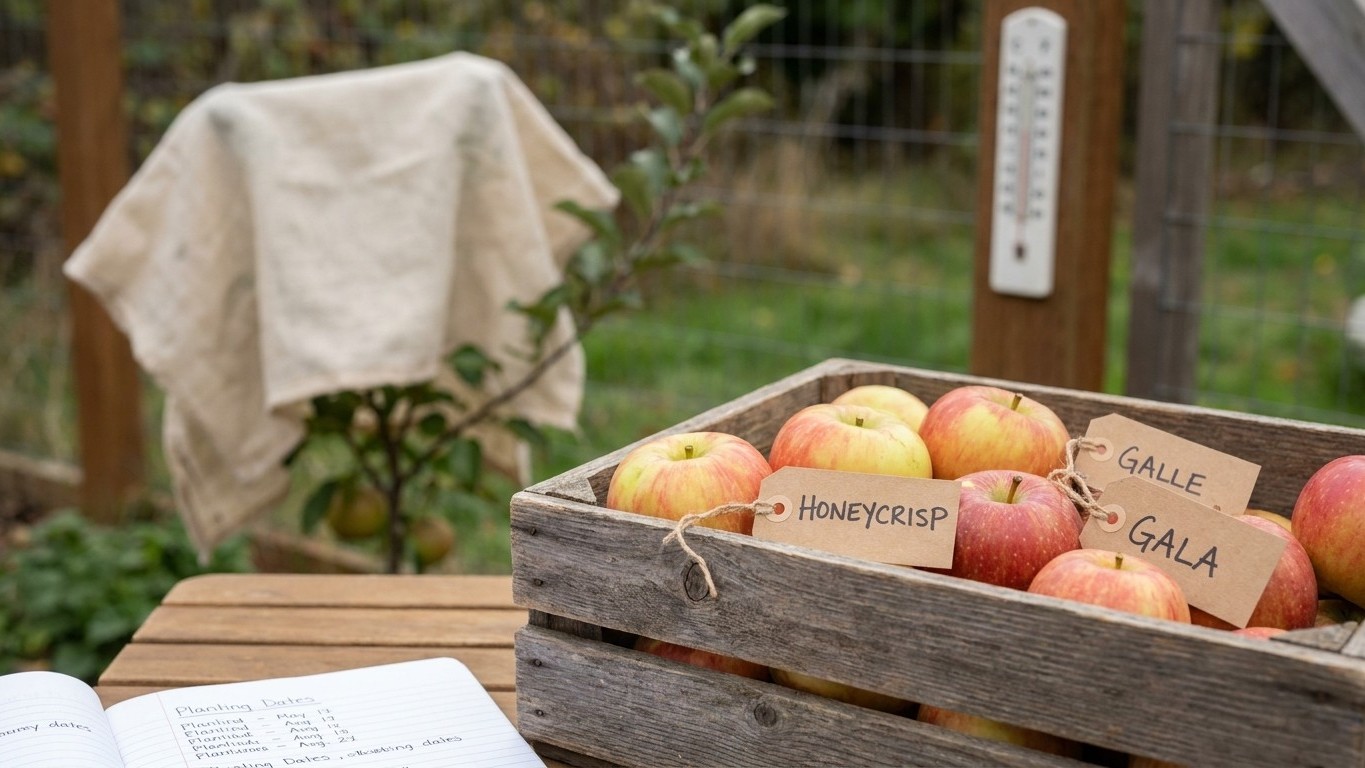
Apple variety, pollination pairing and frost timing all depend on which part of Washington you’re growing in, from the mild coast to the dry east.
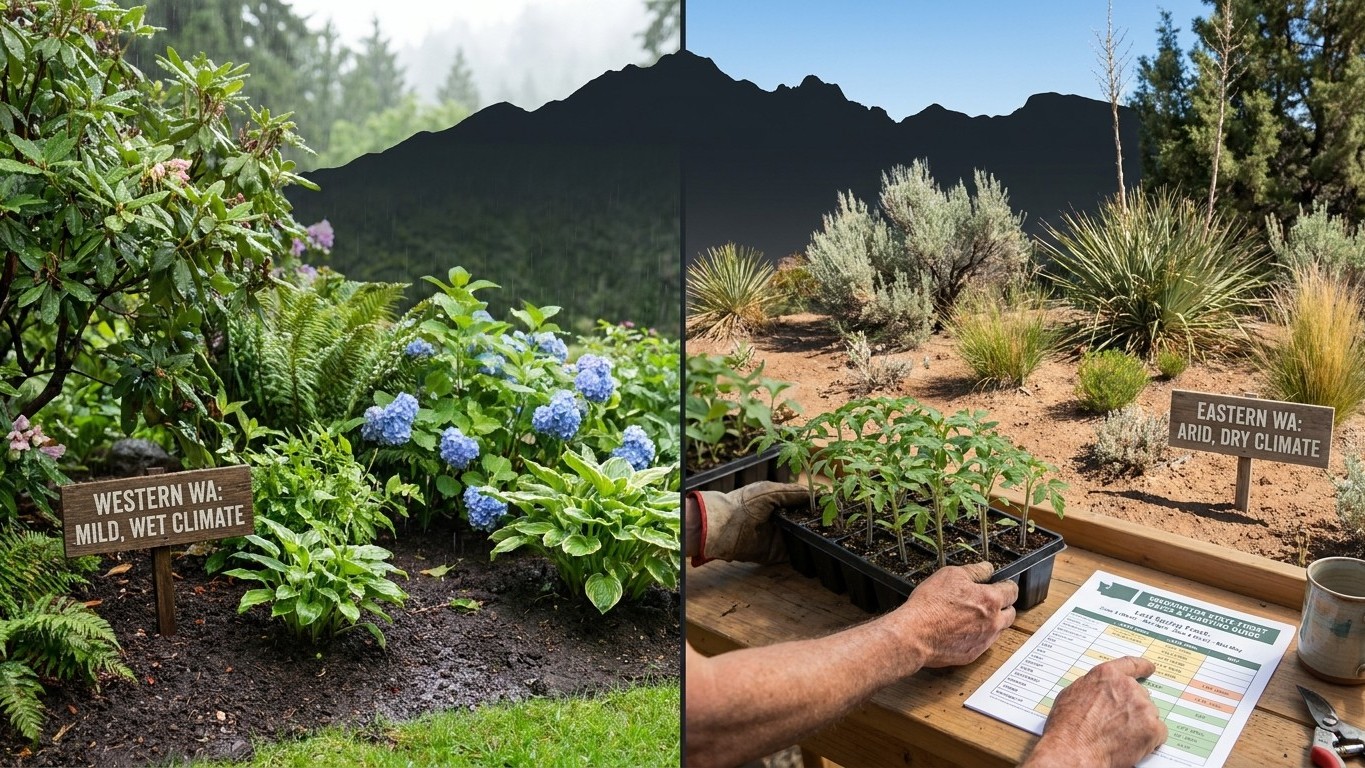
Two very different climates share this state line, and that changes what “planting season” even means.