Watering Through a Dry Spell in Washington
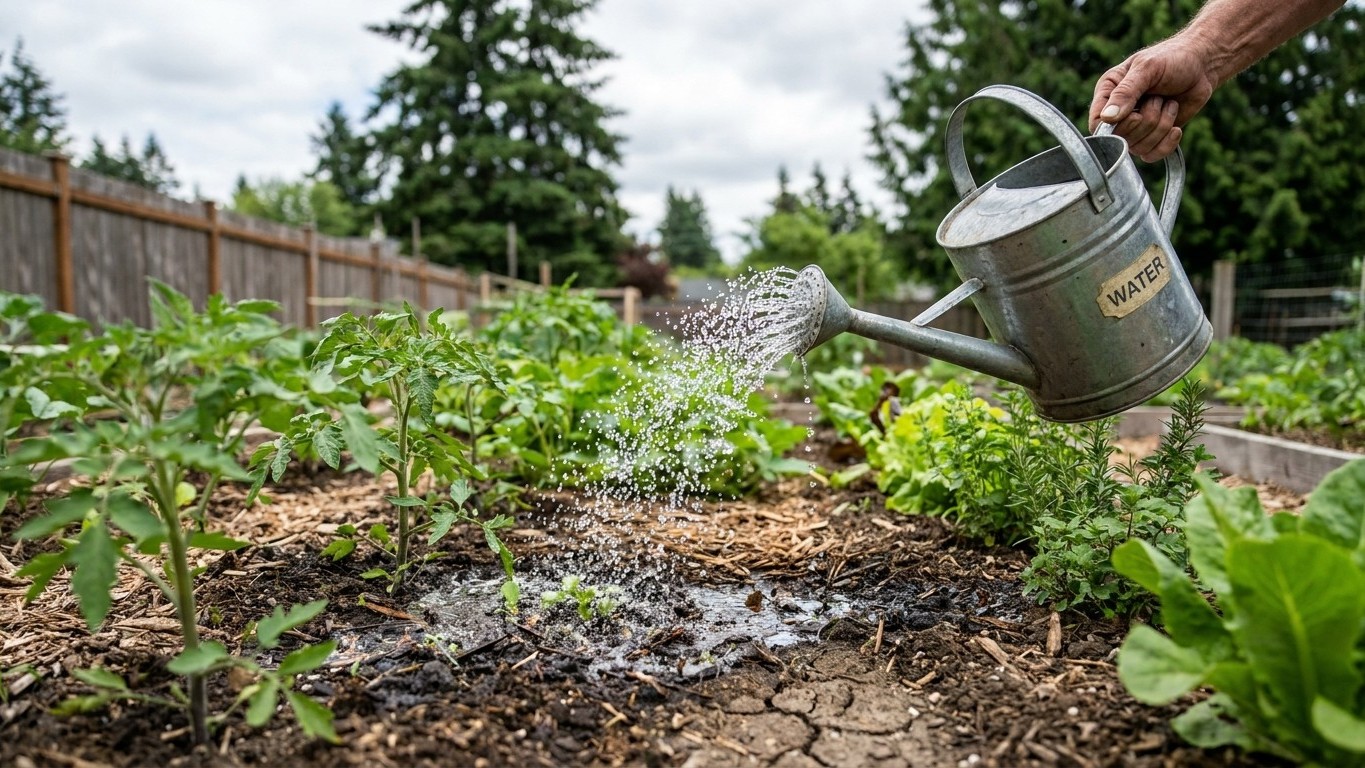
Water Washington gardens deeply and infrequently rather than daily, aiming for the equivalent of about an inch a week through July, the driest stretch of…
Home & garden, state by state
Everything we have worked out for Washington: what to plant and when, which varieties finish in time, the pests that actually turn up here, and the jobs that pay off month by month. We also cover the rest of the property, from lawns and soil to home care and energy, because a garden rarely stops at the vegetable bed.
The numbers first, because everything else follows from them. Measured at the weather station in Seattle, the last spring freeze runs February 27 to March 18 and the first fall freeze runs November 13 to November 30, USDA zones 4a-9a, 2,353 growing degree days in the year.
That is enough for early varieties, tight for anything late. Garlic does well: 17.4 weeks below 40 °F, comfortably past the six it needs to form a proper head.
Elsewhere on the property in Washington: the pests that turn up here.
Figures from NOAA's 1991-2020 climate normals. A state is not one climate: elevation, a large lake or the coast can move these dates by two weeks either way, so check your own county with the extension service before you spend money.
Water Washington gardens deeply and infrequently rather than daily, aiming for the equivalent of about an inch a week through July, the driest stretch of…
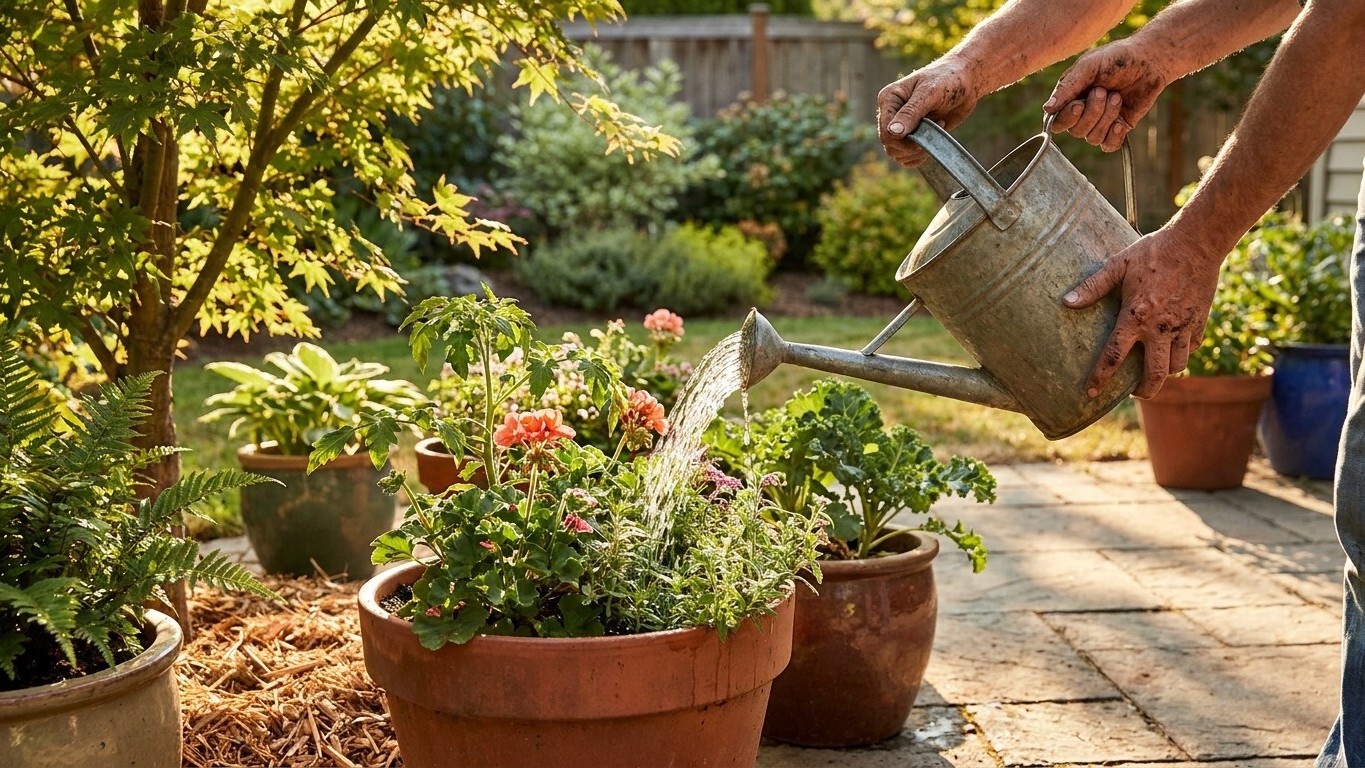
Washington’s summer rain barely covers a tenth of what a garden bed needs, and container plants dry out faster still.
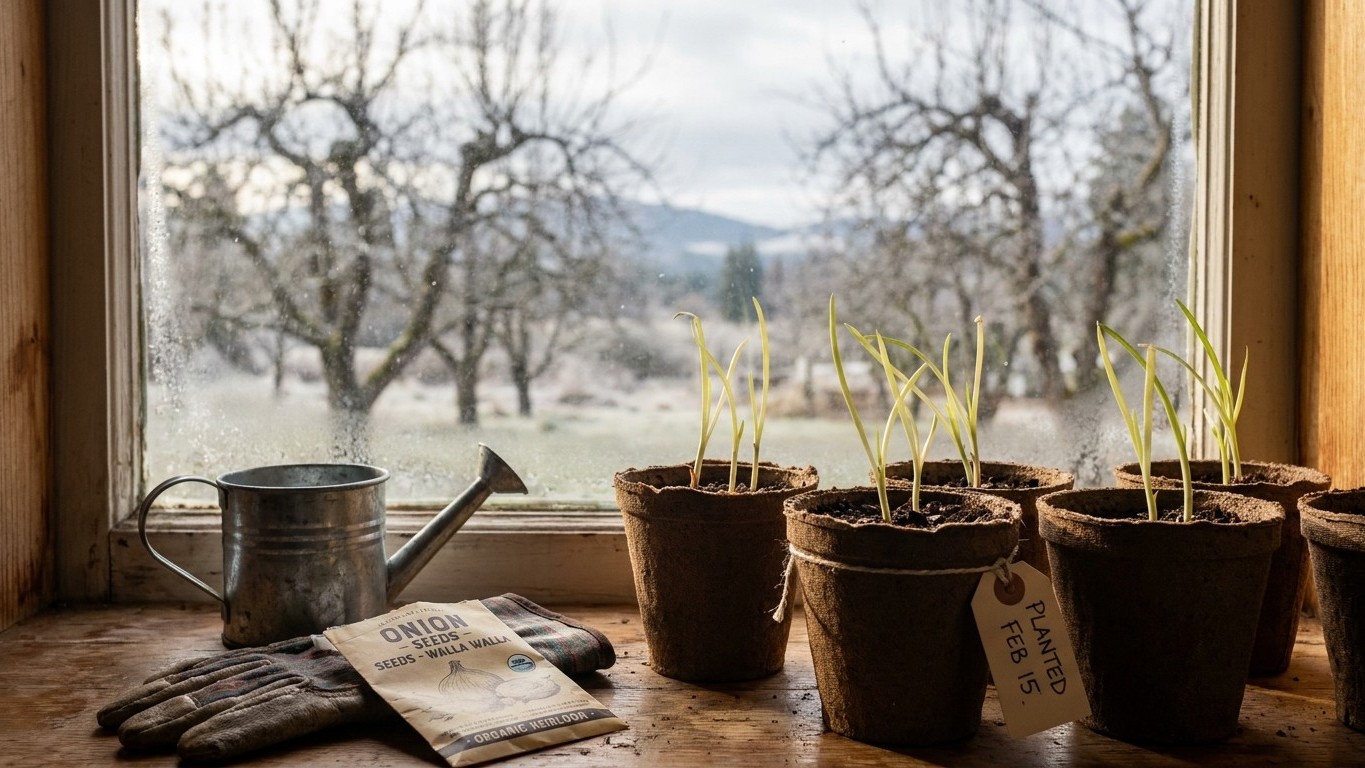
Onions in Washington go in the ground in late winter to early spring across most of the state, not in fall.
Washington sits at 47.44 degrees north, measured at the reference station for this territory, and the longest day of the year there stretches to 15 hours…
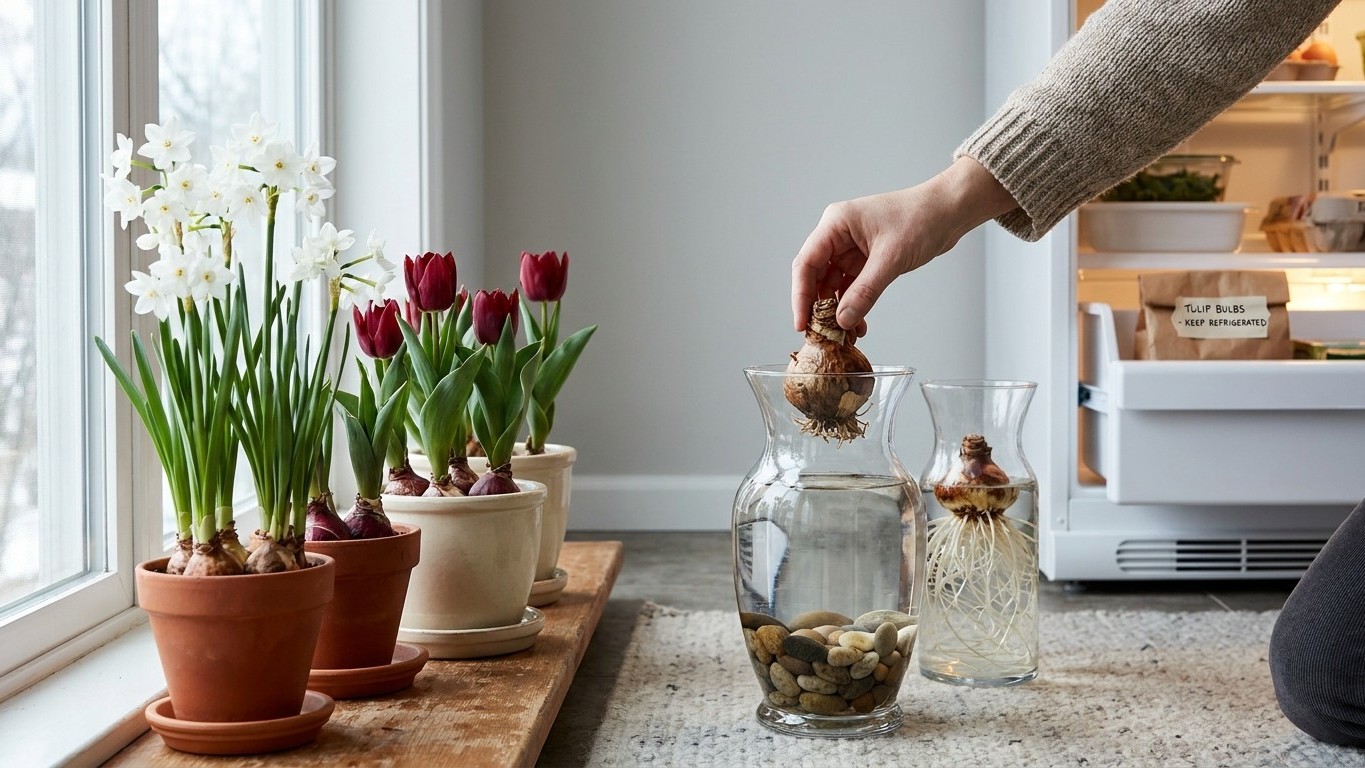
Forcing spring bulbs indoors in Washington means chilling them artificially, in a refrigerator drawer or an unheated space, for the twelve to fourteen…
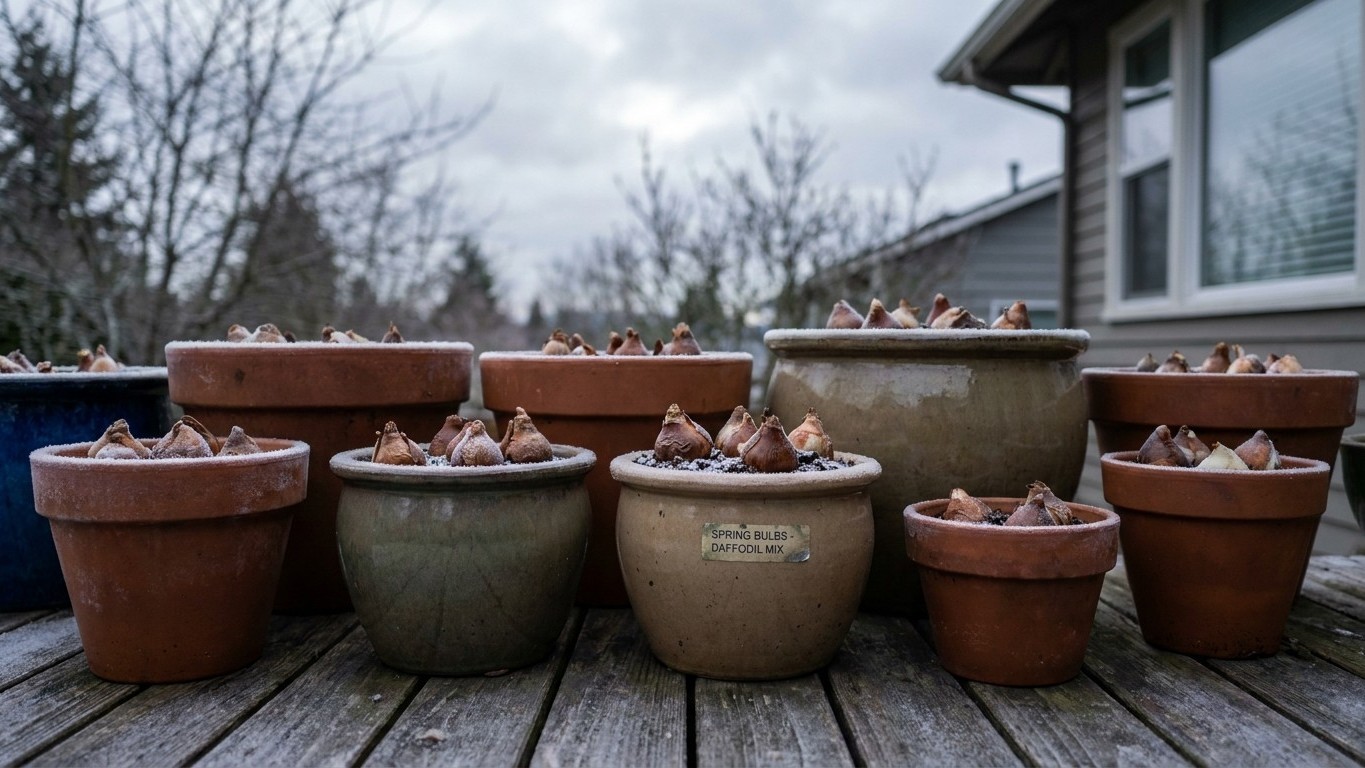
Yes, spring bulbs do well in containers in Washington, but the pot rewrites the rules that apply to a garden bed.
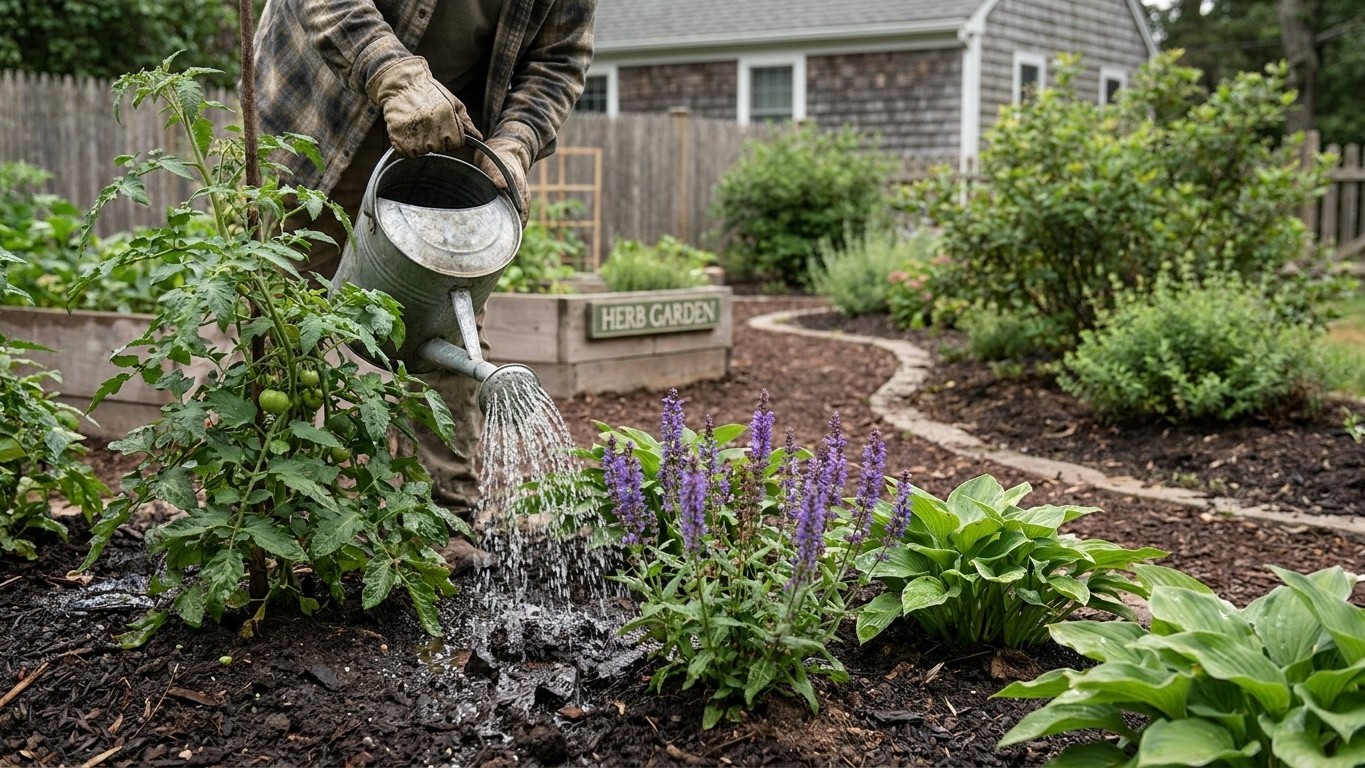
Washington has a reputation for rain, but that reputation is misleading once summer arrives.
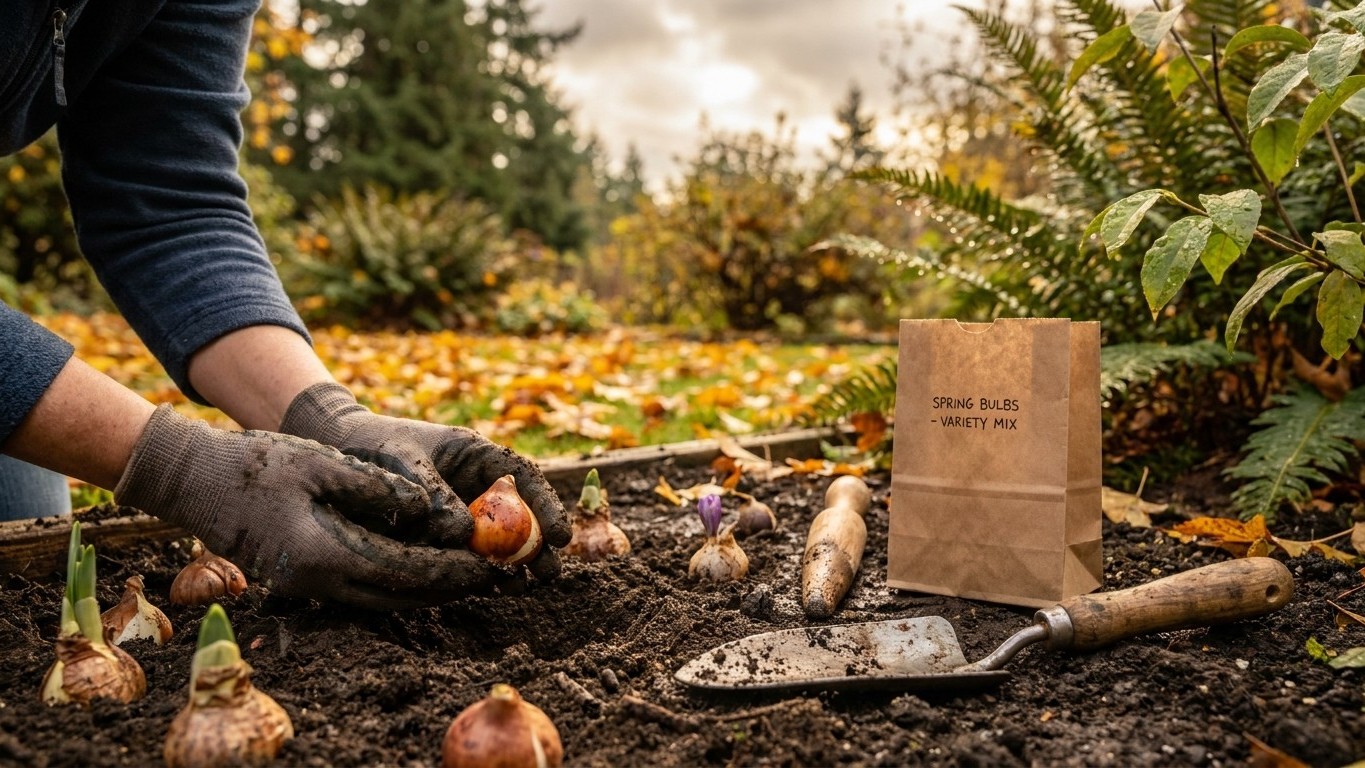
Western Washington’s cool, wet winters answer the two questions every bulb catalog assumes you already know: when to plant, and whether your ground gets…
Seattle sits at 184 feet, low enough that it falls into USDA’s lowest elevation band, the one that stretches from true sea level up to 2,000 feet.
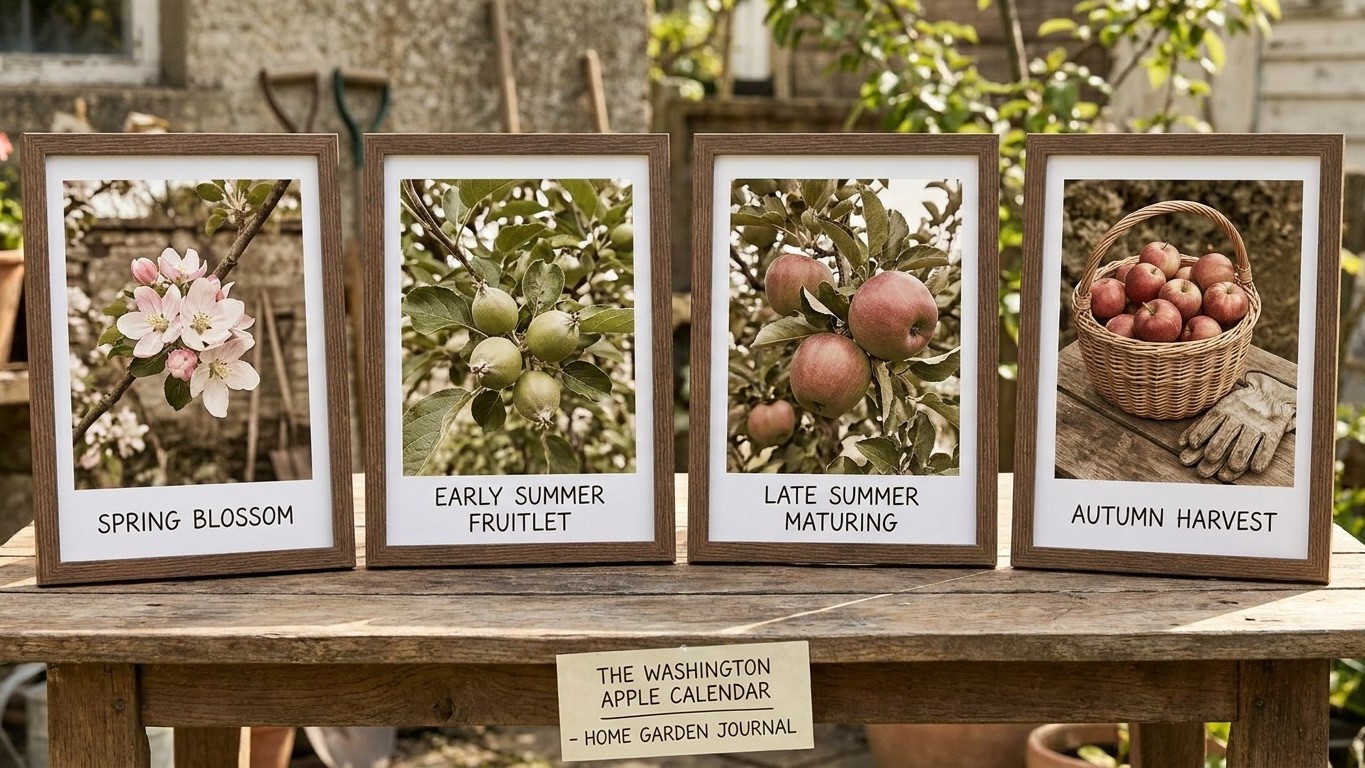
Washington’s apple calendar tracks bud stage against NOAA’s Seattle frost dates, since eastern Washington’s growing regions run on their own timeline.