Pepper Varieties That Ripen in a Yukon Season
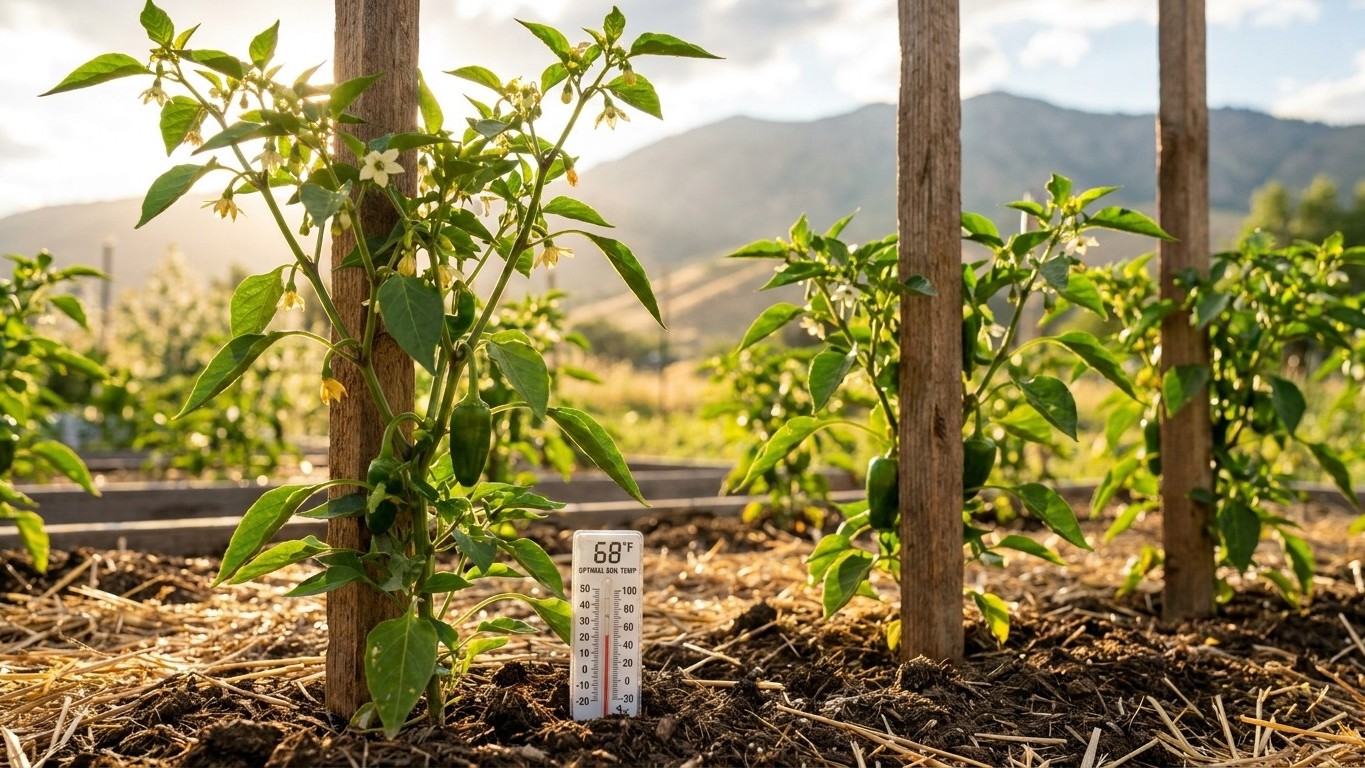
Yukon gardeners get a rare gift on the hot end of the pepper equation: this territory logs essentially zero days a year at 90 F or above, so heat-driven…
Home & garden, state by state
Everything we have worked out for Yukon: what to plant and when, which varieties finish in time, the pests that actually turn up here, and the jobs that pay off month by month. We also cover the rest of the property, from lawns and soil to home care and energy, because a garden rarely stops at the vegetable bed.
The numbers first, because everything else follows from them. Measured at the weather station in Whitehorse, the last spring freeze falls around June 5 and the first fall freeze falls around August 25, 600 growing degree days in the year.
That is little accumulated warmth: tomatoes need a tunnel or a greenhouse here, whatever the frost dates suggest. Garlic does well: 39.1 weeks below 40 °F, comfortably past the six it needs to form a proper head.
Elsewhere on the property in Yukon: the pests that turn up here.
Figures from Environment and Climate Change Canada. A state is not one climate: elevation, a large lake or the coast can move these dates by two weeks either way, so check your own county with the extension service before you spend money.
Yukon gardeners get a rare gift on the hot end of the pepper equation: this territory logs essentially zero days a year at 90 F or above, so heat-driven…
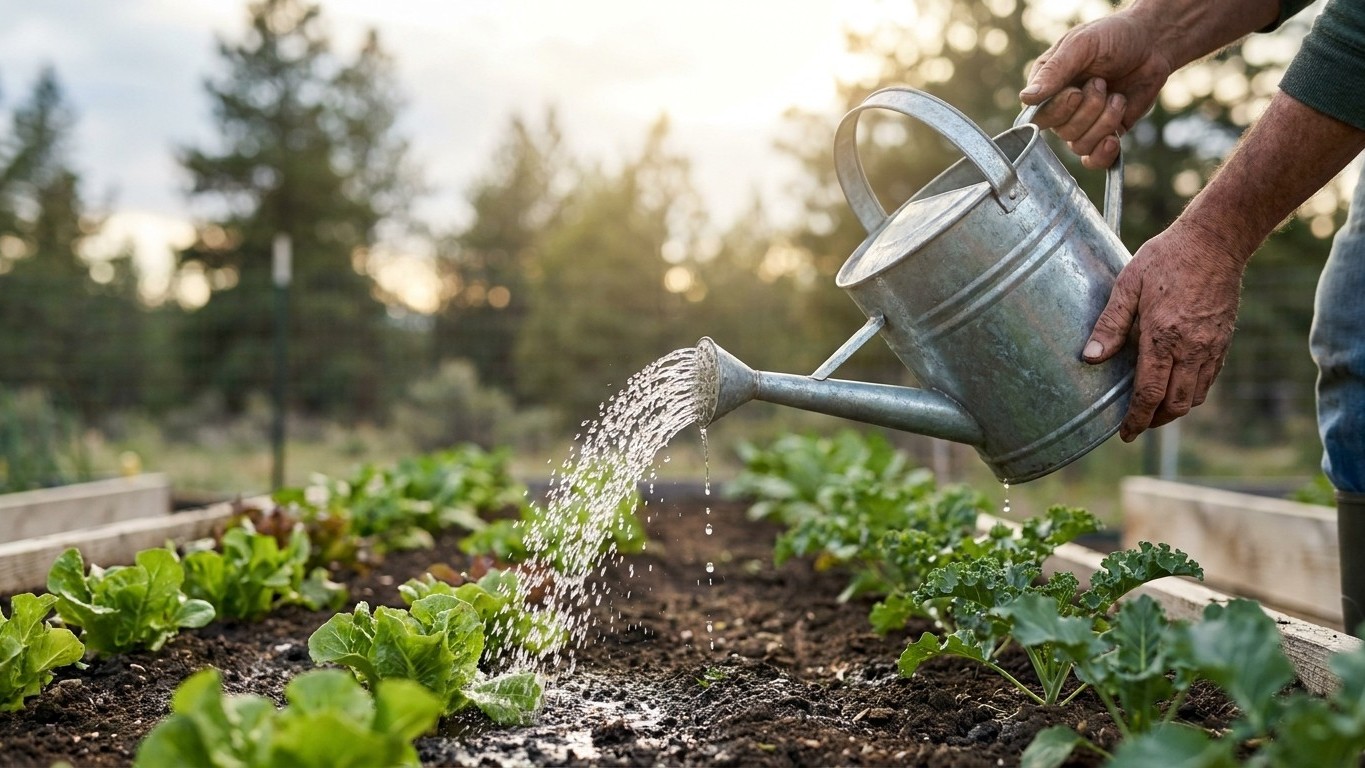
In Yukon, watering through a dry spell means supplementing a genuinely modest summer rainfall rather than fighting off heat.
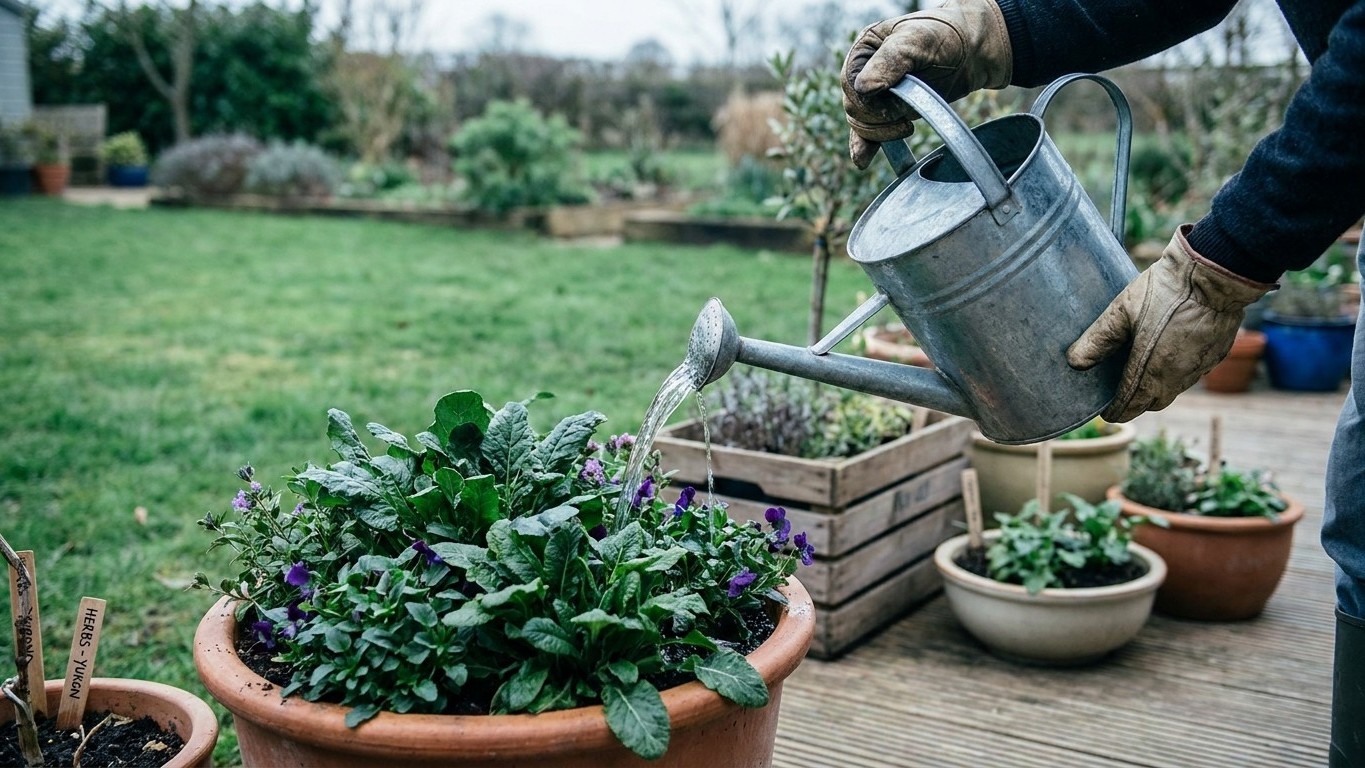
Yukon’s summer rain totals about 4.2 inches from June through August, with the driest month, June, delivering just 1.28 inches.
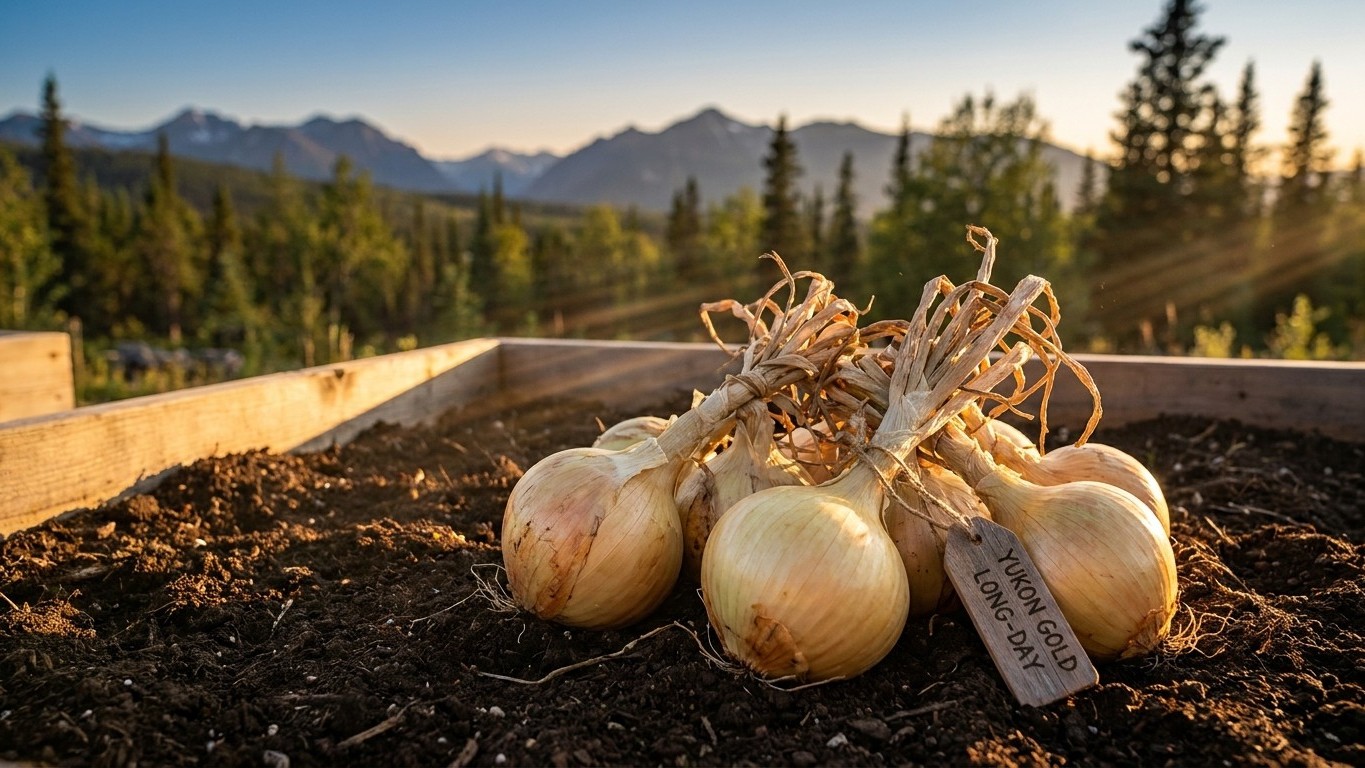
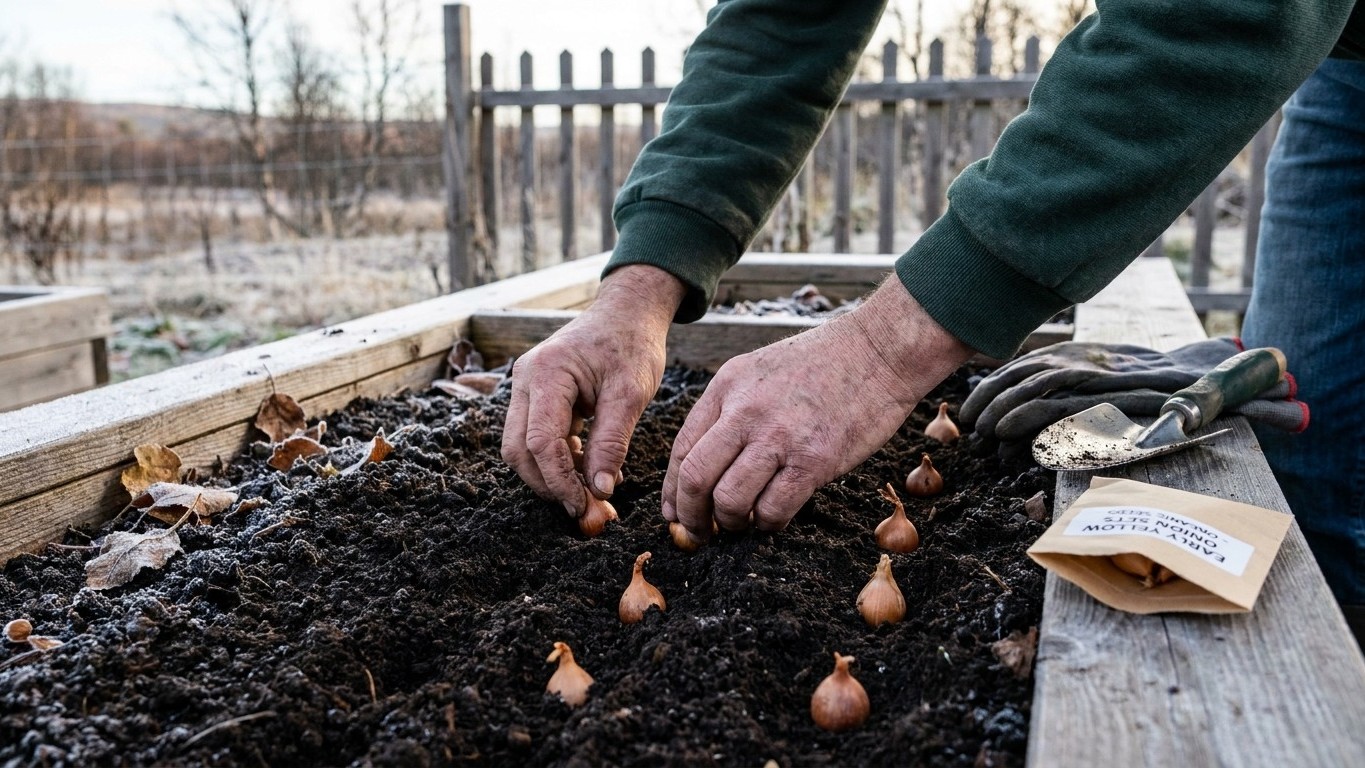
Onions bulb according to day length, not the calendar or the thermometer, and that single mechanism decides which varieties belong in a Yukon garden.
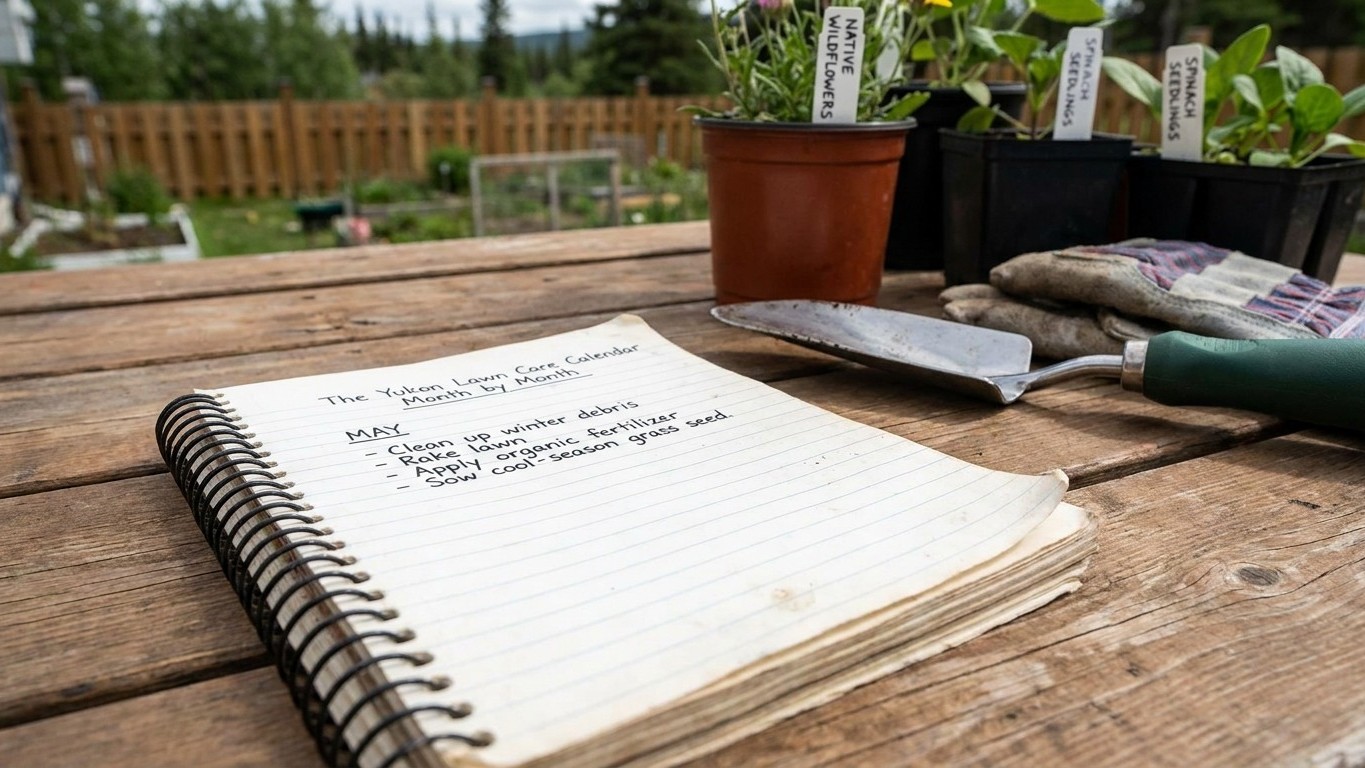
A month-by-month guide to Yukon lawn care built around Whitehorse’s cool-season grasses and its average August 25 first frost date.
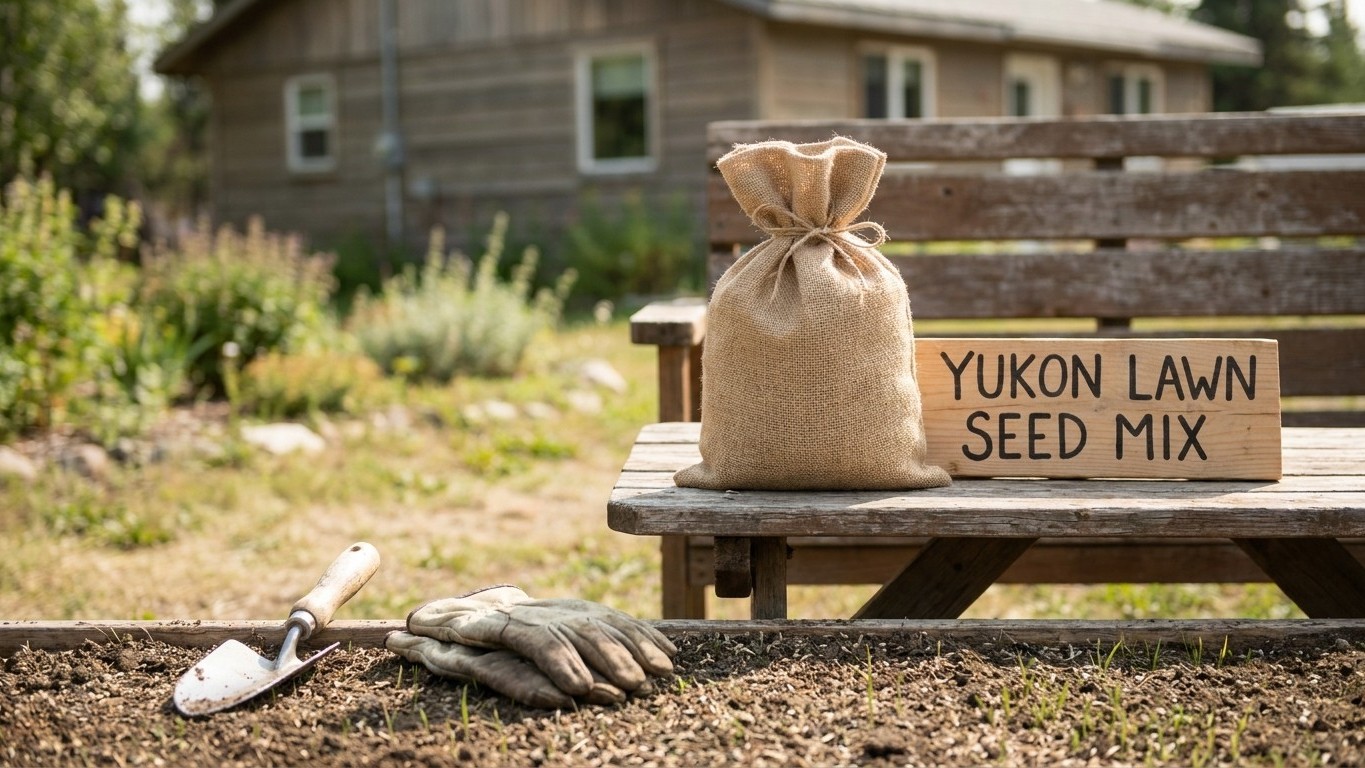
A plain look at which cool-season grasses suit a Yukon lawn, how they differ, and why timing seeding against the average first frost matters most.
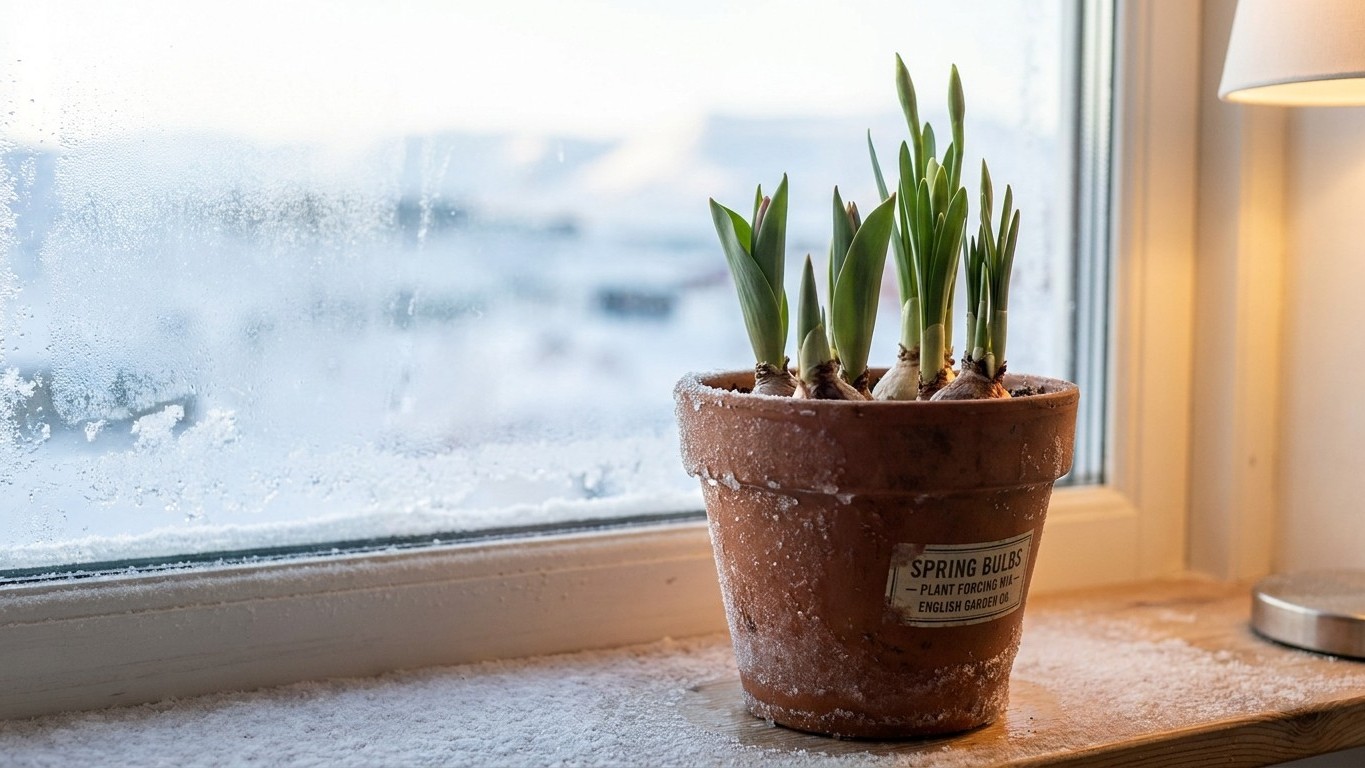
Forcing spring bulbs indoors works fine in Yukon, but the puzzle here isn’t finding enough cold. It’s controlling it.
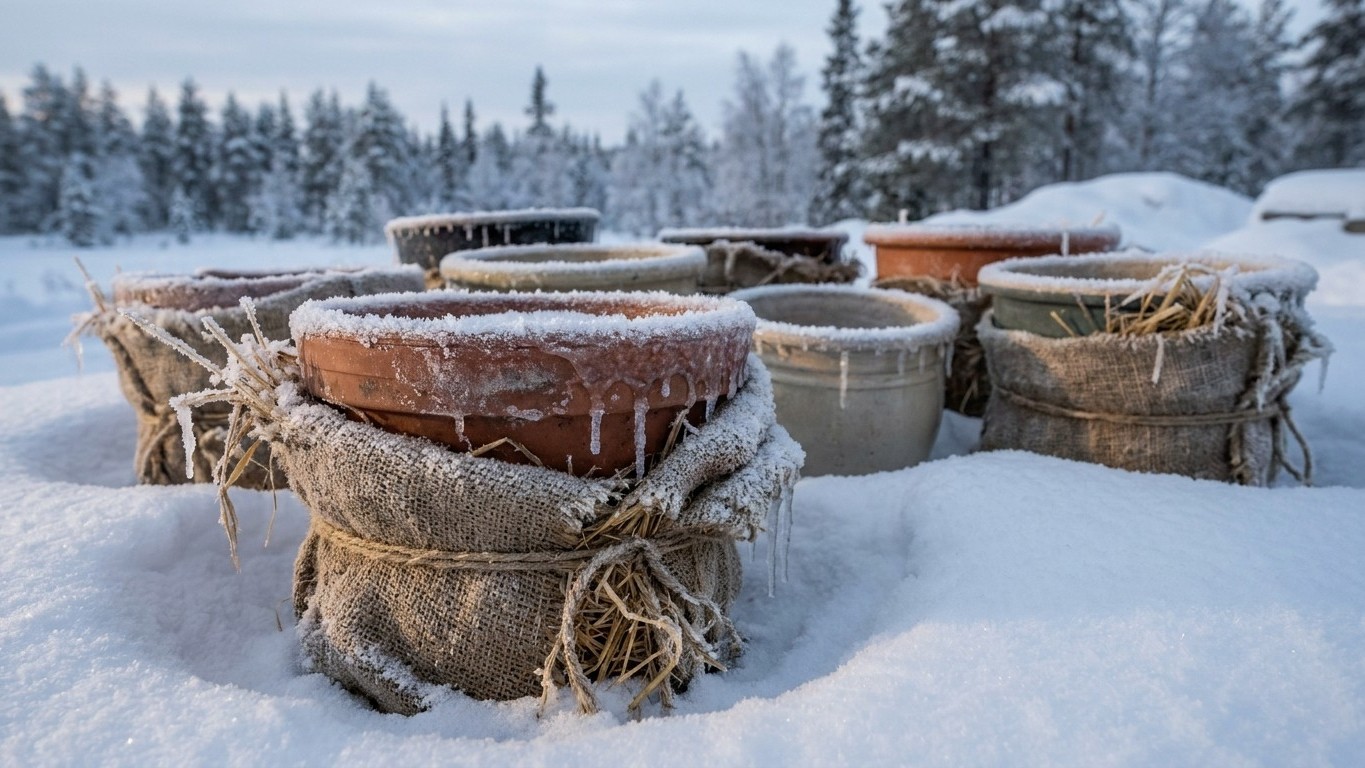
Spring bulbs in containers survive a Yukon winter only with help: the ground insulates roots, but a pot does not, and it freezes clear through.
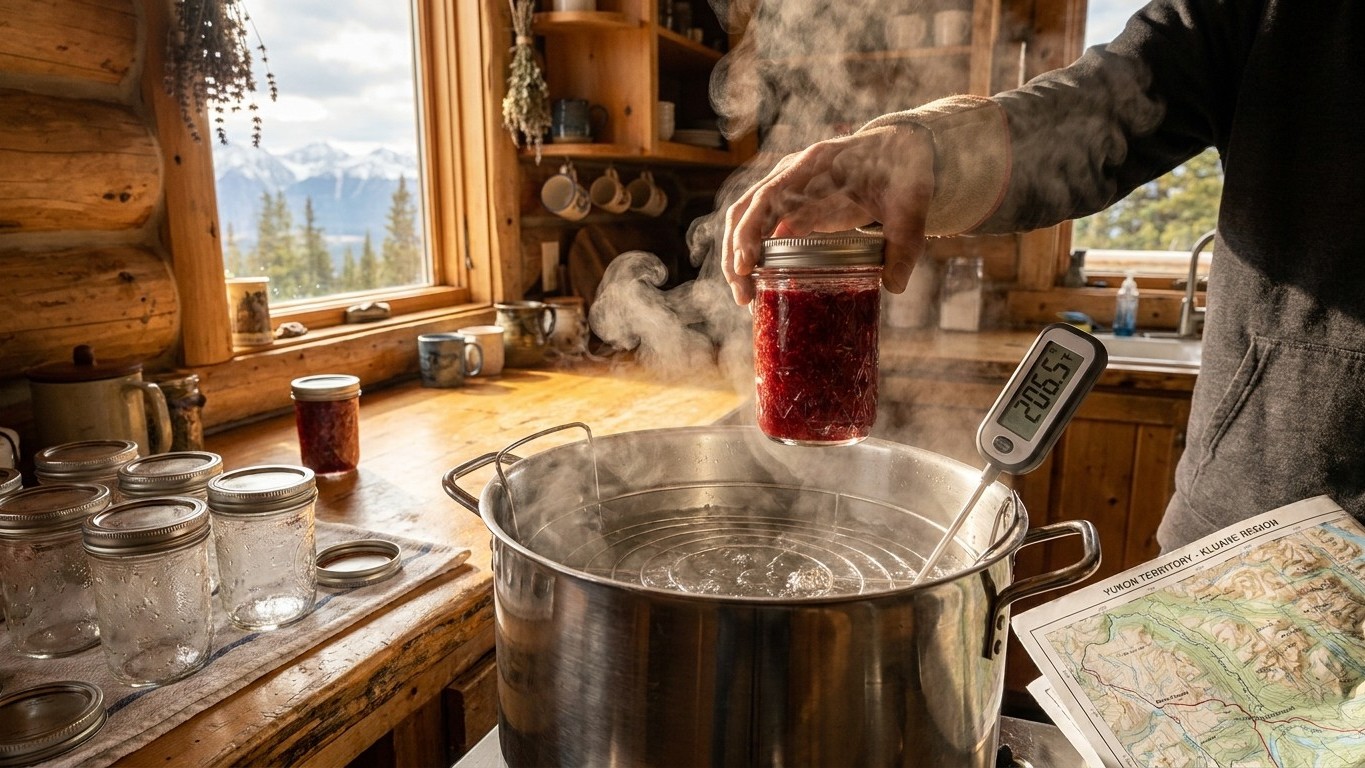
Yes, in most of Yukon, canning takes longer or needs more pressure than a recipe written for sea level assumes.