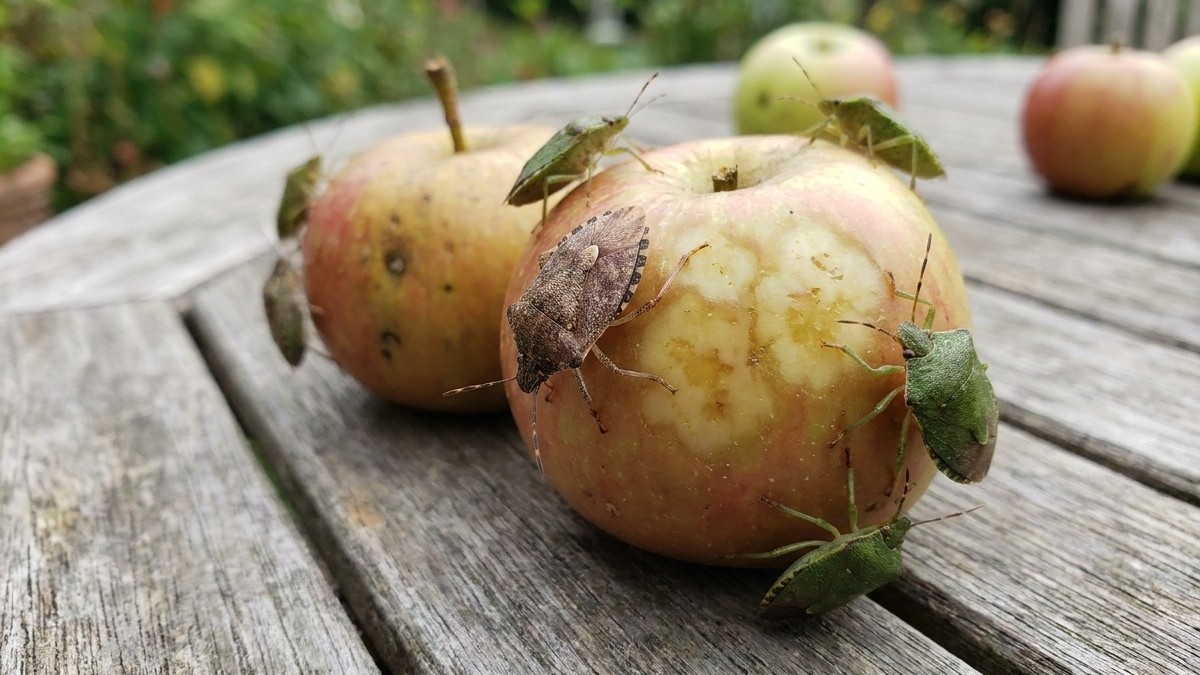

Apples in Prince Edward Island are ready when their seeds turn brown and a lifted fruit snaps free with its stem intact, not on a fixed date. The province’s frost-free window runs roughly from May 16 to October 17 on average at the Charlottetown reference station, which means most varieties come off the tree between late August and early October, timed to each cultivar’s own maturity, not the calendar page.
When apples are ready to pick in Prince Edward Island
The two dates that frame everything are averages, not guarantees. Environment and Climate Change Canada’s 1981-2010 normals for Charlottetown A put the last spring frost at May 16 and the first fall frost at October 17. Both are mean dates: in one year out of two, frost arrives later than that. Treat them as the midpoint of a window, never as a safe deadline, and build in a margin on either side when you’re deciding when to pick a late variety that’s still hanging in the third week of October.
That gives the island a frost-free stretch of roughly 154 days. It’s a workable season for apples, but a tight one for the latest-ripening cultivars, which is why growers here lean toward mid-season varieties that finish their maturation comfortably before the average fall frost rather than gambling on the last two or three weeks of October.
Reading the tree, not the month
Ground color is the first tell: the background skin behind any red blush shifts from green to yellow or cream as the fruit finishes. Cut one open and check the seeds. Pale or greenish seeds mean wait; brown or near-black seeds mean the fruit is done or close to it. A ripe apple also separates from the spur with a gentle upward twist. If you have to yank or tug, it’s not ready.
Early varieties typically finish in the second half of August, mid-season types through September, and the hardiest late keepers into the first half of October. Because the October 17 frost date is a mean, not a floor, growers on PEI generally aim to have the crop in before the first week of October rather than pressing their luck on the last of the window. The interior of the province, away from the moderating influence of the surrounding water, tends to see its first cold snap arrive somewhat ahead of the coastal average recorded at Charlottetown, so growers a few miles inland shouldn’t assume they have the same margin.
Which ones keep, and which must be eaten
Two separate questions decide whether a variety belongs in a PEI orchard: does it survive the winter, and does it store once picked? They’re not the same filter, and conflating them is where a lot of new growers go wrong.
Survival is a hardiness question. The mean daily minimum of Charlottetown’s coldest month sits at -12.1°C (10.3°F), a figure ECCC’s 1981-2010 normals use precisely because it’s harsher than a monthly average and gentler than a record low. It’s the number that decides whether a cultivar’s wood and buds make it through a typical winter, not just an unusually cold one. Varieties bred for cold climates, such as Cortland, McIntosh, Northern Spy, and Haralson, carry the hardiness this figure demands. Cultivars developed for milder growing regions further south are a poor match for that kind of recurring cold, regardless of how well their fruit stores.
Keeping ability is a separate trait entirely, tied to the apple’s flesh density and skin structure rather than the tree’s winter tolerance. Some varieties are bred to be eaten within days of picking; others are built to hold for months in cold, humid storage without breaking down.
| Variety type | Examples | Typical keeping |
|---|---|---|
| Early, soft-fleshed | Yellow Transparent, Duchess | Days to a couple of weeks; best eaten or processed fresh |
| Mid-season | Cortland, McIntosh | Several weeks to a couple of months in cold storage |
| Late, dense-fleshed | Northern Spy, Golden Russet, Idared | Multiple months in a properly cold, humid cellar |
Picking a soft, early apple with the intention of storing it through January is the single most common mismatch home growers on the island make. That fruit is meant for the counter or the sauce pot within a week or two, not the root cellar.
Storing them through a Prince Edward Island winter
Once you know which apples in your harvest are keepers, the storage environment matters as much as the variety. Apples hold longest between roughly 32°F and 40°F (0°C to 4°C) with high humidity, conditions that slow both ripening and moisture loss without freezing the fruit outright.
An unheated basement, a root cellar, or an insulated shed built into the ground all work, provided the space doesn’t swing below freezing. That last part matters more here than it would in a milder climate. With the coldest month’s mean daily minimum sitting at -12.1°C, an uninsulated outbuilding or an attached but unheated garage can plunge well past the point where apples freeze solid, which ruins the texture the moment they thaw. A structure that’s partly earth-sheltered, or one with enough insulation and thermal mass to stay just above freezing on the coldest nights, is what separates a working cold store from a shed full of mush by January.
Practical handling
- Wrap each apple loosely in paper, or layer them in slatted crates rather than sealed plastic, so air can move
- Store only unbruised fruit; a single damaged apple releases ethylene and speeds up spoilage in everything nearby
- Check the stored crop every few weeks and pull any apple that’s softening or spotting
- Keep apples away from potatoes and other root vegetables, which release moisture and odors that shorten apple storage life
The Prince Edward Island government’s agriculture page carries wider guidance for growers on the island and is worth a look for anyone building a small home orchard rather than a backyard tree or two: princeedwardisland.ca/en/topic/agriculture.
What goes wrong here
The most common failure on the island isn’t storage, it’s timing at both ends of the season. Blossoms open close to the average last frost of May 16, and because that date is a mean rather than a safe cutoff, a late cold snap in a given year can catch flowers mid-bloom and wipe out a season’s fruit set before it even starts. Growers who plant in a low spot where cold air pools, rather than on a gentle slope where it drains away, take on more of that risk than the average suggests.
At the other end, the same logic applies to late varieties still on the tree in mid-October. Because the first fall frost average of October 17 is also a midpoint, waiting for one more week of ripening on a late cultivar is a real gamble in roughly half of all years, and a hard freeze on unpicked fruit turns crisp flesh mushy and brown almost overnight.
Prince Edward Island’s maritime exposure adds two pressures that inland growing regions don’t face in the same way. Constant wind off the surrounding water stresses young trees and can knock ripening fruit down before it’s ready, so a windbreak of shrubs or a fence line on the exposed side of an orchard isn’t optional, it’s basic protection. The island’s humid air also favors fungal problems like apple scab, which thrives in damp, still conditions around the canopy; growers who skip pruning for airflow tend to see more fruit blemished or lost to disease by late summer than those who keep the canopy open.
Common questions
Can you actually grow apples on Prince Edward Island?
Yes, with hardy varieties matched to the coldest month’s mean daily minimum of -12.1°C. Cortland, McIntosh, Northern Spy, and Haralson are among the cultivars bred to tolerate that kind of recurring winter cold, and they’re the varieties most commonly grown on the island for that reason.
How do I know when McIntosh or Cortland are ready to pick?
Check the ground color behind any red blush (it should have shifted from green toward yellow or cream), cut a sample fruit and look for brown seeds, and test whether the apple separates from the spur with a gentle twist rather than a hard pull. These cues matter more than any specific date, since ripening timing shifts year to year around the island’s average frost dates.
How long will stored apples last through a PEI winter?
It depends entirely on the variety. Soft, early apples like Yellow Transparent hold for days to a couple of weeks. Dense, late-season keepers like Northern Spy or Golden Russet can last several months in a cold, humid space that stays reliably just above freezing.
Where can PEI growers get more specific local guidance?
The province’s agriculture page, linked above, is the relevant official resource for growers on the island. Beyond the frost-date and temperature figures cited here from Environment and Climate Change Canada’s Charlottetown normals, no additional local dataset on variety-specific harvest windows for PEI is cited in this article.