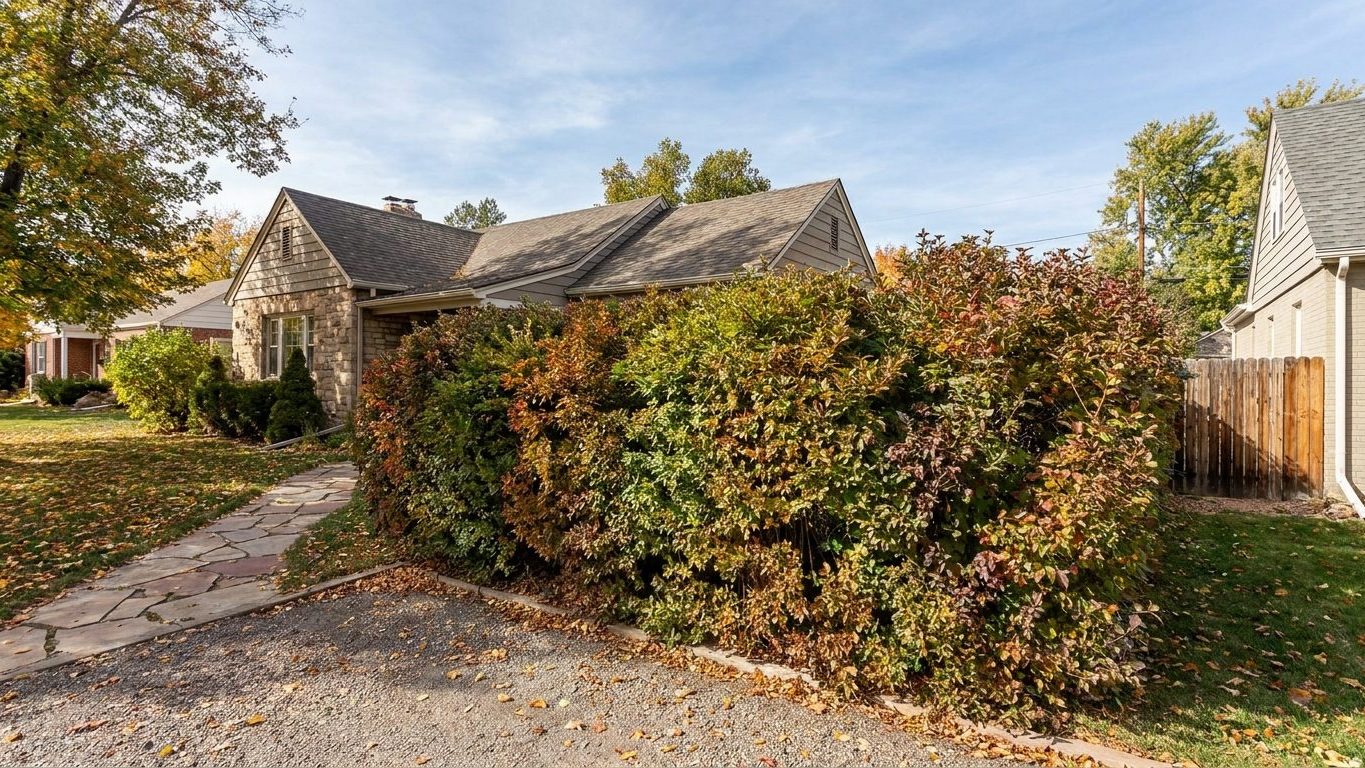

Search “hedge height law Connecticut” and you’ll find pages quoting a single number as if Hartford handed down a statewide limit. It didn’t. Connecticut has no state statute capping how tall a hedge can grow. The real answer lives in whichever municipal code covers your address, and that code might set a completely different number than the town next door.
There is no Connecticut hedge height law
Start with what’s actually on the books at the state level: nothing. The Connecticut General Statutes regulate plenty of property matters, but hedge height isn’t one of them. No chapter, no section, no statewide inch mark. That’s not an oversight. It’s how land-use authority works in most of the country.
Height limits for hedges, fences, and similar plantings come from zoning, and zoning is a municipal power. Connecticut’s 169 towns and cities each write their own zoning regulations, and each one decides independently whether a hedge counts as a “fence,” an “accessory structure,” a “screening,” or nothing regulated at all. One town might cap hedges at a specific height in a front yard. Another might only care about sight lines near intersections. A third might not mention hedges anywhere in its code.
This is exactly why generalist gardening sites get it wrong. They pull one city’s ordinance, present it as “the Connecticut rule,” and move on. A reader in a different town reads that number, assumes it applies to them, and could end up trimming a hedge that was perfectly legal, or worse, leaving one that violates a local rule they never checked.
Why states leave this to cities
Zoning power in the U.S. traces back to enabling acts that state legislatures passed decades ago, handing control over land use to local governments. Connecticut did this like most states did. The result is that a two-family house zone in one town and a similar zone thirty miles away can have entirely different fence and hedge standards, even though both towns sit under the same state government. Nothing forces uniformity, and nothing in Connecticut law creates a statewide ceiling for hedges.
What that means practically: the question “how tall can my hedge be” only has an answer once you know your town. Skip that step and you’re guessing.
How to find the rule that actually applies to you
Finding your actual rule takes fifteen minutes if you know where to look. Most Connecticut municipalities publish their zoning regulations online, and they’re almost always hosted through one of three platforms: Municode (library.municode.com), American Legal Publishing (codelibrary.amlegal.com), or eCode360. Search your town’s name plus one of those platform names, or just search “[your town] zoning regulations,” and you’ll usually land on the right page within the first few results.
Once you’re in the code, don’t search for “hedge” first. Go to the zoning chapter, then look for a subsection titled “fences,” “walls,” “screening,” or “accessory structures.” Height limits for plantings and structures near property lines tend to live in that part of the code, sometimes grouped with fences, sometimes as their own paragraph. Some towns bury it under “yard requirements” or “corner lot regulations” instead, so if the fence section doesn’t mention hedges, check those too.
Read the definitions section first
Before you trust any height number you find, check how the code defines the terms it’s using. This matters more than it sounds. A hedge is a living thing; a fence is a built structure. Many zoning codes treat them as legally distinct, meaning a fence height limit doesn’t automatically apply to a row of arborvitae. Some towns close that gap by writing “fences and hedges” together wherever a height limit appears. Others regulate fences in detail and say nothing about hedges at all, which can mean no local limit exists, or it can mean the town expects hedges to fall under a general landscaping or nuisance provision elsewhere.
If the code’s language is ambiguous, or if you can’t find any mention of hedges, don’t guess. Call the town.
Who to call
Every Connecticut municipality has a zoning enforcement officer or a planning and zoning department, usually reachable through the town hall’s land use or building department. This is the person who can tell you, in plain terms, whether your hedge is subject to a height limit, whether it’s classified as a structure or a planting, and whether any variance or exception applies to your lot. Town staff field these calls regularly. Bringing your address and a rough description of what you’re planting (species, planned height, distance from the property line) will get you a faster, more useful answer than digging through legal text on your own.
The branches that cross the line
Height limits are only half the picture. The other half is what happens when your hedge, tall or not, starts pushing branches or roots into your neighbor’s yard. This is where a near-universal principle kicks in, separate from any local height ordinance.
In most states, a general rule of property law lets a neighbor trim back branches, roots, or growth that crosses onto their side of the boundary line, up to the line itself, at their own expense. They generally can’t go past the line onto your property, and they can’t take action that kills the plant outright. This principle comes from case law built up over decades of property disputes, not from a single statute anyone can point to, and the exact boundaries of what’s allowed can vary by state and by the specific facts of a case. Treat it as a general pattern, not a Connecticut-specific rule with a citation number.
What that means for a hedge along a shared boundary: if your Leyland cypress or privet grows six feet over the line into your neighbor’s lawn, they likely have the right to cut it back to the line without asking your permission first. What they typically can’t do is climb onto your side to prune, or take the whole plant down because they don’t like looking at it.
Where disputes usually start
The friction almost never comes from the trimming itself. It comes from disagreements over how much was cut, whether the hedge was damaged in the process, or whether root damage to a foundation or driveway justifies more aggressive action than simple branch trimming. Root systems complicate things further, since underground growth causing structural damage sometimes falls under a different legal analysis than overhanging branches.
If a disagreement escalates past a friendly conversation over the fence line, this is a genuine legal question, not a landscaping one. A local attorney familiar with Connecticut property law, or your town’s zoning enforcement office if a height ordinance is also at issue, is the right next call. Nothing here should substitute for that.
What to check before you plant
The best time to sort out hedge rules is before you dig, not after your row of boxwood has hit six feet and a neighbor’s called the town. A few checks up front save a lot of trouble later.
- Pull your town’s zoning code through Municode, American Legal Publishing, or eCode360, and read the fence and accessory structure sections in full, not just the first paragraph that mentions a number.
- Check your specific zone, not just the general fence rule. Residential zones, corner lots, and lots near commercial areas sometimes carry different height allowances within the same town.
- Look for corner lot and sight triangle rules. Nearly every municipality restricts what can grow near a street corner or driveway apron, because tall plantings there block a driver’s line of sight. This limit is typically far lower than a standard fence or hedge height allowance, and it applies even in towns that otherwise have no general hedge rule at all.
- Call zoning enforcement if anything in the code is unclear, especially around whether “fence” language includes living hedges in your town.
- Talk to your neighbor about a hedge planned along a shared boundary, before it’s eight feet tall and rooted. A five-minute conversation now is cheaper than a dispute over cut branches later.
Sight triangle restrictions deserve extra attention because they’re the one rule that shows up almost everywhere, even in towns with no other hedge regulation on the books. If you’re planting anywhere near a corner, a driveway entrance, or an intersection, that’s the rule most likely to actually apply to you, regardless of what your general zoning code says about fence height elsewhere in town.
Common questions
Is there a maximum hedge height allowed in Connecticut?
No single statewide maximum exists. Height limits, where they exist at all, come from each municipality’s own zoning code. You need to check your specific town’s regulations to get a real answer.
Does my town’s fence height limit automatically apply to hedges?
Not necessarily. Some zoning codes group fences and hedges under the same height rule; others regulate fences as built structures and say nothing specific about living plantings. Read the definitions in your local code, or ask your zoning department directly, before assuming one limit covers both.
Can my neighbor legally cut my hedge if it grows onto their property?
In most states, a neighbor can trim back branches or growth that crosses the property line, up to the line itself, at their own expense, without killing the plant. This comes from general property law principles rather than a specific Connecticut statute, and the details can vary. A local attorney can clarify how it applies to your situation.
Where do I find my town’s actual zoning rule for hedges?
Search for your town’s zoning regulations on Municode, American Legal Publishing, or eCode360, then look in the zoning chapter under fences, accessory structures, or yard requirements. If you can’t find anything specific to hedges, call your town’s zoning enforcement officer directly.