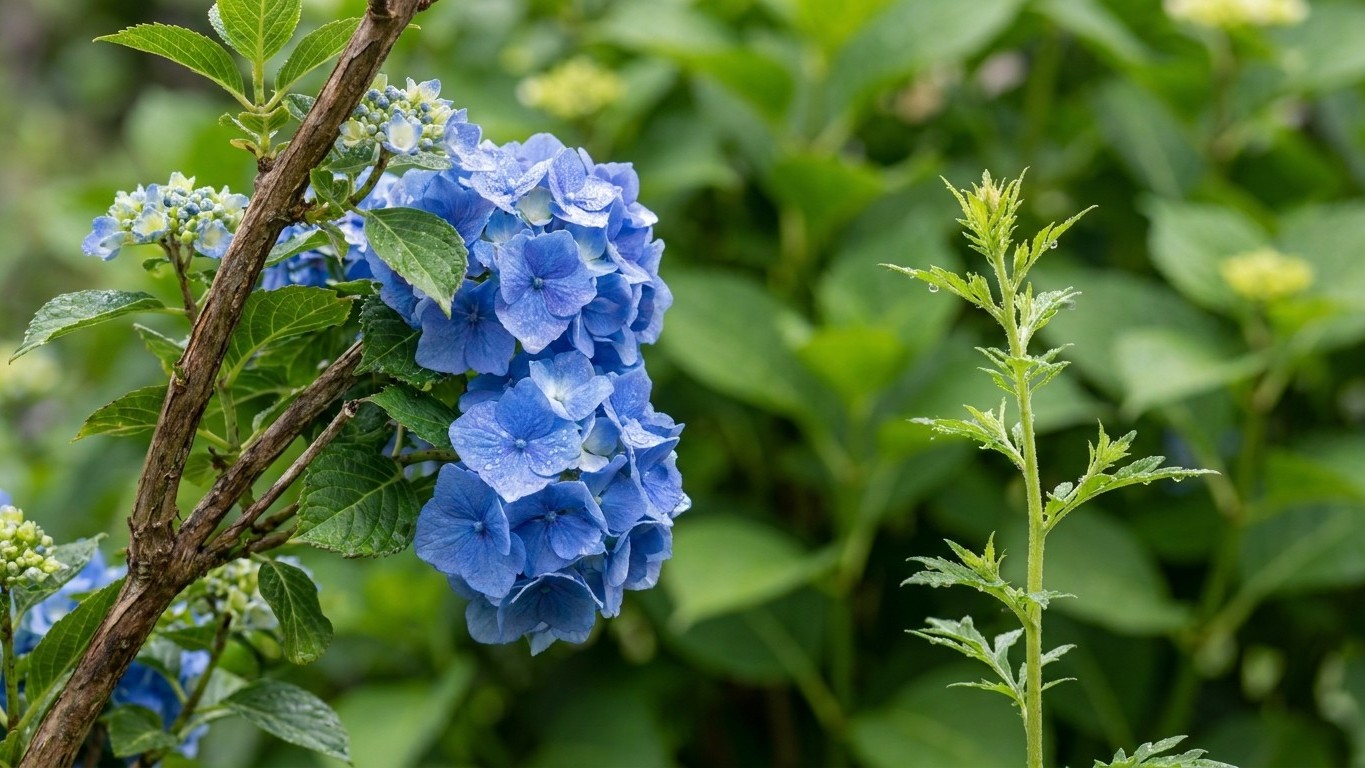

For most of Arizona, winter isn’t really the test. In Phoenix, the reference station for this region, freezing temperatures showed up in only 6 of the last 30 springs, and NOAA lists the frost-free season there at 365 days. Panicle and smooth hydrangeas handle that ease the best statewide; bigleaf types (Hydrangea macrophylla) are the ones that struggle, especially at higher elevation.
What this comes down to in Arizona

Arizona’s USDA Plant Hardiness Zone map spans 4b to 10b, one of the widest ranges of any state, and that range is the whole story here. Phoenix sits at the warm end of it, where a freeze is rare enough that “surviving winter” is almost a non-issue for any hydrangea species. Climb into the high country, and you land in a genuinely cold zone where hard freezes are routine and flower buds set on old wood get killed off most years. The six cultivars below are ordered from the ones that shrug off both extremes to the ones that only make sense in a narrow band of the state.
Limelight
A panicle hydrangea (Hydrangea paniculata) that blooms on new wood each year, so even if the top growth gets nipped in a rare Phoenix cold snap or a hard high-country freeze, the plant simply regrows and flowers on schedule. It tolerates heat well with afternoon shade and is commonly rated cold-hardy into the lower end of the state’s zone range, making it one of the few choices that works from the low desert to the mountains.
Annabelle
A smooth hydrangea (Hydrangea arborescens) that also flowers on new wood, giving it the same built-in recovery from winter damage as panicle types. It handles high-country cold without complaint, but in the low desert it needs consistent shade and water to avoid scorching before winter dormancy even becomes relevant.
Ruby Slippers
An oakleaf hydrangea (Hydrangea quercifolia) known for tolerating more heat and drier air than most hydrangeas, while still holding up to real winter cold in the state’s mid and higher elevations. Its flower buds form partly on old wood, so a severe freeze at elevation can still cost you a season’s blooms even though the shrub itself survives.
Bluebird
A mountain hydrangea (Hydrangea serrata) that’s typically rated more cold-tolerant than standard bigleaf types, which makes it a reasonable pick for northern Arizona’s colder winters. It’s less forgiving of low-desert heat, though, and needs reliable shade if planted anywhere near Phoenix’s frost-free warmth.
Endless Summer
A reblooming bigleaf hydrangea (Hydrangea macrophylla) that flowers on both old and new wood, which softens the winter risk somewhat but doesn’t remove it. At elevation, a hard freeze can still wipe out the old-wood buds; in the low desert, the challenge shifts entirely to heat and soil rather than cold.
Nikko Blue
A classic bigleaf hydrangea that blooms only on old wood, making it the most exposed cultivar on this list to any winter freeze event. In the high country, where hard freezes are routine, this is the cultivar most likely to survive as a shrub but skip flowering entirely some years.
Working it out for your own garden
Skip the frost calendar for the low desert. With Phoenix hitting 32°F in only 6 of 30 recorded springs and a NOAA-listed frost-free season of 365 days, there’s no meaningful freeze window to count backward from there, so the question for that part of the state isn’t “when is it safe” but “which cultivar tolerates the heat once winter is over.” The method that actually matters everywhere in Arizona is matching a cultivar’s published hardiness zone rating against your own elevation, then checking whether it blooms on old wood or new wood.
Take Limelight as the worked example. It’s typically rated hardy across a wide zone range that comfortably covers everything from the low desert up through the state’s colder mountain valleys, and because it flowers on new wood, a freeze event that damages its top growth doesn’t erase the coming season’s blooms, it just delays them by a few weeks while the plant regrows. Planted anywhere in Arizona’s hardiness range, that math works out in the gardener’s favor.
Now run the same check on Nikko Blue. Its rating sits toward the milder end of the zone scale, and it sets its flower buds on old wood the previous fall. In a high-country garden where winter lows regularly drop hard, those buds are exposed all season with no backup plan; the shrub itself may leaf out fine come spring, but the blooms simply don’t happen that year. That’s the line: a new-wood cultivar rated for a wide zone range carries its own insurance against a freeze, while an old-wood cultivar rated for a narrower, milder zone range is betting the whole season on a winter that doesn’t punch below its rating.
If you already have hydrangeas in the ground and aren’t sure what’s stressing them, the simplest diagnostic is timing. Damage that shows up as blackened, mushy new growth right after a documented cold snap between late December and mid-January points to a freeze event. Damage that shows up as scorched, crispy leaf edges in June or July has nothing to do with winter at all and everything to do with sun and heat.
What changes across the state
Elevation is the dominant force here, more than latitude and more than proximity to any body of water. Phoenix and the surrounding low desert sit at the warm, nearly frost-free end of the state’s 4b-10b hardiness range, and that single fact reshapes the whole winter-survival question there: it isn’t really about cold tolerance at all, it’s about which cultivars can handle the desert’s heat and alkaline soils once winter passes. Move up in elevation toward the higher plateau country and the picture flips completely, with real hard freezes, extended cold snaps, and a growing season that behaves nothing like the valley floor below it.
The south of the state, dominated by low desert basins, trends toward that same mild pattern seen at the reference station, while pockets at higher elevation within the same general region can sit several hardiness zones colder simply because they’re a few thousand feet higher. The north, home to the state’s higher plateau and mountain ranges, runs consistently colder and is where old-wood bigleaf cultivars run into real trouble most winters. Sky-island mountain ranges scattered through the middle of the state create their own local cold pockets too, sometimes just a short drive from much milder desert valleys nearby. None of that changes the reference figures given for Phoenix, but it does mean a gardener an hour’s drive from that station, at a very different elevation, is effectively gardening in a different climate.
The mistakes this state punishes

The most common misstep in the low desert is assuming that a nearly frost-free winter means any hydrangea will thrive there. Winter isn’t the threat in Phoenix, so gardeners who pick a cultivar for its cold hardiness and ignore its heat tolerance often watch it decline through the following summer instead, well after the winter question was already settled in the plant’s favor.
At higher elevation, the punishing mistake runs the other direction: planting an old-wood bigleaf cultivar rated for a milder zone than the garden actually sits in, then being surprised when a normal hard freeze wipes out a season of blooms. Checking a cultivar’s published zone rating against the local elevation, not against the state’s overall 4b-10b range, prevents that disappointment before it happens.
A subtler error shows up around the rare cold snaps the reference station does record, mostly between late December and mid-January. A stretch of unusually warm weather right before one of those snaps can trick a gardener into removing mulch or winter protection early, right when a new-wood cultivar’s fresh regrowth or an old-wood cultivar’s set buds are still exposed. Waiting until that window has clearly passed, rather than reacting to a few warm days, protects against a freeze event that shows up in only a fraction of years but does real damage when it lands.
Checking this against your county
Everything above is built on one reference station and one statewide hardiness range, and Arizona’s elevation swings are too extreme for either to stand in for your own backyard. Before committing to a cultivar based on this page, run it past your county extension office and the University of Arizona Cooperative Extension, which can speak to your specific elevation band and local freeze history in a way a single Phoenix reading never will.
Common questions
Can hydrangeas survive winter in Phoenix without any protection?
Given that Phoenix reached 32°F in only 6 of the last 30 springs and NOAA records a 365-day frost-free season there, most hydrangea species get through winter with no protection needed. Their real challenge in that area comes later, from summer heat and alkaline soil.
Which hydrangea is most cold-hardy for northern Arizona’s higher elevations?
New-wood bloomers like panicle (Hydrangea paniculata) and smooth (Hydrangea arborescens) types hold up best where hard freezes are routine, since a damaged top simply regrows and flowers the same year.
Do hydrangeas in Arizona’s low desert need any winter chill at all?
Not in any meaningful way at the reference station, where freezing weather is the exception rather than the rule. Chill becomes relevant only at higher elevation within the state, where winters behave like a different climate entirely.
Should I mulch hydrangeas before an Arizona winter?
In the low desert, mulching matters more for moisture and soil temperature through the heat than for freeze protection. At elevation, it’s worth having in place before the state’s documented cold-snap window between late December and mid-January, rather than added after the fact.