The Alaska Lawn Care Calendar, Month by Month
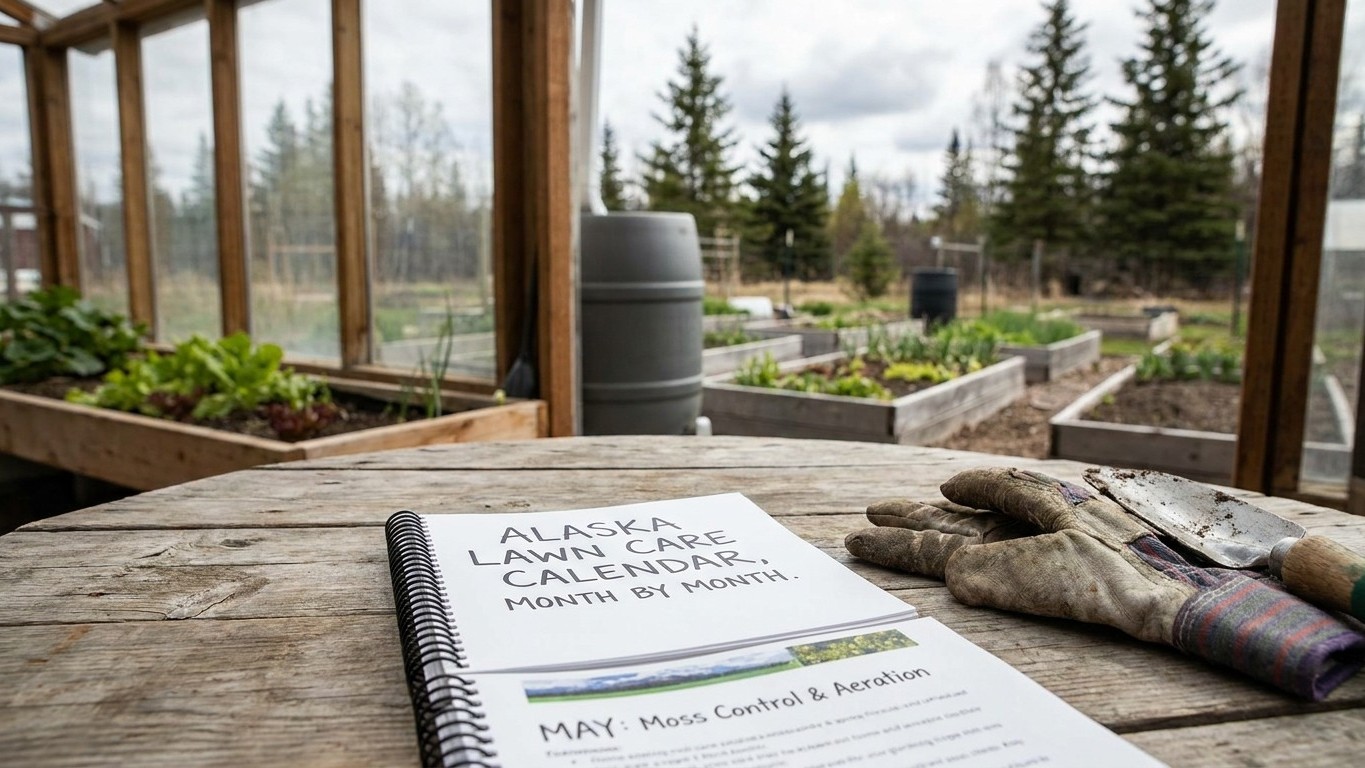
Anchorage’s frost-free season, fall feeding, and the five cool-season grasses that actually survive an Alaska winter, explained month by month.
Home & garden, state by state
Everything we have worked out for Alaska: what to plant and when, which varieties finish in time, the pests that actually turn up here, and the jobs that pay off month by month. We also cover the rest of the property, from lawns and soil to home care and energy, because a garden rarely stops at the vegetable bed.
The numbers first, because everything else follows from them. Measured at the weather station in Anchorage, the last spring freeze runs May 3 to May 12 and the first fall freeze runs September 22 to October 1, USDA zones 1a-8a, 917 growing degree days in the year.
That is little accumulated warmth: tomatoes need a tunnel or a greenhouse here, whatever the frost dates suggest. Garlic does well: 34.8 weeks below 40 °F, comfortably past the six it needs to form a proper head.
Elsewhere on the property in Alaska: the pests that turn up here.
Figures from NOAA's 1991-2020 climate normals. A state is not one climate: elevation, a large lake or the coast can move these dates by two weeks either way, so check your own county with the extension service before you spend money.
Anchorage’s frost-free season, fall feeding, and the five cool-season grasses that actually survive an Alaska winter, explained month by month.
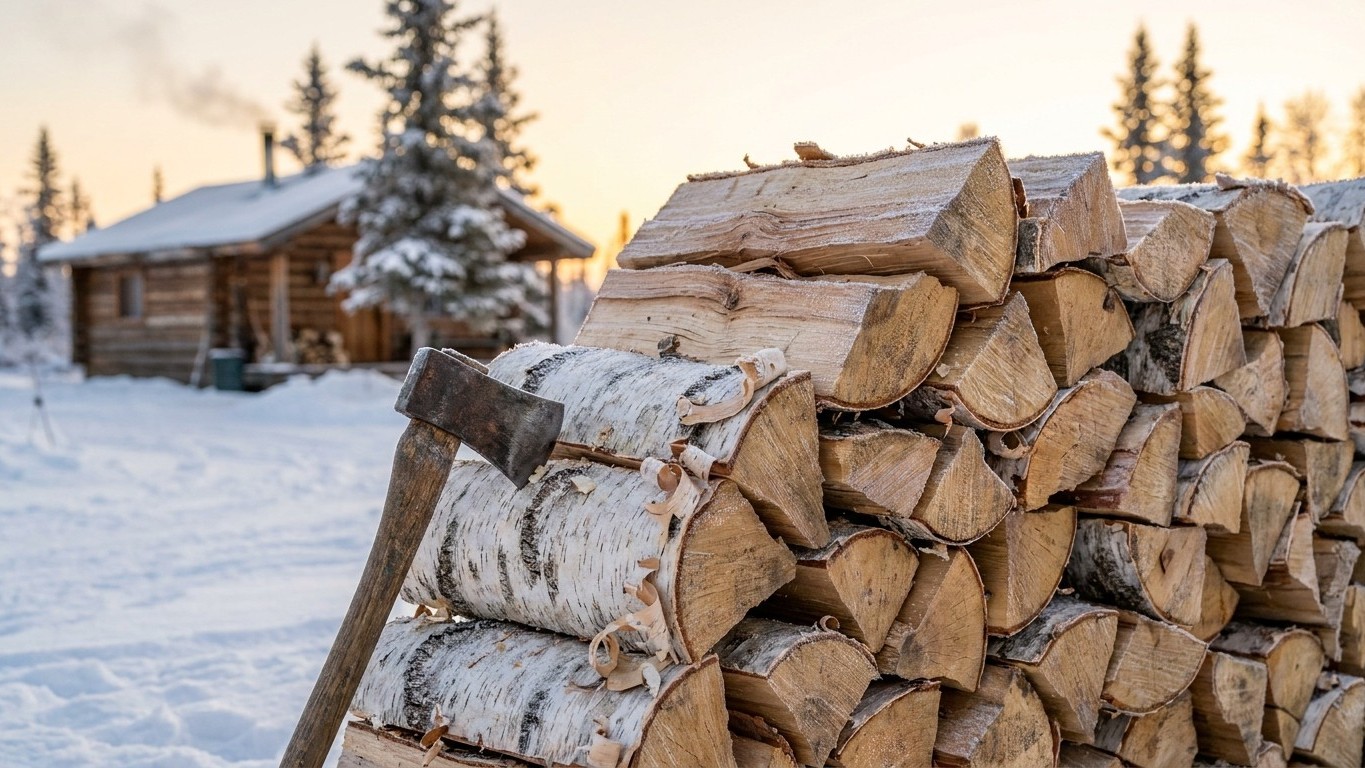
Birch wins in most of Alaska, hands down. But the state’s geography splits into three distinct firewood realities: the deep-freeze interior around…
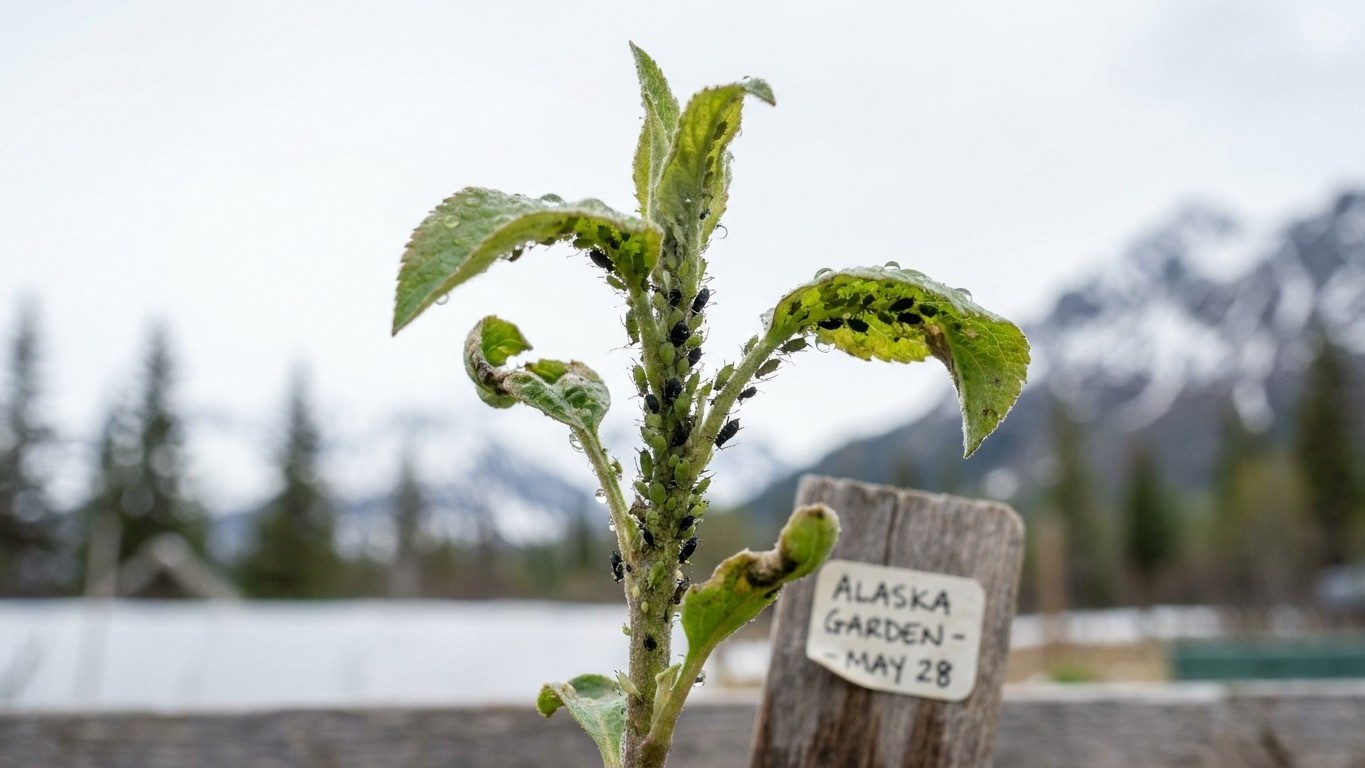
Aphids show up in Alaska gardens and greenhouses from late May through September, with the heaviest pressure hitting in June and July when nearly…
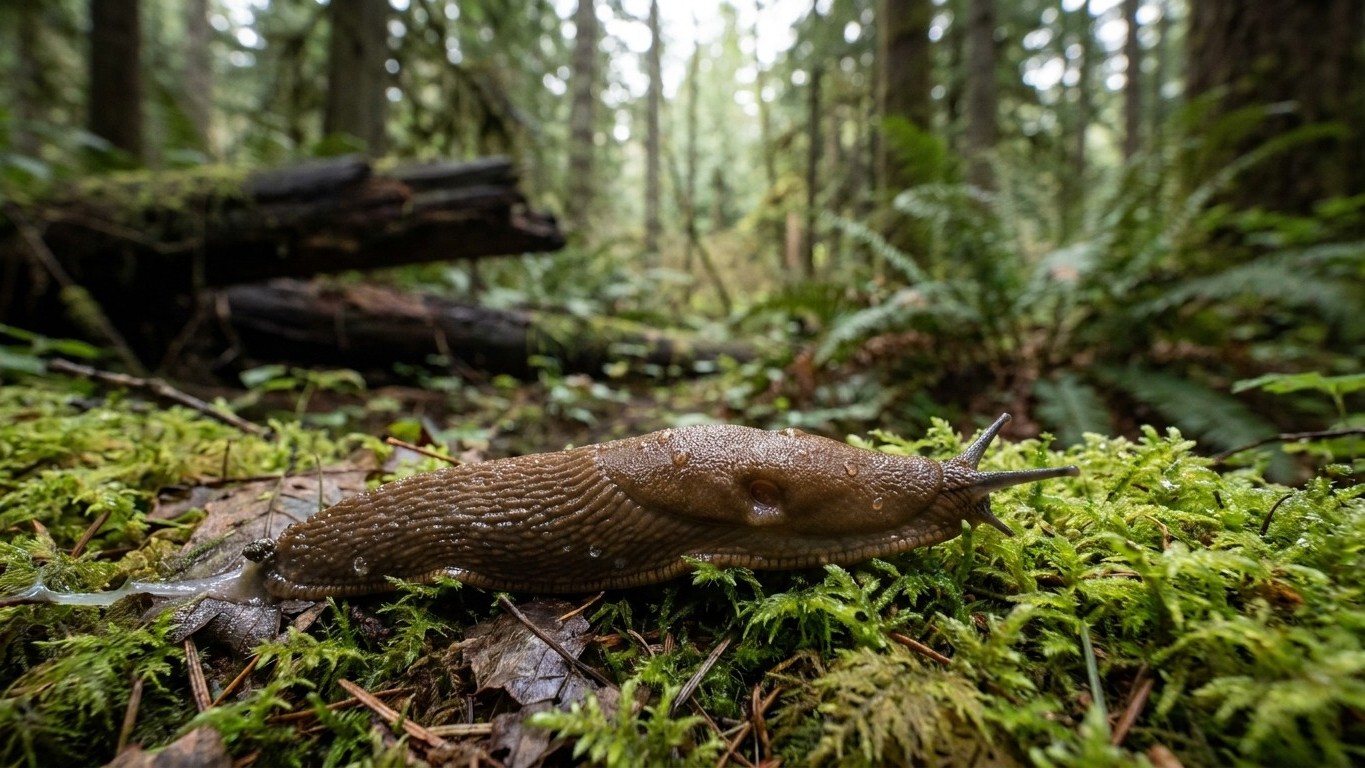
Slugs turn up in Alaska wherever the ground stays wet and mild long enough for them to feed and breed, mainly the Southeast panhandle and parts of the…
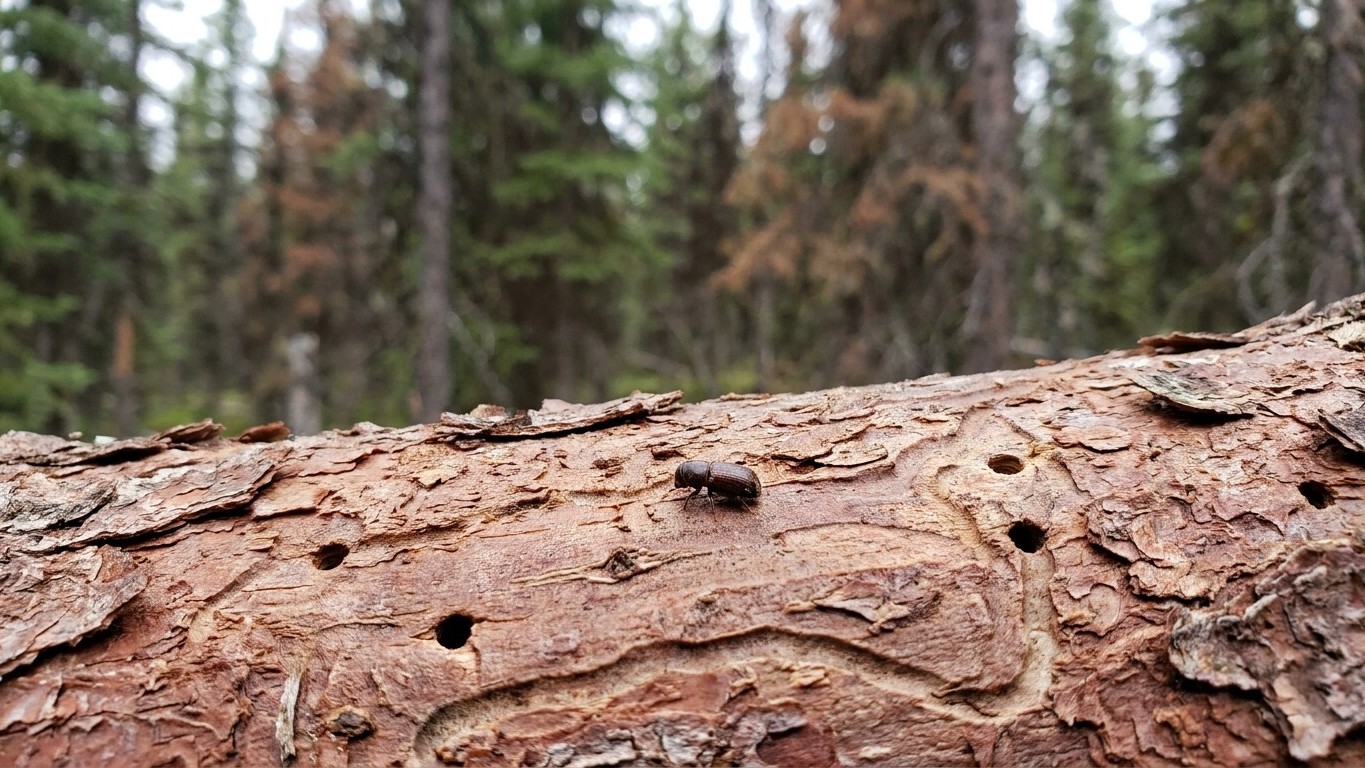
Spruce beetle activity in Alaska peaks in late May through July, when adult beetles emerge from dead and dying trees to fly and attack new hosts.
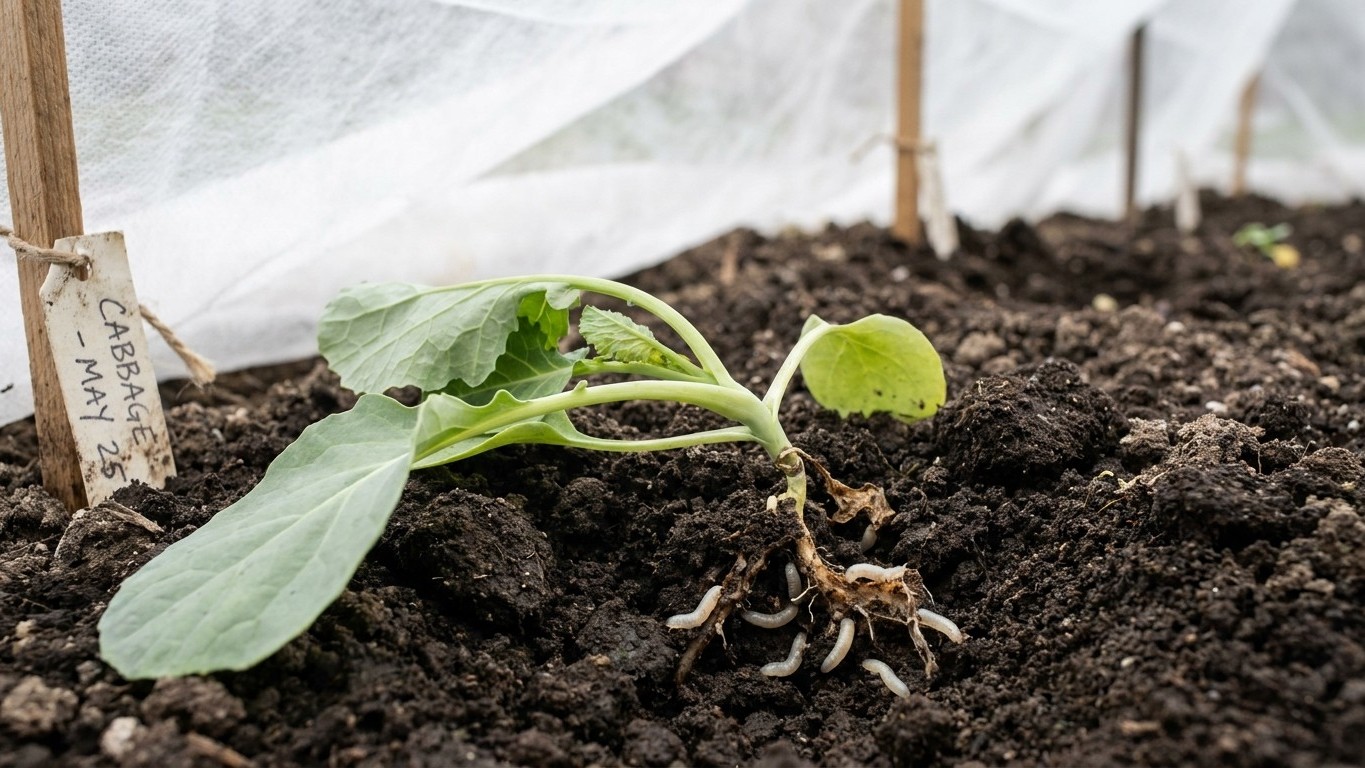
Root maggots hit Alaska gardens earlier than most people expect, usually within two to three weeks after the soil warms past 50°F in late May or early…
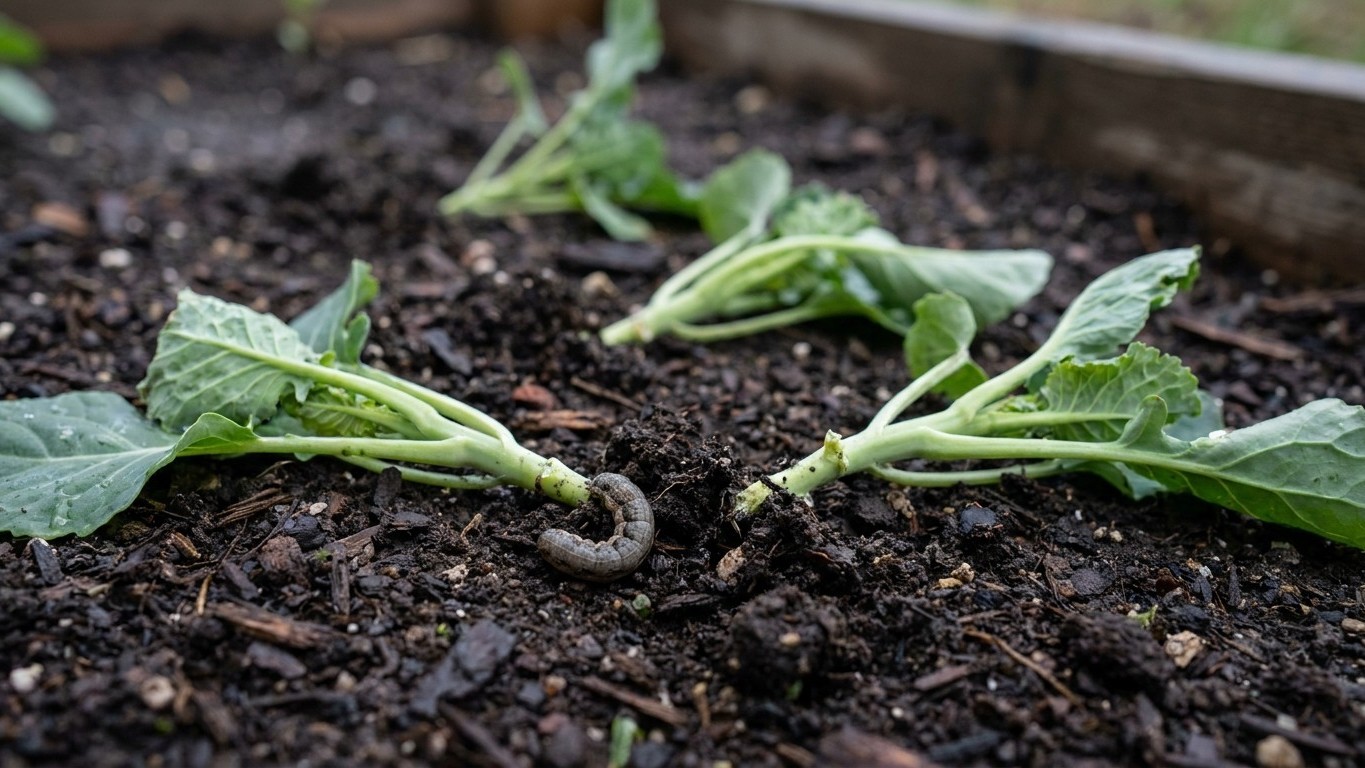
Cutworms show up in Alaska gardens once soil temperatures climb into the 50s, which usually means mid-to-late May in Anchorage and the Matanuska-Susitna…
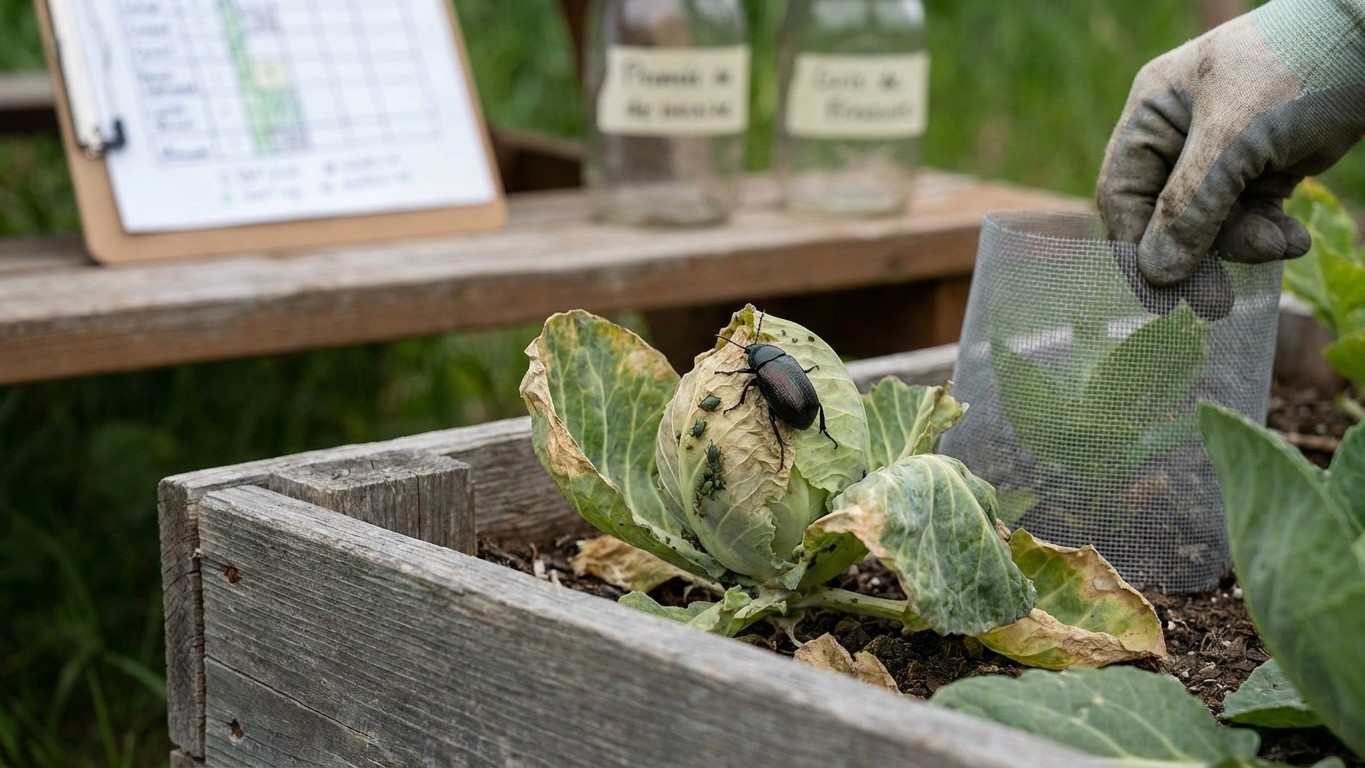
UAF Cooperative Extension names root maggots and cutworms as Alaska’s main vegetable garden pests, with slugs, aphids and spruce beetle rounding out the list.
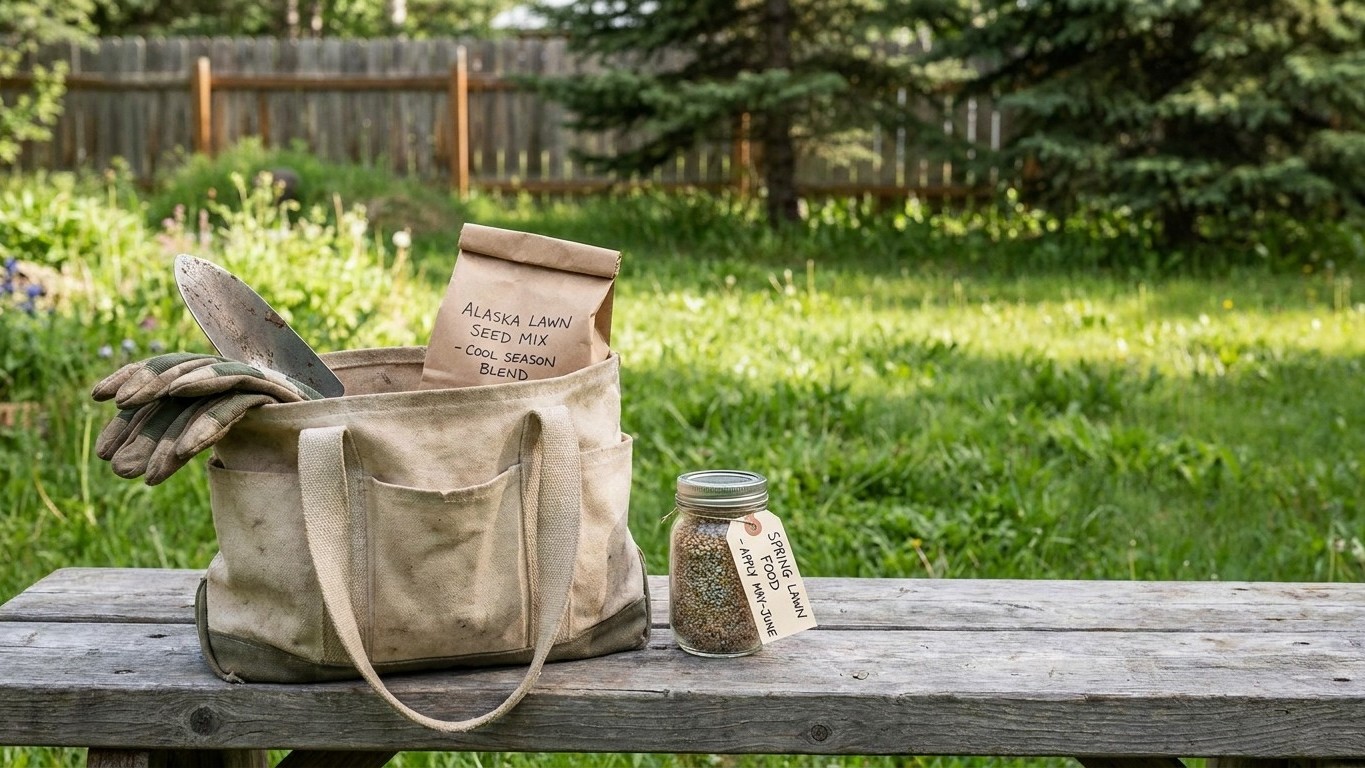
Anchorage’s climate rules out warm-season turf entirely, so Alaska lawns need cool-season grass, fall nitrogen feeding, and mowing heights suited to short, cool summers.
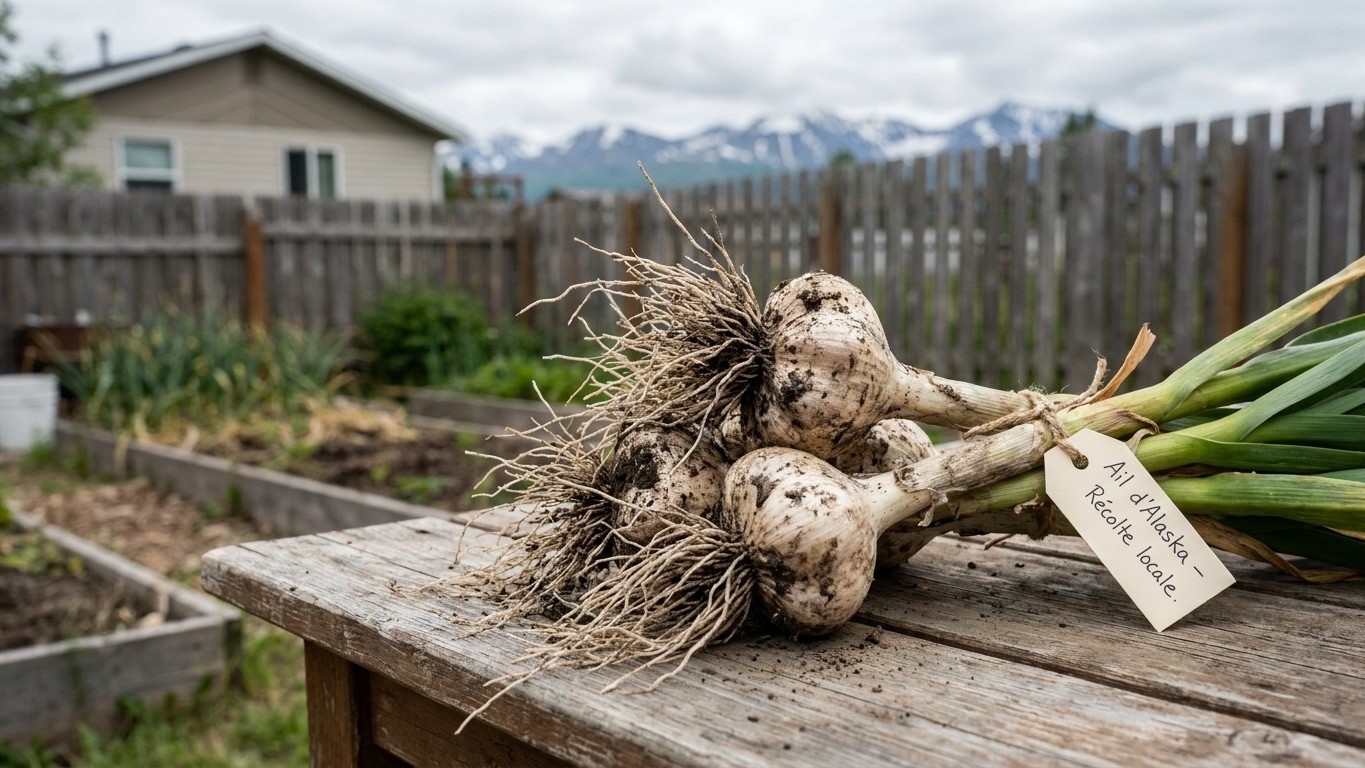
Fourteen garlic varieties suited to Alaska’s short season, with the early-September planting window calculated from NOAA’s Anchorage frost data explained here.