Potato Varieties That Suit Alberta
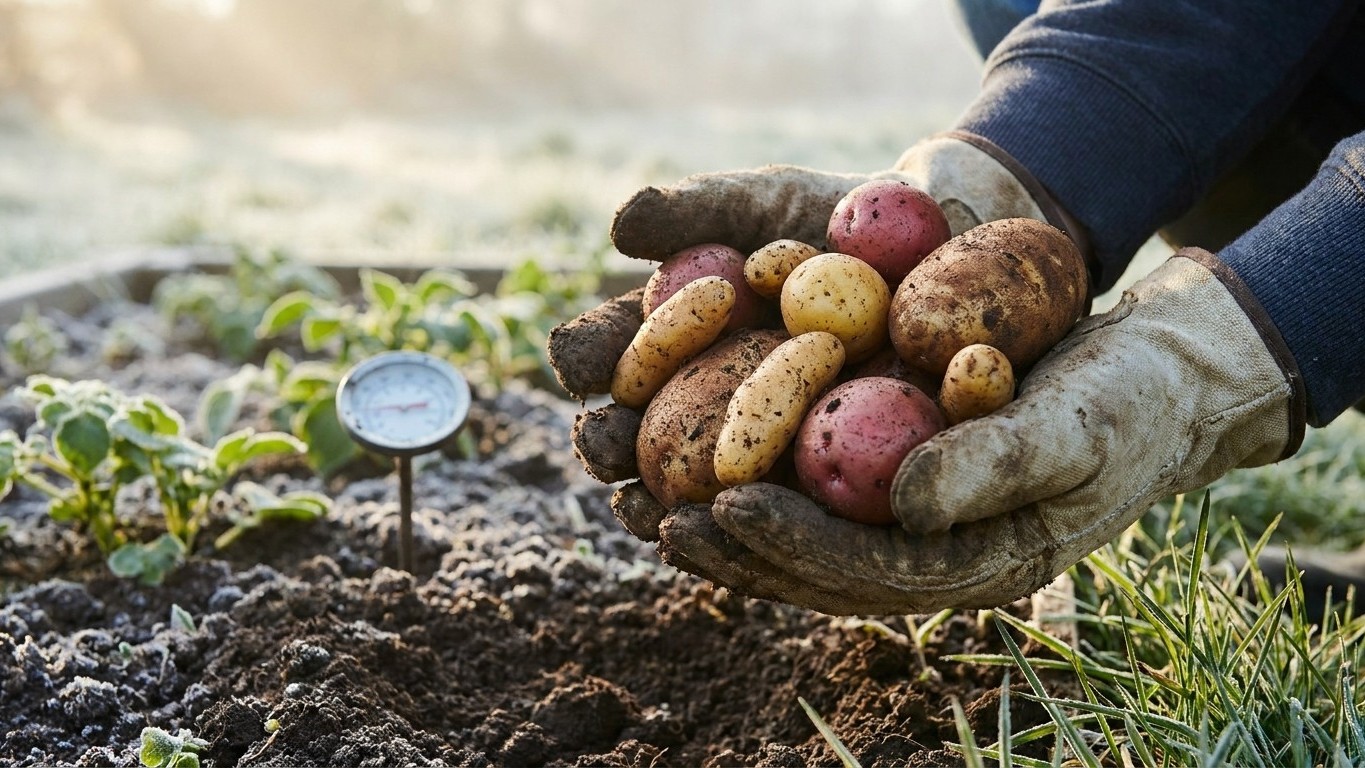
The frost-free window around Calgary runs to a mean last-frost date of May 21, and that single fact does more to pick a potato variety than any label on…
Home & garden, state by state
Everything we have worked out for Alberta: what to plant and when, which varieties finish in time, the pests that actually turn up here, and the jobs that pay off month by month. We also cover the rest of the property, from lawns and soil to home care and energy, because a garden rarely stops at the vegetable bed.
The numbers first, because everything else follows from them. Measured at the weather station in Calgary, the last spring freeze falls around May 21 and the first fall freeze falls around September 16, 1,171 growing degree days in the year.
That is little accumulated warmth: tomatoes need a tunnel or a greenhouse here, whatever the frost dates suggest. Garlic does well: 39.1 weeks below 40 °F, comfortably past the six it needs to form a proper head.
Elsewhere on the property in Alberta: the pests that turn up here.
Figures from Environment and Climate Change Canada. A state is not one climate: elevation, a large lake or the coast can move these dates by two weeks either way, so check your own county with the extension service before you spend money.
The frost-free window around Calgary runs to a mean last-frost date of May 21, and that single fact does more to pick a potato variety than any label on…
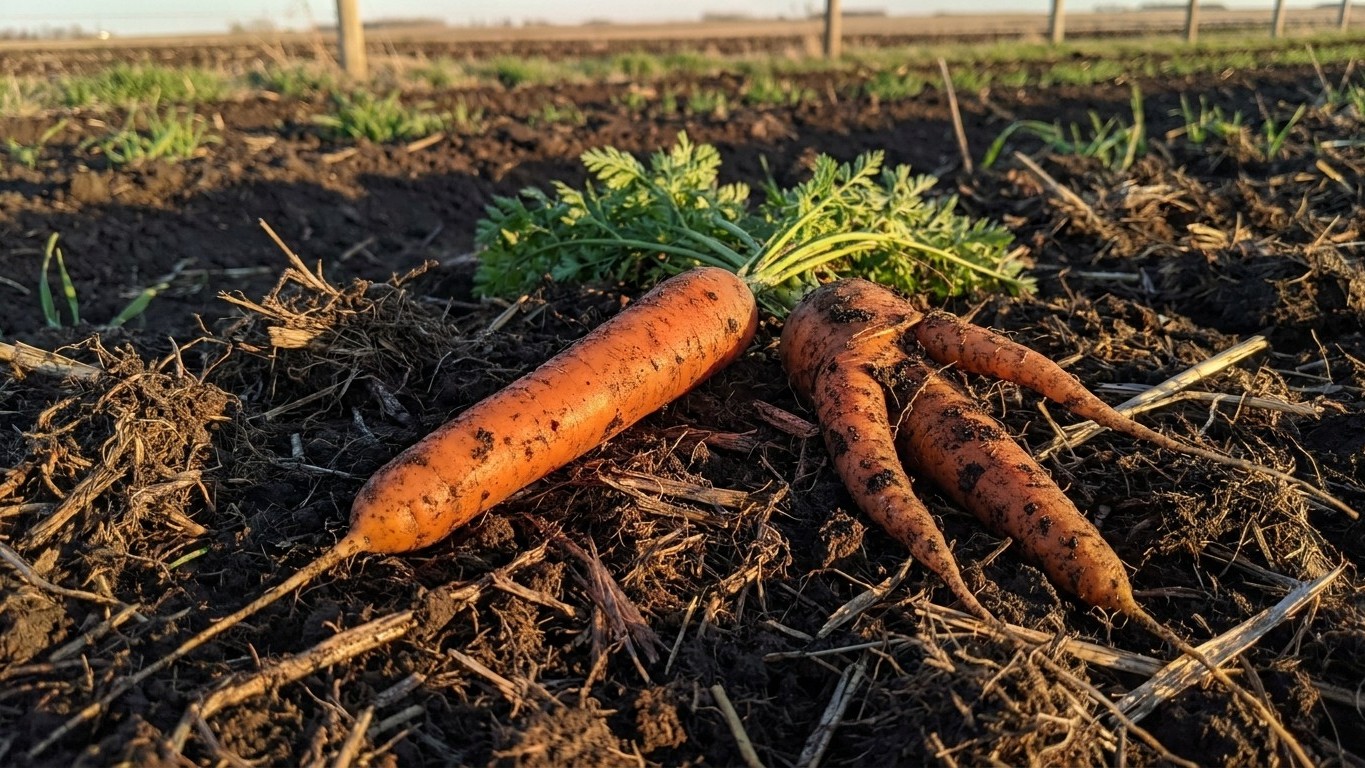
Alberta’s farmland soil runs loam to silt, roughly 37 percent sand, 21 percent clay and 42 percent silt, with organic matter near 5.2 percent and good…
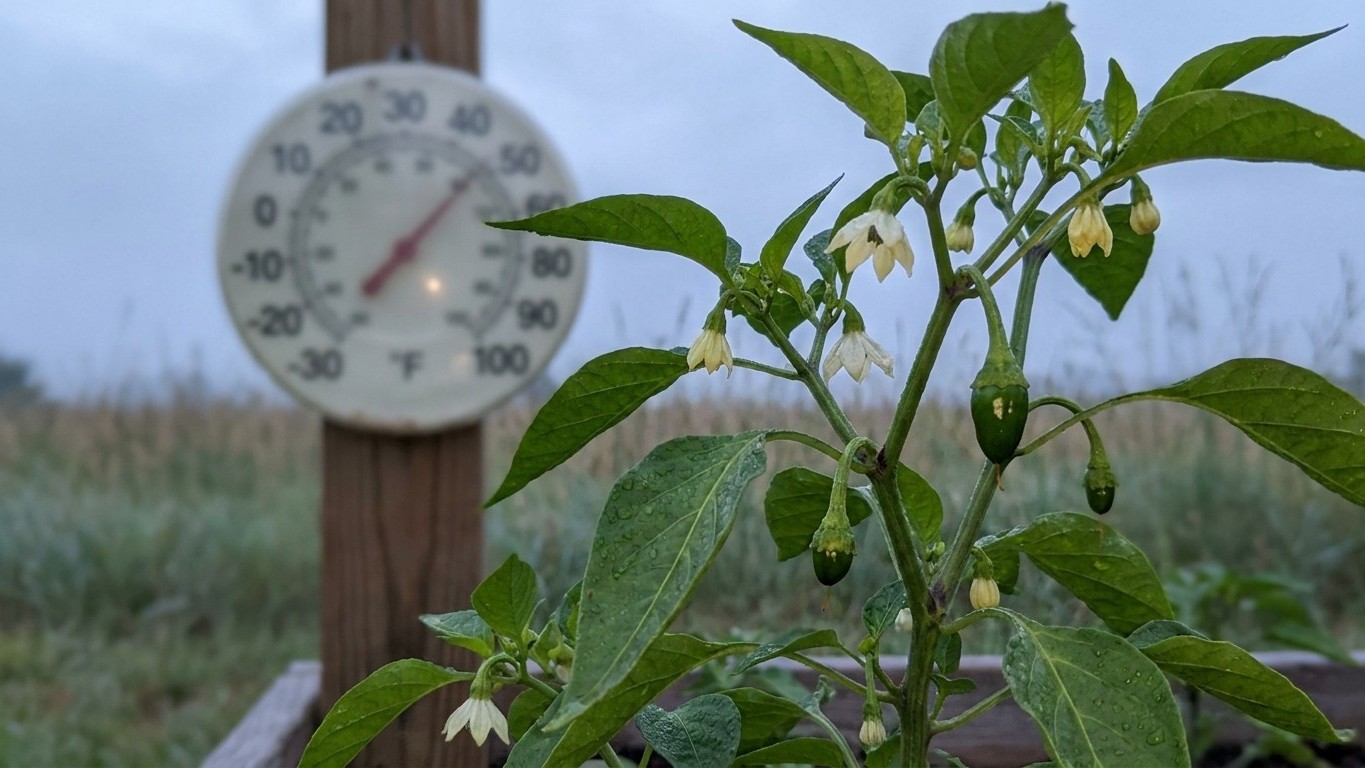
Alberta averages zero days a year at or above 90°F, so pepper fruit set rarely fails from heat here.
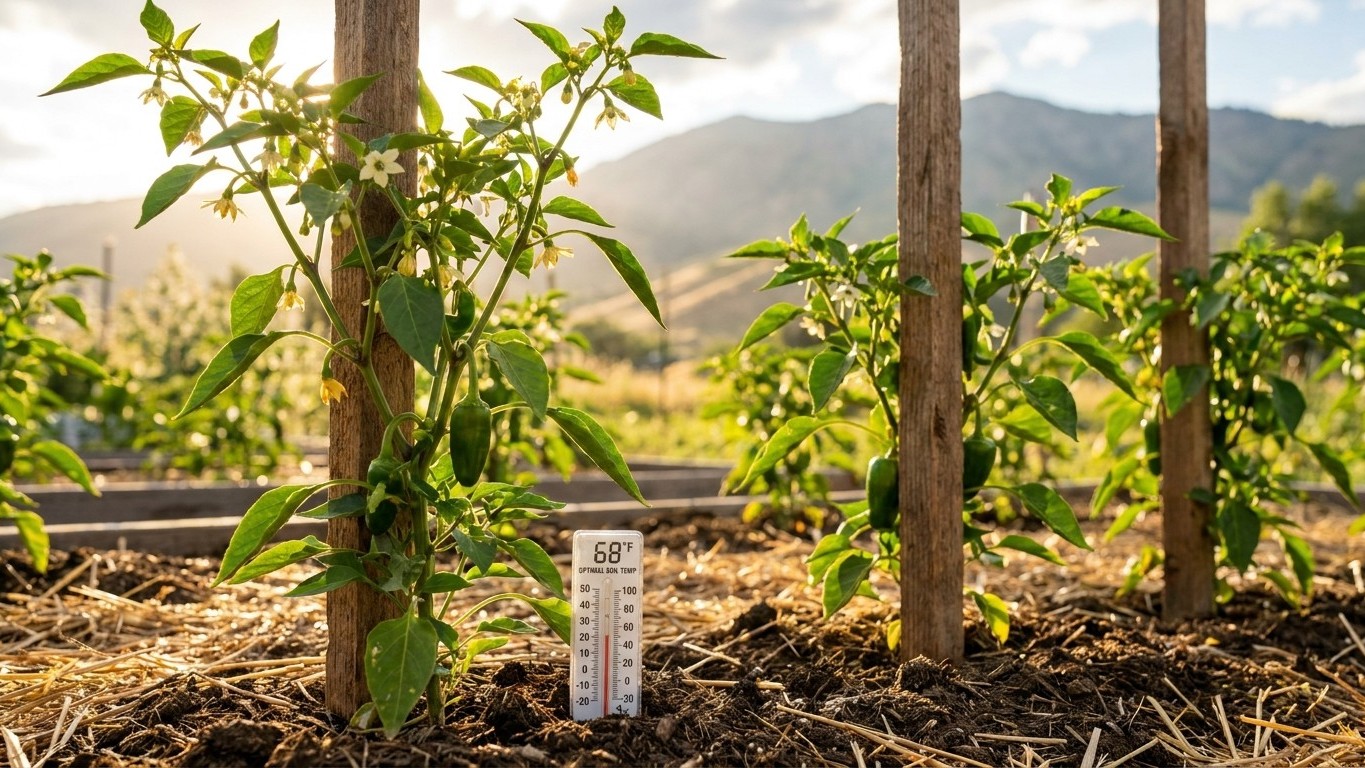
Alberta’s climate rarely pushes peppers into heat stress, but it just as often stalls them from the cold side.
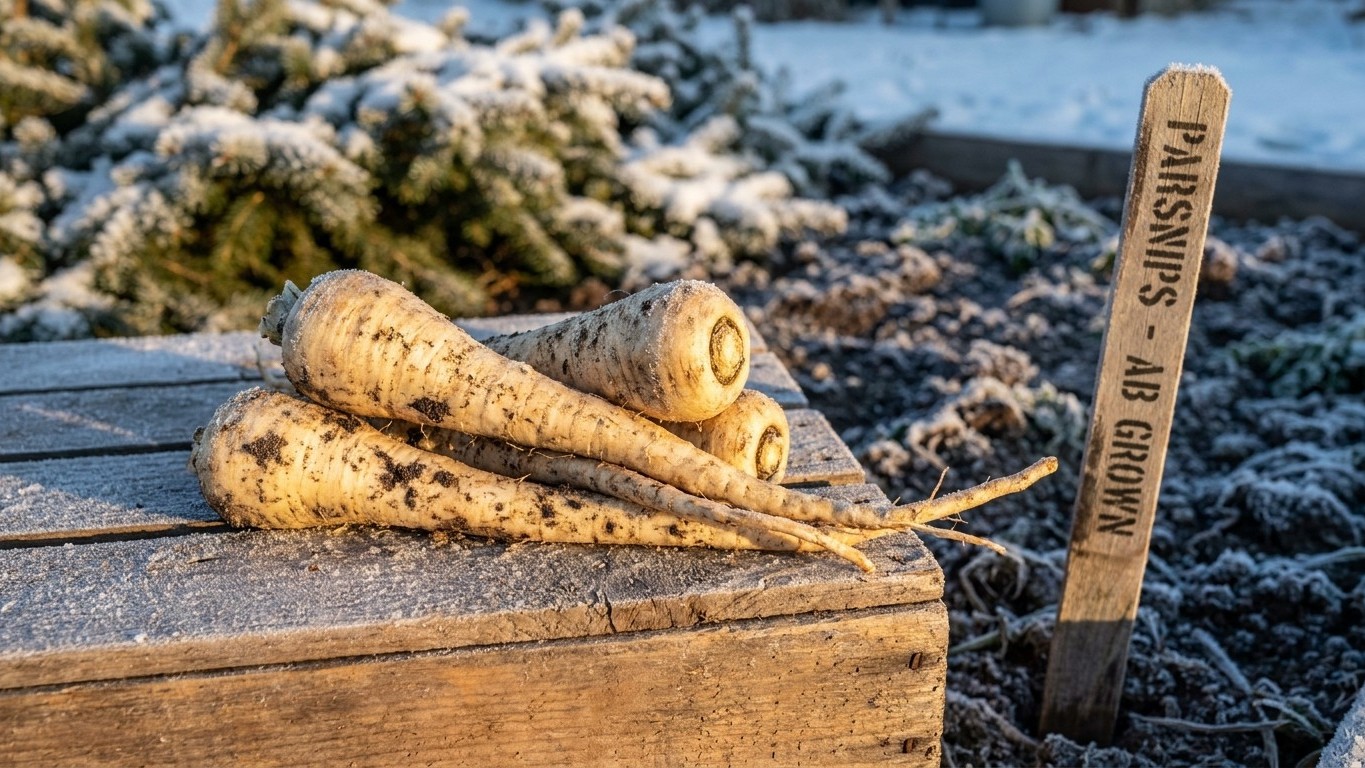
Alberta winters bring real cold, not a marginal frost that might or might not show up.
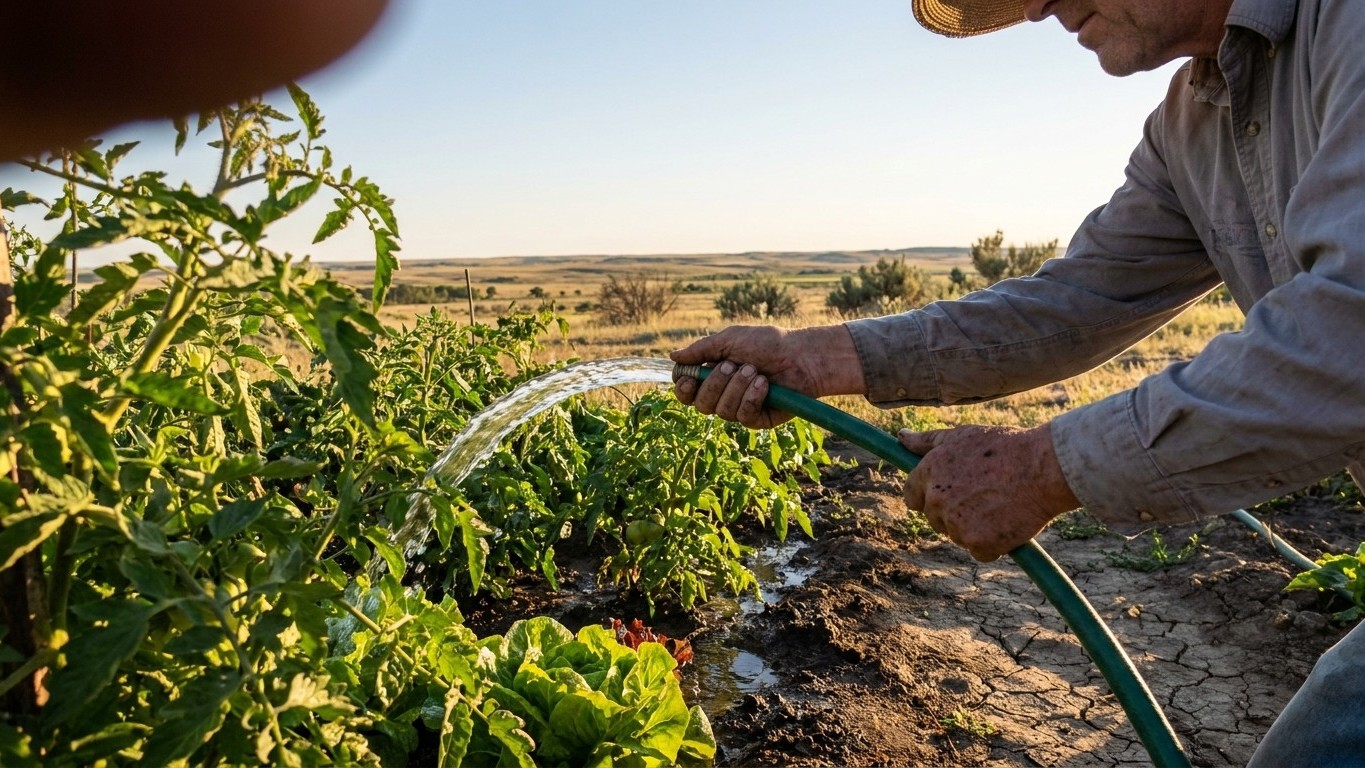
Alberta’s growing season looks generous on a map but thin in a rain gauge. The driest summer month here delivers just 2.24 inches of rain, and the heat…
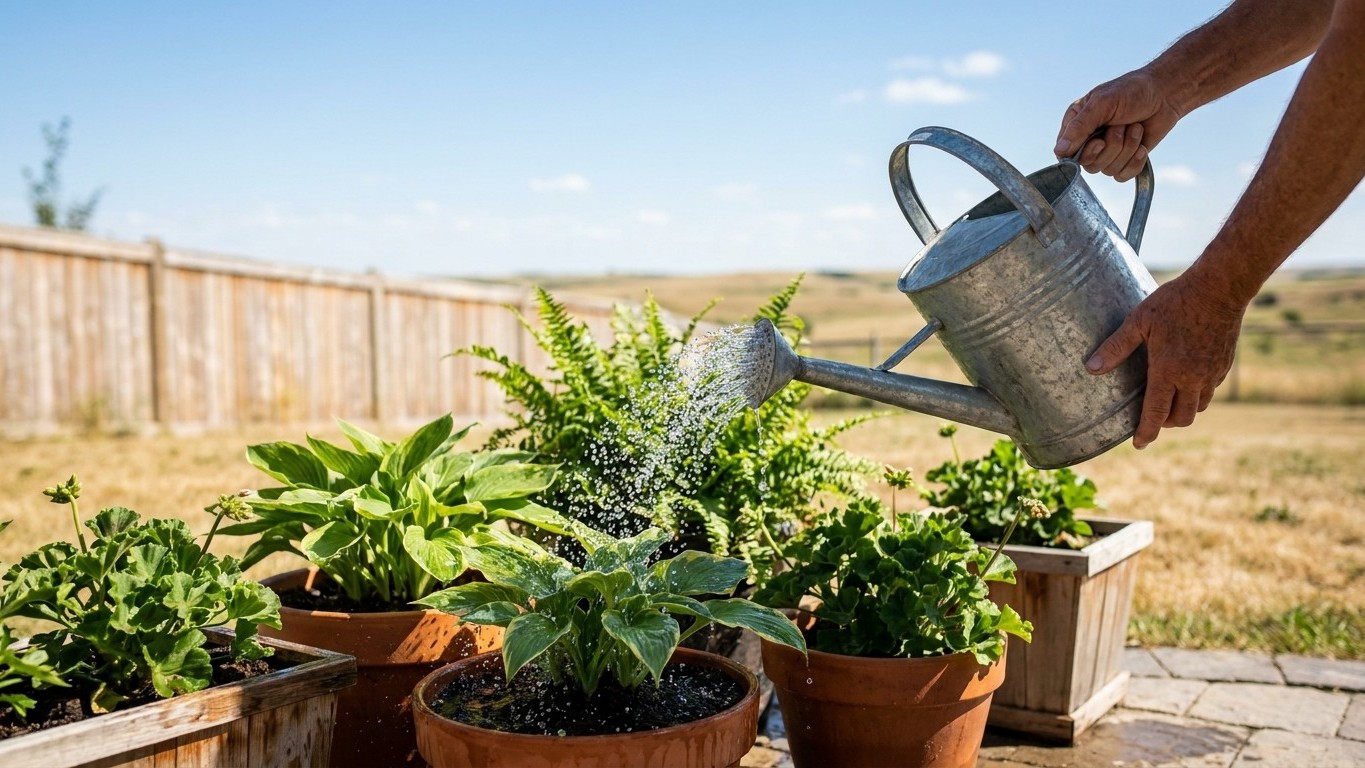
Alberta’s driest summer month delivers just 2.24 inches of rain, and the reference station records 0.0 days a year at or above 90F.
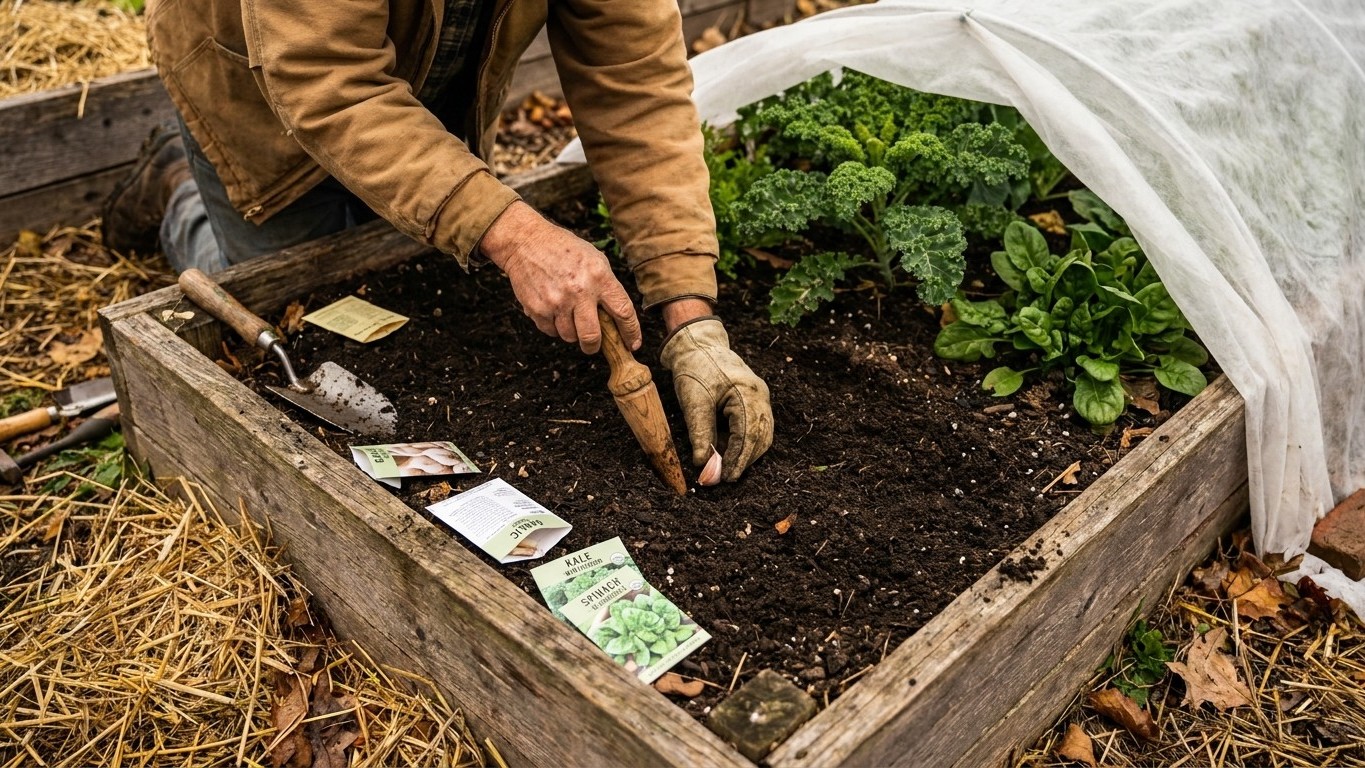
September in Alberta is a harvest-and-protection month more than a planting month.
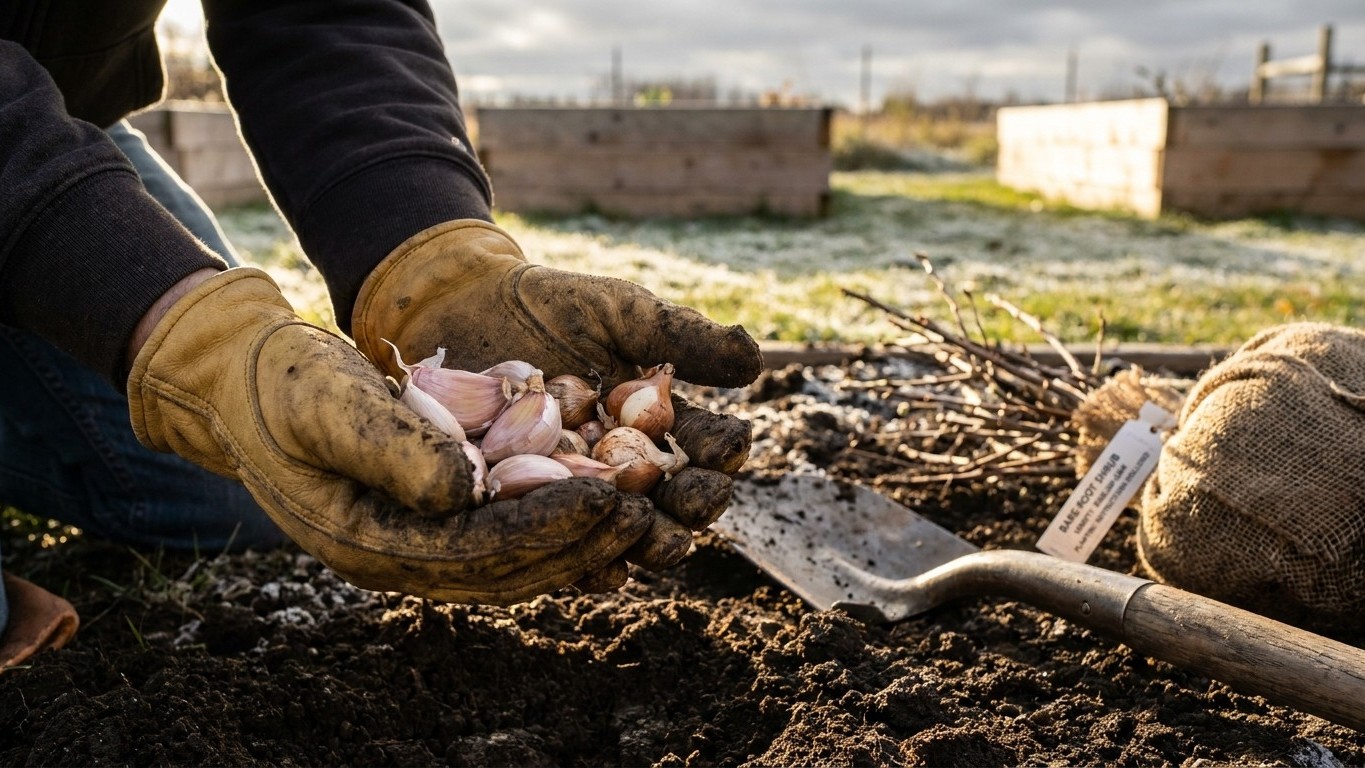
October in Alberta means garlic goes in the ground, spring bulbs get tucked in before the soil locks up, and bare-root trees and shrubs can still be…
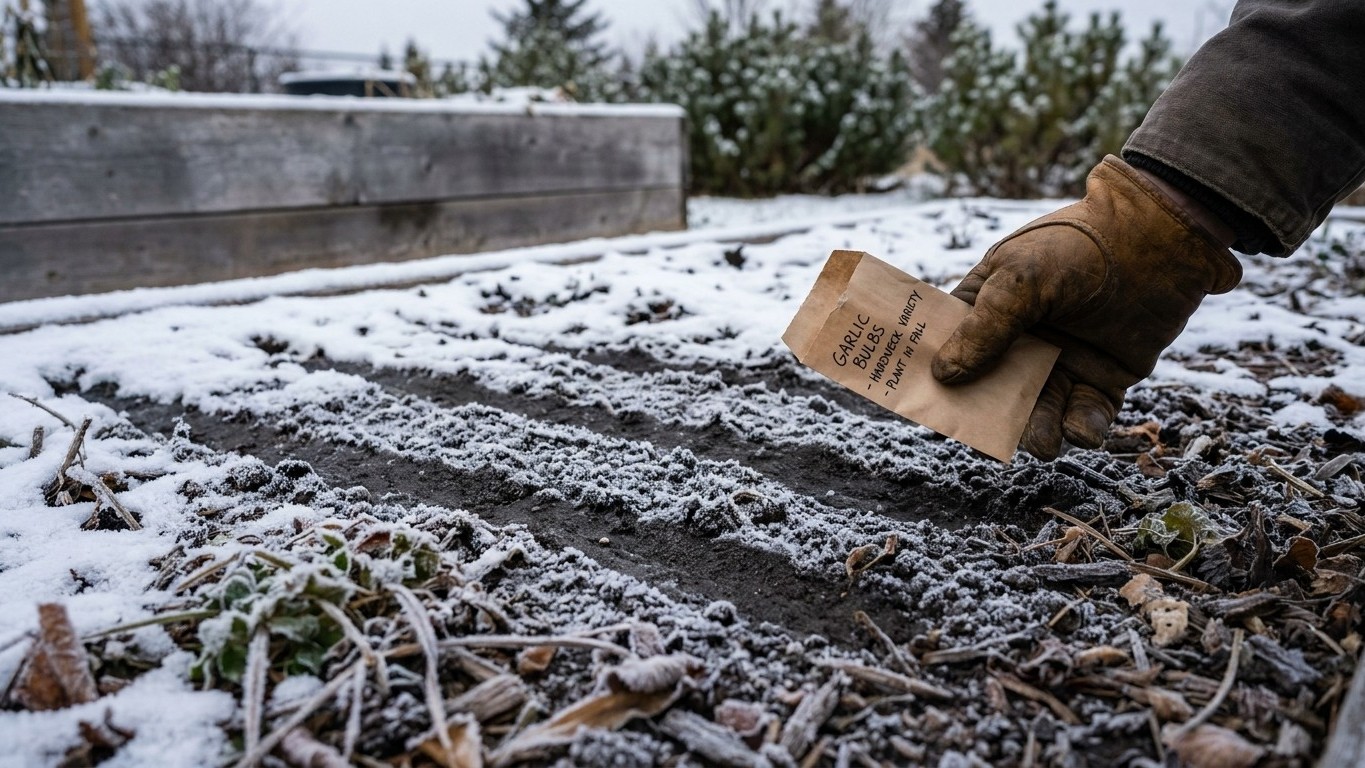
In Alberta, the mean first fall frost lands September 16 at the Calgary Int’l A station, and by November that date is six to seven weeks behind you.