Watering a Garden in Arkansas: How Much, How Often, and the Local Rules
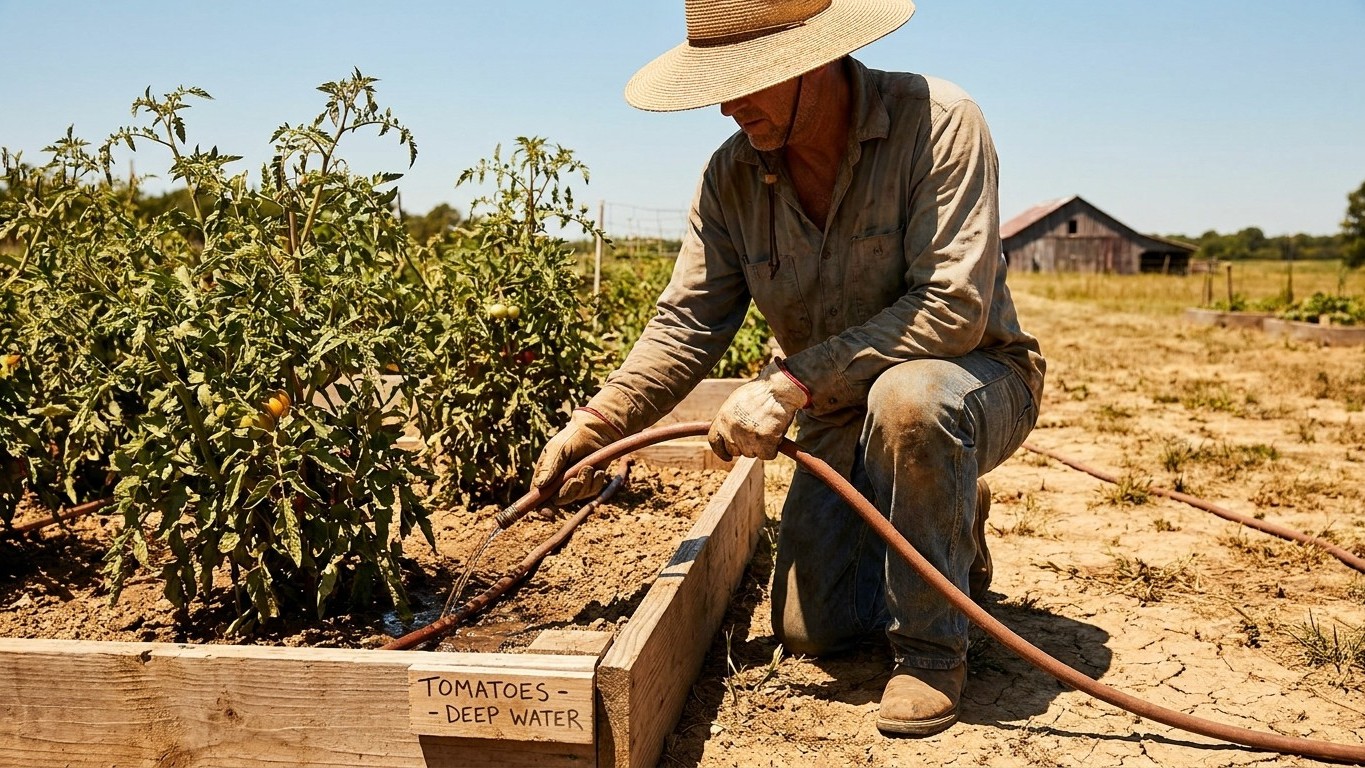
Arkansas summers throw two things at a garden: punishing heat and rain that shows up in bursts rather than steady soaks.
Home & garden, state by state
Everything we have worked out for Arkansas: what to plant and when, which varieties finish in time, the pests that actually turn up here, and the jobs that pay off month by month. We also cover the rest of the property, from lawns and soil to home care and energy, because a garden rarely stops at the vegetable bed.
The numbers first, because everything else follows from them. Measured at the weather station in Little Rock, the last spring freeze runs March 12 to March 28 and the first fall freeze runs November 7 to November 20, USDA zones 6b-8a, 5,606 growing degree days in the year.
Garlic does well: 13 weeks below 40 °F, comfortably past the six it needs to form a proper head.
Elsewhere on the property in Arkansas: the pests that turn up here.
Figures from NOAA's 1991-2020 climate normals. A state is not one climate: elevation, a large lake or the coast can move these dates by two weeks either way, so check your own county with the extension service before you spend money.
Arkansas summers throw two things at a garden: punishing heat and rain that shows up in bursts rather than steady soaks.
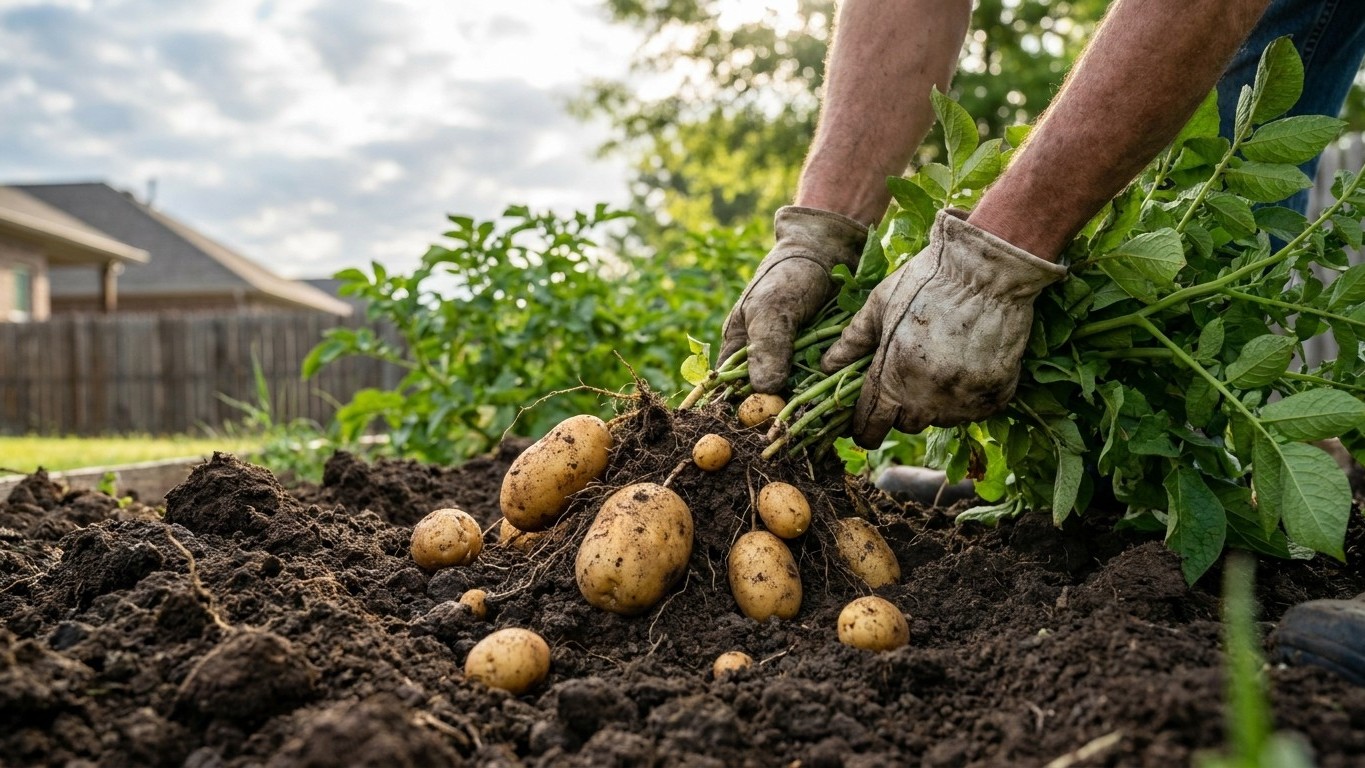
Arkansas summers cross 90°F on 69.2 days a year at the Little Rock reference station, well past the point where potato tubers stop sizing.
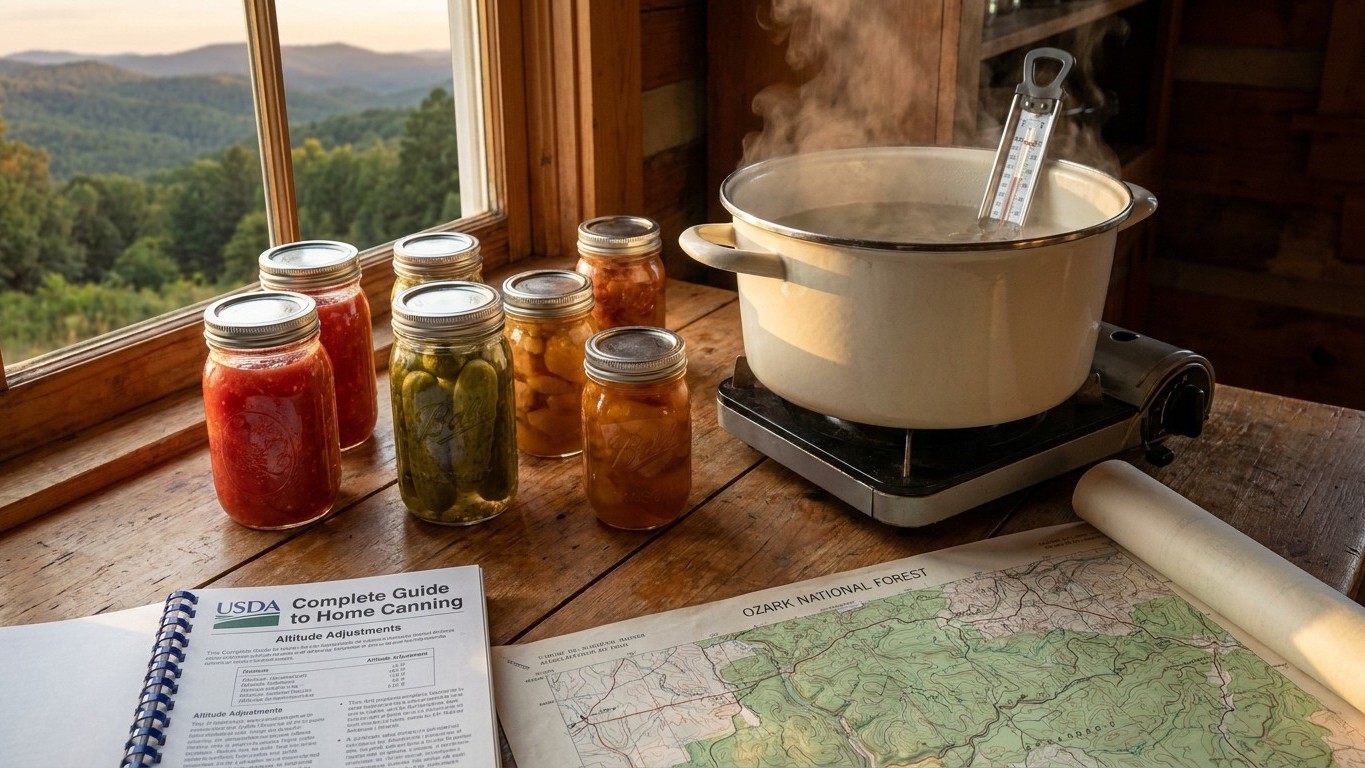
Arkansas canners rarely think about elevation until a jar fails to seal right or a recipe warns them to “adjust for altitude.” The truth is simpler than…
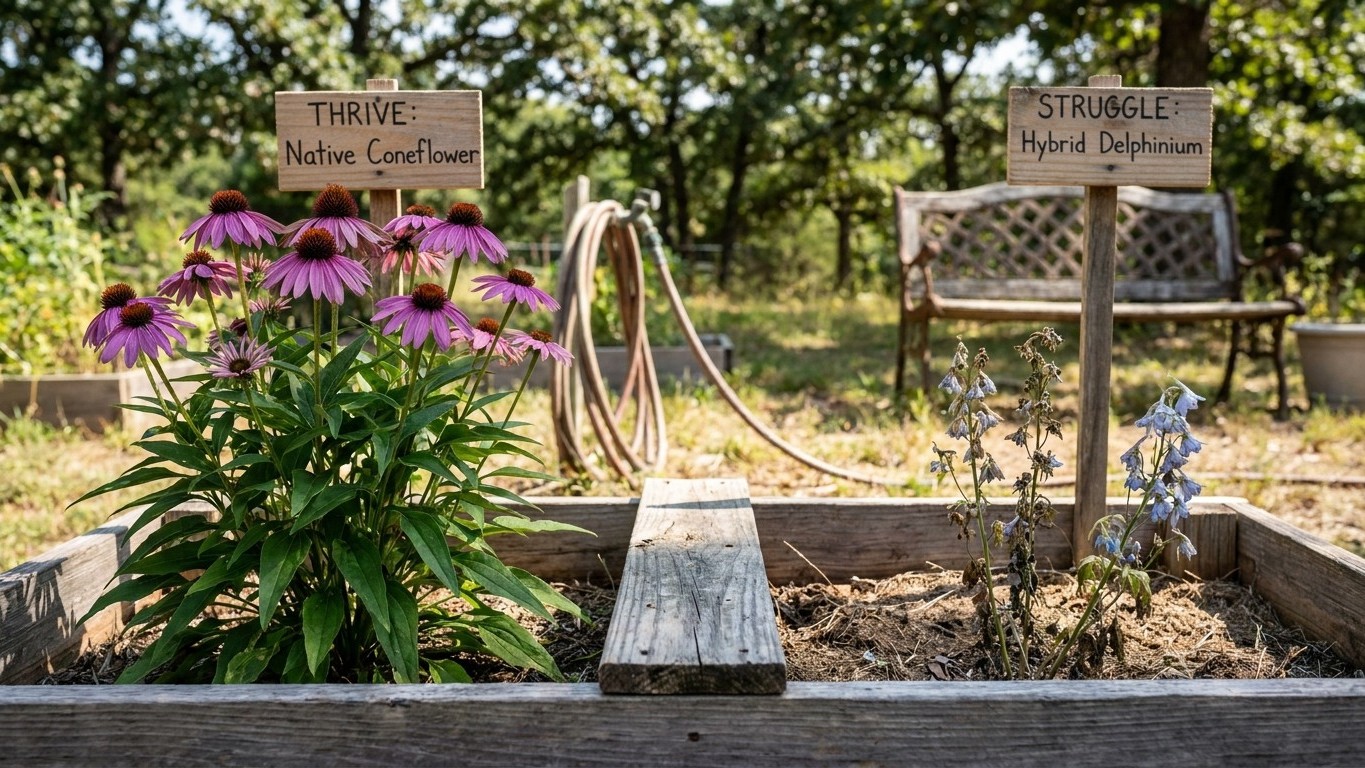
Arkansas’s heat, humidity and winter lows determine which flowers succeed, from native coneflowers to perennials that need extra winter protection in the coldest counties.
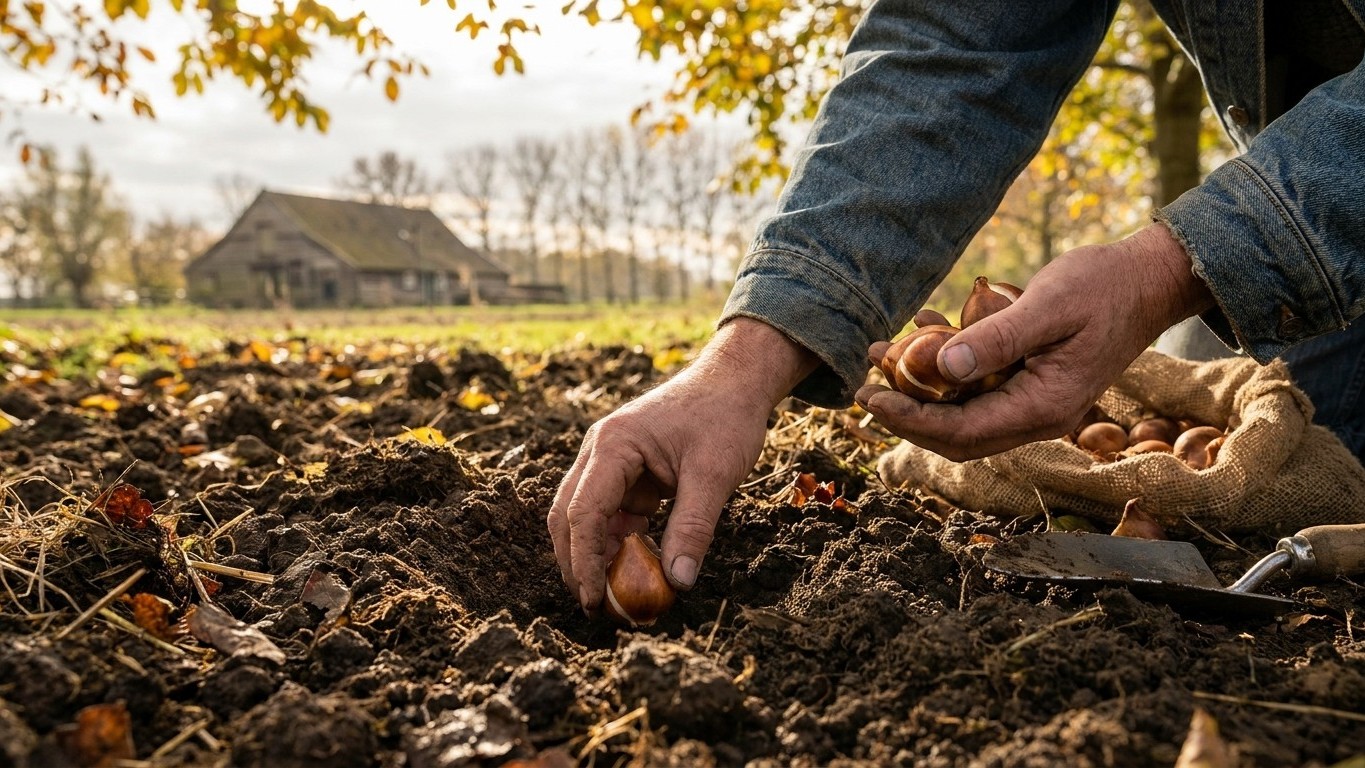
Arkansas gardeners can grow spring bulbs successfully, but not all of them, and the reason isn’t the calendar. It’s cold.
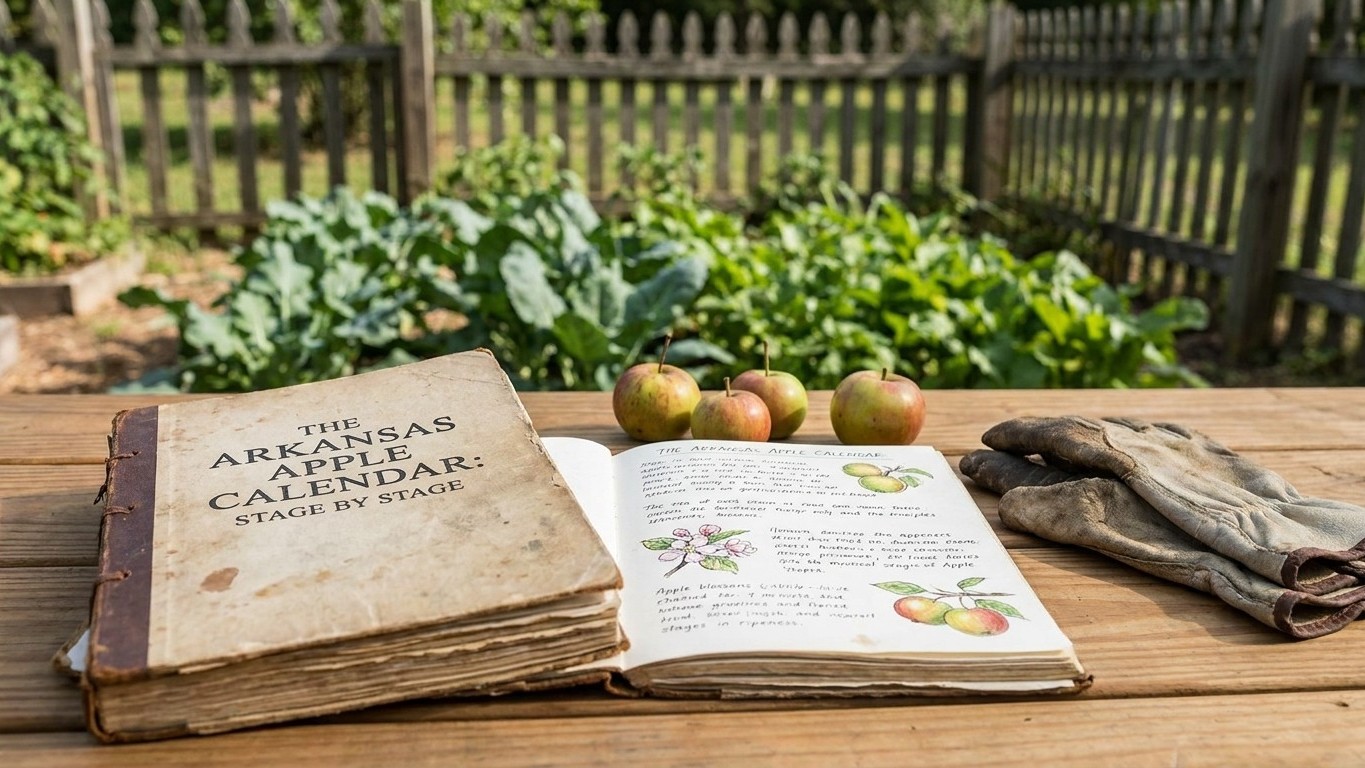
A stage-by-stage look at Arkansas apple trees, keyed to Little Rock’s NOAA frost windows rather than calendar months, from dormancy through harvest.
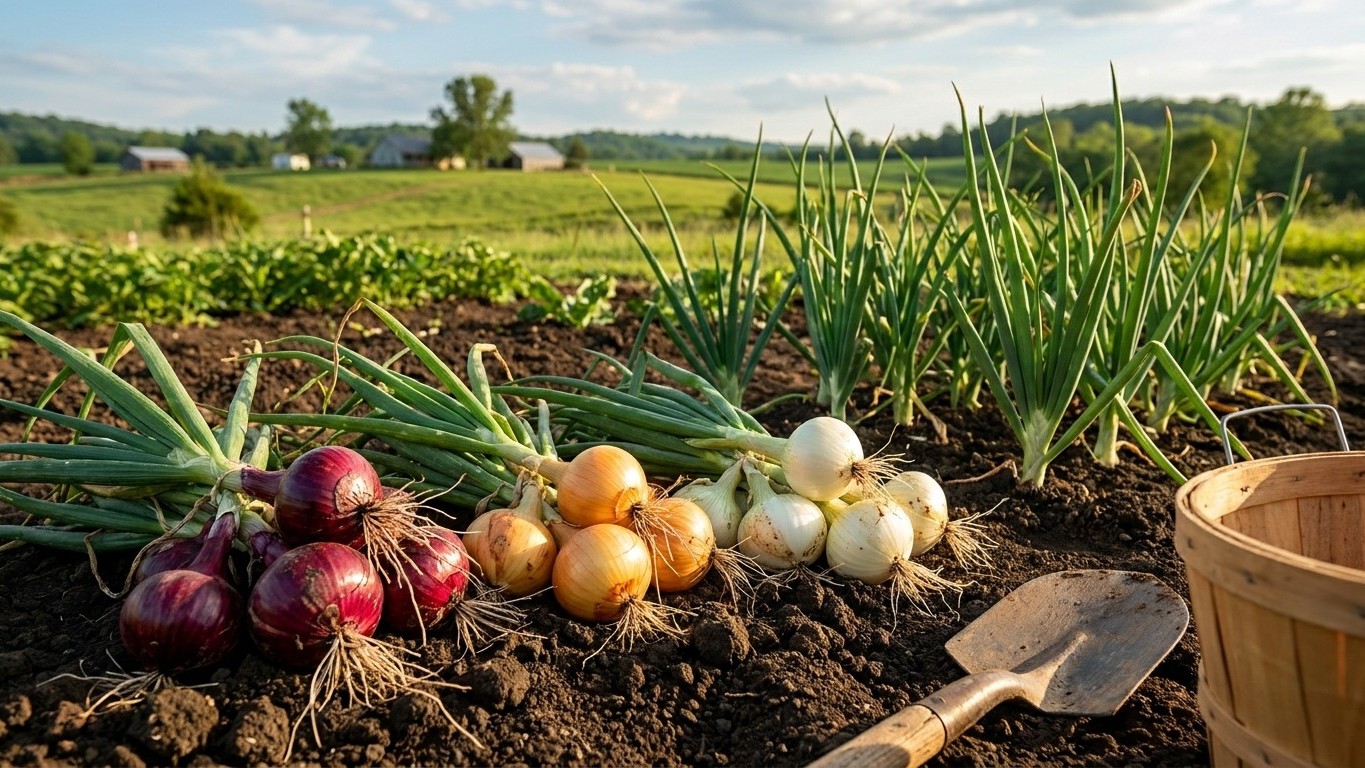
Arkansas sits almost exactly on the line where short-day onions stop being the only option and intermediate-day varieties start pulling their weight.
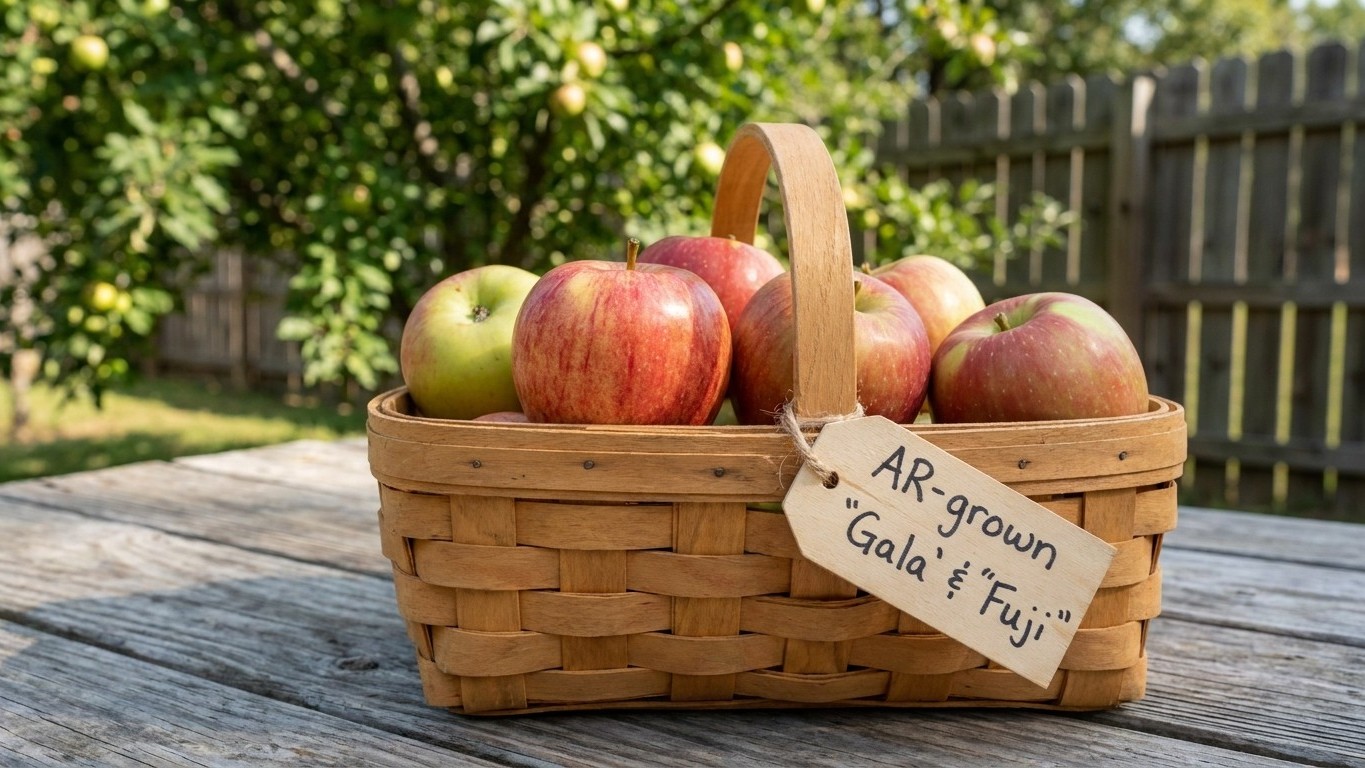
Arkansas apple success depends on matching a tree’s chill and bloom timing to Little Rock’s frost dates, not on a specific variety name alone.
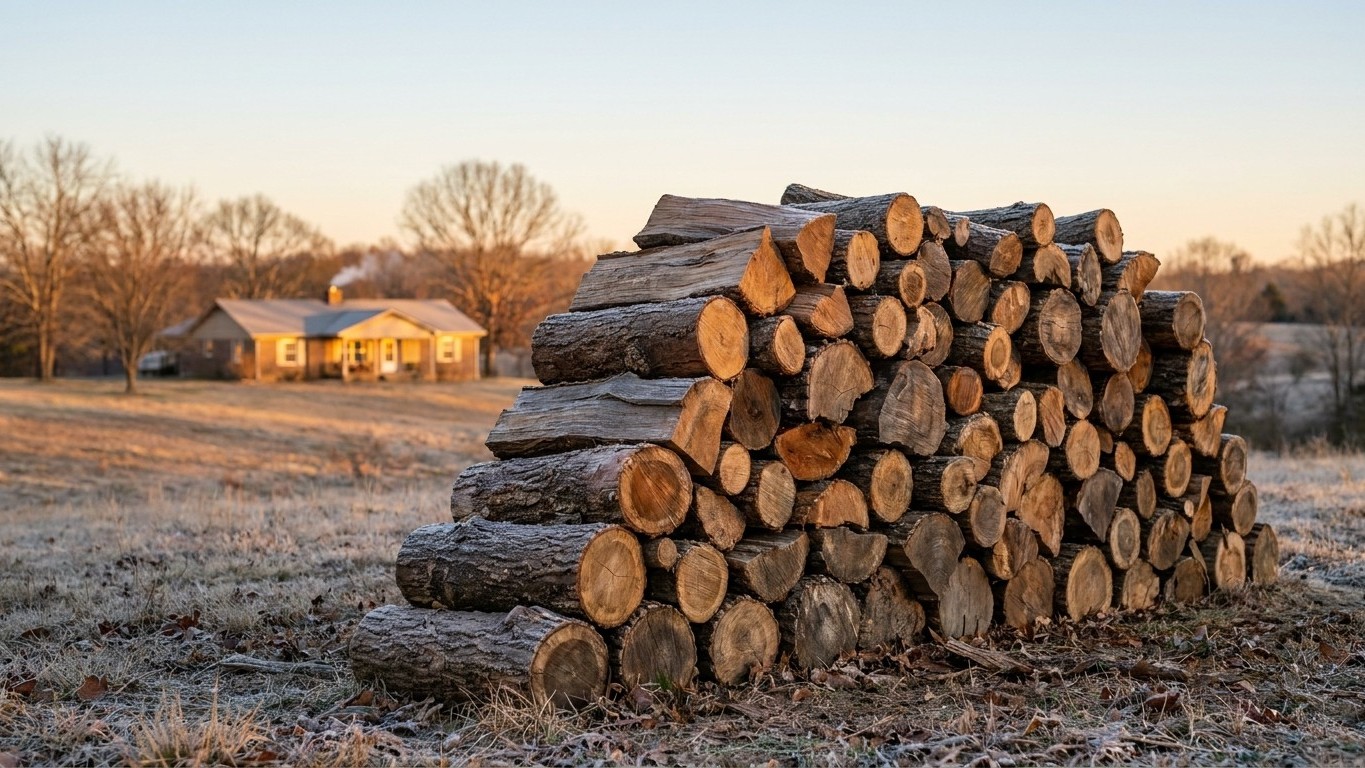
Arkansas winters don’t ask for the same woodpile as Minnesota, but they’re not mild enough to ignore, either.
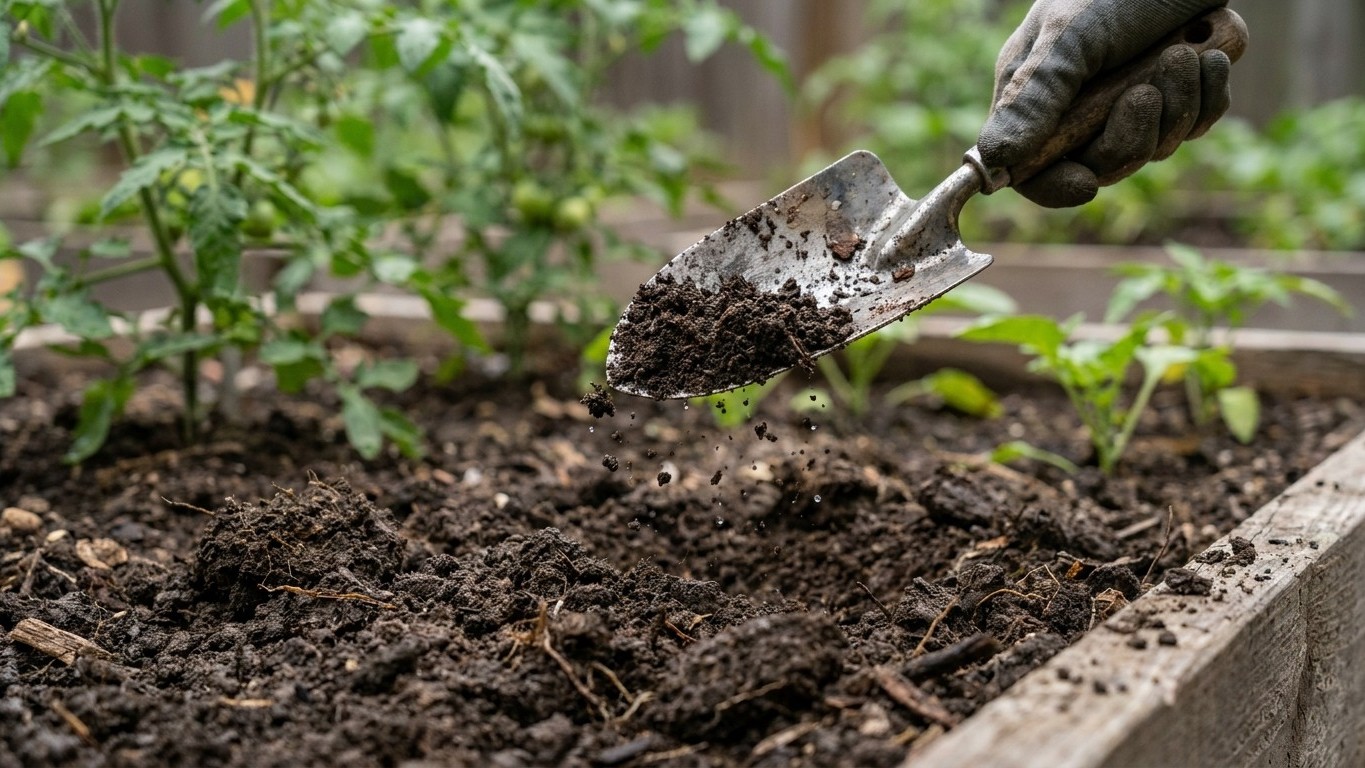
Dig a shovel into Arkansas ground and you’re most likely hitting something related to the Stuttgart series, a slightly acid, silt-heavy loam that drains…