When to Start Pepper Seed in Colorado
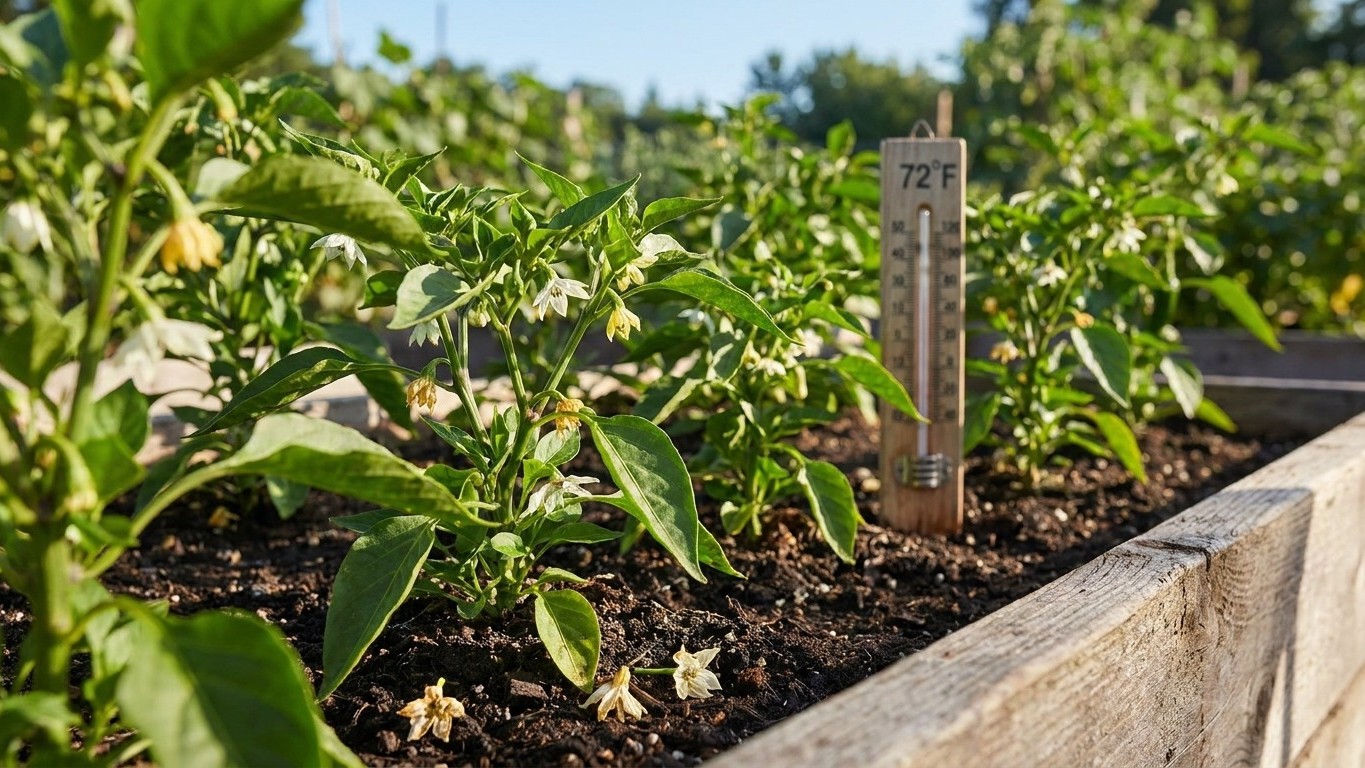
Start pepper seed indoors 8 to 10 weeks before your transplant date. In most of Colorado, that transplant date lands after your last spring frost and…
Home & garden, state by state
Everything we have worked out for Colorado: what to plant and when, which varieties finish in time, the pests that actually turn up here, and the jobs that pay off month by month. We also cover the rest of the property, from lawns and soil to home care and energy, because a garden rarely stops at the vegetable bed.
The numbers first, because everything else follows from them. Measured at the weather station in Denver, the last spring freeze runs May 1 to May 11 and the first fall freeze runs September 30 to October 12, USDA zones 3b-7b, 3,401 growing degree days in the year.
Garlic does well: 30.4 weeks below 40 °F, comfortably past the six it needs to form a proper head.
Elsewhere on the property in Colorado: the pests that turn up here.
Figures from NOAA's 1991-2020 climate normals. A state is not one climate: elevation, a large lake or the coast can move these dates by two weeks either way, so check your own county with the extension service before you spend money.
Start pepper seed indoors 8 to 10 weeks before your transplant date. In most of Colorado, that transplant date lands after your last spring frost and…
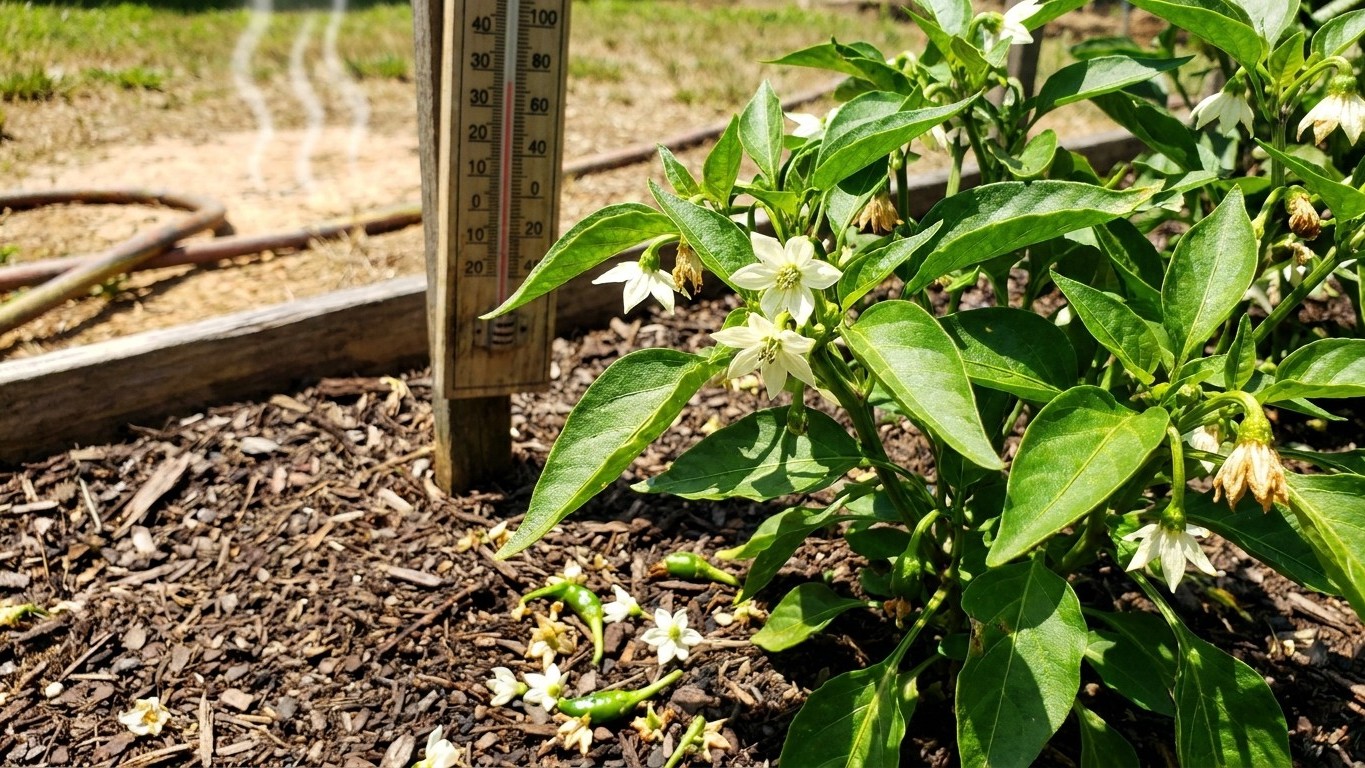
Pepper plants across Colorado often bloom heavily but never turn those flowers into fruit.
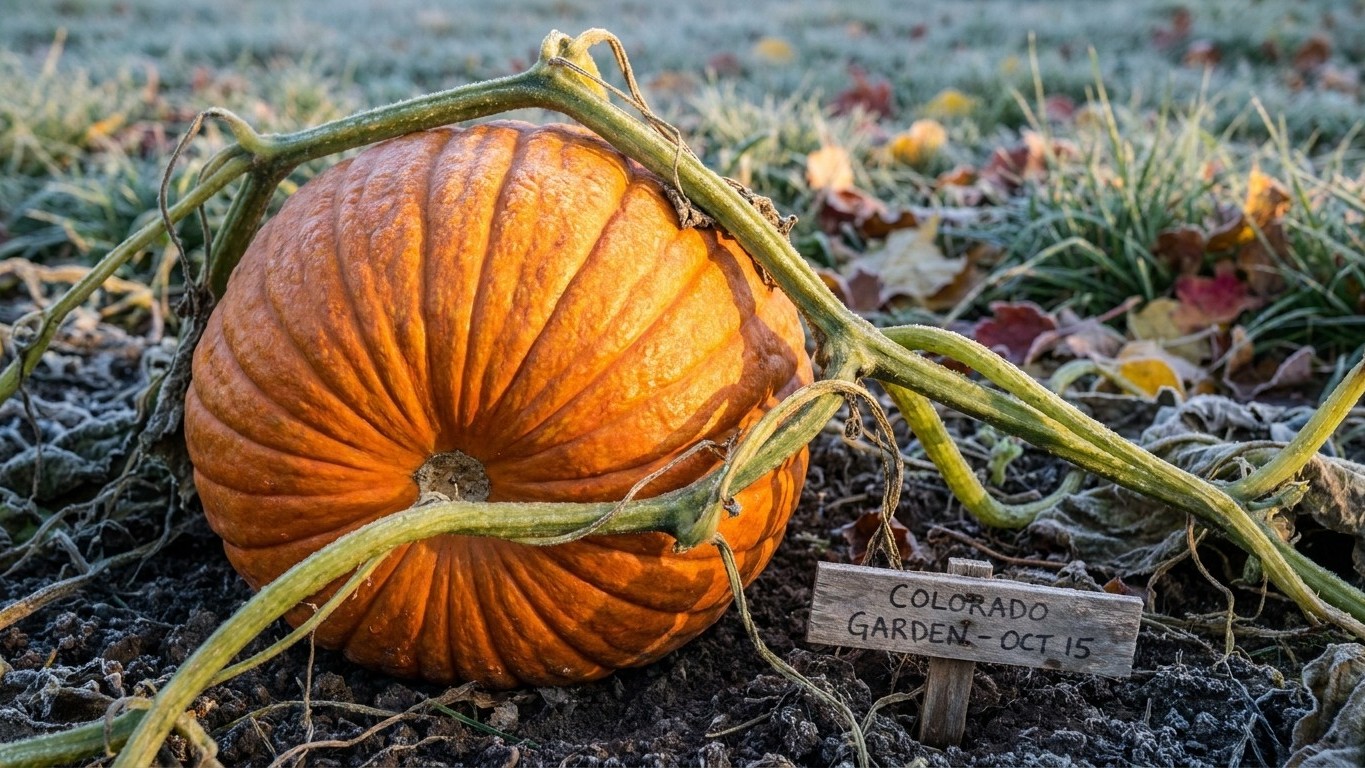
Colorado’s growing season isn’t long enough to gamble on a late-blooming vine.
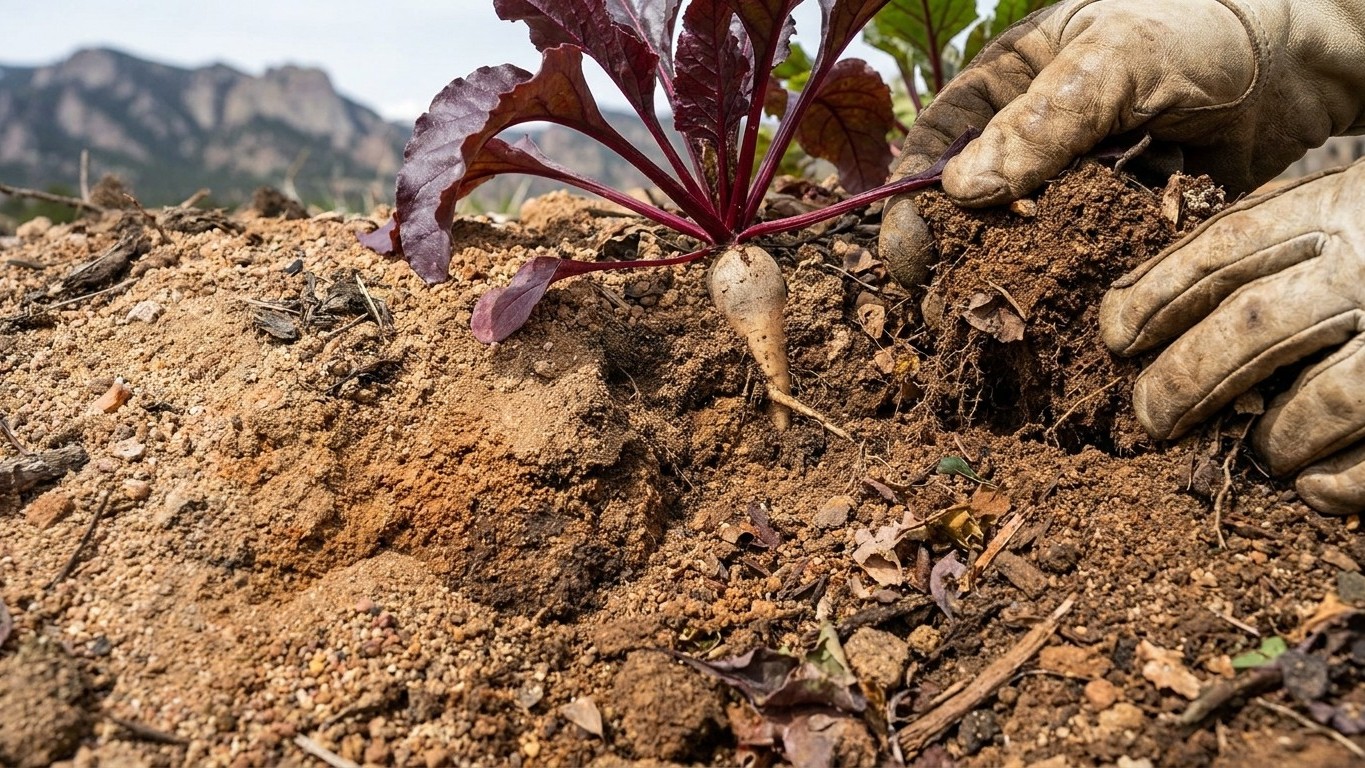
Colorado’s representative soil, the Seitz series, is a well-drained forest loam that runs slightly acid and low on nutrients storage compared to richer…
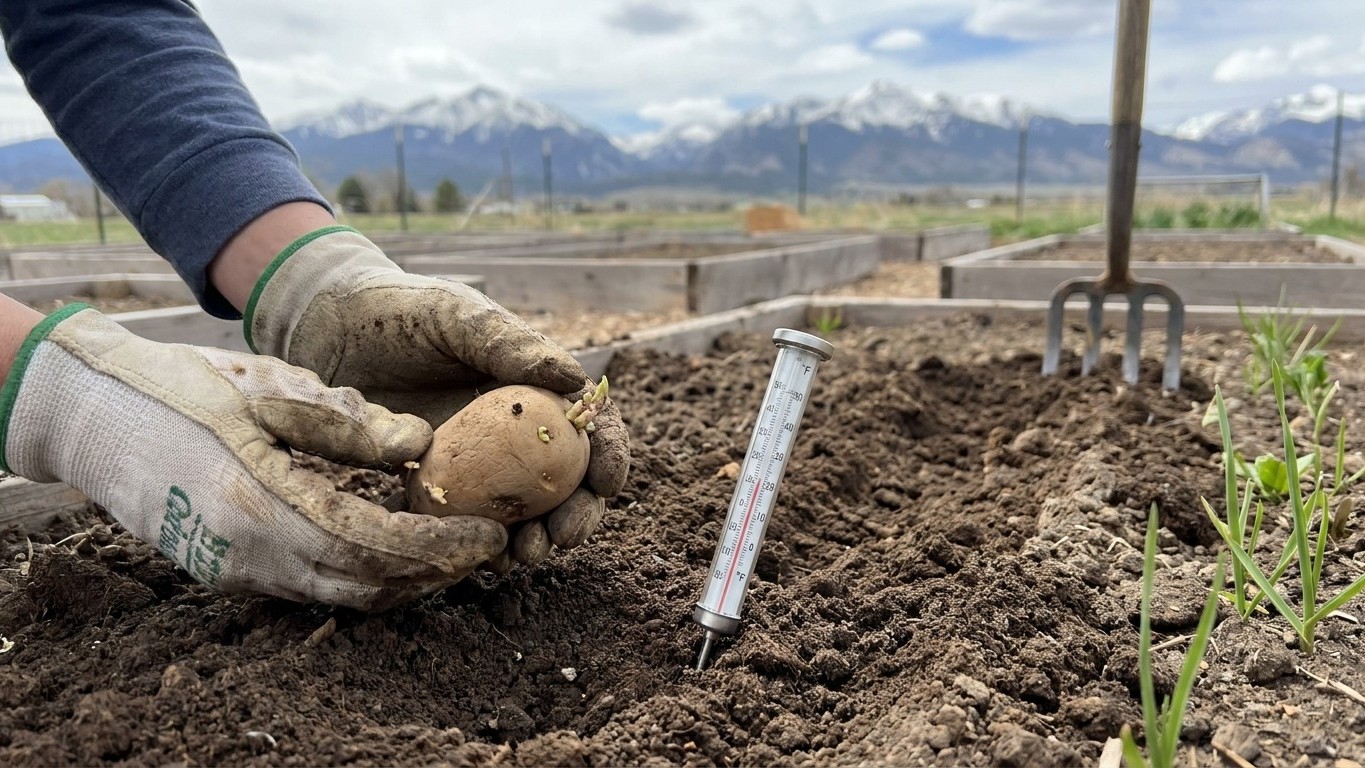
Count back 14 to 21 days from your last frost date, then plant once soil hits 50°F.
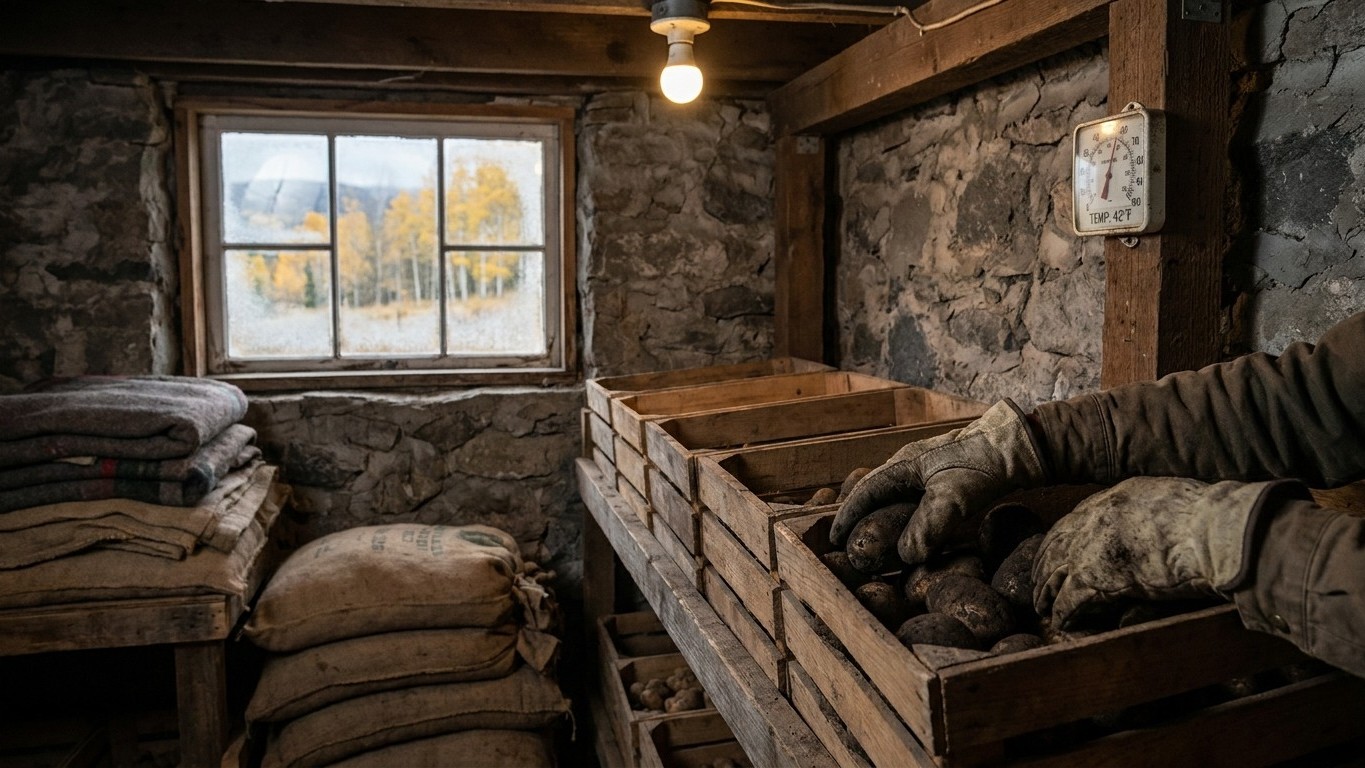
In most of Colorado, potatoes come out of the ground before the calendar hits October and go straight into curing, not storage.
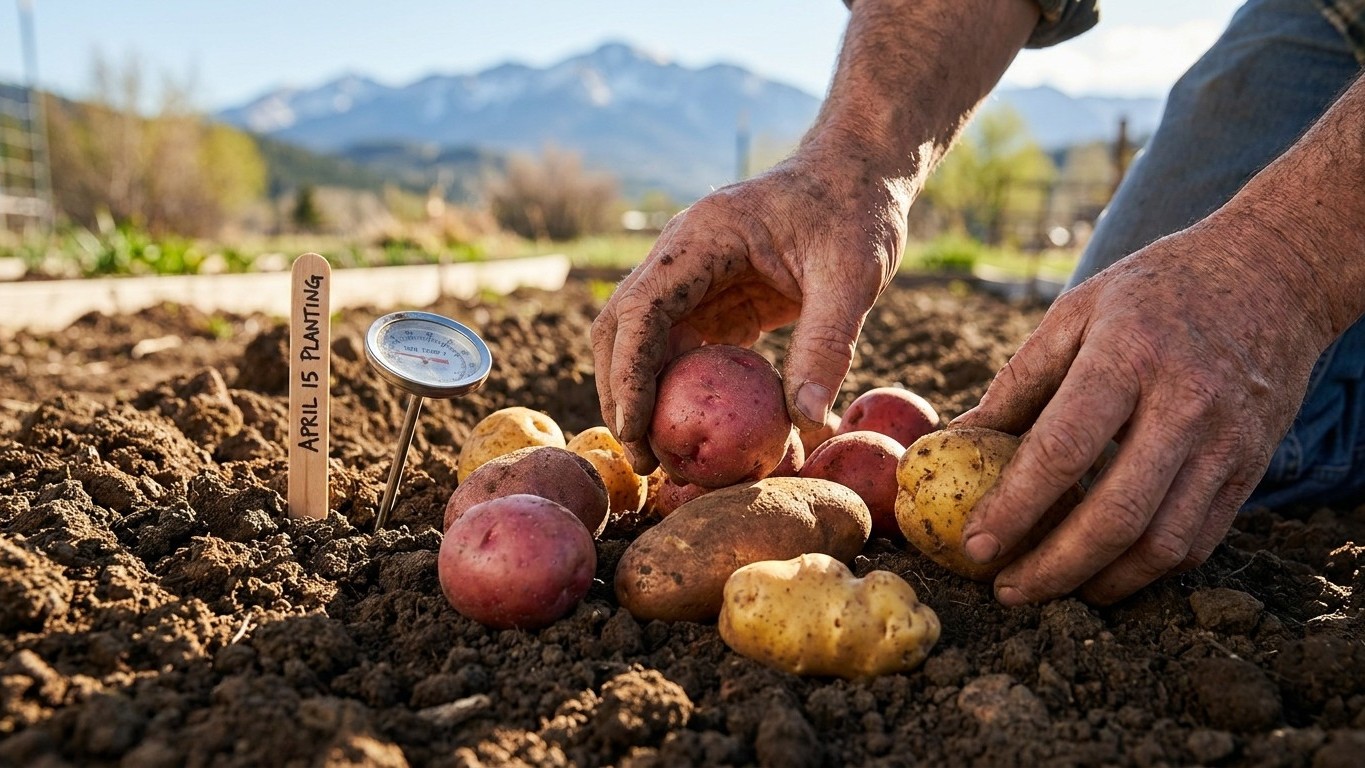
Colorado’s best potato results come from early season and mid-season varieties grown for baking or boiling, planted early enough to size up before summer…
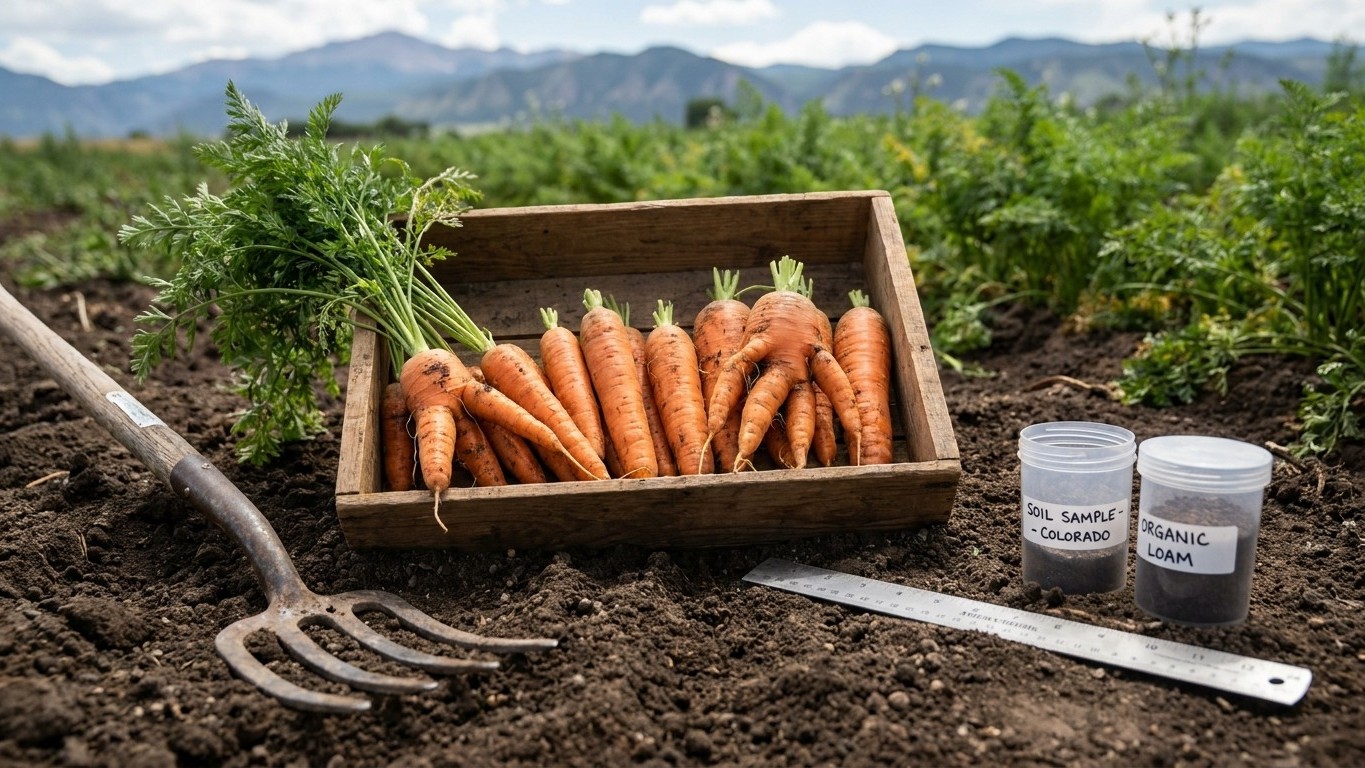
Colorado’s representative soil (the Seitz series) is a loam-to-silt Alfisol that’s well drained but leans just acidic and light on clay.
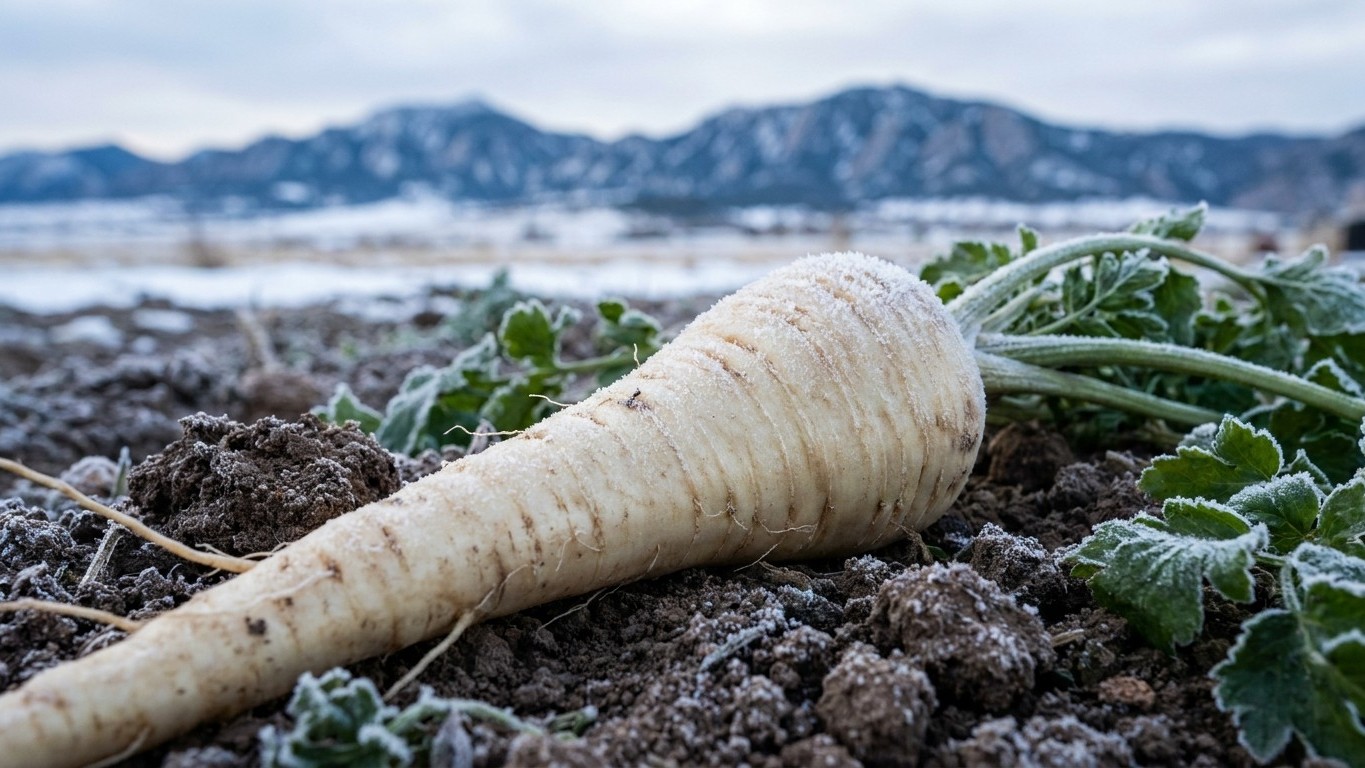
Colorado’s high plains and Front Range winters run cold enough, long enough, to do the one thing a parsnip needs before it’s worth eating: turn stored…
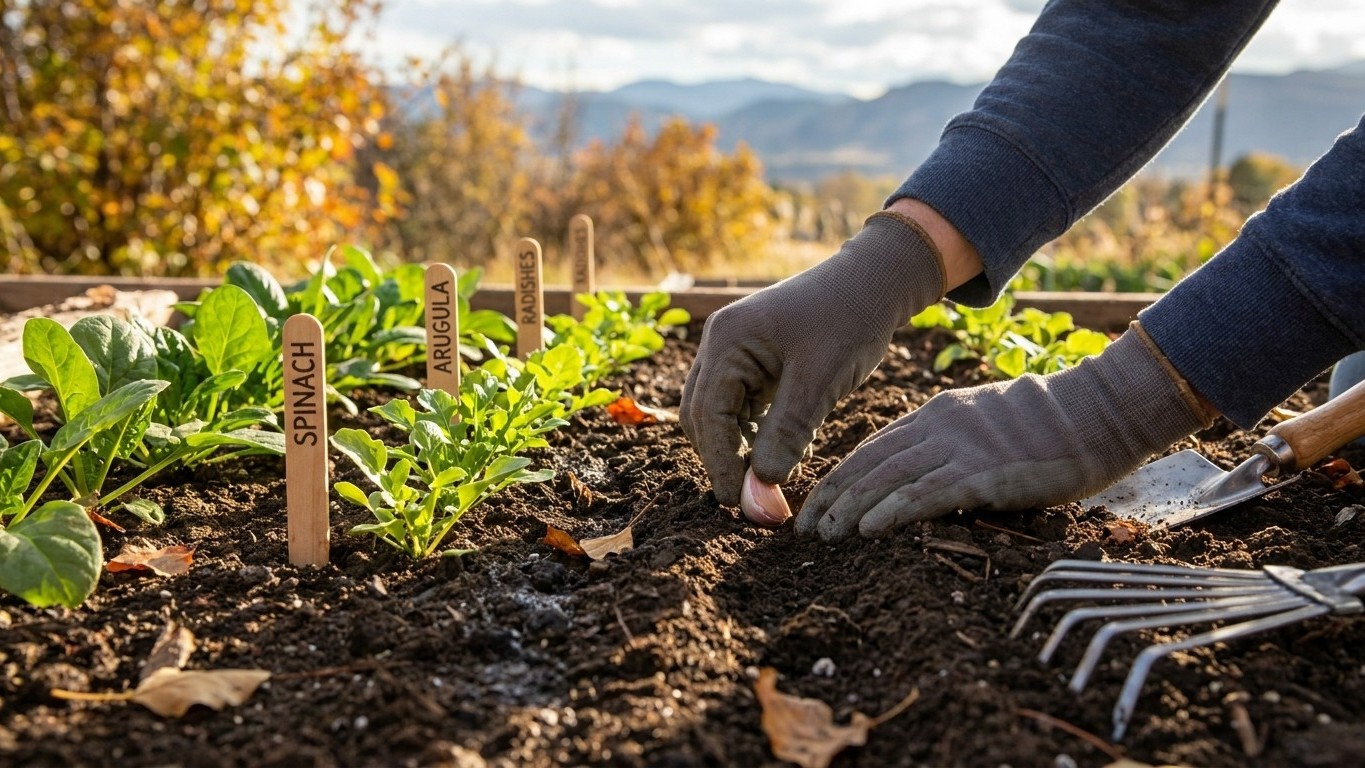
September in Colorado is a last-chance month more than a planting month. Fast-maturing greens and root crops still go in the ground, garlic gets tucked…