Sealing Your Own Ducts: What Works and What Falls Off
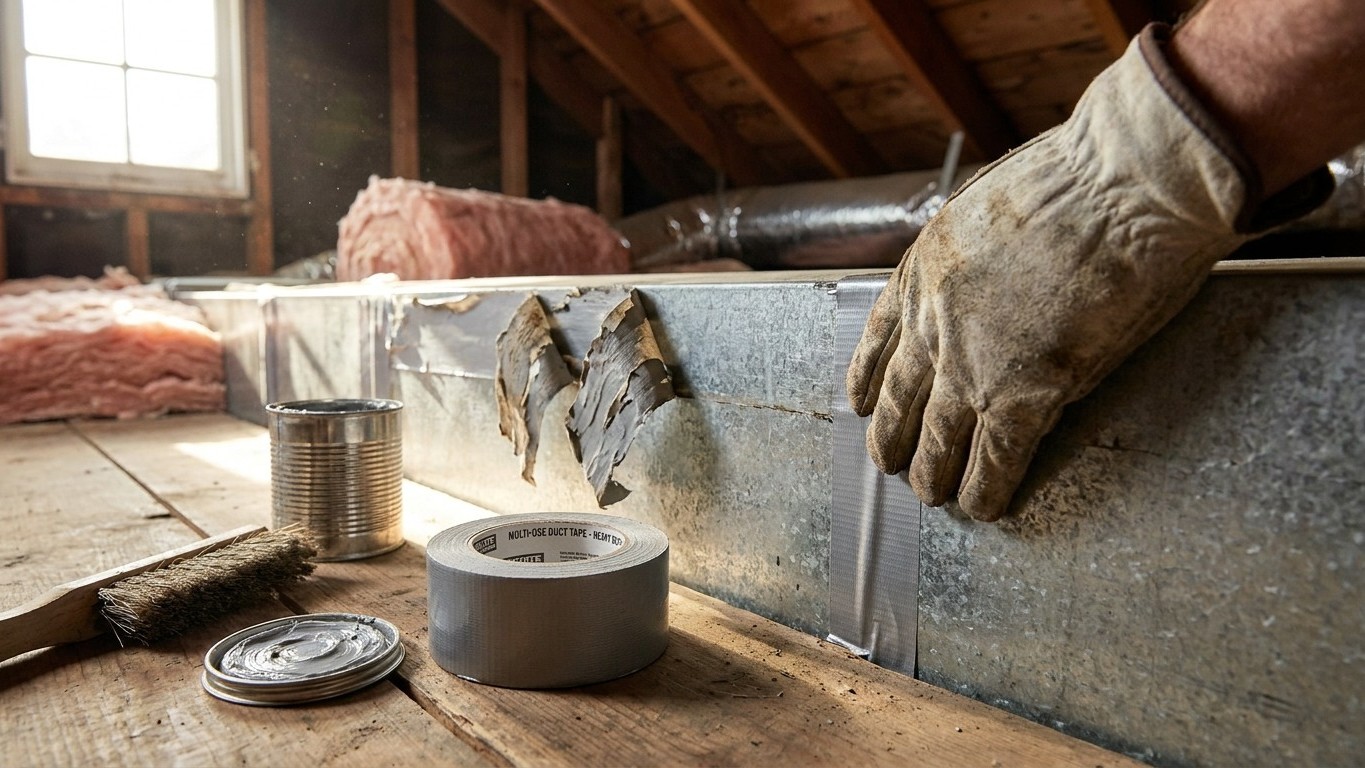
Sealing your own ducts works best with a brush-applied mastic or a foil tape carrying a tested rating mark, applied to the joints closest to your furnace…
Home & garden, state by state
Sealing your own ducts works best with a brush-applied mastic or a foil tape carrying a tested rating mark, applied to the joints closest to your furnace…
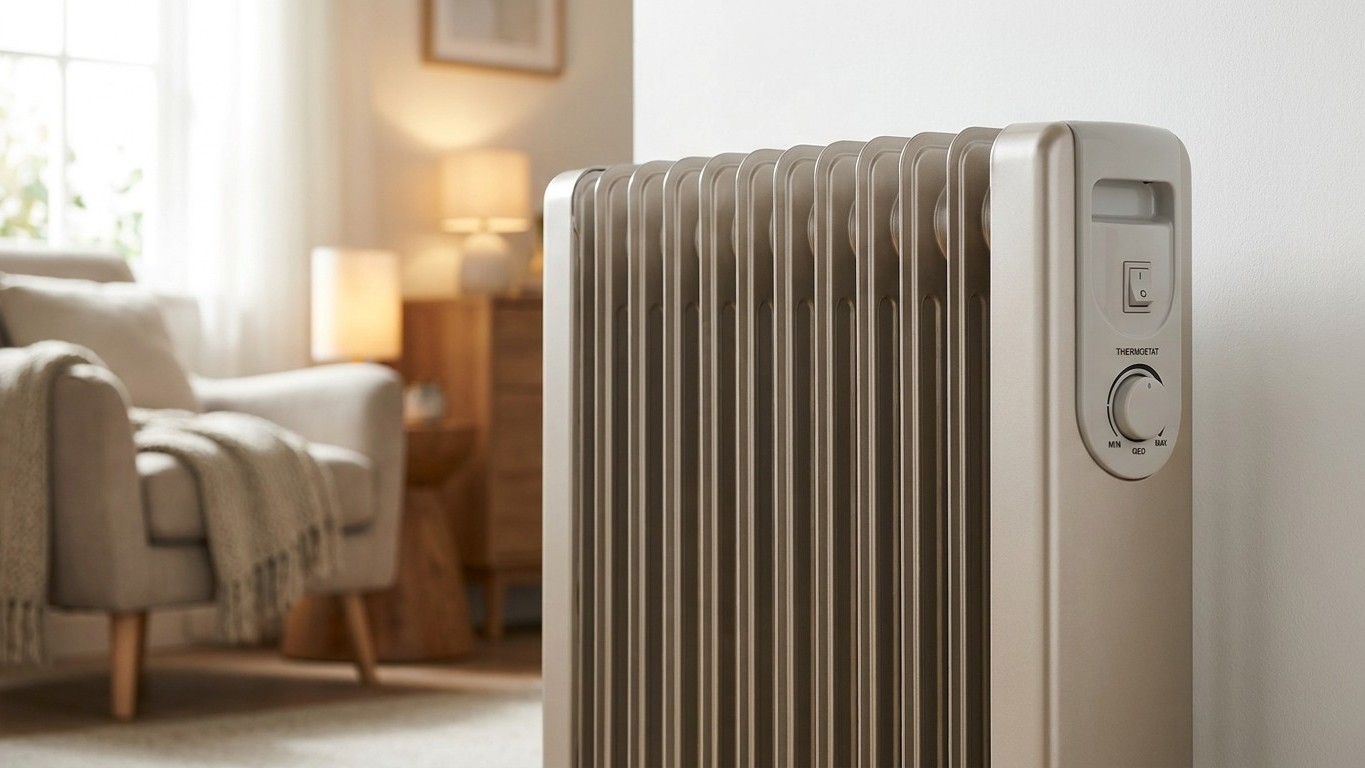
The oil in an oil-filled radiator heater sits sealed inside the metal fins for the life of the appliance.
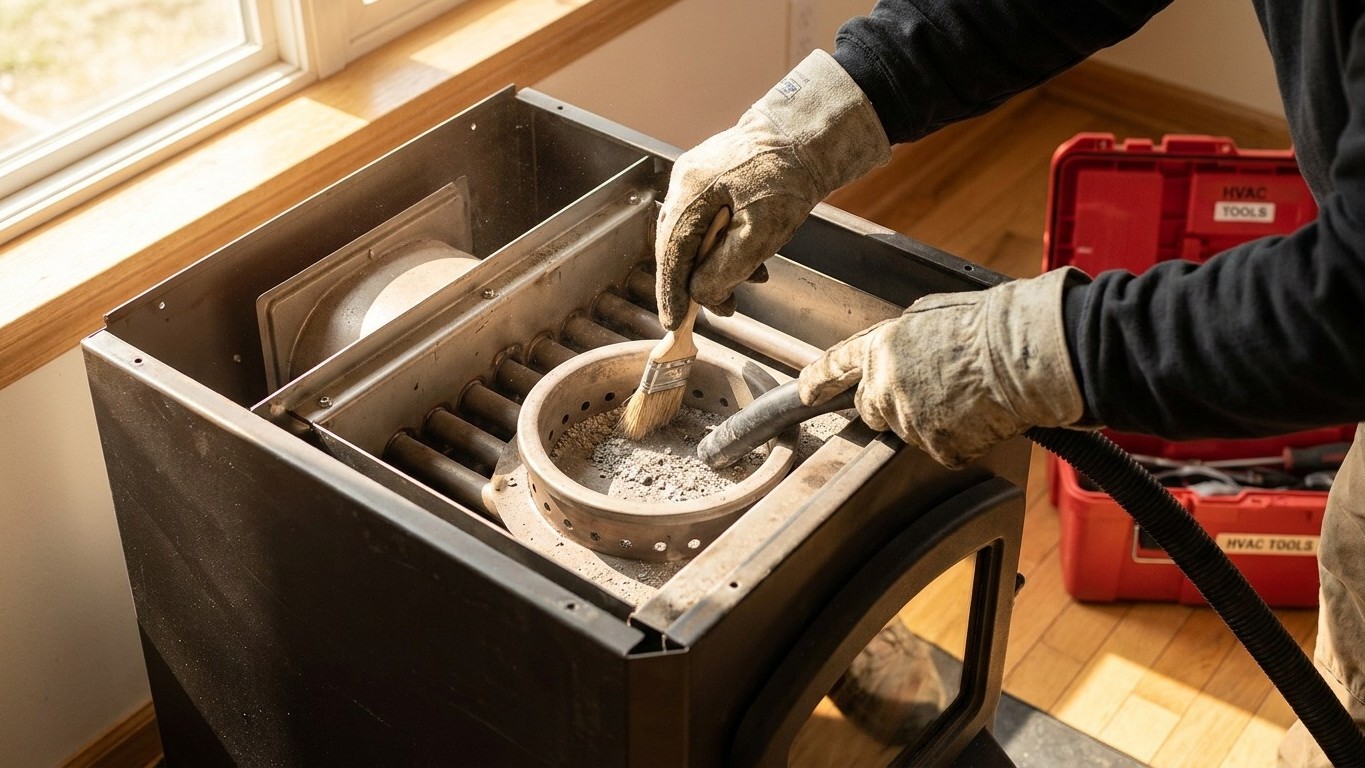
A pellet stove needs two different kinds of cleaning: short, frequent tasks the owner handles based on how much the stove has been running, and one…
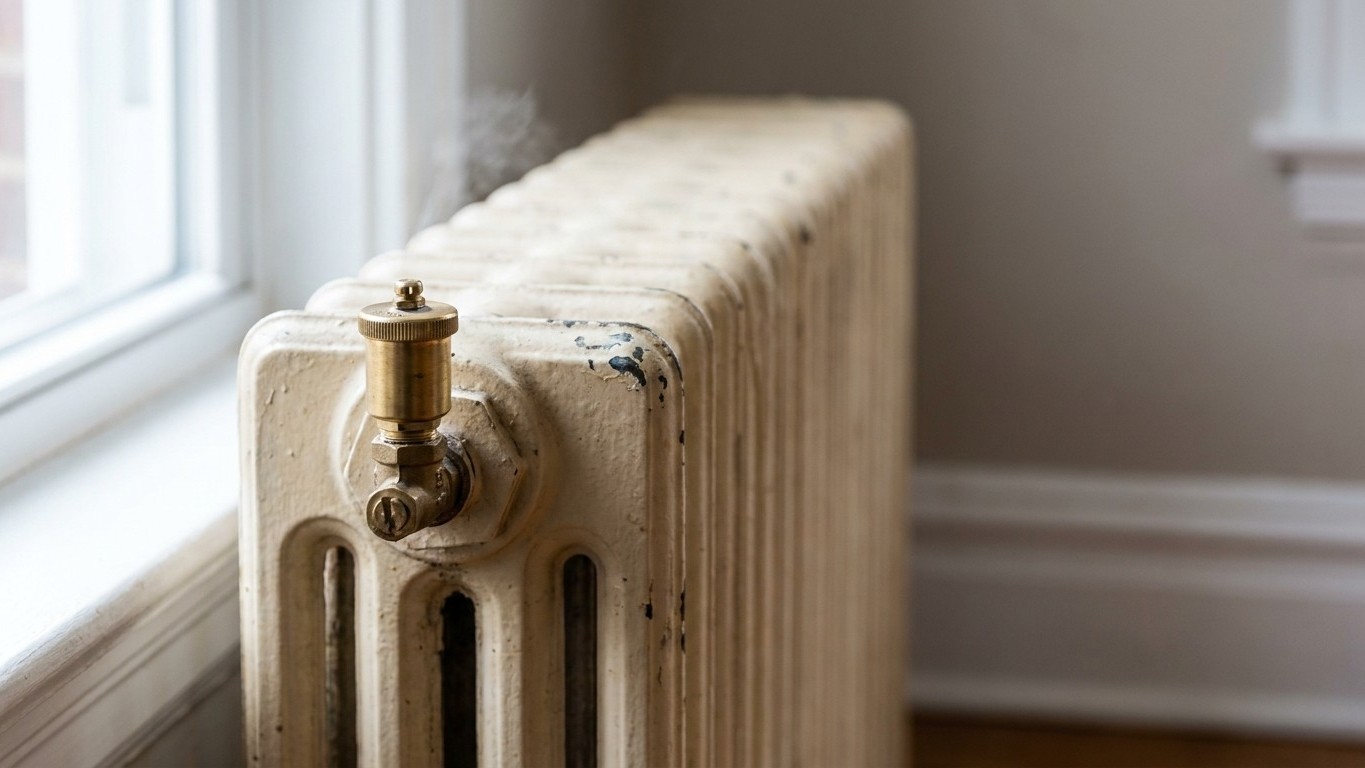
A hissing or whistling sound at a radiator almost always comes from the air vent, and in most cases it’s the system doing exactly what it’s supposed to do.

One room stays cold while the rest of the house is fine. That almost never means the whole heating system failed.
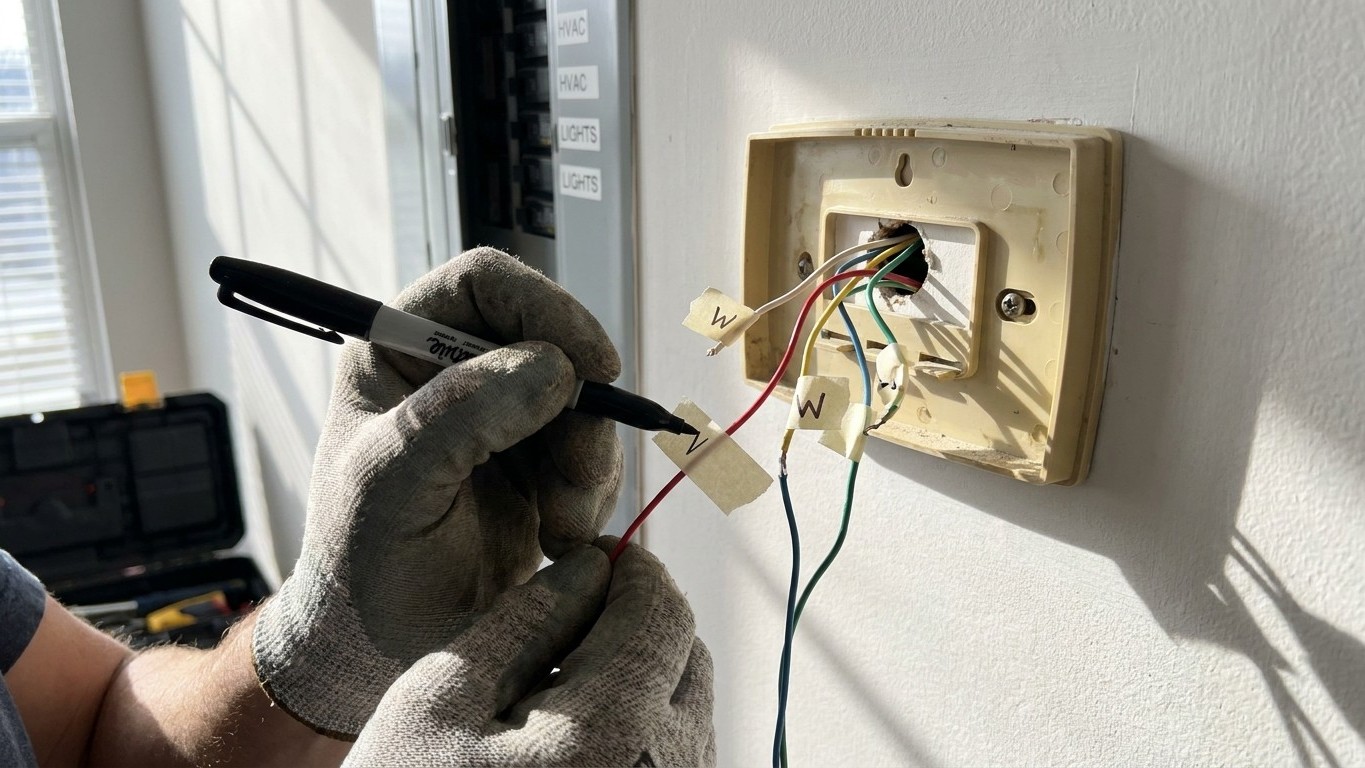
Replacing a thermostat is a manageable DIY project if you follow the sequence in order: kill the power at the breaker, label every wire before it comes…
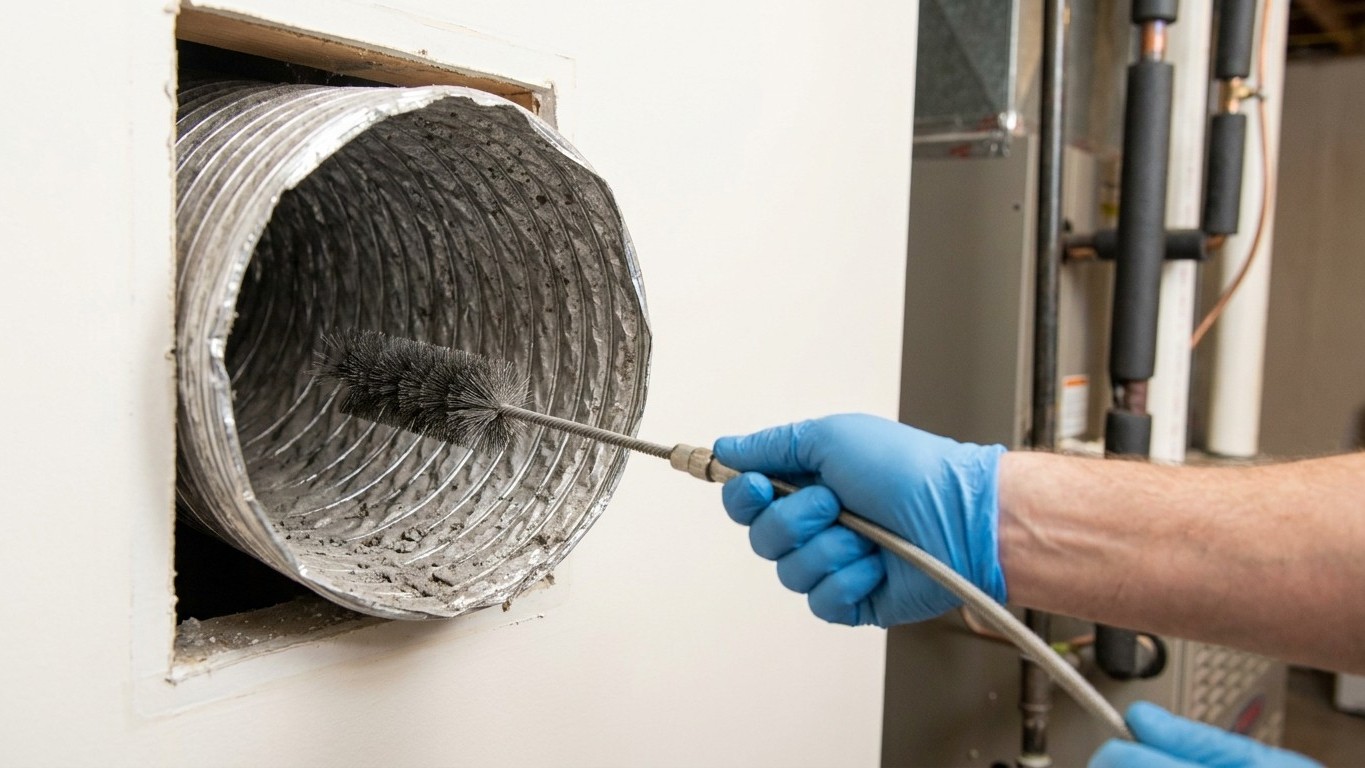
Duct cleaning is worth it in a handful of specific situations, not as routine upkeep.
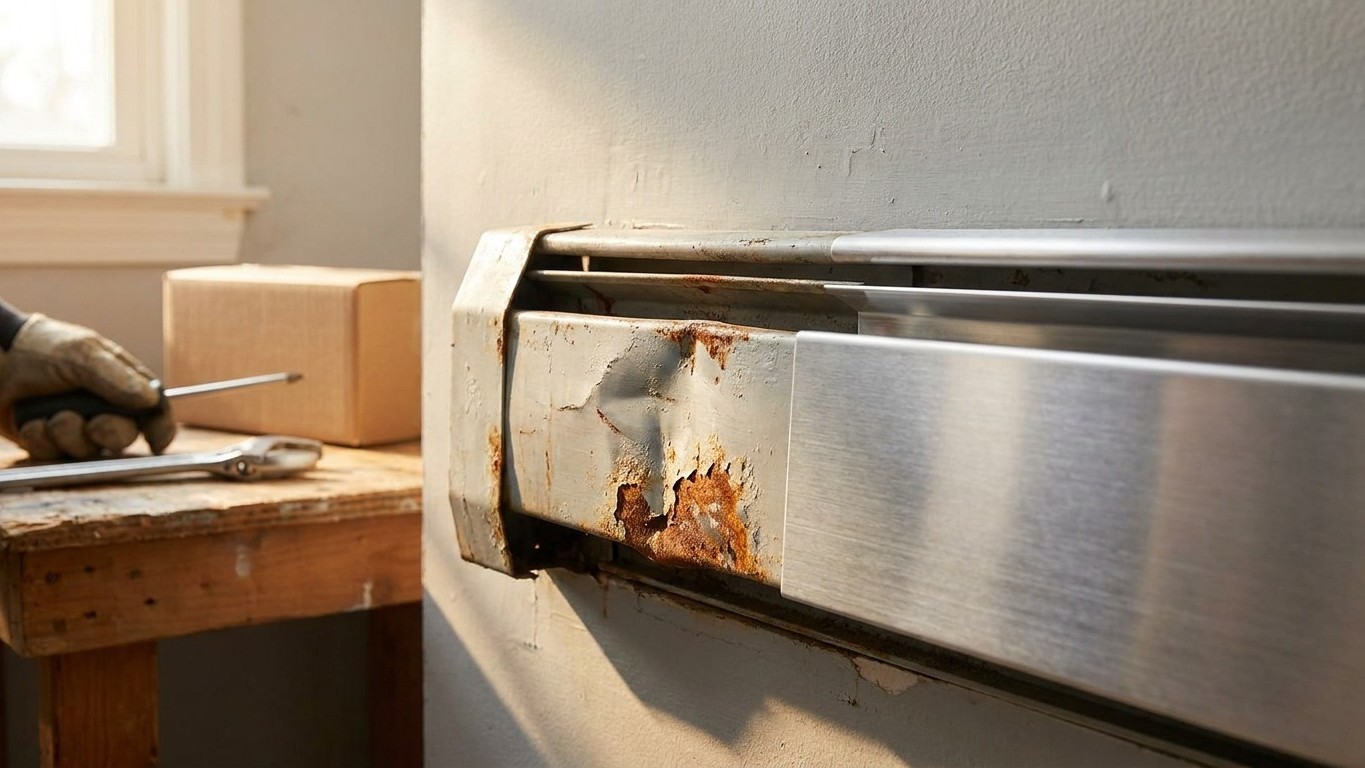
A dented or rusted baseboard heater cover almost never means the heater itself is shot.
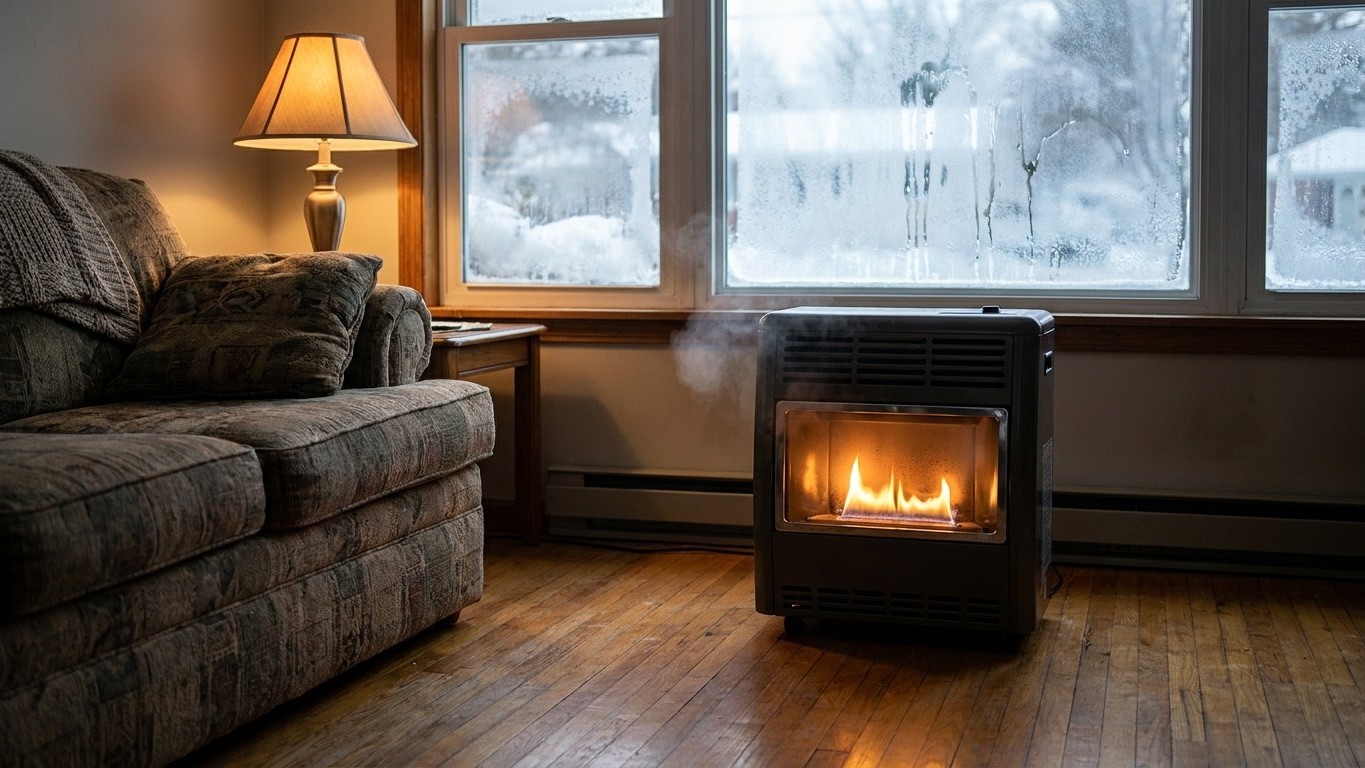
Bringing a kerosene or propane heater indoors changes the math on heating a room.

Yes, you can hide a radiator without losing heat, but only if the cover respects how the unit actually works.