Gardening in Florida: What the Season Actually Allows
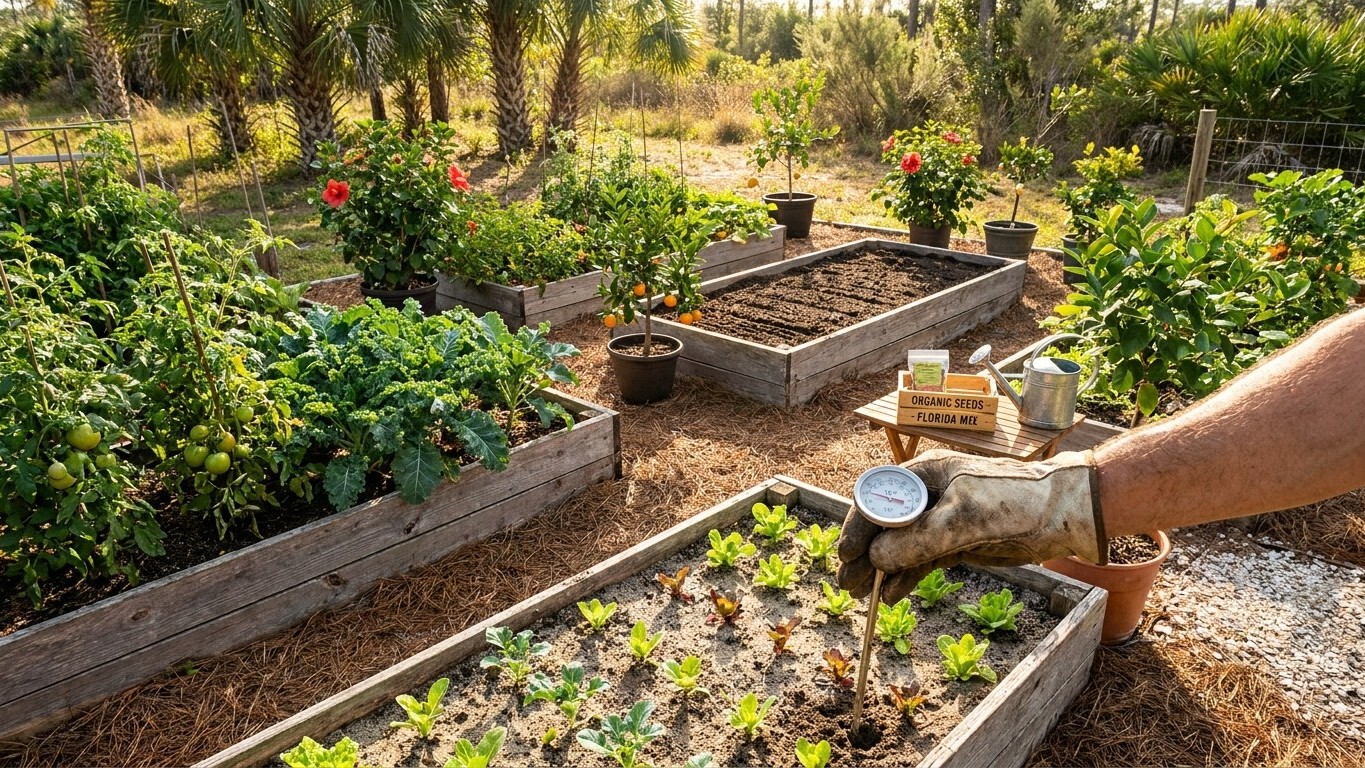
Florida’s growing calendar isn’t one calendar at all. A single hardiness zone number can’t describe a state that runs from the Georgia line to the Keys…
Home & garden, state by state
Everything we have worked out for Florida: what to plant and when, which varieties finish in time, the pests that actually turn up here, and the jobs that pay off month by month. We also cover the rest of the property, from lawns and soil to home care and energy, because a garden rarely stops at the vegetable bed.
The numbers first, because everything else follows from them. Measured at the weather station in Jacksonville, the last spring freeze runs February 16 to March 7 and the first fall freeze runs November 26 to December 13, USDA zones 8b-11b, 7,000 growing degree days in the year.
Heat, not frost, is what shortens the season here: above 86 °F tomato pollen goes sterile, so growers run a spring crop and an autumn one rather than a single long season. Garlic is the awkward one: only 0 weeks below 40 °F, where it needs six to split into cloves. Chill the cloves before planting, or grow a softneck type.
Elsewhere on the property in Florida: the pests that turn up here.
Figures from NOAA's 1991-2020 climate normals. A state is not one climate: elevation, a large lake or the coast can move these dates by two weeks either way, so check your own county with the extension service before you spend money.
Florida’s growing calendar isn’t one calendar at all. A single hardiness zone number can’t describe a state that runs from the Georgia line to the Keys…
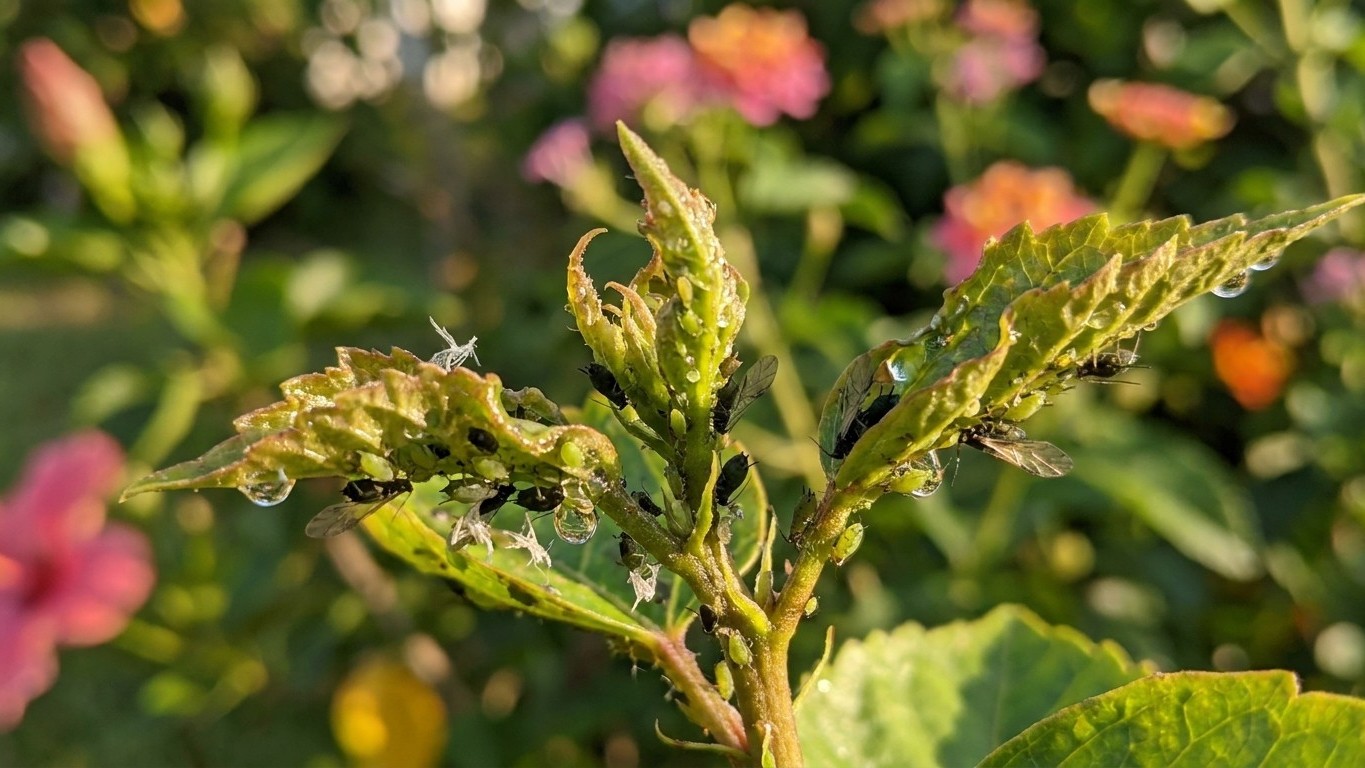
Aphids in Florida rarely take a season off. Thanks to the state’s mild winters, these soft-bodied insects can reproduce year-round in most regions…
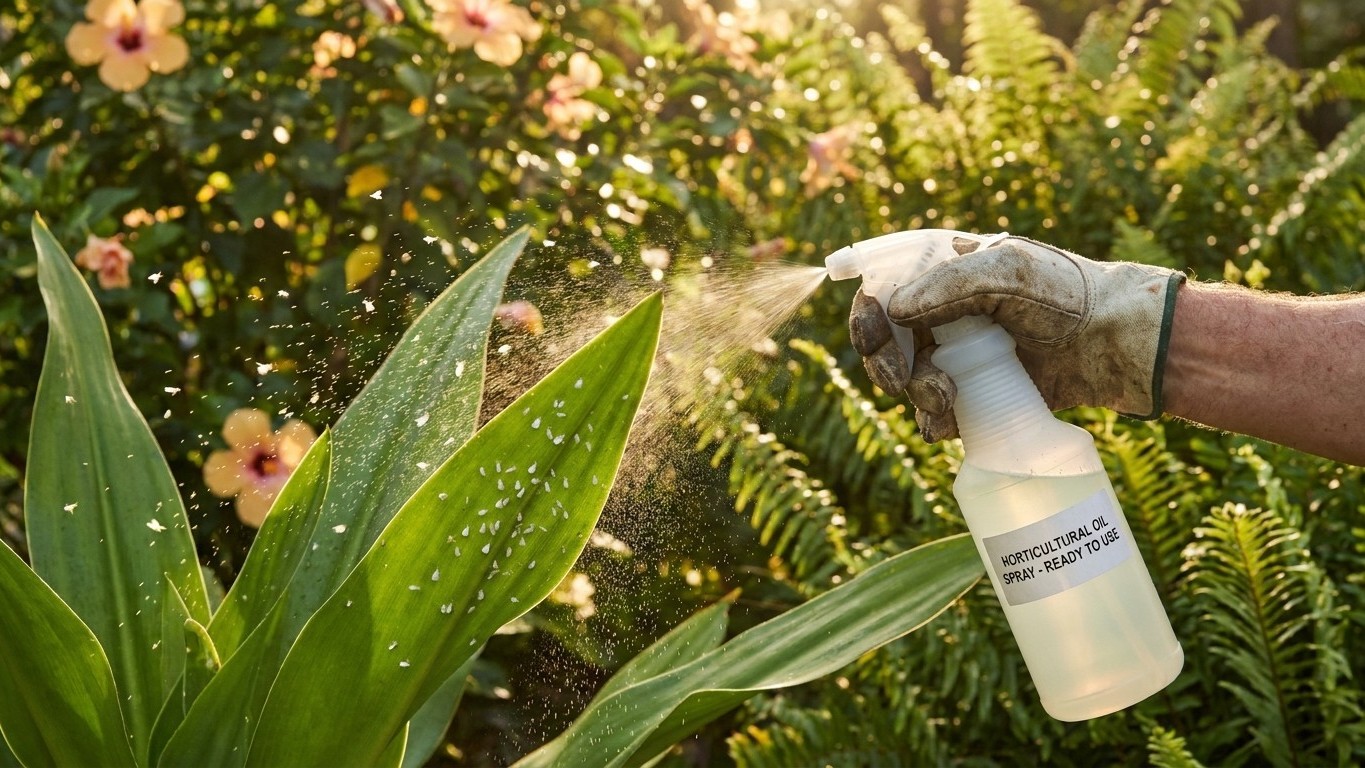
Florida’s warm, humid climate keeps whiteflies active nearly year-round in the southern part of the state, with population surges typically hitting in…
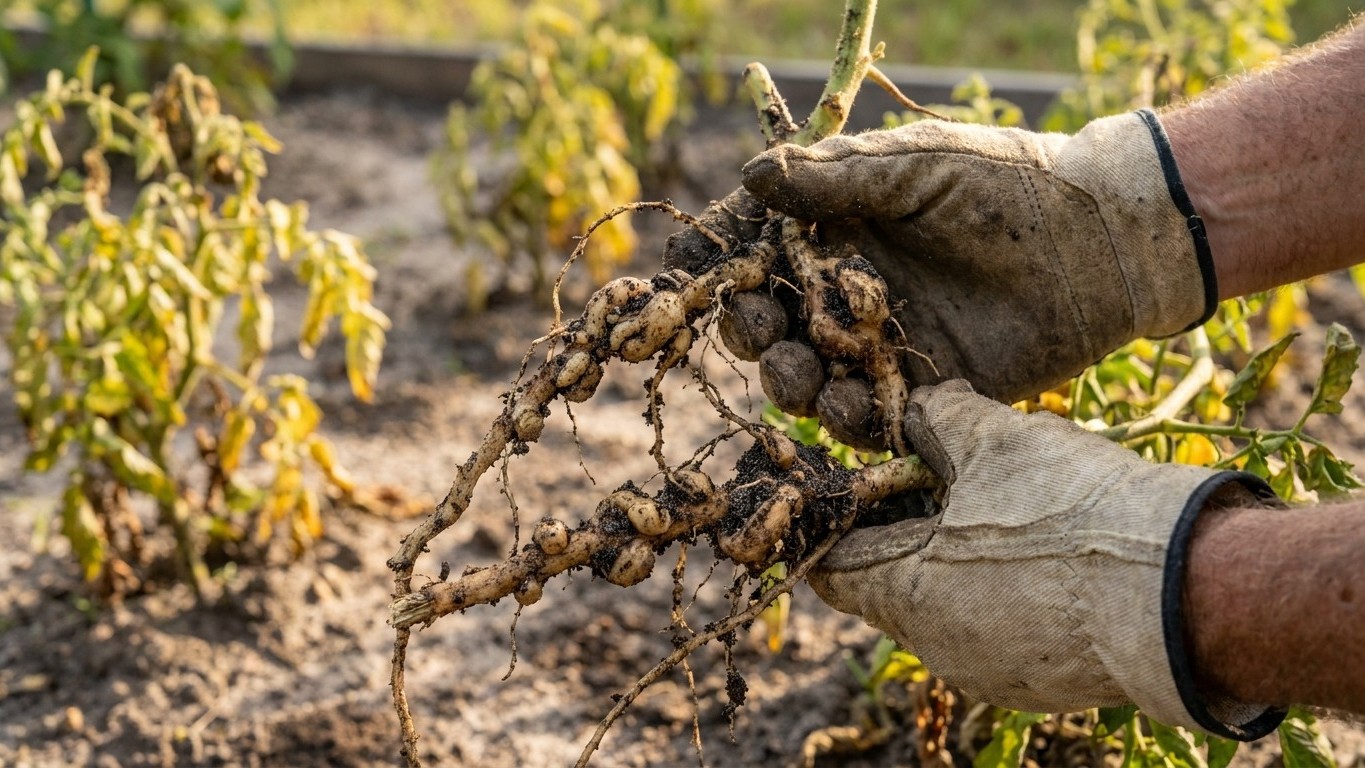
Root-knot nematodes stay active in Florida for most of the year because the state rarely gets a hard freeze deep enough to kill them off in the soil.
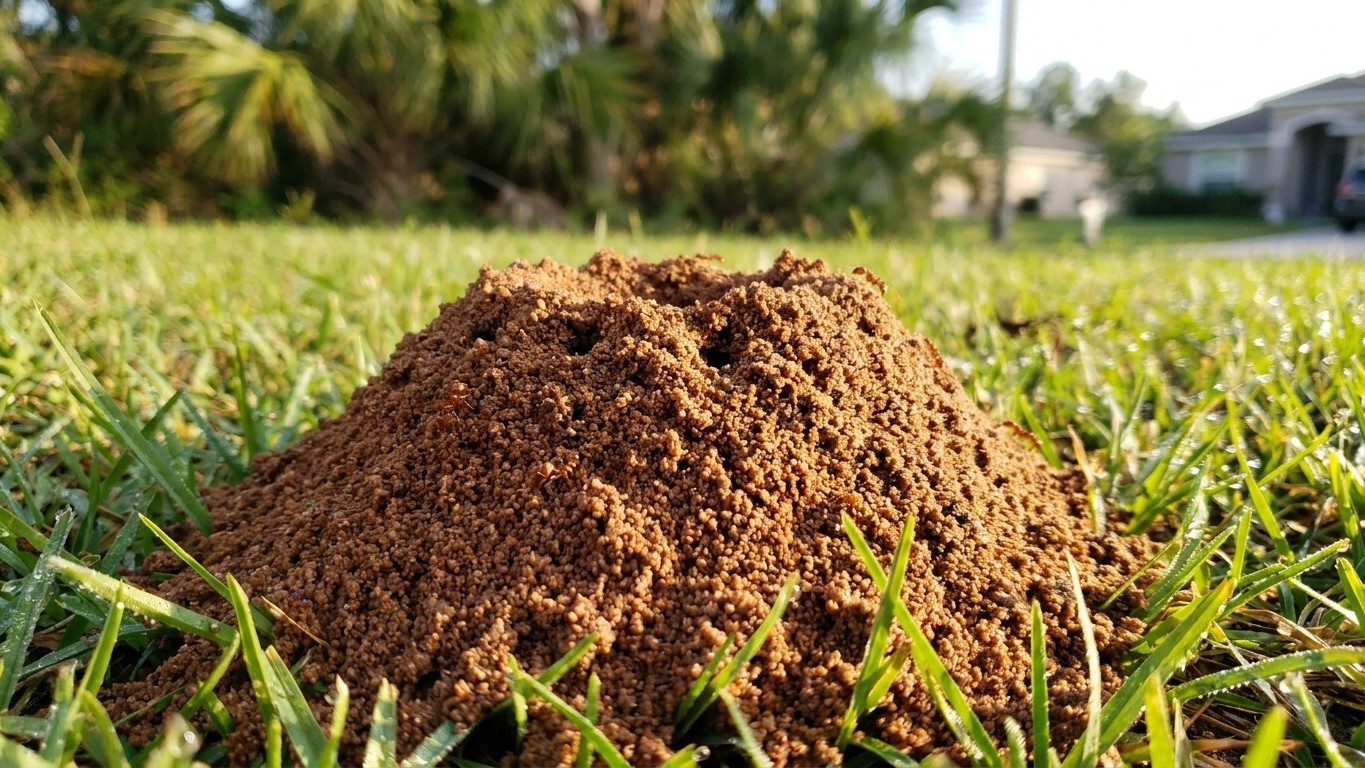
Fire ants in Florida are active nearly year-round, but they surge hardest after warm rains in spring and fall, when mounds seem to pop up overnight…
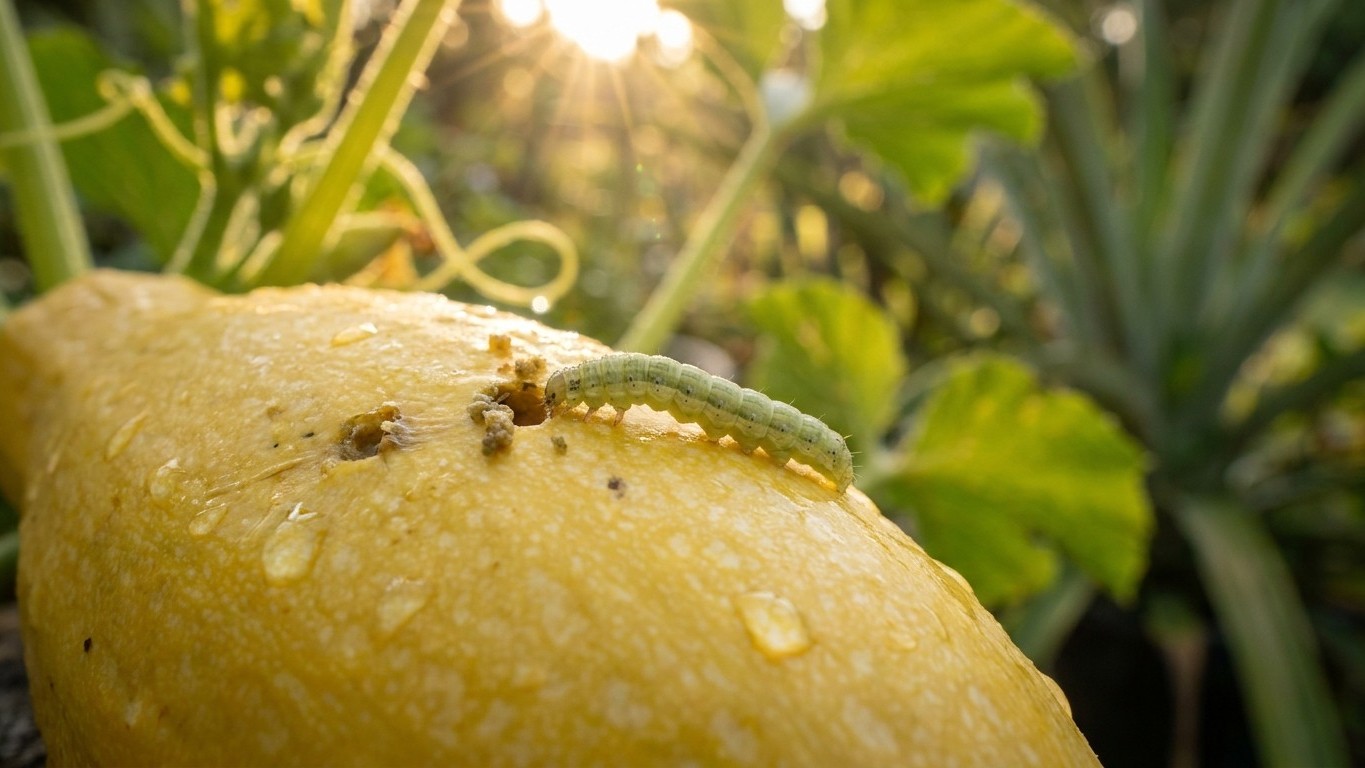
Pickleworm shows up in Florida gardens the moment squash and cucumber vines start flowering, usually by late spring in the southern part of the state and…
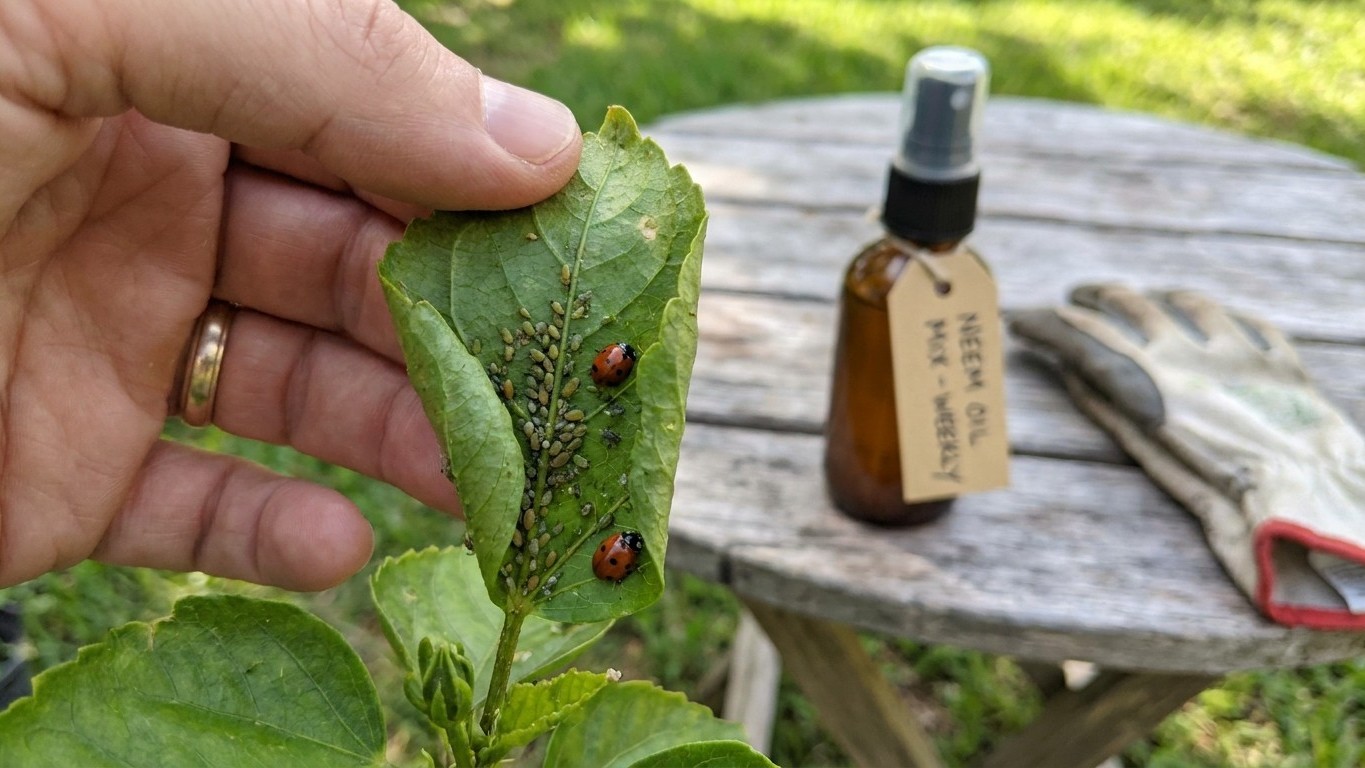
A rundown of the eleven pests UF/IFAS flags for Florida home gardens, when they peak near Jacksonville, and what actually stops them.
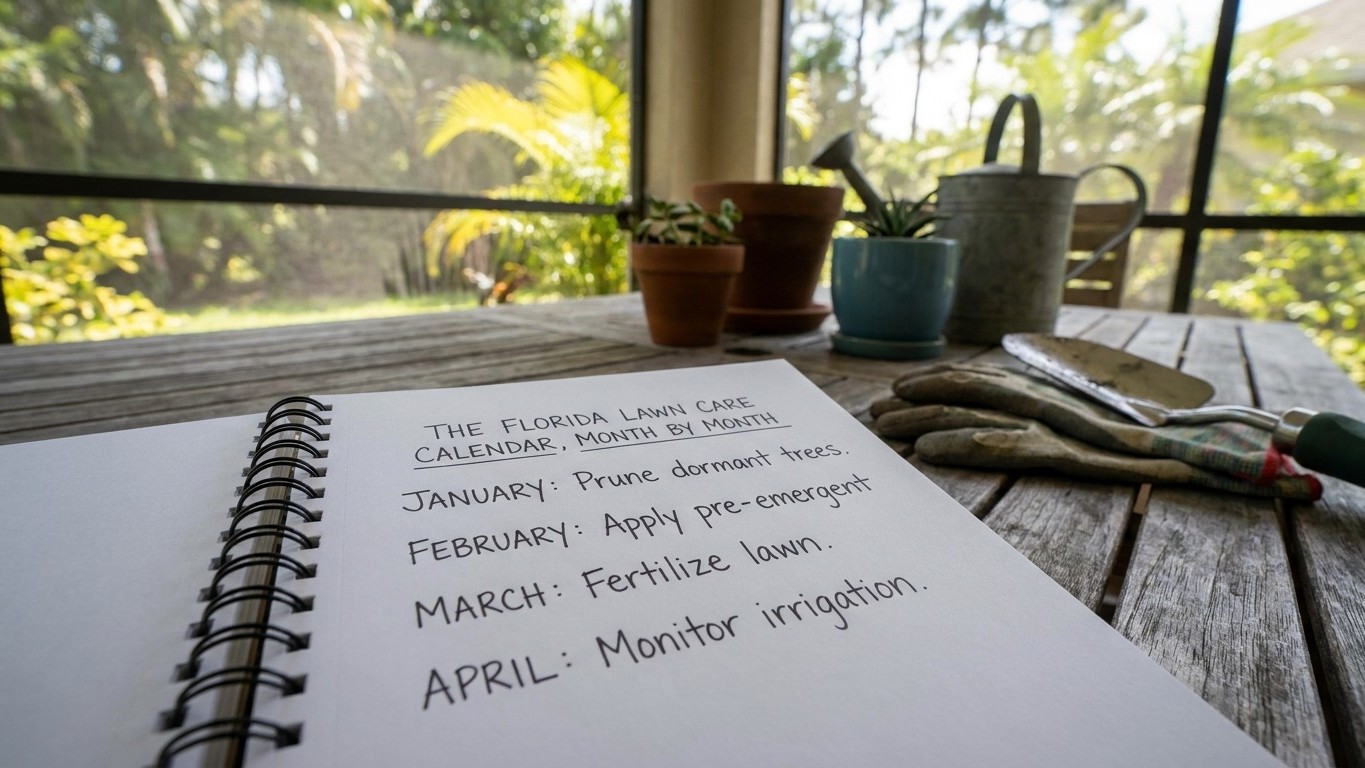
This month-by-month calendar sets mowing, feeding, and frost timing for Florida lawns, and explains why the schedule flips in the central and southern peninsula.
Florida needs a warm-season grass, not a single “best” one. Here’s how to weigh the seven Clemson-listed species against your yard.
Warm-season grasses are the only option in Florida, and this guide names the species, feeding rates, and mowing heights that keep them healthy year-round.