The Four Spinach Varieties the Extension Names — and Nothing Else
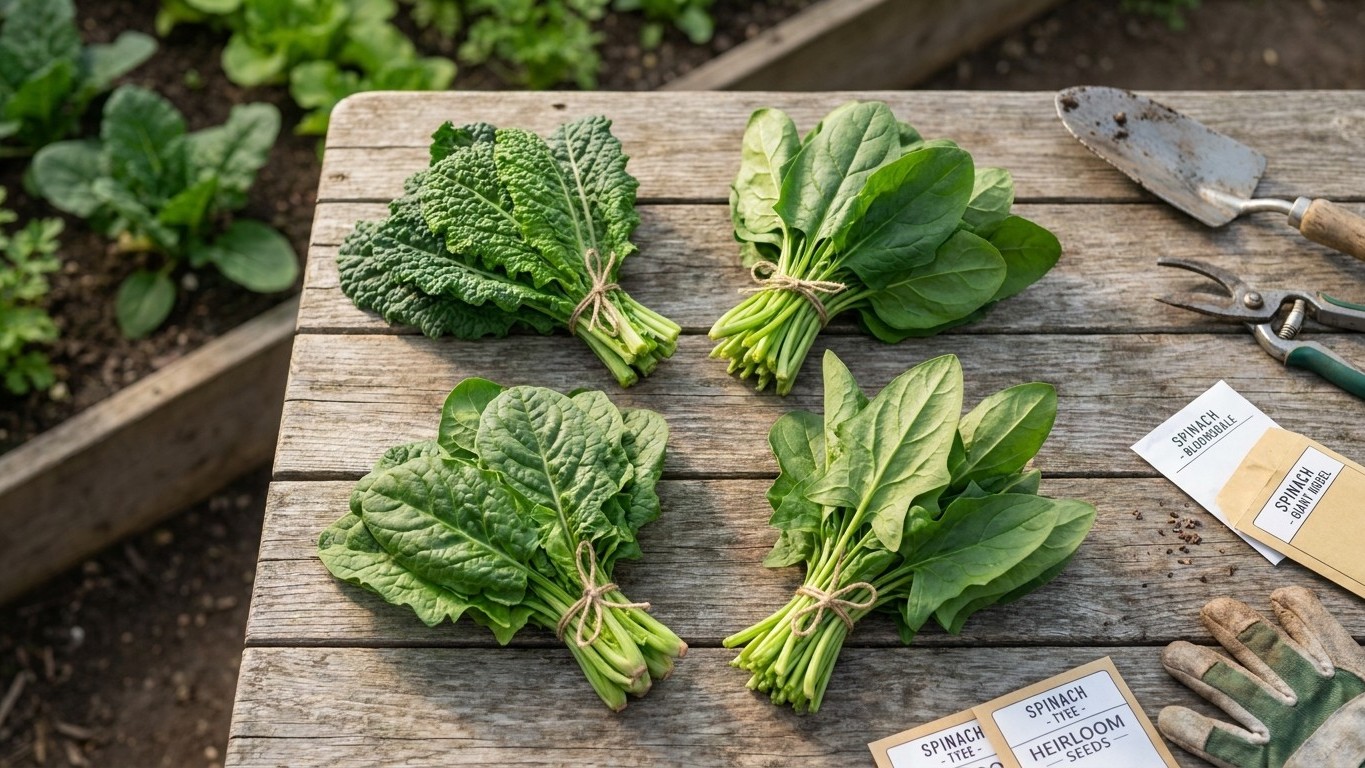
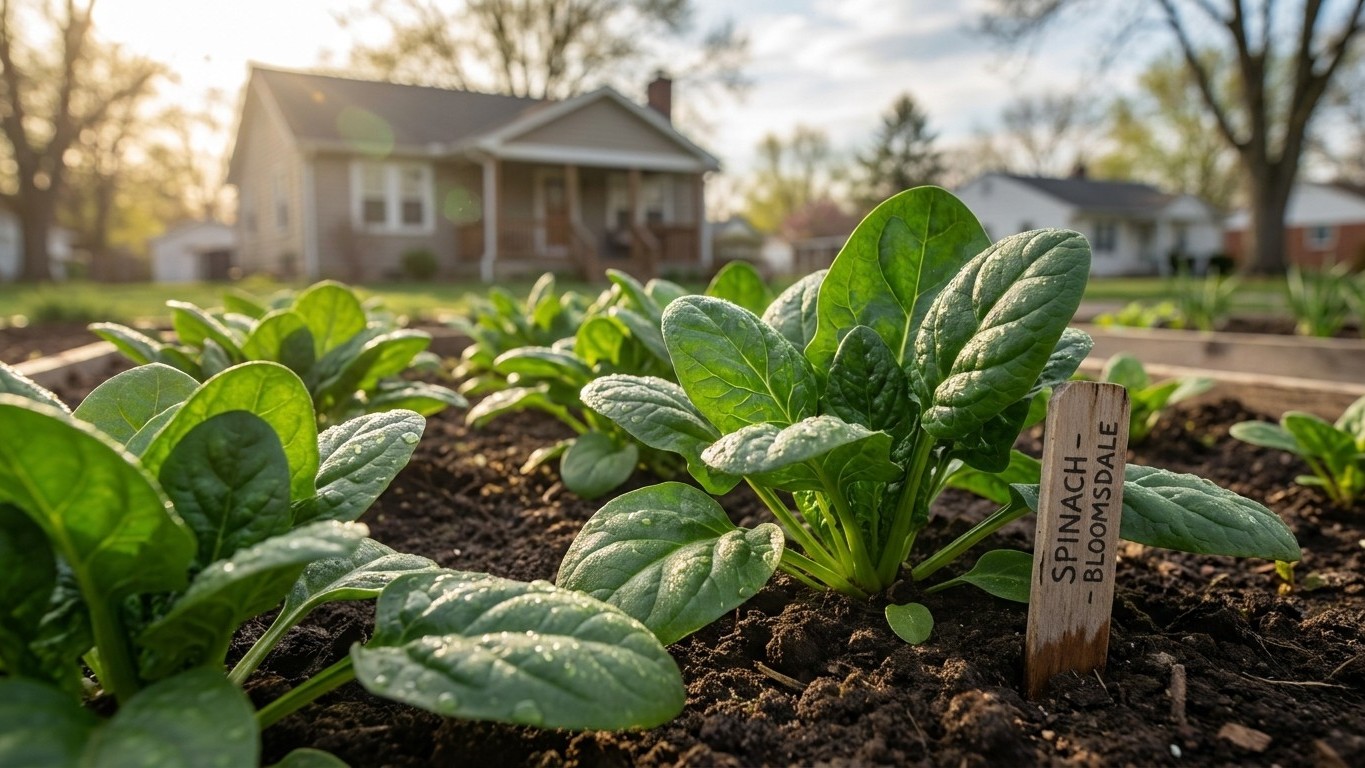
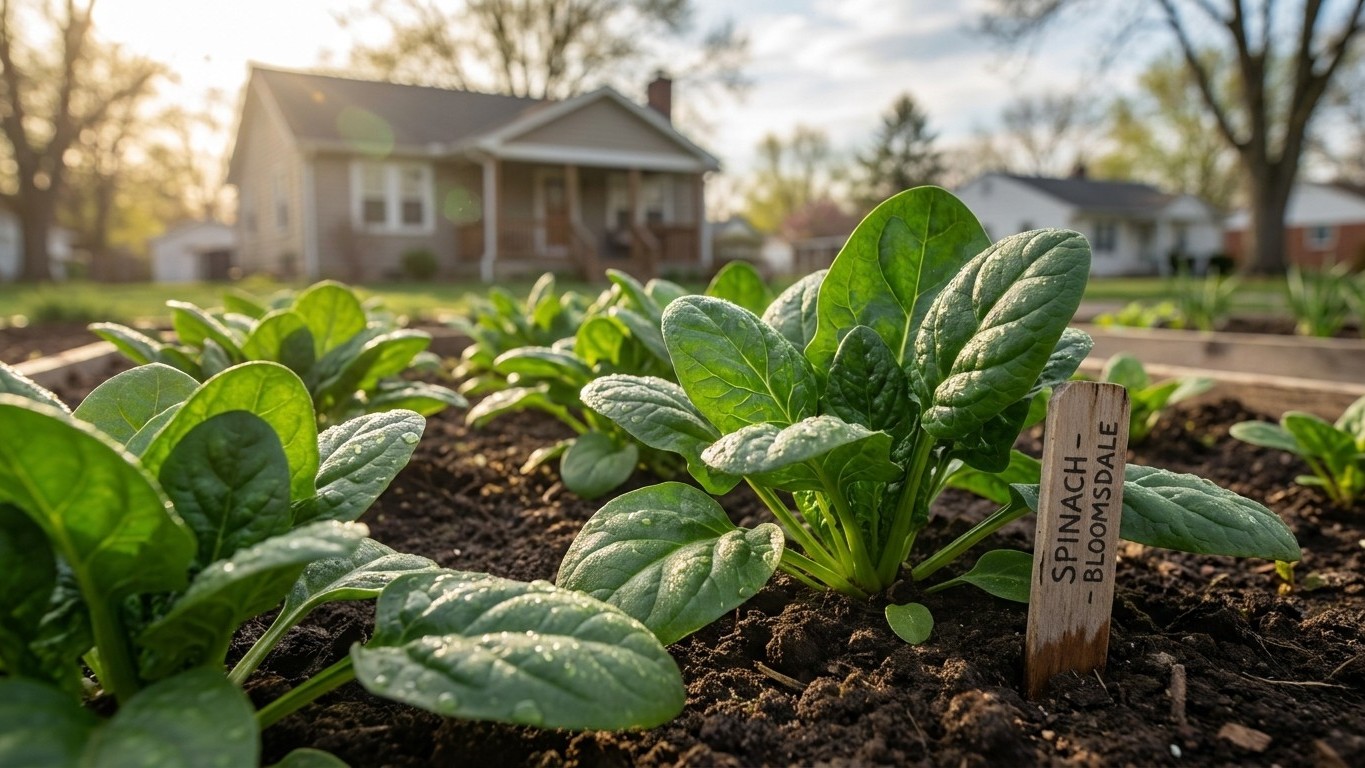
Utah State University Extension names exactly four spinach varieties for home gardeners: Bloomsdale, Melody, Teton, and Olympia. That’s the entire list.
Home & garden, state by state
Utah State University Extension names exactly four spinach varieties for home gardeners: Bloomsdale, Melody, Teton, and Olympia. That’s the entire list.
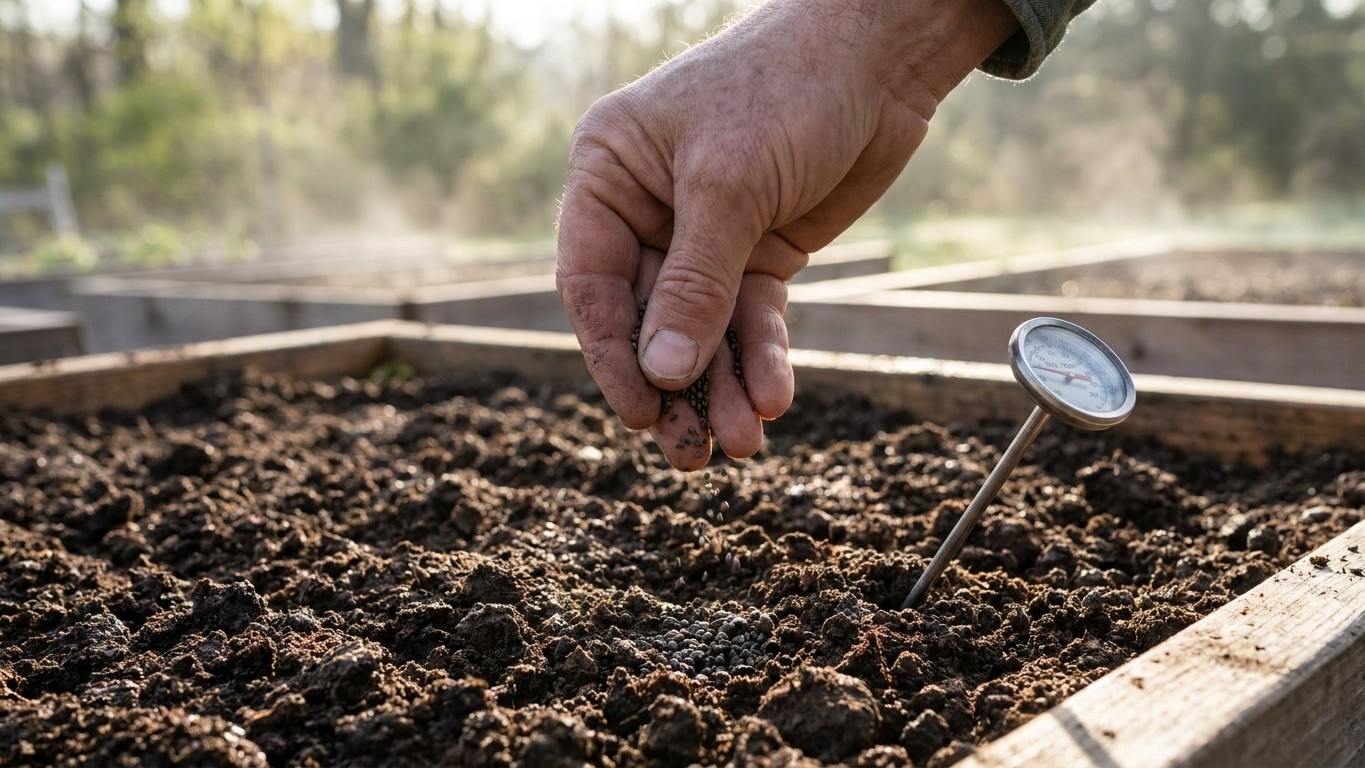
Spinach seed can go into the ground once soil hits 40 degrees F, according to Utah State University Extension.
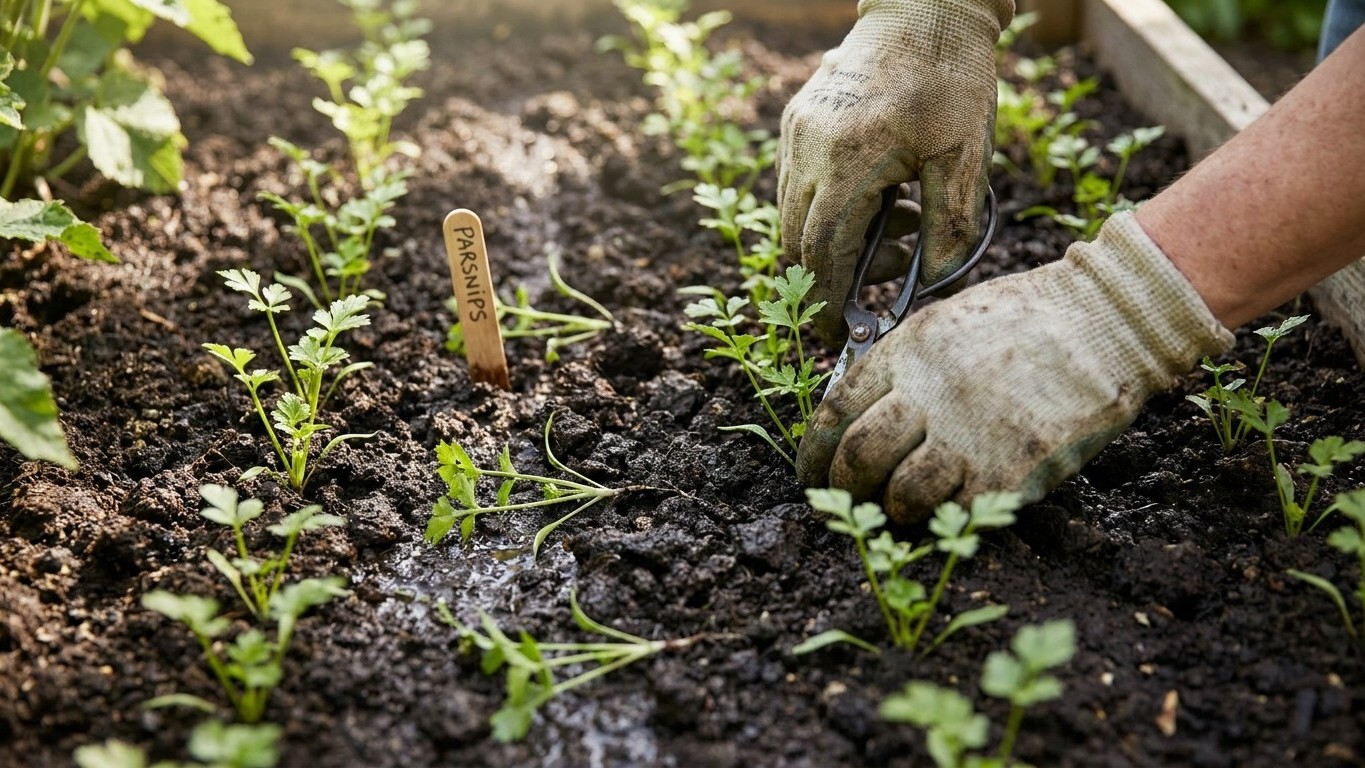
Thin parsnip seedlings down to one plant every three to six inches, with rows spaced twelve to eighteen inches apart, according to Utah State University…
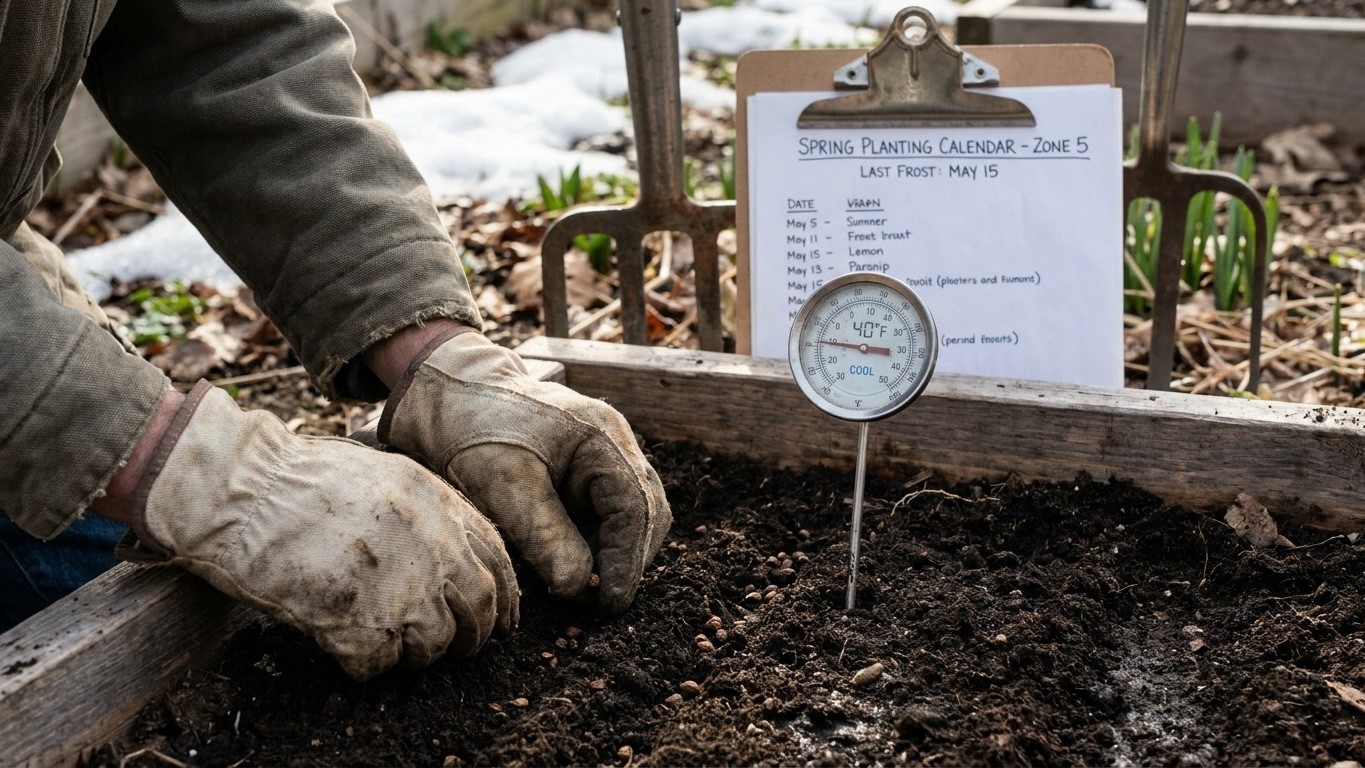
Sow parsnip seeds two to three weeks before the last frost, once soil hits at least 40°F, and then wait.
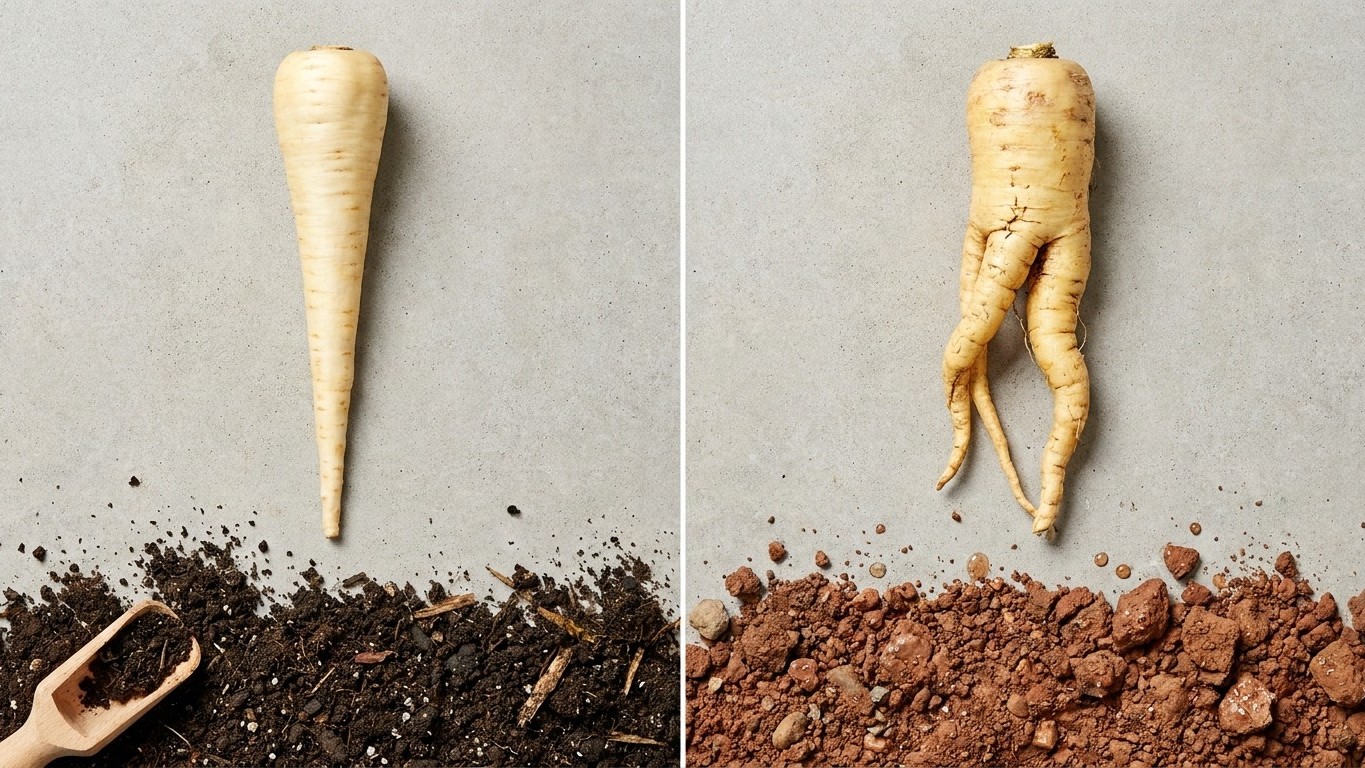
A forked parsnip root almost always comes down to one of two garden habits: growing it in heavy, stony, or shallow ground, or watering it too heavily…
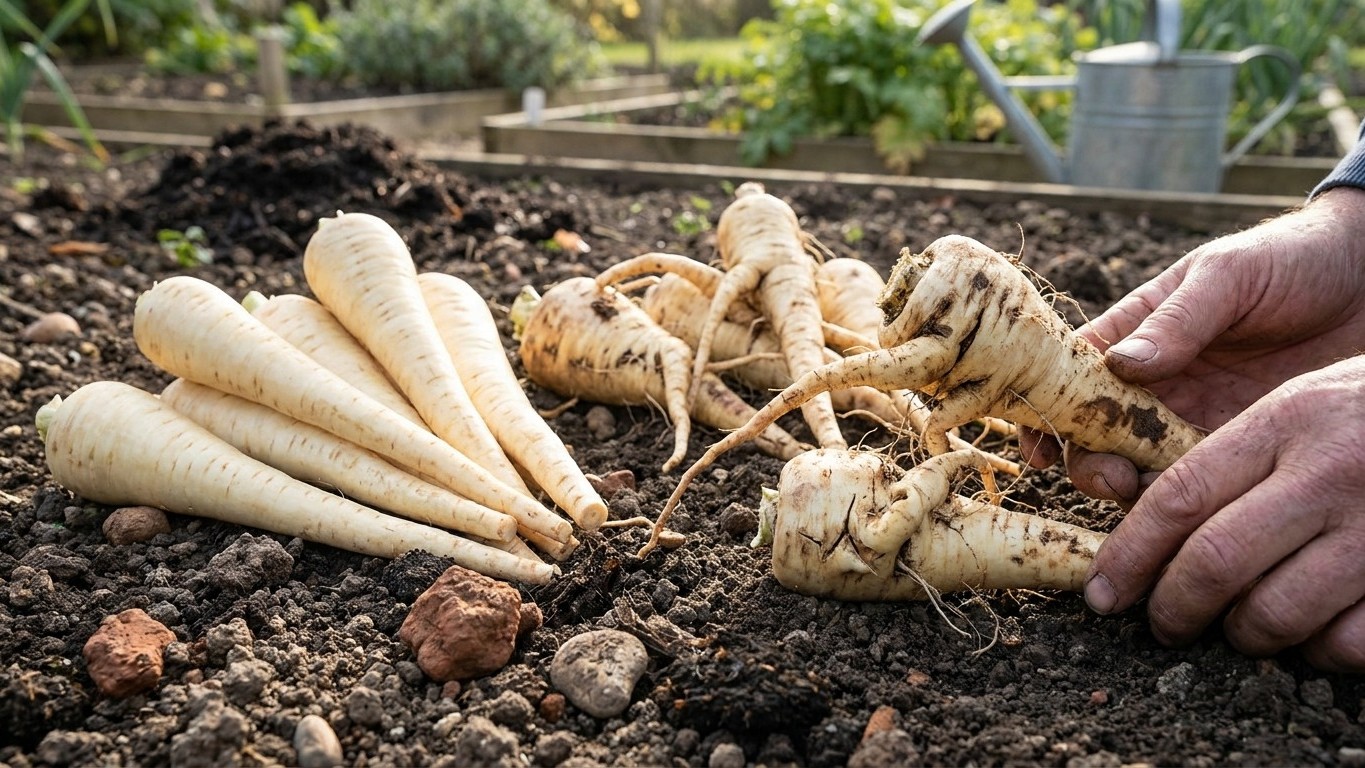
Parsnips fail for a short list of predictable reasons, not bad luck: pest damage from parsnip fly maggots tunneling into the root, fungal leaf blights…
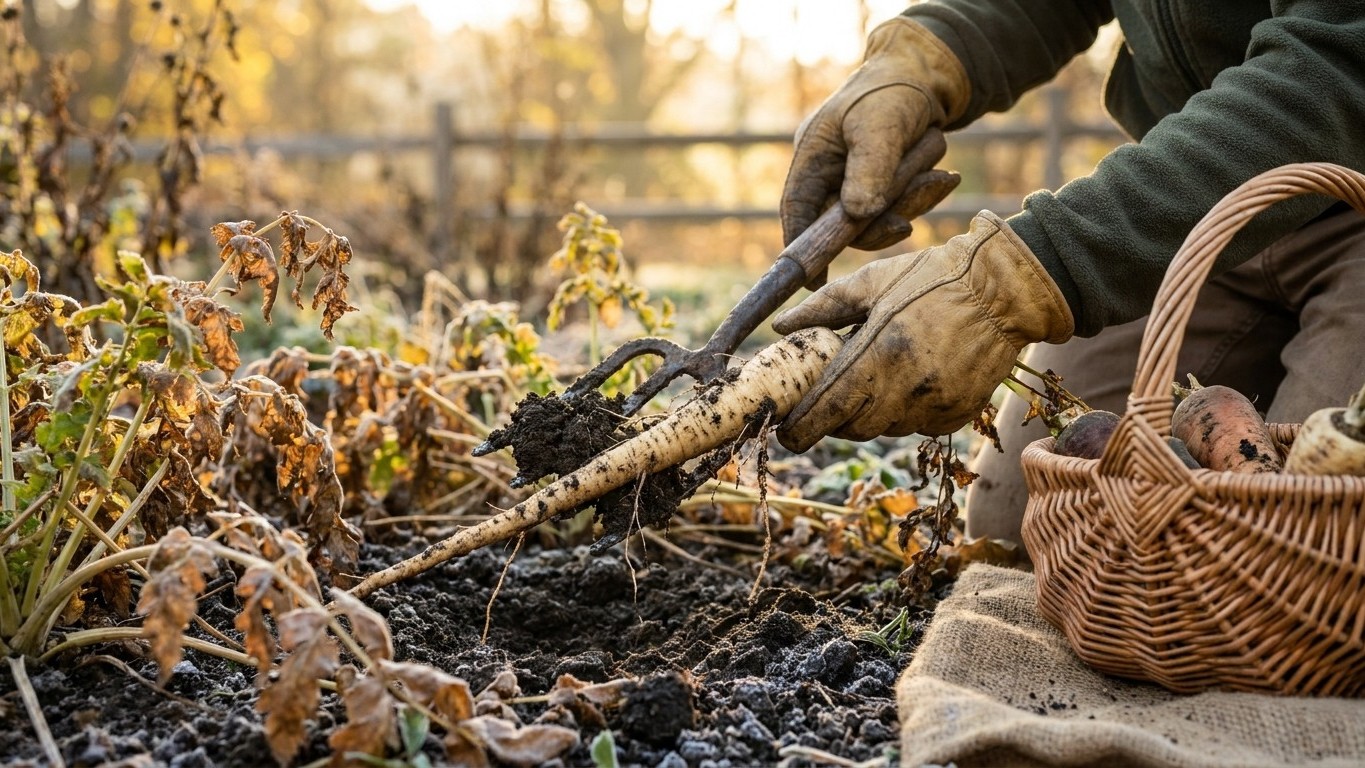
The short answer: harvest in fall for convenience, or leave the roots in the ground and lift them in early spring for flavor.
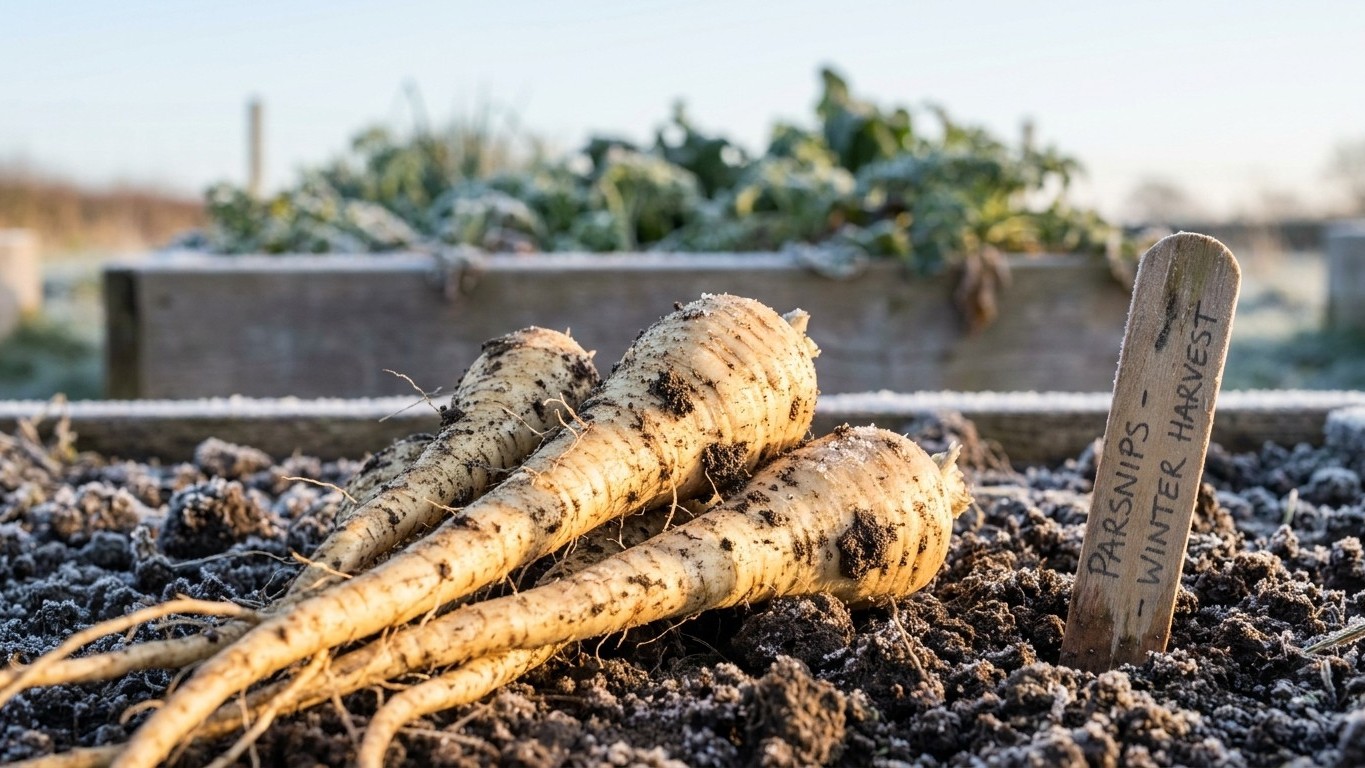
Parsnips need several weeks of cool, frosty weather because that cold exposure converts the root’s stored starch into sugar, according to Utah State…
North Florida gets 13 hours and 58 minutes of daylight on the longest day of the year, and that number alone is enough to push spinach into flower.
Spinach sown in Delaware bolts fast because the calendar works against it twice.