When to Sow Carrots in California: Counting Back From the Last Frost
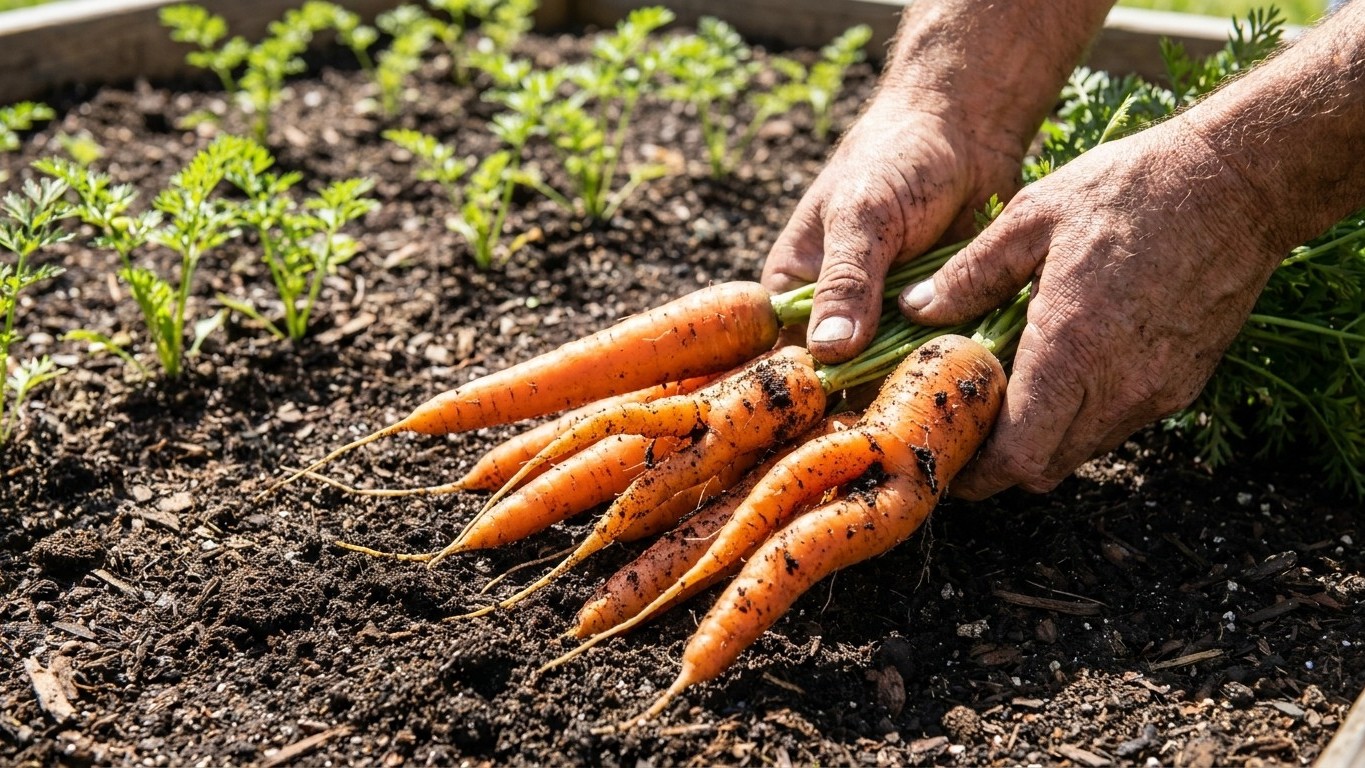
California carrot growers typically count back from their local last-frost date to time seeding, but that date shifts by hundreds of miles across the…
Home & garden, state by state
California carrot growers typically count back from their local last-frost date to time seeding, but that date shifts by hundreds of miles across the…
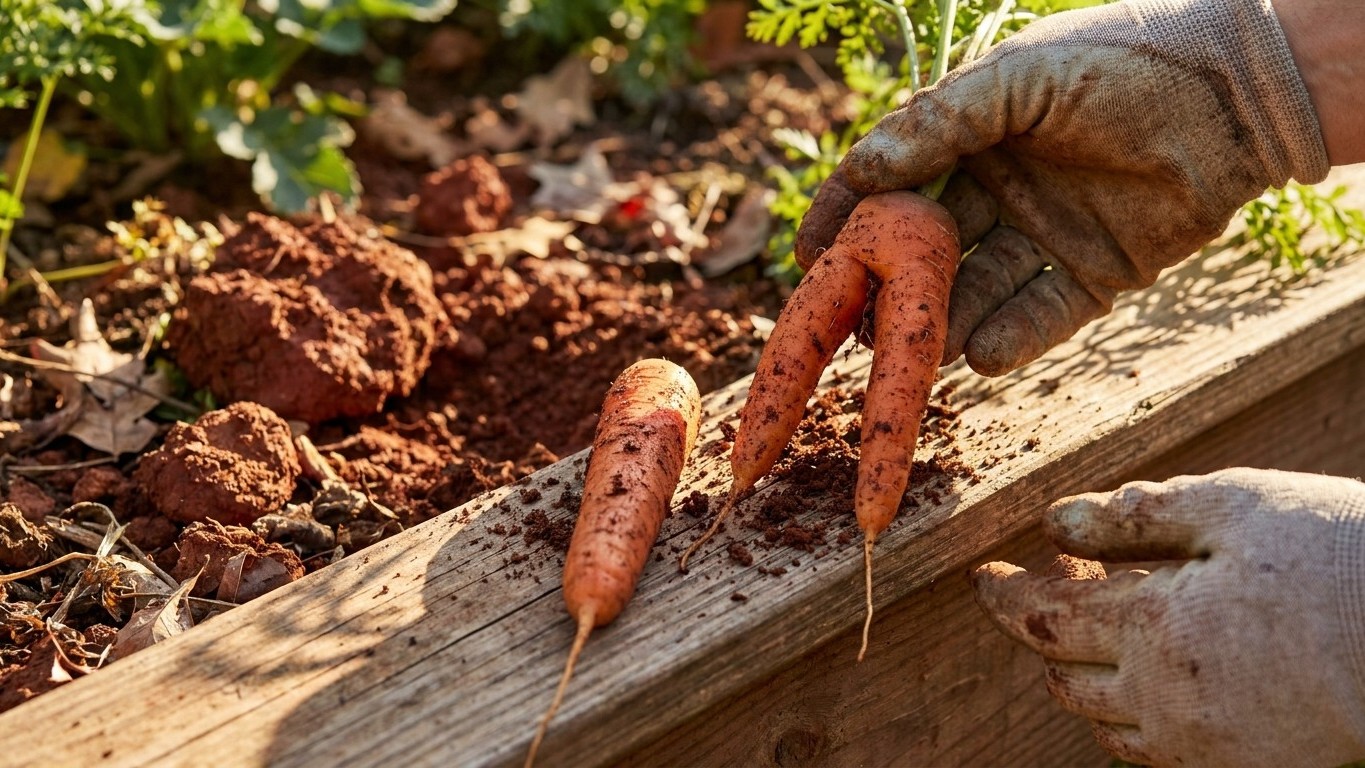
California’s state soil, the San Joaquin series, is a loam that leans sandy rather than clay-heavy, which works in a carrot’s favor.
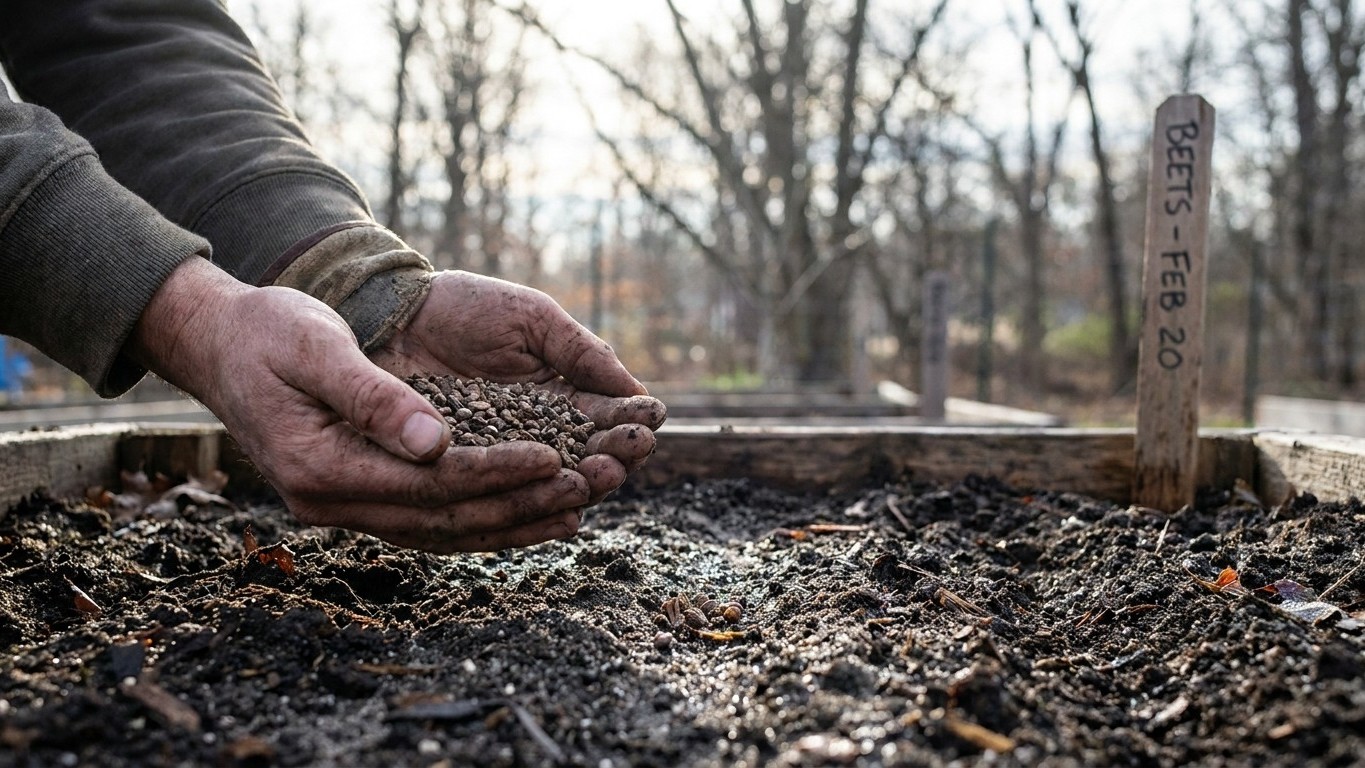
Across most of California, beet sowing is set by soil moisture and heat, not frost.
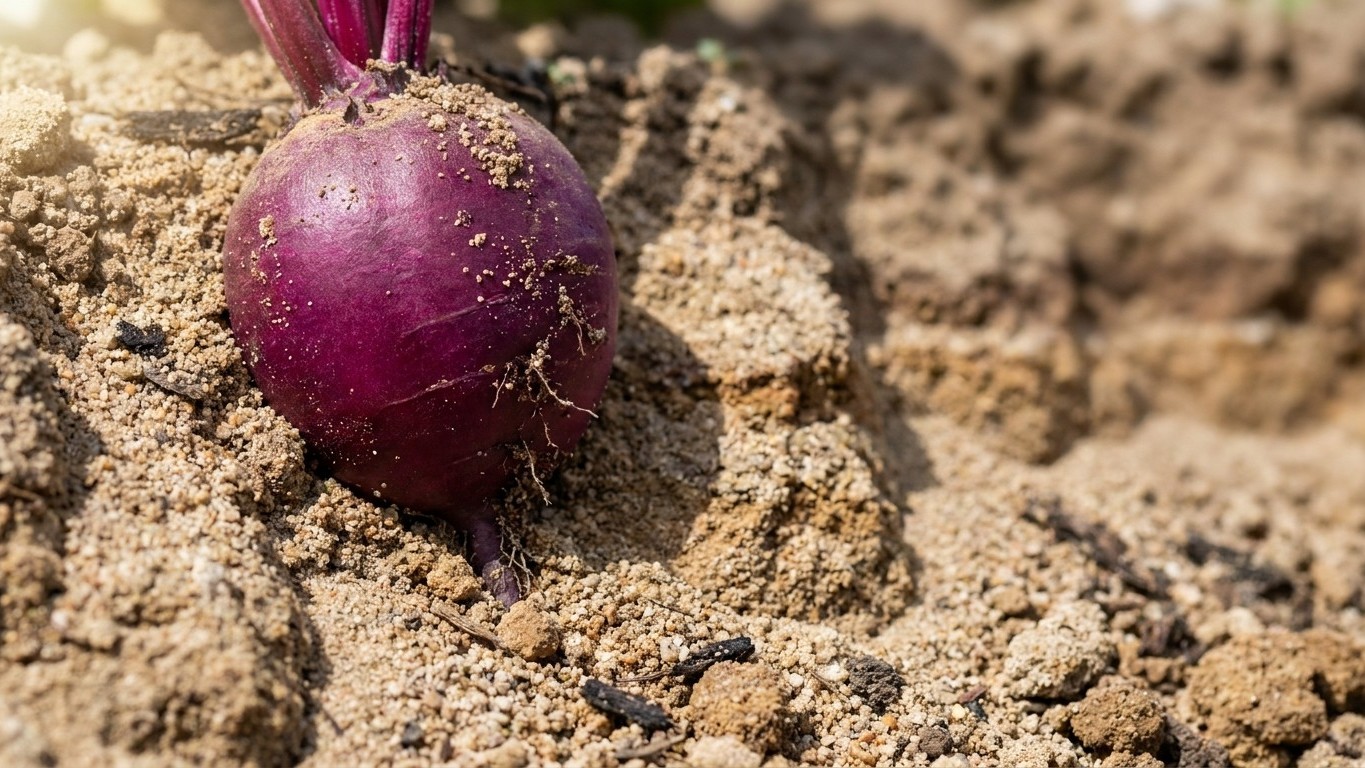
California’s state soil, the San Joaquin series, runs 51 percent sand, 18 percent clay and 32 percent silt with just 0.8 percent organic matter…
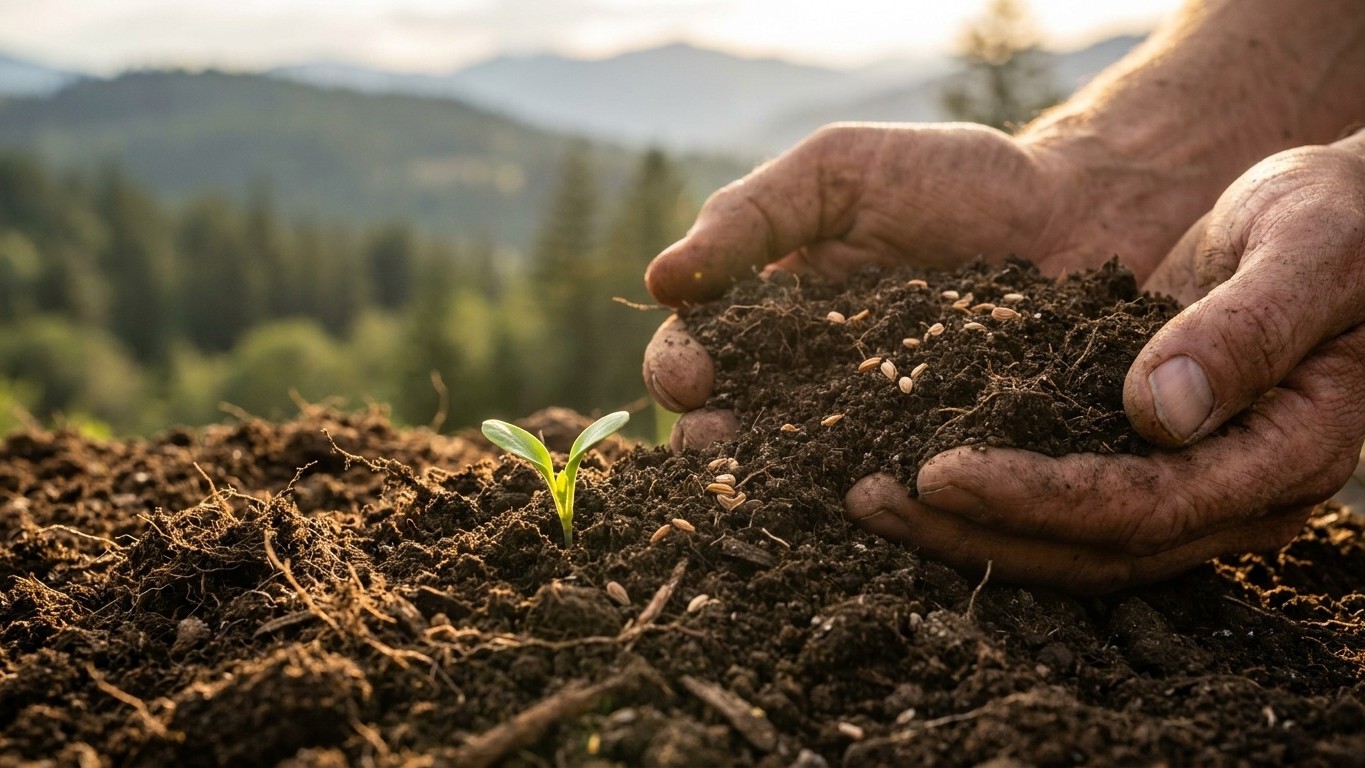
In British Columbia, the calendar answer to “when” always comes second to the soil answer.
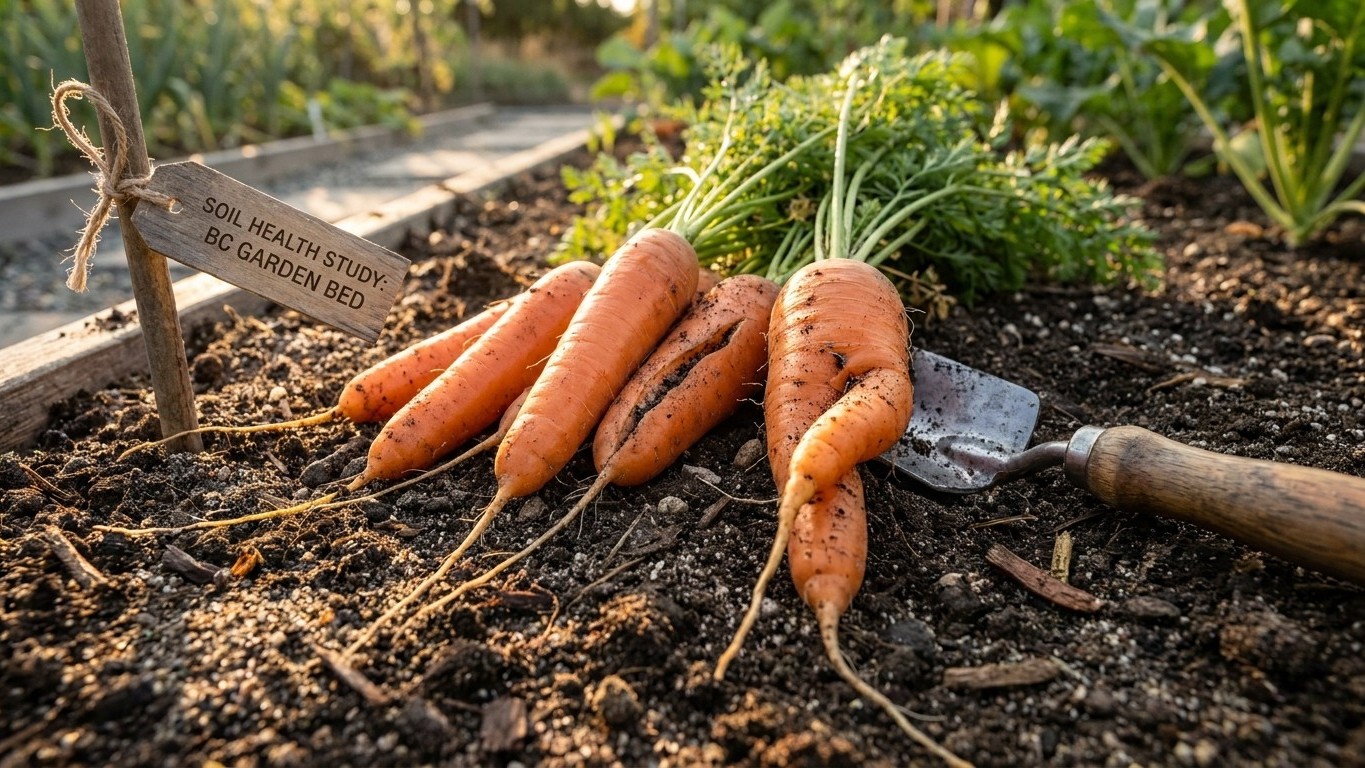
Most of British Columbia’s mapped agricultural soil leans loam to silt, with sand making up over half the mix and clay sitting under 15 percent.
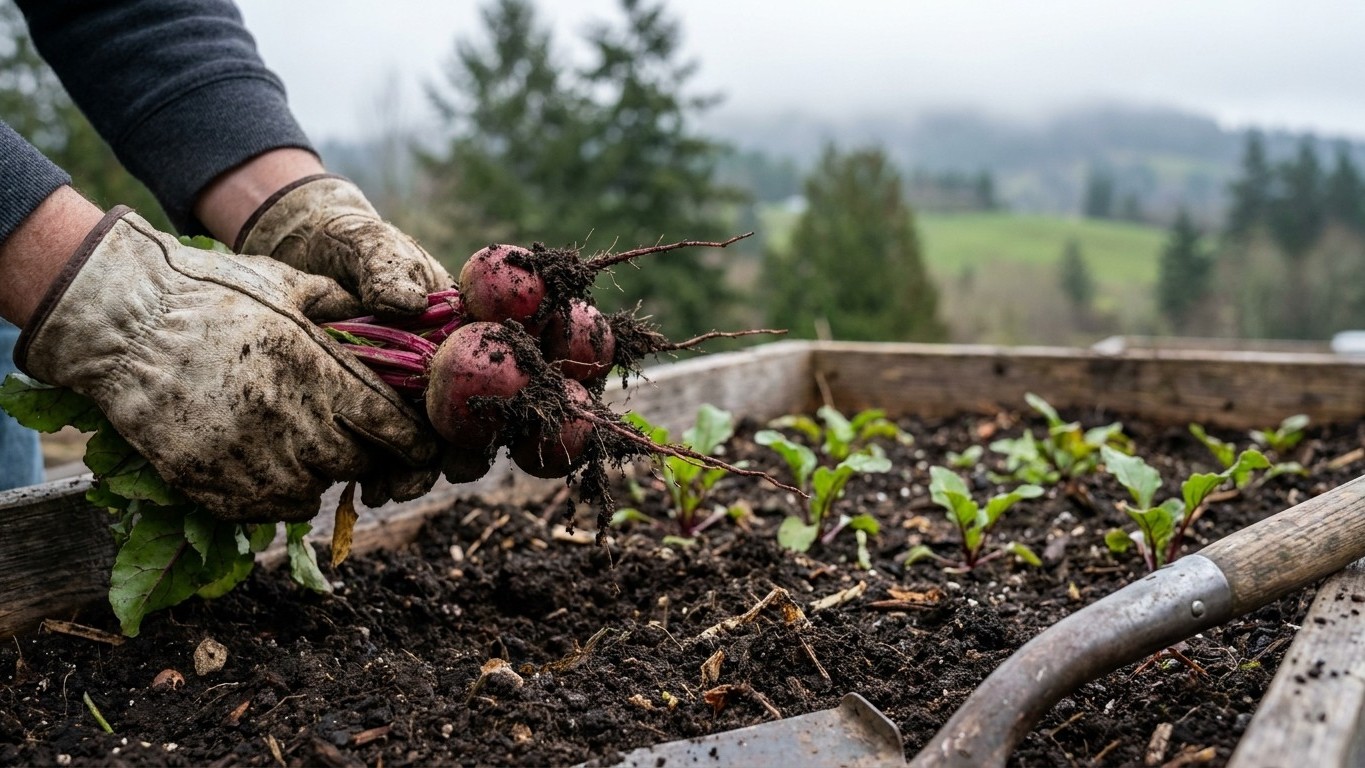
The direct answer: sow beets outdoors 2 to 3 weeks before the last spring frost, which averages March 18 at Vancouver’s reference climate station.
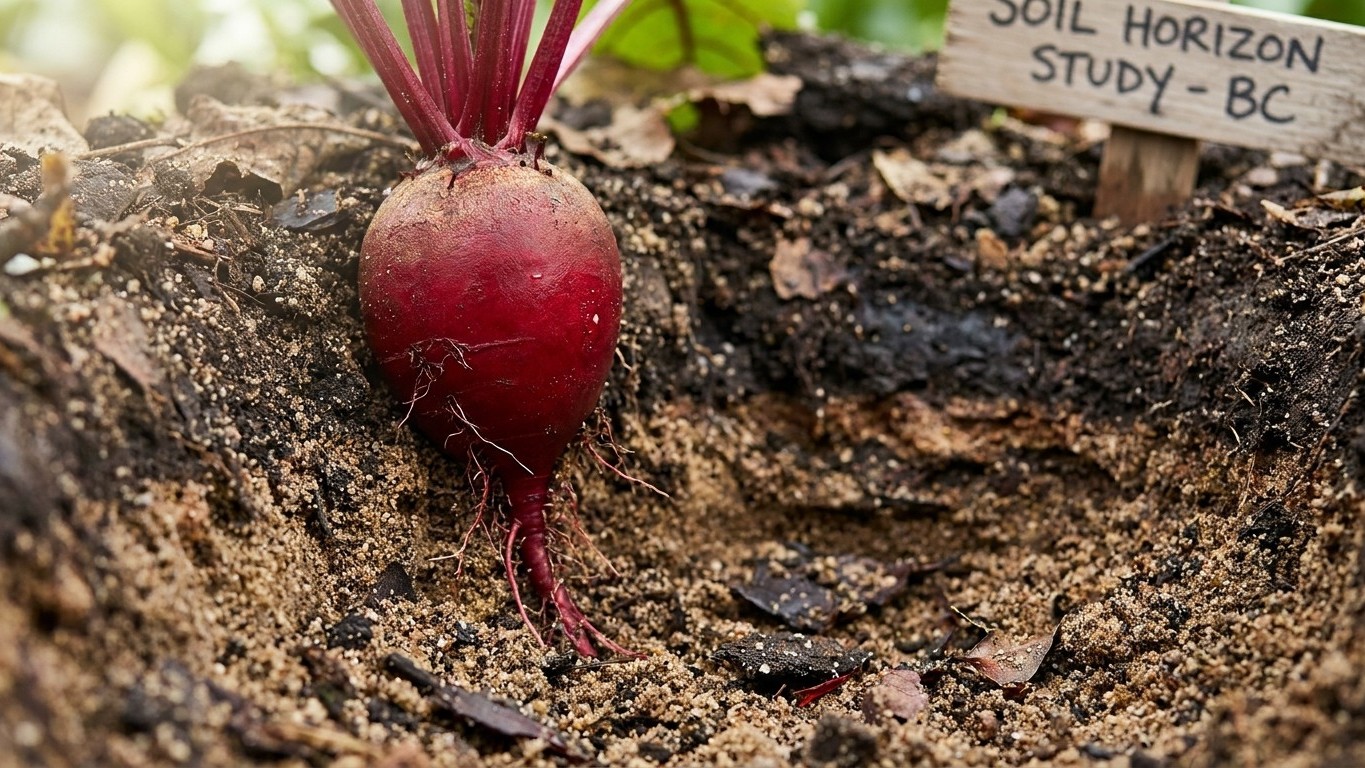
A beet root pushing into ground in British Columbia most often meets a young, sandy-leaning soil that drains fast, runs slightly acid, and carries a…
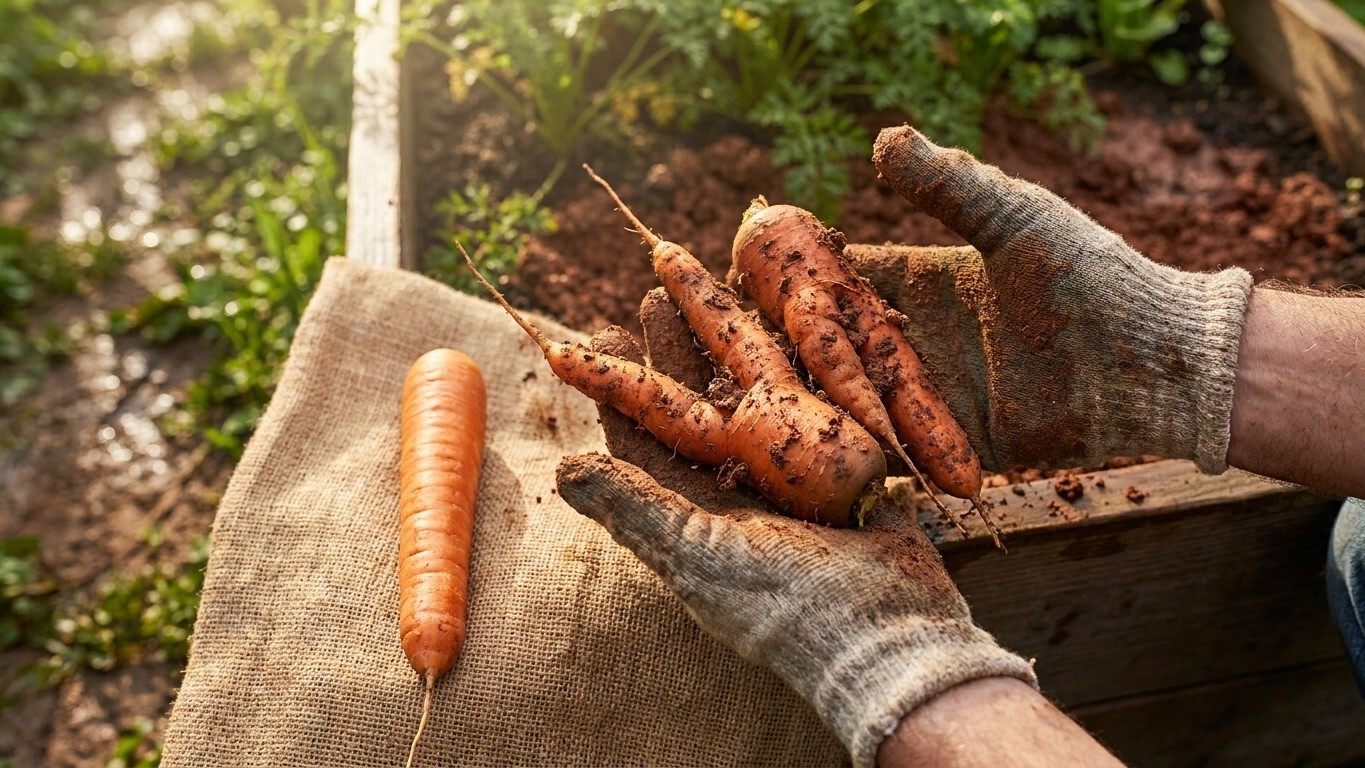
Arkansas gardeners sow carrots twice a year: a spring crop timed to slip into the ground as the last frost pulls back, and a fall crop counted backward…
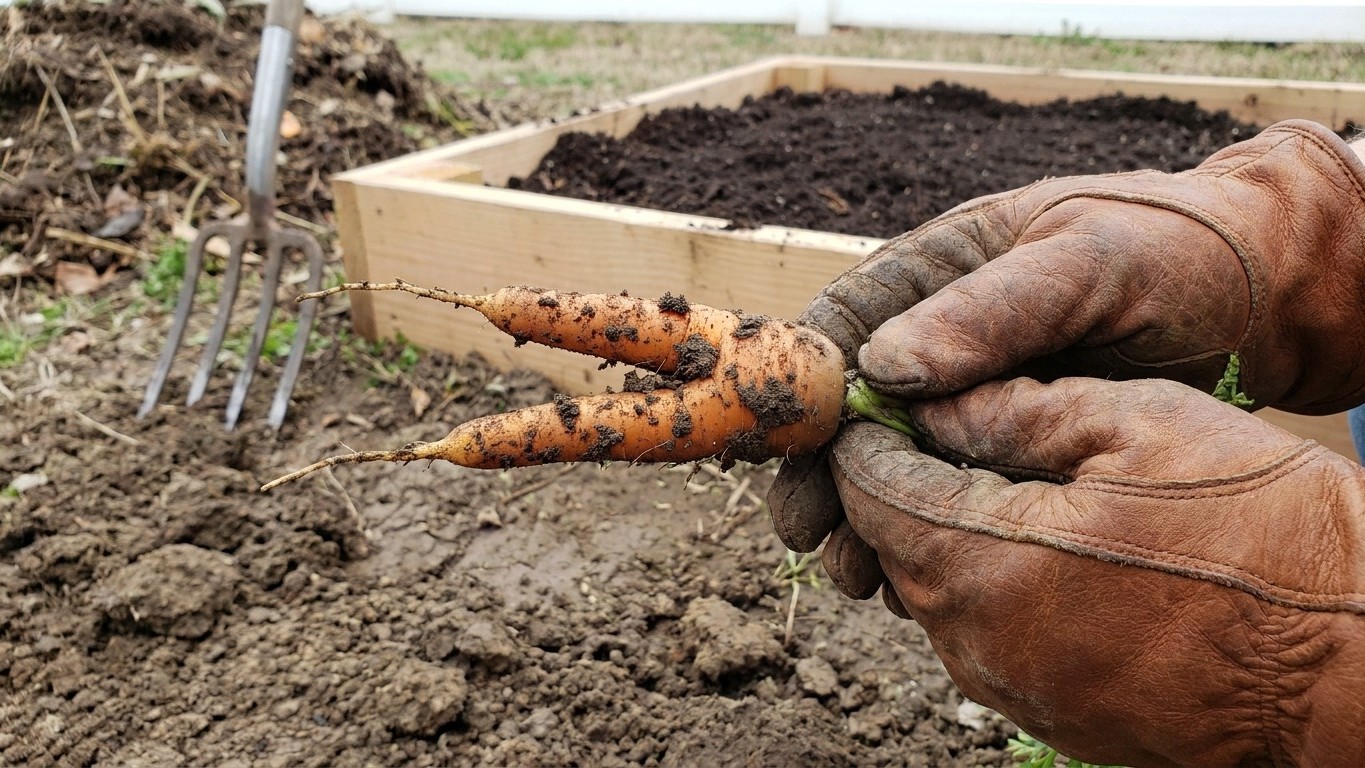
In much of Arkansas, a carrot grown without amendment will likely fork or split into stubby, forked roots.