Why Peppers Fail to Set Fruit in Alabama
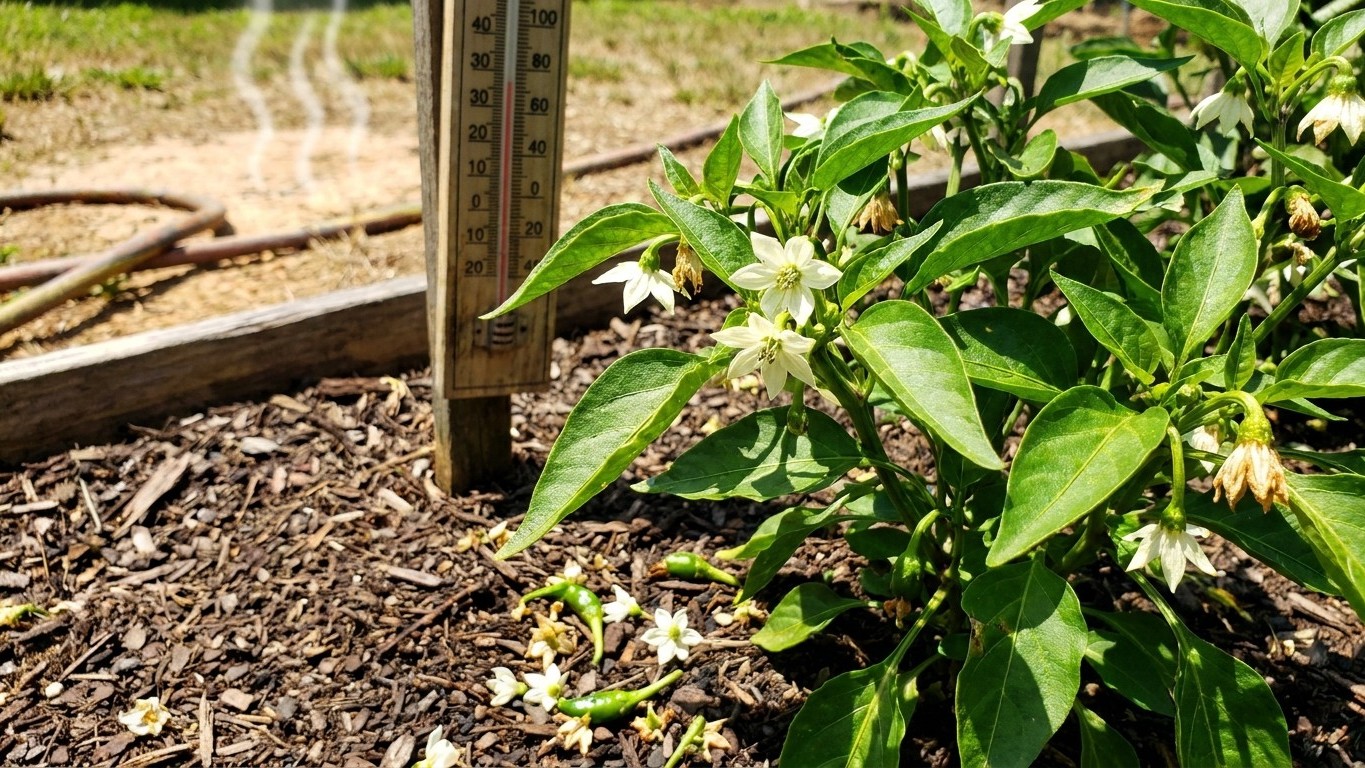
Alabama peppers usually fail to set fruit for one of two reasons: a stretch of days pushing past 90 F that stalls pollen, or a run of cool nights early…
Home & garden, state by state
Alabama peppers usually fail to set fruit for one of two reasons: a stretch of days pushing past 90 F that stalls pollen, or a run of cool nights early…
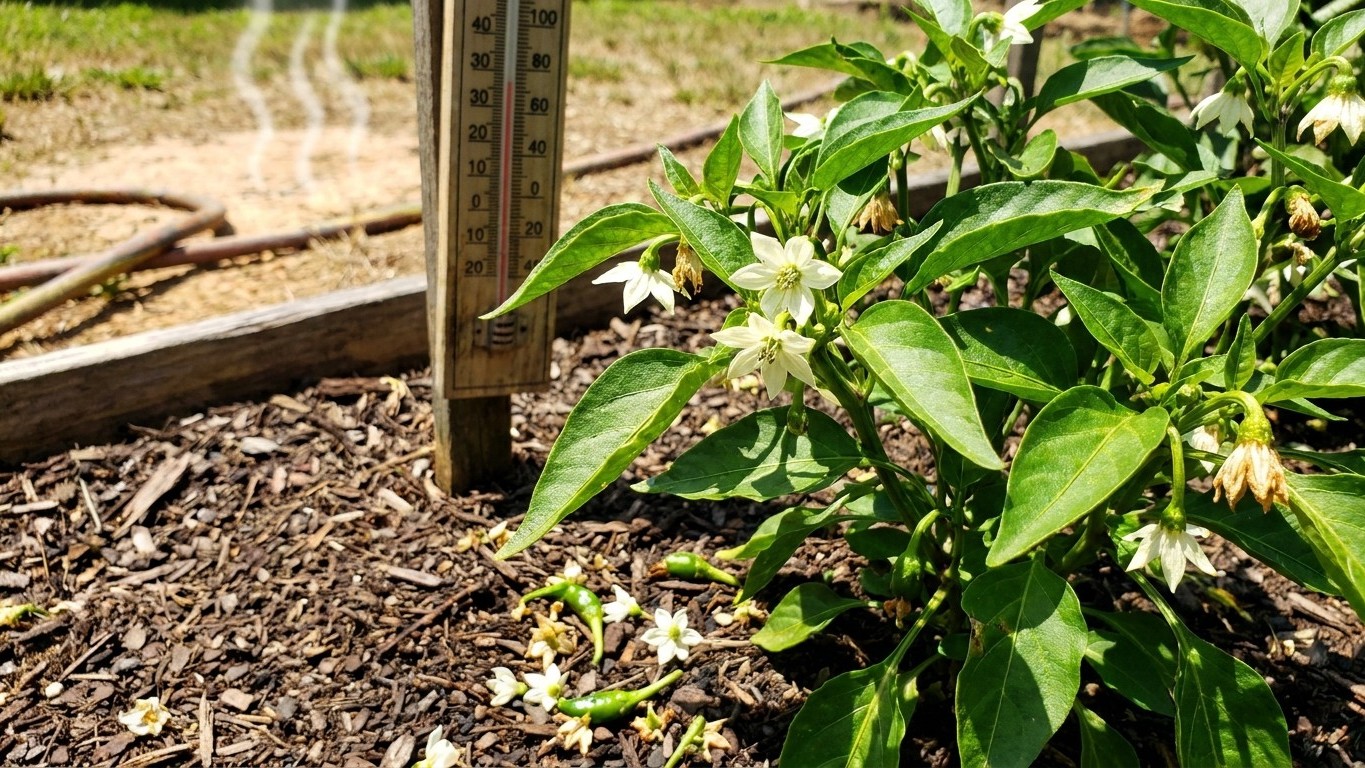
Peppers in West Virginia most often fail to set fruit because the state’s growing season squeezes them between two temperature walls: cool nights early…
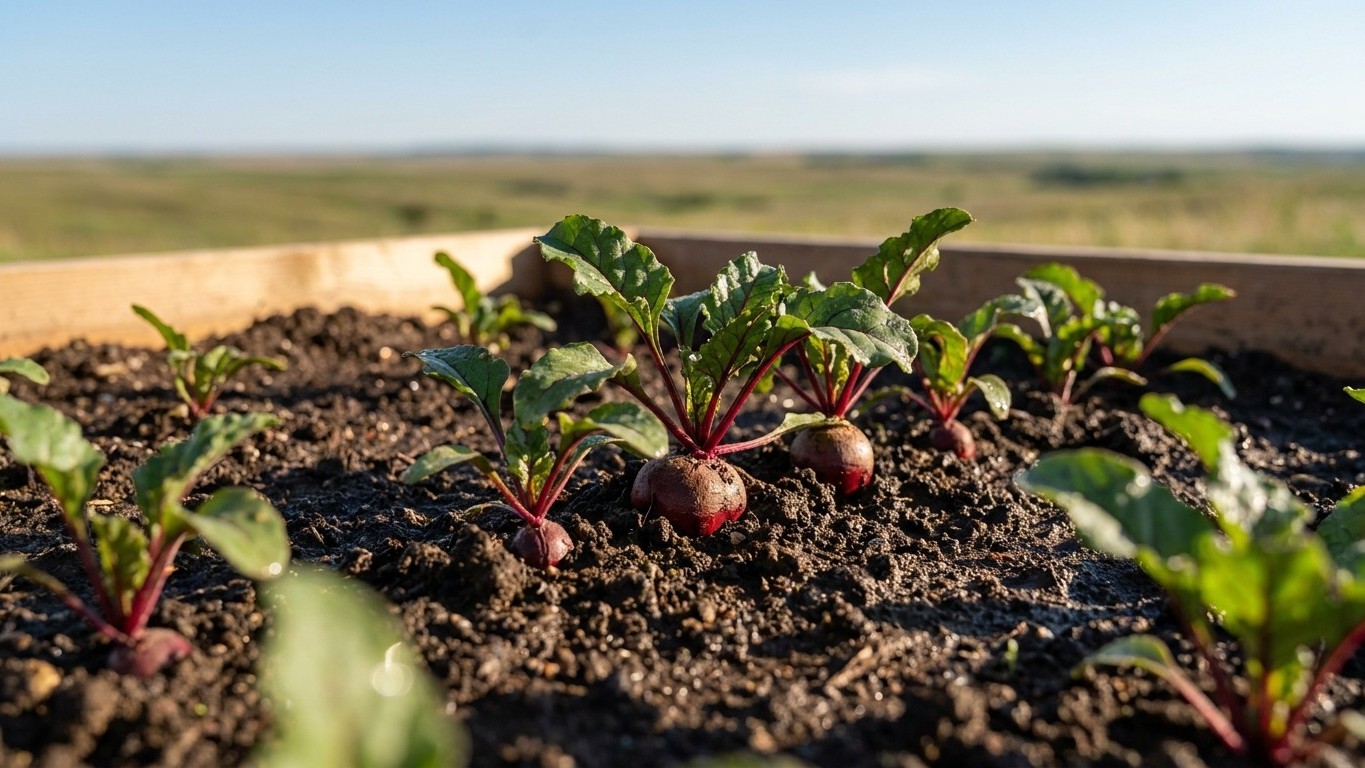
North Dakota’s prairie soil and short, intense growing season both push beets in the same direction: sow early, keep the row moist for the first six…
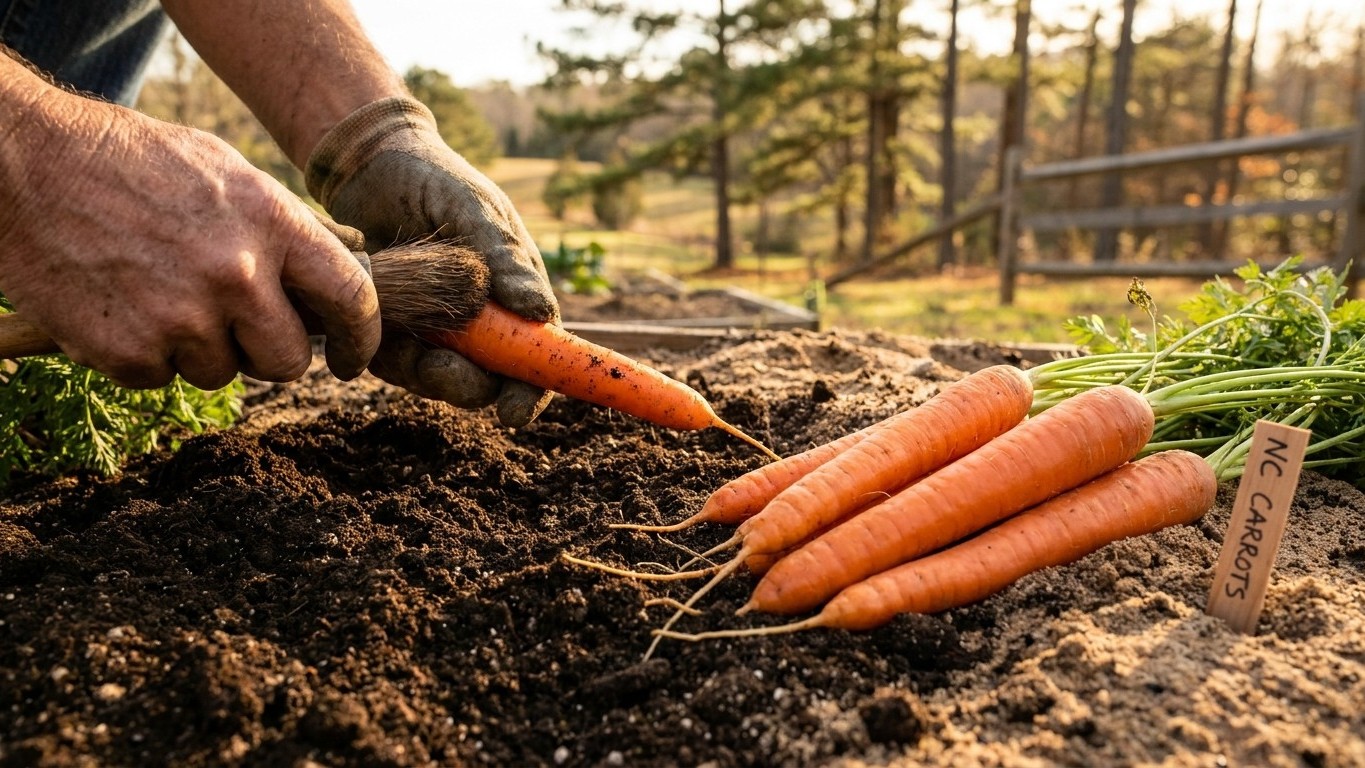
North Carolina’s representative garden soil, the Cecil series, is a sandy, acidic Ultisol that drains well but runs short on organic matter.
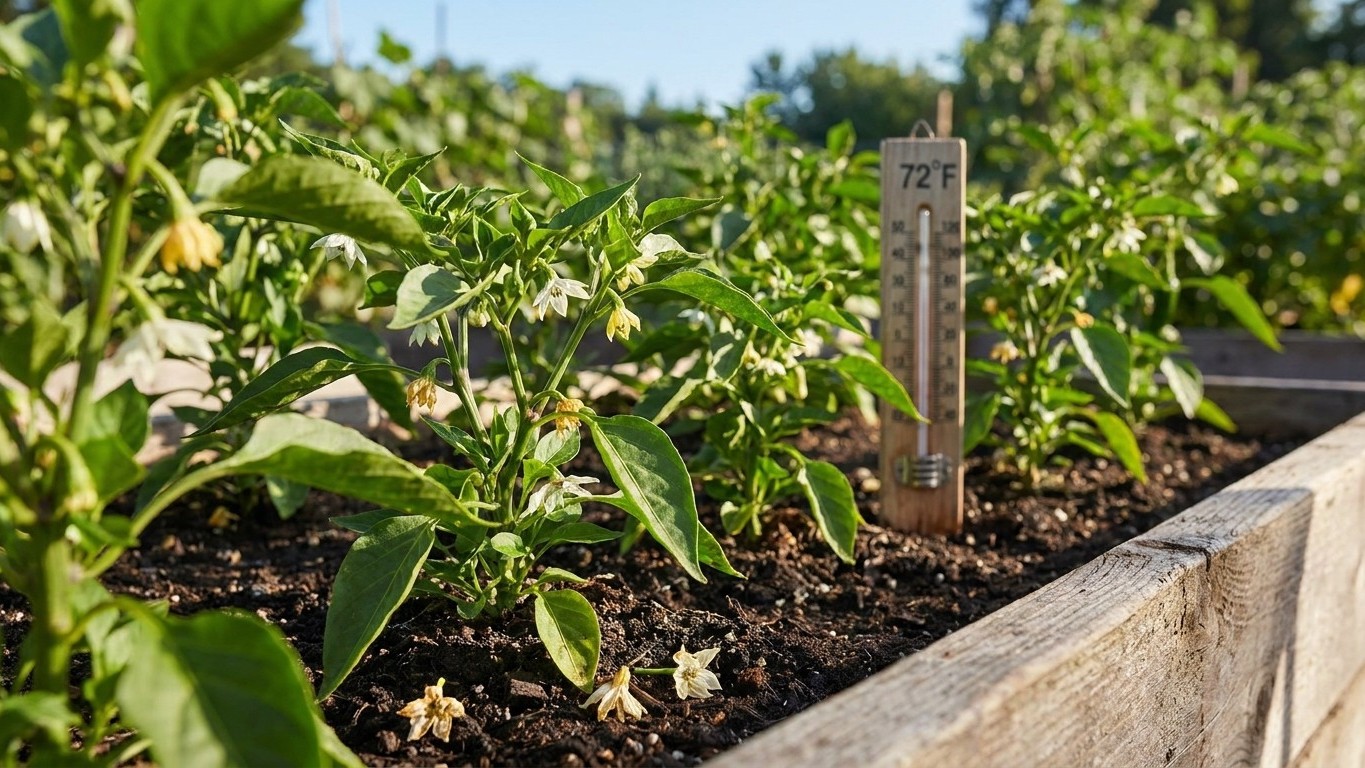
In western Washington, start pepper seed indoors sometime between mid-January and late February, counting 8 to 10 weeks back from the day your garden…
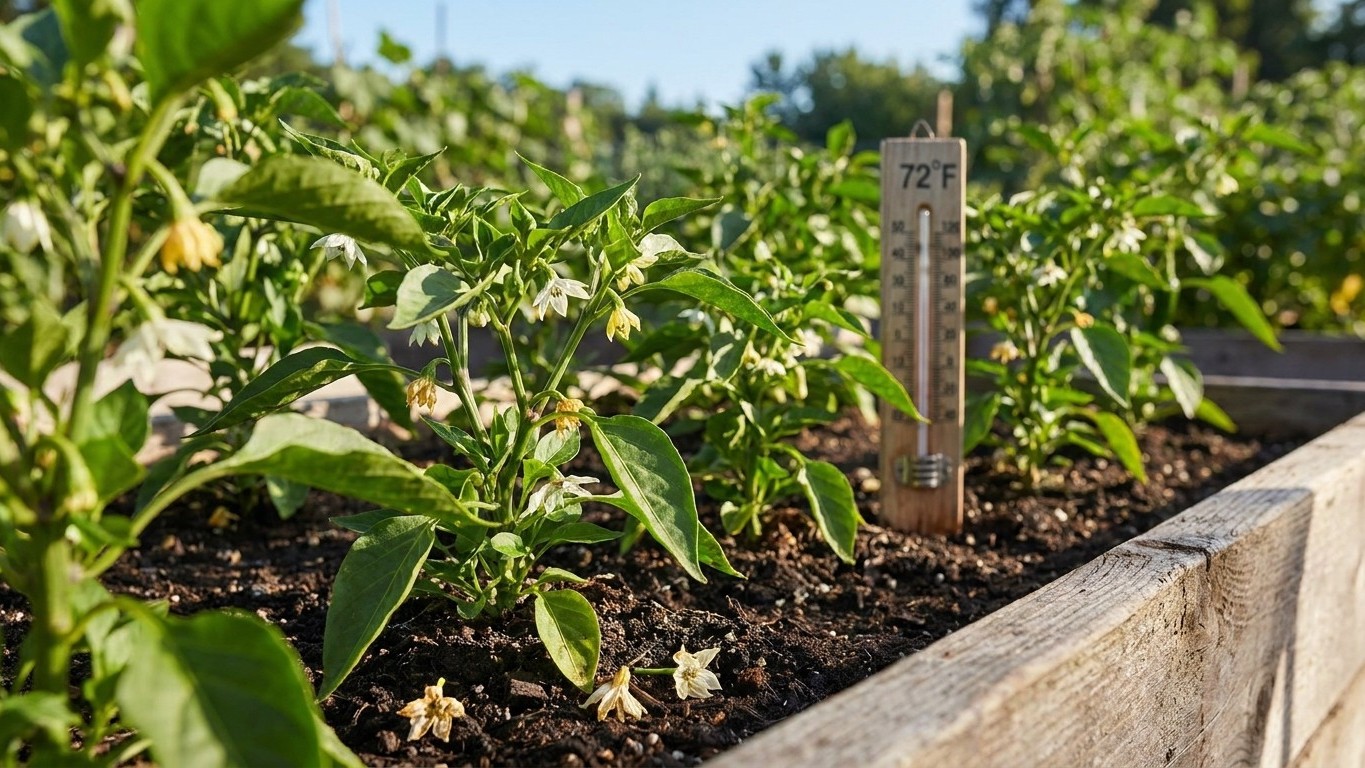
Start pepper seed indoors 8 to 10 weeks before you plan to set transplants outside, timing that back-count to when soil hits 60°F after your last frost.
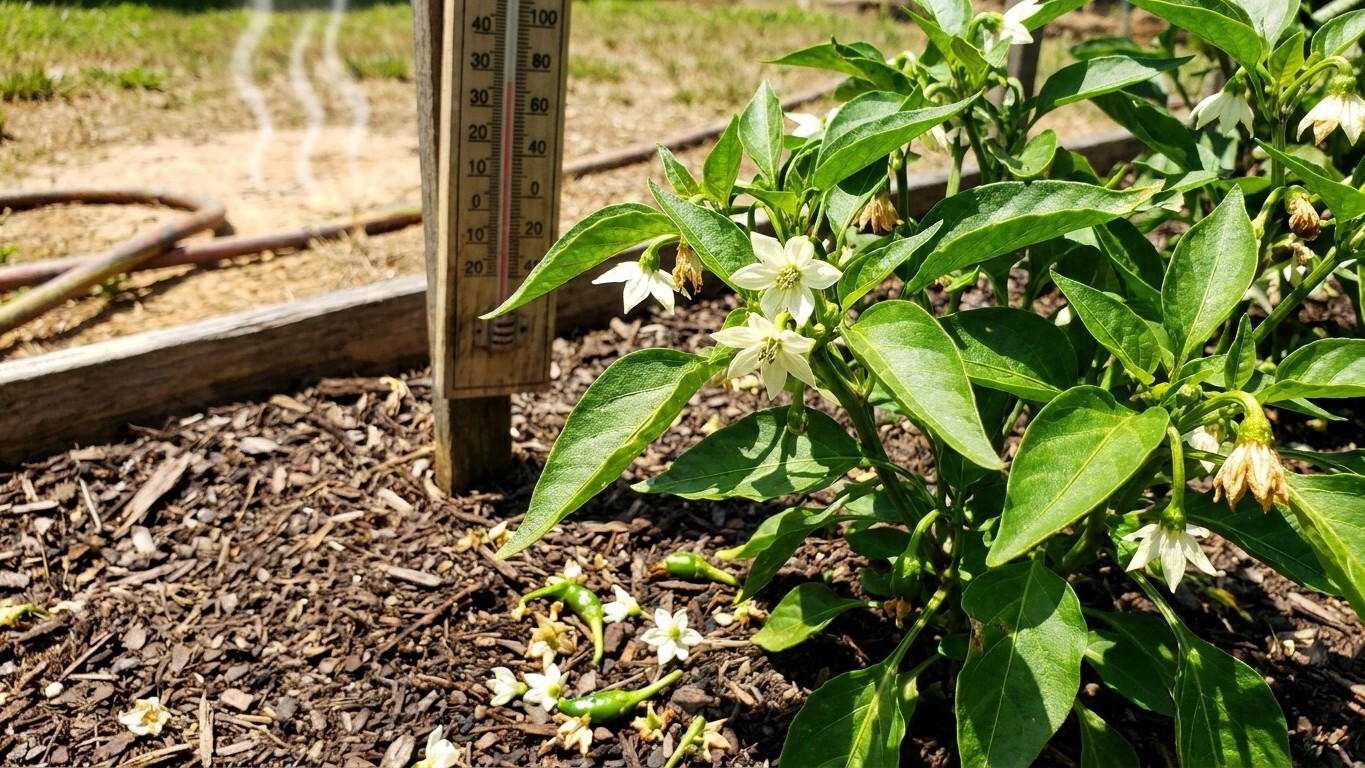
Peppers stall pollen the moment temperatures swing too far in either direction.
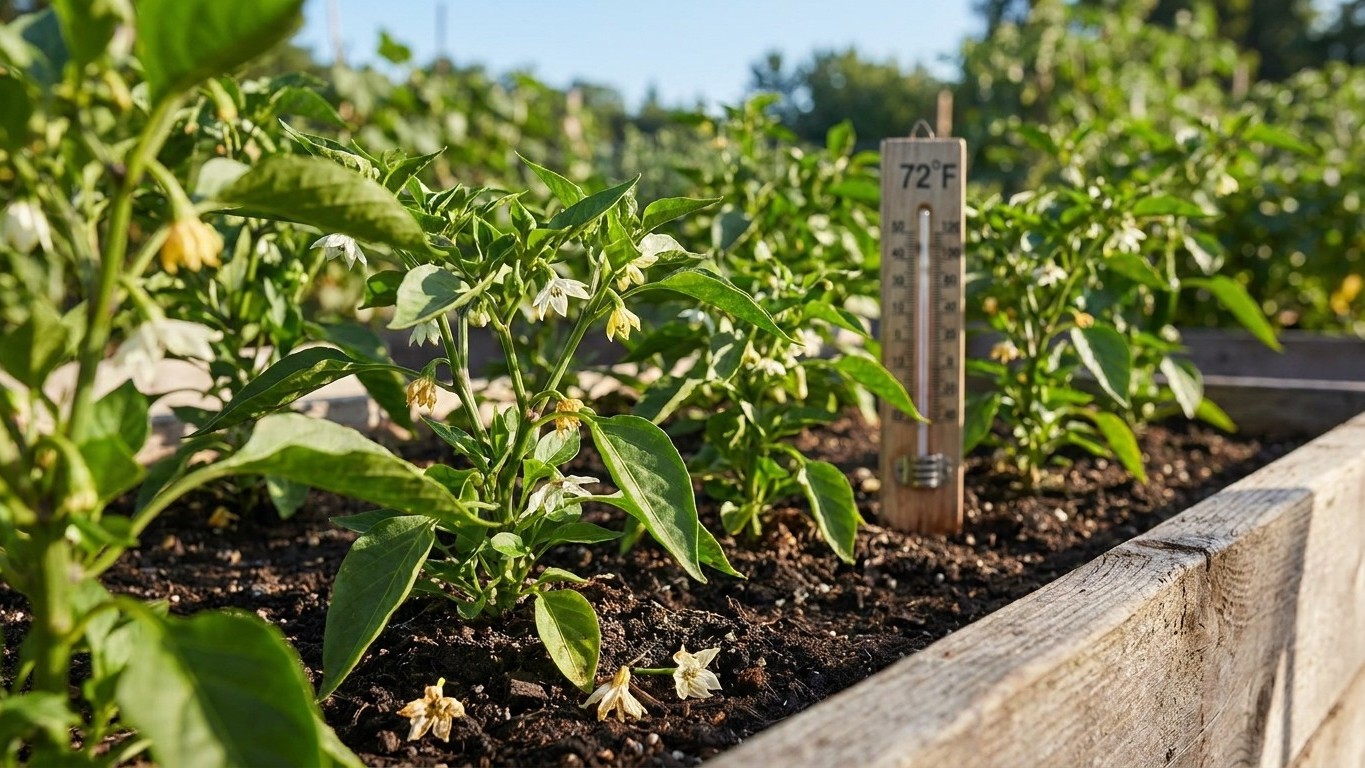
Start pepper seed indoors about 8 to 10 weeks before you plan to transplant. In the Detroit area, where the last spring frost lands around April 30, that…
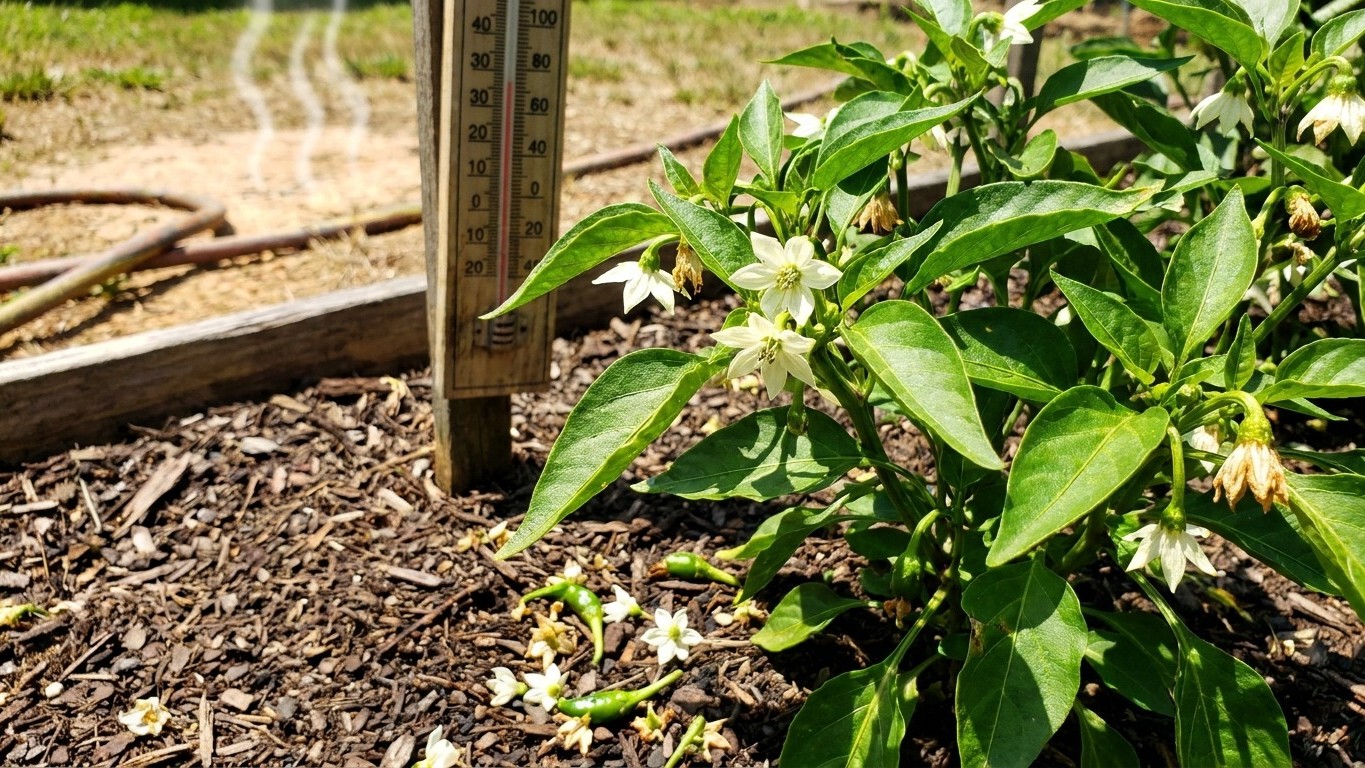
Peppers drop their blossoms in Washington gardens for one of two reasons: a run of nights below 55 F, or an afternoon that climbs past 90 F.
Massachusetts gardeners get one real shot at pepper season, and it starts on a windowsill, not in the garden bed.