Curing Onions: The Step Most Gardeners Skip
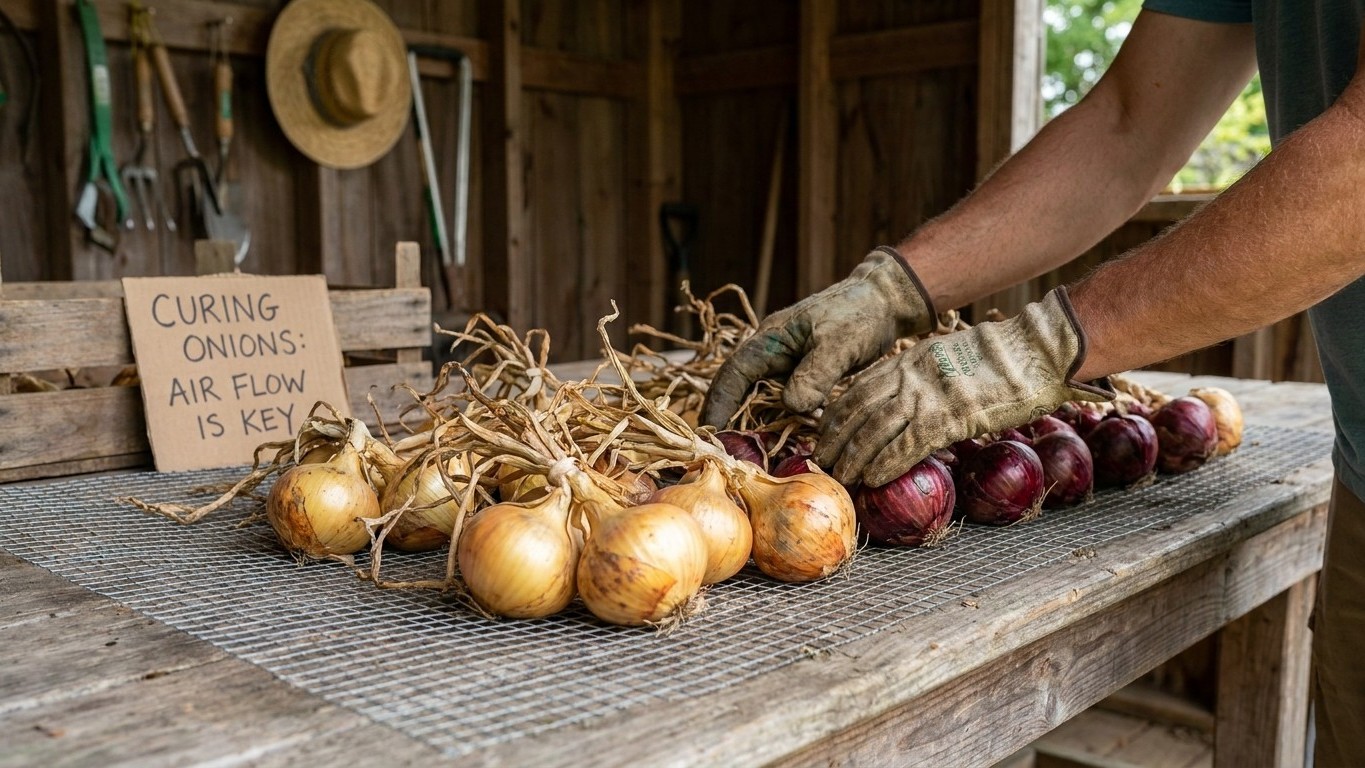
Curing dries and tightens an onion’s neck before storage, so soft necks that lead to rot never make it into the bin.
Home & garden, state by state
Curing dries and tightens an onion’s neck before storage, so soft necks that lead to rot never make it into the bin.
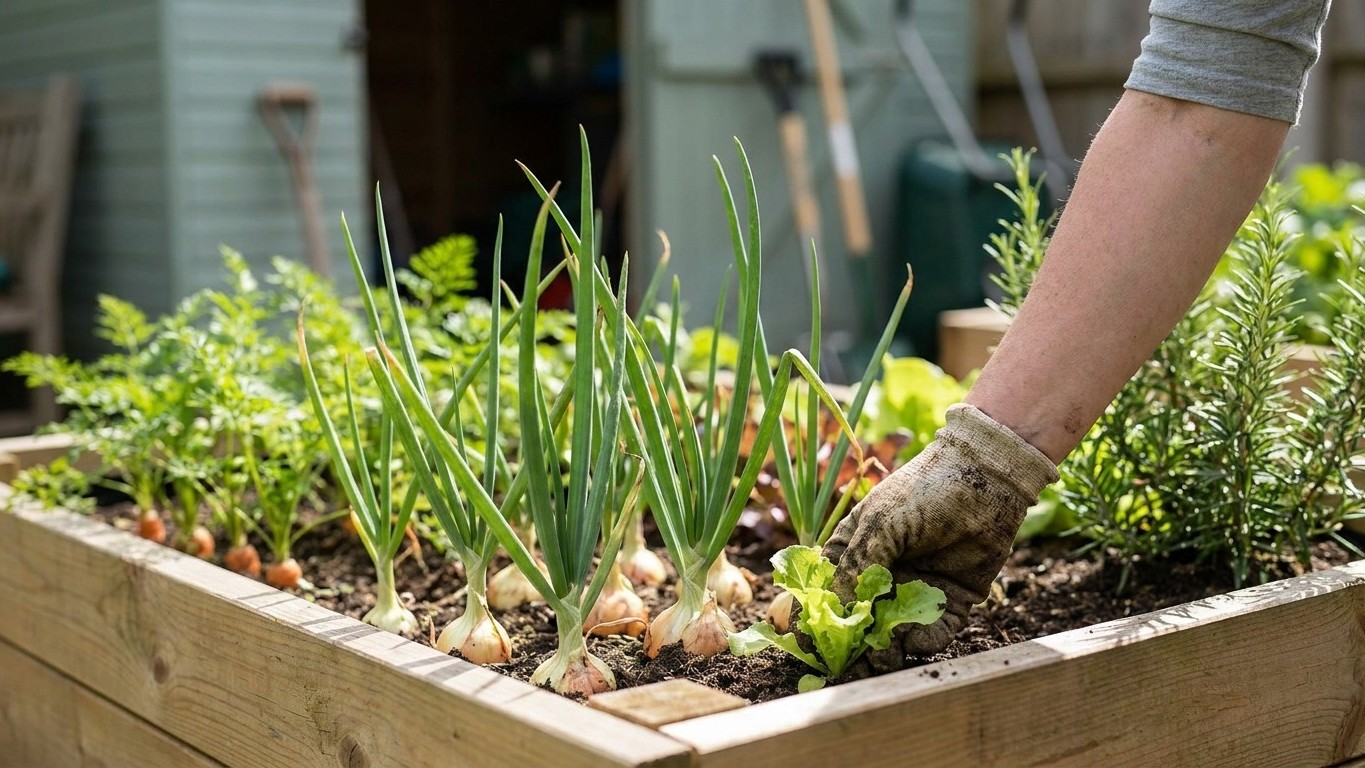
Explains why competition, not compatibility, decides what grows well beside onions, and which quick crops actually clear the bed in time.
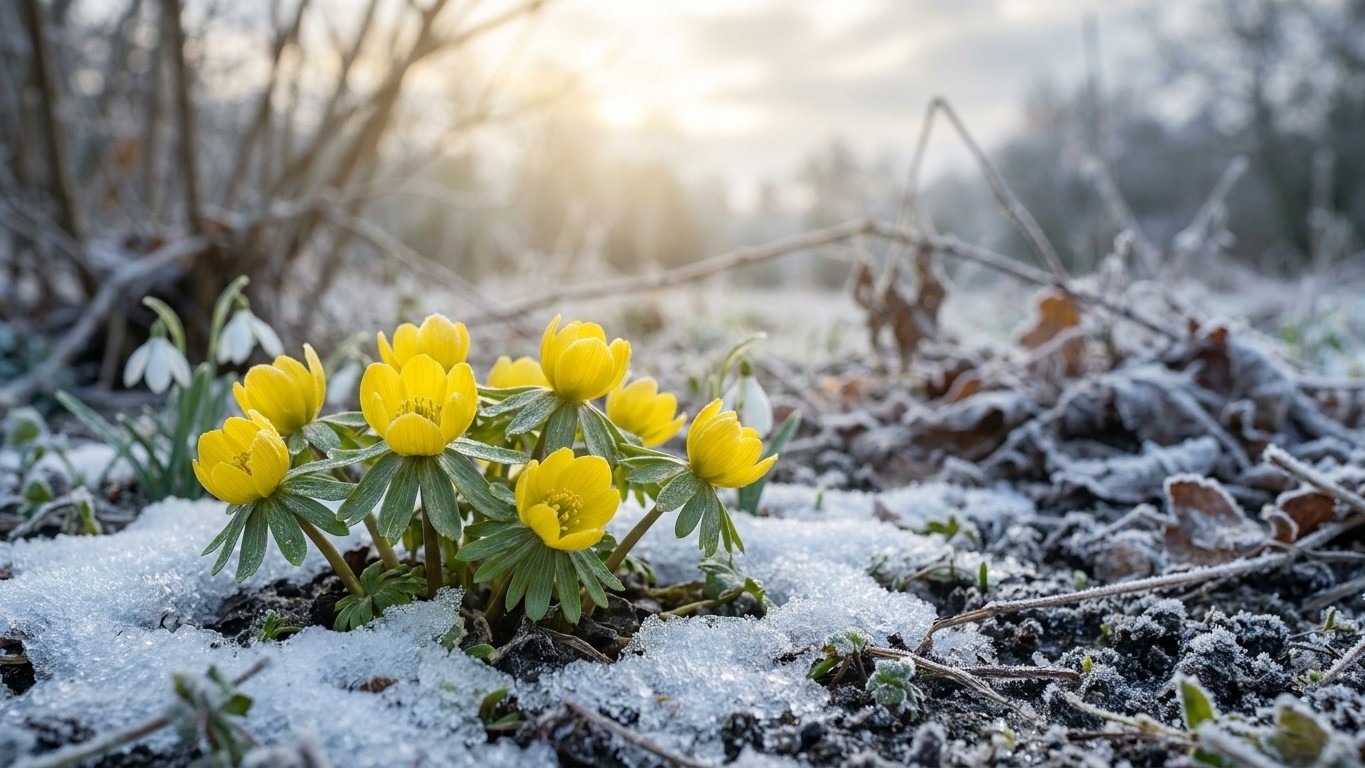
Winter aconite needs 12 to 15 weeks below 45°F to flower at all, and it lives happily in USDA zones 3 through 7 for decades once it’s settled.
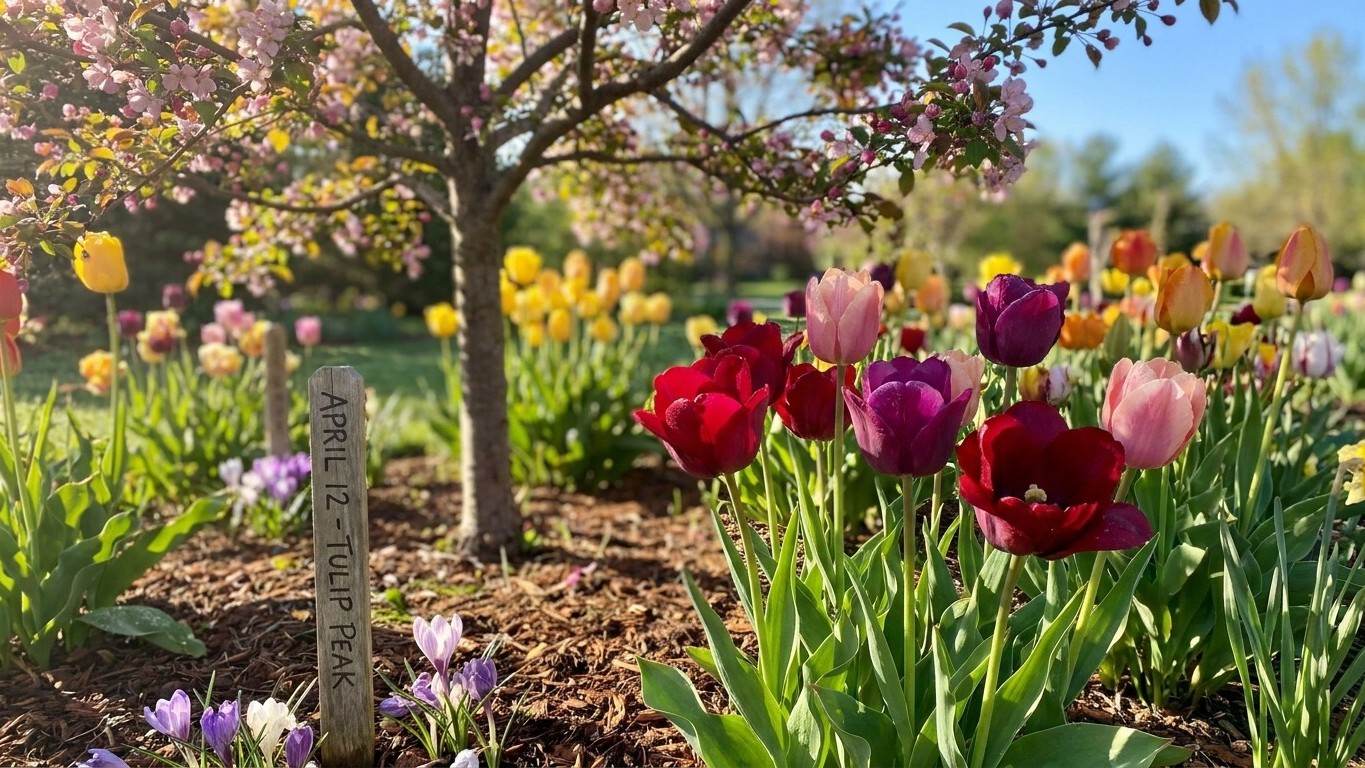
Tulip needs 12 to 14 weeks of temperatures below 45°F before it will flower, and it thrives in USDA zones 3 through 8.
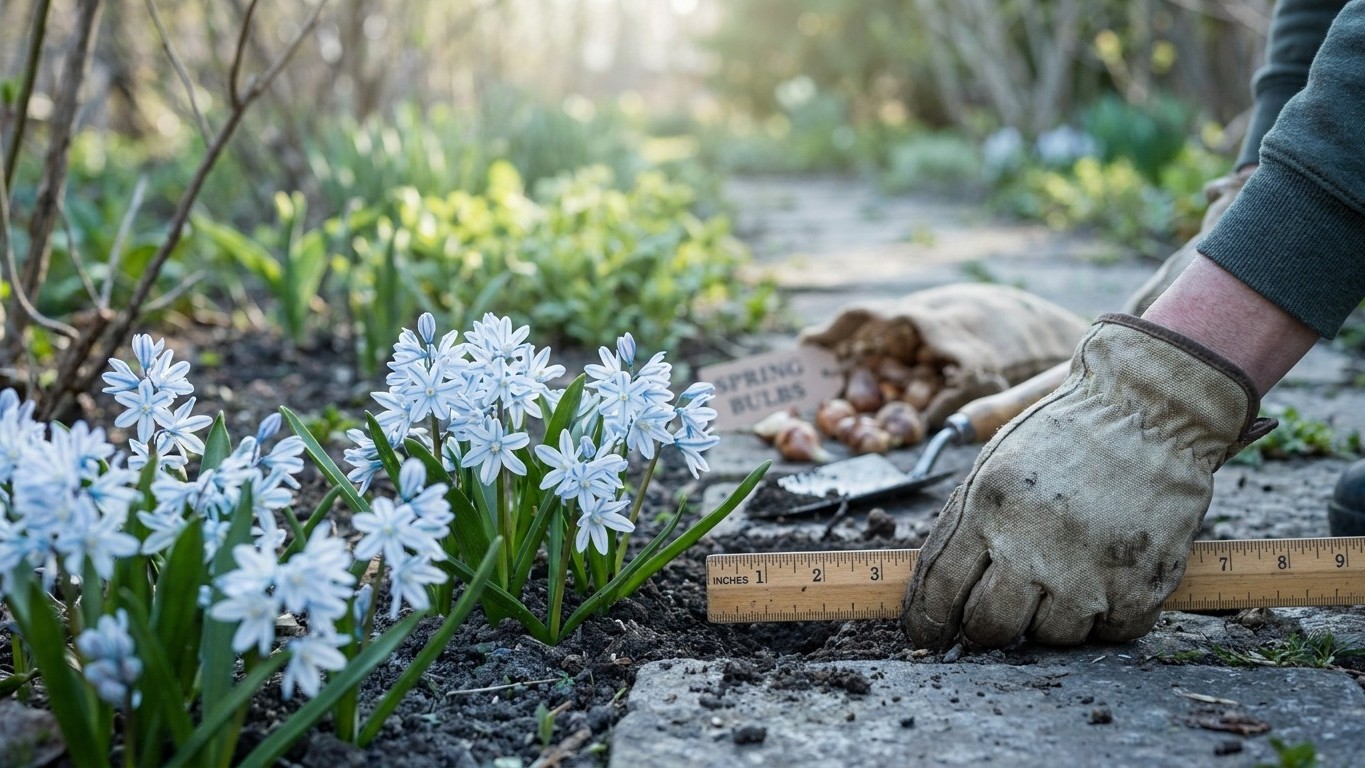
Puschkinia, better known as striped squill, needs 12 to 15 weeks of temperatures below 45°F before it flowers, and it grows reliably in USDA zones 3…
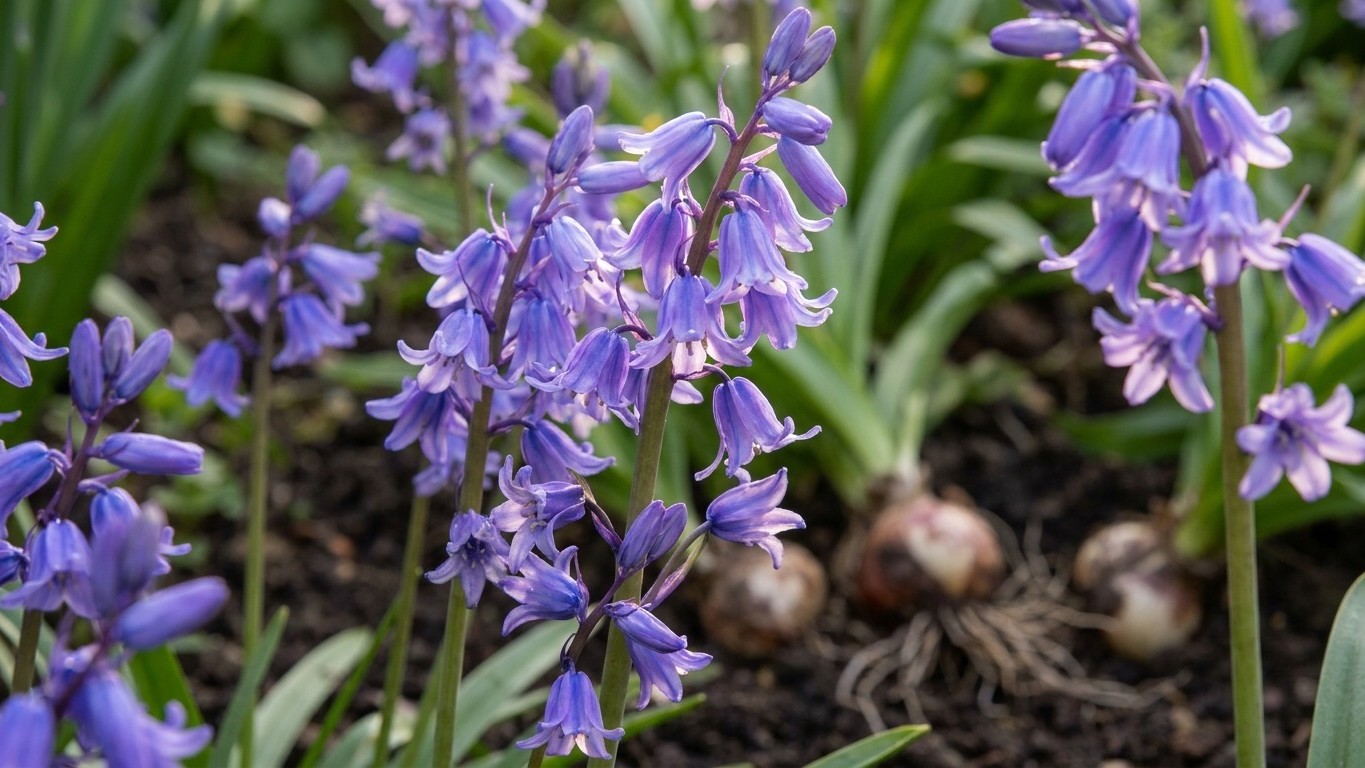
Spanish bluebell needs 12-14 weeks below 45F to flower properly, grows in USDA zones 3-8, and blooms in late spring.
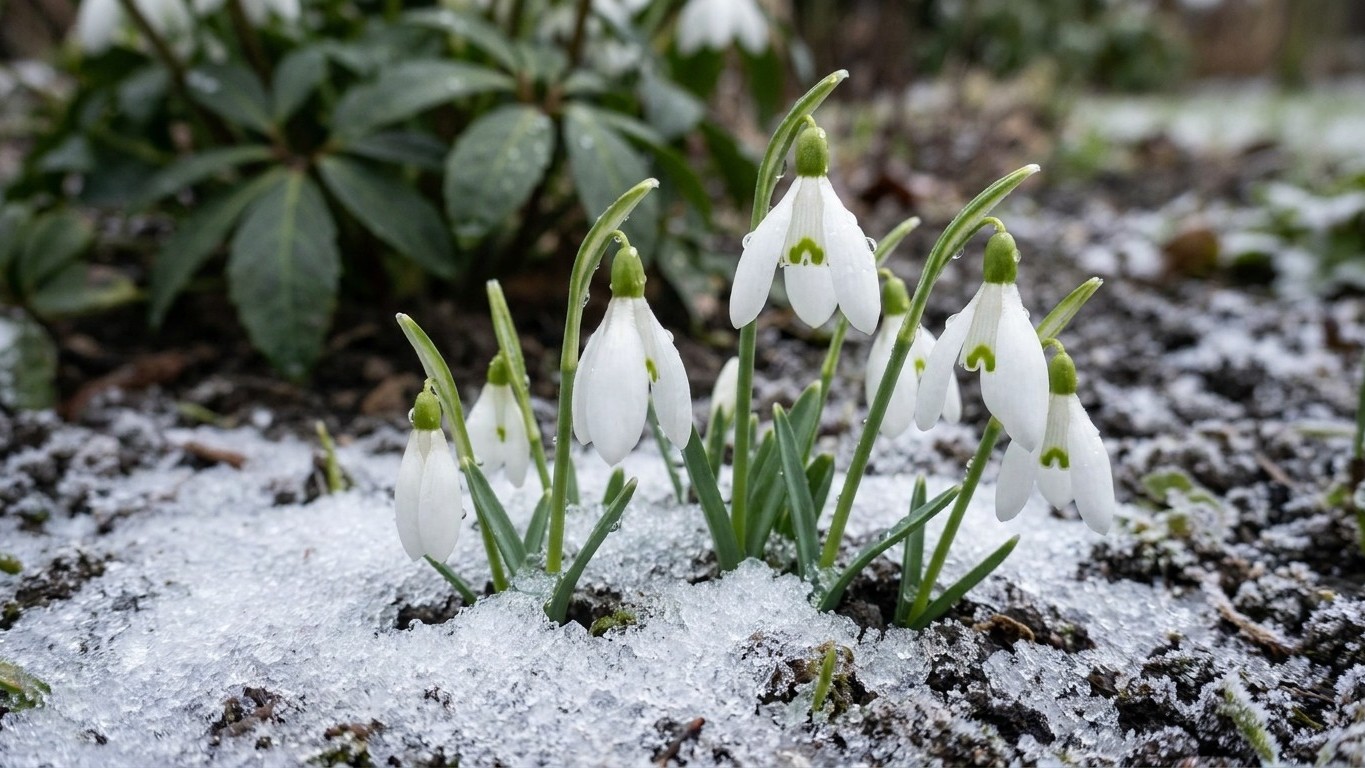
Two numbers matter before you buy a single bulb: 12 to 15 weeks below 45°F, and USDA zones 3 through 7.
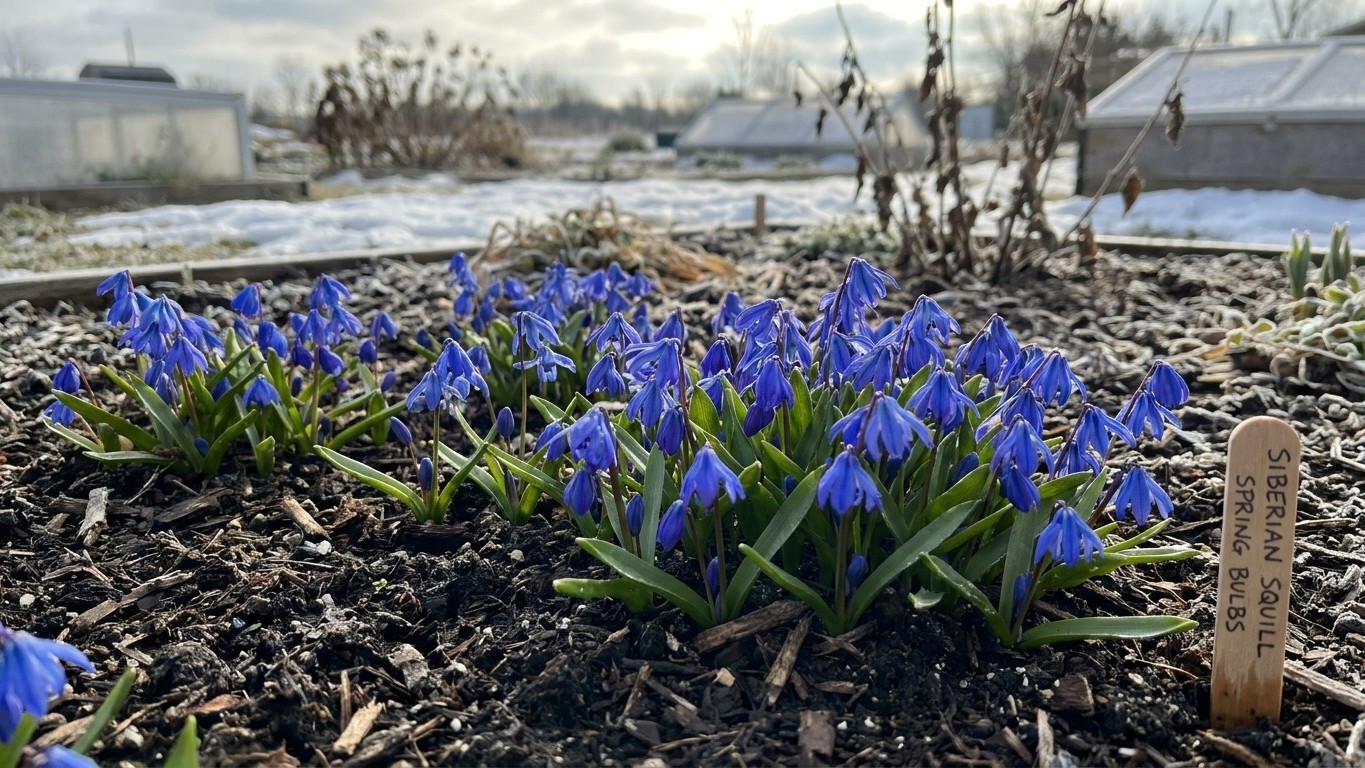
Siberian squill needs 12 to 15 weeks below 45°F to flower at all, and it’s hardy down through USDA zone 2, which makes it the toughest spring bulb sold…
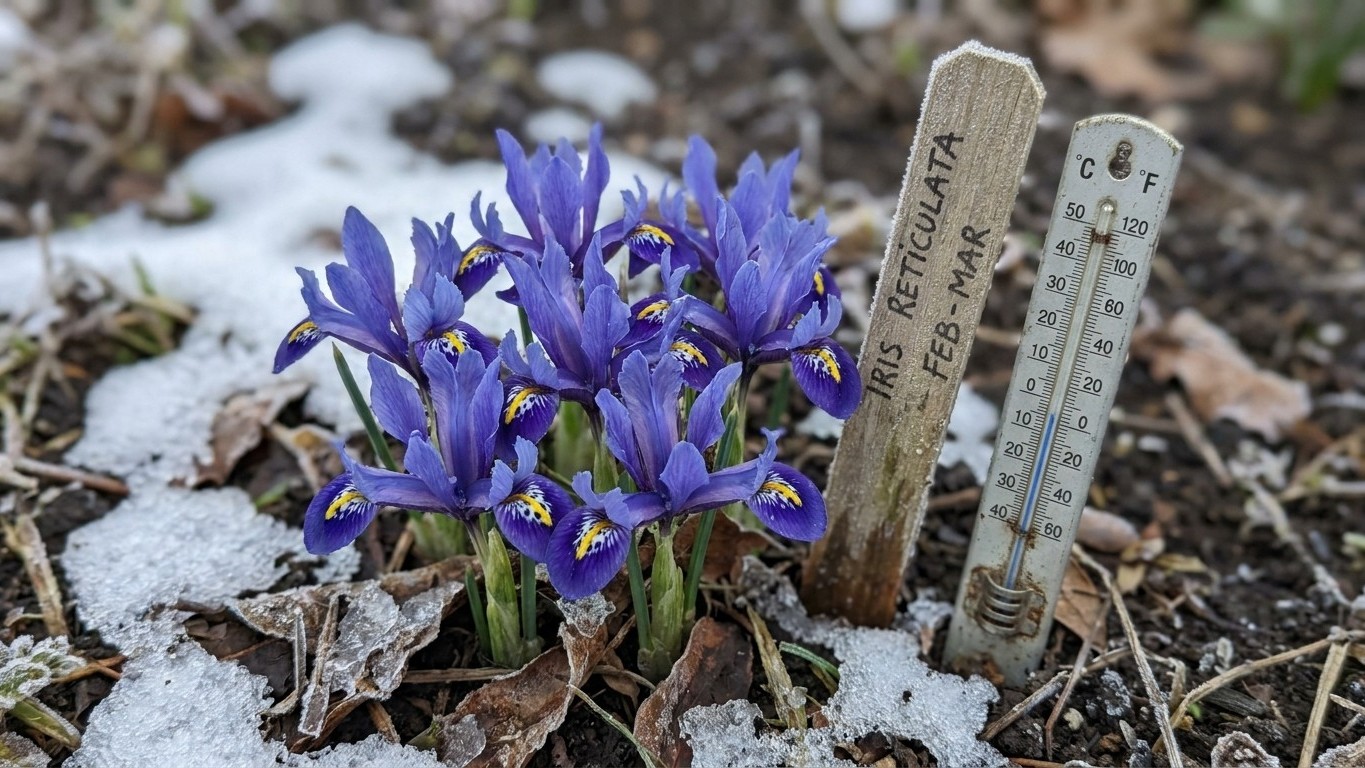
Reticulated iris needs 12 to 14 weeks below 45F to flower at all, and it survives outdoors in USDA zones 5 through 9.
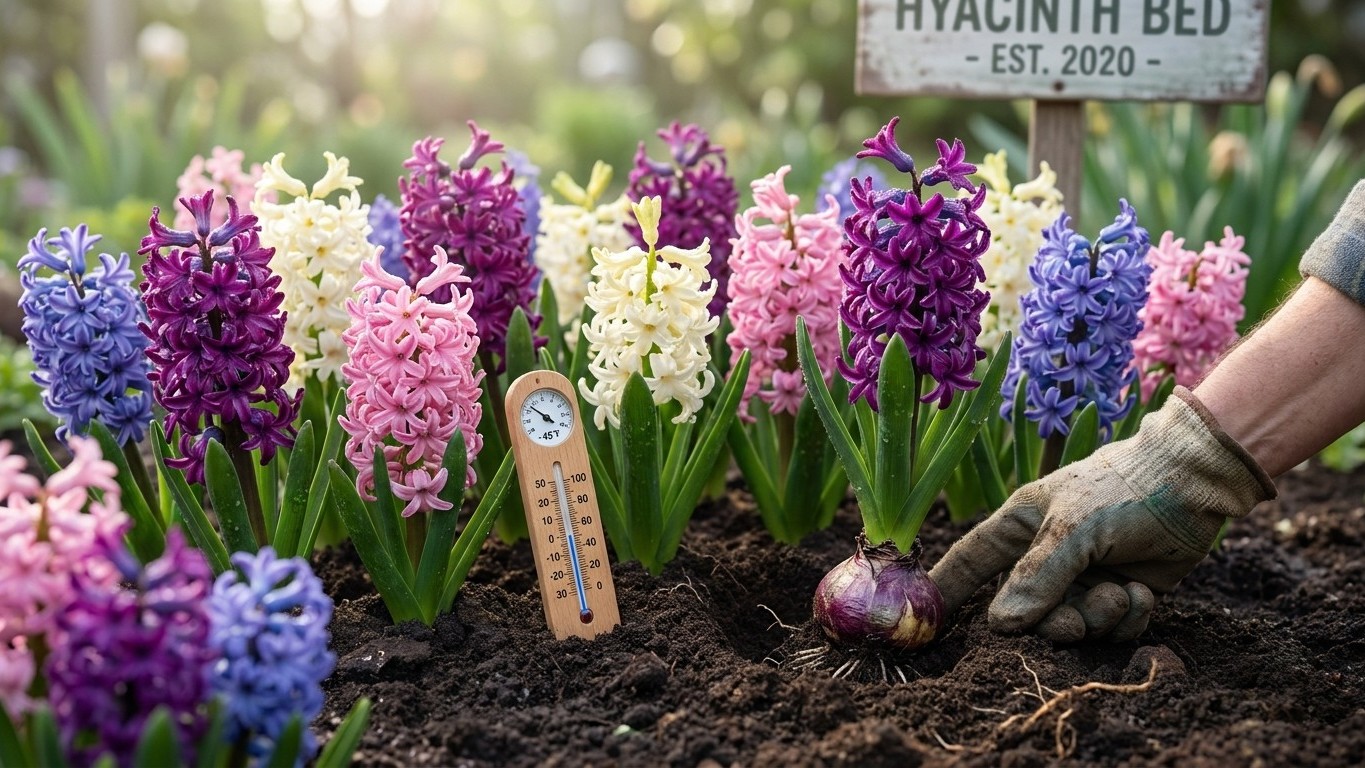
Two numbers decide whether hyacinths bloom at all: they need 12 to 14 weeks of temperatures below 45F, and they only thrive in USDA zones 4 through 8.