Tomato Planting Dates in Georgia: Counting Back From Your Frost Window

Learn how to count back from Georgia’s frost window to a safe tomato transplant date, and why one figure never fits the whole state.
Home & garden, state by state
Learn how to count back from Georgia’s frost window to a safe tomato transplant date, and why one figure never fits the whole state.
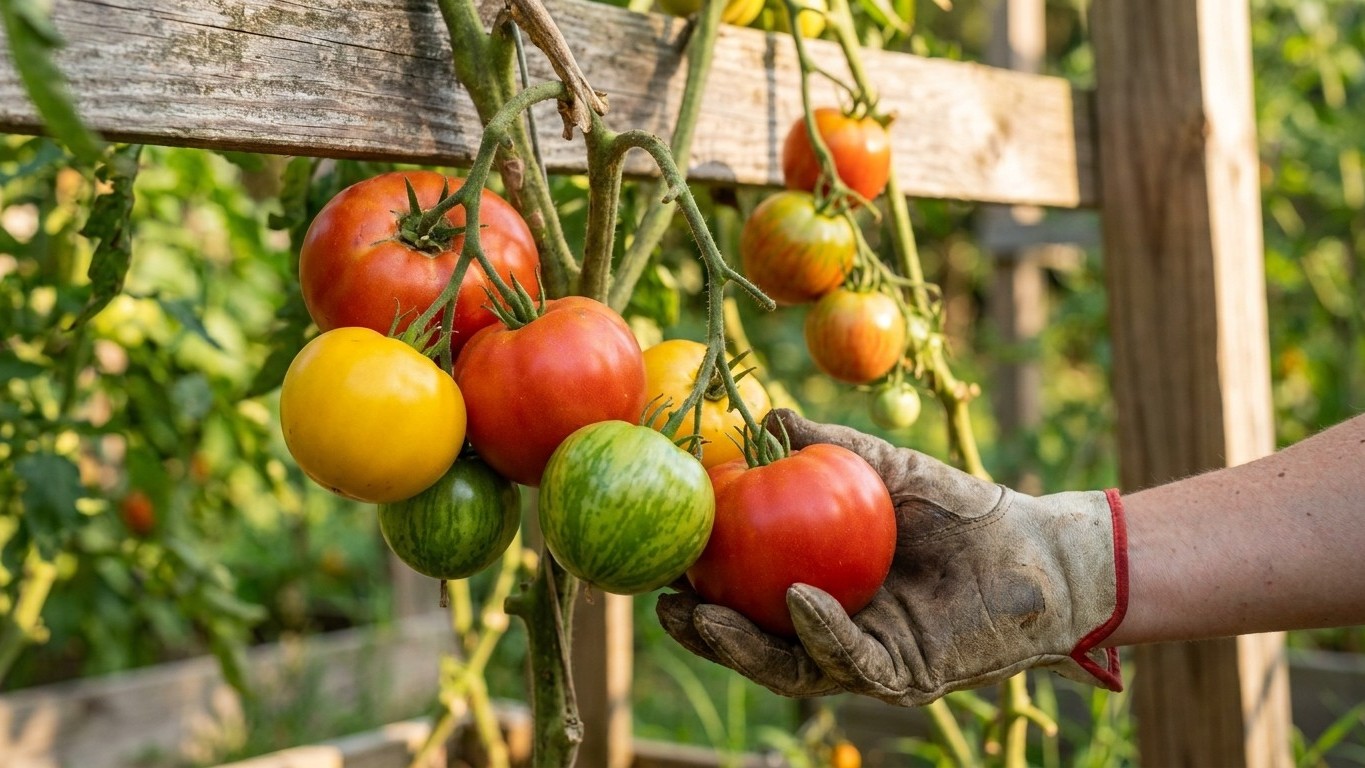
Nine tomato varieties, from 55-day cherry tomatoes to 85-day paste tomatoes, matched against Alabama’s frost window to show which ones finish with room to spare.
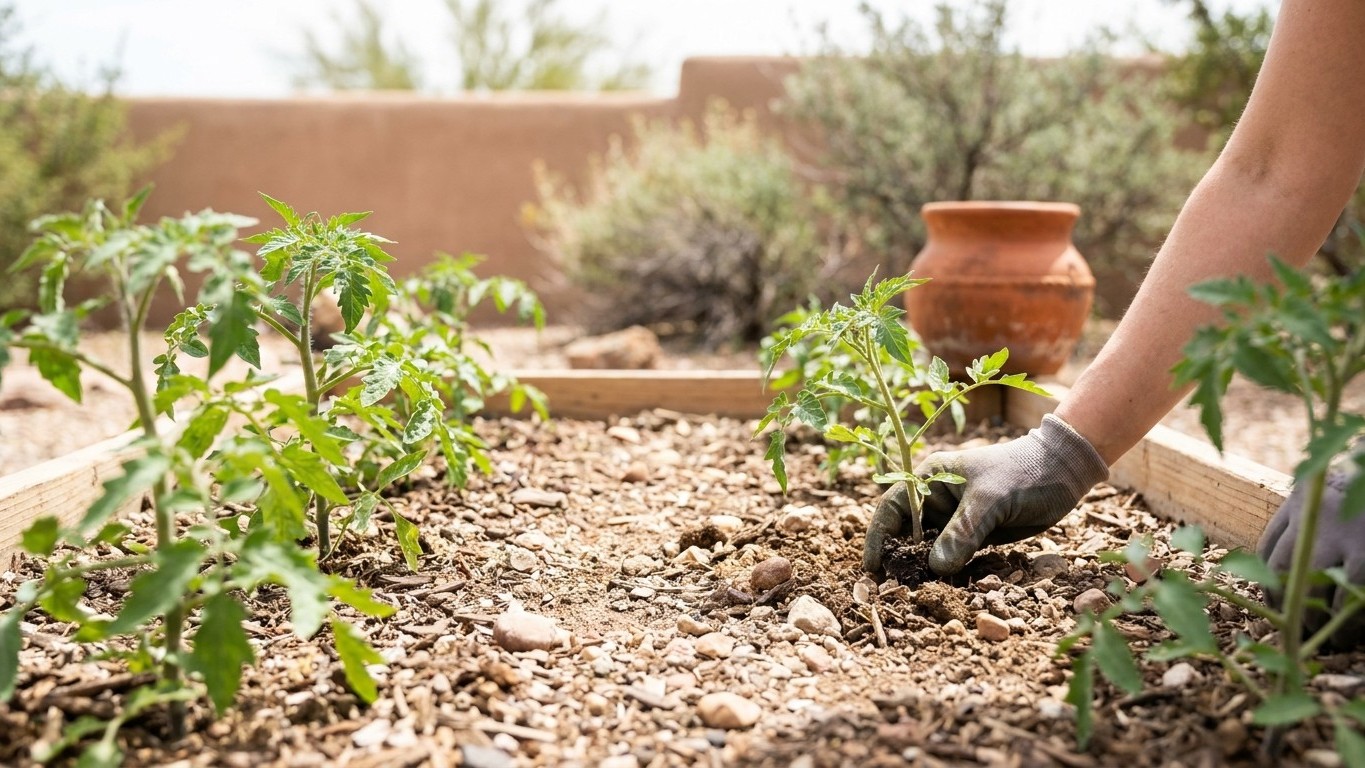
Phoenix’s frost-free winters mean tomato planting dates in Arizona’s low desert follow summer heat, not a frost calculation, while high country counties still need their own frost data.
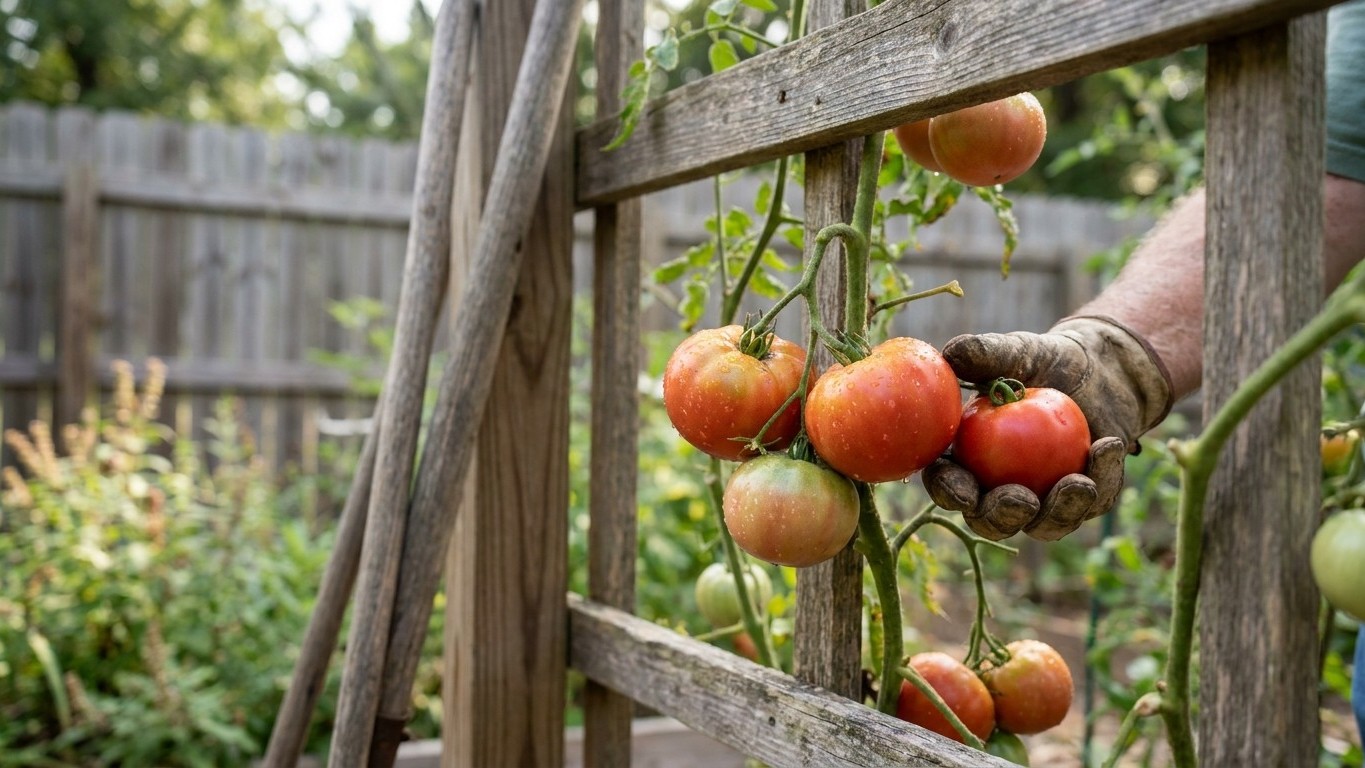
Little Rock’s frost-free window is long enough for most tomatoes to ripen; disease resistance, not days to maturity, decides the real winners here.
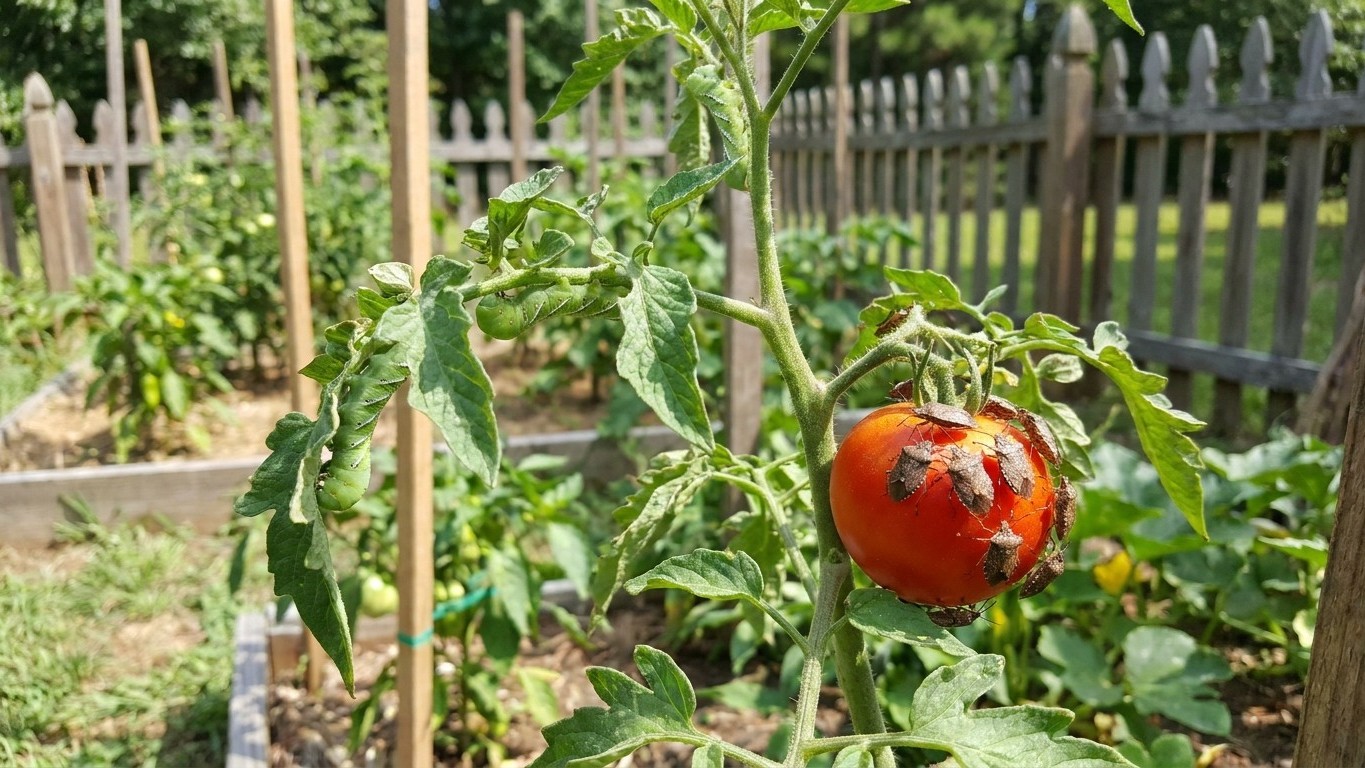
A season-by-season rundown of the tomato pests that actually appear in Alabama gardens, how to identify each one, and what controls them.
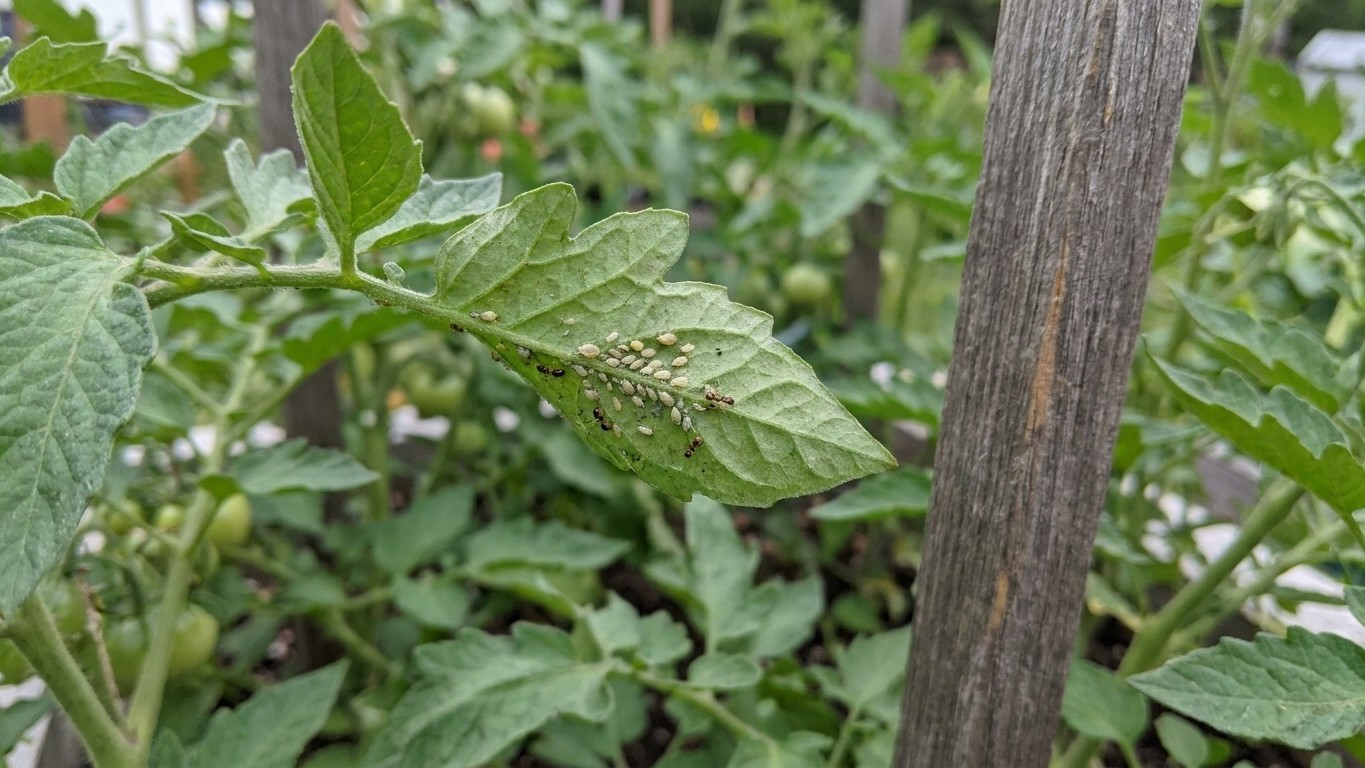
Alaska’s short season and mostly-covered growing keep out major field pests, but aphids, spider mites, whiteflies, and slugs remain common problems for tomato growers.
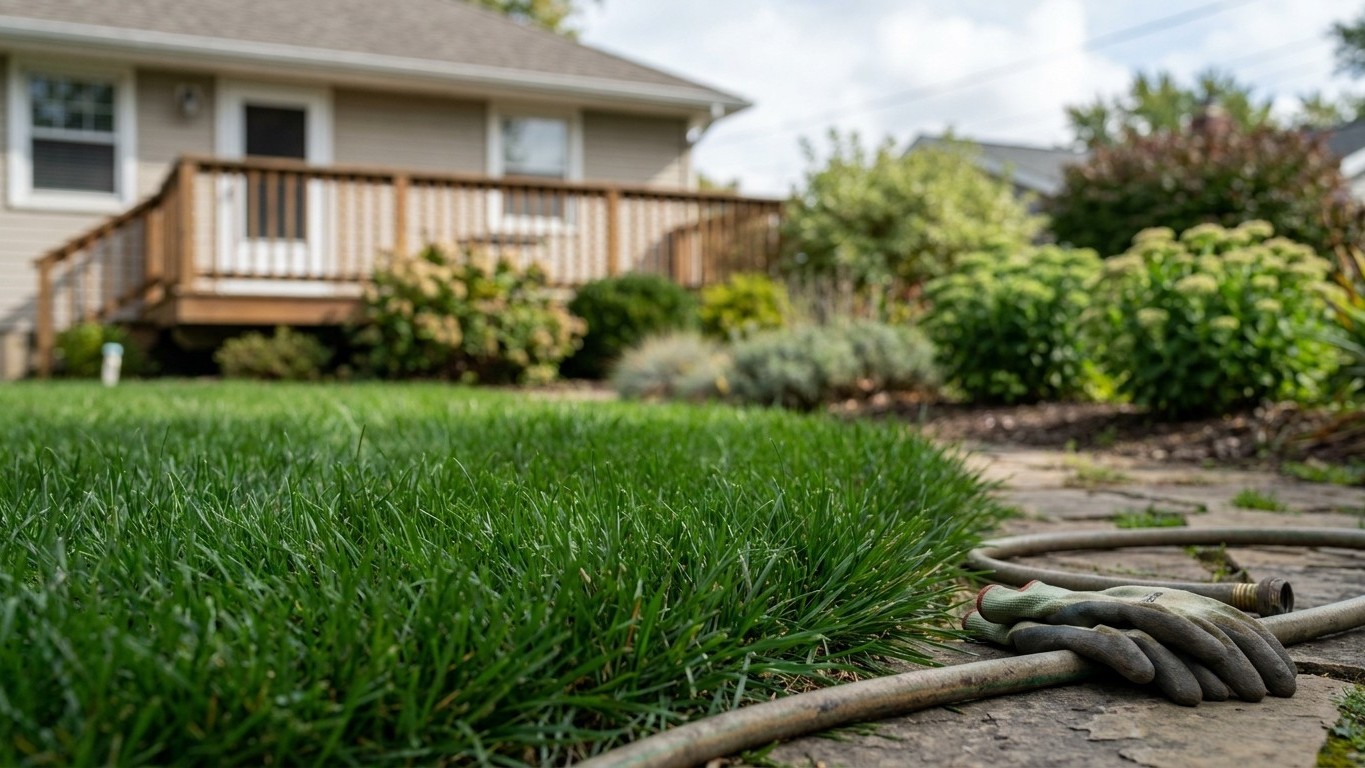
Ohio’s climate calls for cool-season grass like Kentucky bluegrass and tall fescue, established in fall and mowed tall to resist weeds and drought.
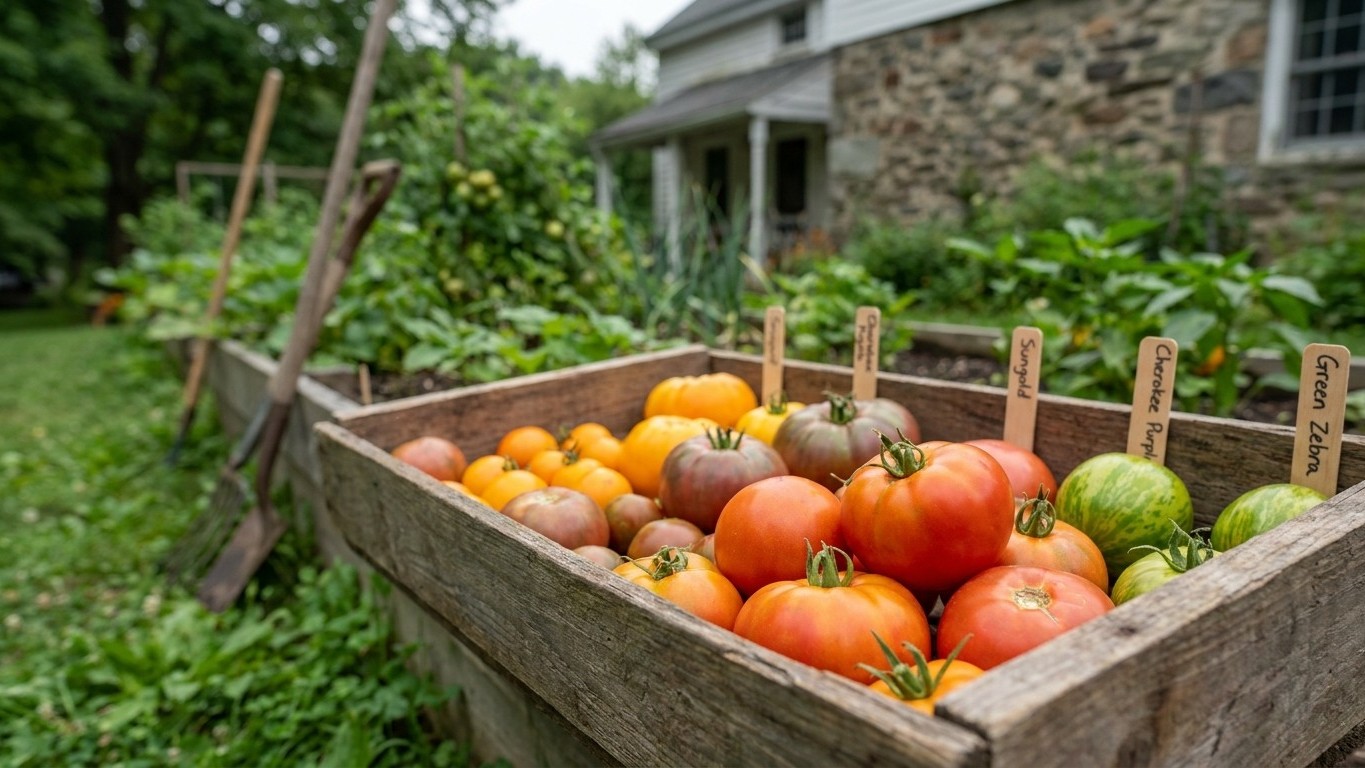
This page lists tomato varieties, from 55-day cherries to 85-day pastes, that finish ripening before Connecticut’s average fall frost date.
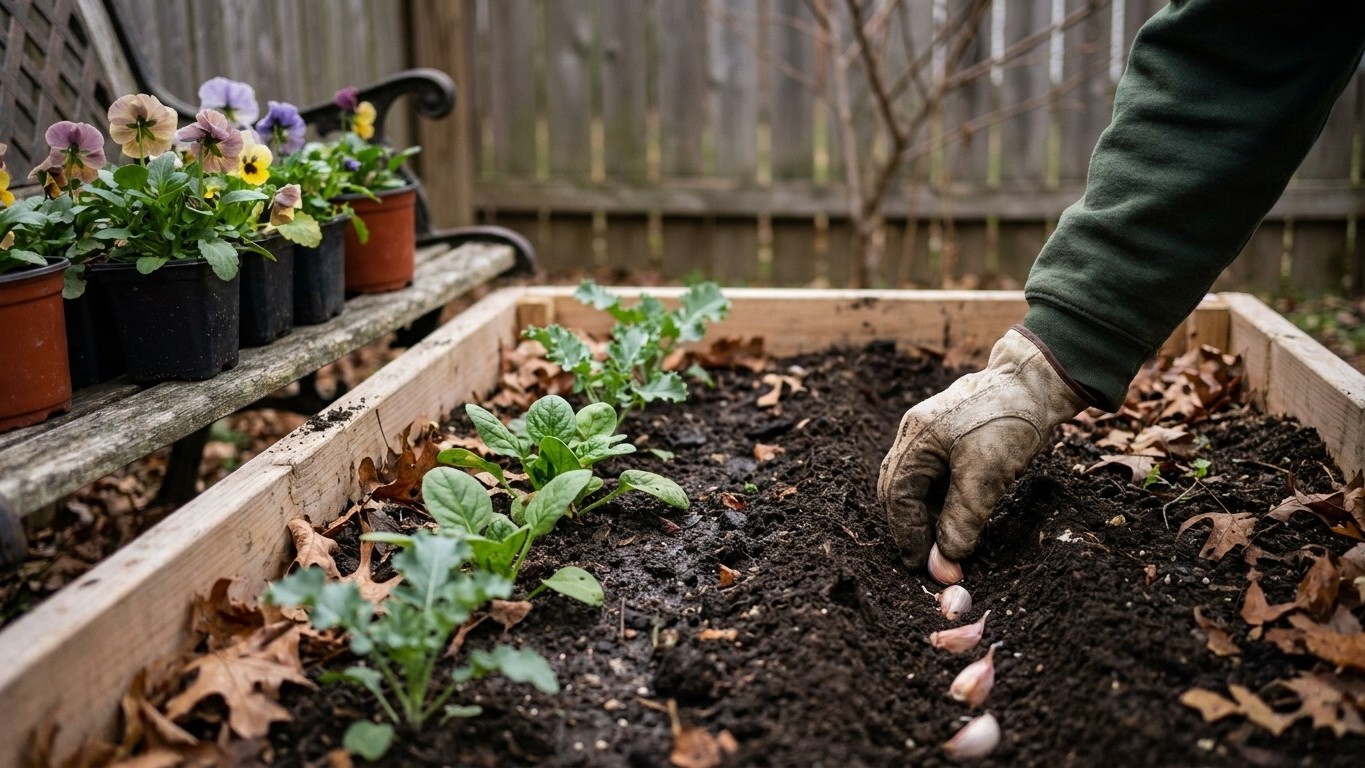
Garlic, shallots and cold-frame greens are the only safe October plantings in Ohio, while OSU Extension’s fall frost window closes out everything tender.
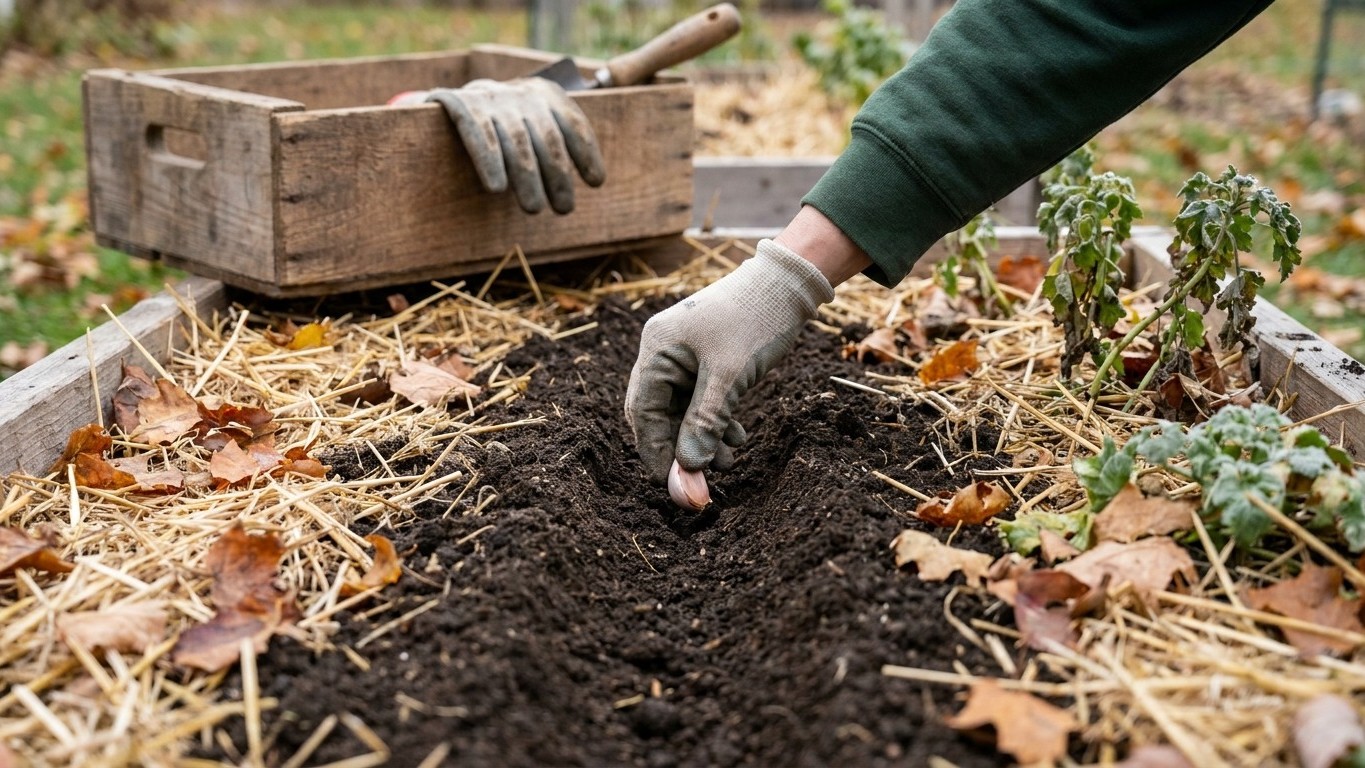
A month-by-month look at what Ohio gardeners can still plant, harvest, and prepare once the fall frost window has passed.