Skip to content

The Homestead Post

Home & garden, state by state

  • Home
  • Garden
    • Flowers
    • Lawn
    • Soil & Compost
    • Trees & Shrubs
    • Vegetables
  • Home Care
    • Electrical
    • Foundations
    • HVAC
    • Plumbing
    • Roofing
  • Energy
    • Heating & Cooling
    • Insulation
    • Rebates & Credits
    • Solar
  • Pests
    • Ants
    • Mosquitoes
    • Rodents
    • Termites
    • Ticks
  • Decor
    • Bedrooms
    • Kitchens
    • Living Rooms
    • Outdoor Spaces
  • DIY
    • Repairs
    • Tools
    • Weekend Projects
  • State Guides
    • Northeast
      • Connecticut
      • Maine
      • Massachusetts
      • New Hampshire
      • New Jersey
      • New York
      • Pennsylvania
      • Rhode Island
      • Vermont
    • Southeast
      • Alabama
      • Arkansas
      • Delaware
      • Florida
      • Georgia
      • Kentucky
      • Louisiana
      • Maryland
      • Mississippi
      • North Carolina
      • South Carolina
      • Tennessee
      • Virginia
      • West Virginia
    • Midwest
      • Illinois
      • Indiana
      • Iowa
      • Kansas
      • Michigan
      • Minnesota
      • Missouri
      • Nebraska
      • North Dakota
      • Ohio
      • South Dakota
      • Wisconsin
    • Southwest
      • Arizona
      • New Mexico
      • Oklahoma
      • Texas
    • West
      • Alaska
      • California
      • Colorado
      • Hawaii
      • Idaho
      • Montana
      • Nevada
      • Utah
      • Wyoming
    • Pacific Northwest
      • Oregon
      • Washington
    • Canada
      • Alberta
      • British Columbia
      • Manitoba
      • New Brunswick
      • Newfoundland and Labrador
      • Northwest Territories
      • Nova Scotia
      • Nunavut
      • Ontario
      • Prince Edward Island
      • Quebec
      • Saskatchewan
      • Yukon

Holes and Tunnels in Sweet Potato Roots
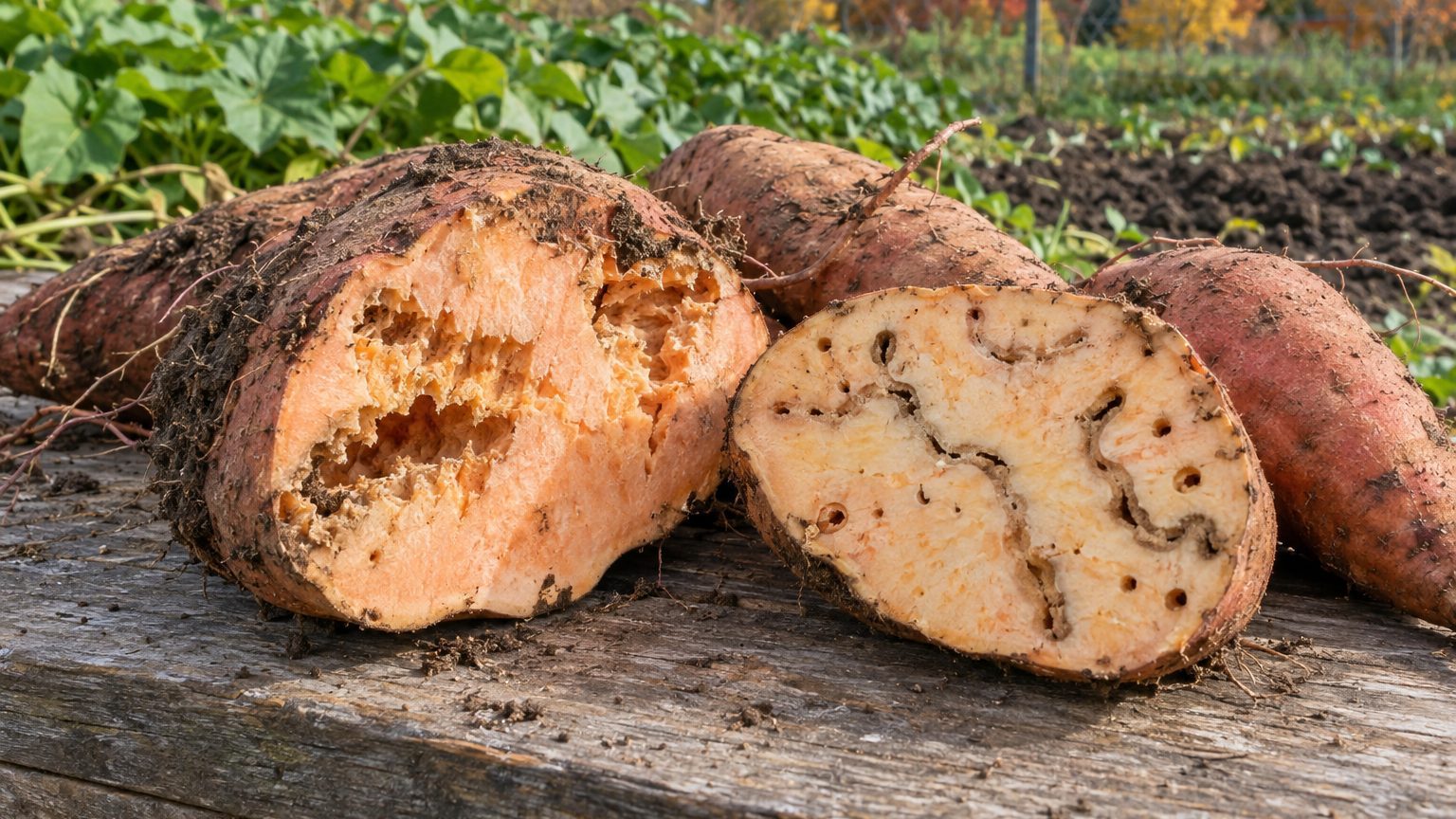
Holes and Tunnels in Sweet Potato Roots

Big, ragged gouges with paired tooth grooves along the edges are voles. Narrow tunnels and pinholes running through the flesh, often with a tiny entry…
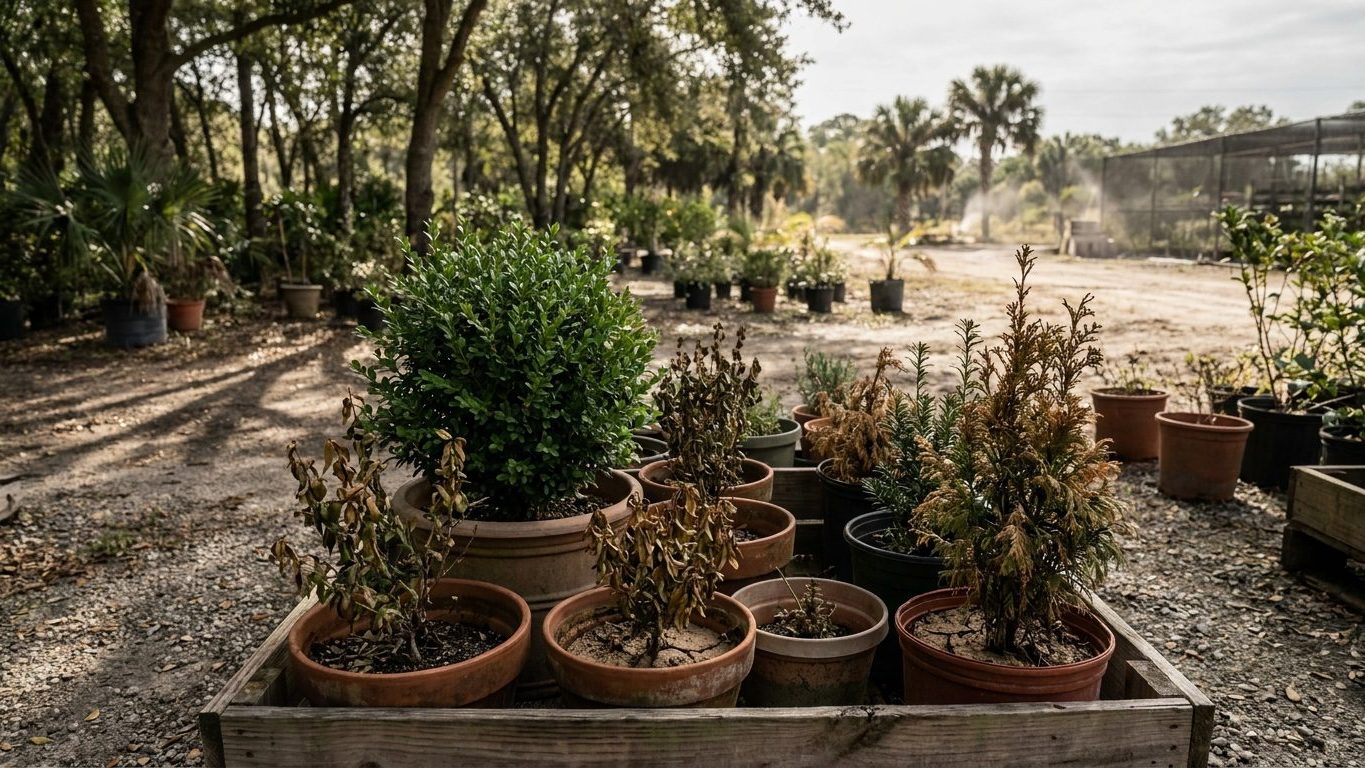
Hedge Plants for Montana: What Holds, and What Only Looks Hardy

Hedge Plants for Montana: What Holds, and What Only Looks Hardy

Montana’s hedge palette is narrower than most nursery catalogs suggest. Of the twelve hedge species tracked here, six hold across the state’s full USDA…
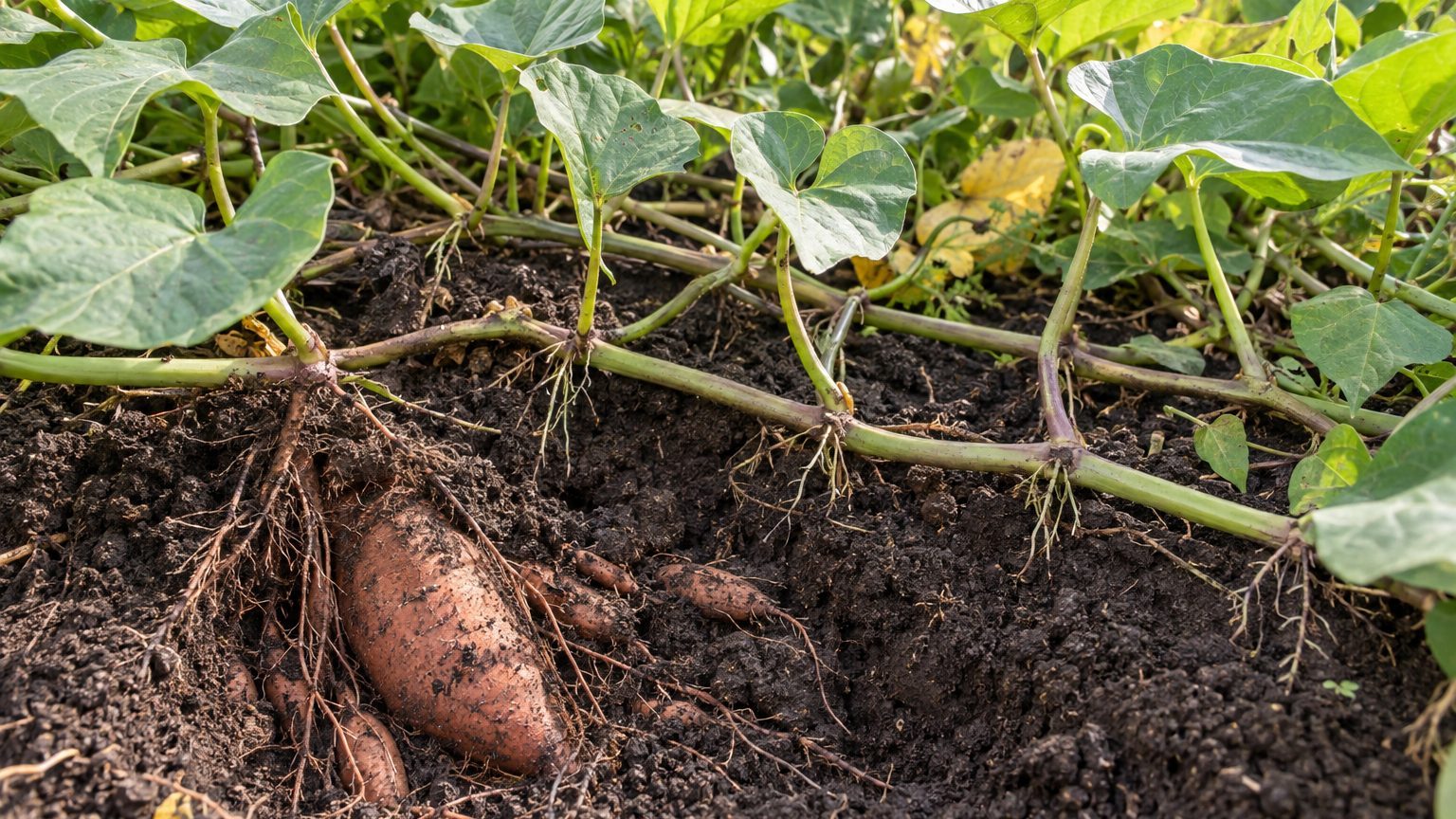
Sweet Potato Vines: Leave Them or Lift Them

Sweet Potato Vines: Leave Them or Lift Them

Leave most of them. The vines are the plant’s solar panels, and cutting them back costs the roots underneath.
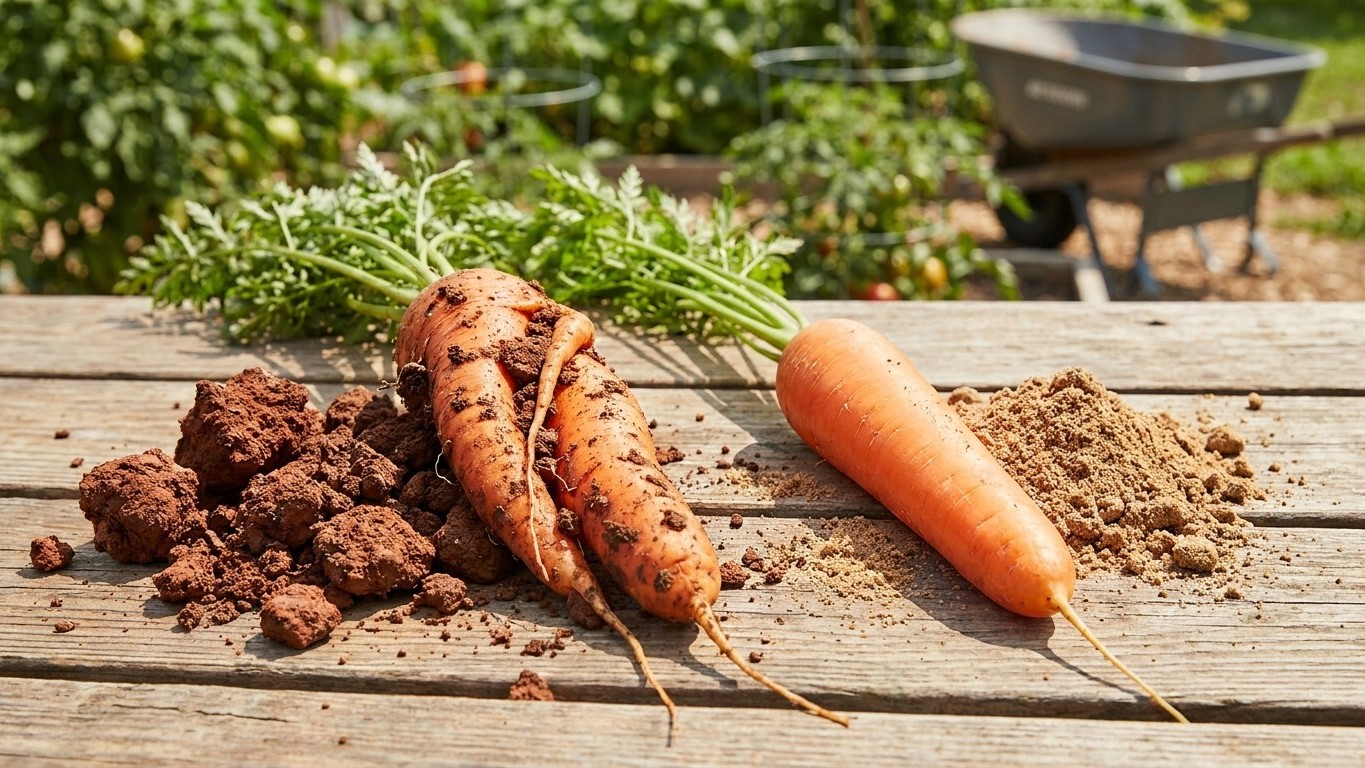
When to Pull Carrots in Manitoba, and How to Keep Them

Freshly harvested carrots with attached greens and soil displayed on a wooden surface in a garden setting.

Carrots are ready when the shoulders at the soil line have swelled to the width the seed packet promises.
Orange, White and Purple: Which Sweet Potato to Grow

Orange, White and Purple: Which Sweet Potato to Grow

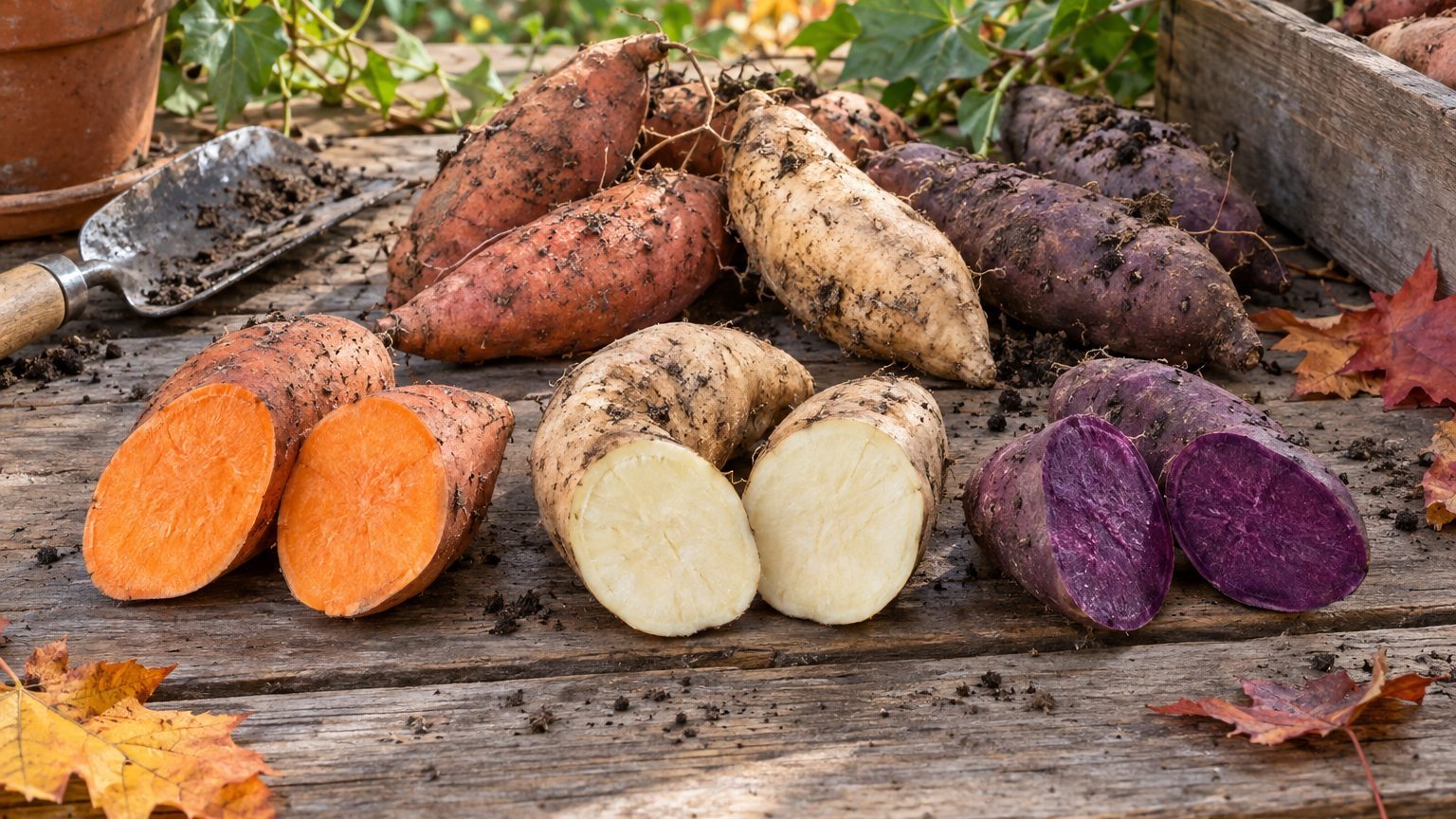
Start with an orange-fleshed type. It is the soft, moist, sweet sweet potato most American cooks expect, and it is the easiest one to judge in the kitchen.
Sweet Potatoes and Yams Are Not the Same Thing

Sweet Potatoes and Yams Are Not the Same Thing

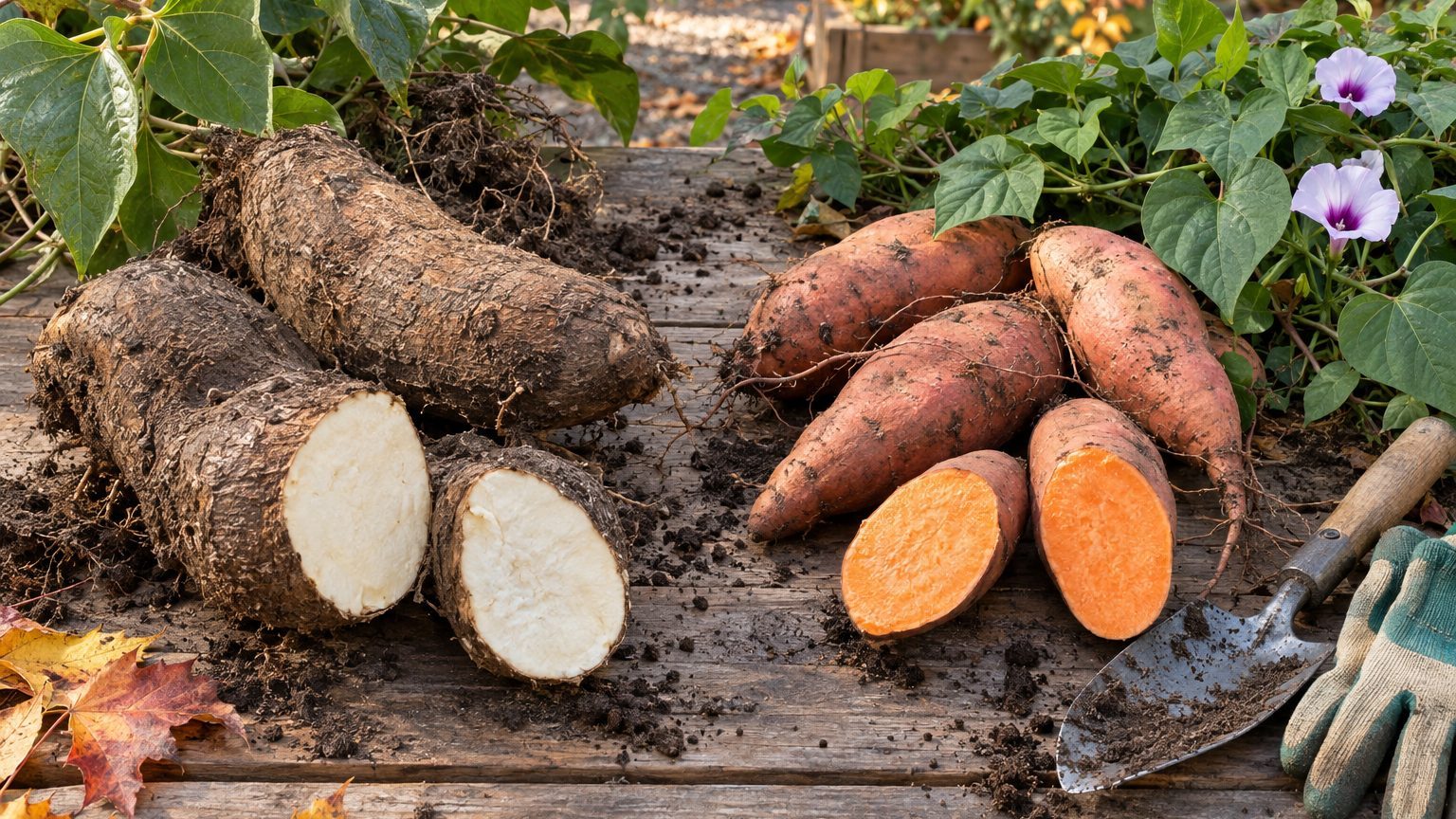
Nearly every “yam” in an American grocery store is a sweet potato. True yams are a separate plant: tropical, rough-skinned, and rare outside specialty…
Storing Sweet Potatoes: Never in the Cold

Storing Sweet Potatoes: Never in the Cold

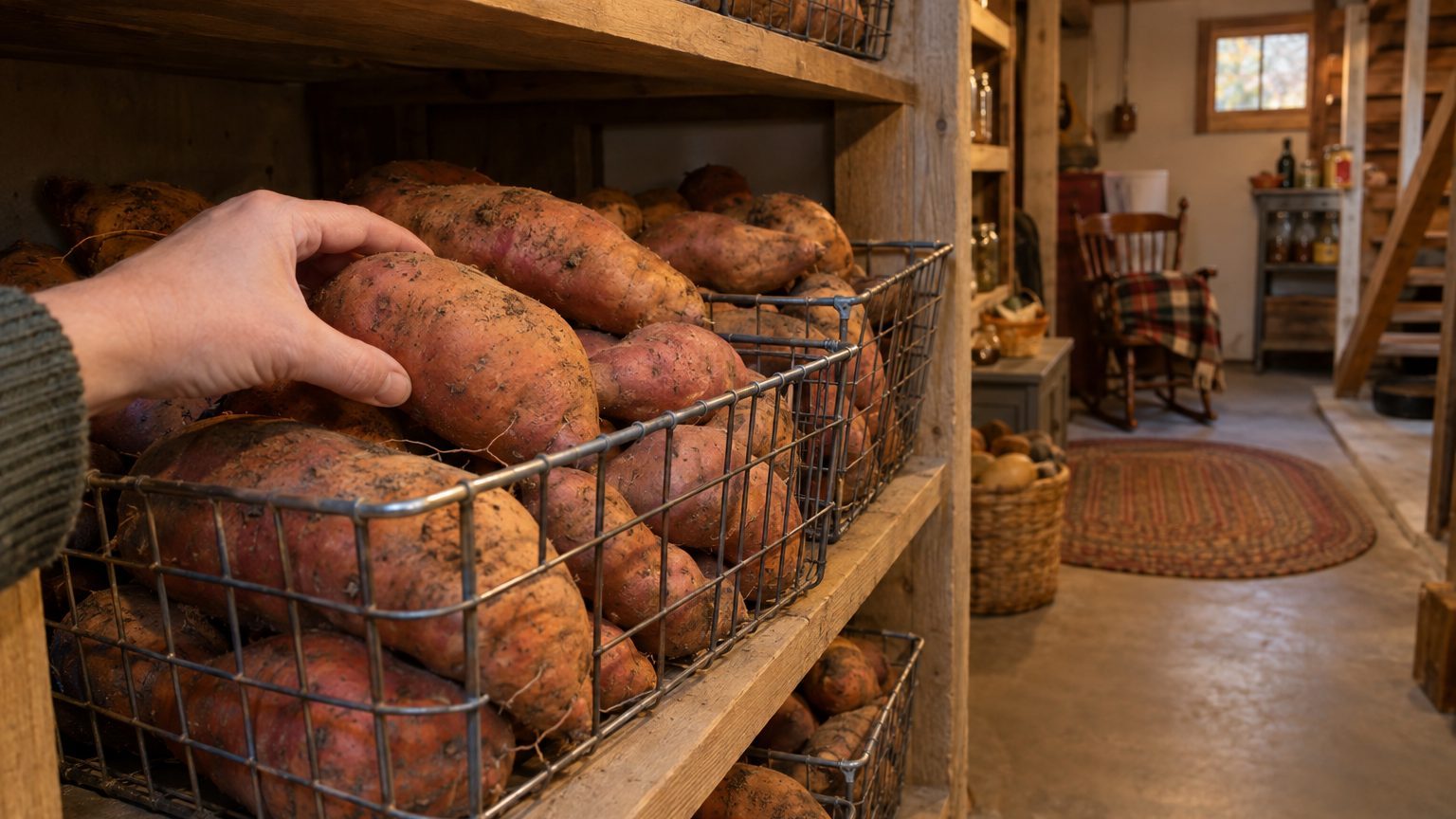
Cured sweet potatoes belong in a dark, ventilated spot inside the living part of the house, holding somewhere around 55 to 60°F.
Sweet Potatoes That Spoil After Harvest

Sweet Potatoes That Spoil After Harvest

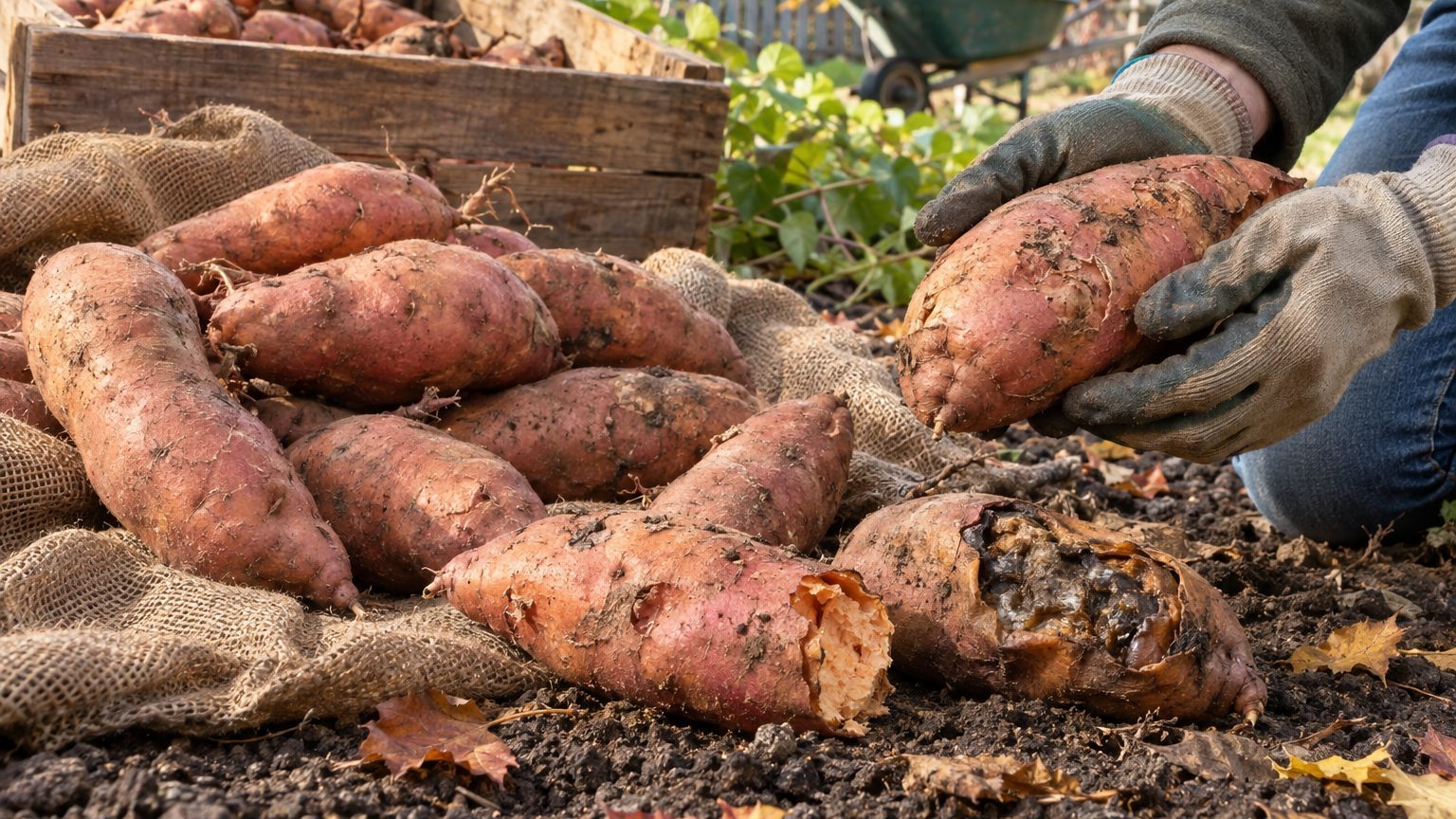
Sweet potatoes that rot in storage were usually damaged at harvest, not in the pantry.
How Much Room Sweet Potato Vines Need

How Much Room Sweet Potato Vines Need

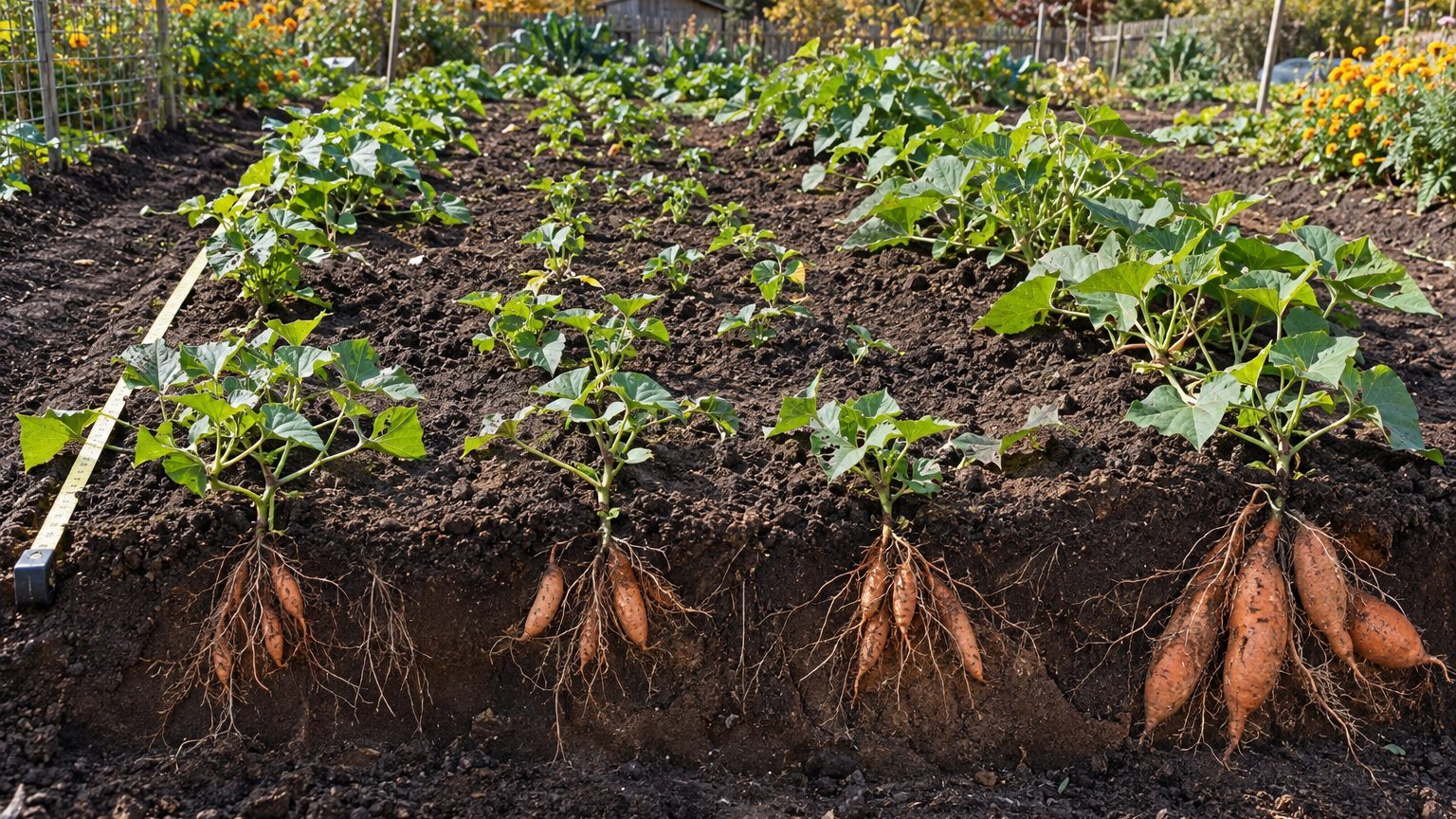
Give each sweet potato slip about 12 inches of row, with 3 to 4 feet between rows, and you’ll get a mix of table-sized roots.
The Soil Sweet Potatoes Actually Want

The Soil Sweet Potatoes Actually Want

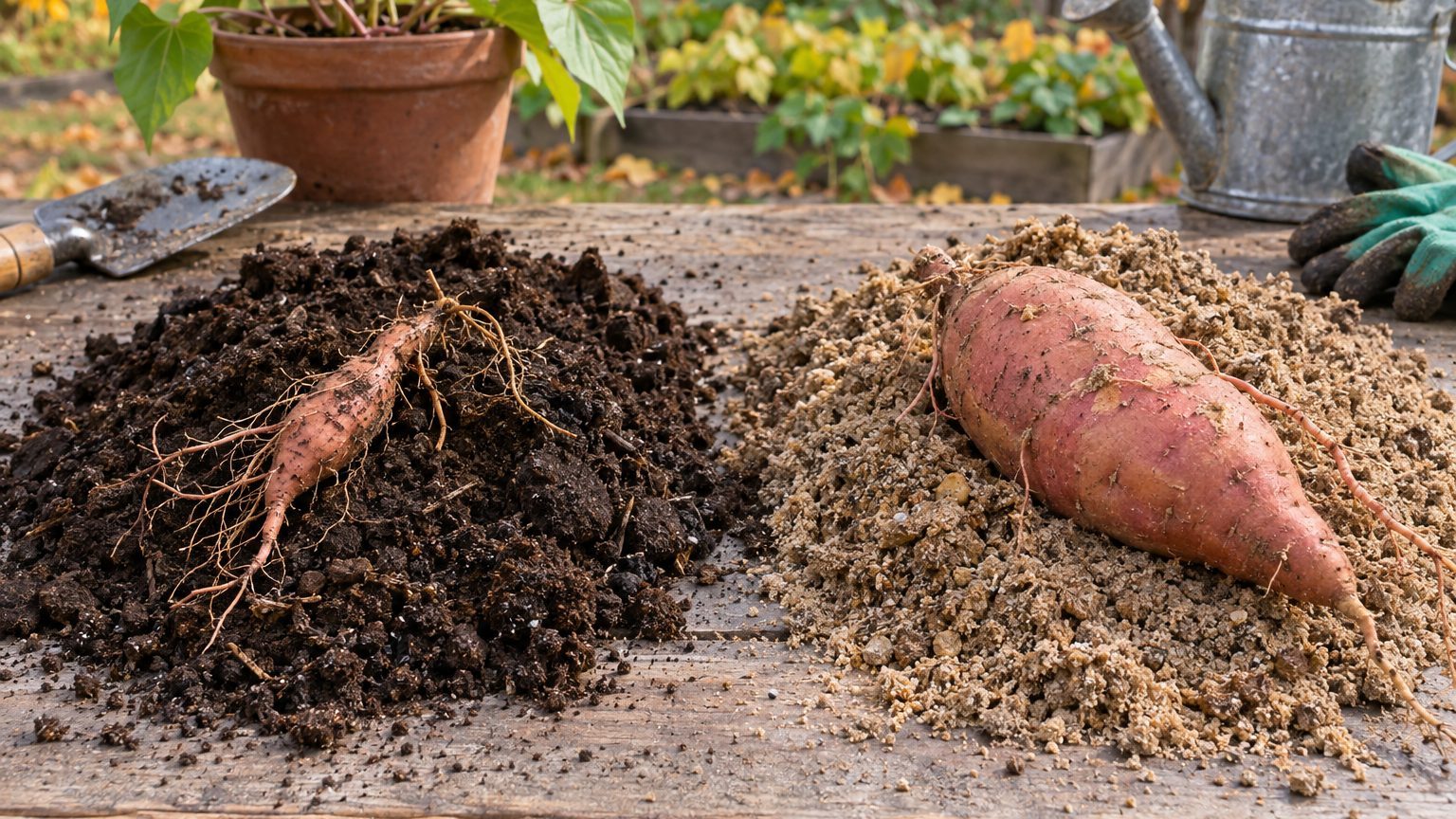
Sweet potatoes want loose, well-drained ground that is modest in fertility and low in nitrogen. Sandy loam is close to ideal.

Older posts
Newer posts
← Previous Page1 … Page123 Page124 Page125 … Page694 Next →

The Homestead Post

Home and garden advice with the numbers attached — written for your climate, your season and your local rules.

Sections

  • Garden
  • Home Care
  • Energy
  • Pests
  • Decor
  • DIY

Popular states

  • California
  • Texas
  • Florida
  • New York
  • Pennsylvania
  • Ohio
  • Georgia
  • North Carolina
  • All states →

The Post

  • About us
  • Contact
  • Editorial guidelines
  • Affiliate disclosure
  • Privacy policy
  • Terms of use
© 2026 The Homestead Post·Home & garden, state by state