The Best Collards and Greens for South Carolina
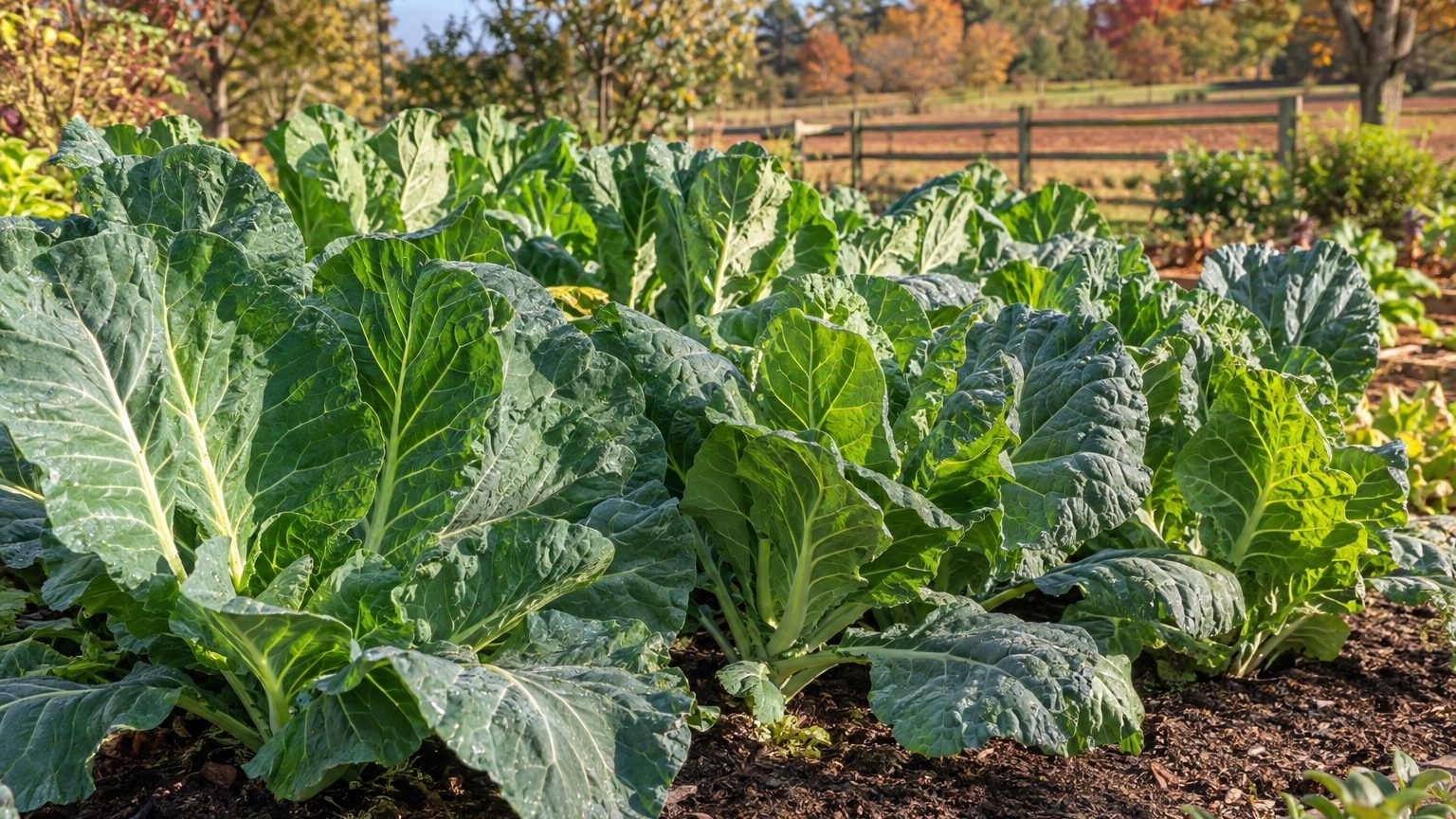
For most South Carolina gardens, the best collard is a non-heading, open-leaf type such as Georgia Southern or Vates, planted for fall and cut through…
Home & garden, state by state
For most South Carolina gardens, the best collard is a non-heading, open-leaf type such as Georgia Southern or Vates, planted for fall and cut through…
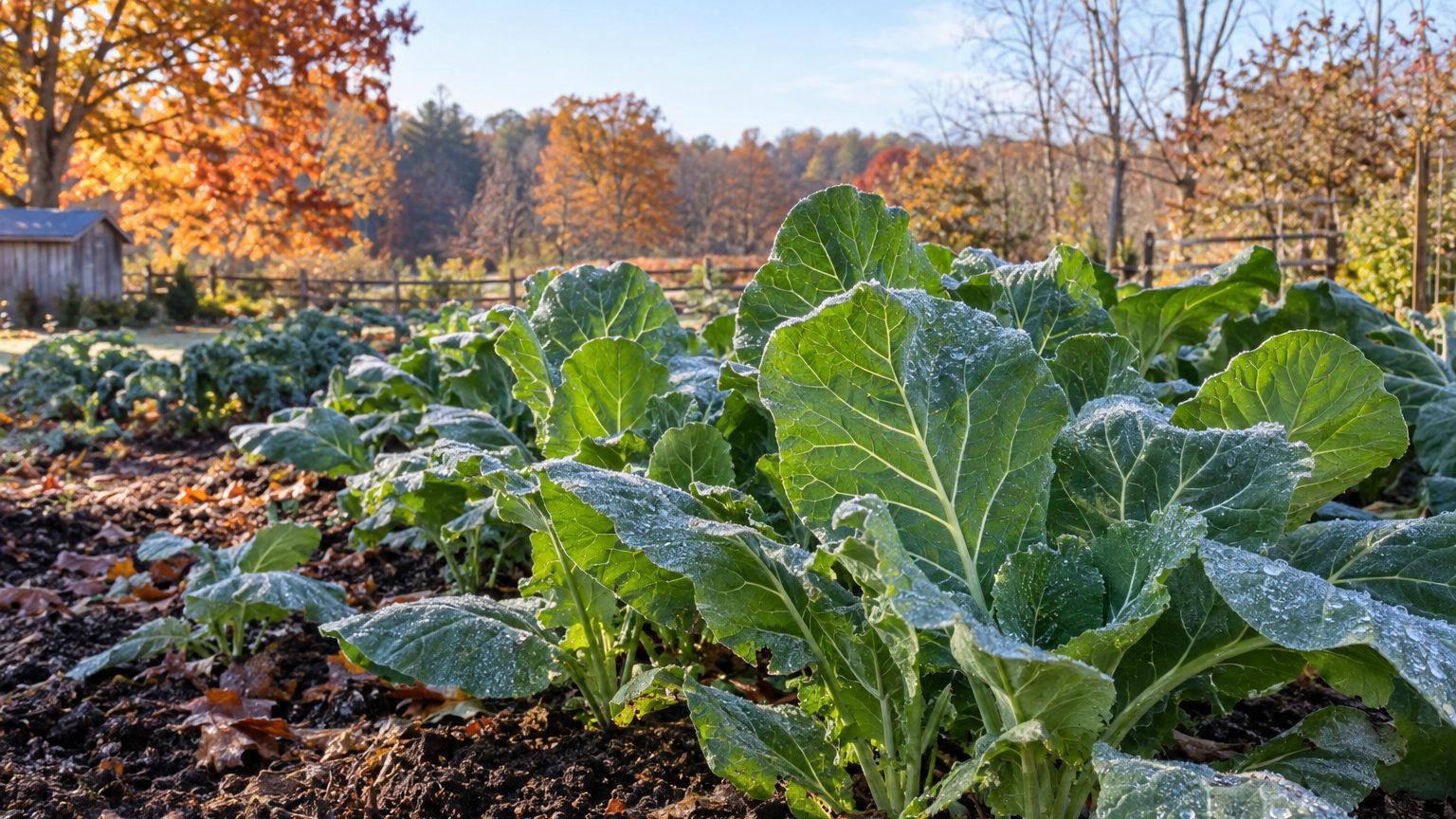
Set collard transplants outside around Saskatoon’s average last spring frost, May 18, and expect the season to end near the average first fall frost…
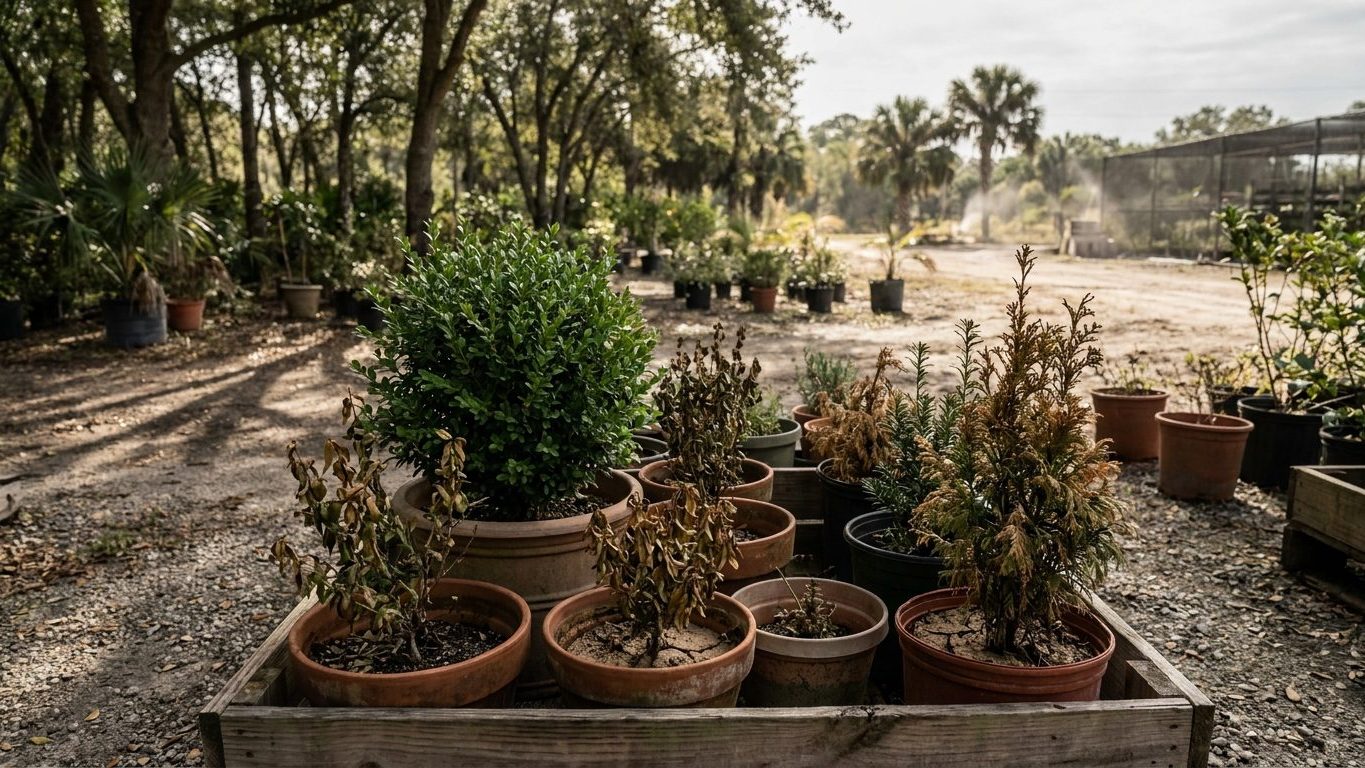
Ten of the twelve hedge plants documented on this site survive everywhere in Kansas. Two do not.
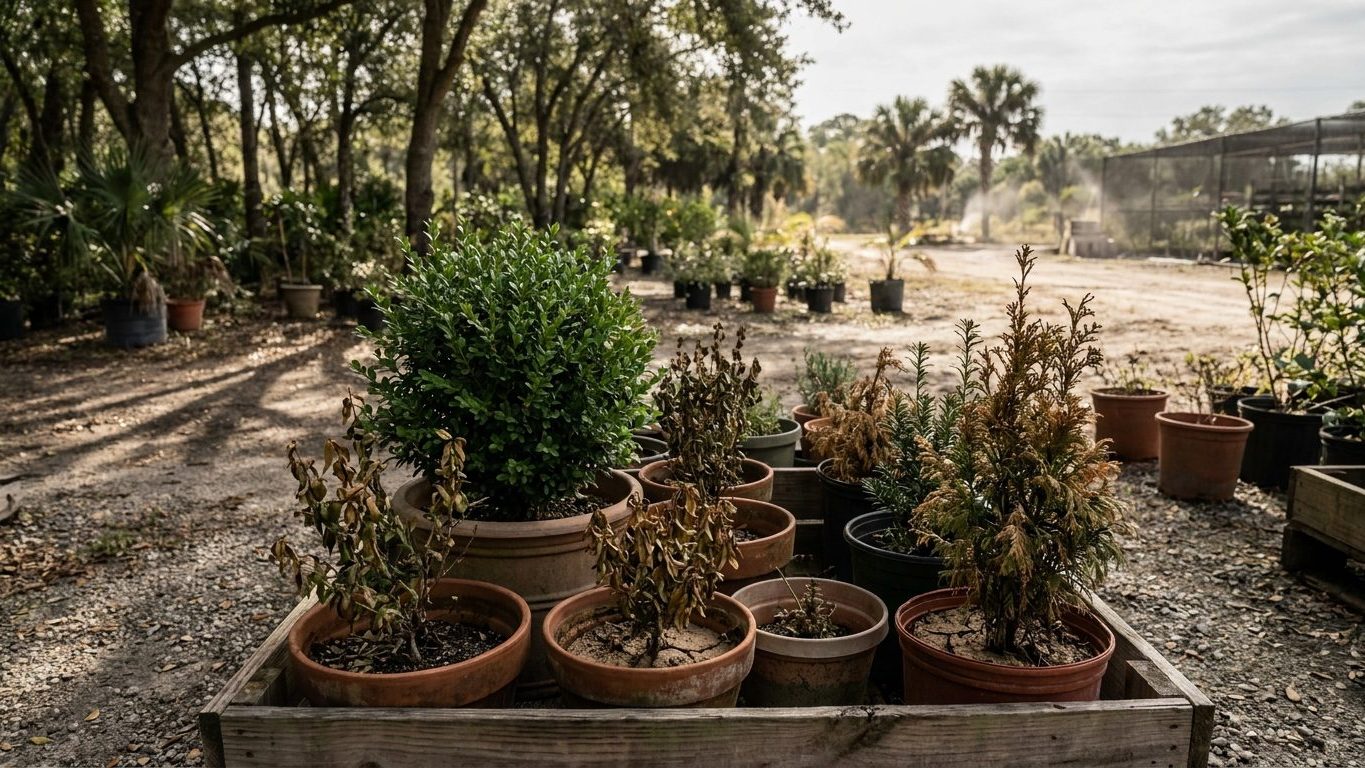
Nine of the twelve hedge species documented on this site hold across all of Iowa. Three do not.
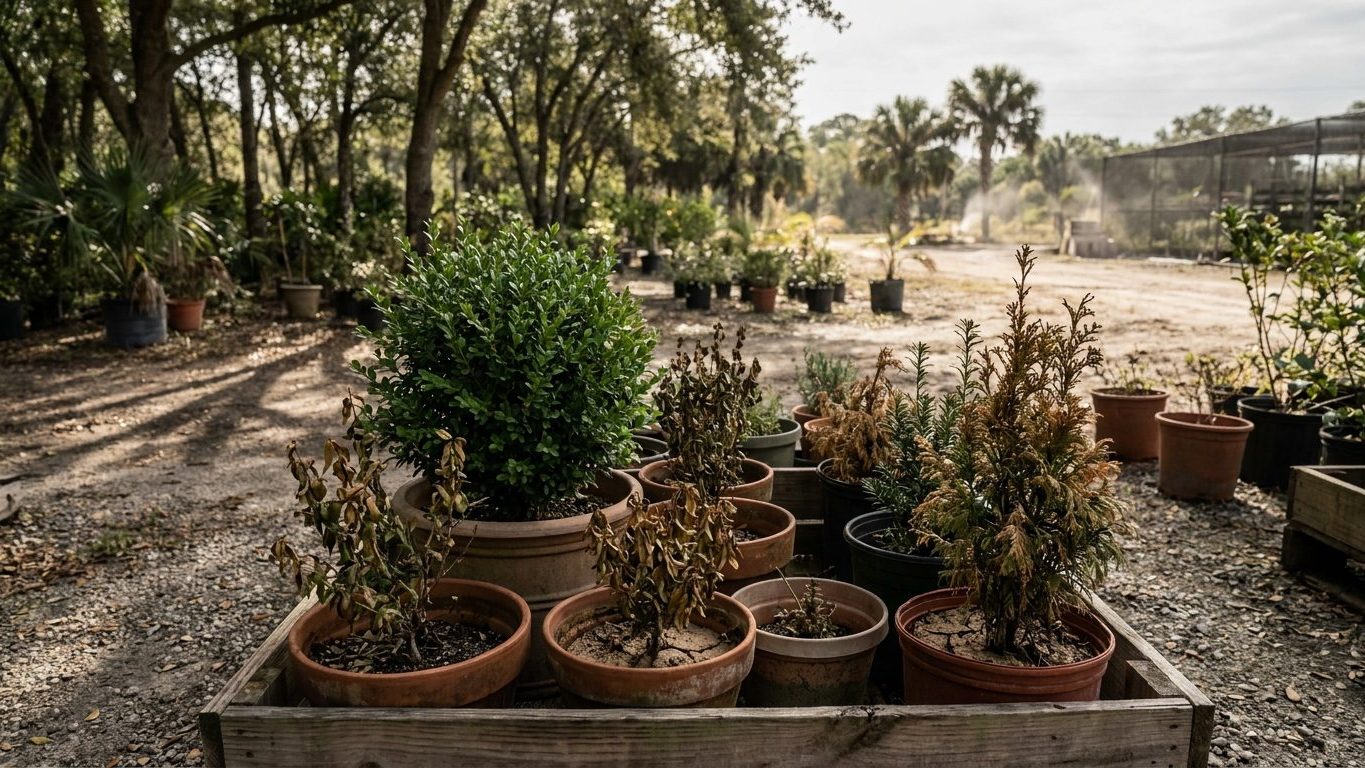
Ten of the twelve hedge species documented on this site survive the full range of Indiana winters, USDA zones 5b to 7a.
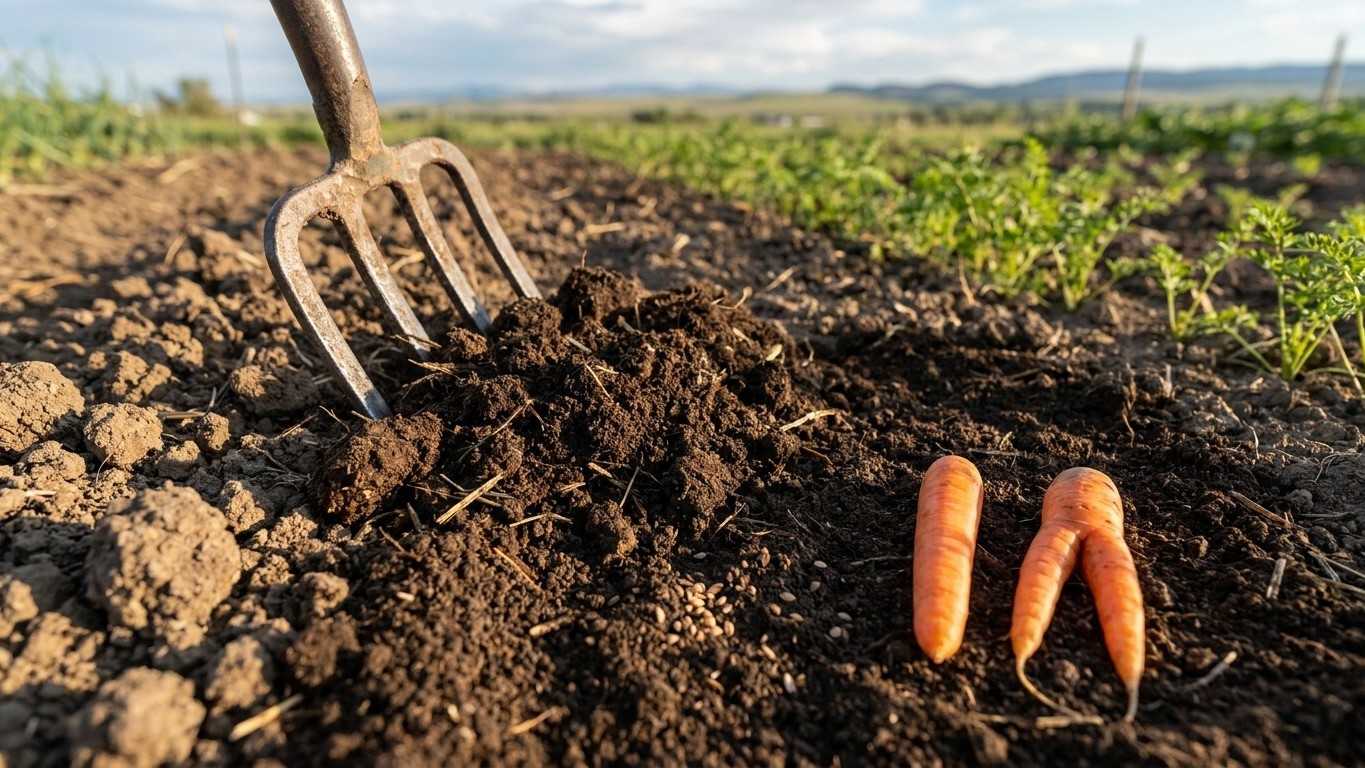
Pull carrots when the tops are full and green and the orange shoulders show at the soil line, which is about 65 to 75 days after planting by Clemson…
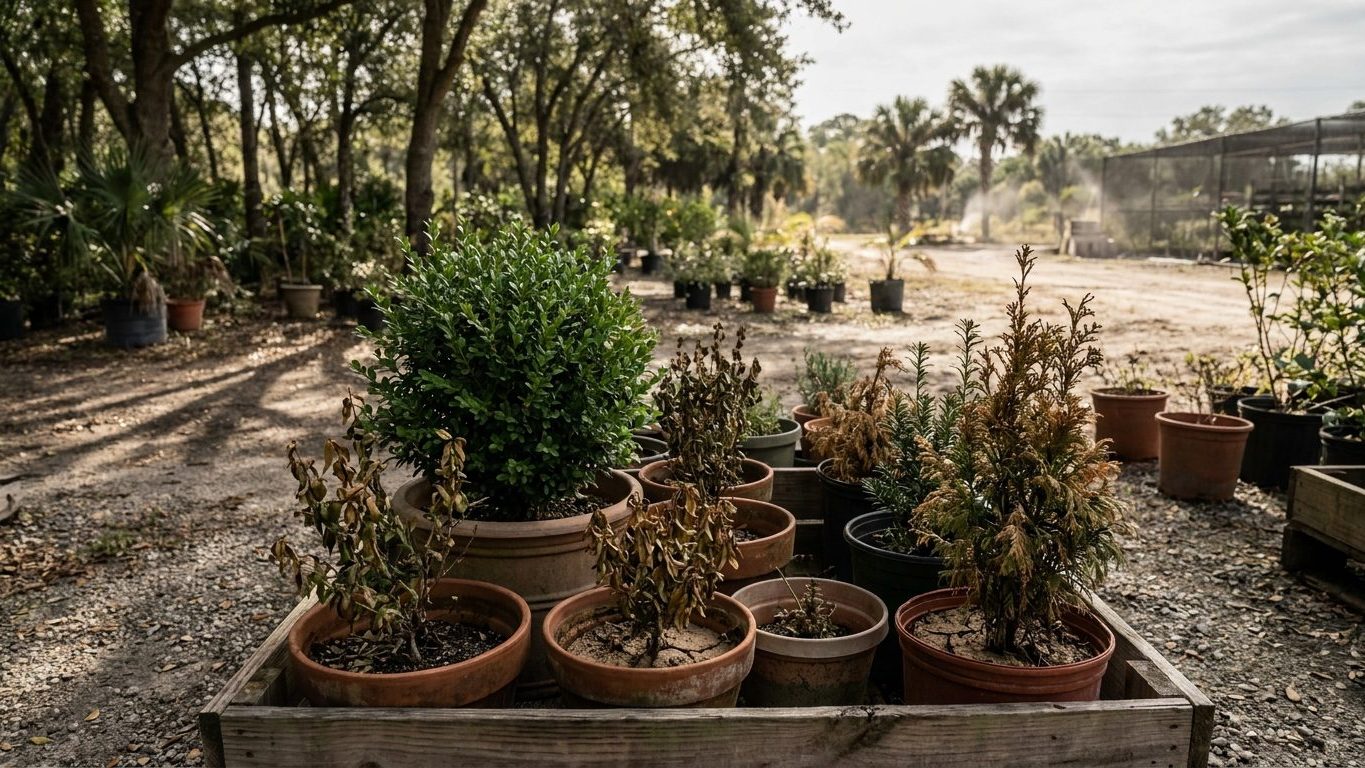
Ten of the twelve hedge plants on this site hold across all of Illinois, which runs from USDA zone 5a to 7b. Two do not.
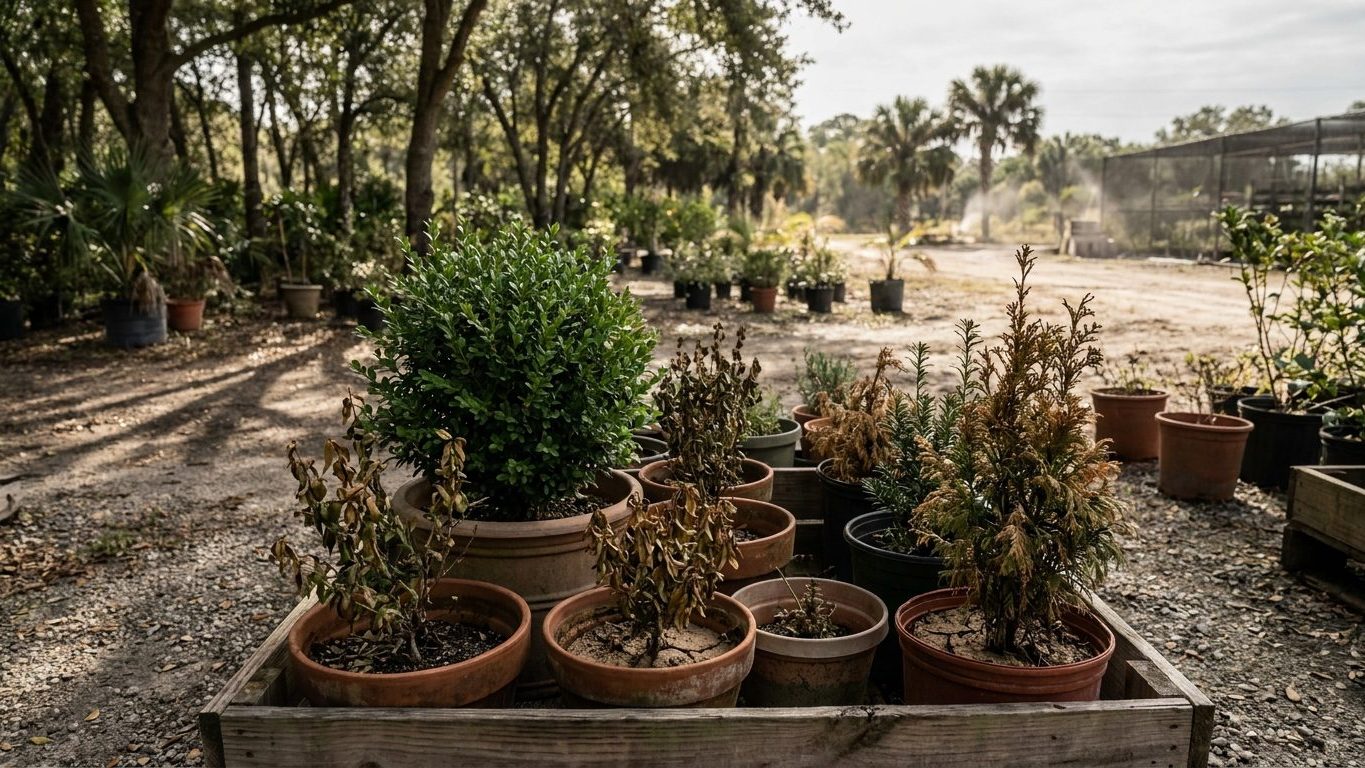
Six of the twelve hedge species tracked on this site hold across all of Idaho. The other six survive in only part of it, and none fail everywhere.
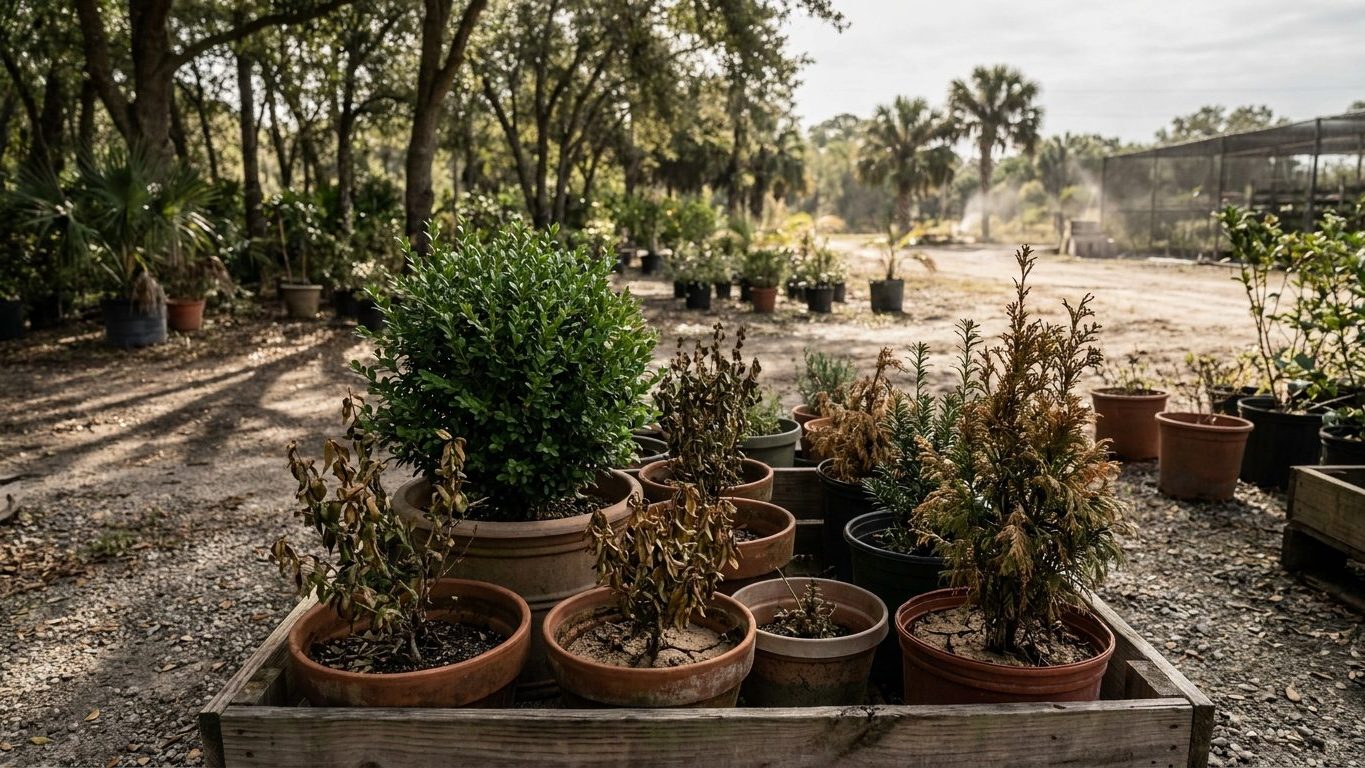
Of the 12 hedge species documented on this site, none holds across all of Hawaii, which spans USDA zones 9a to 13a. Seven fail everywhere in the state.
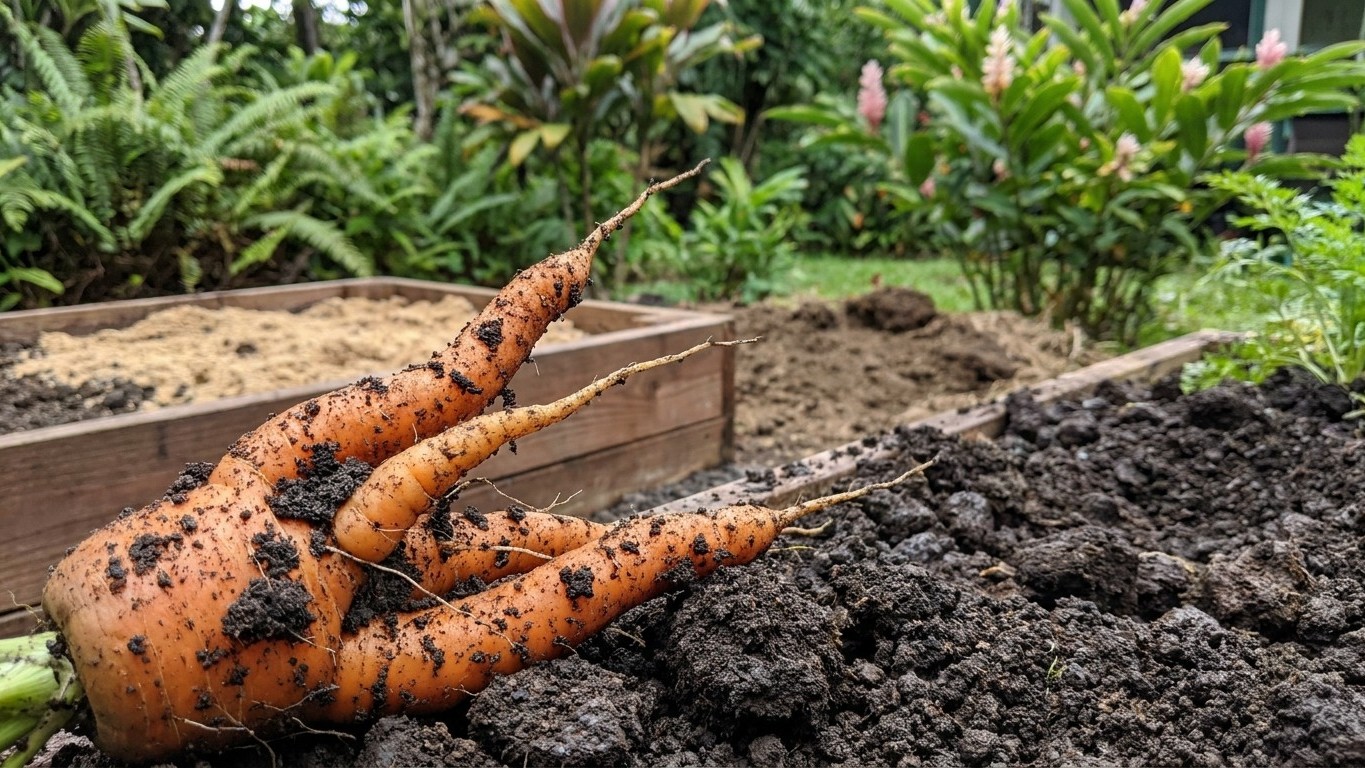
Pull carrots when the shoulders are broad and deep orange, then cut the tops off and chill the roots just above freezing.