Why Peppers Fail to Set Fruit in Vermont
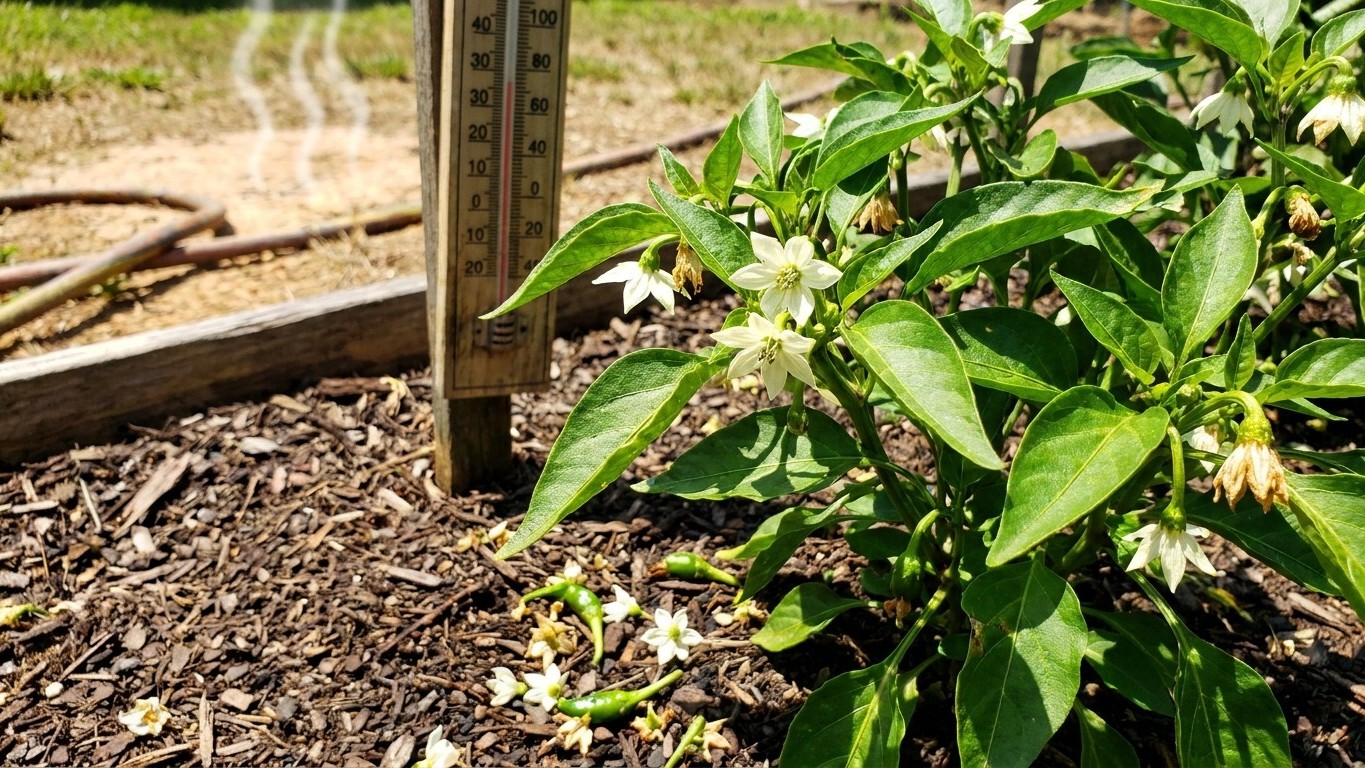
Vermont pepper plants abort blossoms for two opposite reasons: a hot stretch that pushes days above 90°F, or a summer night that slips below 55°F.
Home & garden, state by state
Vermont pepper plants abort blossoms for two opposite reasons: a hot stretch that pushes days above 90°F, or a summer night that slips below 55°F.
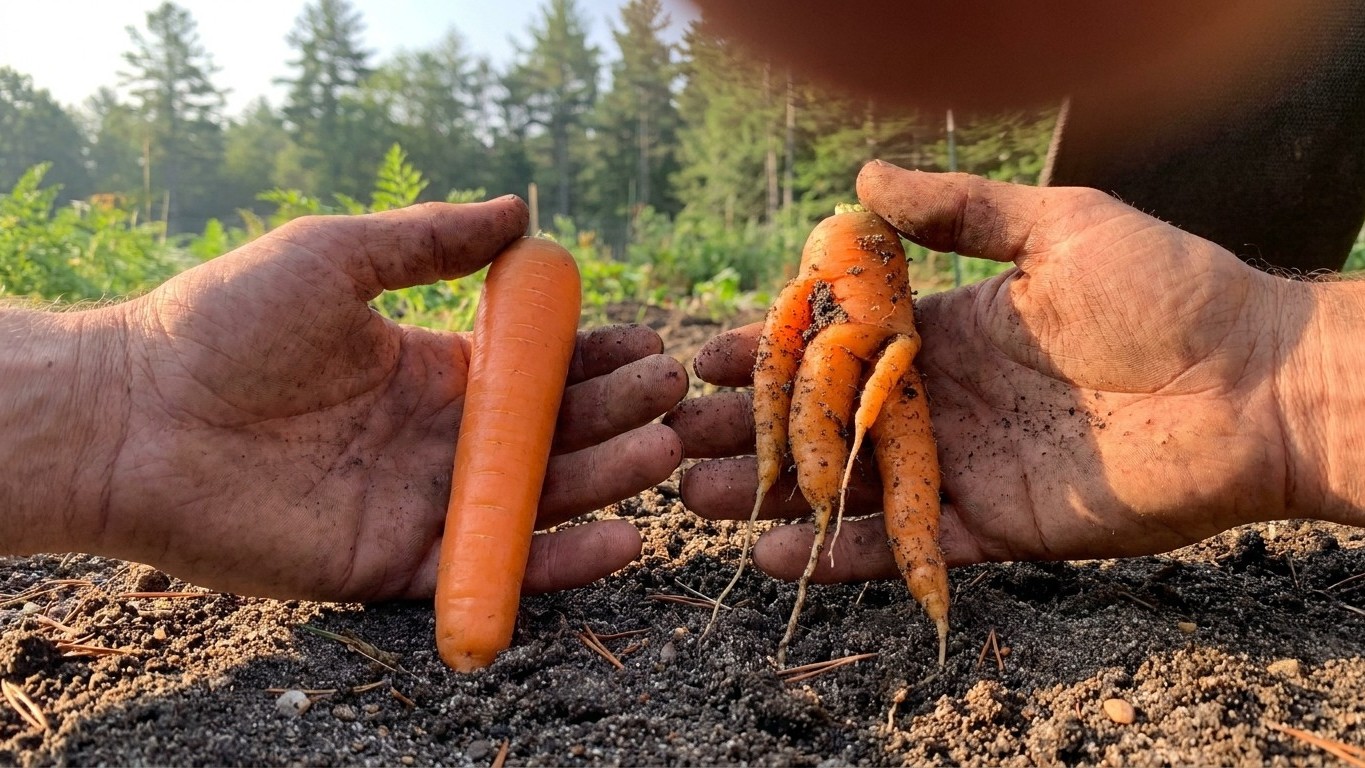
New Hampshire’s benchmark soil runs sandy and sharply acid, the kind of ground that drains fast but starves a carrot of the loose, deep root run it needs.
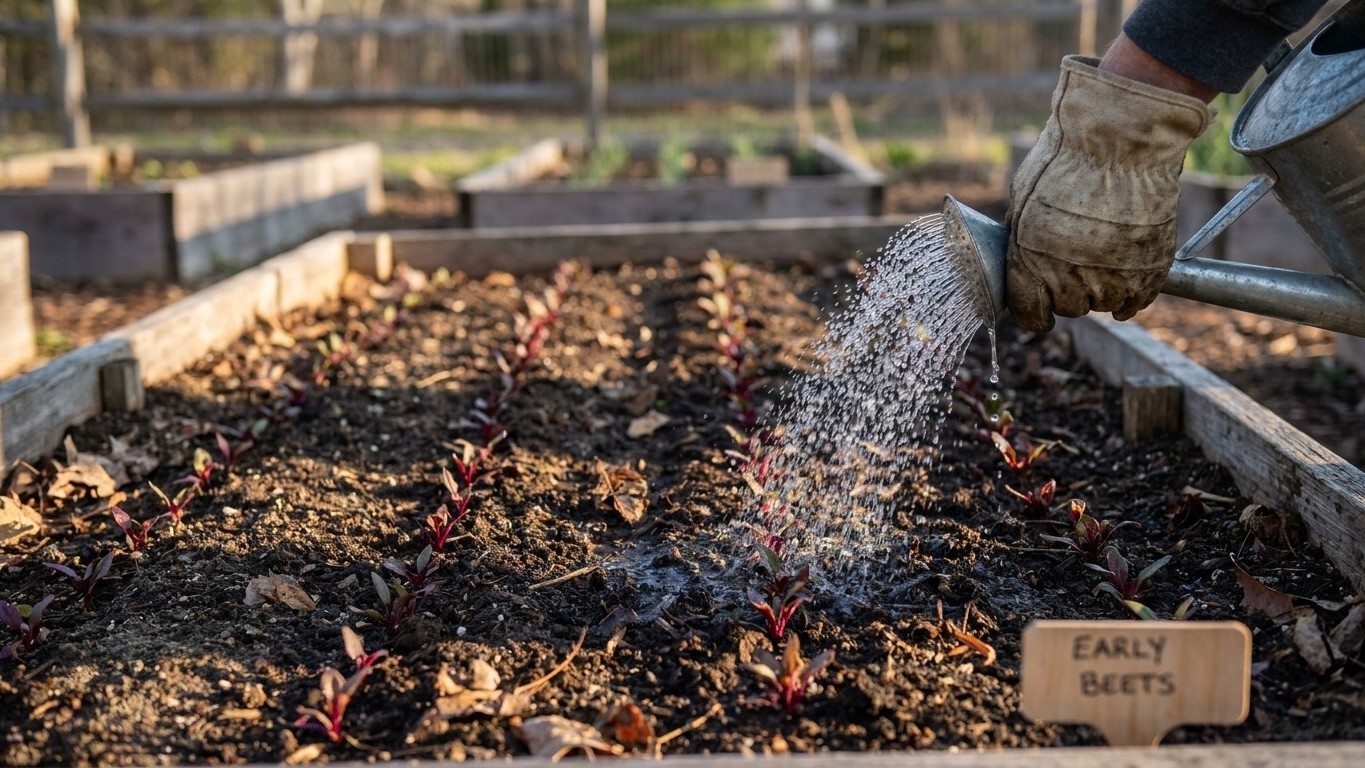
New Hampshire gardeners can raise a solid beet crop, but the payoff depends on two separate risks: dry soil in the first six weeks after sowing, which…
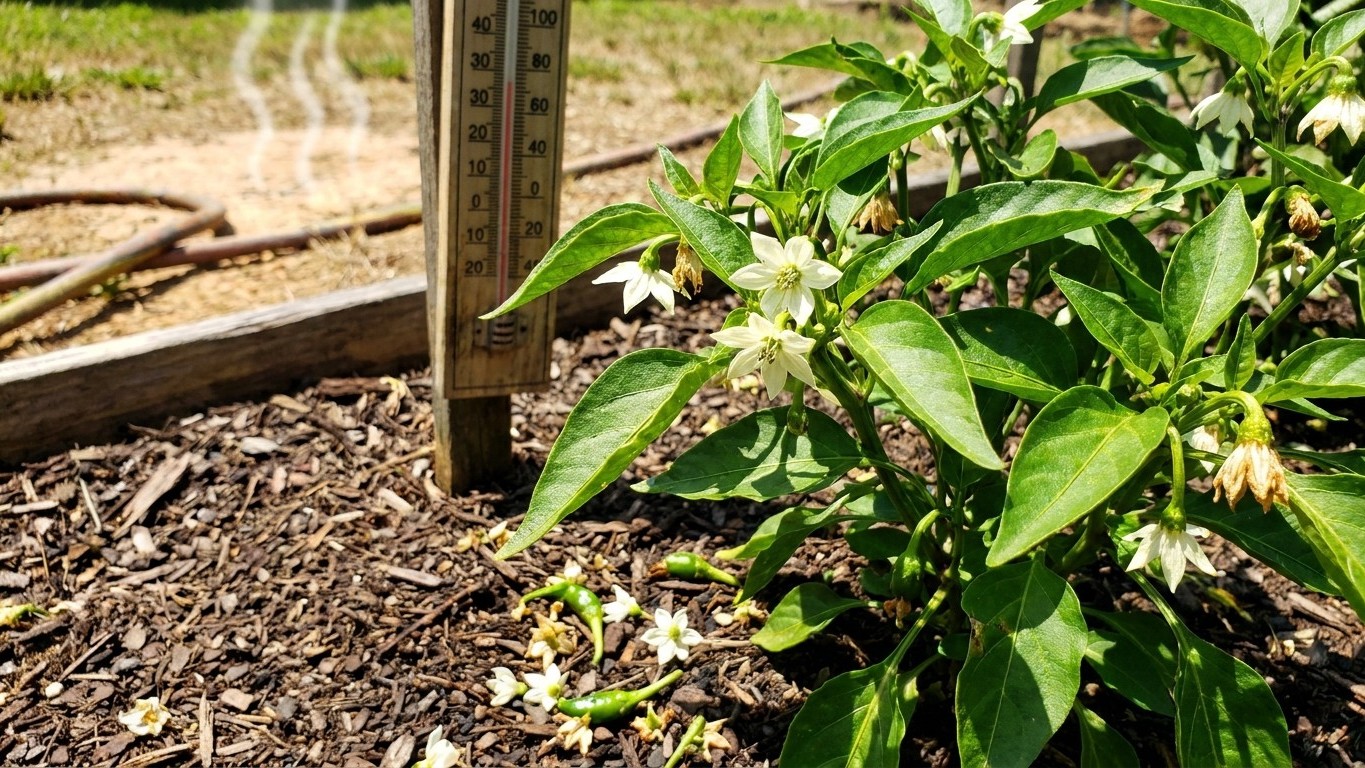
Peppers in Utah often set flowers just fine but never turn those flowers into fruit. The reason is usually temperature, not soil or fertilizer.
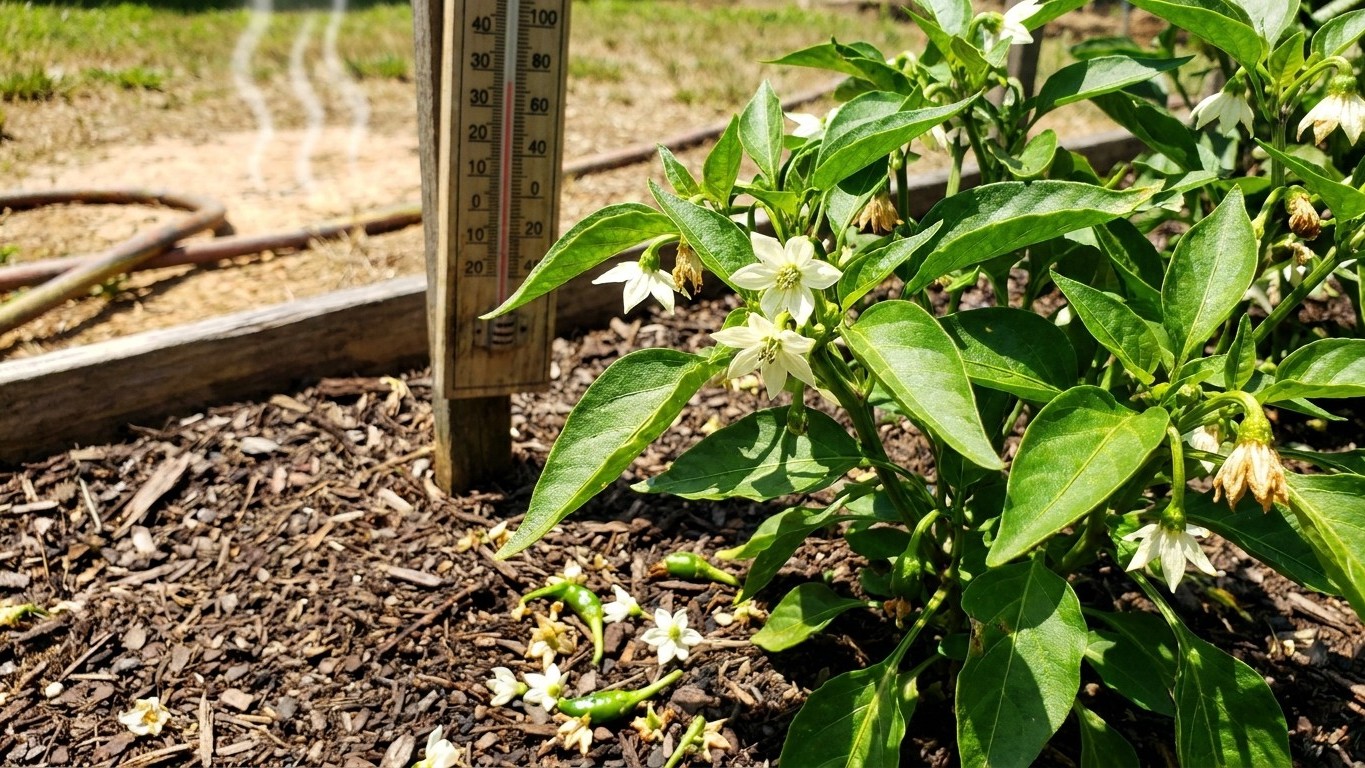
Peppers stop setting fruit in Texas because both ends of the state’s temperature swing push blossoms outside the narrow window where pollen stays viable…
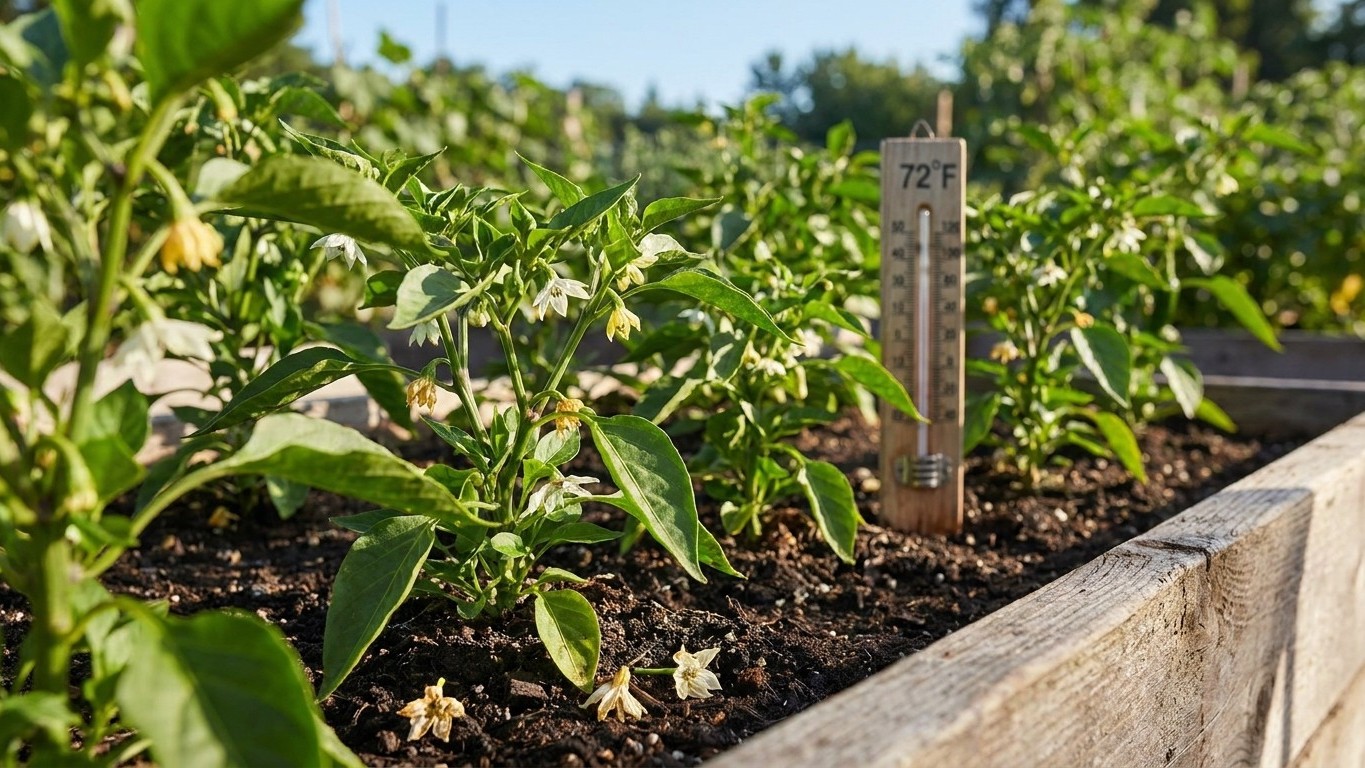
In South Dakota, the window for starting pepper seed indoors runs roughly from mid-February to mid-March.
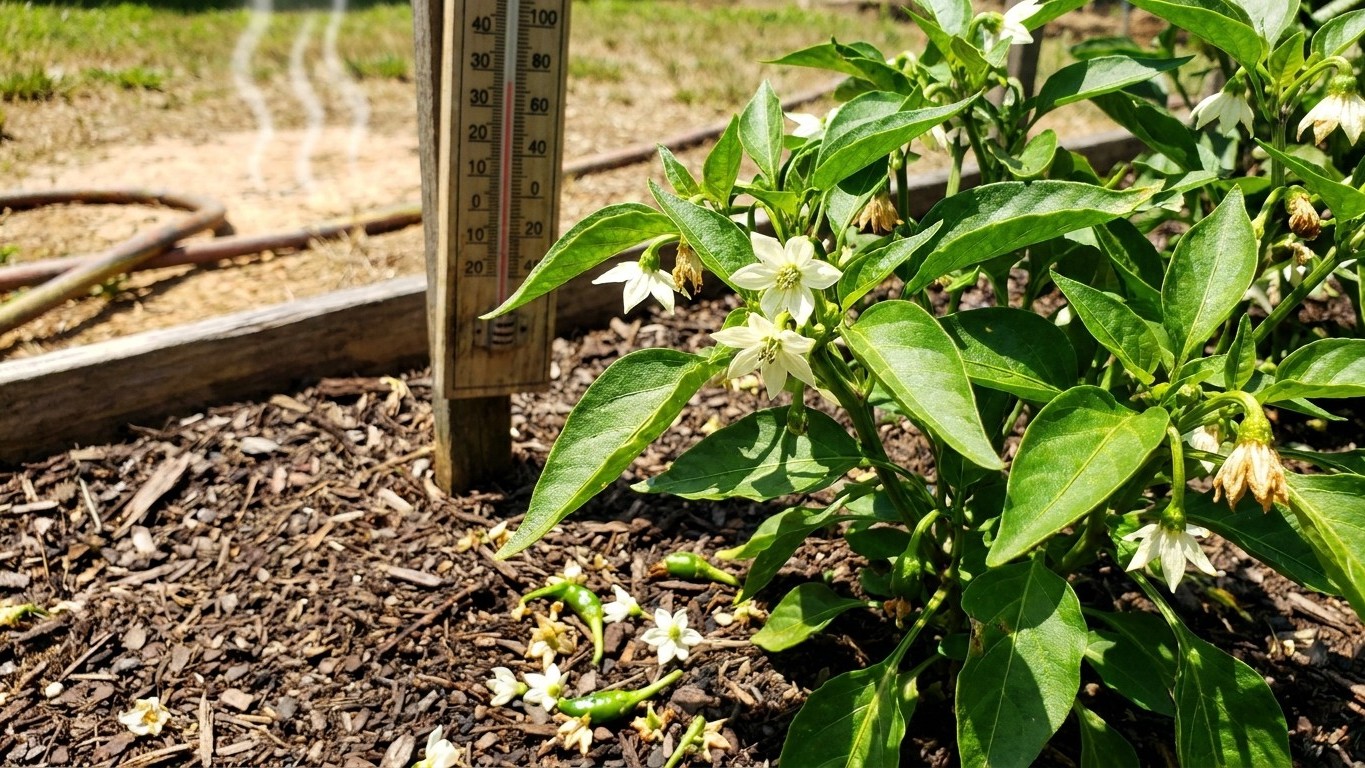
Pepper plants stop setting fruit in South Carolina mostly because of heat, and the numbers back that up: Charleston’s climate record shows 55.1 days a…
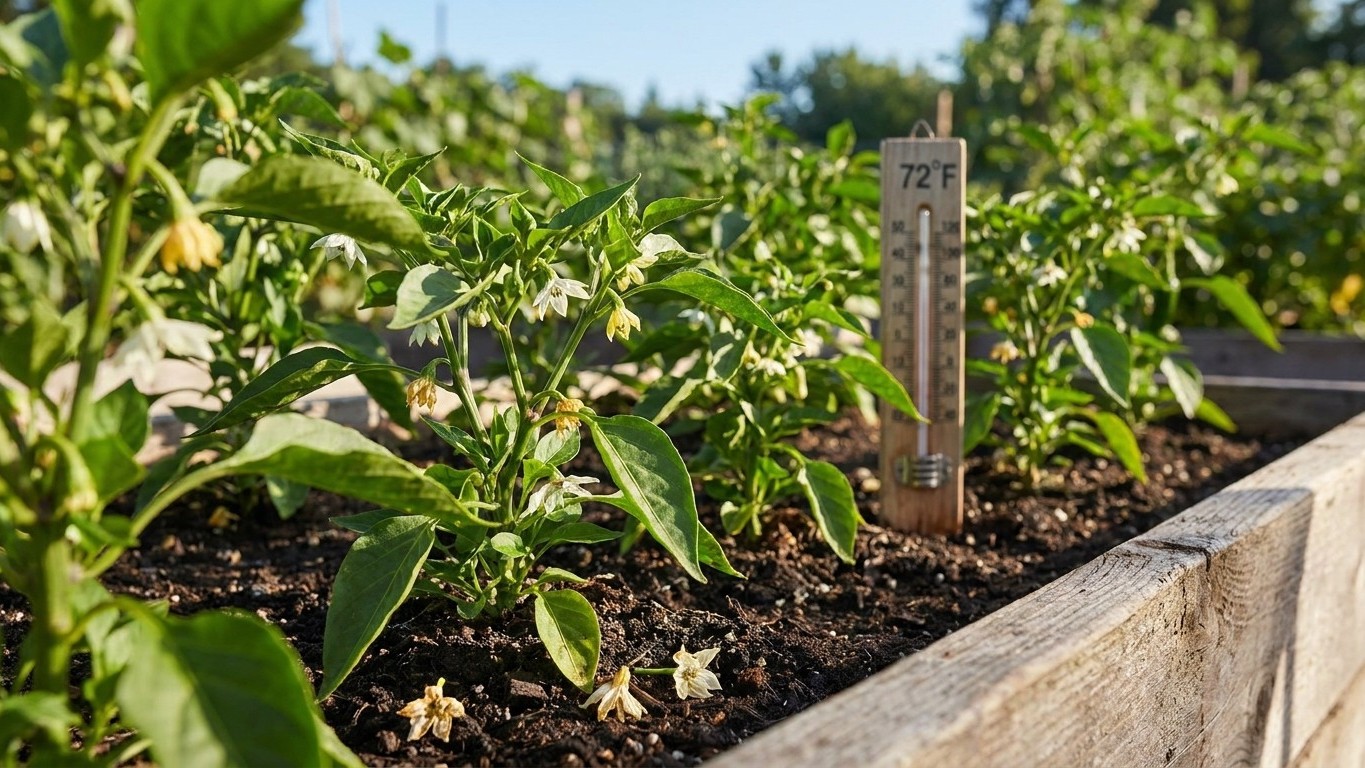
Rhode Island’s short answer: start pepper seed indoors around late February to mid-March, roughly 8 to 10 weeks before you plan to move transplants…
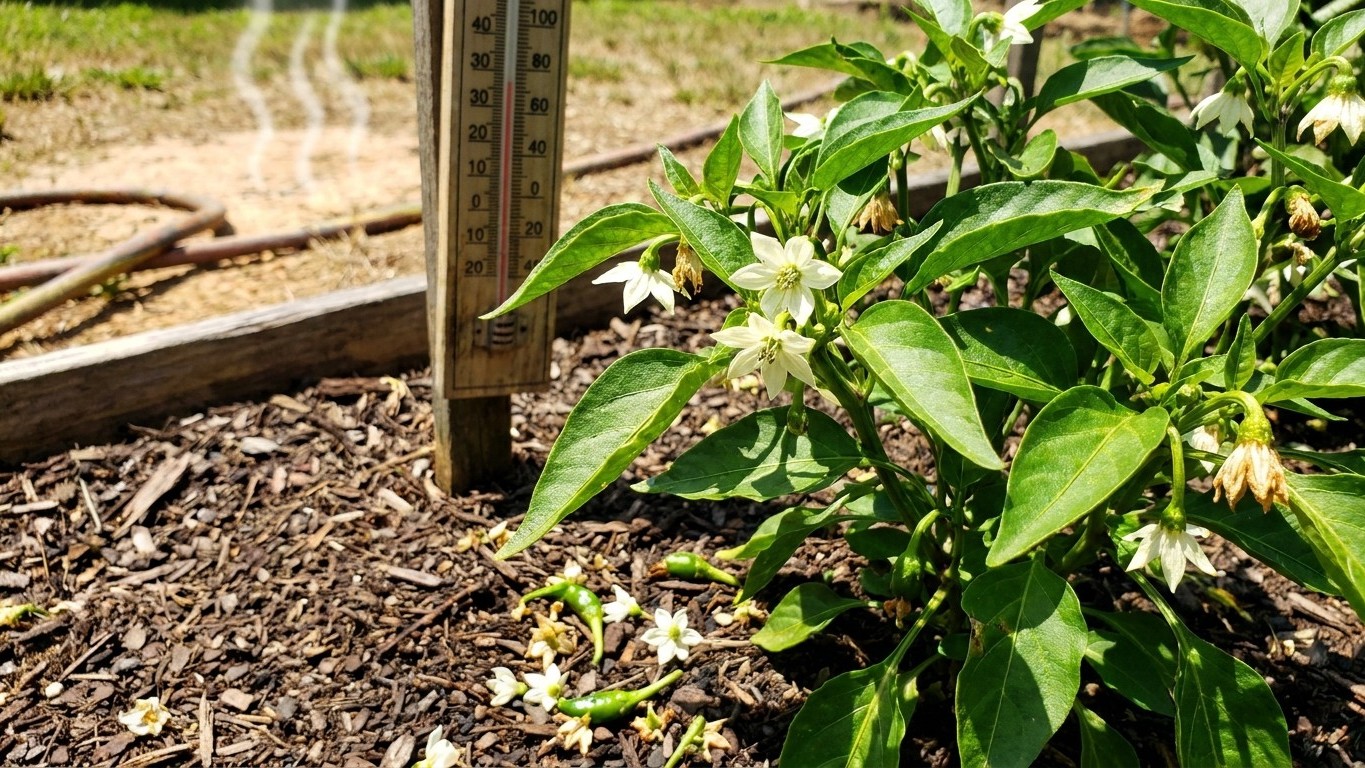
Peppers drop their flowers or never set fruit in Rhode Island mostly because of temperature swings, not soil or watering mistakes.
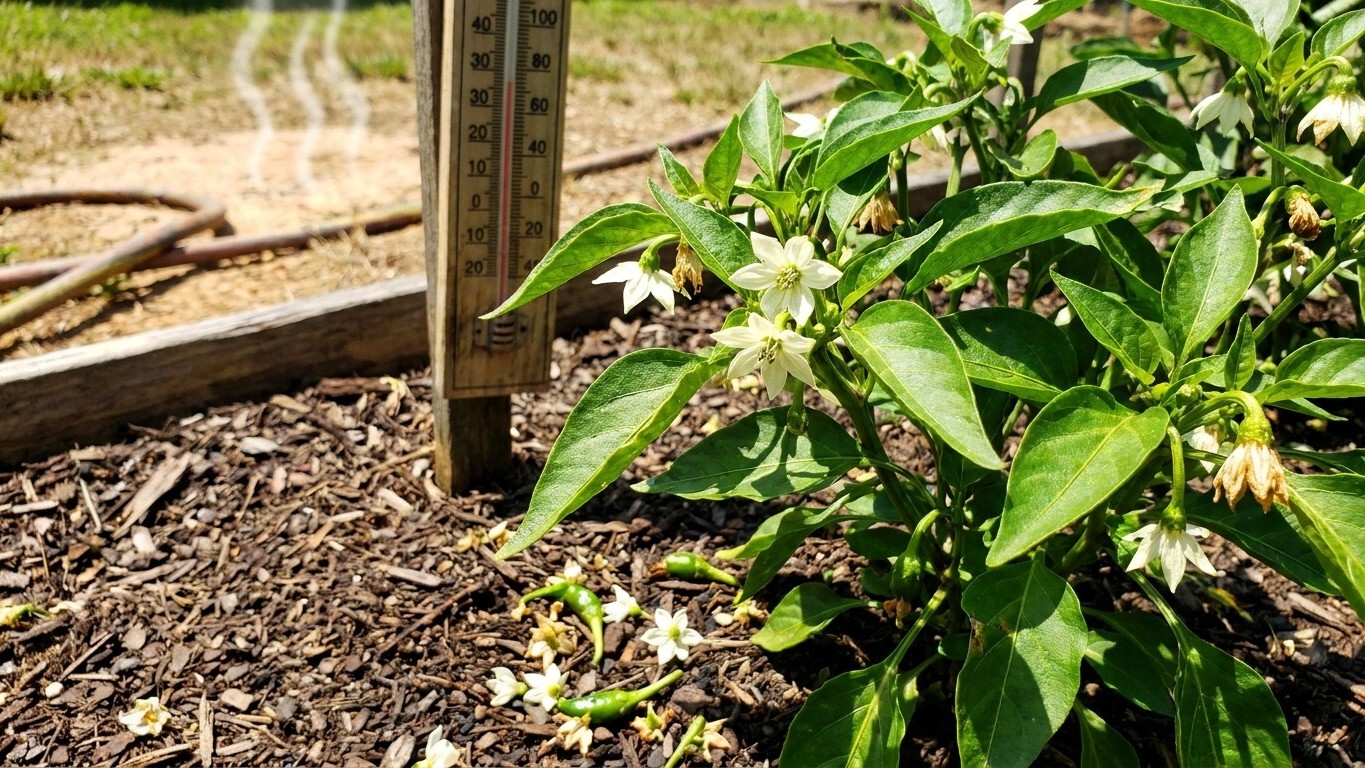
Peppers in Virginia most often fail to set fruit because temperatures push past the crop’s narrow comfort zone in one direction or the other.