Skip to content

The Homestead Post

Home & garden, state by state

  • Home
  • Garden
    • Flowers
    • Lawn
    • Soil & Compost
    • Trees & Shrubs
    • Vegetables
  • Home Care
    • Electrical
    • Foundations
    • HVAC
    • Plumbing
    • Roofing
  • Energy
    • Heating & Cooling
    • Insulation
    • Rebates & Credits
    • Solar
  • Pests
    • Ants
    • Mosquitoes
    • Rodents
    • Termites
    • Ticks
  • Decor
    • Bedrooms
    • Kitchens
    • Living Rooms
    • Outdoor Spaces
  • DIY
    • Repairs
    • Tools
    • Weekend Projects
  • State Guides
    • Northeast
      • Connecticut
      • Maine
      • Massachusetts
      • New Hampshire
      • New Jersey
      • New York
      • Pennsylvania
      • Rhode Island
      • Vermont
    • Southeast
      • Alabama
      • Arkansas
      • Delaware
      • Florida
      • Georgia
      • Kentucky
      • Louisiana
      • Maryland
      • Mississippi
      • North Carolina
      • South Carolina
      • Tennessee
      • Virginia
      • West Virginia
    • Midwest
      • Illinois
      • Indiana
      • Iowa
      • Kansas
      • Michigan
      • Minnesota
      • Missouri
      • Nebraska
      • North Dakota
      • Ohio
      • South Dakota
      • Wisconsin
    • Southwest
      • Arizona
      • New Mexico
      • Oklahoma
      • Texas
    • West
      • Alaska
      • California
      • Colorado
      • Hawaii
      • Idaho
      • Montana
      • Nevada
      • Utah
      • Wyoming
    • Pacific Northwest
      • Oregon
      • Washington
    • Canada
      • Alberta
      • British Columbia
      • Manitoba
      • New Brunswick
      • Newfoundland and Labrador
      • Northwest Territories
      • Nova Scotia
      • Nunavut
      • Ontario
      • Prince Edward Island
      • Quebec
      • Saskatchewan
      • Yukon

Pepper Types the Extension Names — and What It Does Not Say
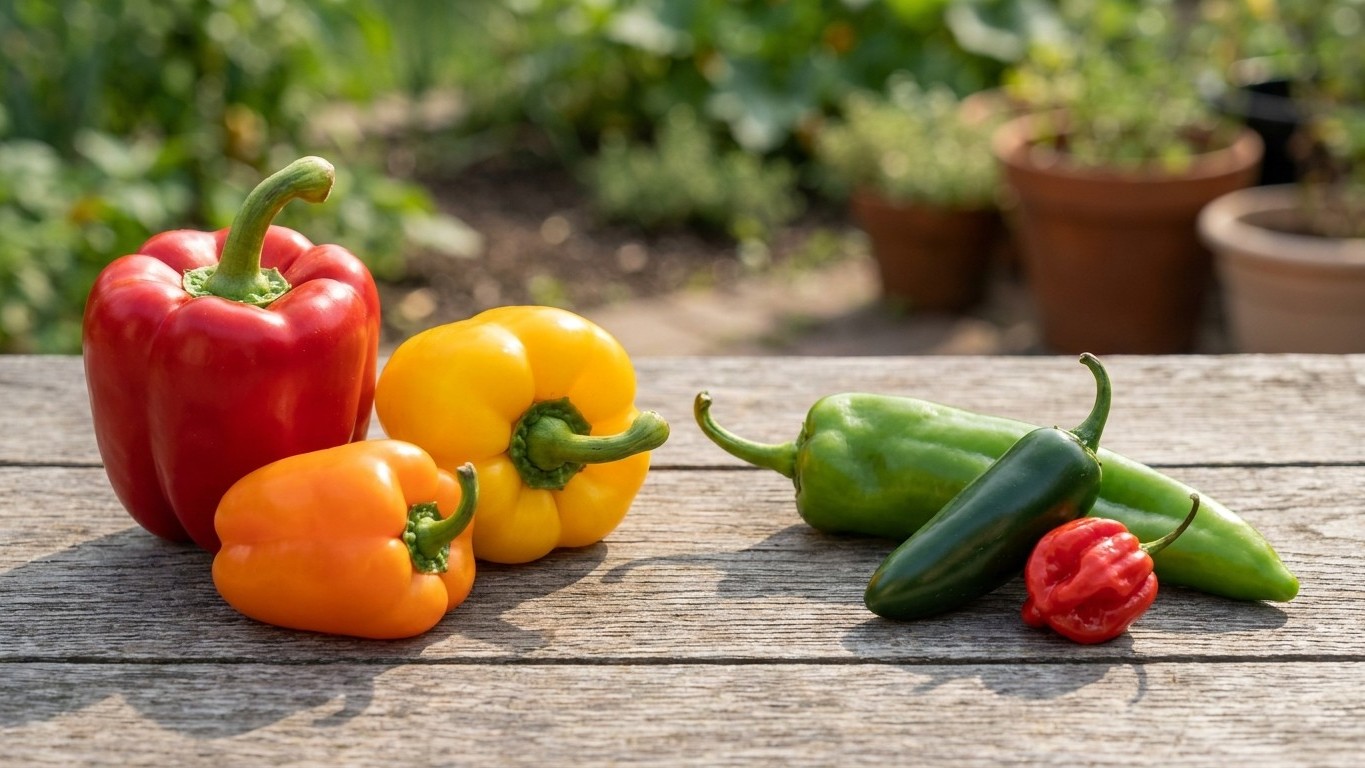
Pepper Types the Extension Names — and What It Does Not Say

Utah State University Extension’s “Peppers in the Garden” names six pepper varieties for home gardeners: three sweet types (Ace, Big Bertha, California…
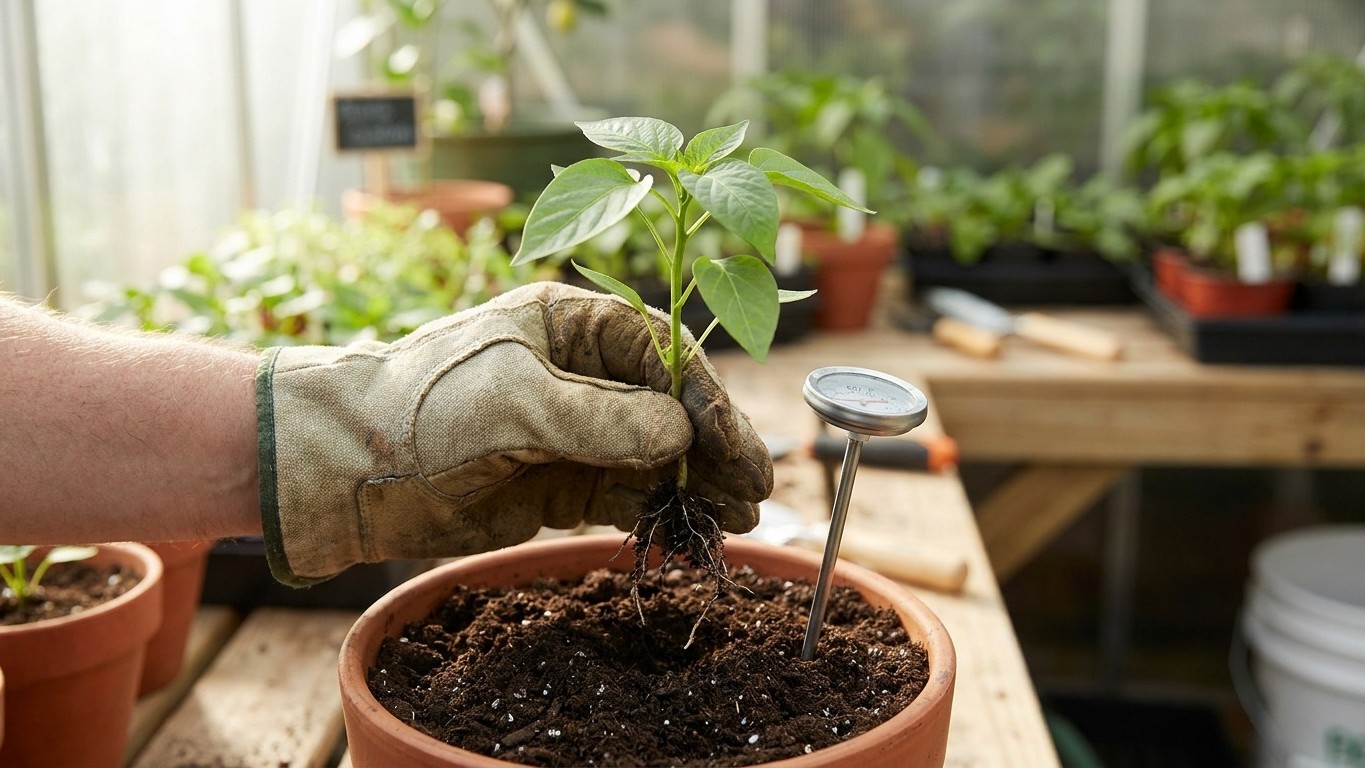
Transplanting Peppers: Wait for 60 F Soil

Transplanting Peppers: Wait for 60 F Soil

Wait until soil reaches 60 F before transplanting peppers, and only after all danger of frost has passed.
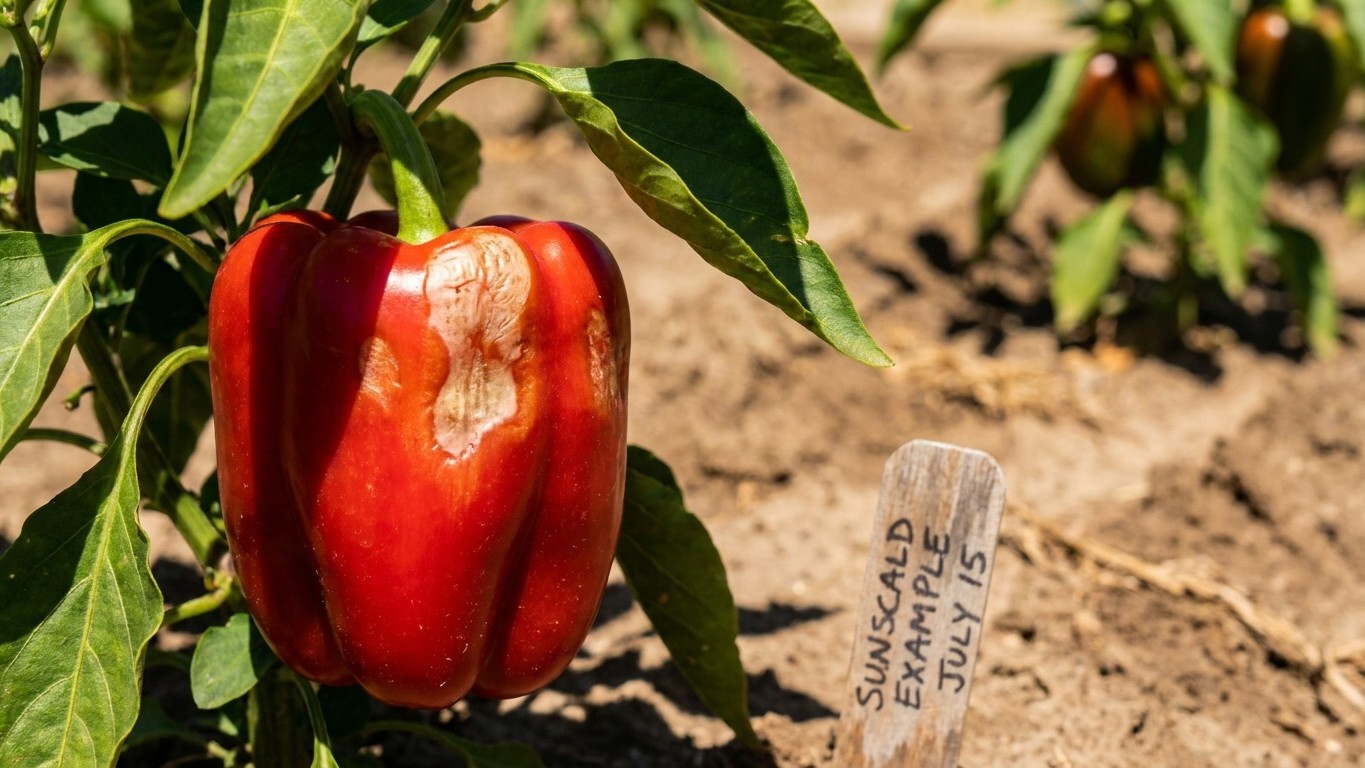
Sunscald on Peppers: Why Leaf Cover Is the Fix

Sunscald on Peppers: Why Leaf Cover Is the Fix

Sunscald on peppers is fixed by keeping leaves over the fruit, not by shading the whole garden bed.
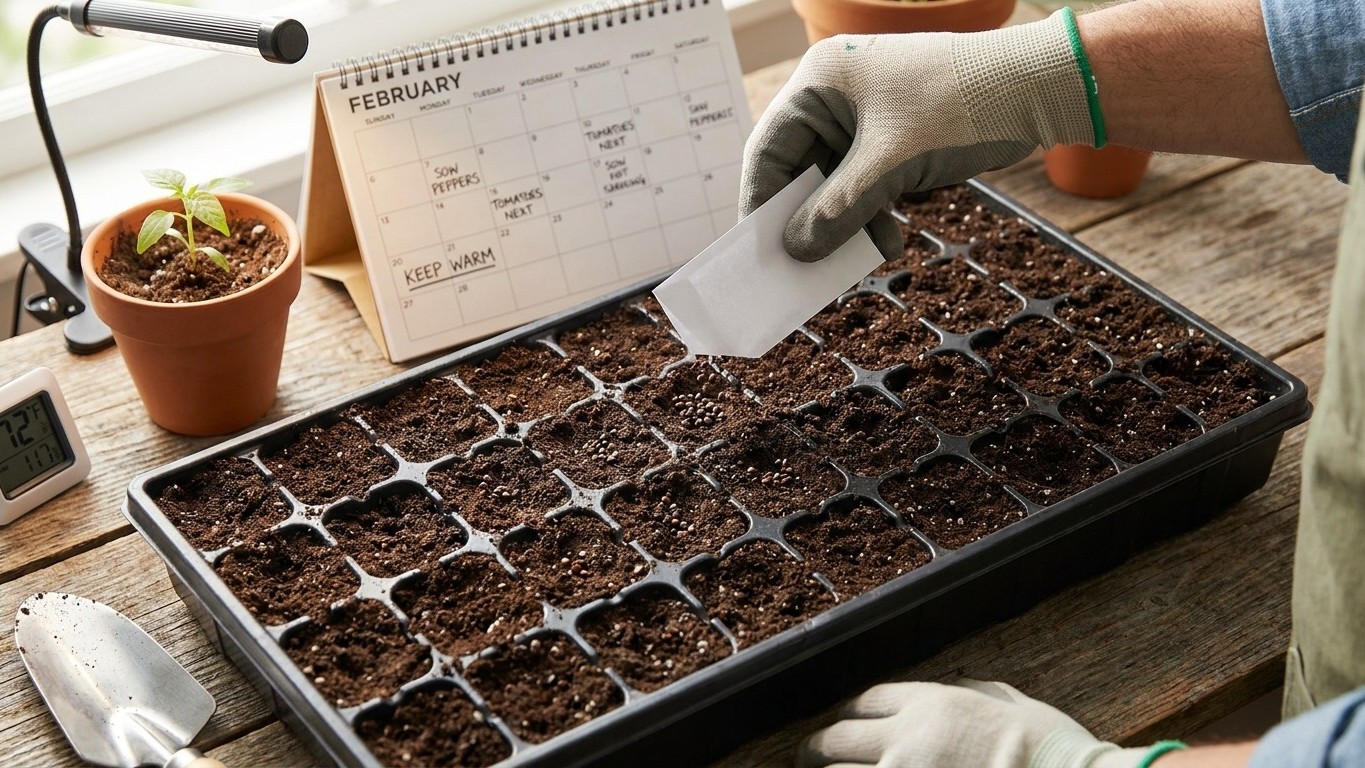
Starting Pepper Seed: Counting Back Eight to Ten Weeks

Starting Pepper Seed: Counting Back Eight to Ten Weeks

Eight to ten weeks. That’s the window Utah State University Extension gives for growing pepper transplants indoors, and it’s the number that should…
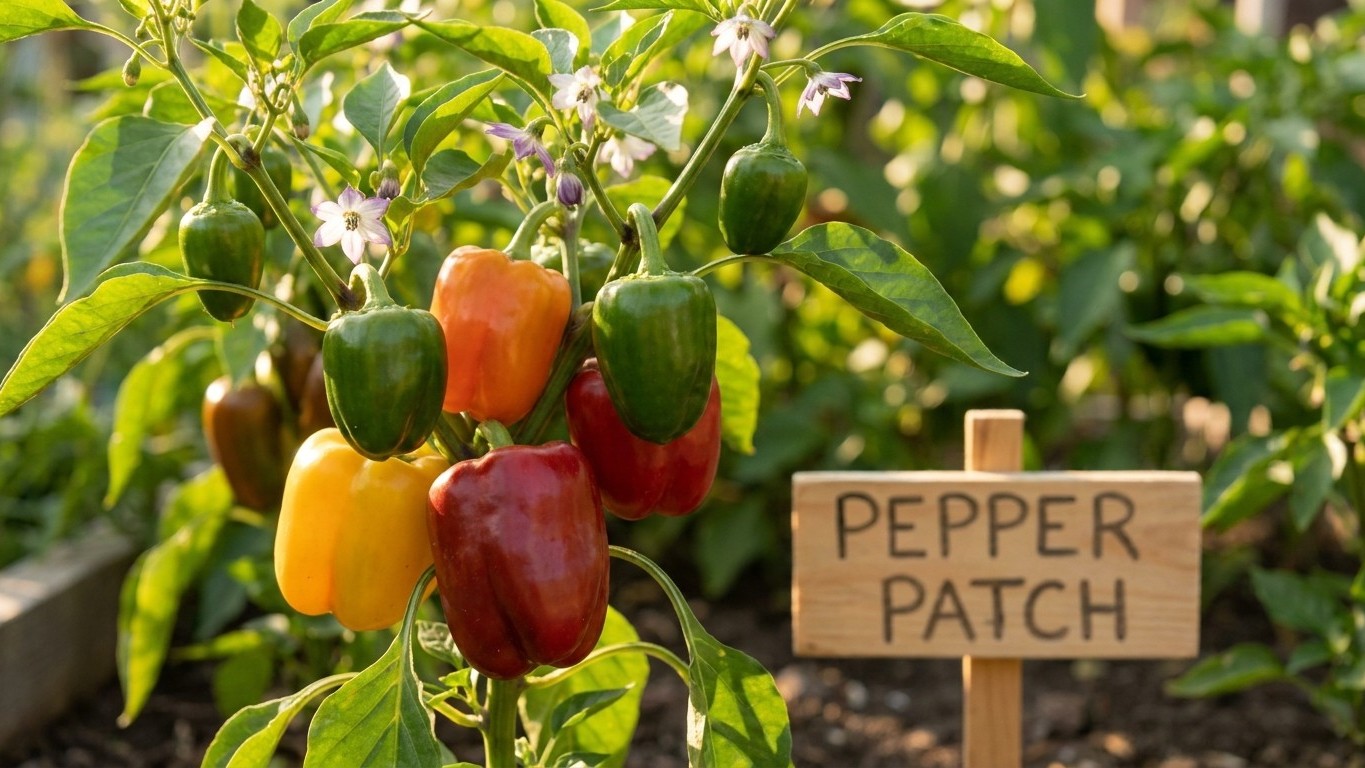
Harvesting Peppers: From Flower to Full Color, and How to Keep Them

Harvesting Peppers: From Flower to Full Colour, and How to Keep Them

Once a pepper flower sets fruit, expect 35 to 45 days before that pod reaches full color, according to Utah State University Extension.
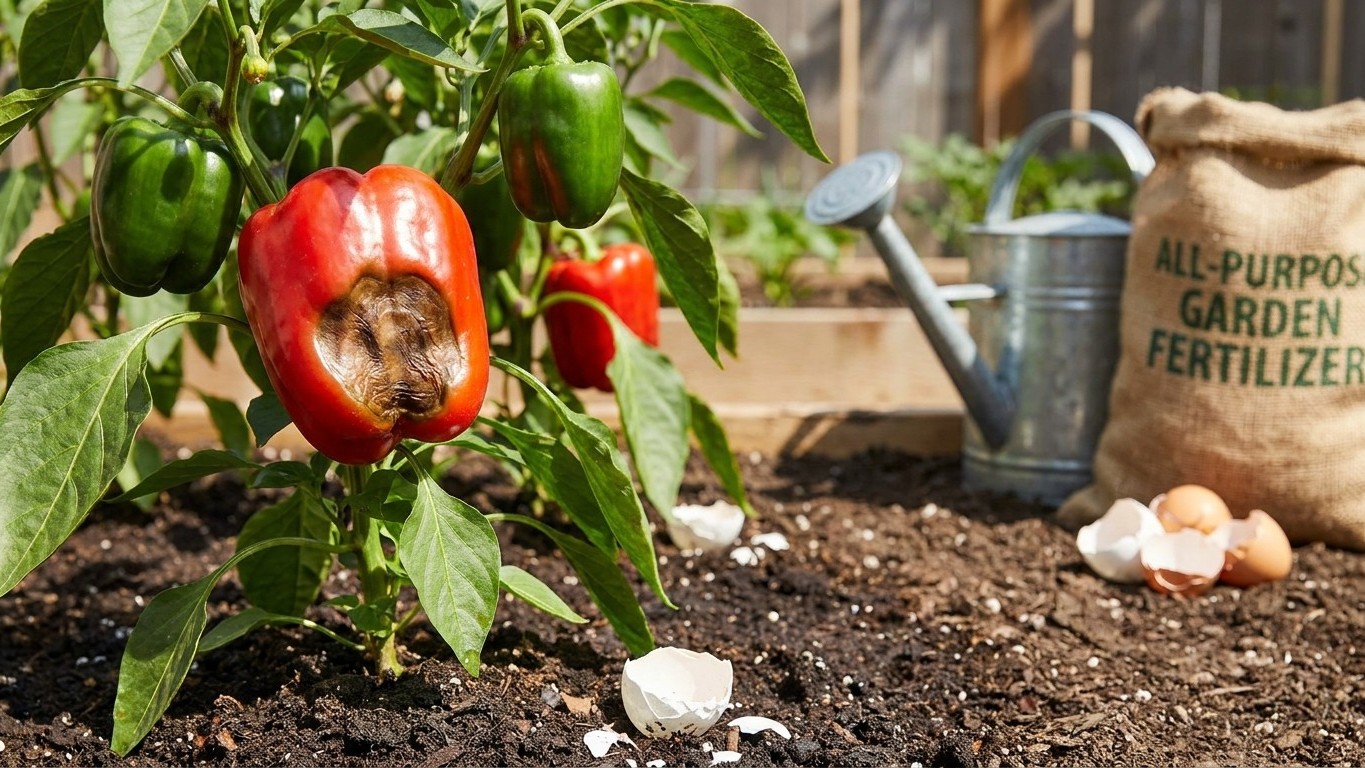
Blossom-End Rot on Peppers: Four Causes, Only One Is Water

Blossom-End Rot on Peppers: Four Causes, Only One Is Water

Blossom-end rot on peppers traces to four separate causes, and water shortage is just one of them.
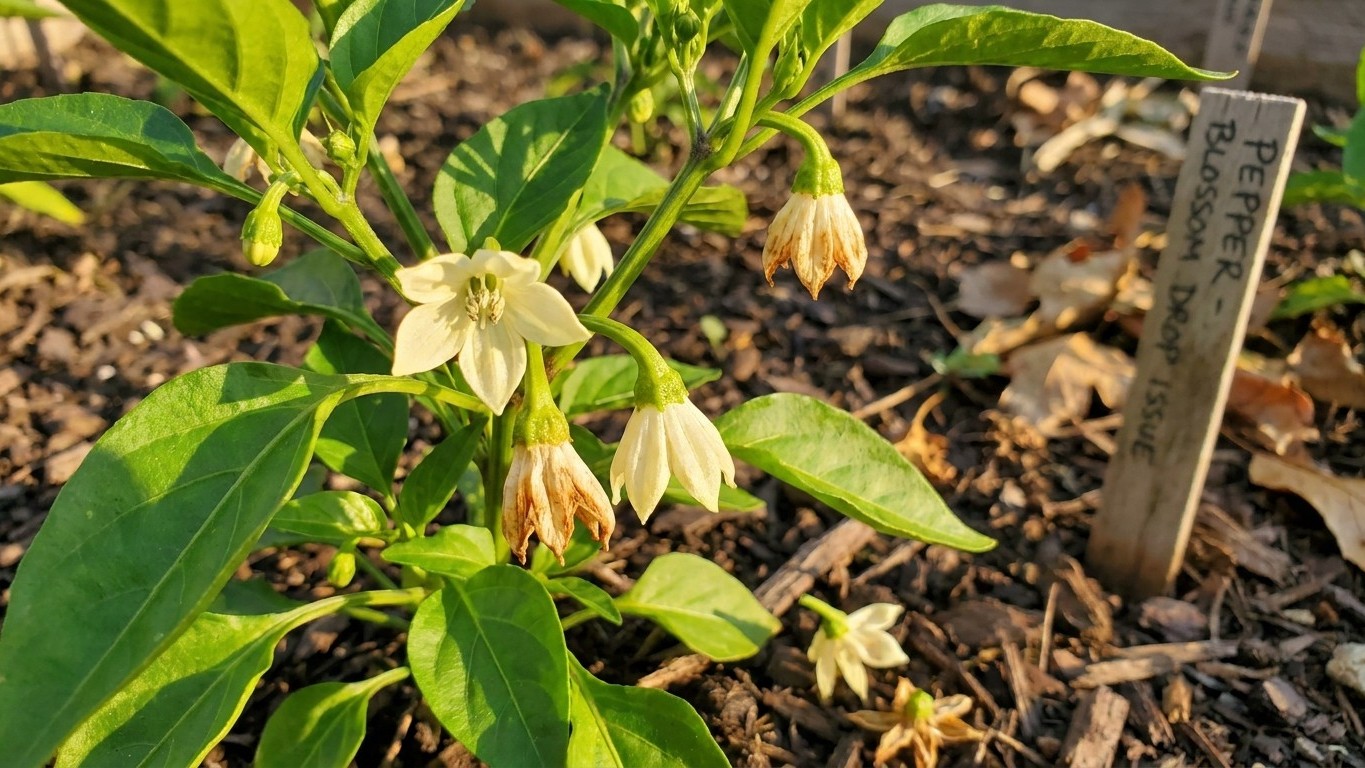
Why Peppers Drop Their Flowers: Two Temperatures, Not One

Why Peppers Drop Their Flowers: Two Temperatures, Not One

Blossoms falling off a pepper plant almost always trace back to temperature, not soil, water, or fertilizer.
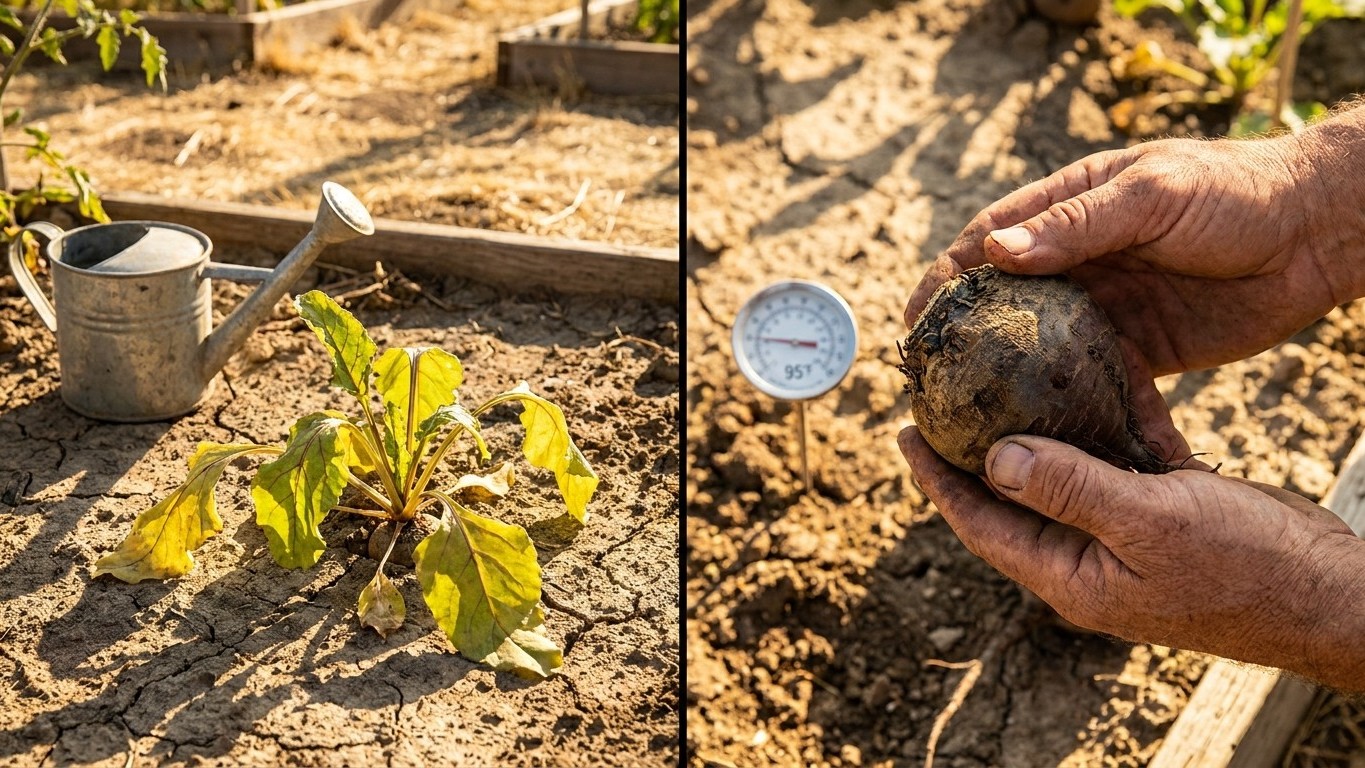
Woody Beets: Heat, Thirst, and Which One Did It

Woody Beets: Heat, Thirst, and Which One Did It

A woody beet almost always traces back to heat stress after the root has already formed, not to a single dry week early on.
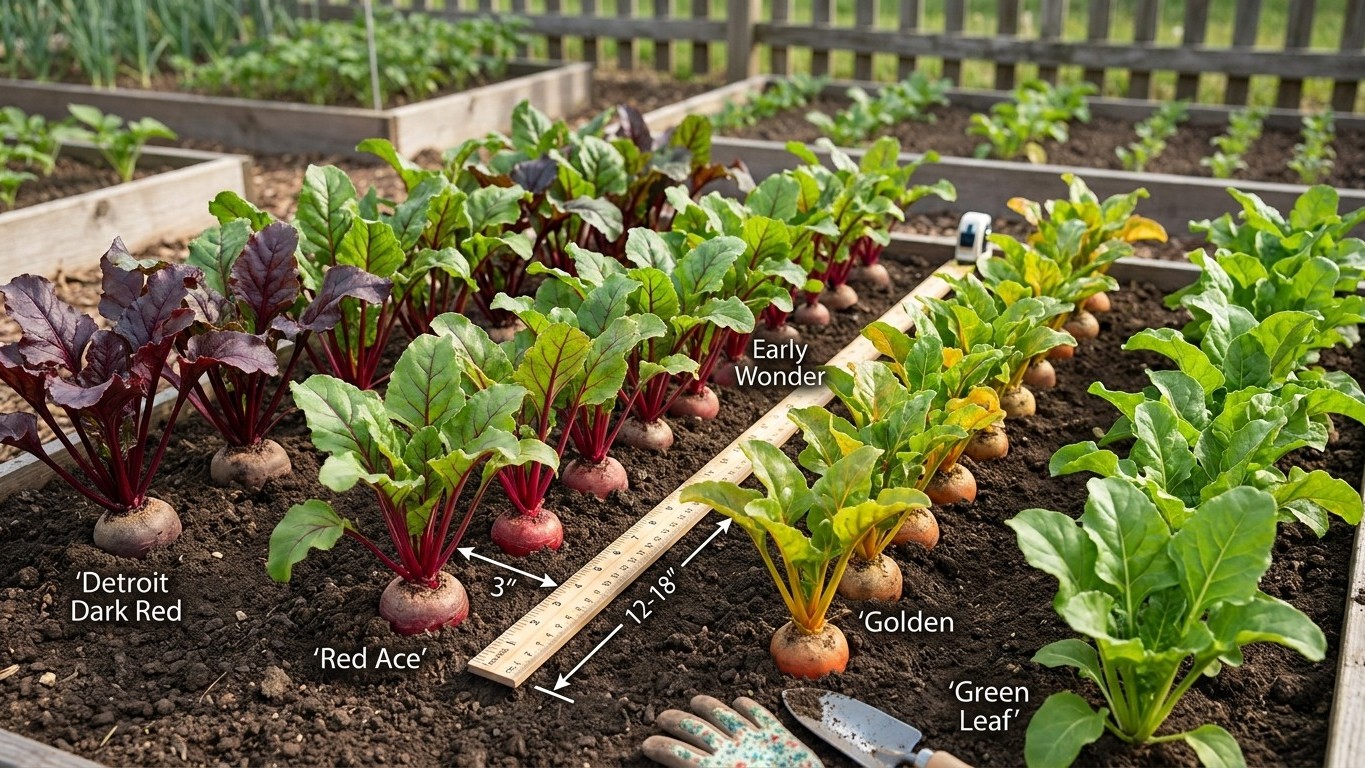
Beet Varieties: What the Extension Names, and What It Does Not Say

Beet Varieties: What the Extension Names, and What It Does Not Say

Utah State University Extension’s “Beets in the Garden” guide names five beet varieties, Detroit Dark Red, Red Ace, Early Wonder, Green Leaf, and Golden…
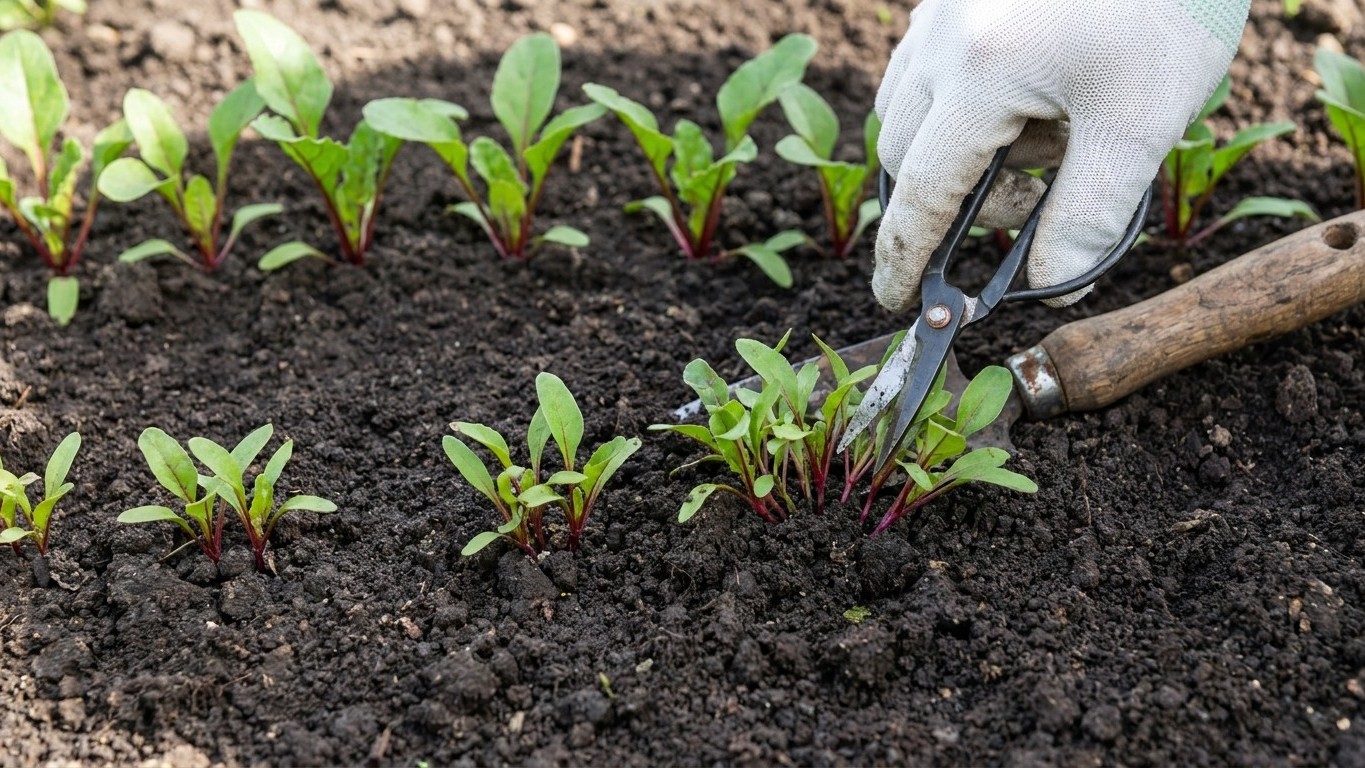
Thinning Beets: Three Inches, and Why It Is Not Optional

Thinning Beets: Three Inches, and Why It Is Not Optional

Three inches. That’s the spacing beet seedlings need once they’ve grown past their first true leaves, and skipping this step is the single most common…

Older posts
Newer posts
← Previous Page1 … Page498 Page499 Page500 … Page717 Next →

The Homestead Post

Home and garden advice with the numbers attached — written for your climate, your season and your local rules.

Sections

  • Garden
  • Home Care
  • Energy
  • Pests
  • Decor
  • DIY

Popular states

  • California
  • Texas
  • Florida
  • New York
  • Pennsylvania
  • Ohio
  • Georgia
  • North Carolina
  • All states →

The Post

  • About us
  • Contact
  • Editorial guidelines
  • Affiliate disclosure
  • Privacy policy
  • Terms of use
© 2026 The Homestead Post·Home & garden, state by state