Garlic Varieties That Suit Nebraska Winters
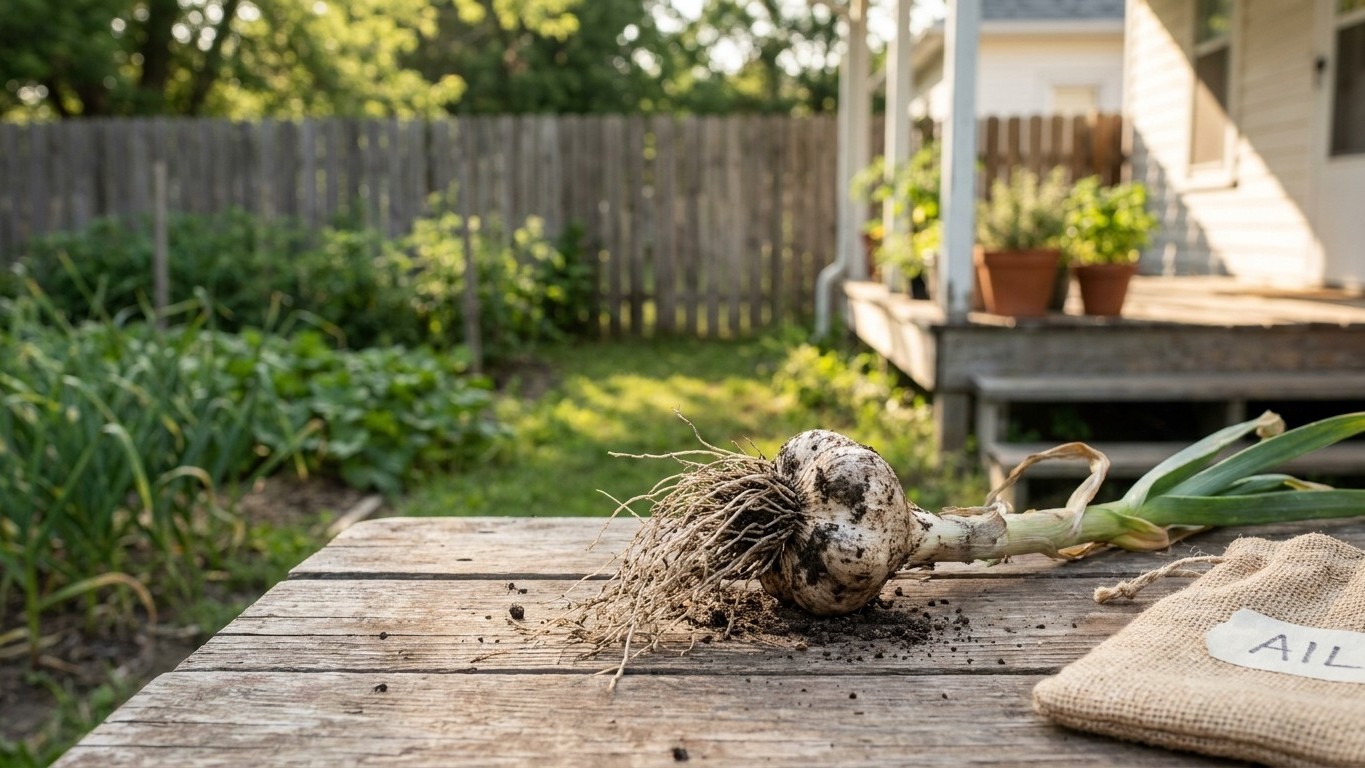
This guide sets Nebraska’s fall garlic planting window from NOAA frost data, lists cultivars suited to the state, and flags the local mistakes to avoid.
Home & garden, state by state
This guide sets Nebraska’s fall garlic planting window from NOAA frost data, lists cultivars suited to the state, and flags the local mistakes to avoid.
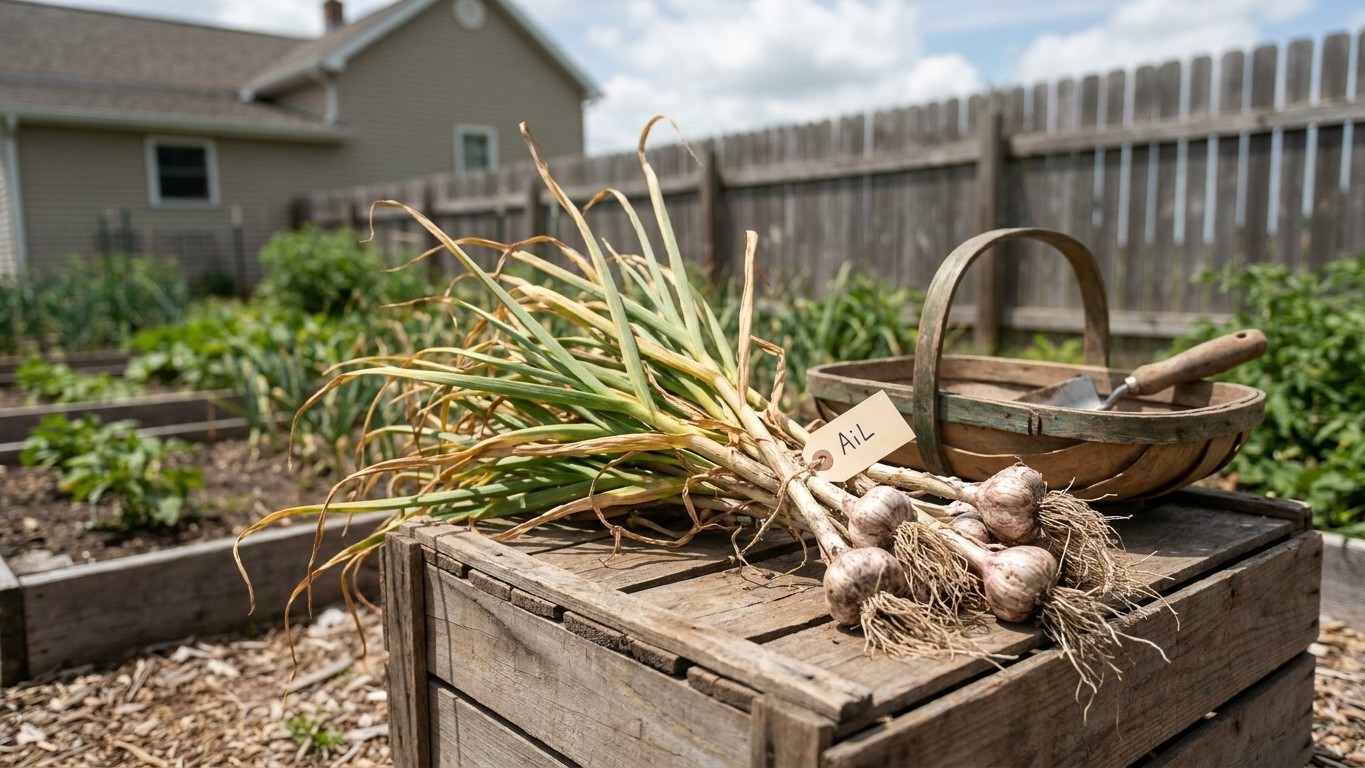
Garlic planting in Nebraska runs late September to early October, anchored to NOAA’s Omaha frost normals and each cultivar’s catalog window, not a single fixed date.
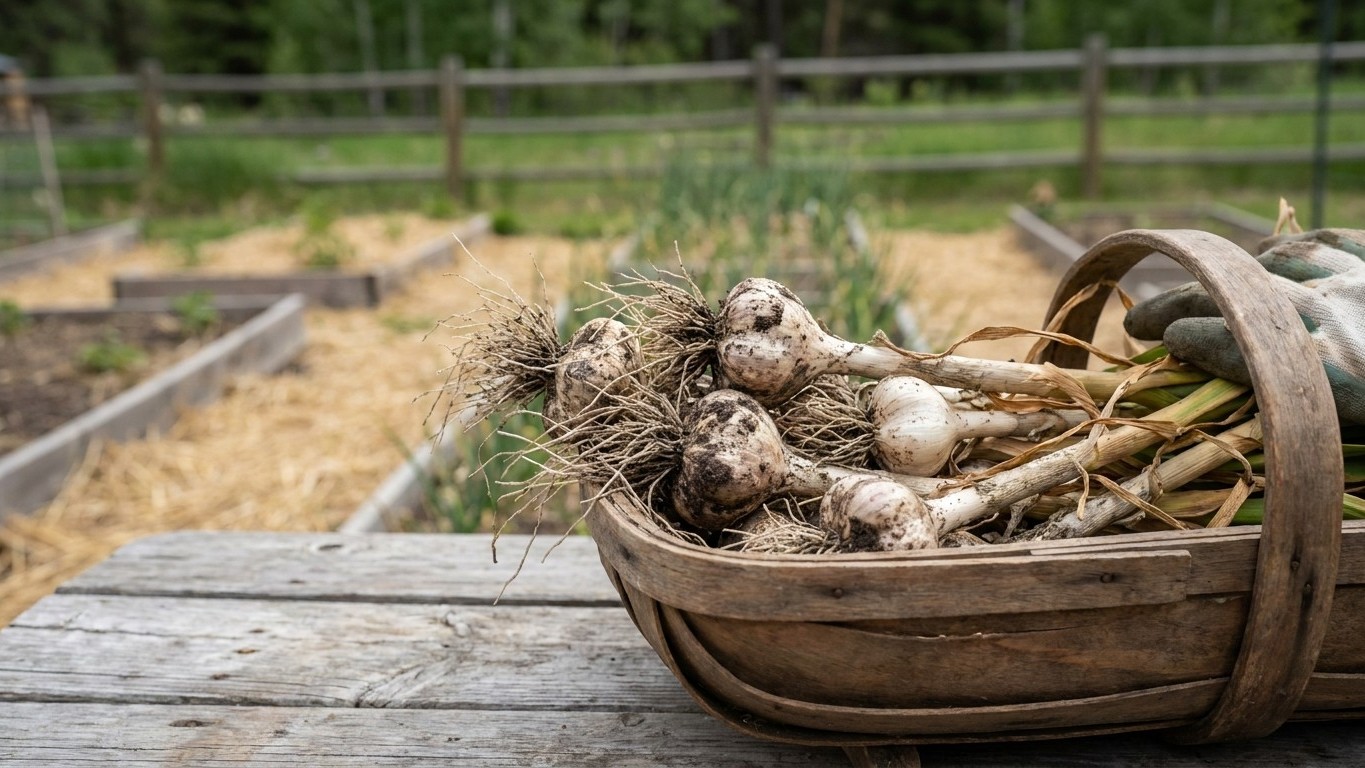
Montana growers can choose from fourteen named hardneck and softneck garlic varieties, all planted in September ahead of the region’s first fall frost.
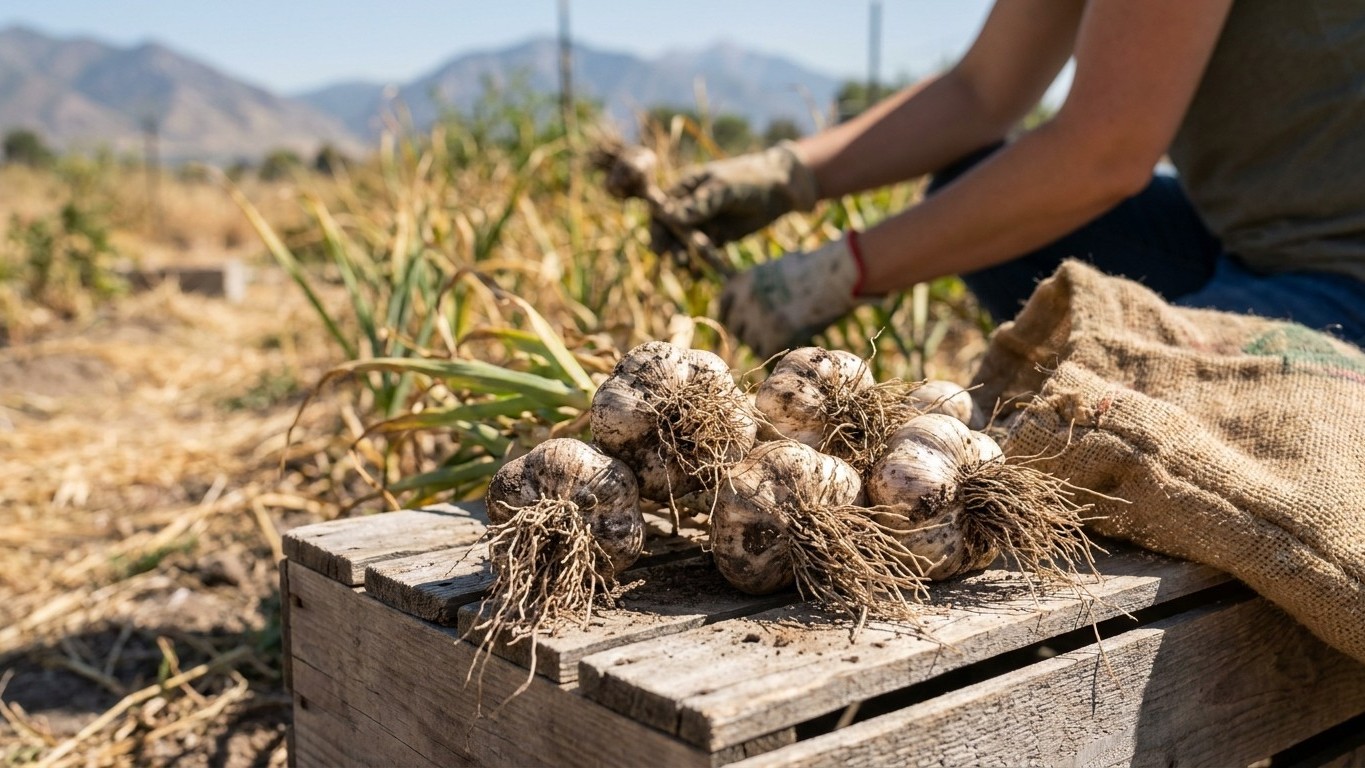
Utah’s long, cold winters exceed what garlic needs to divide into cloves, so success here comes down to picking the right type and planting window.
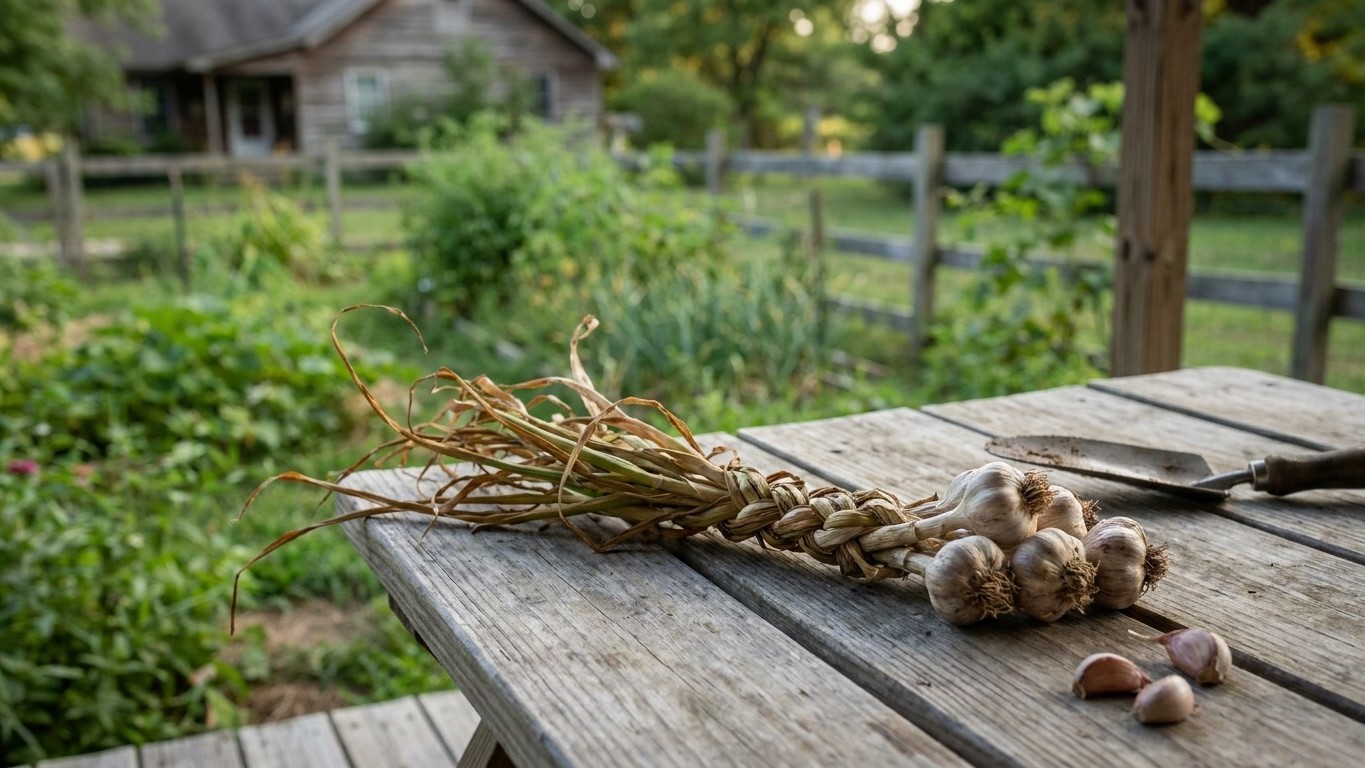
Missouri’s deep winter cold easily meets garlic’s chilling requirement, so growers can choose any hardneck or softneck variety and plant by early October.
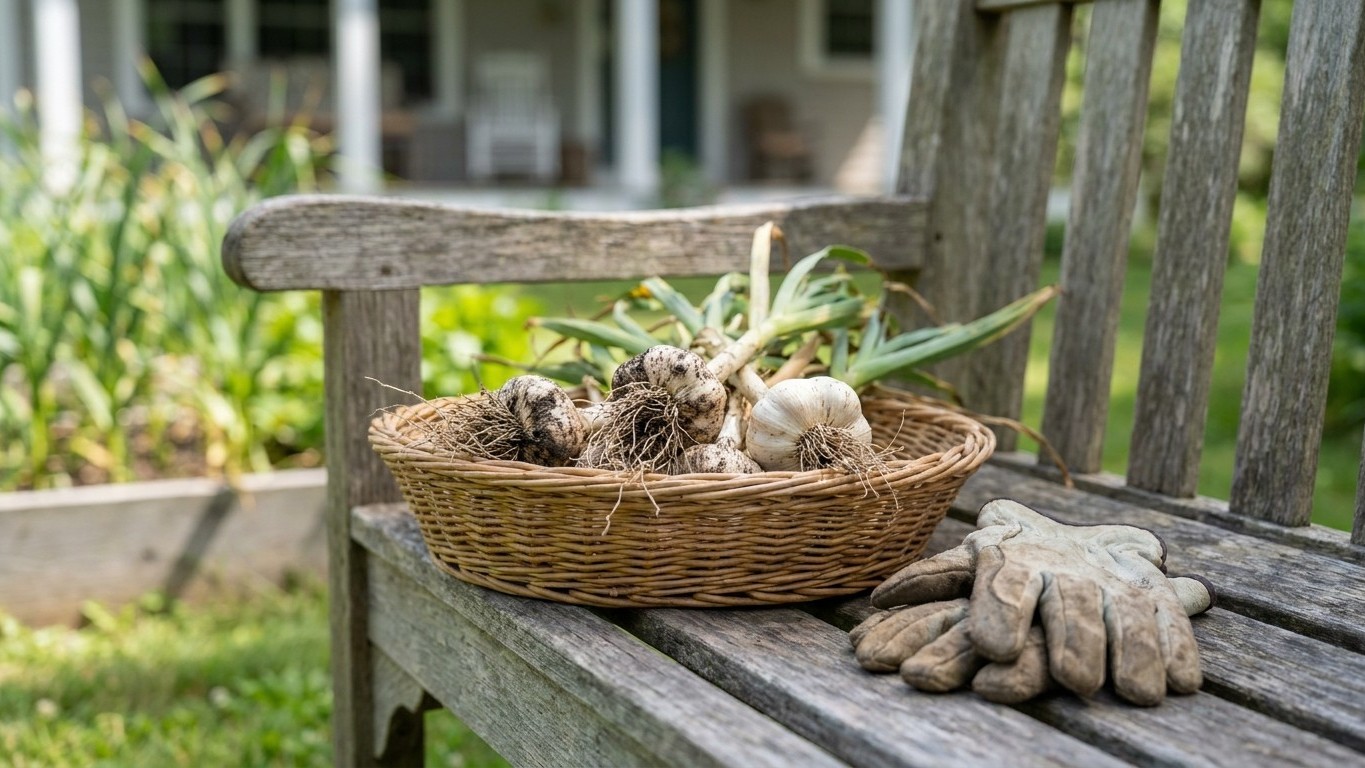
A county-by-county look at whether New Hampshire’s winters are cold enough for garlic, when to plant, and which varieties to choose.
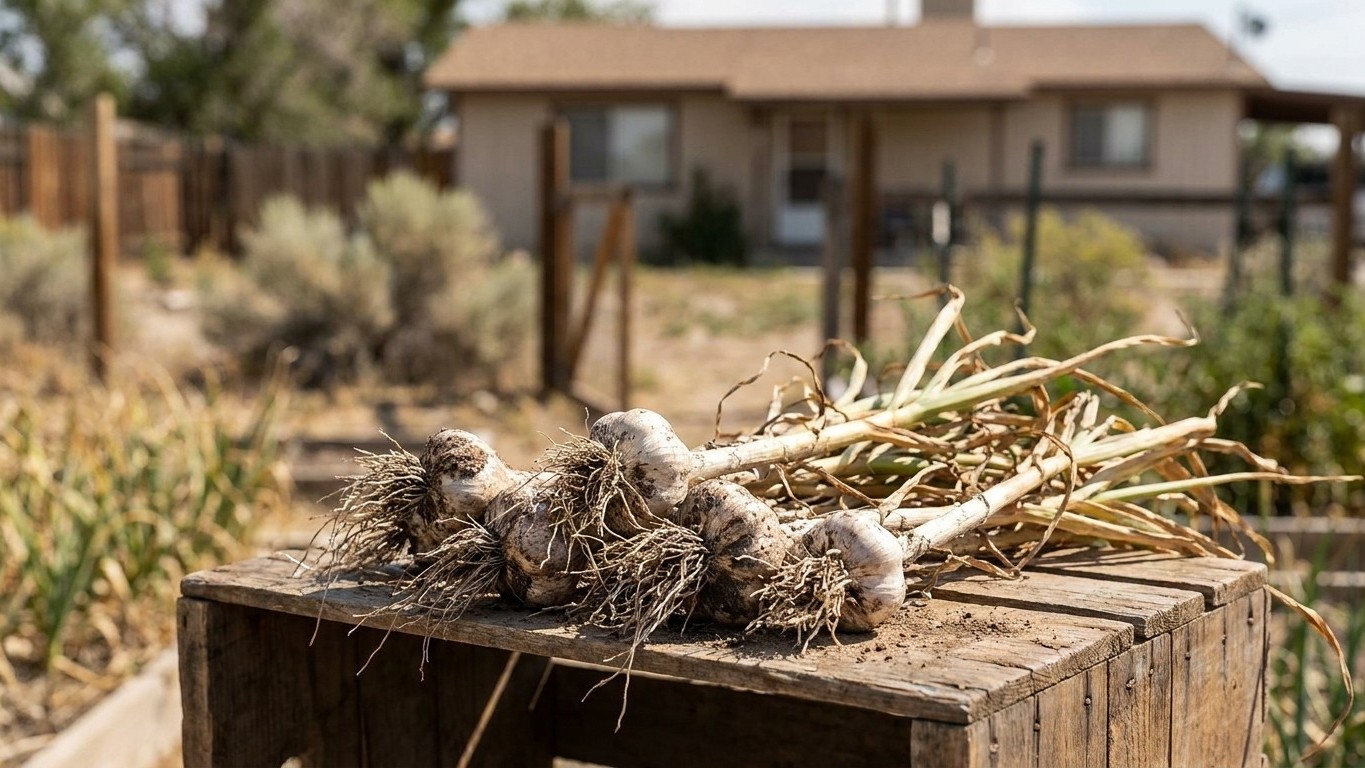
Nevada’s winters give garlic plenty of chilling everywhere in the state, but the right planting date and variety depend on your elevation and local frost pattern.
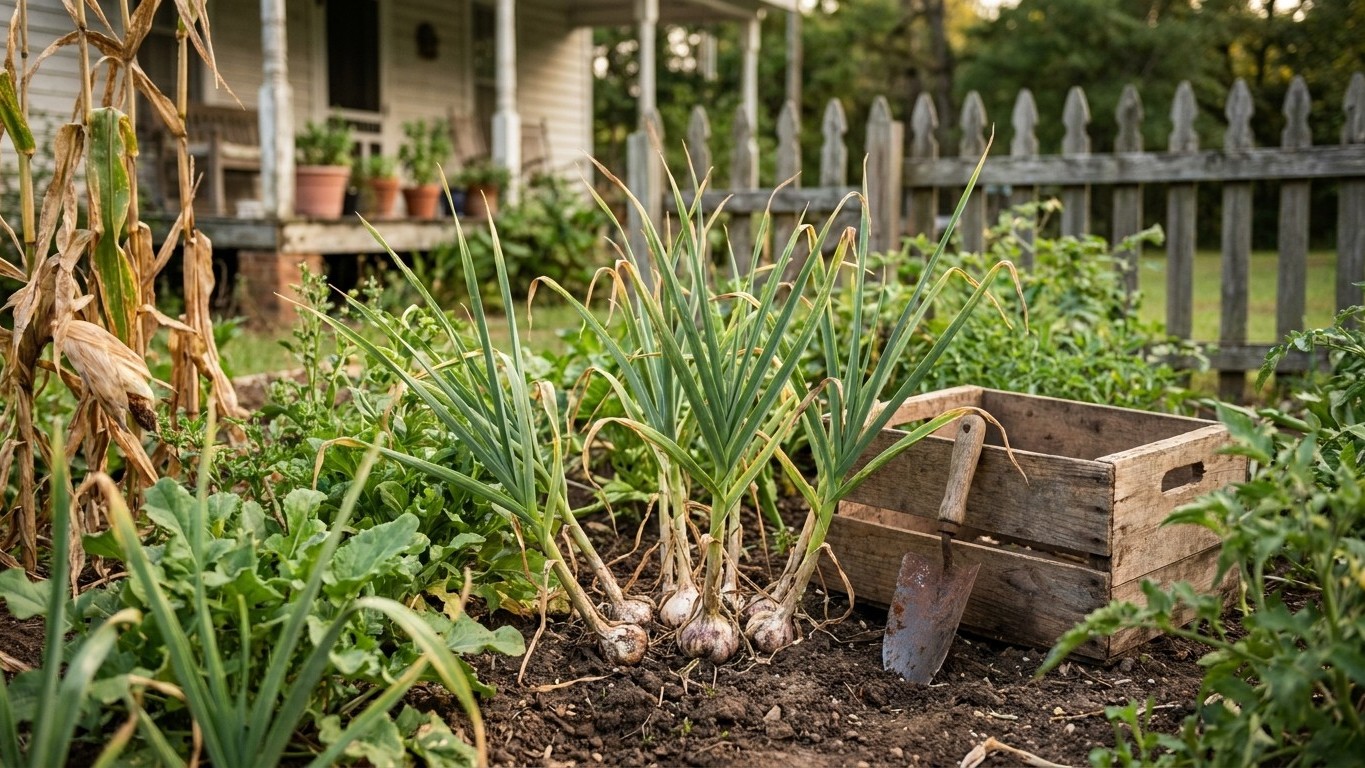
A county-by-county look at when to plant softneck and hardneck garlic in Mississippi, using NOAA’s frost normals and the state’s winter chill.
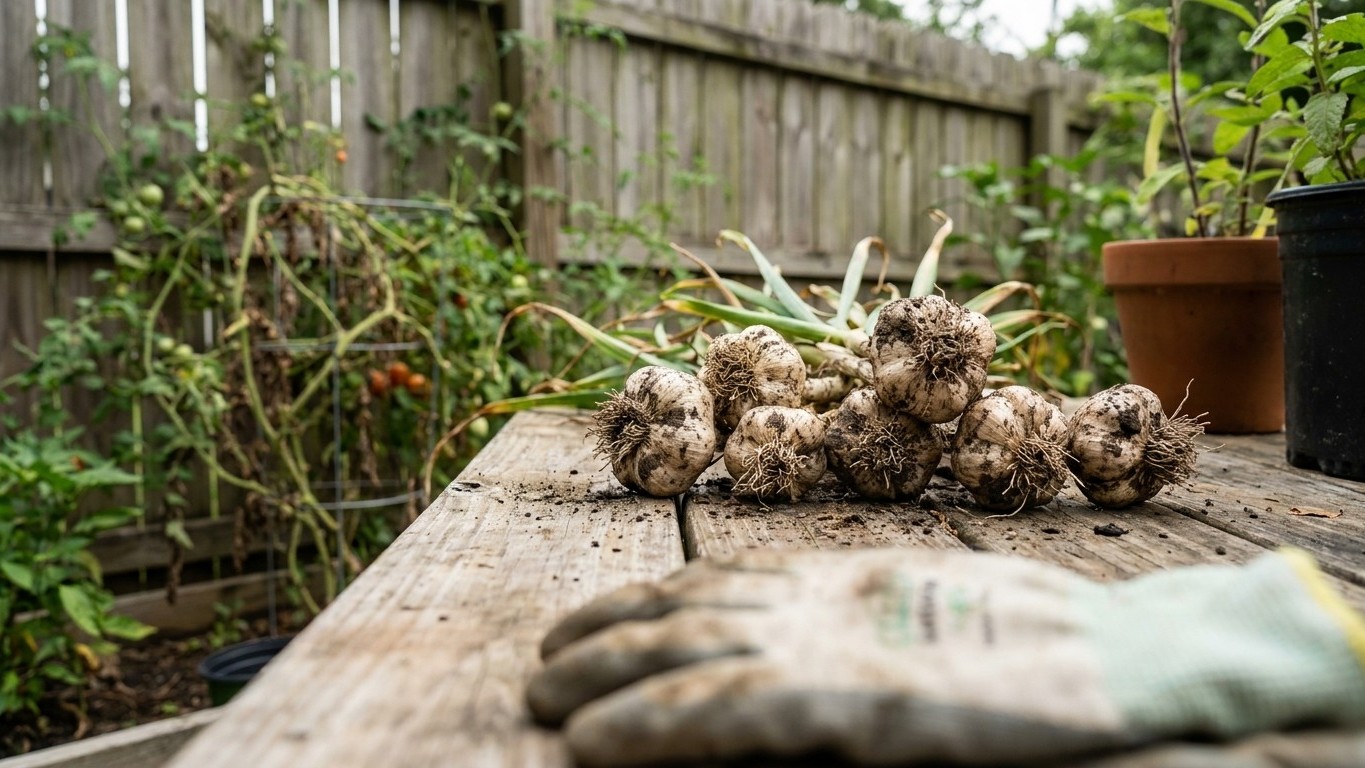
Louisiana’s mild winters rarely provide enough cold for hardneck garlic, so most growers choose softneck varieties planted in late fall.
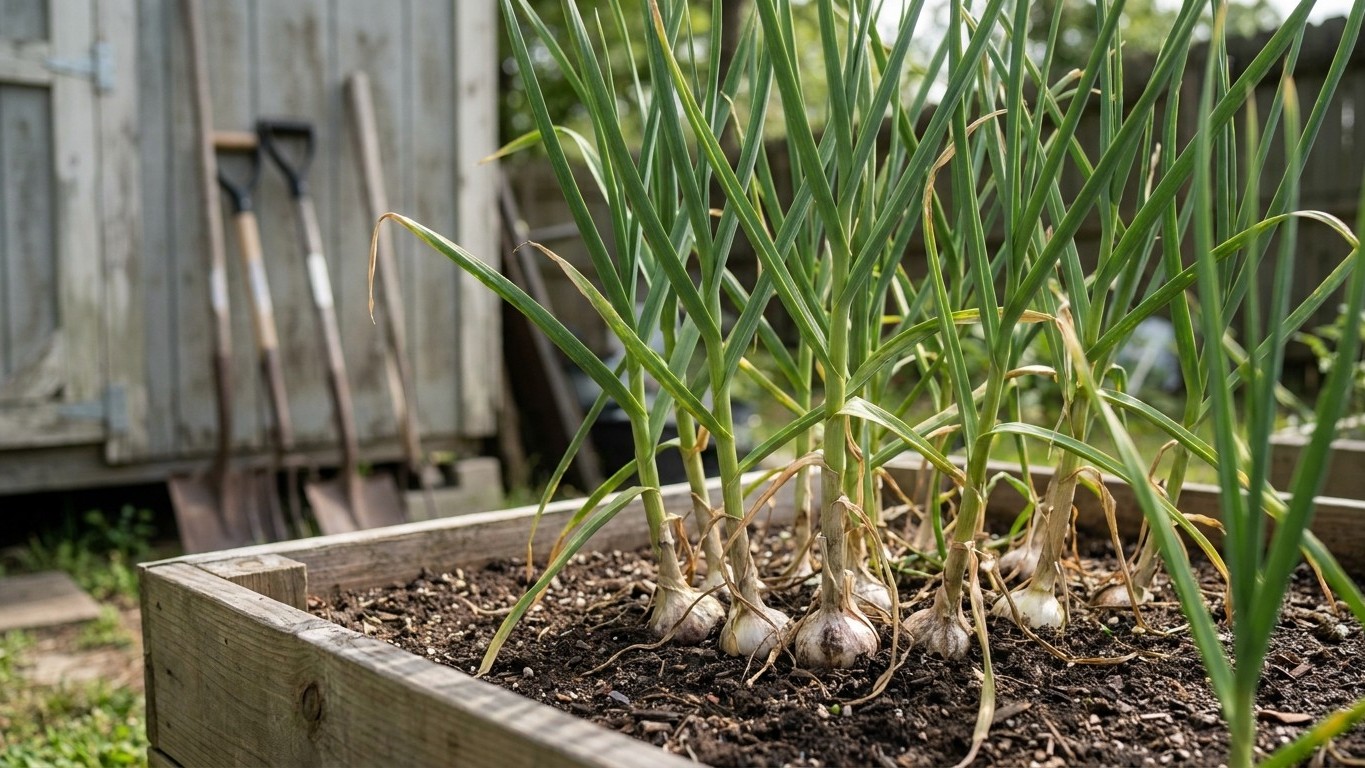
Louisiana rarely gets the sustained cold garlic needs to divide, so growers refrigerate cloves before planting or choose softneck varieties suited to mild winters.