Growing Garlic in West Virginia: Planting Dates, Varieties and Winter Cold
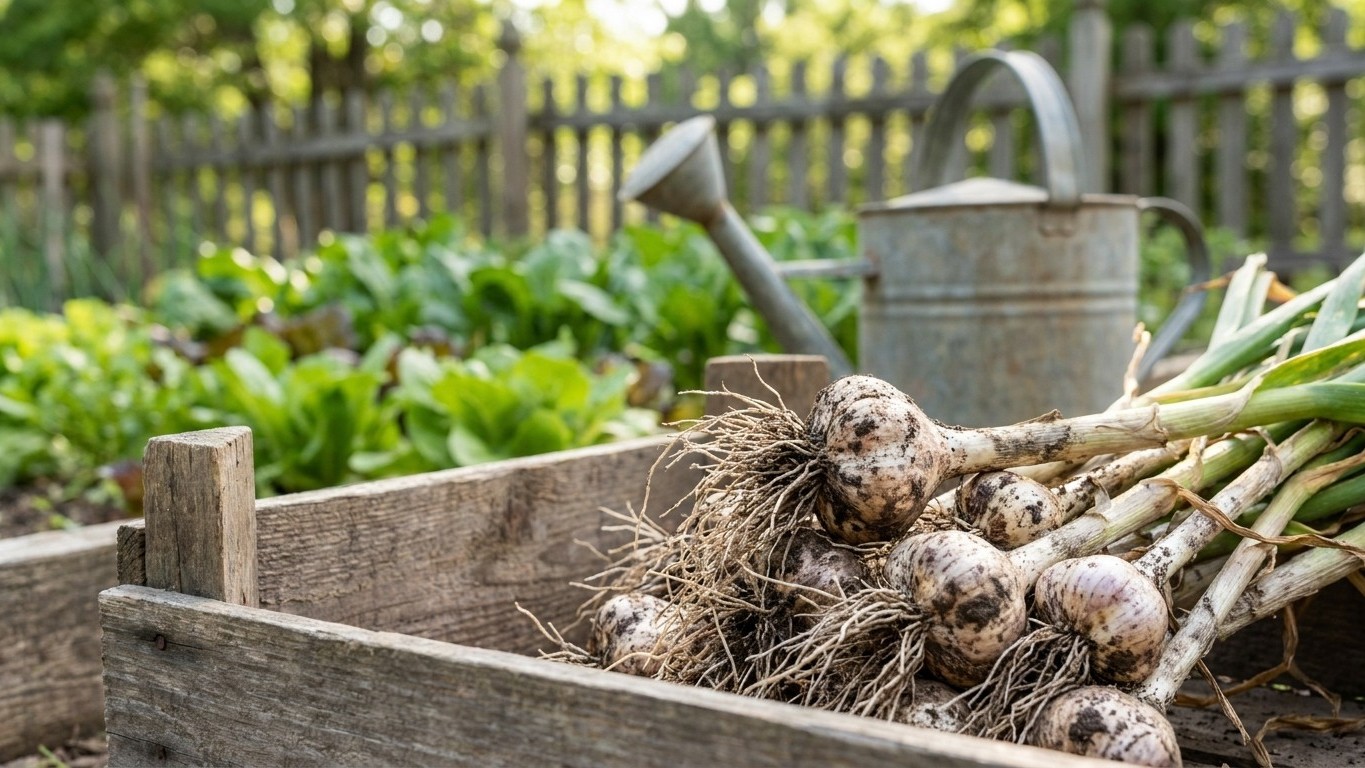
West Virginia’s average winter cold comfortably exceeds the six to eight weeks garlic needs to divide, though frost dates and mulch timing shift with elevation.
Home & garden, state by state
West Virginia’s average winter cold comfortably exceeds the six to eight weeks garlic needs to divide, though frost dates and mulch timing shift with elevation.
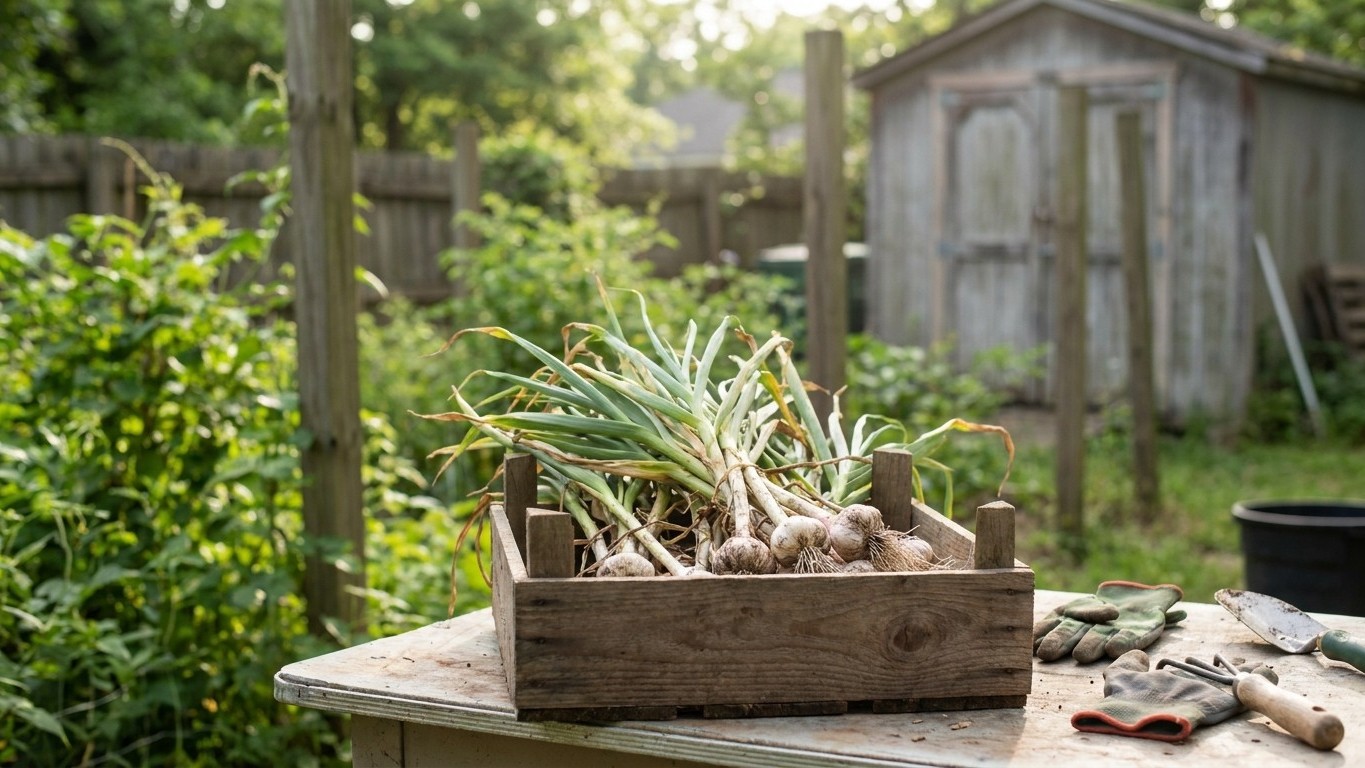
Louisiana garlic goes in the ground late November to mid December, three to four weeks ahead of NOAA’s December 17 to January 8 frost window near New Orleans.
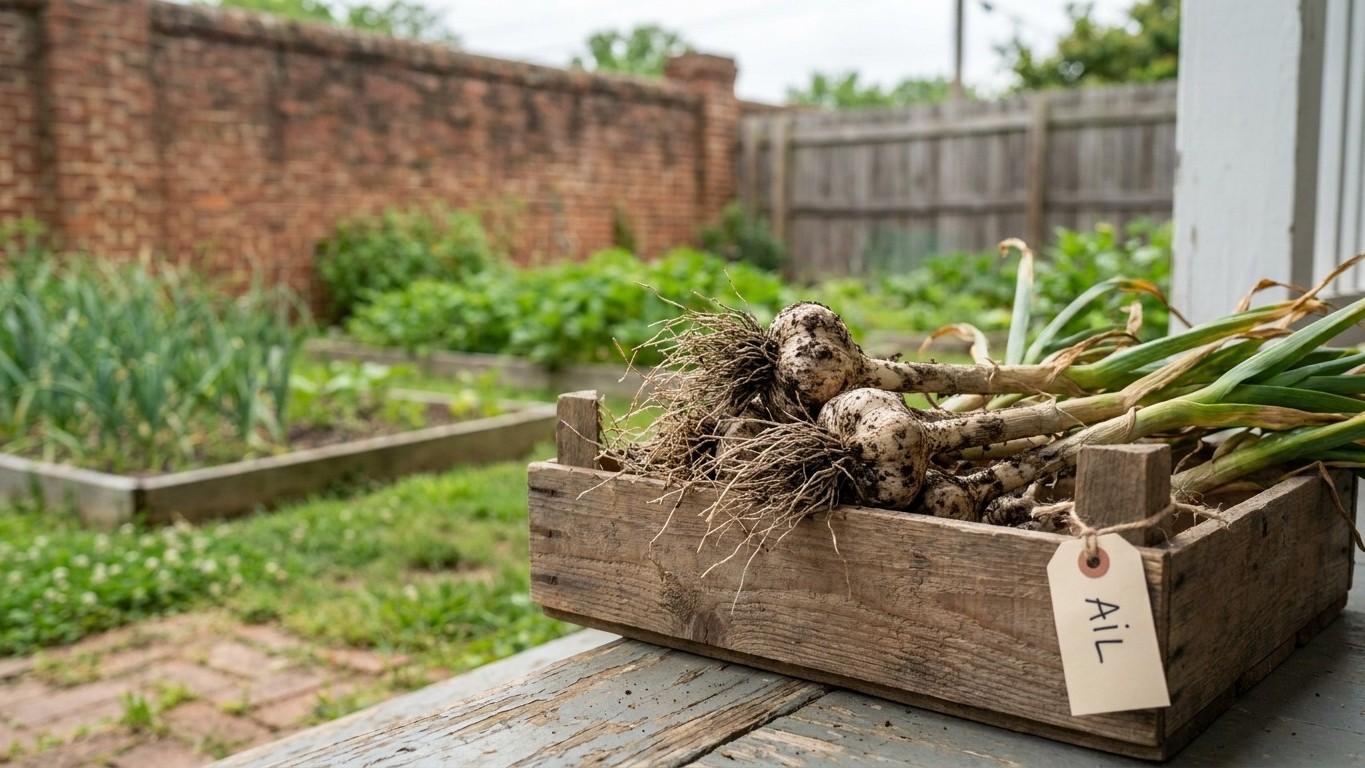
Virginia’s winters supply the cold spell garlic needs, with planting windows, hardneck versus softneck choices, and curing advice for the state’s climate.
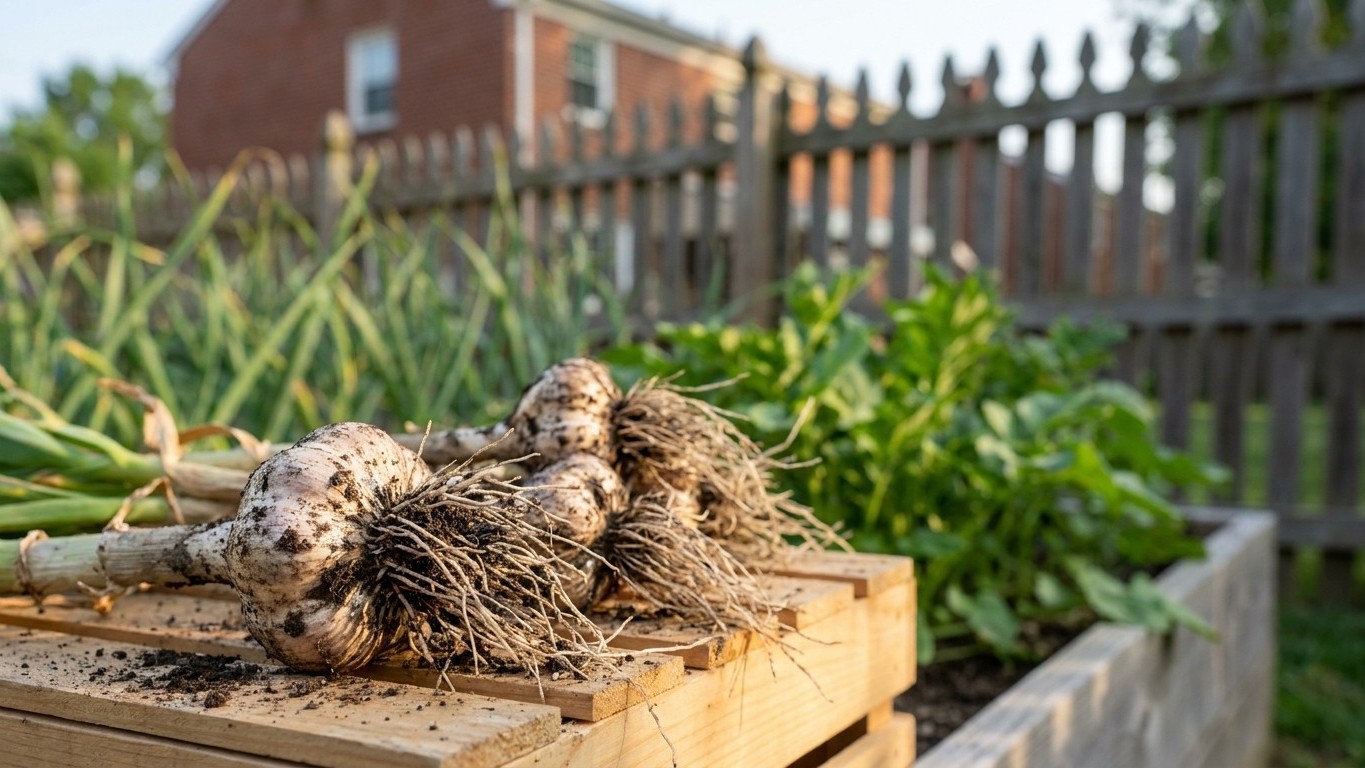
Maryland’s garlic planting window falls in early to mid October, calculated from Baltimore’s NOAA frost data, with earlier or later dates depending on region and elevation.
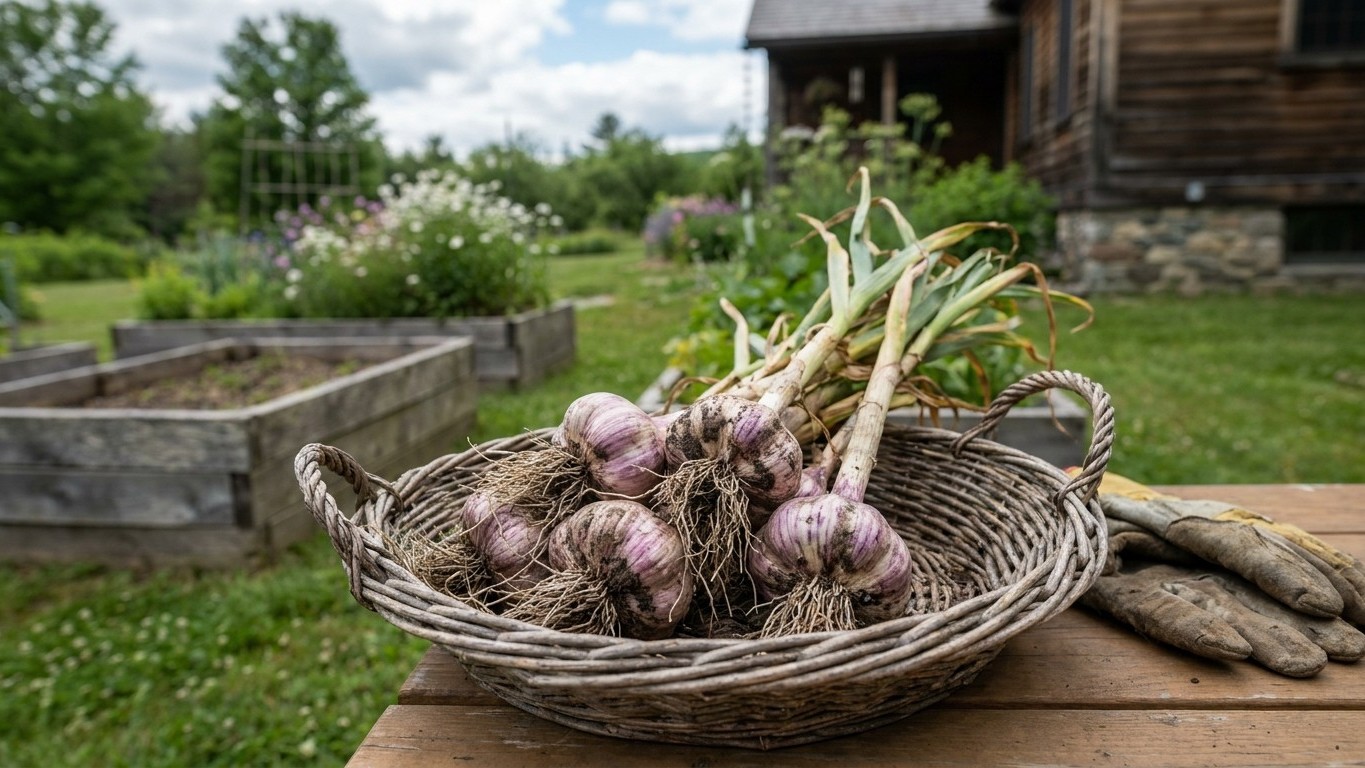
Vermont’s cold is more than enough for garlic, so the real decisions are planting date, variety, and getting mulch off in spring.
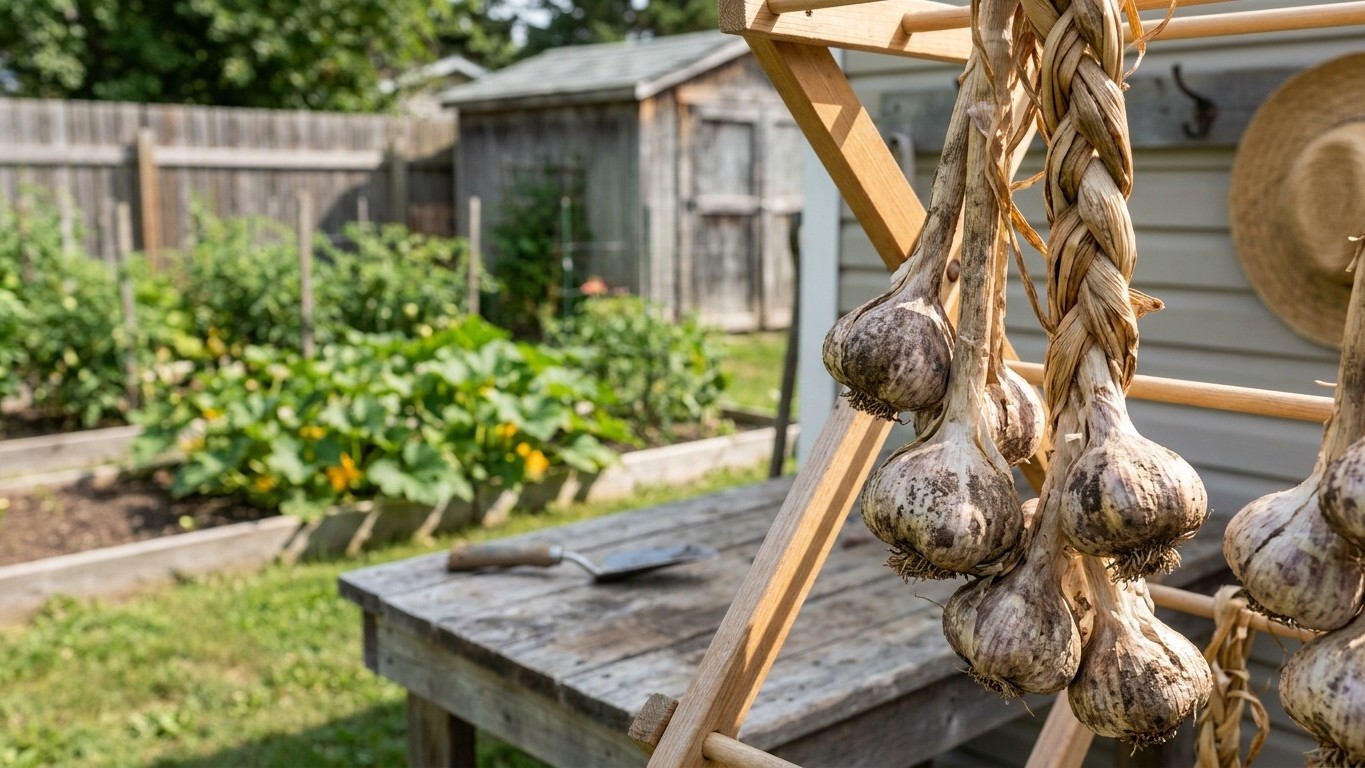
Manitoba’s early-September garlic planting window, the winter cold hours behind it, and which catalog hardneck and softneck varieties actually suit that season.
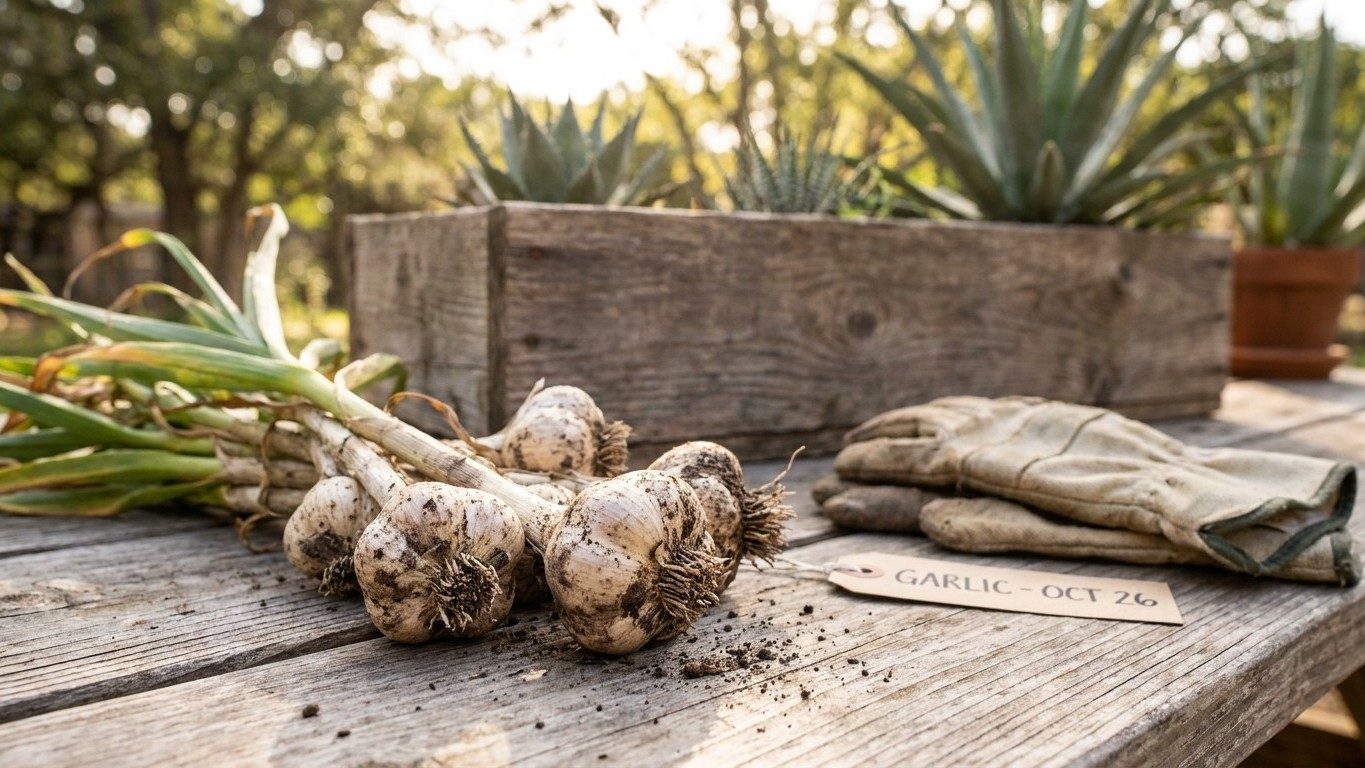
Houston’s mild winters fall short of garlic’s chilling needs, so Gulf Coast growers either pre-chill cloves or plant softneck varieties suited to warm winters.
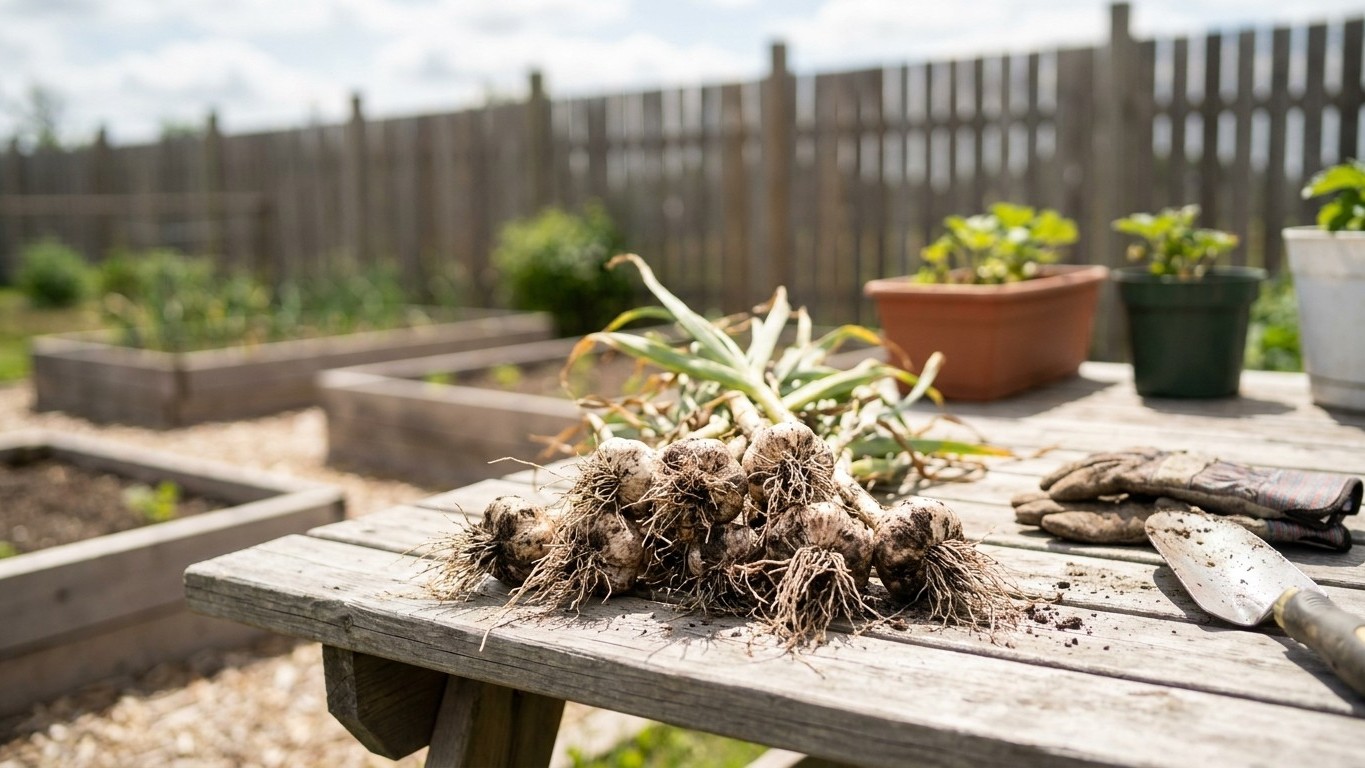
Manitoba’s garlic planting window falls in early September, calculated from Winnipeg’s average first frost date and the cold needed to split cloves before spring.
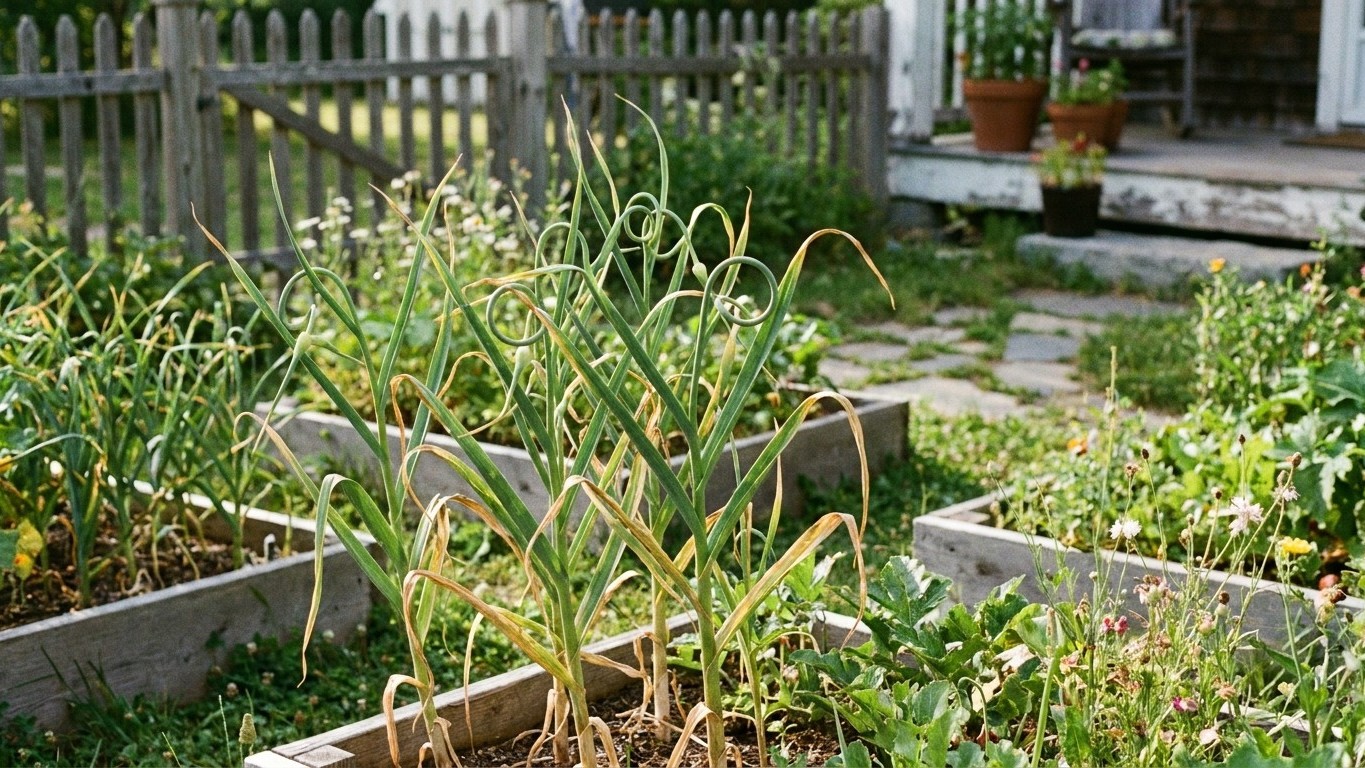
Maine’s fall frost window and its long stretch of winter cold set the planting dates and best garlic varieties, from hardneck Duganski to softneck Inchelium Red.
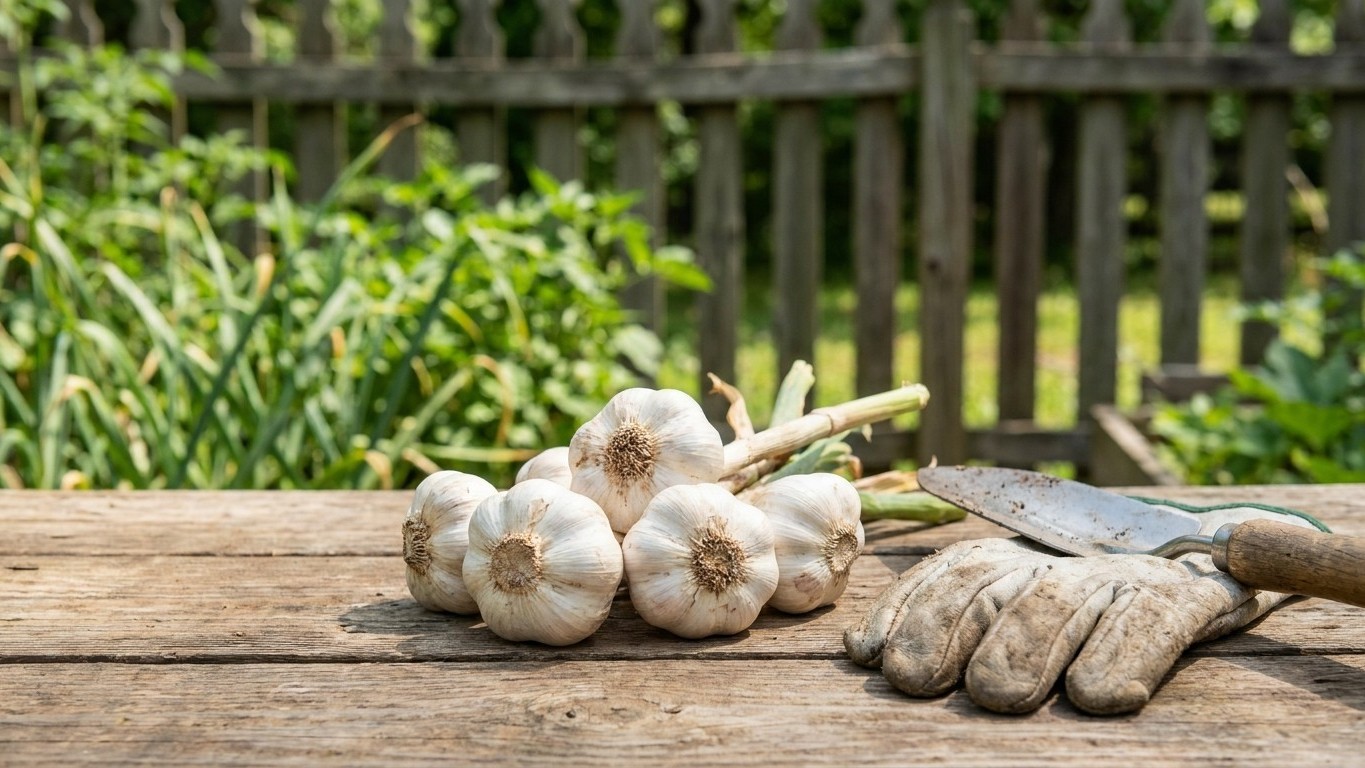
Tennessee’s cold winters comfortably split garlic cloves, and this guide gives the fall planting window, best varieties, and disease risks by month.